rifanmuazin
Understanding the concept of a "target" audience is fundamental to effective marketing strategy. While traditional segmentation methods like demographics, psychographics, geographics, and behavior are crucial, a nuanced understanding of generational differences is equally vital for crafting resonant messages and reaching the right platforms. This article concludes a comprehensive series exploring digital marketing strategies tailored for distinct generations, with a specific focus on reaching and engaging the Baby Boomer cohort (born between 1940 and 1959). Previous installments have delved into the unique characteristics and marketing approaches for Gen Z, Millennials, and Gen X.
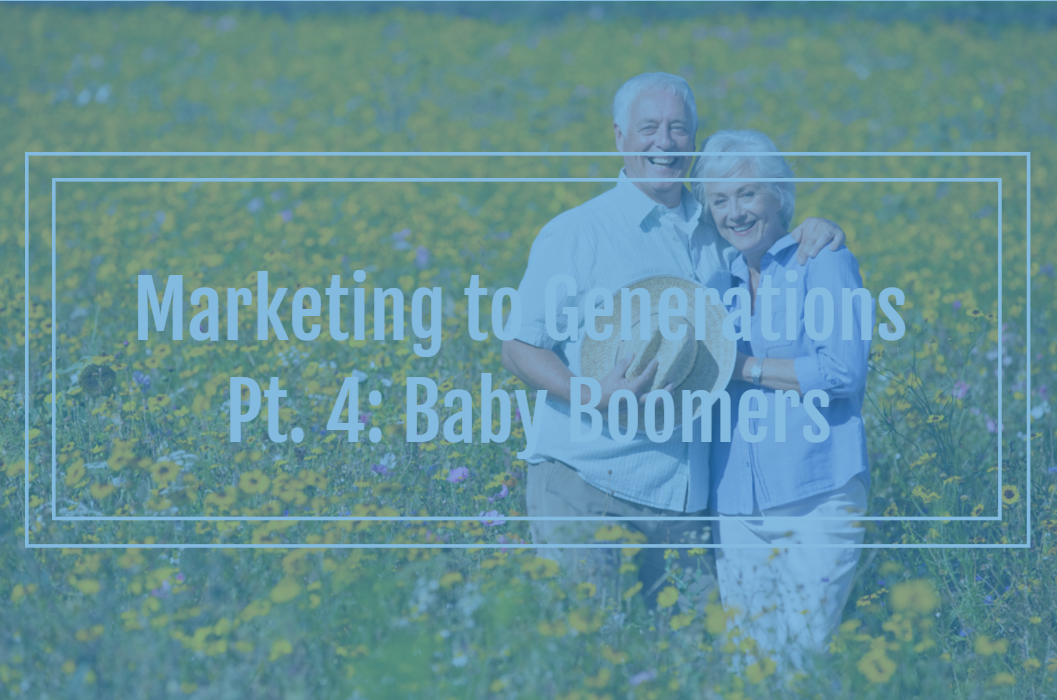
The Baby Boomer generation, historically the largest demographic group before being surpassed by Millennials, has witnessed and navigated profound technological and societal transformations throughout their lives. Emerging in the post-World War II era, this generation has experienced a dynamic global landscape that has shaped their values, consumption patterns, and expectations of businesses. While younger generations sometimes employ lighthearted, albeit occasionally cynical, humor to characterize Boomers, understanding the formative experiences of this cohort reveals a generation shaped by resilience, a strong work ethic, and a deep appreciation for relationships and value.
The Shaping Forces of the Baby Boomer Mindset
The formative years of Baby Boomers were steeped in a world grappling with the aftermath of unprecedented global conflict. World War II, which resulted in an estimated 60 million military and civilian deaths worldwide, and the devastating impact of atomic weaponry, left an indelible mark on the global consciousness. Boomers lived through the Korean War and the persistent anxieties of the Cold War. Many were subject to the draft and served in the Vietnam War, a conflict that deeply divided American society. For Baby Boomers of color, this era was also defined by the struggle against systemic racism and the fervent pursuit of civil rights, a movement that fundamentally reshaped American society.
Beyond international and social unrest, the Baby Boomer generation witnessed significant political upheaval. The assassination of President John F. Kennedy in 1963 sent shockwaves across the nation, and the Watergate scandal in the 1970s eroded public trust in government institutions. Economic instability, including severe oil crises in the 1970s, further punctuated their experience.
Despite these significant challenges, the Baby Boomer era in the United States was also characterized by a period of relative economic prosperity and growth. This environment fostered a strong emphasis on domestic stability and the concept of the home as a sanctuary. Traditional values and roles, which had been disrupted by wartime exigencies, often re-emerged and were reinforced. Consequently, Baby Boomers tend to place a high premium on relationships, extending this value to the interactions they have with businesses and brands. This emphasis on connection translates into an expectation of high-quality customer service, a critical factor for brands seeking to win their loyalty. Data from various consumer studies indicates that Baby Boomers are significantly more likely than younger generations to prioritize excellent customer support and personalized interactions.
Furthermore, the Baby Boomer generation is widely recognized for its robust work ethic. This perspective is rooted in the belief that diligent effort and dedication lead to tangible rewards and advancement. This mindset often fosters a competitive spirit and a preference for long-term commitment within organizations, with many Boomers historically aspiring to climb the corporate ladder within a single company rather than frequently changing employers. While many are now retired, this ingrained value system continues to influence their approach to financial matters and their perception of value.
Financially, as individuals age, they typically accumulate more wealth than younger generations, a trend observed through generational wealth studies. The economic conditions during the Boomer upbringing, characterized by lower costs for education and housing compared to contemporary rates, allowed for greater accumulation of assets. This financial security, coupled with a lifetime of diligent saving and investment, contributes to a discerning approach to spending. Boomers tend to be thrifty, with a strong desire to ensure their hard-earned money is spent wisely and not wasted on perceived poor value. This financial prudence informs their purchasing decisions and their sensitivity to pricing and promotional offers.
Baby Boomer Consumption Patterns and Preferences
The distinct life experiences of Baby Boomers have cultivated unique consumption habits, particularly when contrasted with subsequent generations. Early Baby Boomers, in particular, often exhibit a preference for in-store shopping experiences over online retail. This inclination underscores their appreciation for personal interaction and the tactile experience of evaluating products before purchase. For businesses with physical locations, emphasizing this aspect through in-store promotions, accessible layouts, and well-trained, friendly sales staff is paramount. While Boomers are increasingly comfortable with online transactions, highlighting the convenience and security of digital purchasing, along with readily available customer support, can further enhance their online engagement.
A core tenet of Baby Boomer consumer behavior is the pursuit of value for money. As many are in retirement or nearing it, making judicious financial decisions is critical for maintaining their lifestyle and security. This often translates into an appreciation for bundled offers, value packs, and promotions that clearly demonstrate cost savings. While younger generations may be more inclined to seek out brands that champion environmental sustainability and engage in extensive Corporate Social Responsibility (CSR) initiatives, studies suggest that Baby Boomers are less likely to prioritize these factors in their purchasing decisions. For instance, research indicates that Boomers are significantly less likely than other consumer groups to actively seek out brands that reduce energy consumption or participate in broader CSR efforts. Their primary focus tends to be on the tangible benefits and quality of the products and services they acquire.
Recommendations and endorsements hold considerable weight with Baby Boomers, much like with many other demographic groups. While influencer marketing can be an effective tool, it is crucial that the chosen influencers genuinely resonate with the target audience and possess credibility within their sphere. Authenticity and relatability are key. It is also important to acknowledge the significant influence that children and grandchildren can have on Boomer purchasing decisions, particularly concerning technology and new products. When crafting marketing messages, brands should consider this multi-generational influence, recognizing that communication might indirectly reach multiple age groups simultaneously. A product marketed to a Boomer might be vetted by their Millennial or Gen X child, or even their Gen Z grandchild.
Strategic Approaches for Marketing to Baby Boomers
Understanding the unique mindset and consumption attitudes of Baby Boomers provides a solid foundation for developing effective marketing strategies. The following outlines key platforms and messaging approaches to consider when targeting this influential demographic.
Platforms to Reach Baby Boomers
While Baby Boomers may not be as prevalent on emerging social media platforms like TikTok or Snapchat, they are active users of more established digital channels and traditional media.
- Email Marketing: Despite the rise of instant messaging, email remains a highly effective channel for reaching Baby Boomers. They tend to check their inboxes regularly and appreciate direct, informative communications. Personalized email campaigns that offer exclusive deals, product updates, and valuable content can foster strong engagement.
- Facebook: This social media giant continues to be a dominant platform for the Baby Boomer generation. They use Facebook to stay connected with friends and family, share updates, and discover new products and services. Targeted advertising on Facebook, utilizing demographic and interest-based segmentation, can be highly effective. Engaging content, including videos, articles, and user-generated testimonials, can resonate well.
- Search Engines (Google): Boomers utilize search engines extensively to research products, services, and information. Optimizing your website for relevant keywords and employing search engine marketing (SEM) strategies, including pay-per-click (PPC) advertising, can capture their intent-driven searches.
- Television and Radio: Traditional media, particularly television and radio, still hold significant sway with the Baby Boomer demographic. While the shift to digital is undeniable, these channels offer broad reach and can be effective for brand awareness campaigns, especially for products and services that appeal to their lifestyle and needs.
- Print Media: Certain print publications, such as newspapers and magazines that cater to their interests (e.g., health, finance, hobbies), can still be valuable for reaching this audience. Direct mail campaigns, when well-targeted and personalized, can also yield positive results.
- YouTube: Contrary to some perceptions, Baby Boomers are increasingly engaging with video content on platforms like YouTube. They use it for learning, entertainment, and product research. Video content that is informative, educational, or demonstrates product benefits clearly can be highly effective.
Messaging That Speaks to Baby Boomers
Crafting messages that resonate with Baby Boomers requires an understanding of their values, priorities, and communication preferences.
- Emphasize Value and Quality: Highlight the tangible benefits, durability, and long-term value of your products or services. Clearly articulate how your offering provides a sound investment and addresses their needs effectively.
- Focus on Benefits, Not Just Features: Instead of simply listing product features, explain how those features translate into practical benefits for their lives. For example, instead of saying "long battery life," explain "enjoy extended use without frequent recharging."
- Build Trust and Credibility: Boomers value authenticity and trustworthiness. Testimonials from satisfied customers, endorsements from credible sources, and clear, transparent communication can build confidence. Avoid overly aggressive sales tactics or hyperbolic claims.
- Highlight Ease of Use and Convenience: Given the rapid pace of technological change, messaging that emphasizes user-friendliness and straightforward operation can be particularly appealing, especially for tech-related products.
- Nostalgia and Familiarity: While not always applicable, subtle references to shared cultural touchstones or a sense of familiarity can evoke positive emotions. However, this must be done authentically and avoid appearing patronizing.
- Respect and Acknowledgment: Messages that acknowledge their life experiences, wisdom, and contributions can foster a sense of respect and appreciation. Avoid language that infantilizes or dismisses their perspectives.
- Clear Calls to Action: Ensure that your calls to action are unambiguous and easy to follow. Whether it’s visiting a store, calling a number, or clicking a link, provide clear instructions on the next step.
- Personalization: Where possible, personalize your communications. Addressing them by name in emails or tailoring offers based on past purchases demonstrates that you understand and value their individual needs.
It is crucial to remember that these are broad generalizations, and significant diversity exists within the Baby Boomer generation. Individual preferences, socioeconomic backgrounds, and life experiences will vary considerably. Therefore, the most successful marketing strategies will involve ongoing research, testing, and refinement to understand specific audience segments and tailor approaches accordingly. For brands seeking to develop a comprehensive digital marketing solution to effectively reach and convert their Baby Boomer audience, consulting with experienced marketing professionals can provide invaluable guidance and strategic insights.