rifanmuazin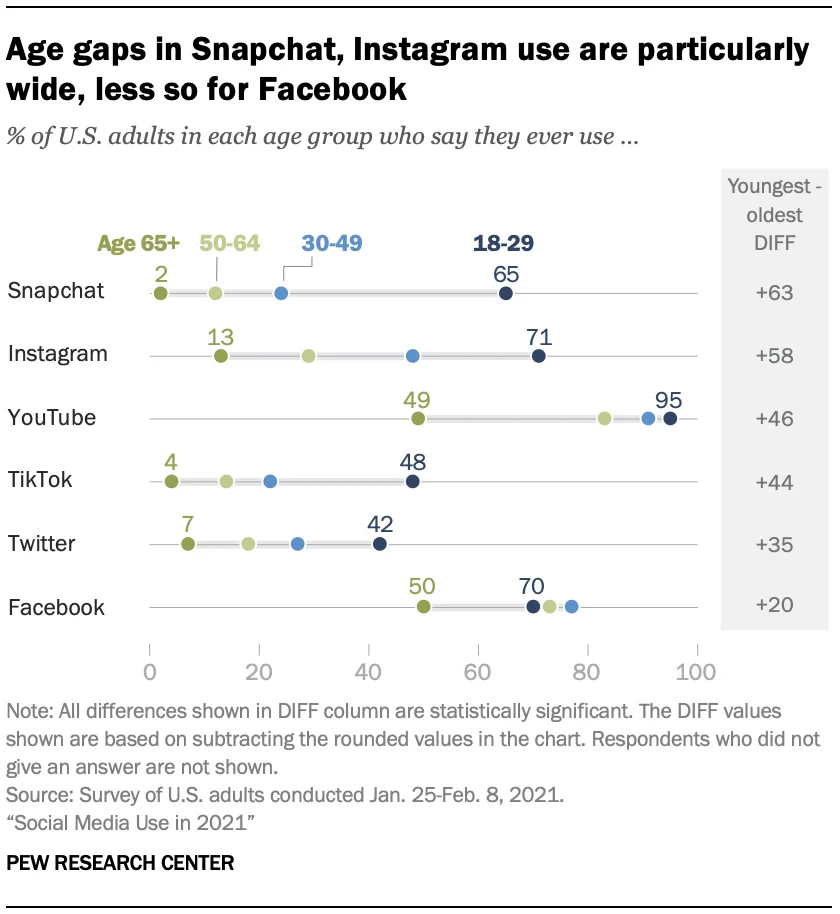
The strategic imperative of identifying and engaging a specific audience, often referred to as "targeting," is a cornerstone of modern marketing. This involves a multifaceted understanding of potential customers, encompassing their behaviors, psychographics, demographics, and geographic locations. However, a critical layer of nuance emerges when considering generational cohorts, each possessing distinct formative experiences and evolving expectations. This article delves into the intricacies of marketing to Millennials, the generation that has become the largest demographic group, succeeding the Baby Boomers. Building upon previous explorations of Gen Z, this analysis aims to provide a comprehensive understanding of the Millennial mindset, their consumption patterns, and effective strategies for digital engagement.
Understanding the Millennial Cohort
Millennials, generally defined as individuals born between 1980 and 1994, represent a significant consumer force. This generation came of age during a period of unprecedented technological acceleration, witnessing and actively participating in the nascent stages of the digital revolution. Unlike Gen Z, who were born into a world where the internet and social media were already established, Millennials experienced the transformative shift firsthand. The rise of platforms like Facebook, founded by a Millennial, alongside the ubiquitous presence of Google, Amazon, and Apple, shaped their formative years and early adulthood. This immersion has cultivated a generation that is inherently tech-savvy, demonstrating a natural aptitude for digital environments.
This technological fluency is coupled with a complex socio-economic reality. Data indicates that Millennials have achieved higher levels of education compared to previous generations. However, this academic advancement has often been accompanied by substantial financial burdens. The escalating costs of higher education and the soaring real estate market have contributed to significant levels of student loan debt and delayed milestones such as homeownership, marriage, and starting a family. This financial strain can influence their spending habits and long-term financial planning.
Beyond these observable traits, the Millennial mindset is characterized by a degree of self-orientation, idealism, and a strong value placed on individual freedom. This often translates into a pursuit of personal fulfillment and a prioritization of experiences over material possessions. This emphasis on experiences is further reflected in their health-conscious inclinations, contributing to the growing popularity of diverse dietary choices such as vegetarianism, veganism, and pescetarianism, and a keen interest in trends like avocado toast, which symbolizes a lifestyle choice rather than mere sustenance.
Millennial Consumption Patterns: A Deeper Dive
Research by McKinsey & Company has identified distinct clusters within Millennial consumption behaviors, offering valuable insights for marketers. While specific cluster names were not provided in the original content, the overarching theme is a willingness to invest in quality and value, even amidst financial pressures. Despite concerns about their financial future, Millennials are often inclined to spend more on premium products that offer longevity and demonstrable health benefits. This suggests a discerning approach to purchasing, where perceived value extends beyond immediate price points to encompass long-term utility and personal well-being.
This preference for quality and experiential value can be further contextualized within broader economic trends. The period of Millennial formative years was marked by economic shifts, including the Great Recession of 2008. This experience may have fostered a more cautious approach to spending, prioritizing investments that offer tangible returns, whether in terms of durability, personal satisfaction, or health improvements.
For instance, a study published in the Journal of Consumer Research in 2016 highlighted that Millennials tend to prioritize spending on experiences like travel and dining out over acquiring material goods, attributing this to a desire for social connection and self-identity formation. This aligns with the notion that for this generation, value is often derived from the memories and personal growth associated with an activity or product.
Furthermore, the rise of the "gig economy" and flexible work arrangements, which gained traction during the Millennial era, has also influenced their consumption. This has led to a greater emphasis on products and services that support a mobile and adaptable lifestyle, from technology that facilitates remote work to subscription services that offer convenience and personalization.
Strategic Approaches to Marketing to Millennials
Understanding the Millennial demographic is the first step; effectively reaching them requires a tailored approach that acknowledges their digital fluency and unique values.
Platforms for Reaching Millennials
The digital landscape is the primary arena for engaging Millennials. While their platform preferences may evolve, several key channels consistently demonstrate strong Millennial engagement:
- Social Media: Platforms like Instagram, Facebook, and YouTube remain highly relevant. Instagram, with its visual emphasis, appeals to their appreciation for aesthetics and curated experiences. Facebook, despite its maturation, continues to be a hub for community building and information sharing. YouTube serves as a significant source for entertainment, educational content, and product reviews, aligning with their quest for knowledge and authentic experiences.
- Streaming Services: Millennials are heavy consumers of digital content. Marketing efforts can leverage advertising opportunities within popular streaming services, reaching them during their preferred entertainment consumption.
- Podcasts: The resurgence of podcasts has provided another avenue for engaging Millennials with targeted advertising and sponsored content. Their willingness to consume audio content during commutes or leisure activities makes this a potent channel.
- Influencer Marketing: Given their trust in peer recommendations and authentic content, collaborations with influencers who align with brand values can be highly effective. Authenticity and transparency are paramount in these partnerships.
- Email Marketing: Despite the prevalence of social media, email remains a direct and effective channel for nurturing leads and delivering personalized offers, particularly when combined with valuable content.
The provided image, illustrating age gaps across different social media platforms, underscores the importance of platform selection. While platforms like TikTok might skew younger, Instagram and Facebook continue to hold significant sway with the Millennial demographic. The visual data from platforms like Statista further confirms that Facebook and Instagram consistently rank among the most used social media platforms by Millennials globally. For example, data from 2023 indicated that over 70% of US Millennials actively use Facebook, and a similar percentage engage with Instagram.
Messaging That Resonates with Millennials
Crafting compelling messages requires an understanding of what motivates and influences this generation. The McKinsey study’s identification of consumption clusters suggests that messaging should be segmented accordingly. However, overarching principles apply:
- Authenticity and Transparency: Millennials are wary of overly polished or disingenuous marketing. Brands that are transparent about their values, supply chains, and product origins tend to build greater trust. User-generated content and testimonials can serve as powerful authentic endorsements.
- Value-Driven Messaging: Highlighting the quality, durability, and long-term benefits of products aligns with their preference for investments that last. Messaging that emphasizes how a product or service contributes to their well-being, personal growth, or life experiences will resonate more effectively than purely price-focused appeals.
- Purpose-Led Marketing: Many Millennials are socially conscious and drawn to brands that demonstrate a commitment to ethical practices, sustainability, and social responsibility. Communicating a brand’s positive impact can be a significant differentiator.
- Experiential Focus: Instead of solely promoting product features, emphasize the experiences a product or service enables. For example, instead of just describing a camera, highlight the memories it can capture and the adventures it can accompany.
- Personalization and Customization: Millennials appreciate tailored experiences. Leveraging data to deliver personalized recommendations, offers, and content can significantly enhance engagement.
- Concise and Visually Appealing Content: In the fast-paced digital environment, messages need to be easily digestible and visually engaging. Short-form videos, infographics, and high-quality imagery are crucial.
For instance, a brand selling sustainable activewear might focus its messaging on the environmental impact of its production, the durability and comfort of its garments for outdoor adventures, and testimonials from individuals who embody an active and conscious lifestyle. This approach taps into multiple Millennial values: environmentalism, quality, and experiential living.
Broader Implications and Future Considerations
The evolving consumer landscape means that strategies for marketing to Millennials must remain dynamic. As this generation matures, their priorities and purchasing power will continue to shift. Marketers must remain attuned to these changes, adapting their approaches to remain relevant. The ongoing economic challenges faced by many Millennials, including inflation and potential recessions, will likely reinforce their focus on value and long-term utility.
Furthermore, the generational distinctions, while useful for broad segmentation, should not overshadow the inherent diversity within the Millennial cohort. Individual preferences, socio-economic backgrounds, and geographic locations will all play a significant role in shaping consumer behavior. Therefore, while broad generational insights are valuable, micro-segmentation and personalized marketing efforts will be increasingly critical for success.
The future of marketing to Millennials will likely involve a continued emphasis on digital channels, but with a growing demand for immersive and interactive experiences. Augmented reality (AR) and virtual reality (VR) technologies, while still nascent in widespread consumer adoption, hold potential for creating engaging brand interactions that align with the Millennial preference for novel experiences.
Ultimately, successful marketing to Millennials hinges on building genuine connections based on shared values, transparency, and a deep understanding of their evolving needs and aspirations. By moving beyond simplistic stereotypes and embracing a nuanced, data-driven approach, brands can effectively engage this influential and expansive demographic. For businesses seeking to refine their strategies and unlock the full potential of the Millennial market, ongoing research, adaptation, and a commitment to authentic communication are paramount. The journey to understanding and effectively reaching Millennials is an ongoing process, requiring continuous learning and strategic evolution in the ever-changing digital marketplace.