The official website for the Internal Revenue Service (IRS.gov), alongside several other key federal government domains, experienced a dramatic and sudden decline in visibility within Google’s search results over a span of several days in late August. This unprecedented digital outage, first observed around August 26th and largely resolved by August 28th, led to critical information being inaccessible or difficult to locate for millions of Americans. Industry experts quickly pinpointed aggressive bot-blocking measures implemented by federal agencies as the probable cause, inadvertently preventing Google’s essential crawlers from indexing the sites properly.
The Sudden Disappearance from Search Results
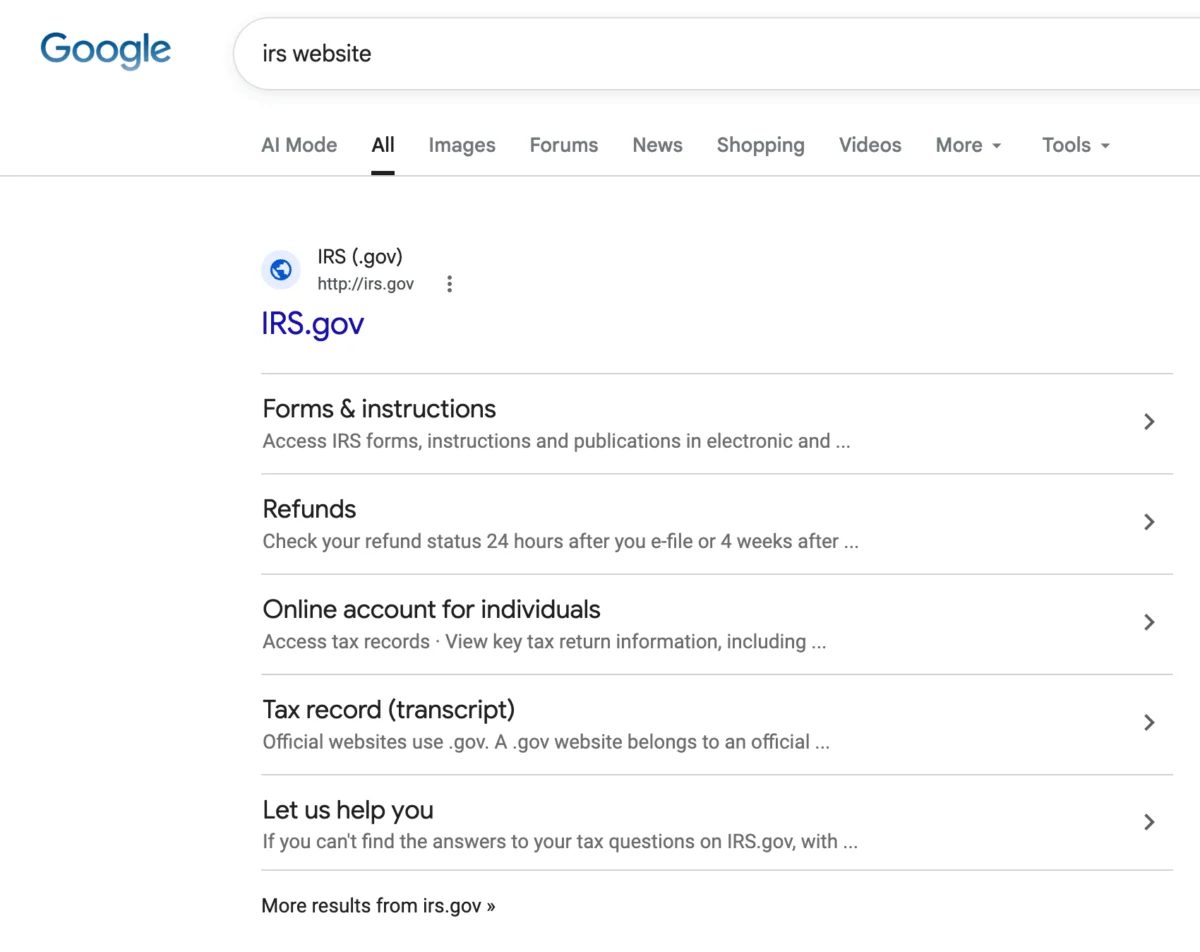
The digital disruption began to manifest with alarming symptoms across Google’s search engine results pages (SERPs). Users attempting to locate IRS information were met with broken search snippets: the familiar IRS favicon was missing, and descriptive text that typically accompanies search results was absent, replaced only by the raw URL. This visual anomaly is a tell-tale sign that Google’s systems are unable to properly access and process a website’s content. Without this critical data, Google cannot generate a comprehensive and helpful search result, severely limiting the site’s discoverability.
The magnitude of the issue was quickly underscored by the observations of leading figures in the search engine optimization (SEO) community. Barry Schwartz, a prominent voice in the industry, initially noted the problem, which coincided with a broader observation of PDF files dropping out of Google Search results – a potentially related symptom of widespread crawling issues. SEO strategists Lily Ray and Glenn Gabe were among the first to conduct in-depth analyses, confirming severe issues with IRS pages being either entirely removed from Google’s index or significantly downgraded in their ranking positions.
Expert Scrutiny and Data-Driven Confirmation

Lily Ray, a Senior Director of SEO at Amsive Digital, shared compelling data on social media platform X (formerly Twitter) that vividly illustrated the IRS’s plummeting search performance. A Sistrix chart, a widely respected SEO visibility tool, depicted a stark nosedive in rankings across a multitude of crucial keywords. For terms like "stimulus," "identity theft protection," "free tax filing," and "tax brackets," keywords for which IRS.gov traditionally held top-ranking positions, the website’s visibility virtually evaporated. This represented a catastrophic loss of organic search presence, meaning millions of potential users would struggle to find authoritative information on these vital topics.
Ray further demonstrated the broken user experience by sharing a screenshot of a Google search for "[irs tax brackets]." The result displayed the IRS website in a significantly lower position than expected, with only its URL visible, no favicon, and no descriptive snippet. This visual evidence confirmed Google’s inability to render and understand the site’s content effectively. Adding to the concern, Ray reported personal difficulty accessing the IRS website as a human user on a desktop computer, suggesting that the bot-blocking measures might have been so stringent they were impacting legitimate user access in certain scenarios or locations. Glenn Gabe, another esteemed SEO consultant, echoed these findings, noting the IRS site’s degraded appearance in the SERPs and the absence of its favicon. He also highlighted that other government sites, such as the Department of Labor, experienced similar drops, pointing to a systemic issue rather than an isolated incident affecting only the IRS. Gabe’s observation that the issues occurred "right around the spam update" suggested a temporal correlation, though the direct cause was more likely technical blocking rather than an algorithmic penalty for content quality.
The Bot-Blocking Hypothesis: A Technical Deep Dive
The prevailing theory among SEO experts attributes the dramatic drop to an overly aggressive implementation of bot-blocking mechanisms by federal government agencies. Websites often employ bot-blocking strategies to mitigate various threats, including Distributed Denial of Service (DDoS) attacks, malicious scraping of data, and excessive resource consumption by non-human traffic. These measures typically involve sophisticated firewalls, content delivery networks (CDNs), and rules defined within robots.txt files or server configurations that identify and block suspicious IP addresses or user agents.
However, a critical component of a healthy internet ecosystem is allowing legitimate bots, particularly those operated by search engines like Googlebot, to crawl and index website content. Googlebot is Google’s web-crawling bot, responsible for discovering new and updated pages, processing their content, and adding them to Google’s vast index. If a website inadvertently blocks Googlebot, or any of its associated IP ranges or user agents, it effectively renders itself invisible to the search engine. The absence of a favicon and description in search results is a direct consequence of Googlebot being denied access to the site’s fundamental structure and content.

In this instance, it is highly probable that federal government entities, perhaps in an enhanced cybersecurity effort or a routine system update, deployed new or stricter bot-blocking rules. These rules, intended to fortify security against a myriad of cyber threats, appear to have been misconfigured or overly broad, inadvertently ensnaring legitimate crawlers like Googlebot. The challenge for large government sites lies in distinguishing between malicious bots and essential indexing bots while maintaining robust security posture. A delicate balance must be struck, as overzealous blocking can have severe public access implications.
The Critical Role of IRS.gov for American Citizens
The IRS website is far more than just another government portal; it is an indispensable digital resource for millions of Americans. It serves as the primary gateway for taxpayers to access critical information, forms, and services related to federal taxes. During tax season, or even for year-round tax planning and compliance, IRS.gov is a lifeline for:
- Downloading Tax Forms and Publications: Providing access to all necessary documents for filing taxes, understanding tax laws, and accessing informational guides.
- Checking Refund Status: A crucial tool for taxpayers awaiting their returns.
- Making Tax Payments: Facilitating secure online payments.
- Accessing Taxpayer Accounts: Enabling individuals to view their tax records, payment history, and other personal tax information.
- Finding Information on Tax Law Changes: Keeping the public informed about updates to tax codes and regulations.
- Resources for Identity Theft Protection: Offering guidance and tools for victims of tax-related identity theft.
- Guidance on Economic Impact Payments (Stimulus Checks): Historically, a key source of information during periods of federal economic aid.
Any disruption to the accessibility of IRS.gov, particularly through the dominant channel of Google Search, can lead to widespread public frustration, confusion, and potentially even delays in tax compliance or access to critical government services. The timing of this incident, even outside of peak tax season, highlights the year-round importance of the site.
A Chronology of Digital Disruption and Recovery

The sequence of events unfolded rapidly within the digital sphere:
- Approximately August 25th-26th: SEO professionals begin noticing unusual behavior, including PDFs disappearing from Google Search results and general ranking volatility for government sites.
- August 26th: Lily Ray posts on X, presenting Sistrix data confirming a massive drop in IRS.gov’s visibility across numerous high-value keywords. She also reports personal difficulty accessing the site.
- August 27th: Glenn Gabe corroborates the findings, highlighting the loss of the favicon and the degraded search snippets for IRS.gov and other government sites. He links the timing to a recent Google "spam update," noting the coincidence. The prevailing theory of aggressive bot-blocking emerges.
- Late August 27th / Early August 28th: Speculation begins that the IRS has implemented fixes to address the issue. Initial observations suggest a slow return of some pages.
- August 28th (Morning): Barry Schwartz confirms a significant improvement, stating, "I think it is back." Search results for key IRS queries begin to show favicons and descriptive snippets once more, and rankings start to normalize.
This swift resolution, occurring within 48-72 hours of widespread public acknowledgment, suggests a rapid internal response by the IRS and federal IT teams once the extent of the problem was realized.
Immediate Response and The Path to Resolution
While no official statement from the IRS was publicly released regarding the specific cause or resolution during this period, the observed recovery strongly implies a concerted effort by the agency’s technical teams. The most logical course of action would have involved:
- Identification of the Issue: Pinpointing the exact bot-blocking rule, firewall configuration, or CDN setting that was inadvertently blocking Googlebot and other legitimate crawlers.
- Configuration Rollback or Adjustment: Reverting to previous, less restrictive settings or carefully modifying the new rules to allow known legitimate bots to pass through. This would involve whitelisting Googlebot’s user agent and IP ranges.
- Validation and Monitoring: Continuously monitoring server logs and Google Search Console to confirm that Googlebot was successfully crawling the site again and that pages were being re-indexed.
- Internal Communication: Likely an internal review to prevent similar incidents in the future, emphasizing the delicate balance between cybersecurity and accessibility.
The speed of the recovery underscores the critical nature of IRS.gov and the agency’s commitment to restoring public access to essential information. The SEO community’s rapid detection and publicizing of the issue likely played a crucial role in escalating the problem and prompting a quick fix.

Broader Implications for Digital Governance and Public Trust
This incident serves as a potent case study with significant implications for digital governance, cybersecurity, and the management of public-facing government websites:
- Balancing Security and Accessibility: The event highlights the inherent tension between robust cybersecurity measures and the need for broad public accessibility. While protecting government websites from malicious actors is paramount, it must not come at the expense of legitimate users or essential search engine indexing. Government agencies must develop sophisticated bot management strategies that can accurately differentiate between harmful and beneficial bots.
- Importance of SEO for Government Services: This episode underscores that SEO is not merely a commercial concern but a fundamental aspect of public service delivery. For agencies like the IRS, Google Search is the primary conduit for citizens to find information. A strong organic search presence translates directly to improved public access, reduced call center volumes, and greater efficiency in information dissemination.
- Maintaining Public Trust: Frequent or prolonged outages of critical government websites can erode public trust in digital government services. Citizens rely on these platforms for accurate and timely information, and any disruption can lead to frustration and a perception of inefficiency or incompetence.
- Proactive Monitoring and Rapid Response: The incident emphasizes the need for government agencies to implement robust, real-time monitoring systems for their website’s search performance, not just uptime. Regular audits of
robots.txtfiles, server logs, and search console data are crucial. Furthermore, internal protocols for rapid incident response to SEO-related issues are essential. - Inter-agency Coordination: Given that multiple federal government sites were affected, it suggests a potential commonality in IT infrastructure or security protocols. This points to the need for enhanced inter-agency coordination in cybersecurity implementations to avoid cascading failures of public access.
The Vigilance of the SEO Community
The rapid identification and analysis of this issue by the SEO community demonstrate its vital role as an unofficial watchdog for the digital health of the web. Experts like Lily Ray and Glenn Gabe, leveraging specialized tools and deep understanding of search algorithms, were able to quickly diagnose a complex technical problem that might otherwise have gone unnoticed or taken much longer for internal government IT teams to identify. Their public discourse on platforms like X not only informed the wider industry but likely pressured the affected agencies to accelerate their response.
Looking Ahead: Fortifying Digital Infrastructure

As government services increasingly migrate online, the lessons from the IRS website incident become even more critical. Future strategies for federal digital infrastructure must integrate:
- Advanced Bot Management: Deploying AI-driven solutions that can adaptively distinguish between various types of bots.
- Comprehensive SEO Audits: Regular, in-depth technical SEO audits to ensure discoverability and accessibility.
- Cross-Departmental Collaboration: Fostering better communication between IT security teams and web development/SEO teams.
- Public Communication Protocols: Establishing clear channels for communicating technical issues to the public and outlining steps for resolution.
The swift restoration of IRS.gov’s search visibility by August 28th, 2026, averted a longer-term crisis, but the incident serves as a stark reminder of the delicate interplay between cybersecurity, web accessibility, and public information access in the digital age. It underscores the continuous need for vigilance, expertise, and responsive action to ensure that critical government services remain readily available to all citizens.