
 rifanmuazin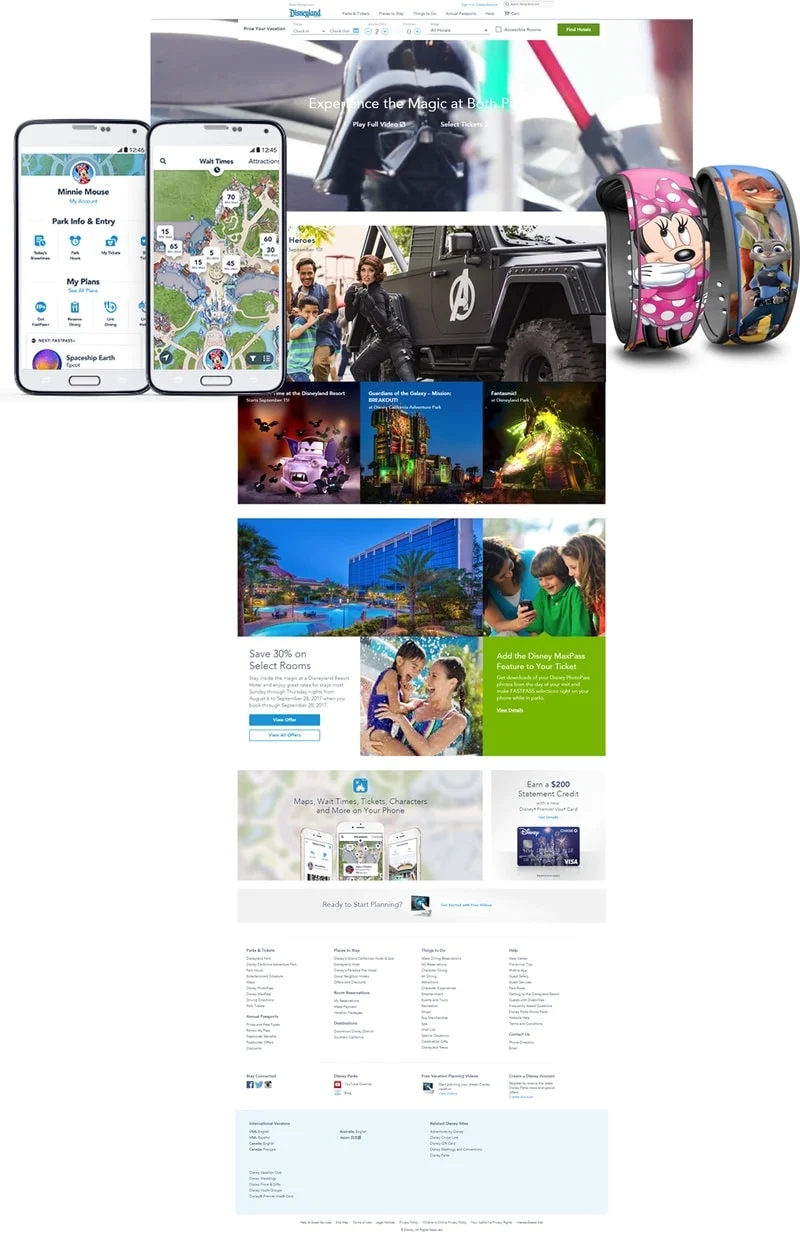
In the rapidly shifting landscape of global commerce, the transition from traditional digital marketing to a comprehensive growth marketing framework has become a necessity for survival. As consumer behavior becomes more fragmented across multiple digital touchpoints, businesses are finding that conventional advertising efforts no longer yield the high returns seen in previous decades. Instead, the focus has shifted toward a holistic approach that prioritizes customer experience, deep data analysis, and long-term retention over simple customer acquisition. To remain competitive in an environment dominated by retail giants and agile startups, ecommerce brands must now implement future-proof strategies that integrate cutting-edge technology with human-centric consumer insights.
The Evolution of Ecommerce Marketing: A Chronology of Change
The journey of ecommerce marketing has moved through several distinct phases, each requiring a more sophisticated set of tools and strategies. In the early 2000s, the "First Wave" of ecommerce was defined by simple presence and basic search engine optimization. Success was often a matter of being early to the platform.
By 2010, the "Second Wave" introduced the era of social media advertising and the rise of mobile commerce. During this period, brands like Amazon began redefining logistics, setting a precedent for delivery speeds that would eventually lead to the creation of Amazon Prime. This shift forced the entire industry to view shipping and fulfillment as marketing tools rather than mere operational costs.
The current "Third Wave," which began roughly in 2020, is defined by the integration of artificial intelligence (AI), machine learning, and the demand for ethical, sustainable business practices. Today, growth marketing is not just about driving traffic; it is about optimizing every stage of the customer funnel—from awareness and acquisition to activation, retention, referral, and revenue.
Data-Driven Consumer Insights and Market Analysis
A sustainable growth marketing strategy begins with a fundamental understanding of the target demographic. Modern market analysis has moved beyond basic age and location data to encompass psychographics and values-based purchasing habits.
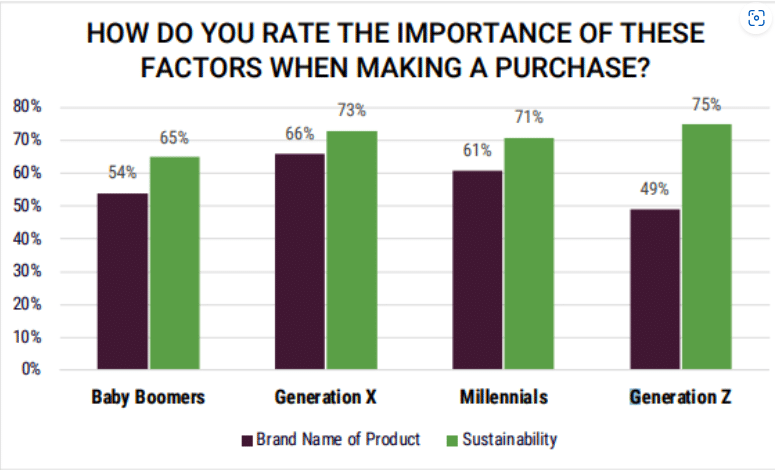
Recent data from the World Economic Forum highlights a significant shift in the priorities of younger consumers. Approximately 75% of Generation Z—those born between 1995 and 2010—prioritize sustainability and ethical brand practices over brand names. This demographic is increasingly influential, and their preference for "conscious consumerism" means that brands must do more than offer a product; they must offer a mission.
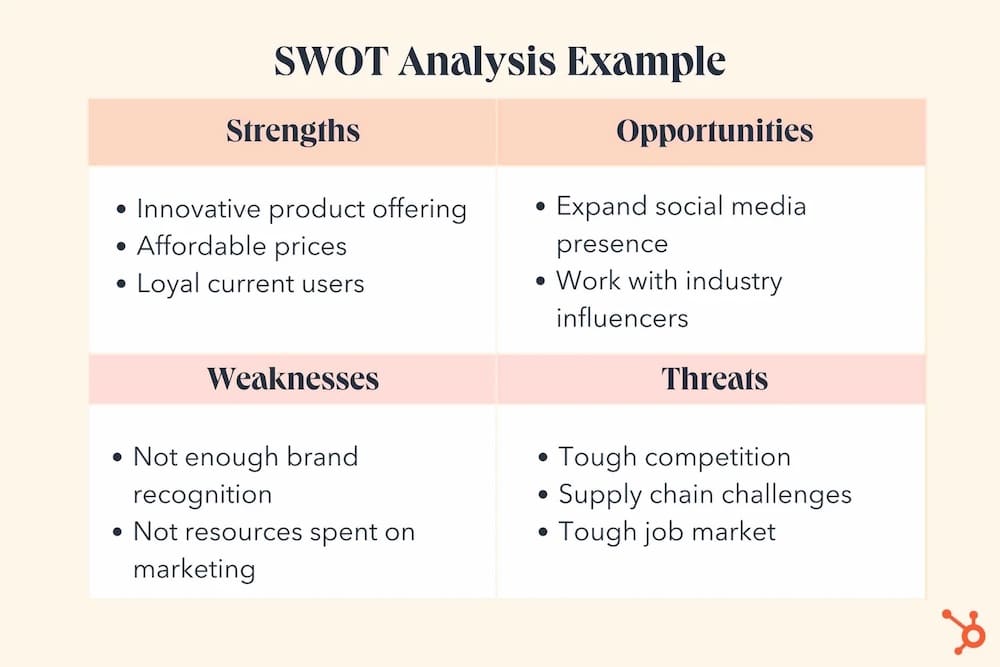
To capitalize on these insights, successful brands employ a SWOT analysis (Strengths, Weaknesses, Opportunities, and Threats) to identify market gaps. Competitive intelligence tools allow businesses to monitor the pricing, marketing spend, and customer sentiment of their rivals in real-time. By identifying where competitors fail—such as slow customer service response times or complex return processes—a brand can position itself as the superior alternative.
Technological Infrastructure as a Growth Catalyst
Investing in the right technology is the cornerstone of any future-proof strategy. As ecommerce scales, the underlying infrastructure must be able to handle increased traffic, complex data sets, and global transactions without compromising security or speed.
Scalable Platforms: Shopify and Magento
The choice of an ecommerce platform can dictate a brand’s growth trajectory. Platforms like Shopify and Adobe’s Magento have become industry standards due to their scalability. Shopify currently supports millions of businesses across 175 countries, offering a plug-and-play ecosystem that allows small businesses to scale rapidly. In contrast, Magento provides an open-source solution for enterprise-level brands that require deep customization and control over their technical stack.
Artificial Intelligence and Personalization
Personalization is no longer a luxury; it is an expectation. According to industry reports, personalized marketing can drive a 10% to 15% increase in revenue. A primary example of this is Stitch Fix, the online personal styling service. By leveraging AI and machine learning, Stitch Fix analyzes customer preferences, sizes, and styles to curate clothing selections. This data-driven approach minimizes returns and maximizes customer satisfaction by predicting what a consumer wants before they even realize it.
The Mobile-First Mandate in Global Retail
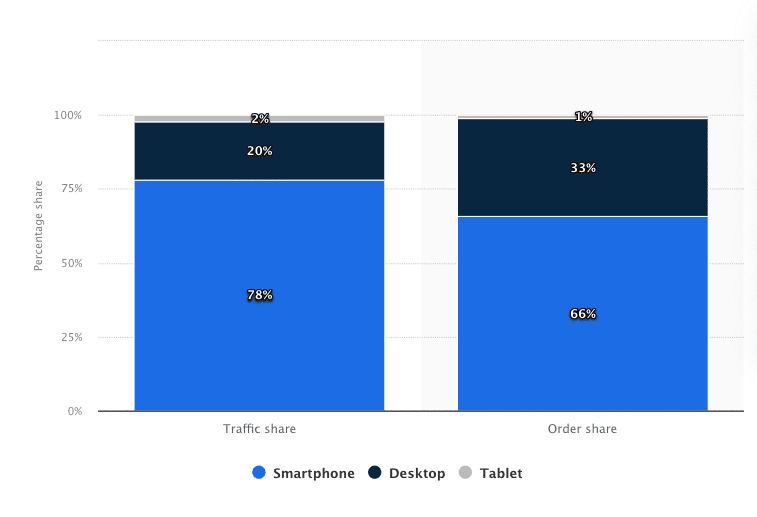
The shift toward mobile commerce (m-commerce) has reached a critical tipping point. According to Statista, smartphones accounted for approximately 78% of global retail site traffic in the final quarter of 2023. More importantly, mobile devices were responsible for generating two-thirds of all online shopping orders.
For a growth marketing strategy to be future-proof, mobile optimization must go beyond responsive design. It requires a "mobile-first" mindset, focusing on page load speeds, simplified checkout processes (such as one-click payments), and the integration of mobile-specific features like SMS marketing and push notifications. Brands that fail to optimize for the mobile experience are effectively ignoring two-thirds of their potential revenue stream.
Implementing the Omnichannel Marketing Framework
The modern consumer journey is rarely linear. A customer may discover a product on Instagram, research it on a desktop computer, and eventually make the purchase through a mobile app. Omnichannel marketing ensures that this journey is seamless and consistent across all platforms.
The impact of this strategy is measurable. Research indicates that businesses with robust omnichannel engagement strategies retain an average of 89% of their customers. In contrast, brands with weak or fragmented omnichannel presence see retention rates drop to approximately 33%.
The Disney Benchmark
The Walt Disney Company provides a gold standard for omnichannel integration. Through the "My Disney Experience" app, the company connects website browsing, mobile planning, and physical in-park experiences. The app allows users to book tickets, view wait times, and order food, all while syncing with RFID-enabled "MagicBands." This level of integration creates a frictionless environment where the digital and physical worlds coexist, driving both customer loyalty and per-capita spending.
Automation for Operational Efficiency and Personalization
To achieve sustainable growth without a linear increase in overhead costs, ecommerce brands must embrace automation. Automation allows for the delivery of personalized experiences at scale, ensuring that no customer interaction is overlooked.
Key areas for automation include:
- Email and SMS Marketing: Automated "drip campaigns" triggered by specific user actions, such as cart abandonment or post-purchase follow-ups.
- Customer Support: AI-powered chatbots that can resolve 80% of routine inquiries, freeing up human agents for complex issues.
- CRM Integration: Systems like Salesforce or HubSpot that automatically update customer profiles based on purchase history and engagement.
- Inventory Management: Automated alerts and reordering systems that prevent "out of stock" scenarios, which are a leading cause of customer churn.
Content Strategy: The Power of Evergreen Assets
While paid advertising provides immediate traffic, high-quality evergreen content provides long-term value and organic growth. Evergreen content remains relevant for years, continuing to attract search engine traffic and establish brand authority.
The "wikiHow" model is a prime example of this strategy. By creating comprehensive, step-by-step guides, the platform ensures a steady stream of traffic that is not dependent on the latest news cycle. For an ecommerce brand, this might involve creating "How-To" videos, buying guides, or deep-dive articles into the materials or ethics behind their products. This content serves as a "top-of-funnel" asset that educates the consumer and builds trust before a sales pitch is ever made.
Cultivating Loyalty in a Competitive Marketplace
Customer acquisition costs (CAC) continue to rise across all digital platforms. Consequently, the most profitable ecommerce brands are those that focus on increasing Customer Lifetime Value (CLV). Data suggests that 73% of consumers cite a positive customer experience as a primary factor in their brand loyalty.
To foster this loyalty, brands must move beyond transactional relationships. Loyalty programs, such as those used by Sephora or Starbucks, utilize gamification and tiered rewards to encourage repeat purchases. Additionally, community-building efforts—such as user-generated content (UGC) campaigns—turn customers into brand advocates. When a customer shares a photo of their purchase on social media, they are providing a level of social proof that no paid advertisement can replicate.
Performance Analysis and the Role of First-Party Data
As the digital landscape moves away from third-party cookies due to privacy regulations (such as GDPR and CCPA), the importance of first-party data has skyrocketed. Future-proof brands are those that collect and analyze their own data to drive decision-making.
Using tools like Google Analytics 4 (GA4) and behavioral analysis platforms like FigPii, marketers can track Key Performance Indicators (KPIs) such as:
- Conversion Rate (CR): The percentage of visitors who complete a purchase.
- Average Order Value (AOV): Strategies to increase the amount spent per transaction.
- Churn Rate: Identifying why customers stop buying and implementing "win-back" strategies.
Heatmapping and A/B testing allow brands to make incremental improvements to their websites. By visualizing where users click and where they drop off, businesses can optimize the user experience (UX) to remove friction and increase the likelihood of a sale.
Expert Analysis and Future Implications
The future of ecommerce growth marketing will be defined by the ability to balance high-tech solutions with high-touch human experiences. As AI becomes more prevalent, the brands that stand out will be those that use technology to enhance, rather than replace, the human connection.
Industry analysts predict that the next frontier will involve Augmented Reality (AR) for "virtual try-ons" and Voice Commerce, as smart speakers become more integrated into the home. However, the core principles of growth marketing remain the same: understand the customer, provide a frictionless experience, and build a brand that stands for something more than a transaction.
For ecommerce businesses, the path to sustainable growth is not found in a single "growth hack" or viral campaign. It is found in the rigorous application of data, the adoption of scalable technology, and a relentless focus on the customer journey. By implementing these future-proof strategies, brands can navigate the uncertainties of the market and build a foundation for long-term success in the global digital economy.








