The modern talent acquisition landscape is currently defined by a high-stakes disparity between digital marketing expenditures and actual recruitment outcomes. As organizations increasingly rely on paid search and social media advertising to attract talent, the cost-per-click (CPC) for job-related keywords has surged, often reaching or exceeding $5.00 per interaction. However, a systemic failure occurs after the click: candidates are frequently directed to generic corporate career portals characterized by complex navigation, multiple job listings, and high-friction application processes. This disconnect results in a significant "leak" in the recruitment funnel, where substantial marketing budgets are expended on traffic that fails to convert into a viable candidate pool. To address this, industry leaders are shifting toward the use of dedicated recruitment landing pages—standalone web environments designed with the singular objective of converting visitors into applicants.
The Financial Imperative for Optimized Recruitment Funnels
The transition from traditional job boards to precision-engineered recruitment landing pages is driven by the rising costs of digital recruitment. According to recent industry benchmarks from recruitment marketing firms, the average abandonment rate on standard corporate career sites can be as high as 90%. For a company spending $10,000 monthly on recruitment ads, a 90% bounce rate represents $9,000 in wasted capital.
Recruitment landing pages mitigate this waste by eliminating the "paradox of choice." While a standard career site might offer a global search bar and dozens of unrelated openings, a specialized landing page focuses exclusively on the role or category advertised. This architectural simplicity is not merely an aesthetic choice but a financial strategy aimed at reducing the cost-per-applicant (CPA) and increasing the return on ad spend (ROAS) within the Human Resources department.
Historical Context: From Job Boards to Conversion-Centric Design
The evolution of digital recruitment can be traced through three distinct eras. In the late 1990s and early 2000s, the "Job Board Era" dominated, with platforms like Monster and CareerBuilder serving as the primary hubs. This was followed by the "Social Recruiting Era," where LinkedIn and Glassdoor integrated employer branding into the job search process.
Today, the industry has entered the "Conversion Optimization Era." In this phase, recruitment is treated with the same scientific rigor as e-commerce. Just as a retailer would not send a customer clicking on a specific pair of shoes to the store’s homepage, modern recruiters no longer send specialized engineers or high-volume gig workers to a generic "About Us" page. The contemporary recruitment landing page is a product of this shift, borrowing heavily from Direct-to-Consumer (DTC) marketing tactics to streamline the "path to purchase"—or in this case, the path to application.
Core Principles of High-Performing Recruitment Architecture
Data-driven analysis of successful recruitment pages reveals several non-negotiable best practices that separate high-converting environments from underperforming ones.
The Critical Role of Message Match
The principle of "message match" dictates that the landing page must be a seamless continuation of the advertisement that preceded it. If an ad promises a "Remote Software Engineer" position with a specific salary range, that information must be the primary focus of the landing page headline. Discrepancies in messaging create immediate cognitive dissonance, leading to instant bounces. Strategic alignment between the ad copy and the landing page headline ensures the candidate feels they have arrived at the correct destination, maintaining the momentum of the initial click.
Above-the-Fold Prioritization
In the digital attention economy, the first 600 pixels of a webpage are the most valuable. High-converting recruitment pages place the job title, primary benefits (such as compensation, flexibility, or sign-on bonuses), and a clear Call to Action (CTA) "above the fold." This allows the candidate to verify the opportunity’s relevance without scrolling. Industry data suggests that pages requiring excessive scrolling before presenting an application link see a 20-30% drop in conversion rates.
Friction Reduction in Application Forms
Application friction remains the primary driver of candidate drop-off. Leading recruitment platforms now advocate for forms limited to three to five essential fields: name, email, phone number, and resume upload. For high-volume roles, some organizations have moved toward "two-step" forms, capturing basic contact information first to allow for remarketing even if the candidate does not complete the full application. Every additional field beyond the essentials is estimated to decrease completion rates by approximately 5% to 10%.
Case Studies in High-Volume Recruitment Excellence
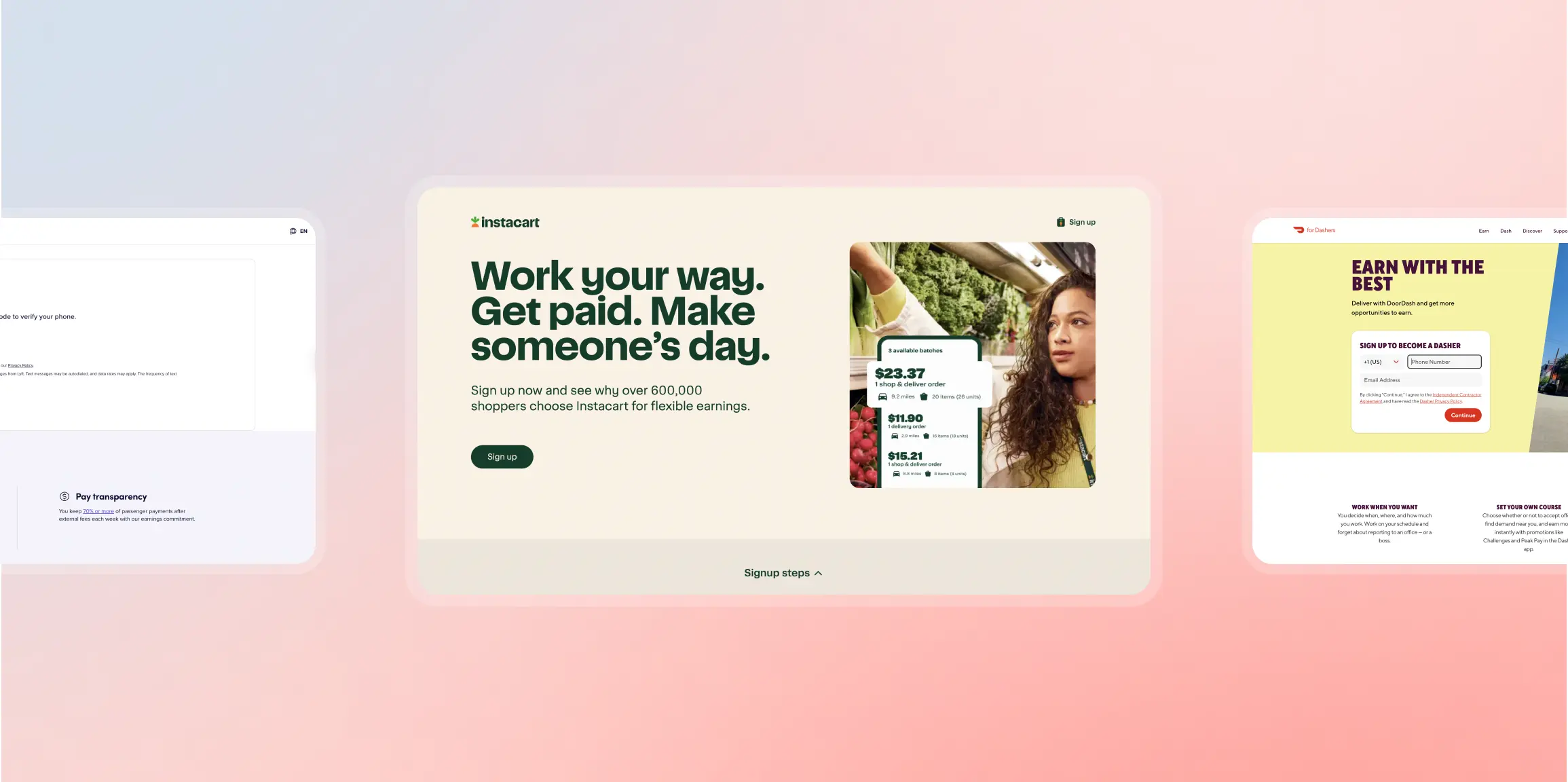
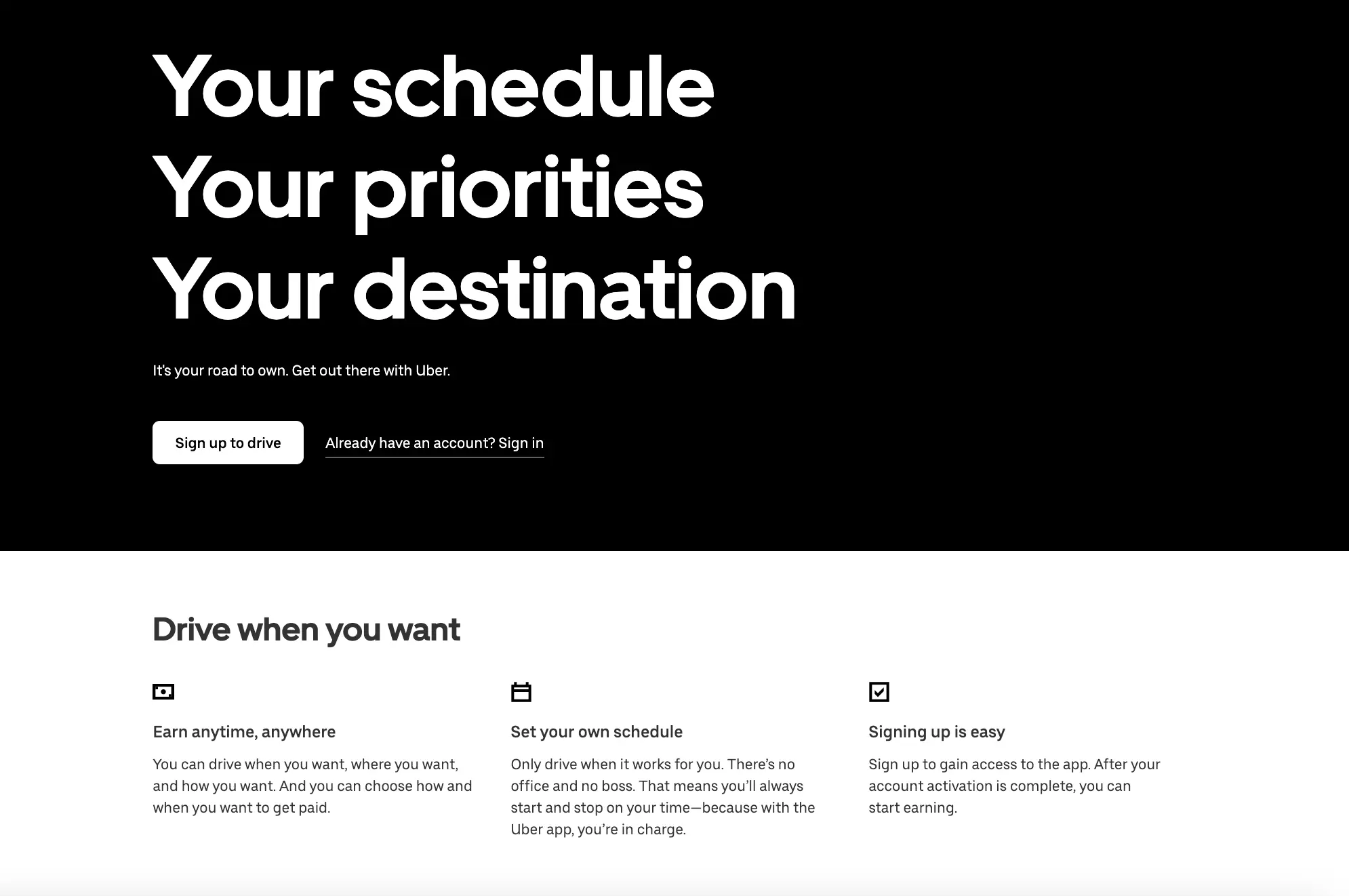
The gig economy has provided the most robust testing ground for recruitment landing pages, as companies like Uber, Lyft, and DoorDash must maintain a constant influx of new contractors to meet fluctuating demand.
1. Uber: The Power of Direct Incentives
Uber’s recruitment landing pages for drivers are noted for their extreme clarity. The focus is placed heavily on the "Start Earning" value proposition. By integrating a simplified sign-up box directly into the hero section, Uber reduces the steps to entry. Their use of location-specific data—often showing potential earnings in the candidate’s specific city—serves as a powerful localized trust signal.
2. Lyft: Emphasizing Driver Autonomy
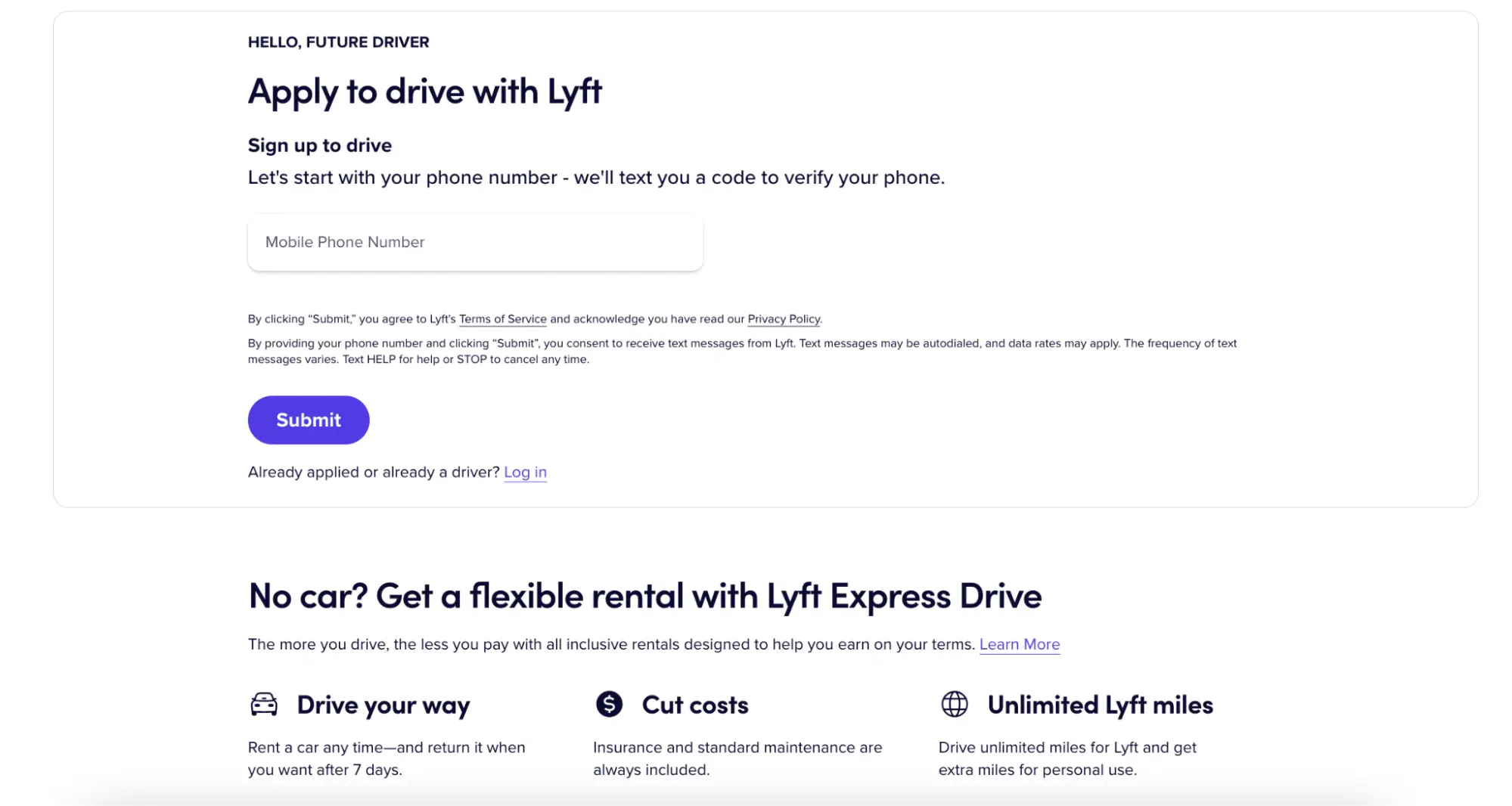
Lyft’s strategy often highlights the flexibility of the platform. Their landing pages frequently feature a "driver earnings calculator," which allows potential applicants to interact with the page and visualize their financial future. This interactive element increases "time on page" and psychological buy-in before the user even reaches the form.
3. DoorDash: Streamlining the Onboarding Narrative
DoorDash utilizes a clean, minimalist design that emphasizes the speed of the onboarding process. For the "Dasher" role, the landing page outlines a clear three-step process to becoming active on the platform. This transparency manages candidate expectations and reduces the perceived "cost of entry" in terms of time and effort.
The Impact of Mobile Optimization and Technical Performance
With more than 70% of job seekers now utilizing mobile devices for their search, technical performance has become a critical recruitment metric. Page load speed is directly correlated with application completion; Google’s research indicates that 53% of mobile site visits are abandoned if a page takes longer than three seconds to load.
Recruitment landing pages must be engineered for "mobile-first" experiences. This involves compressing high-resolution images, minifying code, and ensuring that CTA buttons are "thumb-friendly" in size and placement. Organizations that fail to optimize for mobile speed are effectively penalizing themselves in the search engine and social media algorithms that prioritize user experience.

The Role of A/B Testing and Artificial Intelligence
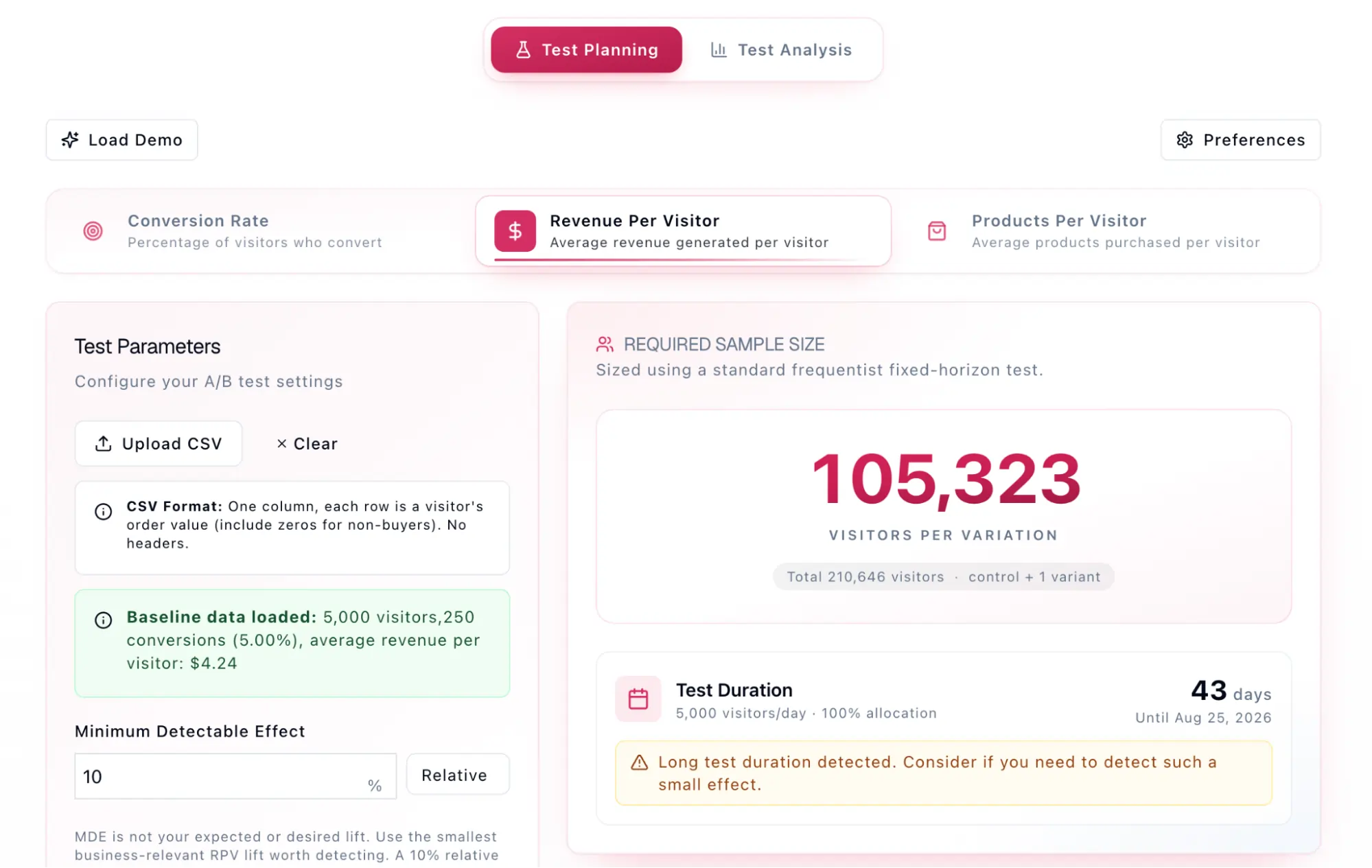
The final frontier of recruitment landing page optimization is the implementation of continuous experimentation. A/B testing—the process of running two versions of a page simultaneously to see which performs better—is now a standard requirement for large-scale hiring campaigns.
Common variables for testing include:
- Headlines: Testing "Earn $25/hr" versus "Flexible Hours for Drivers."
- Imagery: Comparing lifestyle photos of employees versus product-centric shots.
- Form Length: Measuring the impact of removing the "cover letter" requirement.
- Social Proof: Testing the placement of employee testimonials versus industry awards.
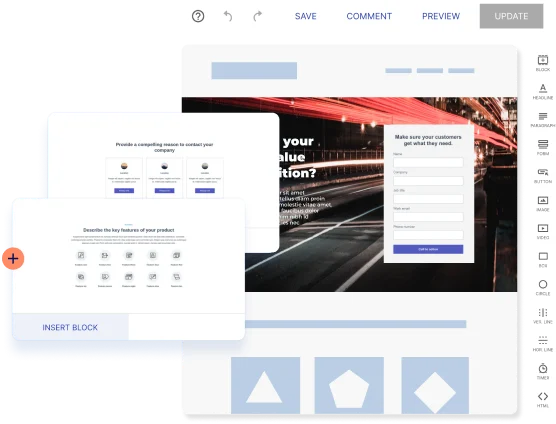
The integration of Artificial Intelligence (AI) has further accelerated this process. Modern landing page platforms, such as Instapage, utilize AI-driven traffic routing to automatically direct visitors to the page variation most likely to convert them based on their demographic data or past behavior. This level of personalization, once reserved for high-end retail, is now becoming a prerequisite for competitive talent acquisition.
Broader Implications and Future Outlook
The shift toward specialized recruitment landing pages represents a professionalization of the employer branding function. As the labor market remains tight, the "candidate experience" is no longer a secondary concern but a primary competitive advantage.

Industry analysts suggest that in the coming years, we will see even greater integration between recruitment pages and Internal Applicant Tracking Systems (ATS). This will allow for real-time updates on job availability and personalized landing pages for "silver medalist" candidates—those who were a strong fit for past roles but were not hired.
Ultimately, the move toward recruitment landing pages signifies an acknowledgment that candidates are, in many ways, customers of an employer’s brand. By removing distractions, highlighting clear benefits, and utilizing data-driven design, organizations can ensure that their $5-per-click investments result in a robust, qualified, and engaged workforce. The companies that master this conversion science will inevitably hold the advantage in the ongoing global competition for talent.