Social media optimization (SMO) has evolved beyond mere content distribution to become a critical component of digital strategy, particularly as major platforms increasingly function as discovery and search engines. This shift necessitates a refined approach, focusing not just on algorithm engagement but on inherent findability. This article delves into the core principles of SMO, its strategic distinction from search engine optimization (SEO), its profound benefits for businesses, and outlines 15 indispensable tactics for maximizing online visibility and engagement.
Defining Social Media Optimization in a Dynamic Environment

Social media optimization encompasses the continuous process of enhancing social media content, profiles, and overarching strategies to achieve superior results. These outcomes include accelerated follower growth, elevated engagement rates, increased click-throughs, and higher conversion rates. SMO spans both the granular, tactical adjustments made to individual posts and the broader strategic decisions that define a brand’s social media presence, such as platform selection and content diversification.
Historically, SMO primarily revolved around pleasing feed algorithms to maximize organic reach and engagement. However, the landscape has significantly transformed. Platforms like TikTok, Instagram, and even YouTube Shorts are now frequently utilized by users, particularly younger demographics, as primary search and discovery tools for products, services, information, and entertainment. This behavioral shift means that optimization is no longer solely about appearing in a user’s feed but about being discoverable when users actively search within these applications. Consequently, effective SMO must be rooted in rigorous performance analysis, comprehensive audience research, and actionable insights derived from social listening.
SMO vs. SEO: A Converging Strategy

While both social media optimization and search engine optimization share the overarching goal of enhancing a brand’s discoverability, they operate within distinct ecosystems. SEO aims to improve visibility in traditional search engines like Google and Bing, whereas SMO targets visibility within social platforms’ feeds, recommendation engines, and in-app search functionalities.
Despite their different arenas, SMO and SEO are increasingly interdependent. Social content can be a powerful driver of branded searches on traditional engines, contribute to link-building efforts when posts are cited by other websites, and extend the lifespan of blog content that has already undergone SEO. Moreover, as social platforms mimic search engine behavior, many established SEO principles now apply to SMO. This includes conducting keyword research to understand user queries, adopting user-centric language, and structuring content in a way that facilitates categorization and indexing by platform algorithms.
A comparative overview highlights these distinctions and convergences:
| Social Media Optimization (SMO) | Search Engine Optimization (SEO) | |
|---|---|---|
| Focus | Visibility and engagement on social platforms | Rankings and traffic from search engines |
| Where it happens | Instagram, TikTok, LinkedIn, Facebook, X, Threads | Google, Bing, and other search engines |
| Key tactics | Profile and caption keywords, hashtags, posting times, formats, engagement | Keyword research, on-page content, technical health, backlinks |
| How you measure it | Reach, engagement rate, follower growth, social referral traffic | Impressions, rankings, organic sessions, conversions |
Treating SMO and SEO as complementary components of a unified discoverability strategy, rather than competing channels, is paramount for modern businesses aiming for comprehensive online presence.
The Undeniable Benefits of a Refined SMO Strategy
With nearly 5.75 billion social media users projected worldwide in 2026, the imperative for robust social media optimization has never been clearer. SMO ensures that content not only reaches the intended audience but also performs optimally once discovered. When posts are easily discoverable and highly relevant, every aspect of a social media strategy — from reach to engagement to conversions — improves significantly.
The primary benefits include:
- Increased Reach and Visibility: Optimized content is more likely to appear in feeds and search results, expanding exposure beyond existing followers.
- Enhanced Engagement Rates: Relevant and well-timed content encourages more likes, comments, shares, and saves.
- Faster Audience Growth: Improved discoverability naturally attracts new followers who are actively seeking relevant content.
- Higher Quality Leads and Conversions: By targeting the right audience with optimized calls to action, social media can directly contribute to business objectives.
- Improved Brand Awareness and Reputation: Consistent, high-quality, and accessible content reinforces brand identity and builds trust.
- Better ROI on Social Media Investments: Efficient optimization ensures marketing spend yields measurable results.
- Deeper Audience Insights: Tracking optimized content performance provides valuable data on audience preferences and behavior.
- Competitive Advantage: Brands that prioritize SMO can outperform competitors struggling with outdated social media tactics.
When posts are finely tuned for discovery, relevance, and performance, it becomes considerably easier to cultivate an audience and translate attention into tangible business impact.
Laying the Foundation: The Crucial Social Media Audit
Before embarking on any optimization efforts, establishing a clear baseline of current performance is essential. A comprehensive social media audit serves this purpose, providing the benchmarks against which all future optimizations will be measured. Often, an audit itself can reveal immediate, actionable improvements.
A practical five-step audit process includes:
- Define Your Goals: Clearly state what you aim to achieve (e.g., increase engagement by 15%, grow followers by 10%).
- Inventory Your Accounts: List all active social media profiles, ensuring consistency in branding and information.
- Gather Performance Data: Collect key metrics for the past 3-6 months (reach, engagement, clicks, conversions).
- Analyze Your Audience: Understand who is engaging with your content, their demographics, interests, and online behavior.
- Identify Strengths, Weaknesses, Opportunities, and Threats (SWOT): Assess what’s working, what’s not, potential areas for growth, and external challenges.
For a more in-depth review, brands can leverage specialized guides on conducting a full social media performance assessment.
The Five Pillars of Social Media Optimization
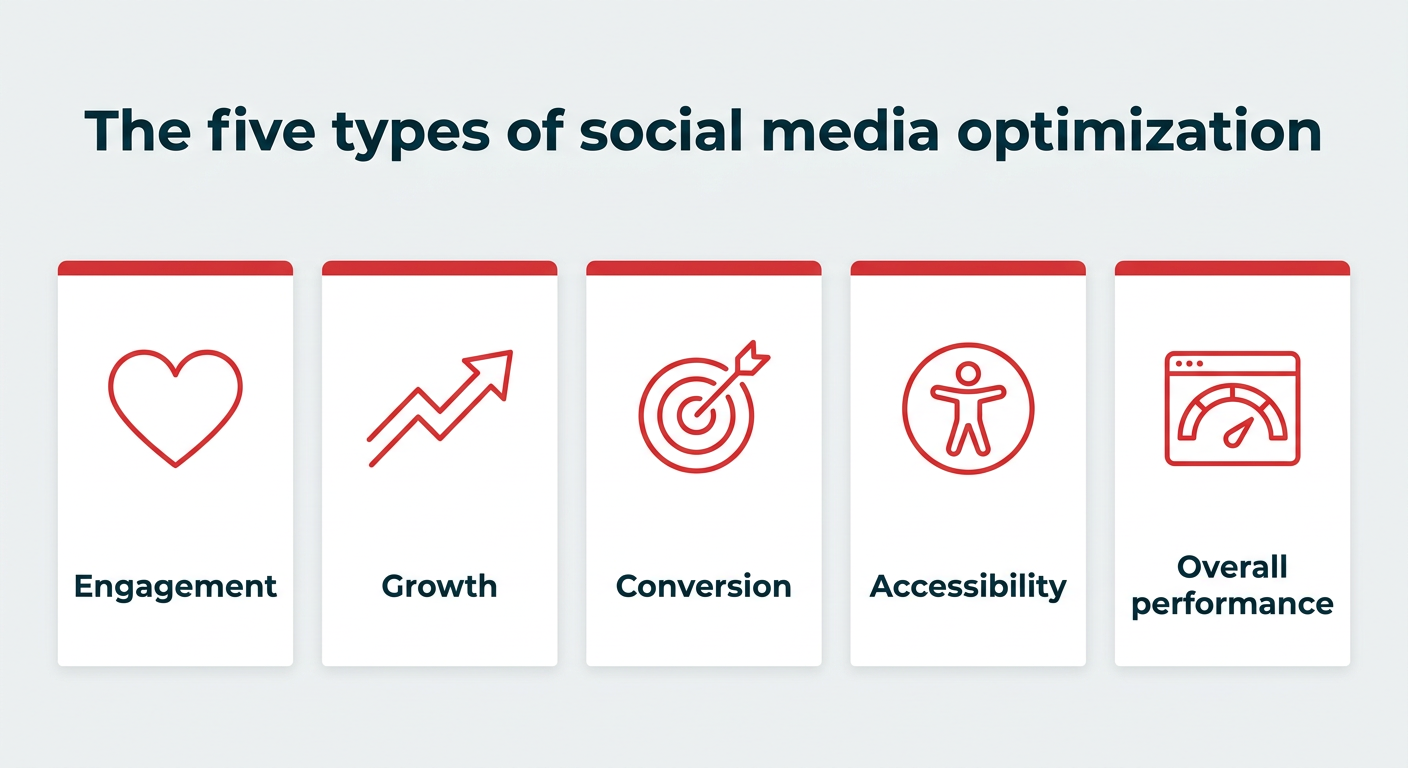
Social media optimization can be broadly categorized into five types, each addressing a distinct aspect of content and profile performance:
- Engagement Optimization: Tactics aimed at maximizing user interaction with posts.
- Growth Optimization: Strategies focused on expanding audience reach and follower count.
- Conversion Optimization: Methods to drive specific business actions, such as website visits or sales.
- Accessibility Optimization: Practices to ensure content is consumable by all users, including those with disabilities.
- Technical Optimization: (Implicit in the original, but can be added for completeness in a news article) Ensuring profiles and content adhere to platform best practices for indexing and display.
Under these categories, 15 core tactics emerge as fundamental to a robust SMO strategy.

Deep Dive: 15 Core Tactics for Enhanced SMO
Engagement Optimization
Engagement optimization is centered on providing users with compelling reasons to pause, react, and respond. These tactics primarily focus on timing, content format, and conversational elements, which are proven drivers of higher engagement rates.
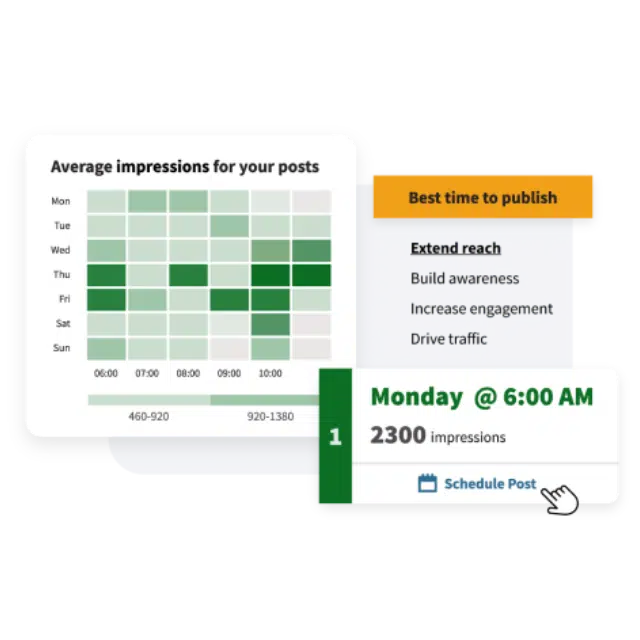
- Post at the Right Times: Strategic timing significantly increases the likelihood of content being seen and engaged with. While universal best times to post on social media provide a helpful baseline (e.g., Facebook: Tuesday, 9 AM; Instagram: Monday, 3 PM-9 PM; X: Wednesday, Thursday, Friday, 9 AM-11 AM; LinkedIn: Tuesday and Wednesday, 4 AM-6 AM; TikTok: Thursday, 7 AM-11 AM), audience habits vary considerably by industry, geography, and specific follower demographics. For newer networks like Threads, individual account data is the most reliable guide.
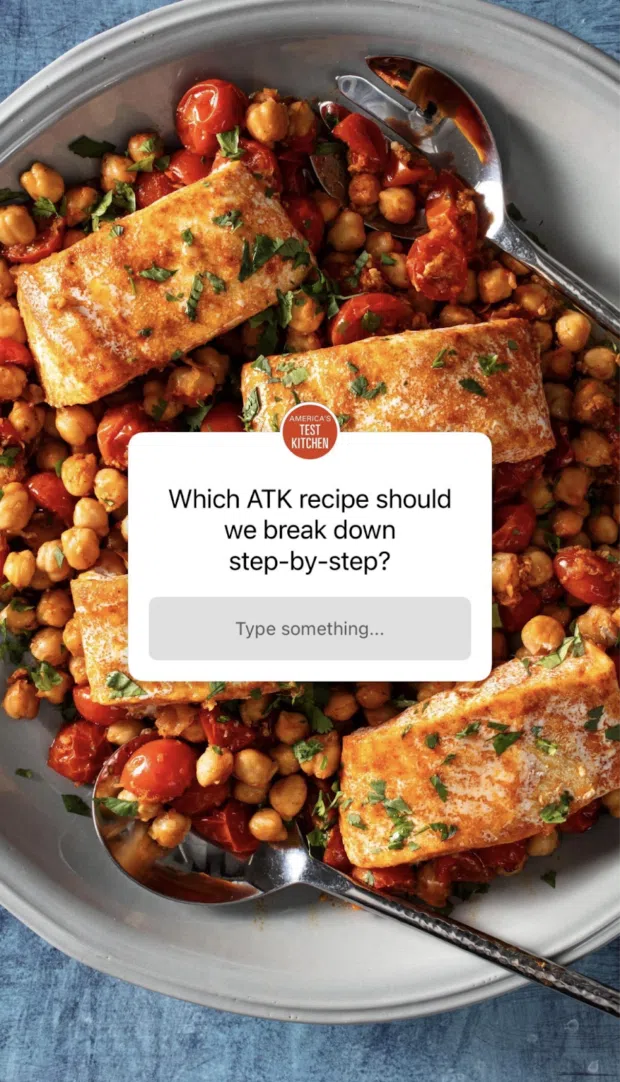
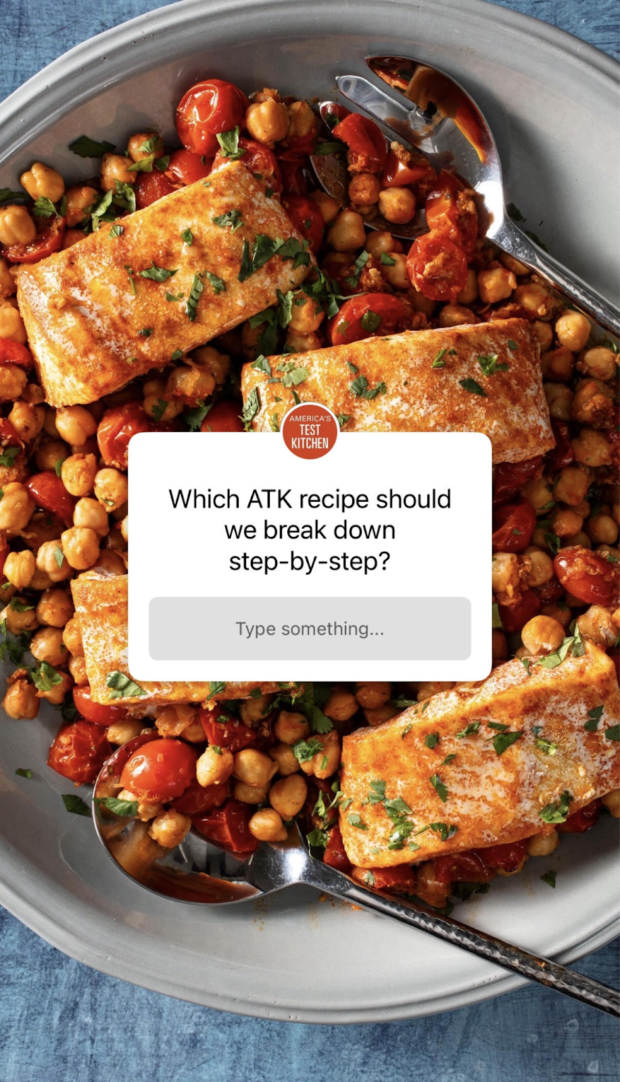
- Ask Questions and Use Interactive Formats: Asking pertinent questions is a straightforward engagement hack, provided they resonate with the audience. Interactive formats like Instagram Story question stickers, polls, quizzes, or slider stickers achieve similar results with reduced friction. These low-effort response mechanisms are actively favored by feed algorithms.
- Lean into Short-Form Video and Visual Formats: Visually arresting content forms the bedrock of social media. High-quality images and videos are crucial for capturing attention. Short-form video (Reels, TikToks, YouTube Shorts, which collectively garnered 200 billion daily views in 2026) is particularly potent, often being aggressively surfaced to non-followers, making it a rapid growth engine. Carousels also exhibit strong performance; Hootsuite research indicates Instagram carousel posts achieve a 3% engagement rate, slightly surpassing Reels at 2.7%. The "swipe left" temptation proves strong across platforms supporting carousels (LinkedIn, Facebook, X). A diversified content mix incorporating video, carousels, and static posts is advisable to mitigate risks associated with algorithm shifts.
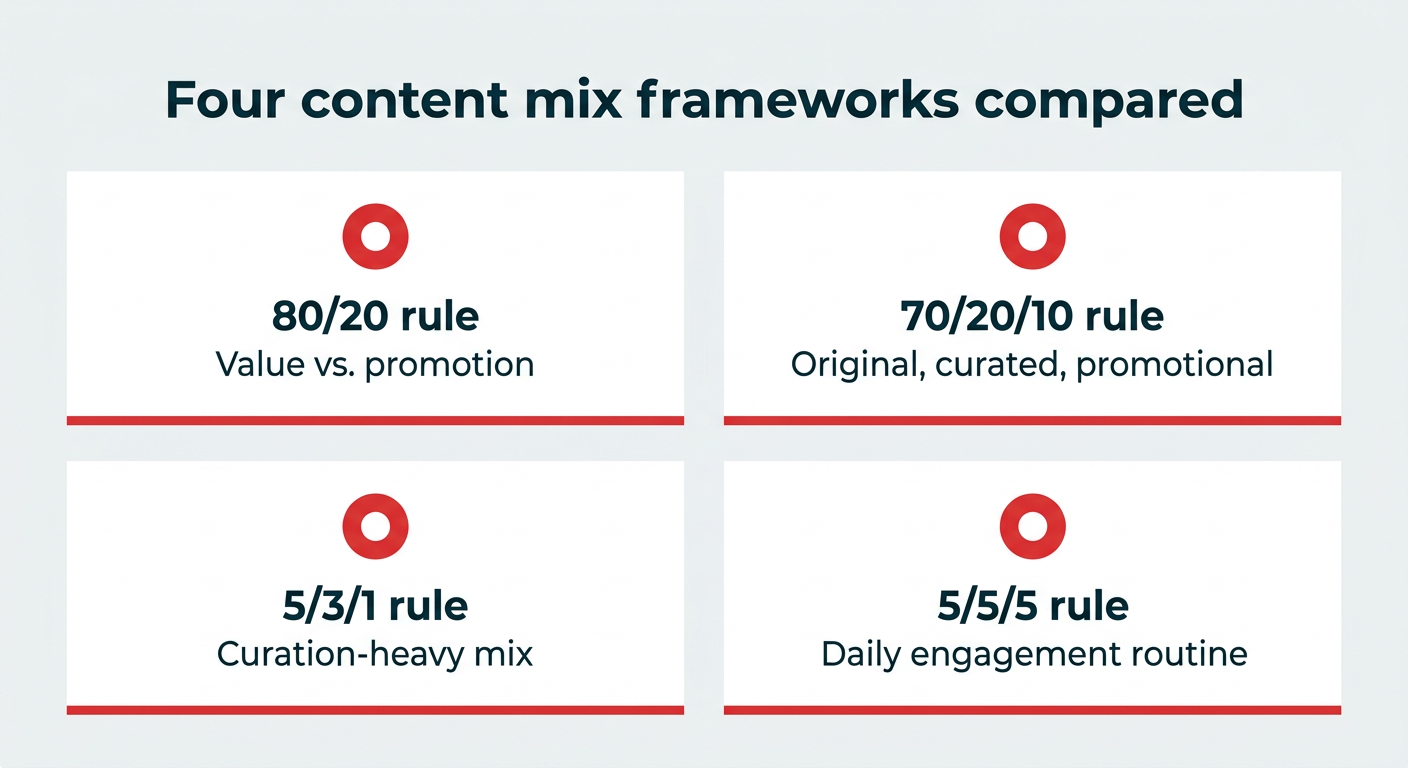
- Follow a Content Mix Framework: Consistently promotional content quickly diminishes engagement. Content mix frameworks provide simple ratios to balance promotional material with valuable content. Popular frameworks include:
- 80/20 Rule: 80% value-driven content, 20% promotional. Ideal for new brands needing a clear guideline.
- 70/20/10 Rule: 70% original content, 20% curated, 10% promotional. Suitable for teams publishing daily across multiple networks.
- 5/3/1 Rule: 5 curated posts, 3 original posts, 1 promotional post (out of 9). Favored by thought leadership and industry accounts.
- 5/5/5 Rule: 5 minutes liking, 5 minutes commenting, 5 minutes sharing daily. Geared towards community building and creator accounts.
These frameworks serve as starting points, with continuous adjustment based on audience response.
- Post the Right Amount of Content: Optimizing posting frequency is crucial. While expert recommendations vary by platform (e.g., Facebook: 1-2 times/day; Instagram: 3-5 times/week; X: 1-5 times/day; LinkedIn: 1-2 times/day; TikTok: 1-3 times/day), consistency should always take precedence over sheer volume, especially for resource-constrained teams.
- Engage with Your Audience in the Comments: Publishing is merely half the equation. Actively replying to comments sustains conversation, signaling to algorithms that the content holds value and merits wider distribution. Practices such as setting dedicated response times, having pre-written responses for common queries, assigning a specific team member, and tracking frequently asked questions streamline this process. Treating the comments section as an integral part of the publishing workflow demonstrably boosts reach and positive sentiment.
Growth Optimization
Growth optimization focuses on attracting new followers. This primarily involves enhancing discoverability through strategic use of keywords, hashtags, tags, and an easily comprehensible profile that encourages immediate follow decisions.

- Optimize Your Bio for Search: A social media bio is often the first point of contact for new visitors. It must clearly articulate who you are, what you offer, and why someone should follow you. For instance, Hootsuite’s X bio explicitly states what followers will receive: "social media tools, tips, news, and resources." Crucially, bios play a significant role in social search. Including relevant keywords (e.g., "travel," "vacation," "travel tips" for a travel company) enhances discoverability. Quick tips include using your real name/brand name, adding emojis for visual appeal, including a link, and using relevant keywords in your display name.
- Include Relevant Keywords in Your Captions: The era of minimalist captions is over. Most social platforms now advise incorporating relevant keywords into post captions to aid discoverability. This is driven by changing user behavior; Ipsos research shows 93% of daily TikTok users research products on the platform before buying, and many now use social apps instead of Google for various searches. Platforms analyze caption text to categorize content and recommend it to relevant users. This empowers lesser-known brands to be discovered without users specifically searching for their account name. While keyword inclusion is vital, captions must remain natural and avoid appearing spammy. Tools like Google Analytics can identify existing high-traffic keywords for website content, which are strong candidates for social captions. Social SEO caption tools can also assist in generating keyword-rich text.
- Add the Right Hashtags to Your Posts: Hashtags remain a fundamental optimization technique for content discoverability. While past practices sometimes involved hiding numerous hashtags, platforms now offer clearer guidance. Key guidelines include using 3-5 relevant hashtags (Instagram’s recommendation, often applicable elsewhere), mixing broad and niche tags, ensuring hashtags are specific to the content, and creating branded hashtags. Leveraging tools like free hashtag generators can streamline this process.
- Tag Accounts and Leverage User-Generated Content (UGC): Tagging other brands, creators, or customers in posts is not only good etiquette but also a powerful reach expansion strategy. Tagged accounts often reshare content, extending its visibility. Similarly, user-generated content (UGC) is a potent optimization play. Customer photos, reviews, and unboxing videos typically carry more trust than polished brand creative. Resharing UGC incentivizes the original creator to amplify the post. A simple approach involves creating a branded hashtag, monitoring its usage, seeking permission, and then resharing the best submissions. Always credit and tag the original creator.
- Learn from Your Competitors: Competitors’ social media activities offer valuable, cost-free insights. Analyzing their strategies can quickly highlight gaps in your own. Focus on their most popular content, engagement tactics, posting frequency, and hashtag usage. The goal is not imitation but identifying underserved topics and formats within your niche that you can claim. Competitive analysis guides are available to walk through this process.
Conversion Optimization
Conversion optimization is the crucial bridge where social media activity translates into quantifiable business outcomes. These tactics ensure that the traffic generated through social efforts is directed to valuable destinations and that its impact can be accurately measured.
- Include a CTA and Link in Your Bio: For brands aiming to drive conversions, a clear call to action (CTA) in the profile bio, coupled with a direct link, is indispensable. This link should guide visitors to a website, online store, or specific landing page. Regularly updating the bio link to highlight current campaigns, product launches, or new content is a best practice. Tools like "link in bio" services (e.g., One Click Bio) allow for multiple links, transforming a single bio link into a comprehensive resource hub.
- Optimize Your Links with UTMs: Most social posts include external links. To accurately attribute traffic and understand which posts and platforms are generating the most valuable referrals, these links must be trackable. UTM (Urchin Tracking Module) parameters are essential for this. By adding specific tags to URLs, marketers can gain granular insights into the source, medium, and campaign driving website traffic. This data is critical for refining strategy and optimizing future content. Link shorteners with tracking capabilities further simplify this process.
Accessibility Optimization
Accessible content inherently reaches a broader audience and often performs better due to its clarity and consideration for diverse user needs. This includes users scrolling in noisy environments or on small screens.
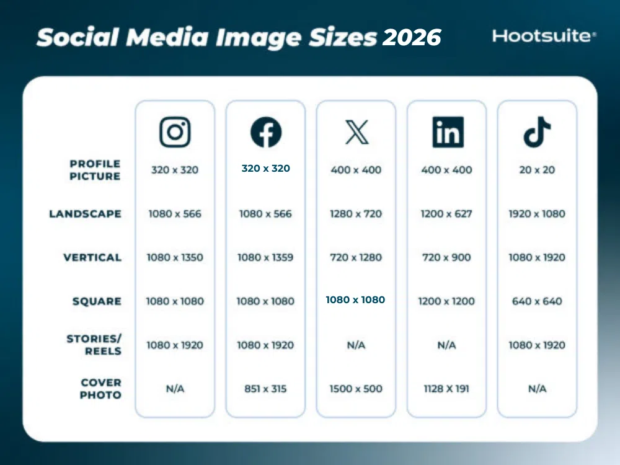
- Make Sure Your Images Are the Right Size: Using correctly sized, high-resolution images is fundamental. Blurry or low-resolution visuals project an unprofessional or even spammy image. A consistent, high-resolution profile picture (typically a logo) across all channels aids brand recognition. For cross-posting images to multiple networks, adhering to platform-specific image size guidelines is crucial to prevent cropping or distortion. Social media management tools can simplify cross-posting and automatically adjust image sizes.
- Add Alt Text and Captions to Visual Content: Incorporating alt text and other accessibility features is a vital SMO technique. Not all users experience social media content in the same way; accessibility ensures inclusivity. Accessible visual content includes:
- Alt text for images, describing their content for visually impaired users.
- Captions for videos, providing text for audio.
- Transcripts for audio content.
- Descriptive language in captions for all visuals.
These features not only serve accessibility but also enhance discoverability by providing more context for platform algorithms.
Measuring Success: Analytics and Continuous Improvement

Optimization is meaningless without measurable impact. After implementing changes, it’s crucial to compare current performance against the baseline established during the initial audit and to review metrics on a consistent schedule.
Key areas for performance review include:
- Audience Demographics: Are you reaching the right people?
- Content Performance: Which content types, formats, and topics resonate most?
- Engagement Metrics: Are interactions increasing?
- Referral Traffic: How much traffic is social media driving to your website?
- Conversion Rates: Are social media efforts leading to desired business outcomes?
- Sentiment Analysis: What is the overall perception of your brand on social media?
Essential metrics to track include:
- Reach: The number of unique users who saw your content.
- Impressions: The total number of times your content was displayed.
- Engagement Rate: The percentage of your audience that interacted with your content.
- Click-Through Rate (CTR): The percentage of users who clicked a link in your post.
- Conversion Rate: The percentage of users who completed a desired action after clicking.
- Follower Growth Rate: The speed at which your audience is expanding.
- Audience Demographics: Age, gender, location, interests of your followers.
- Social Referral Traffic: Website visits originating from social media.
- Share of Voice: Your brand’s mentions compared to competitors.
A manageable cadence for review involves weekly checks for outliers, monthly deeper analyses, and quarterly re-audits. To isolate the impact of specific changes, alter only one variable (e.g., posting time, format, caption style) at a time.
Why Use a Social Media Analytics Dashboard?
Social media analytics dashboards, such as Hootsuite Analytics, are invaluable for monitoring and improving performance across all social channels. When selecting a dashboard, look for features like cross-network comparison in a single view, customizable reporting for stakeholders, and competitive benchmarking capabilities. These tools provide context for your results, allowing for comparisons against industry averages and competitors, thus facilitating more informed strategic adjustments.

Platform-Specific Nuances for Optimal Performance
While the five optimization types are universally applicable, each social network rewards slightly different behaviors. On Facebook, prioritize community engagement, diverse content formats, and targeted advertising. Instagram thrives on high-quality visuals, Stories, Reels, and interactive elements. X (formerly Twitter) demands real-time engagement, trending hashtags, and concise, impactful messaging. LinkedIn focuses on professional networking, thought leadership content, and industry-specific discussions. TikTok requires authentic, trending short-form video, creative sound usage, and participation in challenges. YouTube prioritizes long-form video SEO, engaging thumbnails, and community interaction. The common thread across all platforms is the necessity to match content format and language to how users inherently engage with each application, allowing analytics to guide further optimization efforts.
Expert Perspectives on the Future of SMO

Industry analysts consistently emphasize that the future of social media optimization lies in continuous adaptation and an integrated approach. As social platforms evolve further into discovery engines, brands must move beyond traditional content calendars to embrace dynamic, data-driven strategies. The focus will increasingly be on creating value-driven content that is inherently discoverable, engaging, and accessible, alongside a meticulous approach to tracking and iterating based on performance metrics. The necessity of strong analytics and social listening capabilities will only grow, allowing enterprises to stay ahead of algorithmic changes and shifting user behaviors.
In conclusion, social media optimization is no longer a peripheral marketing activity but a central strategic imperative. By understanding its foundational principles, leveraging the 15 core tactics outlined, and embracing a culture of continuous measurement and adaptation, brands can effectively navigate the complexities of the social search era, driving significant reach, engagement, and measurable business results. Strategic use of comprehensive social media management platforms empowers teams to streamline these efforts, ensuring consistency, efficiency, and ultimately, success in the ever-evolving digital landscape.