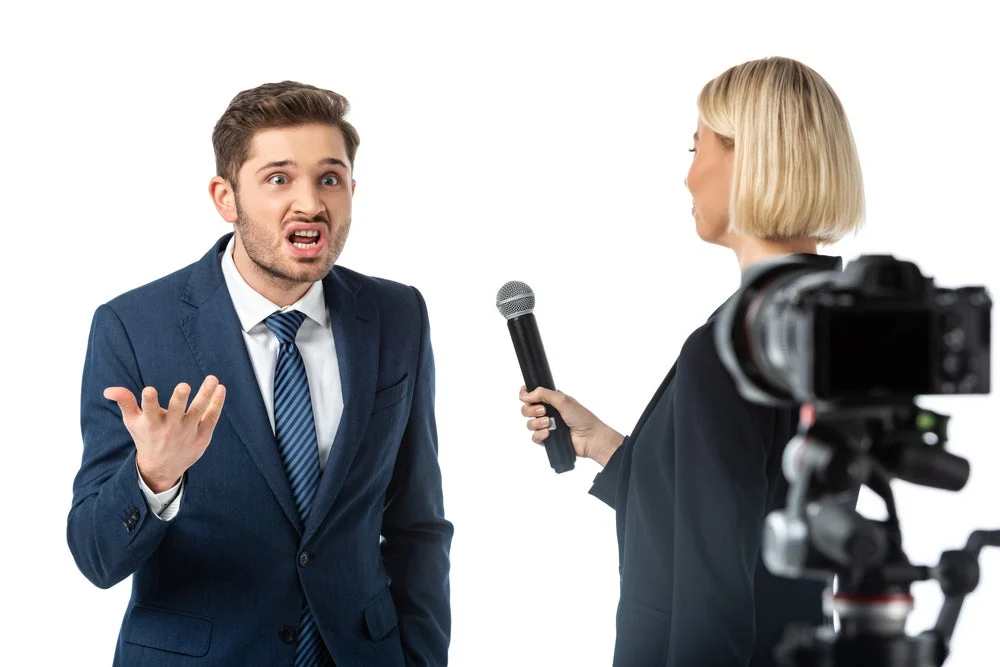
The landscape of corporate leadership is undergoing a radical transformation as the pace of technological innovation outstrips the traditional timelines for executive development. In the first half of 2026, the global business community witnessed an unprecedented surge in startup valuations, particularly within the artificial intelligence sector. According to market data, nearly 90 startups achieved unicorn status—a valuation of $1 billion or more—in the first six months of the year alone. This trajectory puts 2026 on track to exceed the unicorn production rate of 2025 by approximately 50%, a record-breaking pace that has left many founders in a precarious position regarding their public-facing responsibilities.
This phenomenon has birthed what industry experts call the "readiness gap." It is the measurable distance between a company’s commercial growth and its leadership’s ability to effectively communicate with the public, regulators, and the media. For many founders, the transition from writing code in a private setting to defending a multi-billion-dollar valuation on live television happens in a matter of months. While these individuals possess the technical acumen to build transformative technologies, the skillset required to navigate a high-stakes broadcast interview is fundamentally different from that required in a boardroom or a development lab.
The Statistical Reality of the 2026 Startup Boom
The current hypergrowth cycle is largely driven by the maturation of generative AI and its integration into enterprise-level operations. In 2025, the number of startups reaching billion-dollar valuations was already at historic highs, but 2026 has seen a decoupling of growth from traditional market cycles. The acceleration is particularly visible in the United States and European markets, where regulatory frameworks are simultaneously tightening.
The data reveals a stark reality: the average age of a unicorn company in 2026 is significantly younger than it was a decade ago. Founders are becoming public figures earlier in their careers, often before they have undergone the rigorous media training that was once standard for C-suite executives at Fortune 500 companies. This lack of preparation creates a significant vulnerability. In a 24-hour news cycle driven by social media amplification, a single poorly phrased answer or a visible moment of discomfort can be immortalized, leading to immediate impacts on investor confidence and brand reputation.
The Broadcast Environment: A Different Set of Rules
For broadcast producers, the ability of a guest to deliver concise, compelling information is the primary metric of success. Experienced television professionals note that intelligence is rarely the deciding factor in a successful interview. In fact, highly intellectual guests often struggle the most because they tend to favor nuance and complexity over the clarity required for a general audience.
In the high-pressure environment of a newsroom control room, producers are often managing multiple live segments simultaneously. They look for guests who can bridge the gap between technical expertise and public relatability. The magnetic personality that secures venture capital funding does not always translate to the camera. While a boardroom presentation allows for deep dives into data and long-form explanations, a three-minute broadcast segment requires a spokesperson to be concise, conversational, and flexible.
The Risks of the Readiness Gap
The costs associated with the readiness gap are not merely theoretical; they have tangible consequences for a company’s bottom line and legal standing. When a founder is unprepared, the risks include:
- Regulatory Scrutiny: Regulators at the Federal Trade Commission (FTC) and the European Commission closely monitor media appearances of tech leaders. An off-the-cuff remark about data privacy or market dominance can be used as evidence in antitrust or compliance hearings.
- Competitive Disadvantage: Competitors frequently monitor media appearances to find weaknesses in a company’s narrative. A fumbled question about a product’s limitations can be clipped and used in rival marketing campaigns.
- Market Volatility: For companies approaching an Initial Public Offering (IPO) or those already public, media performance directly correlates with stock sentiment. Investors look for stability and confidence; any sign of evasion or lack of clarity can signal internal turmoil.
- Internal Morale: Employees look to their leaders for a clear vision. If a founder appears flustered or unable to articulate the company’s mission on a national stage, it can lead to talent attrition and a loss of internal trust.
Four Strategies to Close the Readiness Gap
To mitigate these risks, public relations professionals and media trainers emphasize a structured approach to spokesperson preparation. Closing the gap requires more than a simple briefing document; it requires a fundamental shift in how leaders approach communication.

1. Narrative Simplification and the "Grandmother Test"
The first step in media readiness is the ability to distill complex technical concepts into accessible language. For AI founders, this means moving away from jargon like "neural parameters" or "latent space" and toward metaphors that resonate with a general audience. A successful spokesperson must be able to explain their company’s value proposition to someone outside their industry without losing the essence of the innovation. This is often referred to as the "grandmother test"—if you cannot explain the concept to a non-technical relative, you are not ready for a broad-reach broadcast.
2. Mastering the "Bridge" Technique
Broadcast interviews are rarely purely collaborative. Journalists have a duty to ask difficult questions, and spokespeople have a duty to protect their company’s interests. Media-ready leaders are trained in "bridging"—a technique where a guest acknowledges a reporter’s question but pivots to a core message. This is not about evading the question, but about ensuring the most important information is delivered within the limited time available. It requires a high level of verbal agility and the ability to remain calm under pressure.
3. Visual and Vocal Delivery
On television, the "how" is often as important as the "what." Non-verbal cues—eye contact, posture, and hand gestures—account for a significant portion of the viewer’s perception of credibility. Founders who are used to looking at screens rather than people often struggle with the "unblinking eye" of the camera lens. Training involves reviewing footage to identify distracting habits, such as excessive blinking, shifting in the seat, or using filler words like "um" and "uh," which can undermine an authoritative presence.
4. Understanding the Producer’s Workflow
A media-ready leader understands that they are part of a larger production. By being easy to work with—arriving on time, understanding technical requirements like IFB (interruptible foldback) earpieces, and being able to adjust the length of their answers on the fly—a spokesperson builds a relationship with the network. This makes them a "preferred guest," ensuring the company is called back for future segments, which provides more opportunities to shape the industry narrative.
The Evolution of Media Engagement in the AI Era
The 2026 tech boom has also changed the nature of the questions being asked. In previous years, interviews focused largely on growth and "disruption." Today, the focus has shifted toward ethics, safety, and the societal impact of automation. This shift requires founders to be prepared for "values-based" questioning. It is no longer enough to talk about how fast an algorithm runs; a leader must be able to discuss how that algorithm affects the workforce, bias, and democratic institutions.
This evolution has made media training an essential part of the "growth stack" for startups. Just as a company invests in cybersecurity or legal counsel, it must invest in the communication skills of its leadership. The data suggests that companies that prioritize media readiness early in their lifecycle are better equipped to handle the inevitable "fire" moments that come with hypergrowth.
Analysis of Long-term Implications
The professionalization of the startup spokesperson marks a new era in corporate communications. We are seeing a move away from the "move fast and break things" era of founder communication toward a more disciplined, statesman-like approach. As AI becomes a foundational utility for global society, the leaders of these companies are being held to the same standards as heads of state or traditional institutional leaders.
The "readiness gap" is ultimately a maturity gap. As the 2026 unicorn class continues to expand, the distinction between those who succeed and those who falter will likely be determined not just by the quality of their code, but by the clarity of their voice. The most successful founders will be those who recognize that the transition from a private innovator to a public leader is a deliberate process that requires as much rigor as the development of the technology itself.
Conclusion
The best time to build a media-ready leader is before the company’s growth curve becomes vertical. However, for many in the 2026 AI surge, that window has already passed, making immediate intervention necessary. As the year progresses and the pace of innovation continues to accelerate, the ability to close the readiness gap will remain a critical differentiator in the global marketplace. A spokesperson’s job is not merely to answer questions, but to command the narrative in a way that protects the company’s future and informs the public’s understanding of the technology that is shaping the world.