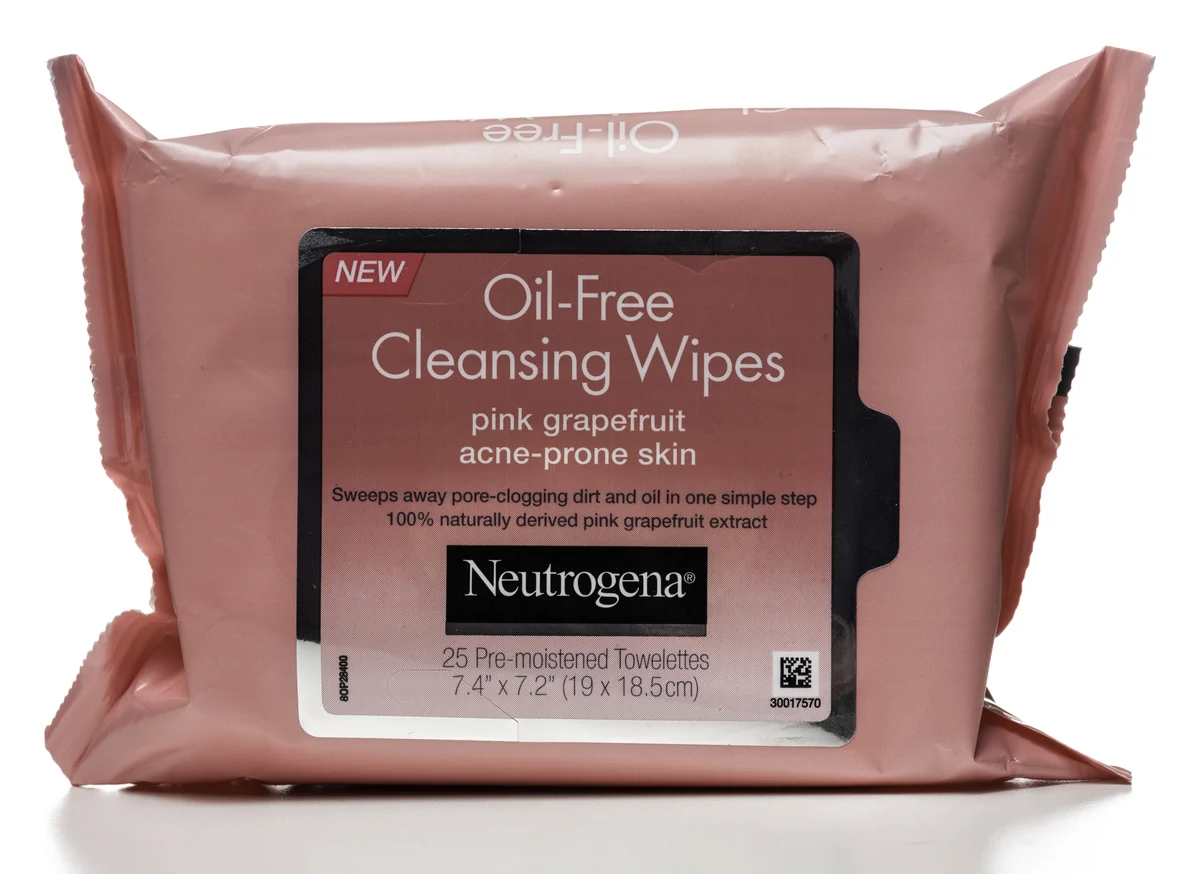
The recent death of actress Hayden Panettiere has ignited a complex crisis for the skincare giant Neutrogena, forcing the brand into a difficult conversation regarding mental health, celebrity partnerships, and corporate accountability. The controversy centers on comments Panettiere made during a podcast interview in May, months before her passing, in which she alleged that her long-standing contract with the brand was not renewed in 2015 specifically because of her public disclosures regarding her struggle with postpartum depression (PPD). As these comments resurfaced following her death, the brand faced an immediate wave of public scrutiny, including calls for a widespread boycott. While Neutrogena eventually issued a formal statement on social media, the response has been widely criticized by the public and professional communicators alike as being "emotionally tone-deaf" and "legally shielded."
The Chronology of a Corporate Crisis
The relationship between Hayden Panettiere and Neutrogena began nearly two decades ago when the actress was at the height of her television career. For years, Panettiere served as one of the primary "faces" of the brand, embodying the "fresh-faced" and "radiant" aesthetic the company marketed to millions of consumers. However, the partnership ended abruptly in 2015.
In May 2024, during a candid podcast appearance, Panettiere reflected on that period, claiming that her departure from the brand was not a mutual decision or a natural end to a contract. Instead, she suggested that the brand distanced itself from her after she began speaking openly about her mental health struggles. Panettiere had been a vocal advocate for PPD awareness, having experienced it personally following the birth of her daughter.
Following her death, fans and social media users began circulating clips of this interview, leading to a viral backlash against Neutrogena. The company remained silent for approximately a week before posting a statement on Instagram that expressed sadness over her passing and mentioned a donation to an organization supporting women. The statement, however, did not directly address the 2015 allegations, leading to further accusations that the brand was attempting to "wash over" its past actions with a performative gesture.
Understanding the Context of Postpartum Depression
To understand the gravity of the allegations, it is necessary to look at the prevalence of the condition Panettiere was discussing. According to data from the Centers for Disease Control and Prevention (CDC), approximately 1 in 8 women in the United States experience symptoms of postpartum depression. It is a serious mental health condition that involves intense feelings of sadness, anxiety, and exhaustion that can interfere with a mother’s ability to care for herself or her family.
In 2015, the cultural conversation surrounding mental health was less advanced than it is today. However, even then, the stigma associated with PPD was significant. If the allegations are true, Neutrogena’s decision to drop an ambassador for discussing a common medical condition associated with motherhood would represent a significant misalignment with a brand that markets itself heavily to women and mothers.
Professional Perspectives: The "Be the CCO" Analysis
In the wake of the failed initial response, dozens of high-level communications professionals have weighed in on what Neutrogena’s Chief Communications Officer (CCO) should do next. The advice falls into several distinct strategic categories, reflecting different philosophies of crisis management.
Strategy 1: Direct Apology and Radical Transparency
Some experts argue that the only way to salvage the brand’s reputation is through a direct, humanized apology that acknowledges past mistakes. Blair Huddy, founder of Hudson Davis, suggests that the brand must admit that the initial statement failed to resonate. Huddy advocates for a statement that acknowledges that firing Panettiere for her mental health disclosures was the wrong move in hindsight.
"State your genuine remorse and support for her family amid the tragedy," Huddy noted, suggesting that the brand should "double down" on its core values and share heartfelt memories of Panettiere from her time on set to showcase her positive impact on the brand. This approach prioritizes emotional intelligence over legal insulation.
Jessica Kowal, founder of JMK Communications, echoes this sentiment, stating that in intensely personal situations, distant corporate statements fail to meet the moment. She suggests the brand should reflect on why they hired her in the first place—her inner and outer beauty—and acknowledge where the company fell short in the relationship.
Strategy 2: Strategic Silence and Internal Reform
A second group of communicators believes that further public statements at this time would be counterproductive and appear opportunistic. Joshua Kail, an experienced strategic communications consultant, argues that the company should "take the hit" and remain quiet out of respect for the mourning period.
"A woman is dead; she hasn’t been buried yet," Kail remarked. He suggests that PR cannot "fix" this crisis immediately and that the company should instead focus on internal restructuring. "Duct tape your mouths… and take the consequences of your mistakes. Then, when the mourning is over, don’t make a statement; show action."
Chris Cradduck, a partner at LDWW, agrees that the brand cannot "win" this situation in the current climate. He describes the current backlash as a "firestorm" that cannot be extinguished with minor PR gestures. The consensus among this group is that the brand should "ride it out" while making quiet, substantive changes to how they support influencers and employees dealing with mental health issues.
Strategy 3: Substantive Action and Financial Commitment
Many professionals believe that words are no longer enough and that Neutrogena must back its claims with significant financial resources. Sara Griggs, vice president of global communications at Smartly, suggests setting up a fund in Panettiere’s name or making a substantial donation to organizations specializing in PPD and postpartum psychosis (PPP).
Griggs even suggests a symbolic partnership: "Tie it in by hiring Brooke Shields, a well-known sufferer of PPD, for your next campaign. Show support with action." This would serve as a signal that the brand has evolved its stance on maternal mental health.
Kevin Pérez-Allen, senior vice president at Signal Group, and Amanda Guisbond, head of communications at Iambic, both emphasize that any donation must be trackable and meaningful, rather than a vague mention of an "unnamed organization." They argue that the public needs to see a "measurable internal change" to restore trust.
Strategy 4: Fixing the Internal Culture
Colleen Herndon Penhall, founder of TrueNorth Strategy Group, suggests a three-part strategy focused on internal accountability. This includes an internal audit of how the brand manages celebrity and influencer partnerships, specifically regarding health and wellness disclosures.
Hollie Geitner, CEO of Anchored Voice Consulting, points out that the damage is already done, and the focus should now be on "communicating process and progress." She suggests that a high-ranking executive should take personal responsibility in a media-trained interview with a major publication, moving away from defensive corporate speak and toward a more humanized accountability.
Broader Implications for Brand Management
The Neutrogena-Panettiere crisis highlights a growing trend in consumer behavior: the demand for corporate consistency. Modern consumers, particularly Gen Z and Millennials, are highly sensitive to "performative activism." When a brand claims to support women but is accused of abandoning a woman in a moment of medical vulnerability, the cognitive dissonance creates a lasting "trust deficit."
Furthermore, this incident serves as a warning for how brands handle legacy issues. In the age of digital archives and social media, past corporate decisions can resurface at any moment. The "Tate McRae" incident—a separate recent PR stumble involving a fake-video response—combined with the Panettiere controversy, suggests a pattern of behavior that communicators say Neutrogena must address holistically.
Conclusion: The Path Toward Betterment
The consensus among communications experts is clear: Neutrogena’s initial response was a failure of empathy and strategy. Whether the brand chooses to apologize directly, remain silent, or invest heavily in mental health advocacy, the "narrative" is no longer something they can control through social media posts alone.
As Elizabeth Lampert, president of Elizabeth Lampert PR, noted, the core failure in these situations is often the reliance on statements that are "legally safe but emotionally tone-deaf." For Neutrogena, the path forward requires a transition from being a "corporate entity" to being a "human organization." By acknowledging the reality of mental health crises and demonstrating a commitment to change, the brand may eventually regain the trust of the consumers who currently feel betrayed by its past actions. However, as many experts warned, this process will take time, and any attempt to rush the resolution will likely be viewed as another act of corporate opportunism.


 Laily UPN