Nana

The dynamic landscape of social media demands more than just sporadic posts; it requires a meticulously crafted content strategy to ensure brand consistency, drive engagement, and achieve measurable marketing objectives. Without a systematic approach, brands risk disjointed messaging, missed opportunities, and the inevitable scramble that plagues unprepared marketing teams. This article delves into the critical elements of effective social media content planning, outlining a robust process that streamlines operations, optimizes approval workflows, and empowers organizations to accurately measure the return on their digital investments.

The Evolution and Imperative of Strategic Content Planning
Social media marketing has undergone a profound transformation since its inception. What began as an experimental frontier for brands to connect informally with audiences has matured into a sophisticated ecosystem vital for brand building, customer acquisition, and retention. Early approaches often involved ad-hoc posting, driven by immediate inspiration or reactive trends. However, with the proliferation of platforms, the intensification of competition, and the constant evolution of complex algorithms, a more disciplined and strategic methodology became indispensable.

Today, content planning on social media is the comprehensive process of determining what to publish, when it should be published, and how each piece of content aligns with overarching marketing and business goals. It extends far beyond mere scheduling; it encompasses anticipating topics, formats, and integrated campaigns well in advance. This foresight ensures content remains consistently relevant, timely, and impactful, while also preventing the costly and time-consuming cycle of rebuilding workflows every month. For marketing teams, this structured approach is not merely a best practice; it is a critical safeguard against burnout, a catalyst for efficiency, and a direct link between daily social media activities and tangible business results.

Supporting Data: Industry reports consistently highlight the benefits of planned content. A recent study by CoSchedule indicated that marketers who plan their content are 356% more likely to report success than those who don’t. Furthermore, the "always-on" nature of social media, coupled with increasing content demands, has contributed to significant marketer burnout. A 2023 survey by HubSpot found that 60% of marketers experienced burnout, underscoring the necessity for streamlined, proactive planning to maintain team well-being and productivity.

The Foundational Pillars: Why Planning Matters
Effective social media content planning creates a ripple effect of positive outcomes across an organization:
- Enhanced Efficiency: Creating content in batches, rather than one post at a time, dramatically improves efficiency. This approach also maximizes the value of every content idea. A single core concept can be repurposed across multiple formats and platforms—for example, a blog post can become a series of Instagram carousels, a TikTok video, a LinkedIn article, and several Twitter threads—thereby extending its reach and impact without requiring additional resources.
- Burnout Prevention: The constant pressure to generate fresh content can lead to creative fatigue and inconsistency. By planning ahead, teams can allocate resources more effectively, spread workloads, and reduce the stress of last-minute content creation. This proactive stance significantly mitigates the risk of burnout, fostering a more sustainable and creative work environment.
- Strategic Alignment: A well-defined content plan ensures that every post serves a strategic purpose, directly contributing to larger marketing objectives such as brand awareness, lead generation, customer engagement, or community building. This connection between daily operations and overarching goals is what leadership values most, transforming social media from a tactical activity into a strategic asset.
- Agility and Responsiveness: While planning provides a roadmap, it doesn’t stifle flexibility. In fact, a robust plan creates buffer capacity, allowing teams to react swiftly and strategically to trending topics, breaking news, or unexpected opportunities without disrupting their core content schedule. This blend of foresight and flexibility is crucial in the fast-paced digital world.
- Consistency and Brand Voice: A content calendar ensures a consistent posting cadence and a unified brand voice across all platforms. This predictability builds audience trust and reinforces brand identity, which are critical components of long-term digital success.
The 10-Step Framework for Social Media Content Mastery
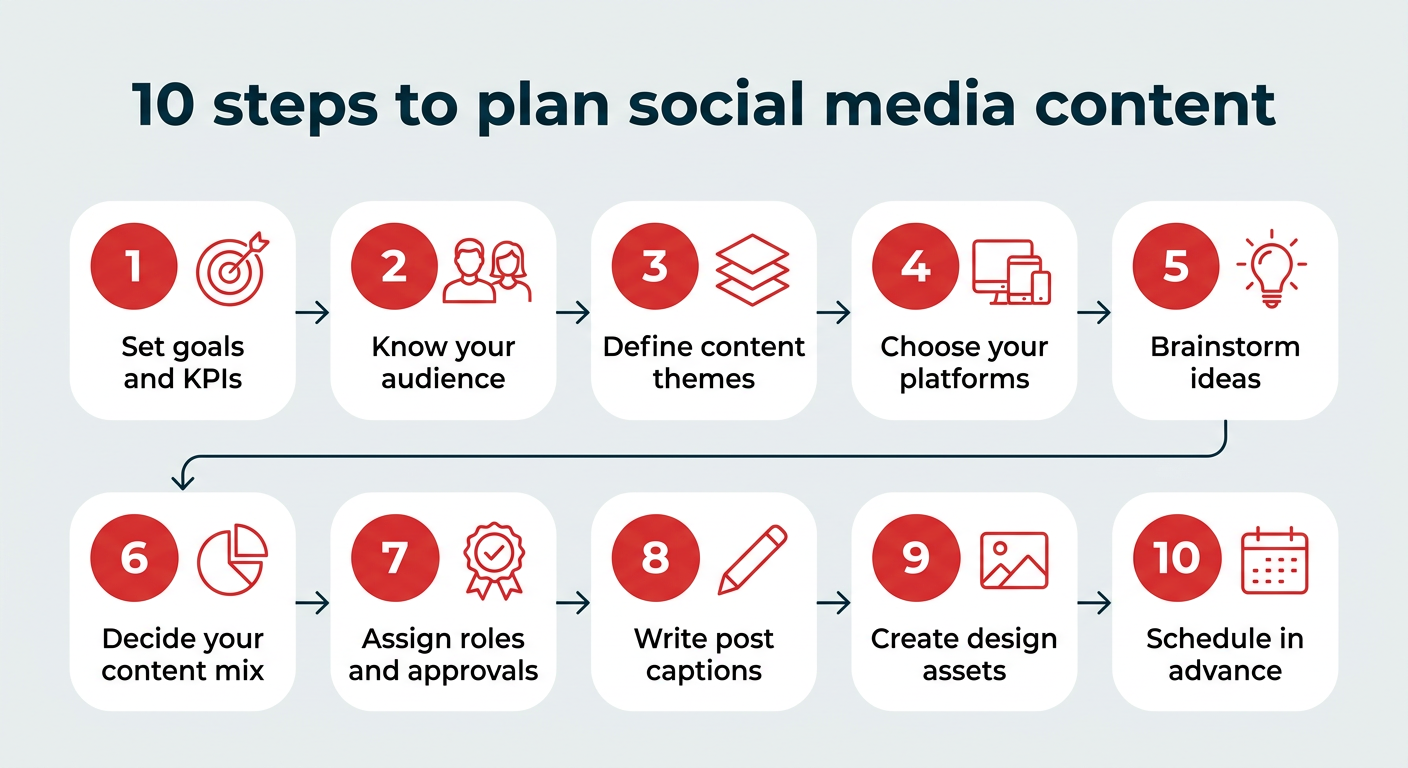
Developing an effective social media content plan requires a structured, repeatable process. Here are 10 essential steps:

- Set Your Goals and KPIs: The journey begins with clearly defining what your social media efforts aim to achieve. Marketing strategists universally advocate for specific, measurable, achievable, relevant, and time-bound (SMART) objectives. Goals often fall into categories like brand awareness, customer engagement, lead generation, website traffic, or community growth. Each goal must be paired with a Key Performance Indicator (KPI) to quantify progress. For instance, "increase brand awareness" becomes "increase monthly impressions by 20% in Q2." Limiting goals to two or three per quarter helps maintain focus.
- Know Your Audience: Understanding who you are speaking to is the bedrock of resonance. This step involves in-depth audience research to delineate demographics, psychographics, online behaviors, preferred platforms, and content consumption habits. Leveraging existing analytics data from your social channels provides immediate insights into top-performing content and audience demographics. Supplementing this with social listening tools can reveal the language your audience uses, the questions they ask, and the topics they discuss unprompted, often uncovering invaluable content ideas. Documenting these insights in buyer personas ensures the entire team operates from a shared understanding.
- Define Your Content Themes (Pillars): Content themes, or pillars, act as guardrails for your content strategy, ensuring everything published ladders up to your broader marketing goals. These themes typically align with your brand’s values, product offerings, and audience interests. Common themes include educational content, inspirational stories, behind-the-scenes glimpses, product showcases, or community engagement prompts. For example, a tech company might have pillars around "innovation insights," "product tutorials," "customer success stories," and "company culture." If a potential post doesn’t fit a defined theme, it likely needs reconsideration or signals a need to expand your content strategy.
- Choose Your Platforms Strategically: Spreading a small team thin across too many platforms is a common pitfall. Prioritize platforms based on where your target audience spends most of their time and where your content can achieve the greatest impact. Audience research is paramount here. A recent Pew Research Center study revealed significant demographic variations across platforms, underscoring the need for tailored platform selection. Each platform also demands specific content types and cadences:
- Instagram/TikTok: Visuals, short-form video, Stories.
- LinkedIn: Professional insights, thought leadership, company news.
- Facebook: Community building, long-form content, diverse media.
- X (formerly Twitter): Real-time updates, concise messaging, trending topics.
Defining a target posting cadence for each chosen platform is crucial for resource allocation.
- Brainstorm Campaign and Post Ideas: With themes and platforms established, teams can begin generating a pipeline of specific social posts and campaigns. Regular brainstorming sessions, dedicated idea-sharing channels, and systems for capturing insights from across the organization are vital. High-performing teams ground their ideas in past performance data (what resonated before), competitor analysis (what works for others), and current industry trends. Leveraging a robust analytics tool like Hootsuite Social OS provides a 360-degree view of past performance, identifying content types and topics that generate the most engagement and conversion.
- Decide on Your Content Mix: A successful content marketing plan typically integrates a mix of original and curated content. While original content establishes thought leadership and brand voice, curated content keeps channels active and relevant without overburdening creation teams. A common starting point is a 40% original to 60% curated content ratio, though this varies by industry and objectives. Regardless of the ratio, curated content must meet the same quality standards as original posts. Furthermore, plan for format variety within this mix—short-form video, carousels, Stories, text posts, and link posts all behave differently across algorithms. Social listening tools, such as Lumen within Hootsuite Social OS, are invaluable for identifying relevant, high-quality third-party content for curation.
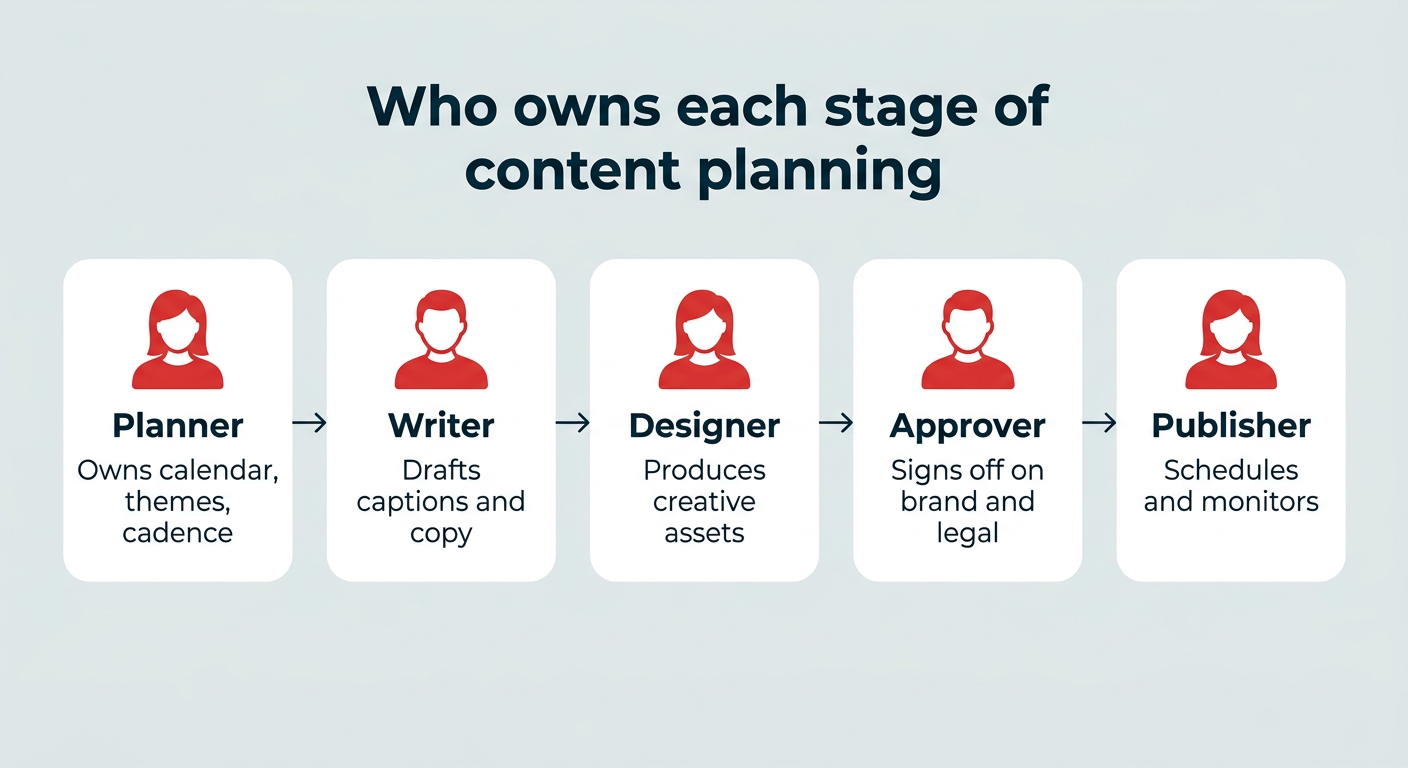
- Assign Responsibilities and Set Approvals: Clear ownership and defined workflows are non-negotiable for keeping content planning on track, especially for larger teams. Social media content creation often involves writers, designers, legal/compliance reviewers, and ultimate approvers. Without defined roles, bottlenecks and errors are inevitable. A social media workflow should delineate the path from content ideation to publication. Crucially, robust approval workflows are not merely bureaucratic hurdles but essential safeguards, particularly in regulated industries like healthcare or finance, where unreviewed content can carry significant legal ramifications. Tools like Vigil, the governance layer in Hootsuite Social OS, help enterprise teams apply consistent rules and permissions across diverse accounts and regions, ensuring brand compliance and risk mitigation.
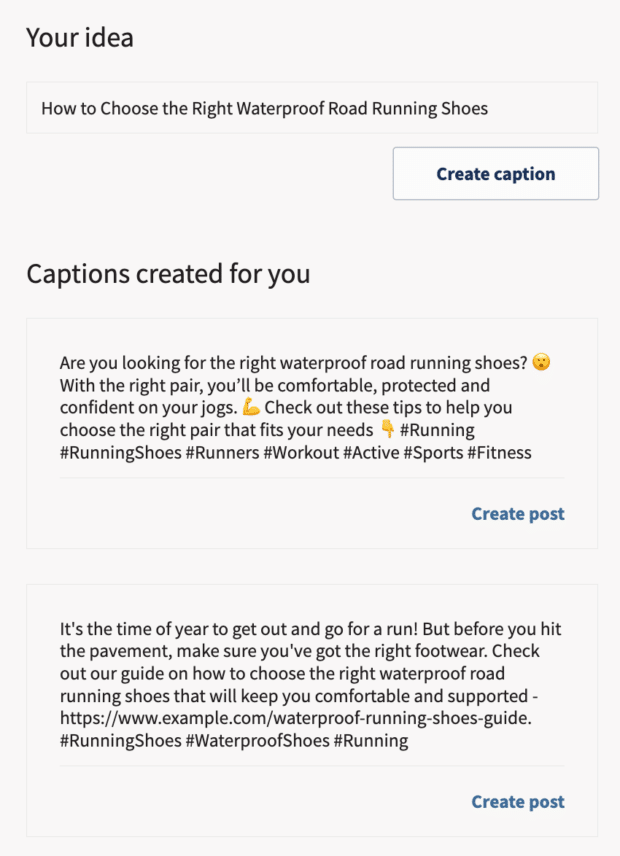
- Write Post Captions: Writing captions before design assets are created offers several benefits: it ensures conciseness (designers don’t create visuals for overly long text), it clarifies the core message, and it informs the visual direction. AI-assisted writing tools, such as OwlyWriter AI within Hootsuite Social OS, can significantly accelerate this process. These tools can generate draft captions, hashtags, and even content ideas based on high-level topics, saving hours of work. While AI provides a powerful starting point, human editors remain critical to refine tone, ensure brand voice, and perform necessary compliance checks before publication.
- Create (or Source) Design Assets: Visual content is paramount on social media. After captions are finalized, the design team creates or sources the necessary images, videos, GIFs, and other visual elements. Having a clear timeline for this stage is vital to avoid bottlenecks. Platforms like Hootsuite’s Perch facilitate collaboration between content creators and designers, offering a unified calendar view that highlights content gaps and opportunities, and features built-in approval processes for visual assets.
- Schedule Content in Advance: Scheduling content ahead of time is foundational for efficiency and consistency. Beyond simply posting, strategic scheduling involves optimizing for the "best time to post" based on audience activity and historical performance data. Hootsuite’s "Best Time to Publish" feature analyzes unique audience data across platforms (Facebook, Instagram, TikTok, LinkedIn, etc.) and suggests optimal times for different goals (e.g., brand awareness vs. traffic generation). Cross-platform scheduling, visible in a unified calendar, reveals potential campaign clashes, identifies quiet periods, and highlights opportunities for repurposing assets across multiple channels, thereby maximizing content mileage. For enterprise teams, bulk scheduling tools, capable of scheduling hundreds of posts simultaneously, are indispensable.
Measuring Success and Iterative Refinement
A content plan that is never reviewed is merely a static schedule. True content mastery comes from continuous measurement and iterative refinement. Track performance against the KPIs established in Step 1, focusing on metrics that directly correlate with business outcomes, not just vanity metrics. Key metrics include:

- Reach and Impressions: For brand awareness.
- Engagement Rate: For community building and audience resonance.
- Click-Through Rate (CTR): For driving website traffic or lead generation.
- Conversion Rate: For direct sales or sign-ups.
Set a regular review cadence:
- Weekly Check-ins: For tactical adjustments, identifying trending topics, and making agile content swaps.
- Monthly Reviews: To spot patterns across content themes, formats, and platforms, and to inform the next month’s planning.
- Quarterly Reviews: For strategic realignment, revisiting overarching goals, evaluating platform mix, and adjusting posting frequency.
Data-driven decision-making transforms a static content calendar into a dynamic growth engine. If video content consistently outperforms static images on Instagram, plan more videos. If a particular content theme consistently underperforms, either refine its angle or reduce its allocation in the calendar. Analytics tools, capable of generating custom reports and exports, are crucial for informing these planning decisions and communicating results to stakeholders.
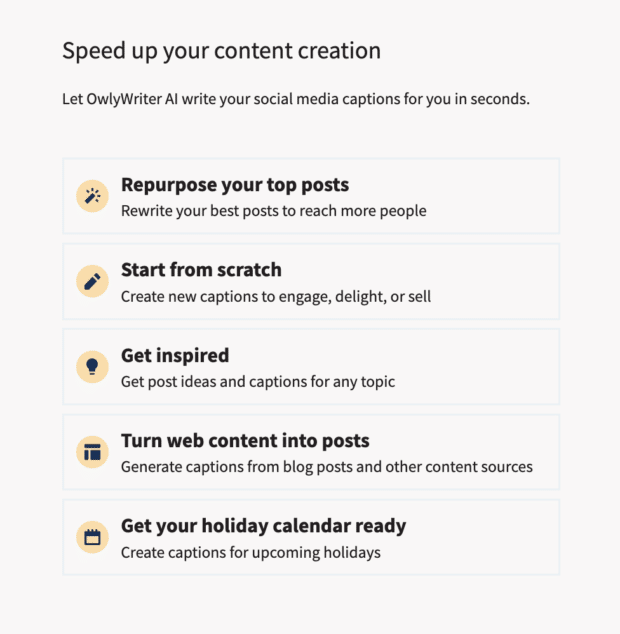
The AI Revolution in Social Media Content Planning (2026 Outlook)
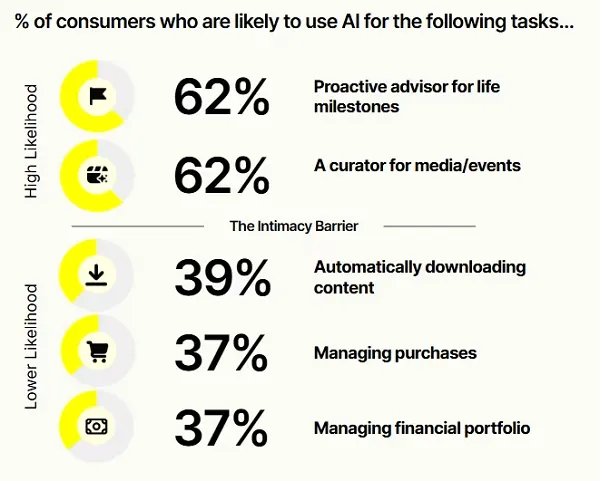
The role of Artificial Intelligence in social media content planning is rapidly evolving, shifting from rudimentary content generation to sophisticated assistance that accelerates research, drafting, and strategic timing decisions. While a Gartner survey found that only 44% of marketers exploring Generative AI realize significant benefits, its potential for efficiency and insight remains undeniable. The core planning judgment, however, largely remains with human strategists.
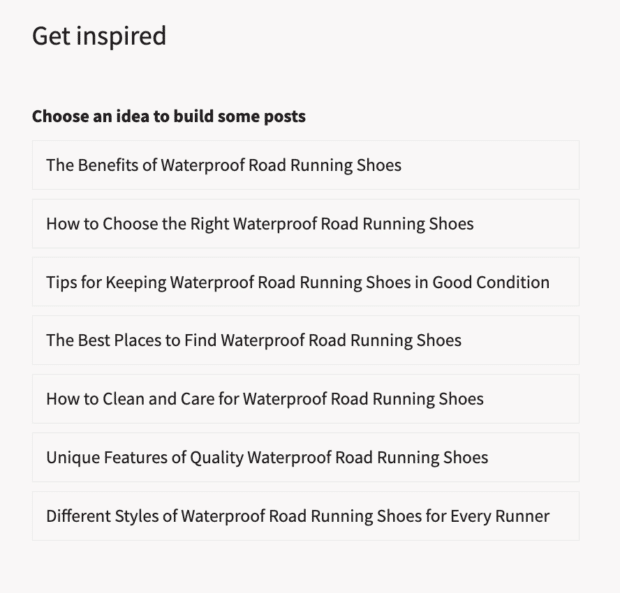
In 2026, AI’s most impactful contributions to social media content planning manifest in four key areas:
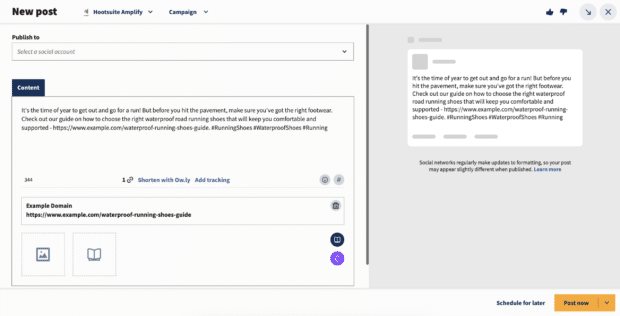
- Idea Generation and Research: AI can rapidly analyze vast datasets to identify trending topics, popular formats, and audience sentiment, providing content teams with a rich wellspring of ideas.
- Drafting and Optimization: AI writing tools assist in generating initial captions, headlines, and even short-form video scripts, significantly reducing the time spent on content creation. They can also optimize existing copy for specific platforms or audience segments.
- Scheduling and Timing: Predictive AI analyzes historical performance and real-time audience activity to recommend optimal posting times for maximum reach and engagement.
- Content Curation: AI-powered social listening identifies high-quality, relevant third-party content for curation, helping brands maintain an active presence without constant original content creation.
For instance, a quarterly campaign brief can be swiftly transformed by AI into draft post angles across multiple platforms, which human teams then refine and assign. Similarly, AI-driven trend tracking tools can flag rising topics in real-time, allowing marketers to slot timely content into an existing plan rather than reactively scrambling.
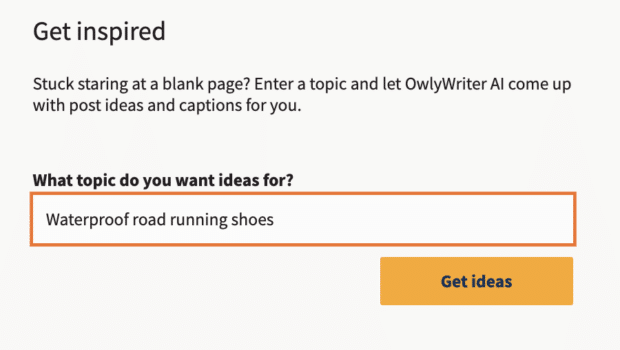
However, the integration of AI is not without its caveats. Industry leaders like Dr. Anya Sharma, a specialist in AI ethics, caution that AI output still requires meticulous human review to maintain brand voice, ensure accuracy, and comply with regulatory guidelines. A Gartner survey from 2026 indicated that 49% of consumers believe GenAI has worsened content quality, highlighting the critical need for human oversight to prevent generic or off-brand content. This necessitates robust governance and compliance protocols within AI workflows, particularly for regulated industries, to mitigate legal exposure and protect brand integrity. Integrated systems like Hootsuite Social OS, which combine AI (Wisdom), planning and publishing (Perch), listening (Lumen), and governance (Vigil), offer a holistic solution to leverage AI effectively and responsibly.
Choosing the Right Content Planning Tools and Templates
The best content planning tools automate manual tasks, enhance collaboration, and provide actionable insights. A selection of free templates can jumpstart the process for any team:

- Social Media Content Calendar Template
- Social Media Strategy Template
- Social Media Audit Template
- Social Media Report Template
- Engagement Rate Calculator
When evaluating content planning tools, consider how comprehensively they address your workflow needs. A standalone scheduler solves only one piece of the puzzle. A truly effective social media planner integrates planning, content creation, approvals, analytics, and social listening into a unified platform. Key capabilities to look for include:

| Capability | Basic Scheduling Tools | Mid-tier Platforms | Hootsuite Social OS |
|---|---|---|---|
| Multi-platform scheduling | Yes | Yes | Yes |
| Unified content calendar | Limited | Yes | Yes |
| Performance analytics | Basic | Standard reports | Customizable reports and exports |
| AI-assisted content creation | Rare | Sometimes | Yes |
| Approval workflows | No | Limited | Yes |
| Social listening | No | Add-on | Yes, with Lumen |
| Governance and permissions | No | Basic roles | Yes, with Vigil |
Ultimately, the choice of tool should align with the complexity of your social media operations, the size of your team, and the need for integrated functionalities. Investing in a comprehensive platform like Hootsuite Social OS can eliminate fragmentation, reduce manual errors, and provide the strategic insights necessary for scaling social media impact across teams and regions.

In conclusion, strategic social media content planning is no longer an option but a necessity for brands aiming to thrive in the digital age. By adopting a systematic approach, leveraging integrated technologies, and committing to continuous measurement and refinement, organizations can move beyond the scramble, achieving consistent engagement, demonstrable ROI, and sustained brand growth.

 Pevita Pearce
 rifanmuazin