In an increasingly digitized world, the blog has evolved from a simple online journal into an indispensable strategic asset for individuals and organizations alike. Its significance has been profoundly reshaped by the advent of artificial intelligence (AI) in search engines, demanding a sophisticated approach that prioritizes unique value, clarity, and authority over mere keyword density. This comprehensive guide explores the multifaceted landscape of modern blogging, outlining the critical steps from conception to sustained growth and monetization in an AI-driven digital ecosystem.
The Evolving Imperative of Blogging in the AI Era
The fundamental purpose of blogging – to engage an audience and establish credibility – remains, but the pathways to achieving these goals have diversified. Today, a blog serves as a dynamic hub for content marketing, a powerful SEO engine, and a direct conduit for audience connection. The rise of AI-powered search features, such as Google’s AI Overviews and AI Mode, has fundamentally altered how users interact with search results. These AI systems increasingly answer queries directly, drawing information from high-quality, well-structured content. Consequently, blogs must not merely rank but stand out as definitive sources of clear, comprehensive, and trustworthy information.
For any website, regardless of its primary function – be it an e-commerce store, a personal portfolio, or a corporate portal – consistent blogging is no longer optional but a strategic imperative. Beyond being a creative outlet, it is a cornerstone of a robust digital presence. Studies indicate that companies with blogs receive significantly more inbound links and indexed pages, translating into higher visibility. The shift towards AI-centric search means that sites actively publishing high-quality, unique content are favored, viewed as active, relevant, and authoritative by algorithms designed to surface the most helpful information. This gives content creators more opportunities to appear in AI-generated summaries, providing succinct answers directly to users.
Blogging as a Pillar of Sustainable SEO
Regular content addition is a non-negotiable component of any sustainable SEO strategy. Search engines, particularly those leveraging AI, interpret consistent activity as a strong signal of relevance and vitality. This not only aids in better ranking within traditional search results but also enhances a site’s likelihood of being featured in AI-powered snapshots. Furthermore, blogging expands a site’s keyword footprint, allowing it to rank for new terms while reinforcing existing ones. The emphasis on fresh, well-structured content by AI search platforms means regular updates are crucial for competitive positioning.
Crucially, blogging allows for a deeper engagement with various facets of search intent. Users search with specific goals: to learn, compare, buy, or navigate. While product pages address commercial or transactional intent, informational blog posts cater to a broader audience in the earlier stages of their research journey. By providing relevant, helpful articles, businesses can attract potential customers long before they are ready to make a purchase, nurturing them through the sales funnel. This authentic engagement is increasingly valued by AI search, which prioritizes brands that demonstrate user trust and authority.

Blogging as an Essential Marketing Tool
Beyond SEO, a blog functions as an invaluable marketing asset. It allows brands to tell their story, share behind-the-scenes insights, and highlight customer experiences, fostering a deeper connection than traditional advertisements ever could. In an age of information overload, consumers remember narratives and value transparency. A high-quality blog that offers useful information cultivates trust and rapport, making future conversions more probable. As Carolyn Shelby, Principal SEO at Yoast, aptly states, "A blog isn’t valuable just because it exists. It becomes valuable when it helps your audience solve problems, understand something better, or see your expertise in action. In today’s search landscape, the goal isn’t simply to publish, or even to publish more. It’s to create content worth being found, cited, and remembered." This expert perspective underscores the need for purposeful, value-driven content creation.
Laying the Foundation: Setting Up a New Blog
Strategic planning is paramount when launching a new blog. Haphazard content creation leads to disorganization and diminished impact. A foundational step involves defining a clear niche and conducting thorough keyword research. The focus should extend beyond high-volume keywords to encompass long-tail phrases, conversational queries, and user questions that reflect genuine audience needs. AI search engines are particularly adept at understanding natural language, making intent-driven keyword research more critical than ever.
Equally important is establishing a clear and manageable blog structure. A logical hierarchy of categories, subcategories, and tags not only improves user navigation but also aids search engines in comprehending the site’s thematic organization. This foresight saves significant effort later, facilitating internal linking strategies, cornerstone content identification, and overall content management. A strong structural foundation ensures adaptability as AI search algorithms continue to evolve.
Fueling the Blog: Content Ideation in the AI Age
A successful blog is perpetually fed by a stream of fresh ideas. Inspiration can be drawn from numerous sources:
- Keyword Research: As previously noted, this is the bedrock. Beyond individual keywords, consider the broader questions and problems your target audience is trying to solve.
- Audience Feedback: Recurring customer questions, comments on existing posts, and social media discussions are rich veins of content ideas.
- Current Events and Industry Trends: Timely content that addresses relevant happenings can drive significant traffic and establish thought leadership.
- Competitor Analysis: Observing what successful competitors are writing about, and identifying gaps or opportunities to offer a superior perspective, can be highly effective.
- Internal Data: Analyzing website analytics to identify popular posts, high-engagement topics, and areas where readers spend the most time can guide future content creation.
- AI-Powered Tools: Leveraging large language models (LLMs) like ChatGPT, Gemini, Perplexity, or Claude can assist in brainstorming and outlining. Tools such as Yoast AI Content Planner, for instance, analyze existing content to identify gaps and generate tailored post ideas with ready-to-use draft frameworks, streamlining the ideation process.
The key is to move beyond simply rehashing existing information. The goal is to provide a unique angle, a fresh perspective, or a more comprehensive solution to a problem. Maintaining an ongoing list of ideas, accessible at all times, ensures that inspiration is captured whenever it strikes.

Crafting High-Quality Blog Posts: Originality and Readability
The quality of individual blog posts determines their impact. Two paramount attributes define high-quality content: originality and readability.
Original Content: In the era of widespread AI content generation, originality is no longer a virtue but a necessity. Google has explicitly warned against "commodity content" that merely rehashes existing information without adding distinct value. AI search tools are increasingly sophisticated at filtering out generic, repetitive material, prioritizing content that offers unique insights, personal experiences, or a novel approach to a topic. The goal is to create content that teaches, solves a problem, or entertains in a way that others do not. This human expertise, experience, authoritativeness, and trustworthiness (E-E-A-T) are qualities AI cannot genuinely replicate, making them critical differentiators for human-authored blogs.
Readable Content: An original post loses its impact if it’s not easily digestible. Readability is crucial for both human audiences and AI algorithms. Well-structured, clearly written text with logical paragraphs and informative subheadings enhances user experience, encouraging longer dwell times and lower bounce rates. AI models also process and summarize content more effectively when it is presented in an organized, easy-to-scan format. Practical tips for readability include:
- Planning: Before writing, define the target audience, the core message, and the desired outcome. Outline the main topics and their logical flow.
- Clear Paragraphs: Begin each paragraph with its most important sentence, followed by explanations or expansions. Keep paragraphs concise, ideally seven to eight sentences.
- Simple Language: Avoid jargon and complex sentence structures where simpler alternatives exist. The objective is clarity, not complexity.
- Feedback: Always have a fresh pair of eyes proofread the content. Readability analysis tools, such as those integrated into SEO plugins, can also offer valuable suggestions for improving sentence length and transition word usage.
Optimizing for Search Engines: The Final Polish
Once a blog post is original and readable, the final step involves optimizing it for search engines. This is not about "gaming the system" but ensuring that genuinely valuable content is discoverable. SEO should enhance, not compromise, originality and readability.
Modern SEO involves a blend of technical and content-focused strategies:
- Keyword Integration: Naturally weave target keywords and related semantic terms throughout the content, headings, and meta descriptions.
- Meta Descriptions: Craft compelling meta descriptions that accurately summarize the content and entice clicks, often influencing how AI overviews present your content.
- Internal Linking: Strategically link to other relevant posts on your site, creating a network of interconnected content that boosts authority and improves crawlability.
- External Linking: Link to authoritative external sources to support claims and enhance credibility.
- Image Optimization: Use descriptive alt text and optimize image file sizes for faster loading.
- Schema Markup: Implement structured data (schema markup) to help search engines, and thus AI, better understand the context and content of your pages, potentially leading to rich snippets or direct answers.
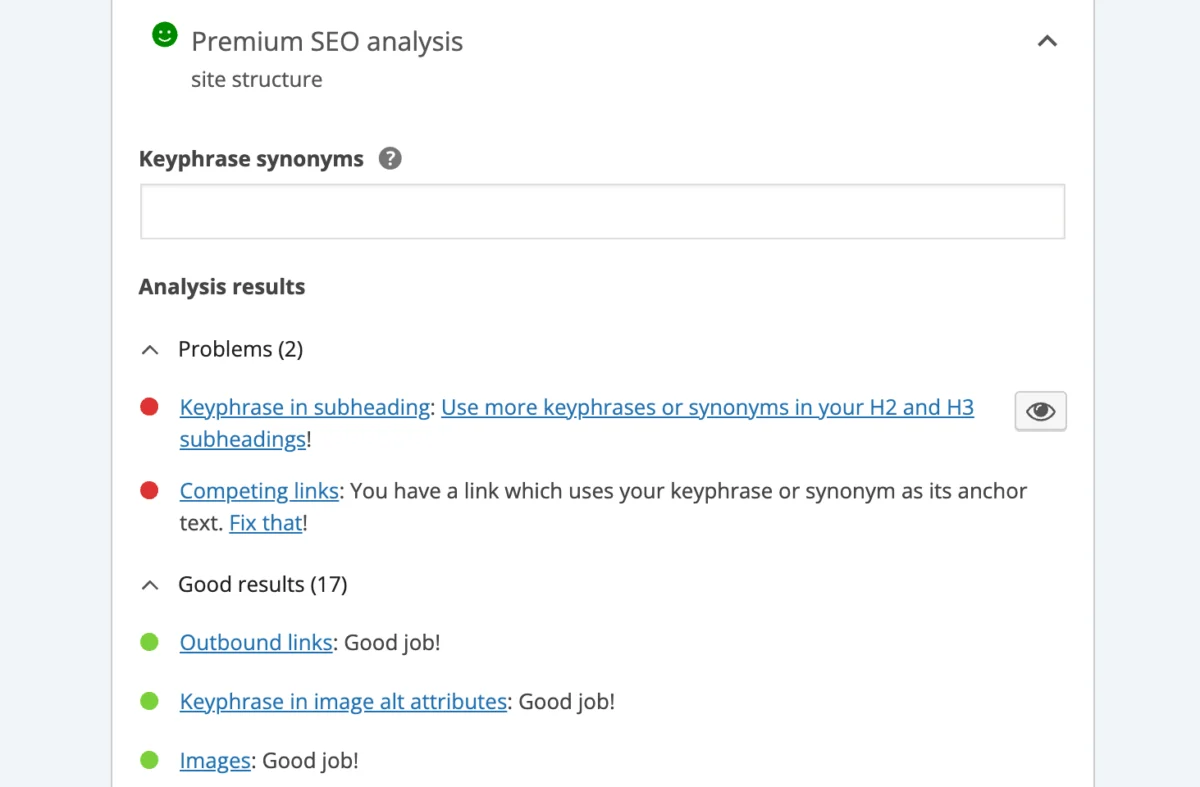
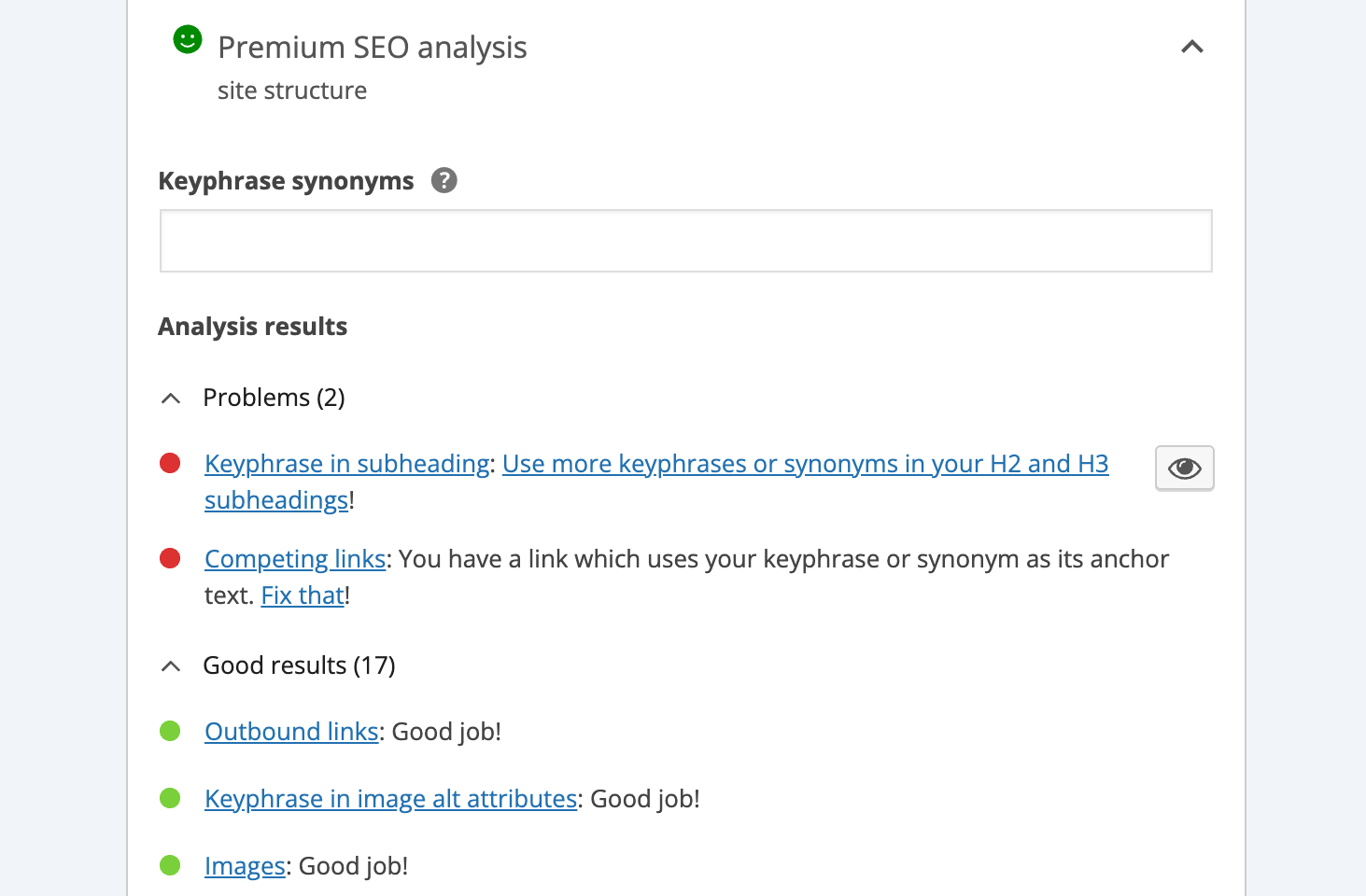
Tools like Yoast SEO provide real-time feedback on these optimization elements, helping content creators fine-tune their posts for maximum visibility without sacrificing quality.

Cultivating Engagement and Community
Blog engagement is a significant factor in SEO and brand building. When readers comment, share, and reference content, it signals to search engines that the blog is active, authoritative, and valuable. This extends beyond simple comments to social media shares, backlinks, and even direct mentions.
- Responding to Comments: Actively engaging with readers by responding to comments fosters a sense of community and demonstrates that their input is valued. This encourages further interaction and builds loyalty.
- Social Sharing: Facilitate easy sharing of content across various social media platforms.
- Encouraging Discussion: Pose questions within posts to stimulate dialogue.
Positive engagement boosts visibility and trust, which are increasingly critical signals for AI search algorithms assessing content quality and relevance.
Marketing Your Blog: Reaching a Wider Audience
Even the most exceptional content requires effective marketing to reach its intended audience.
- Social Media Promotion: Leverage platforms like Facebook, X (formerly Twitter), Reddit, Instagram, and TikTok to share content and engage with communities. Short-form video content, such as Instagram Reels or TikToks, can significantly expand reach.
- Email Newsletters: Building an email subscriber list provides a direct communication channel, allowing for regular updates on new posts, exclusive insights, and special offers, reducing reliance on fluctuating search algorithms.
- Guest Blogging and Collaborations: Writing for other authoritative blogs or collaborating with influencers can expose content to new audiences.
- Content Syndication: Repurposing or distributing content across other platforms (with proper canonicalization) can extend its reach.
Monetizing Your Blog: Diverse Strategies
While not every blogger seeks financial gain, for those who do, various monetization strategies exist:
- Advertising: Displaying ads through networks like Google AdSense or direct ad sales.
- Affiliate Marketing: Earning commissions by promoting products or services from other companies.
- Sponsored Content: Creating posts in partnership with brands, for which compensation is received.
- Selling Digital Products: Offering e-books, courses, templates, or other digital assets.
- Selling Physical Products: For e-commerce sites, the blog can drive organic traffic and link directly to product pages.
- Offering Services: Using the blog to showcase expertise and attract clients for consulting, coaching, or freelance work.
The key to successful monetization lies in aligning these strategies with the value provided to the audience, ensuring that revenue generation doesn’t compromise content quality or user experience.
Sustaining Growth: Maintaining a Blog for the Long Term
Starting a blog is often easier than maintaining it. Consistency is paramount; establishing a regular publishing schedule builds audience expectation and trust. As a blog grows, new challenges emerge:
- Content Planning: Shifting from spontaneous posts to a strategic content calendar ensures a consistent flow of relevant topics, avoids duplication, and aligns with broader business goals. Tools like editorial calendars and topic clusters streamline this process.
- Content Audits: Regularly reviewing existing content to identify opportunities for updates, expansion, or pruning. Refreshing old posts with new information keeps them relevant and sends freshness signals to search engines. Low-value or outdated content should be updated, redirected, or removed.
- Site Structure Evolution: As the content library expands, the site’s structure may need reorganization. Implementing topic clusters, where a "pillar page" links to several related "cluster content" posts, improves thematic authority and navigation.
- Addressing Keyword Cannibalization: This occurs when multiple pages on a site compete for the same keywords, confusing search engines and diluting ranking potential. Regular SEO audits are crucial to identify and resolve such issues, often by consolidating content or refining target keywords.
- Adapting to Algorithm Changes: The digital landscape is constantly shifting. Staying informed about search engine algorithm updates and AI advancements is essential for maintaining visibility and adapting strategies accordingly.
Conclusion
Blogging, when executed strategically, remains one of the most powerful tools for digital growth. It transcends mere online presence, acting as a dynamic force that boosts search visibility, cultivates brand authority, and converts casual visitors into loyal followers. The rise of AI in search has not diminished its importance but rather elevated the standards for quality, originality, and clarity.
To succeed in this evolving environment, content creators must begin with a robust keyword strategy, focusing on user intent and conversational queries. Content must be original, demonstrating genuine expertise and offering unique value that AI cannot replicate. Structure and readability are non-negotiable, ensuring content is digestible for both human readers and AI summarization tools. Continuous optimization, active audience engagement, and strategic marketing are vital for amplification. Finally, long-term success hinges on consistent maintenance, adaptability to technological shifts, and a commitment to providing enduring value. By embracing these principles, bloggers can build a resilient digital platform that thrives in the AI-driven future, delivering tangible results and cementing their position as authoritative voices in their respective niches.