The global digital landscape has reached a point of saturation where acquiring new traffic is often more expensive than optimizing existing visitors. This economic reality has propelled Conversion Rate Optimization (CRO) from a niche marketing tactic to a fundamental pillar of enterprise strategy. Within this sector, two platforms—Crazy Egg and Lucky Orange—have emerged as dominant forces, providing the visual analytics and behavioral data necessary to transform passive browsing into measurable revenue. While both platforms offer a suite of overlapping tools, including heatmaps and session recordings, their underlying philosophies and specialized feature sets cater to distinct business requirements.
The Historical Context and Evolution of Visual Analytics
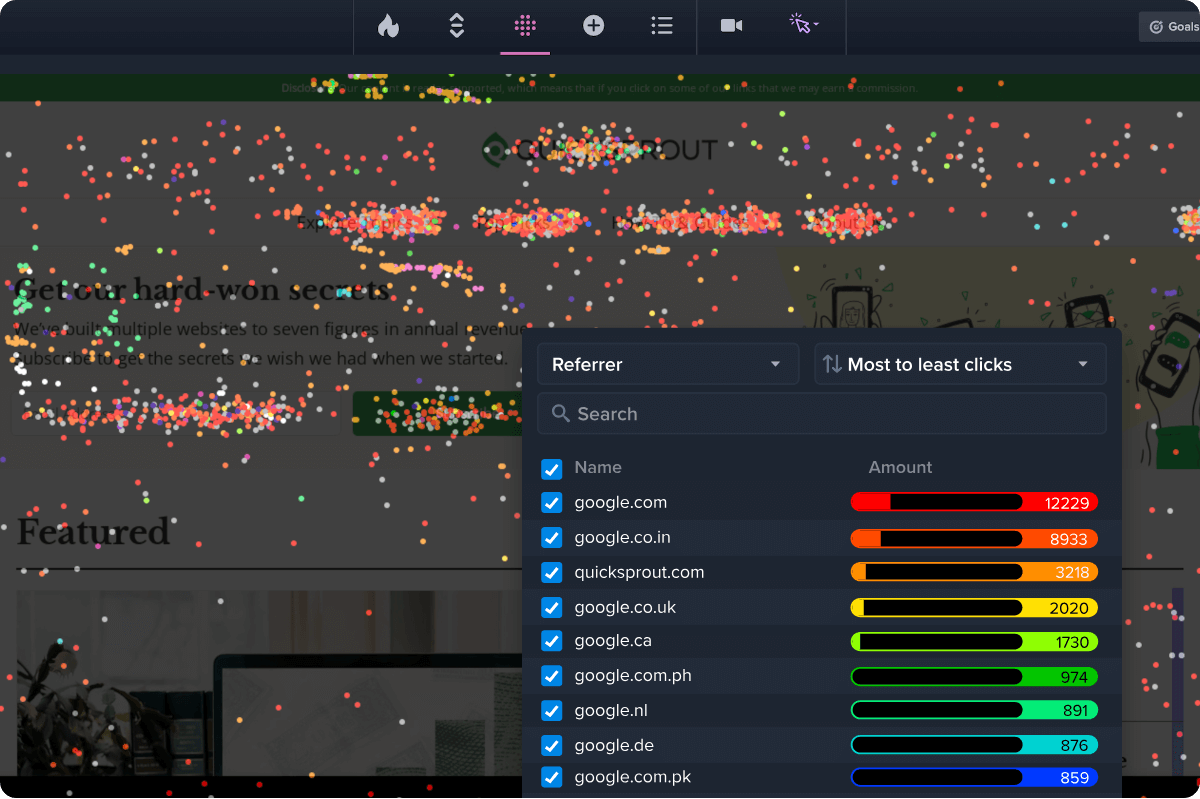
To understand the current rivalry between Crazy Egg and Lucky Orange, one must look at the evolution of the CRO industry. Crazy Egg, co-founded in 2006 by Hiten Shah and marketing luminary Neil Patel, was a pioneer in the visual analytics space. At a time when Google Analytics provided only raw numerical data, Crazy Egg introduced the "Confetti" heatmap, allowing marketers to see exactly where users were clicking based on referral sources and other metadata. This innovation shifted the industry focus from "what" was happening to "why" it was happening.
Lucky Orange entered the market in 2010 with a focus on real-time interaction. While Crazy Egg was perfecting the post-hoc analysis of user behavior, Lucky Orange sought to bridge the gap between analytics and customer support. By integrating live chat and real-time visitor monitoring, Lucky Orange positioned itself as a tool not just for analysts, but for sales and support teams looking to intervene in the customer journey at the moment of friction. Over the last decade, both tools have expanded their offerings to include surveys, funnels, and form analytics, leading to the current market state where businesses must carefully weigh the technical nuances of each.

Technical Analysis of Heatmapping Capabilities
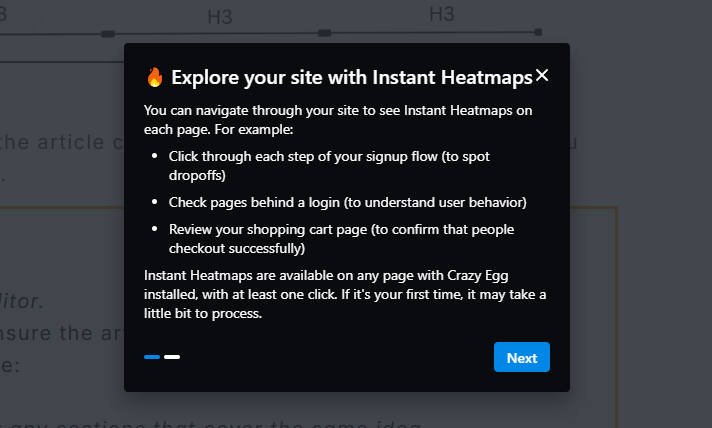
Heatmapping remains the primary draw for both platforms, yet the execution differs significantly in terms of depth and versatility. Crazy Egg offers a comprehensive array of five distinct map types. The "Click Map" and "Scroll Map" provide standard engagement data, but the "Confetti Map" remains its most potent differentiator. This tool allows for per-click segmentation across more than 17 attributes, such as search terms, time of day, and browser type. This granularity enables marketers to identify, for instance, that users arriving from a specific LinkedIn ad are clicking on a non-interactive image rather than the primary Call to Action (CTA). Furthermore, Crazy Egg’s "Overlay" and "List" reports provide a quantified breakdown of every element on a page, including those hidden in menus or dynamic modules.

Lucky Orange focuses on the "Dynamic" nature of the modern web. Its heatmaps are designed to render clicks on Single Page Applications (SPAs) and interactive elements like carousels, sliders, and dropdown menus with high fidelity. While it offers fewer map types—specifically click, scroll, and move maps—its strength lies in its ability to show how users interact with pop-ups and live elements in real-time. However, Lucky Orange lacks the built-in side-by-side comparison feature found in Crazy Egg, which allows analysts to compare mobile versus desktop behavior or pre- versus post-redesign engagement within a single view.
Session Recordings and Data Retention Standards
Session recordings provide a DVR-like playback of user sessions, offering an unfiltered view of the user experience. Both platforms have reached a high standard of privacy compliance, automatically masking sensitive Personally Identifiable Information (PII) to meet GDPR and CCPA requirements.
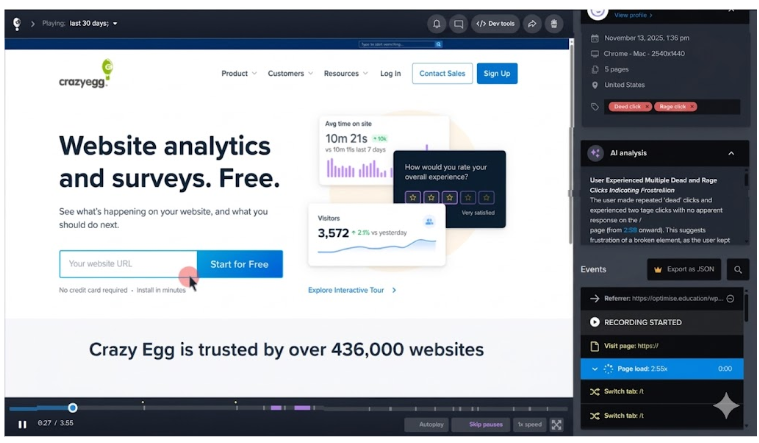
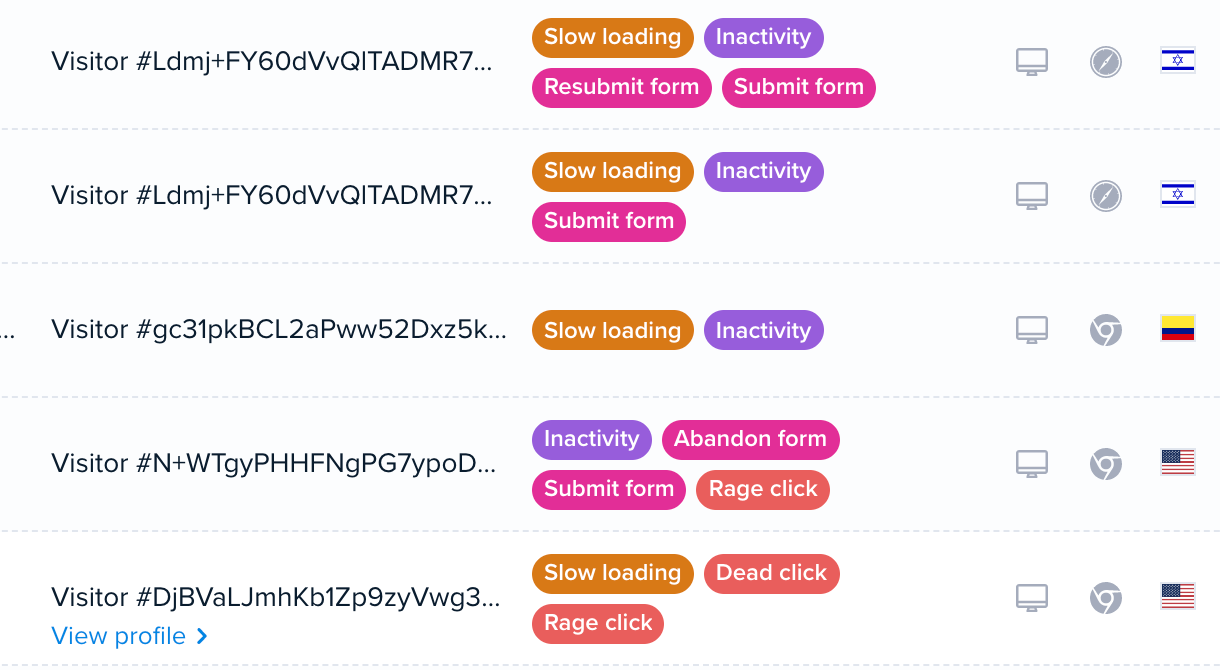
Crazy Egg distinguishes itself through its automated tagging system. Out of the box, it identifies "friction signals" such as rage clicks (repeated clicking on an element), dead clicks (clicking on non-responsive elements), and u-turns. These tags allow researchers to filter thousands of hours of video into a concise "playlist" of problematic sessions. Crucially, Crazy Egg offers a data retention window of 6 to 24 months, depending on the tier. This long-term storage is vital for seasonal businesses that need to compare year-over-year behavior during peak periods like Black Friday.
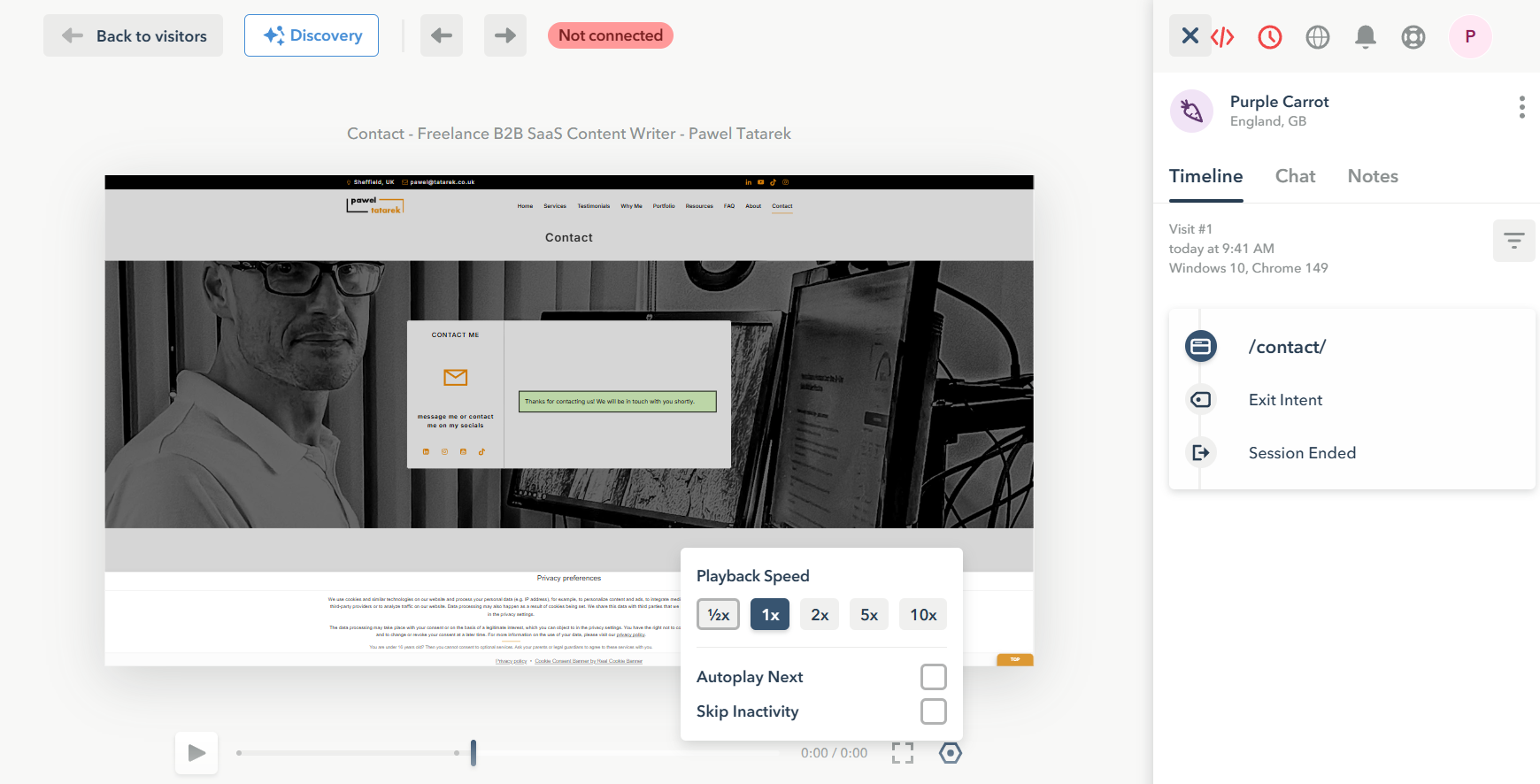
Lucky Orange provides similar playback controls and event timelines but requires more manual setup for custom event tagging. Its default data retention is significantly shorter, starting at 60 days and capping at 12 months with an upgrade. This makes Lucky Orange more suitable for rapid, iterative testing where long-term historical data is less critical than immediate feedback.
The Divergence in Feature Bundling: A/B Testing vs. Live Interaction
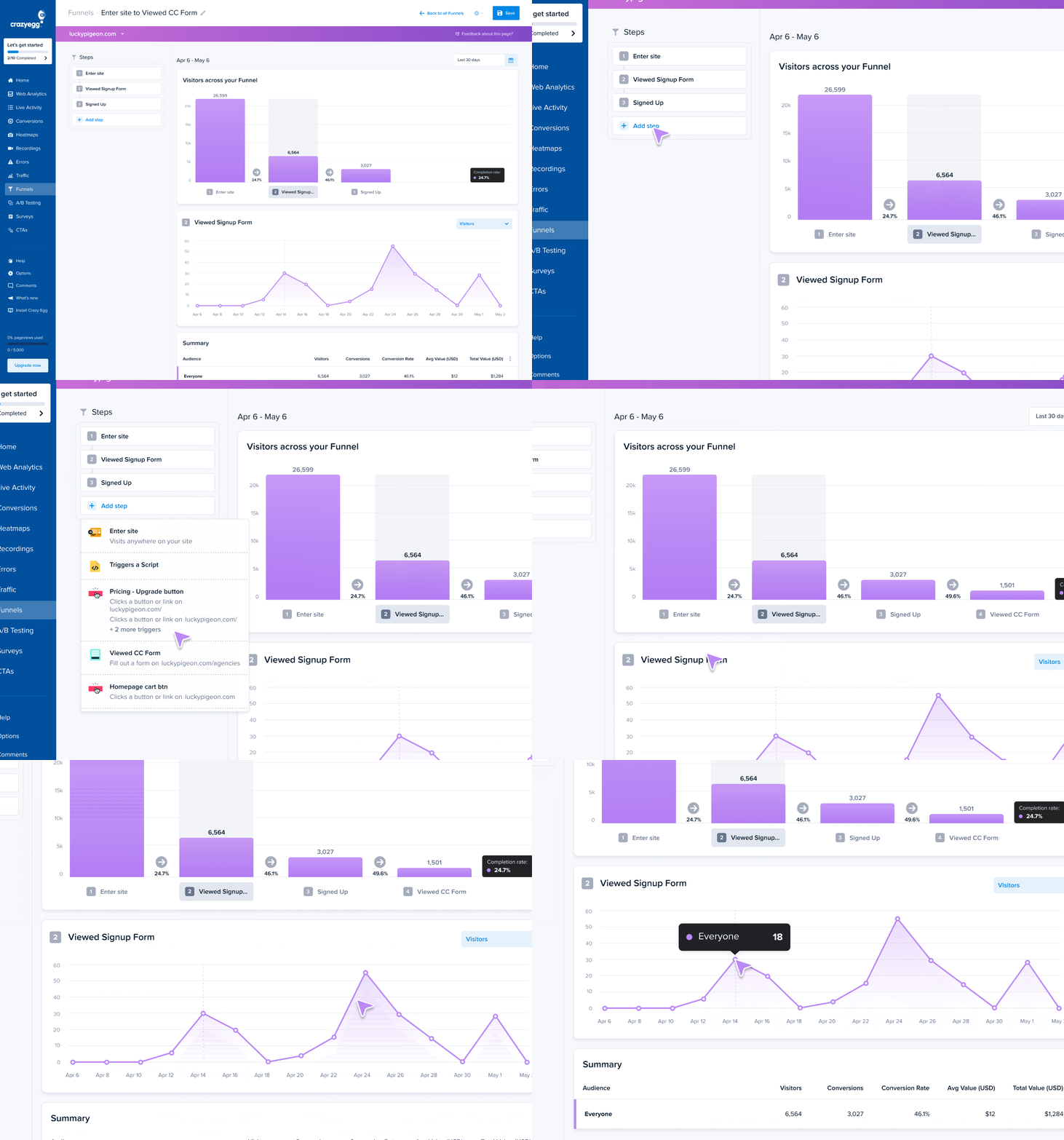
The most significant divergence between the two platforms lies in their unique "extra" features. Crazy Egg has moved toward becoming a full-cycle optimization suite by including native A/B testing. This allows users to identify a problem via a heatmap and immediately launch a test to fix it using a visual editor or URL redirect. The platform uses a Multi-Arm Bandit approach to traffic distribution, which automatically shifts traffic toward the winning variant to minimize "regret" or lost conversions during the testing phase. Additionally, Crazy Egg includes error tracking with stack traces, linking JavaScript errors directly to the session recording where the error occurred.
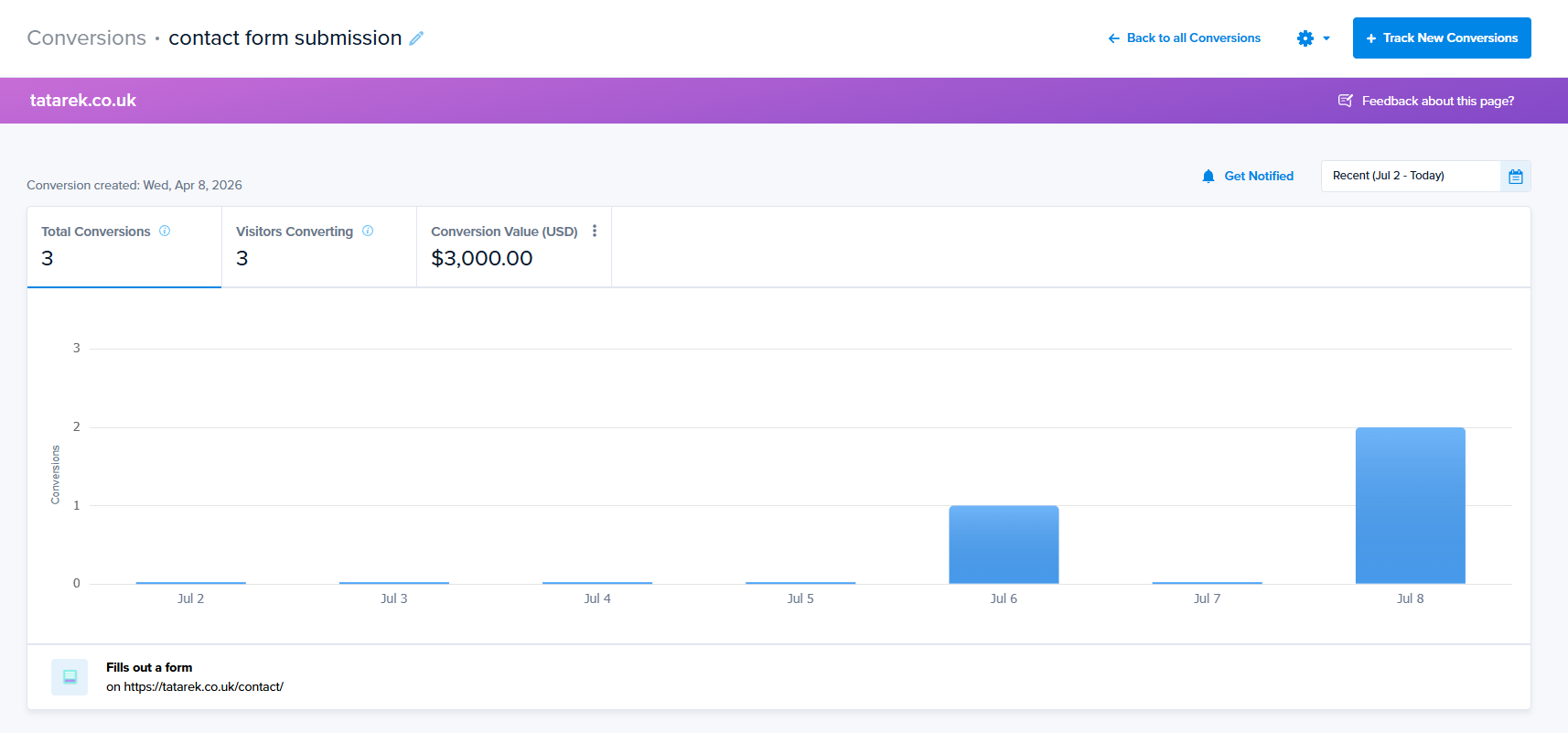
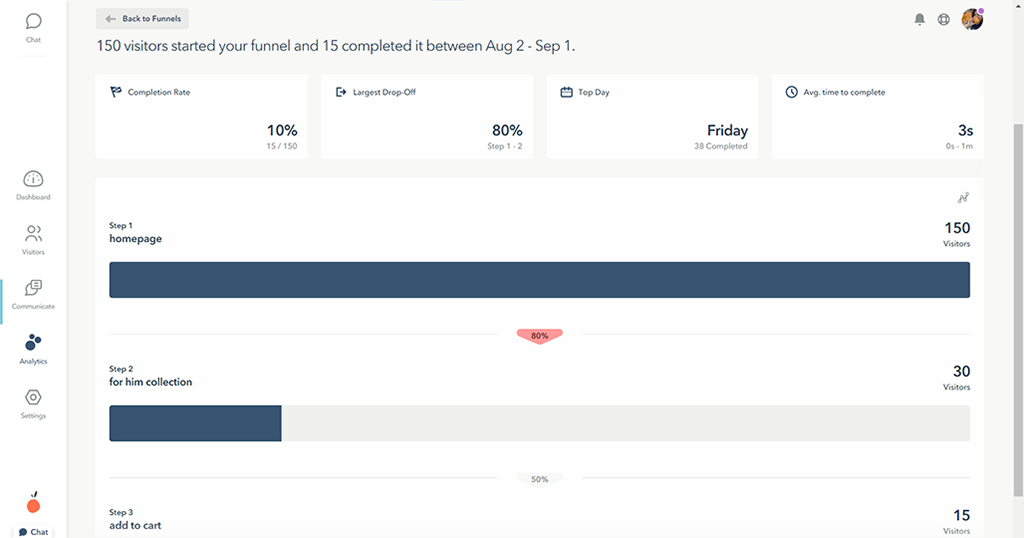
Lucky Orange has taken a different path, prioritizing "Live Visitor View" and "Form Analytics." The Live Visitor View allows site owners to see a list of people currently on the site and, through the integrated Live Chat, initiate a conversation. This is a powerful tool for high-touch B2B sales or complex e-commerce environments where a quick answer can prevent cart abandonment. Furthermore, Lucky Orange’s form analytics provide field-level data, showing which specific part of a checkout or sign-up form causes users to drop off. While Crazy Egg can track form submissions as conversion events, it does not offer this granular field-by-field analysis.
The Role of Artificial Intelligence in Behavioral Analysis
As the volume of data collected by CRO tools has grown beyond human capacity to process, both companies have integrated Artificial Intelligence. Crazy Egg’s AI operates as an automated analyst. It scans heatmaps and recordings to generate "Top Insights," highlighting unexpected trends or critical bugs without the user having to dig through reports. It also offers a JSON export feature, allowing advanced teams to feed their behavioral data into custom LLMs (Large Language Models) like ChatGPT or Claude for bespoke analysis.
Lucky Orange’s "Discovery AI" is a conversational assistant. Users can ask the tool questions such as, "Why is my checkout conversion down today?" and the AI will crawl the site code and behavioral data to provide a grounded answer. It links its findings directly to the relevant heatmaps or recordings. Unlike Crazy Egg, which includes AI in its standard paid plans, Lucky Orange currently positions its AI functionality as a paid add-on.
Financial Implications and Pricing Models
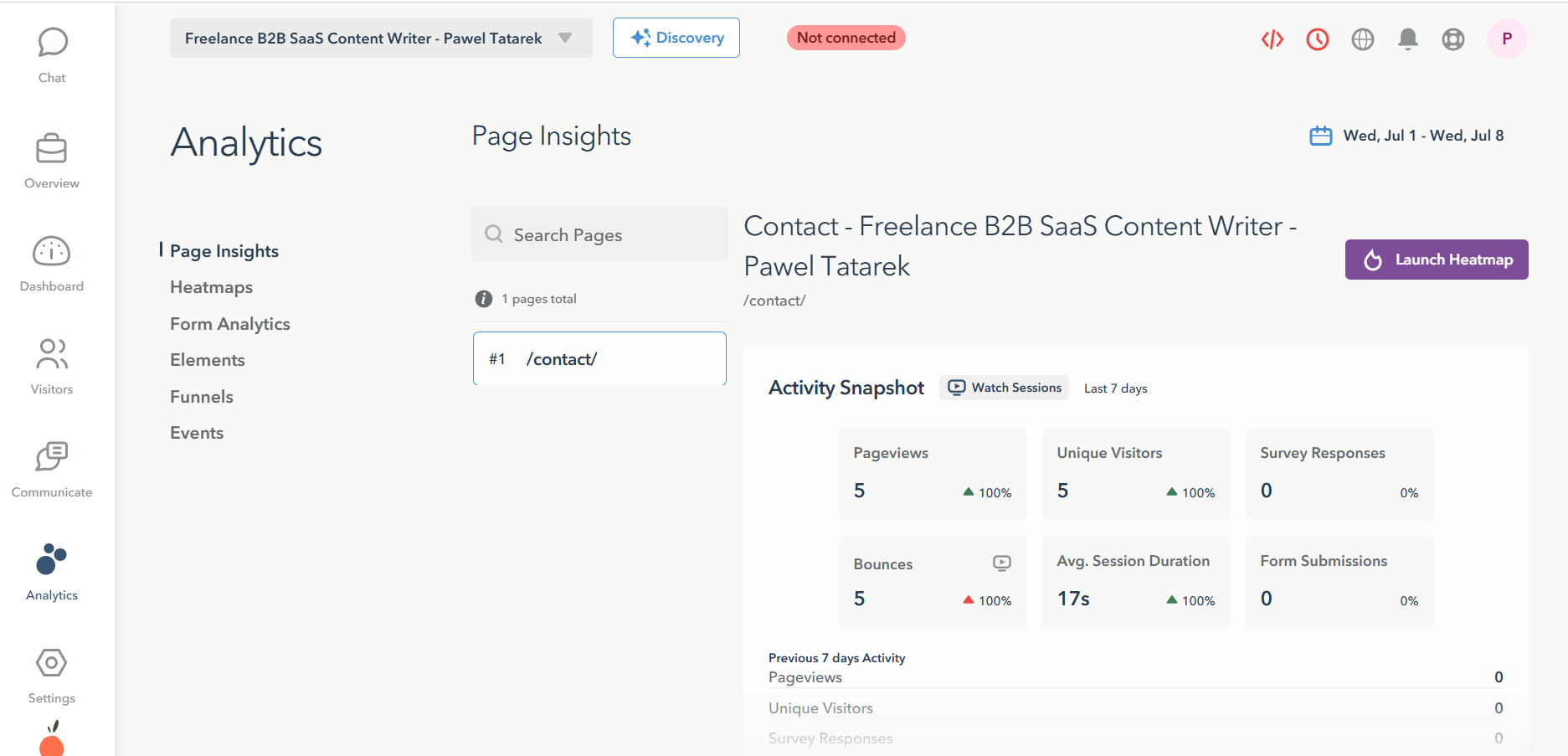
The pricing structures of Crazy Egg and Lucky Orange reflect their different target audiences. Crazy Egg utilizes a "Tracked Pageview" model. This is often viewed as more cost-effective for large sites because businesses only pay for the specific pages they choose to monitor. A company might have a 10,000-page site but only care about the 50 pages in their checkout funnel. Crazy Egg also maintains a "free forever" tier that includes basic web analytics and surveys.
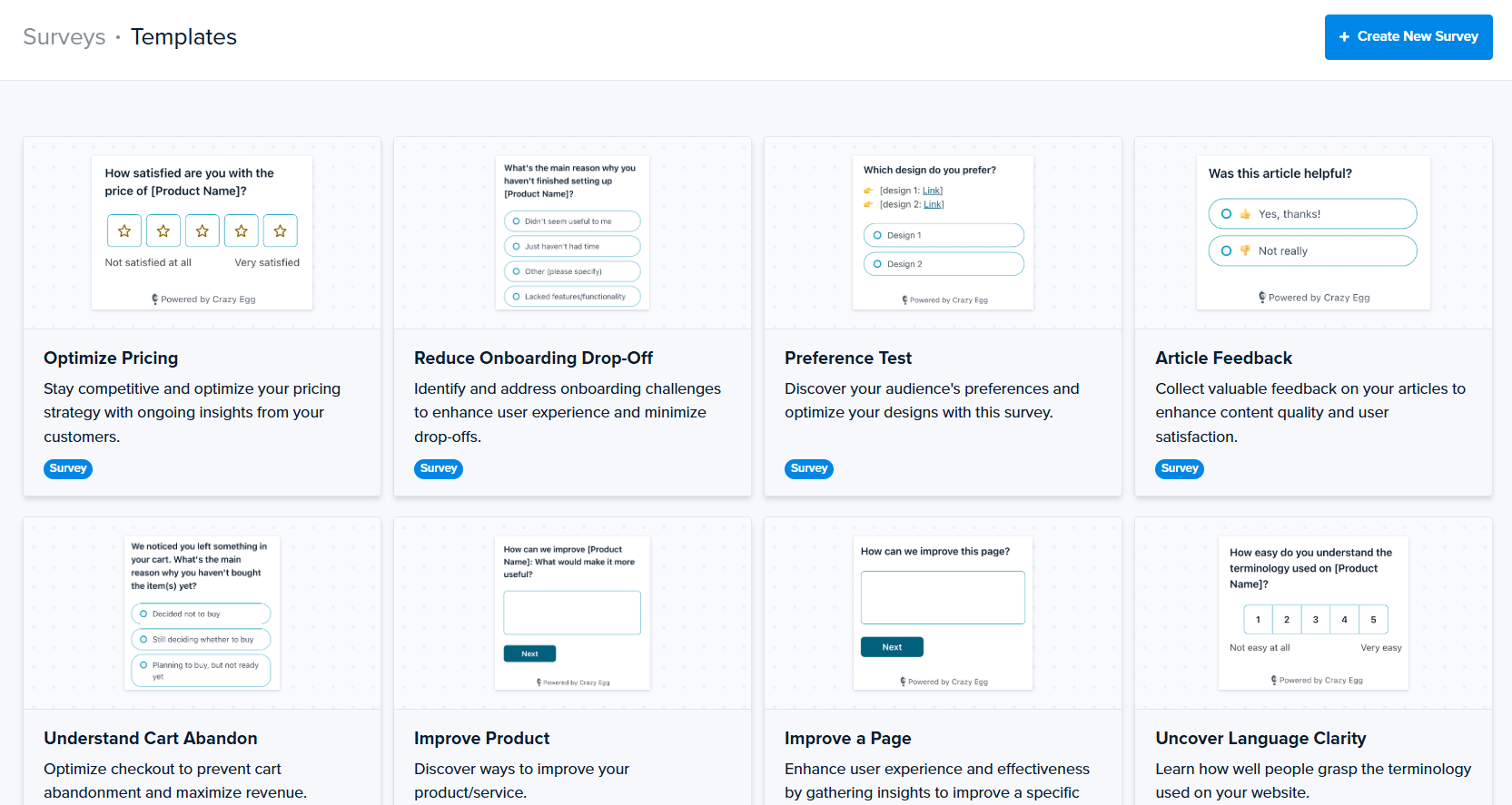
Lucky Orange bills based on total "Monthly Sessions." This model covers all traffic across the entire site, which simplifies the setup but can lead to higher costs for sites with high volumes of "junk" or non-converting traffic. However, Lucky Orange bundles almost all features—including live chat and form analytics—into its lower-priced tiers, making it highly attractive for small businesses that need a multi-purpose tool on a tight budget.
Industry Impact and Strategic Recommendations
The choice between Crazy Egg and Lucky Orange has broader implications for an organization’s digital maturity. Industry analysts suggest that Crazy Egg is the preferred choice for data-driven marketing teams that prioritize experimentation and long-term trend analysis. The ability to sync A/B testing results with behavioral heatmaps creates a closed-loop system for continuous improvement.
Conversely, Lucky Orange is frequently recommended for e-commerce operators and customer success teams. The integration of live chat and real-time monitoring transforms the platform from a passive reporting tool into an active sales enablement engine. For Shopify store owners, in particular, Lucky Orange’s automated funnel building provides an "out of the box" solution that requires minimal technical expertise.
In conclusion, both Crazy Egg and Lucky Orange have solidified their positions as essential tools in the modern marketer’s stack. Crazy Egg offers a deeper, more analytical approach suitable for rigorous CRO programs, while Lucky Orange provides a more interactive, real-time solution for immediate customer engagement. As the digital economy continues to favor companies that understand their users’ "digital body language," the adoption of these platforms is expected to grow, further driving innovation in the field of automated user experience optimization. For organizations seeking to maximize their ROI, the decision should be based on whether they require the experimental rigor of Crazy Egg or the real-time intervention capabilities of Lucky Orange.


 Dwi Wanna
 Reynand Wu