The digital commerce landscape is currently undergoing a fundamental shift from transactional logic to emotional intelligence, as emerging technologies allow brands to move beyond tracking what a customer does to understanding why they do it. This evolution is spearheaded by the introduction of EmotionsAI, a sophisticated behavioral engine integrated into the VWO and AB Tasty experimentation platforms. Grounded in the psychological principle that approximately 80% of human decision-making is driven by subconscious emotional impulses, the technology represents a significant leap in the field of Conversion Rate Optimization (CRO) and User Experience (UX) design.
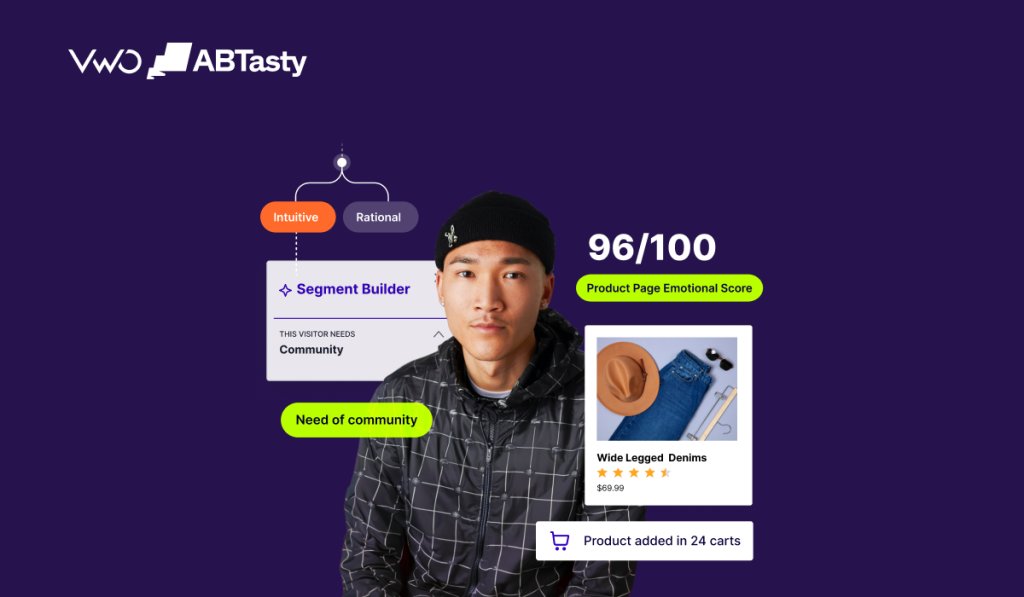
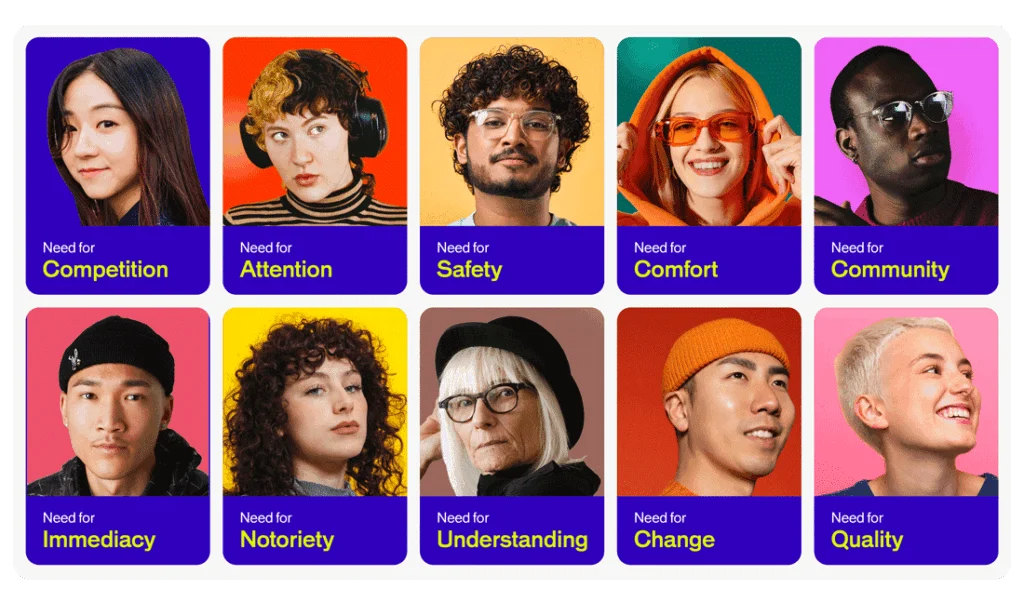
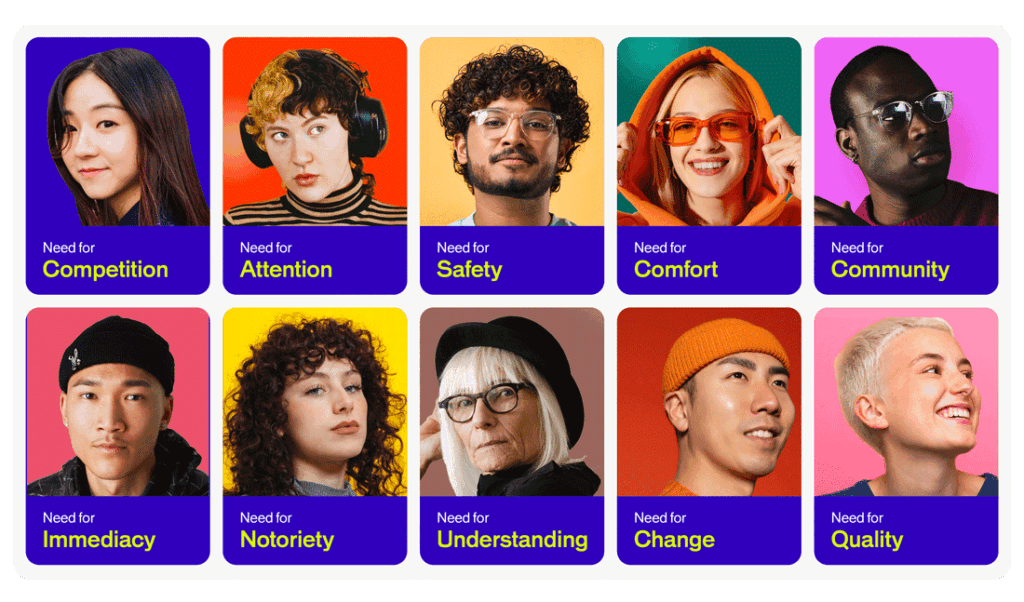
For decades, digital marketing relied on demographic data—age, location, and gender—to predict consumer behavior. However, as privacy regulations like GDPR and CCPA have limited the efficacy of traditional tracking, the industry has turned toward real-time behavioral signals. EmotionsAI utilizes over eight years of proprietary behavioral data to analyze micro-moments within a user journey, such as cursor hesitation, scrolling speed, and navigation patterns. By processing these signals in under 30 seconds, the AI engine categorizes visitors into ten distinct emotional profiles, allowing for hyper-personalized experiences that mirror the intuitive service of a high-end physical retail environment.
The Chronology of Behavioral Personalization
The path to emotionally aware AI has been a multi-decade progression. In the early 2000s, web personalization was largely static, consisting of "Recommended for You" carousels based on simple purchase history. By 2010, the rise of A/B testing allowed brands to optimize specific elements like button colors or headline phrasing, though these optimizations were often applied broadly to all users.
The mid-2010s saw the introduction of segment-based targeting, where users were grouped by device type or traffic source. However, these methods remained "cold," failing to account for the fluctuating moods and motivations of the individual. The current era, beginning roughly in 2022, marks the advent of "Predictive Behavioral AI." EmotionsAI is the culmination of this timeline, shifting the focus from historical data to real-time psychological state. Industry analysts note that this shift is essential in a "cookie-less" future, where brands must rely on first-party behavioral signals rather than third-party tracking.
A Deep Dive into the Ten Emotional Segments
The efficacy of EmotionsAI lies in its ability to distill thousands of human emotions into ten actionable audience segments. Each segment requires a specific strategic approach to maximize engagement and conversion.
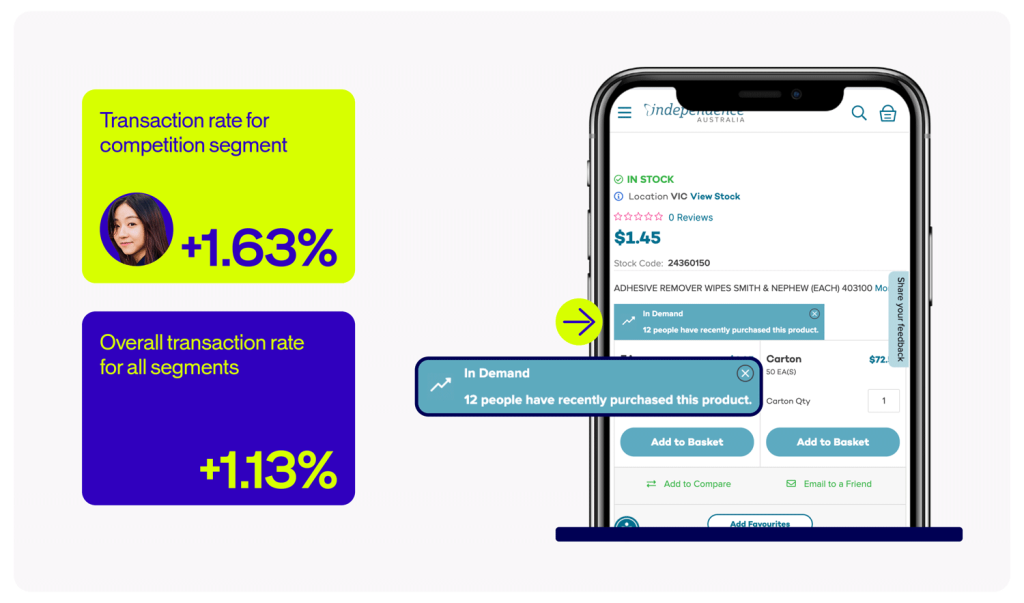
1. The Competition Segment (~10% of Audience)
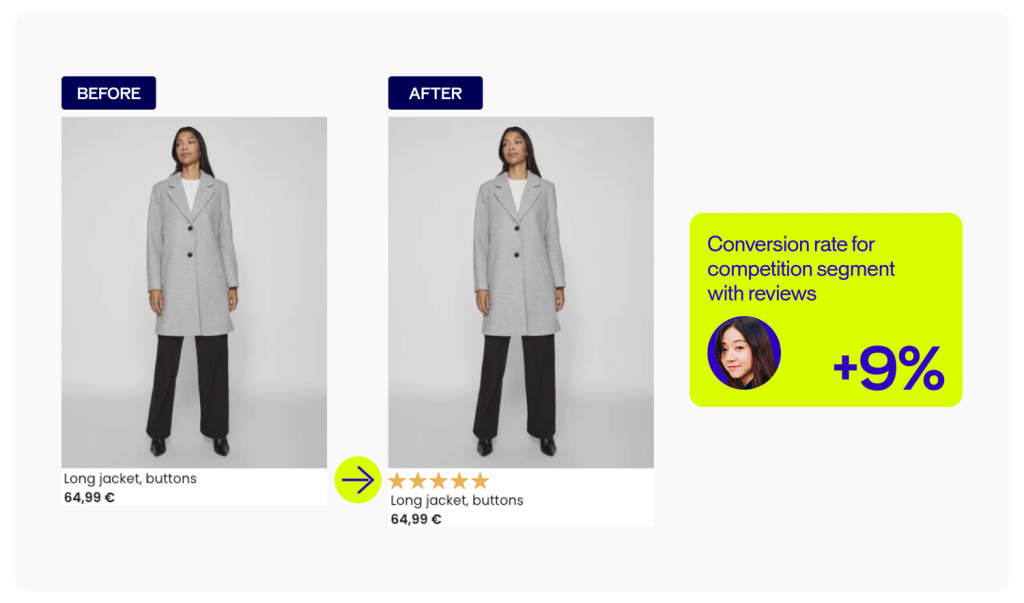
Driven by a desire for status and leadership, these visitors view shopping as an opportunity to assert their social standing. They are highly responsive to quantitative proof of excellence, such as "Top Rated" badges and ranked lists. Journalistic analysis suggests that for this group, social proof is not just about reassurance; it is about validating their choice as the "best" available option.
2. The Attention Segment (~10% of Audience)
These visitors prioritize immediate enjoyment and personalized recognition. They seek to feel seen and valued by the brand. Strategic interventions for this group include surprise gifts, exclusive offers, and a prominent display of loyalty perks. For the Attention segment, the value proposition is often secondary to the feeling of receiving a bespoke experience.
3. The Safety Segment (~27% of Audience)
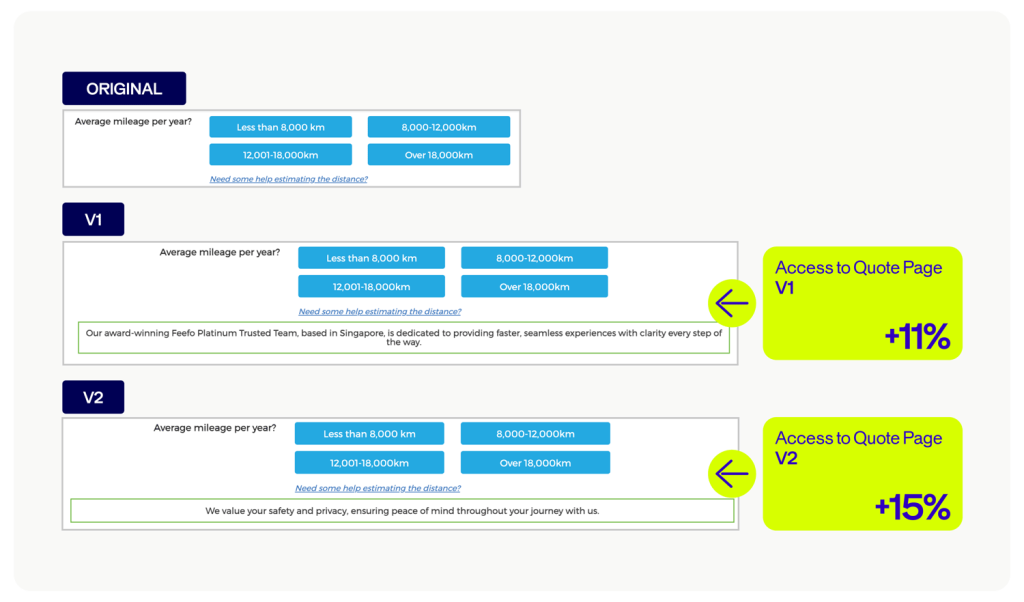
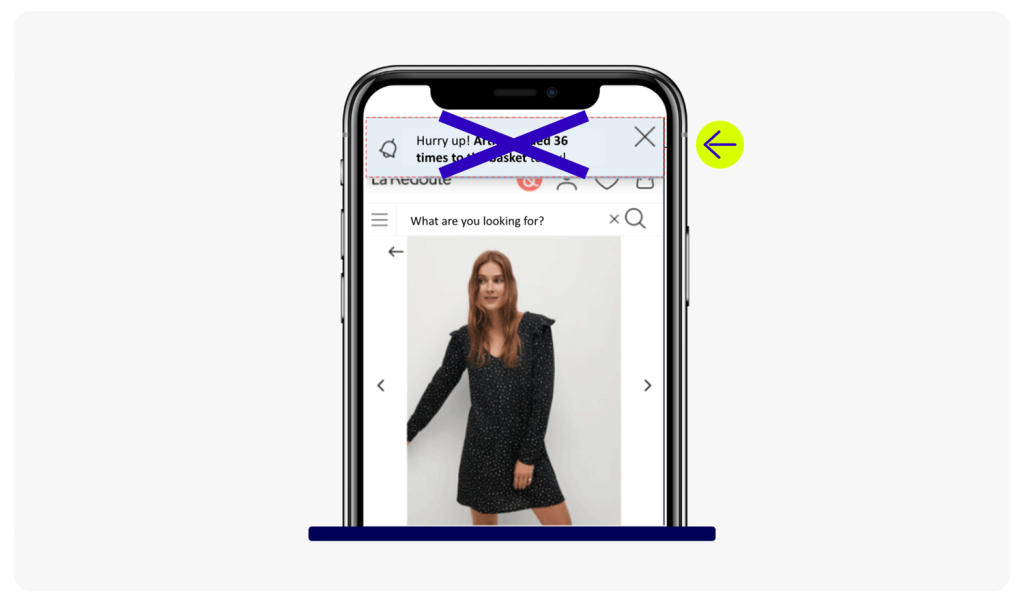
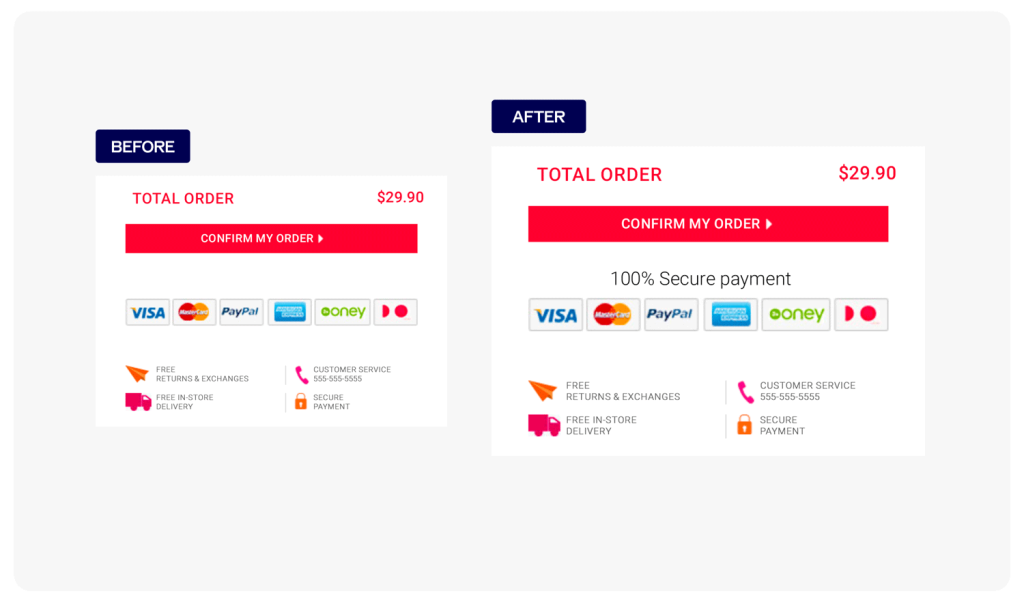
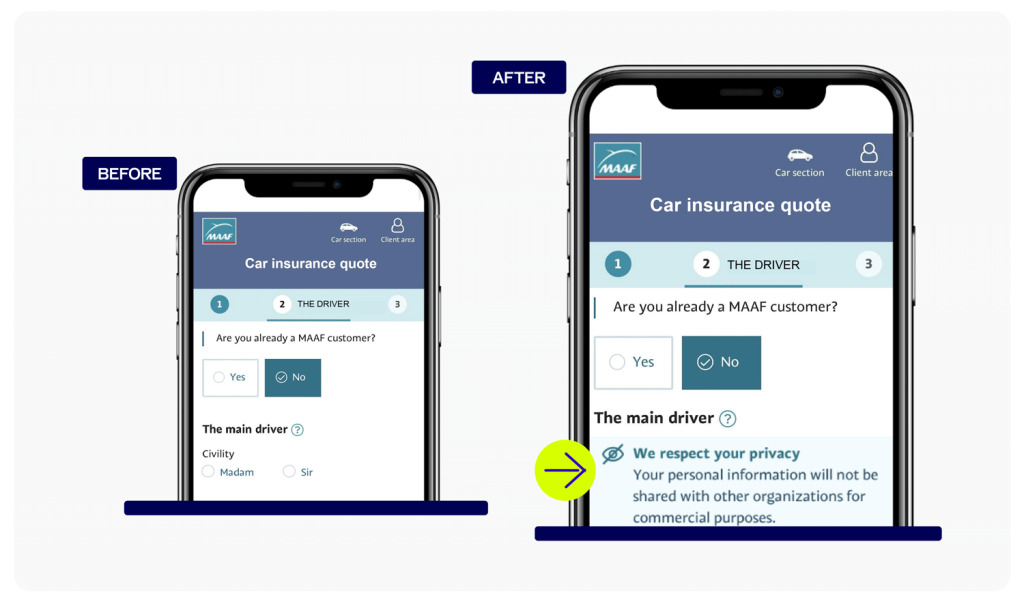
Representing the largest single segment, Safety-oriented visitors are characterized by high sensitivity and a low tolerance for risk. They are easily deterred by aggressive "scarcity marketing" or ambiguous shipping policies. To convert this segment, brands must emphasize payment security, transparent data handling, and clear return policies. In a climate of increasing cyber-security concerns, catering to the Safety segment is considered a baseline requirement for e-commerce stability.
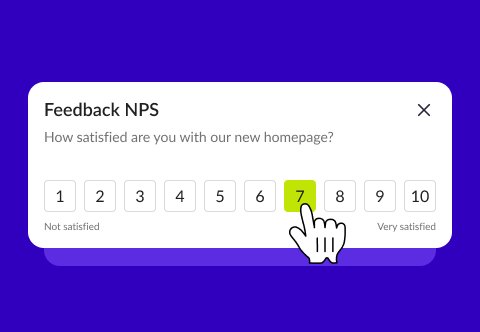
4. The Comfort Segment (~10% of Audience)
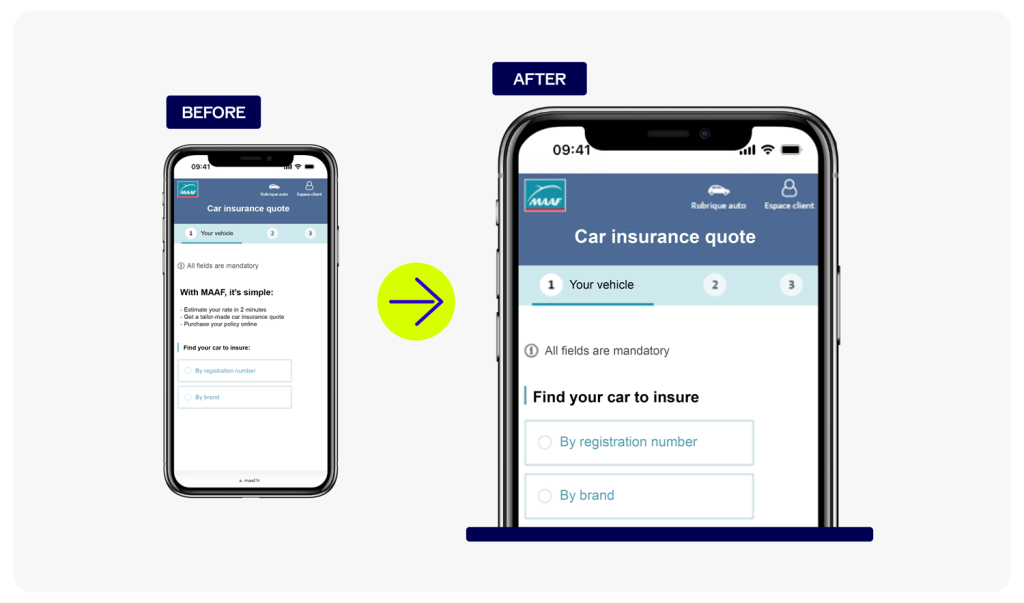
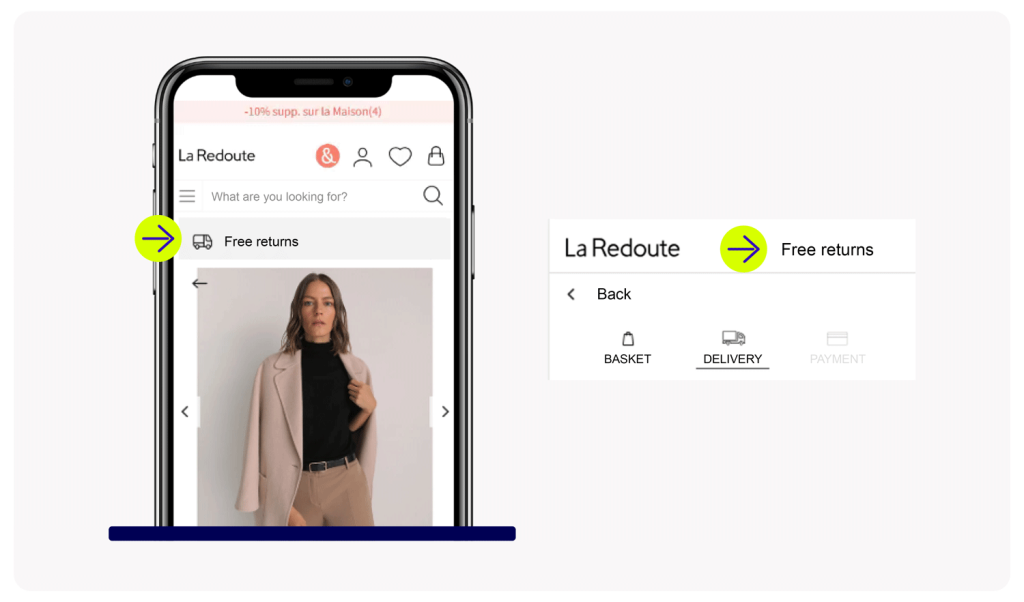
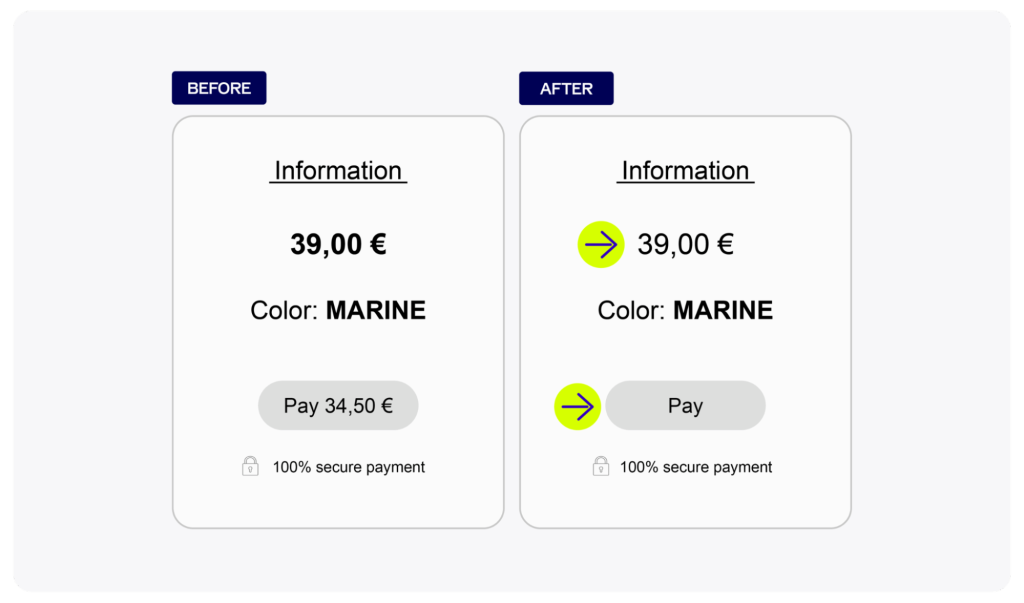
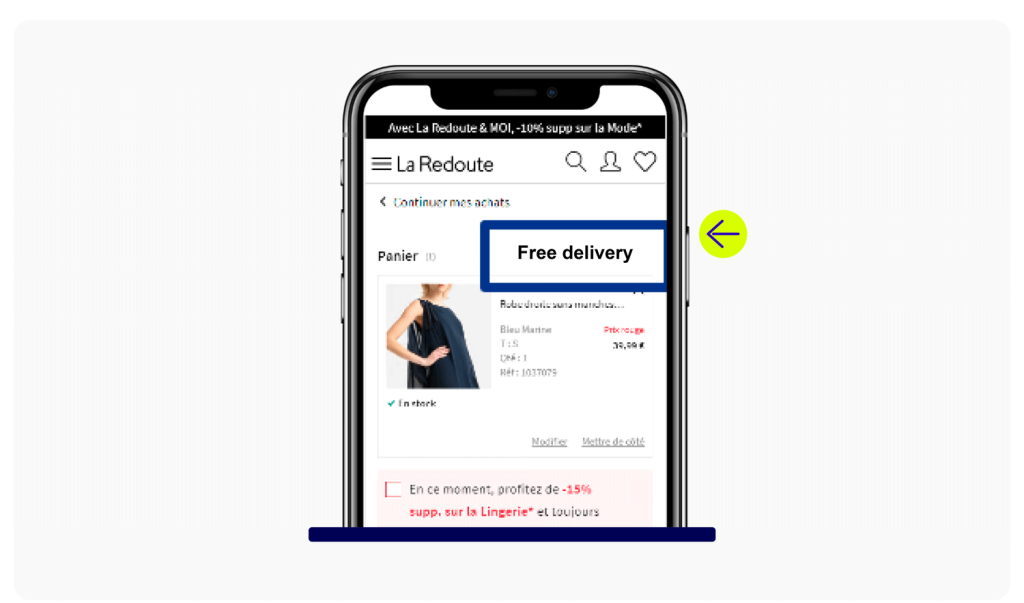
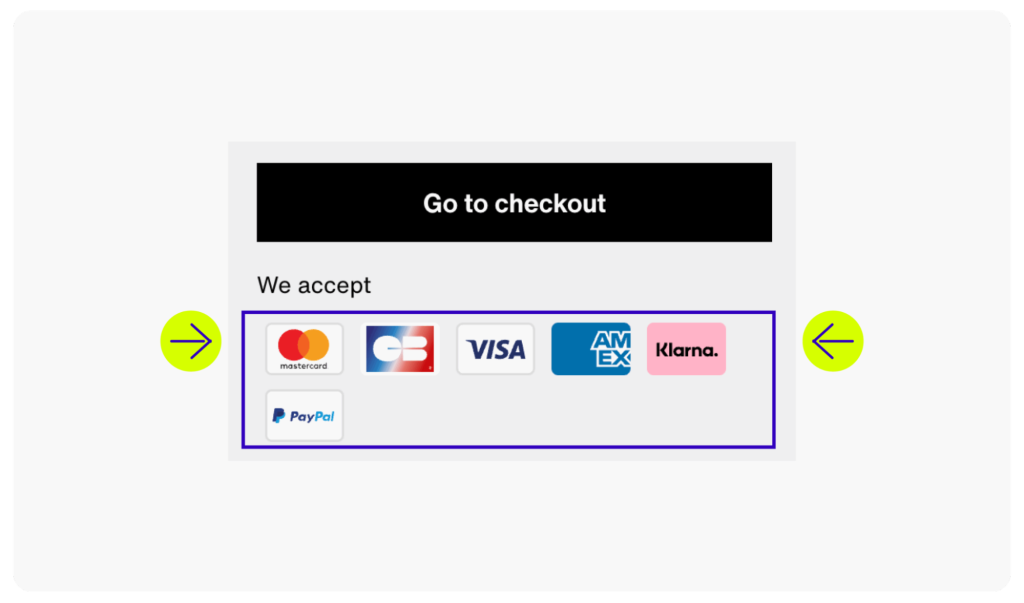
Comfort-seekers value the reduction of friction above all else. They are often "couch shoppers" who reward brands that make the purchasing process effortless. Key tools for this segment include free delivery highlights, "Buy Now" buttons, and flexible payment options. The goal is to minimize the cognitive load required to complete a transaction.
5. The Community Segment (~6% of Audience)
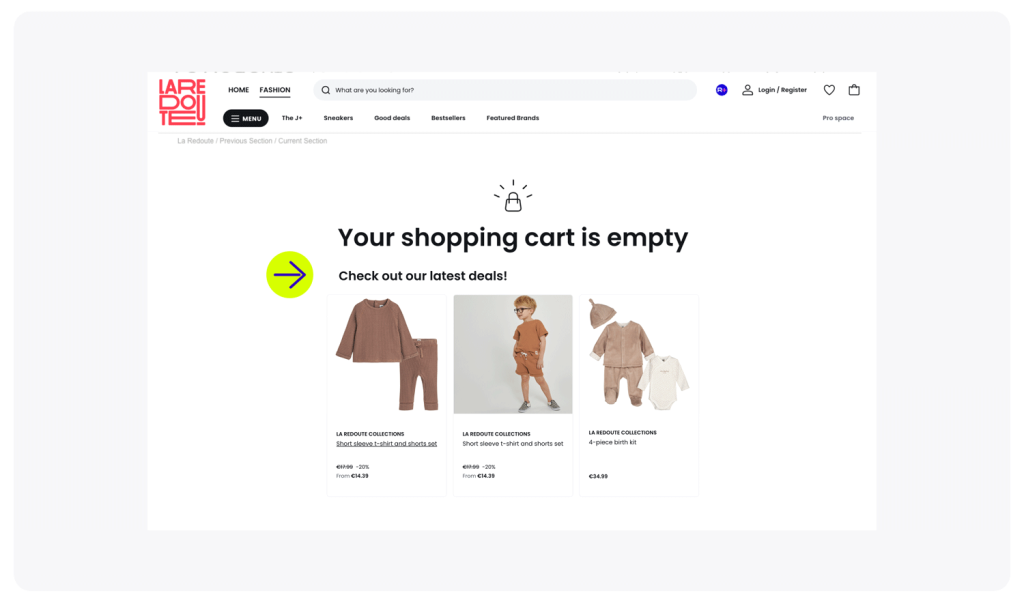
These visitors are motivated by shared values, connection, and social impact. They are the primary audience for sustainability messaging, eco-friendly certifications, and "gift for a friend" bundles. Data suggests that Community-oriented shoppers are more likely to become brand advocates if they feel the company’s mission aligns with their personal ethics.
6. The Immediacy Segment (~5% of Audience)
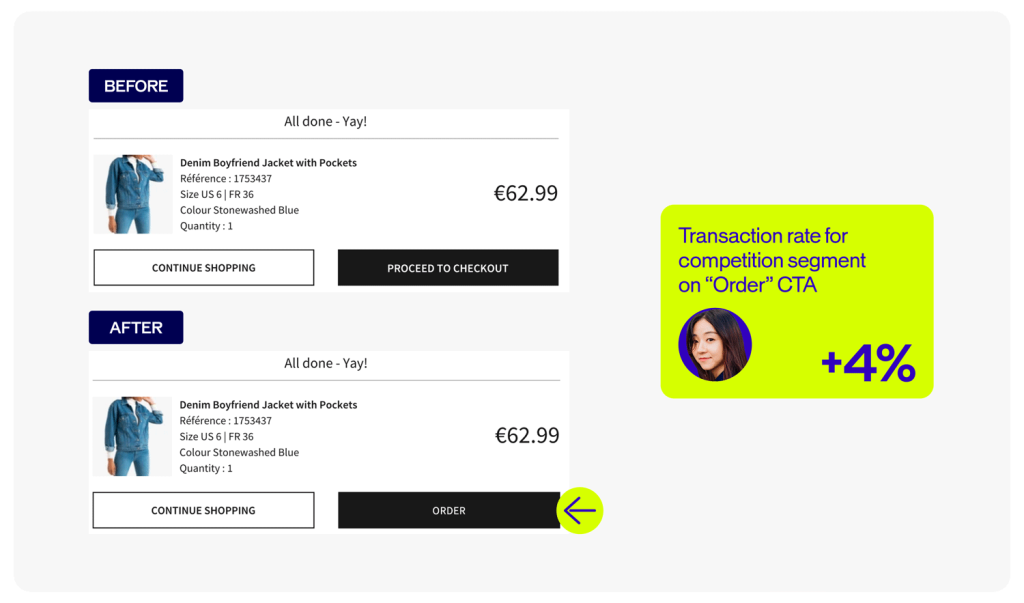
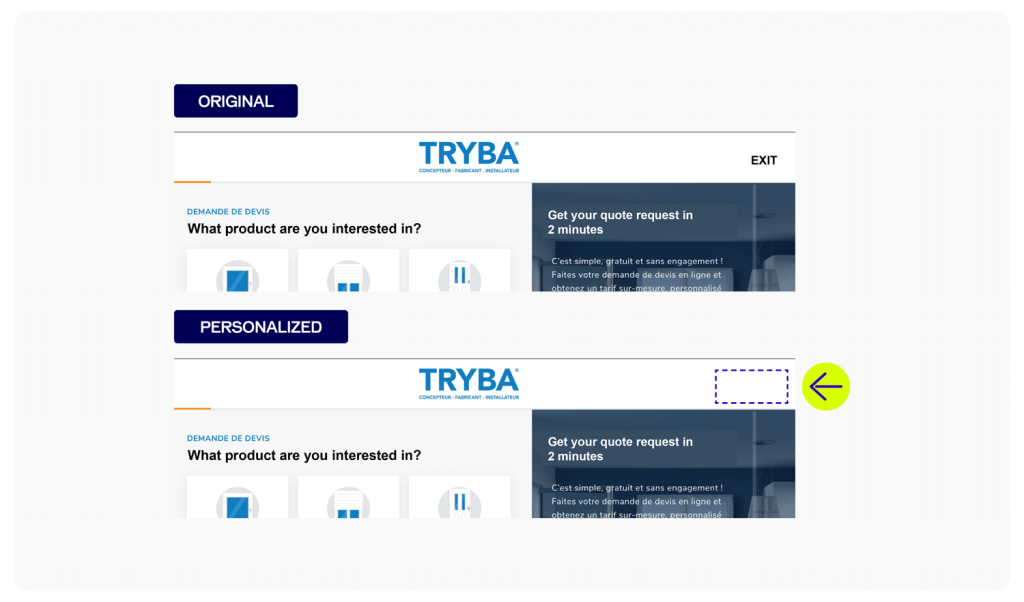
Speed is the primary currency for this segment. They are goal-oriented and easily frustrated by long-form content or complex navigation. Effective strategies include removing mobile navigation bars during the checkout process and using direct, action-oriented copy such as "Order Now."
7. The Notoriety Segment (~2% of Audience)
While small, this segment is highly influential. They rely on established reputations and polished, professional aesthetics. They are less likely to trust user-generated content and more likely to respond to high-end photography and formal guarantees. For these visitors, a brand’s pedigree is its strongest selling point.

8. The Understanding Segment (~9% of Audience)
The "researchers" of the digital world, these visitors require detailed information and logical structures. They are unimpressed by emotional storytelling and instead seek percentages, specifications, and progress bars. Providing a crystal-clear breakdown of the purchase funnel is essential for maintaining their trust.
9. The Change Segment (~8% of Audience)
Adventurous and easily bored, the Change segment seeks the "new" and the "novel." They are the early adopters of modern payment methods like Buy Now, Pay Later (BNPL) and are drawn to discovery tools and unconventional delivery options. For these users, routine is the enemy of conversion.
10. The Quality Segment (~3% of Audience)
Quality-oriented shoppers are driven by craftsmanship and narrative. They are largely indifferent to discounts, which can sometimes even undermine the perceived value of a product. Instead, they respond to brand heritage and detailed reviews that focus on the "why" behind the product’s creation.
Supporting Data and Technical Efficacy
The shift toward emotional segmentation is supported by a growing body of industry data. According to research from McKinsey & Company, companies that excel at personalization generate 40% more revenue from those activities than average players. Furthermore, a study by Epsilon found that 80% of consumers are more likely to make a purchase when brands offer personalized experiences.
EmotionsAI addresses a critical gap in this personalization effort: the time-to-insight. Traditional manual segmentation can take weeks of data analysis. In contrast, the EmotionsAI engine’s ability to categorize a user in under 30 seconds allows for "in-session" personalization. This is statistically significant because the majority of e-commerce bounces occur within the first minute of a visit. By identifying the visitor’s emotional state almost immediately, the platform can dynamically adjust the UI/UX before the user chooses to exit.
Industry Reactions and Strategic Implications
Industry experts view the integration of EmotionsAI into the VWO and AB Tasty platforms as a "humanizing" force in an increasingly automated world. "Digital experiences have often felt cold and mechanical," notes one CX consultant. "By layering psychological insights onto behavioral data, we are finally seeing technology that can ‘read the room’ in a digital sense."
However, the implementation of such technology also brings new responsibilities. Ethical considerations regarding "emotional manipulation" are frequently raised in tech circles. In response, proponents of emotional segmentation argue that the technology is not intended to "trick" users, but rather to remove the specific types of friction that lead to frustration. For example, removing high-pressure countdown timers for a "Safety" visitor is seen as a supportive action that improves the user’s mental well-being while on the site.
Broader Impact and Future Outlook
The broader impact of emotional AI extends beyond simple retail conversions. As the technology matures, it is expected to influence sectors such as digital banking, where "Safety" and "Understanding" segments are paramount, and healthcare, where "Comfort" and "Attention" can significantly impact patient compliance with digital portals.
Furthermore, the marriage of emotional intelligence and AI is likely to lead to "generative UI," where the entire layout of a website—not just the copy or images—changes in real-time based on the user’s emotional profile. For a "Competition" shopper, the site might become stark and performance-focused; for a "Community" shopper, it might become warm, narrative-driven, and socially focused.
In conclusion, EmotionsAI represents a move away from the "one-size-fits-all" digital architecture of the past. By acknowledging that 80% of the customer journey is shaped by feelings such as hesitation, urgency, and doubt, brands are finally equipped to build experiences that are not only smarter but fundamentally more human. As the digital marketplace becomes increasingly crowded, the ability to understand the human "why" behind the behavioral "what" will likely become the primary differentiator for successful global brands.

 Siti Muinah
 Nana
Nana