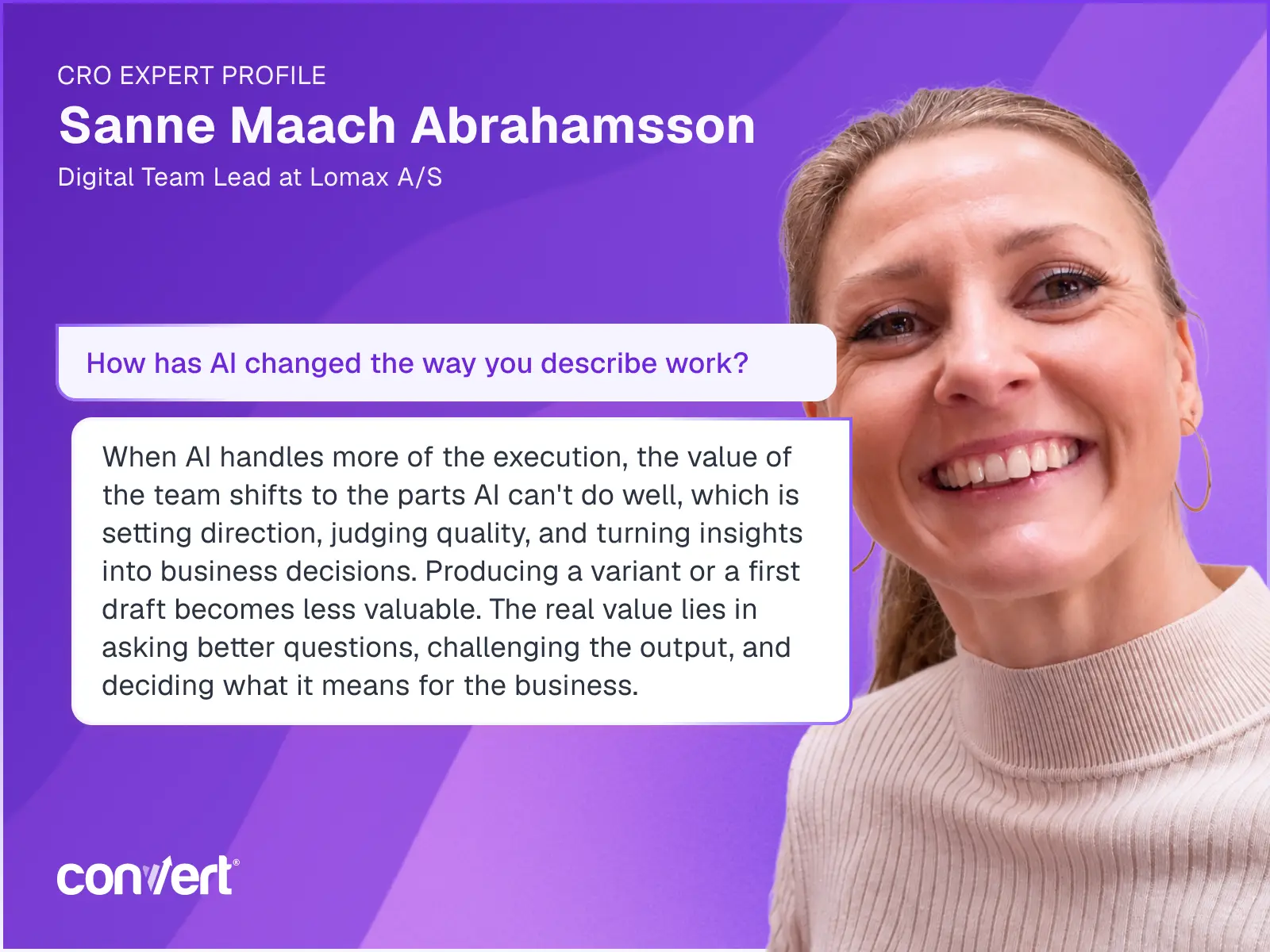
The landscape of digital commerce is currently undergoing a fundamental transformation as organizations move away from speculative design toward rigorous, evidence-based experimentation. At the center of this shift is the discipline of Conversion Rate Optimization (CRO), a field that has evolved from simple A/B testing into a sophisticated framework for organizational learning. Sanne Maach Abrahamsson, Digital Team Lead at the Danish B2B e-commerce giant Lomax A/S, recently provided an exhaustive look into how one of Scandinavia’s leading office suppliers navigates this transition. Her insights reveal a strategic pivot where the value of human judgment is being amplified, rather than replaced, by the integration of artificial intelligence.
The Strategic Evolution of Experimentation at Lomax A/S
Lomax A/S, founded in 1962, has successfully transitioned from a traditional catalog business to a digital-first B2B powerhouse. In the competitive European office supply market, where margins are tight and customer loyalty is paramount, the ability to make precise, data-driven adjustments to the user experience is a significant competitive advantage. Abrahamsson’s entry into the world of CRO was not a linear path; coming from a background in finance and interaction design, she was tasked with building the discipline at Lomax from the ground up.

The integration of CRO at Lomax represents a broader trend in the e-commerce industry: the move toward "evidence-based decision making." According to recent industry benchmarks, high-maturity experimentation programs can increase annual revenue by up to 10% through incremental improvements. However, as Abrahamsson notes, the primary value often lies not in the "wins," but in the prevention of costly strategic errors. This philosophy shifts the focus of the Digital Team from mere execution to high-level risk management and insight generation.
Chronology of the Digital Transformation and AI Integration
The implementation of experimentation at Lomax followed a structured maturity model. Initially, the focus was on establishing the technical capacity to run tests. This was followed by a cultural shift, where stakeholders across the organization began to favor data over the "Highest Paid Person’s Opinion" (HiPPO).
Over the last eighteen months, the chronology of their experimentation workflow has been redefined by the following milestones:

- Foundational Research Integration: Aligning user-centered design principles with commercial data.
- Infrastructure Development: Moving beyond siloed testing tools to a centralized "learning repository" using Airtable. This ensured that every test—win, loss, or draw—contributed to a permanent organizational memory.
- AI Implementation (Phase One): Utilizing Large Language Models (LLMs) like Claude to synthesize years of research and test results, allowing the team to identify patterns in customer behavior that were previously obscured by data noise.
- AI Implementation (Phase Two): Deploying AI to handle repetitive tasks such as generating test variants and initial drafts for product descriptions, thereby freeing human practitioners for strategic judgment.
Data-Driven Insights: The Economics of Negative Results
A critical component of the Lomax approach is the valuation of the "negative result." In professional journalism and business analysis, the failure of a new feature is often more informative than its success. Abrahamsson highlighted two specific case studies that illustrate this principle.
The first involved an automated product video tool. The technology promised to scrape the web and automatically populate product pages with video content—a feature highly desired by management due to the known correlation between video engagement and conversion. However, rigorous testing revealed a significant drop in both conversion rates and average order value (AOV). The AI-driven matching had introduced irrelevant content and language mismatches that diluted the brand’s authority. By prioritizing experimentation over vendor promises, Lomax avoided a year-long contractual commitment and a potentially long-term erosion of customer trust.
The second case study examined the efficacy of AI-generated product descriptions. The data showed a nuanced outcome: AI excelled at providing structured, clear information on specific product pages, which aided the final purchase decision. Conversely, on category-level pages—where human creativity and brand voice are essential for navigation and inspiration—AI-generated content underperformed. This data allows Lomax to deploy AI surgically, using it where it adds value and retaining human oversight where it does not.

Supporting Data and Market Context
The challenges faced by Lomax are mirrored across the global e-commerce sector. According to a 2023 report by Forrester, nearly 70% of digital leaders plan to increase their investment in AI-powered testing tools. However, the same report indicates that the "bottleneck" in most organizations is not the speed of testing, but the ability to interpret and act on the results.
| Metric | Industry Average | High-Maturity Programs (e.g., Lomax) |
|---|---|---|
| Test Success Rate | 15% – 25% | 30% – 40% |
| Documentation Retention | < 50% | > 95% |
| Decision-to-Data Alignment | Moderate | High |
| Impact of AI on Workflow | Efficiency focus | Value/Judgment focus |
Abrahamsson’s strategy addresses this discrepancy by focusing on "learning compounding." By connecting Claude to their Airtable database, the team can search through historical data to ensure they are not repeating failed experiments from previous years—a common inefficiency in large digital teams.
Official Responses and Organizational Impact
The shift toward a more scientific approach to web development has fundamentally changed the internal dynamics at Lomax. Management’s initial excitement for "automation at all costs" has been tempered by a more sophisticated understanding of quality control. The "official response" within the company to the Digital Team’s findings has been one of increased support for the experimentation roadmap.
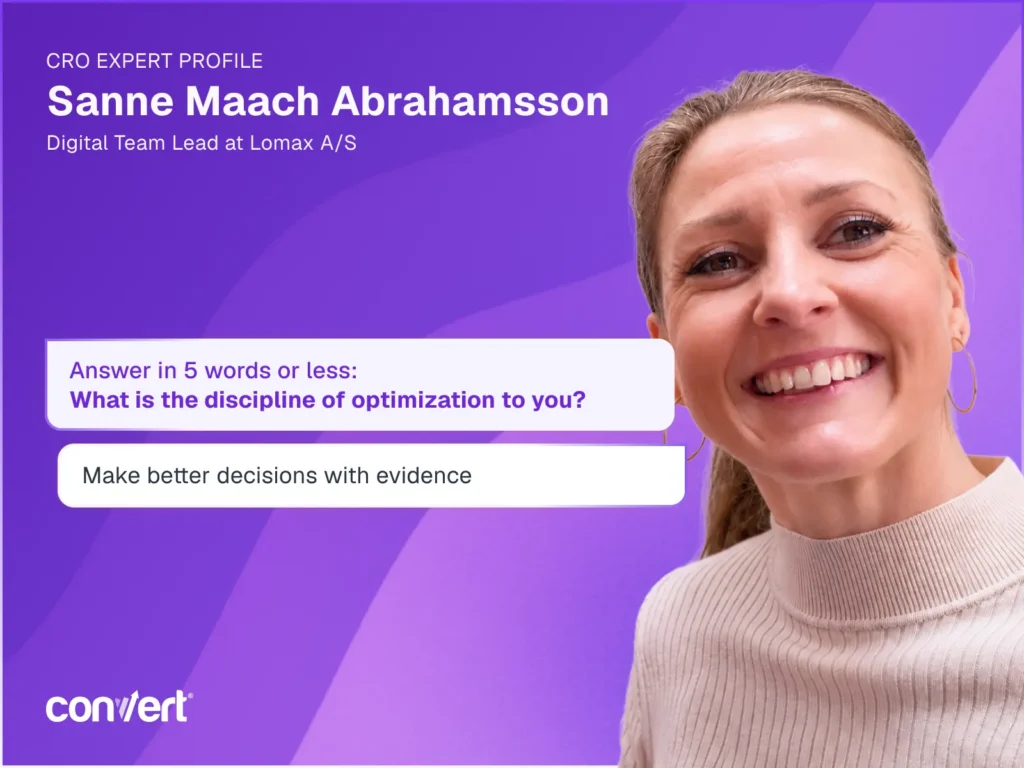
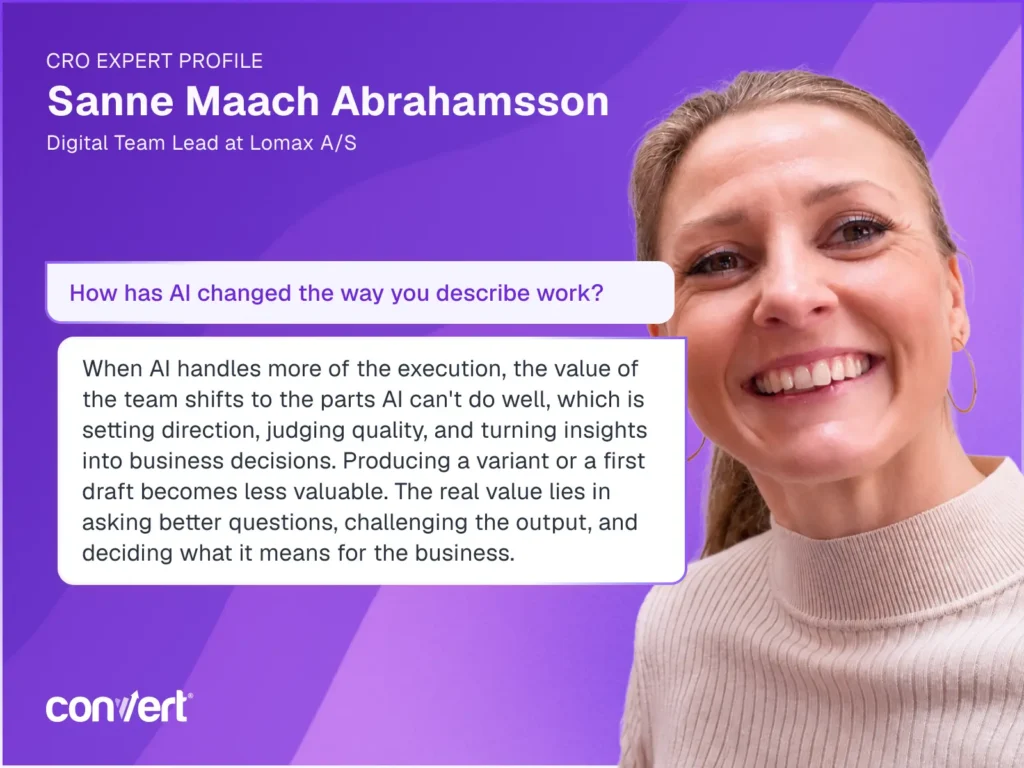
The transition from a "production-based" team to a "judgment-based" team is perhaps the most significant organizational impact. Abrahamsson expects her team to spend less time on the "how" of execution and more time on the "why" of the customer experience. This requires a different set of skills: critical thinking, prompt engineering, and the ability to challenge AI-generated outputs.
Broader Implications for the Future of E-commerce
The insights from the Lomax experience suggest that the role of the CRO practitioner is evolving into that of an "Insights Architect." As AI agents begin to handle the technical heavy lifting of coding variants and analyzing statistical significance, the human element will be focused on:
- Direction Setting: Determining which business problems are most deserving of experimentation.
- Quality Protection: Ensuring that automated outputs align with the brand’s long-term identity and user expectations.
- Knowledge Synthesis: Translating raw test data into broad business strategies that can be understood by stakeholders in finance, marketing, and logistics.
The future of experimentation, as envisioned by leaders like Abrahamsson, involves leading a hybrid workforce of humans and AI agents. The goal is to move away from the "trap" of running as many tests as possible and toward a model where every experiment makes the organization measurably smarter.
Conclusion: The New Standard for Digital Growth
The work being done at Lomax A/S serves as a blueprint for other B2B and B2C organizations looking to survive the "noise" of the AI revolution. The core takeaway is that technology—no matter how advanced—is only as effective as the learning infrastructure it supports. By treating data as a shared organizational memory and prioritizing evidence over intuition, companies can avoid the "expensive mistakes" that often accompany rapid technological adoption.
As the industry moves forward, the success of a digital team will no longer be measured by the volume of code produced or the number of tests deployed. Instead, it will be measured by the quality of the decisions made and the depth of the insights gained. Sanne Maach Abrahamsson and the team at Lomax have demonstrated that in the age of AI, the most valuable asset an organization possesses is not its data alone, but its ability to turn that data into actionable, human-vetted wisdom.

 Siti Muinah
 Nana
Nana