rifanmuazin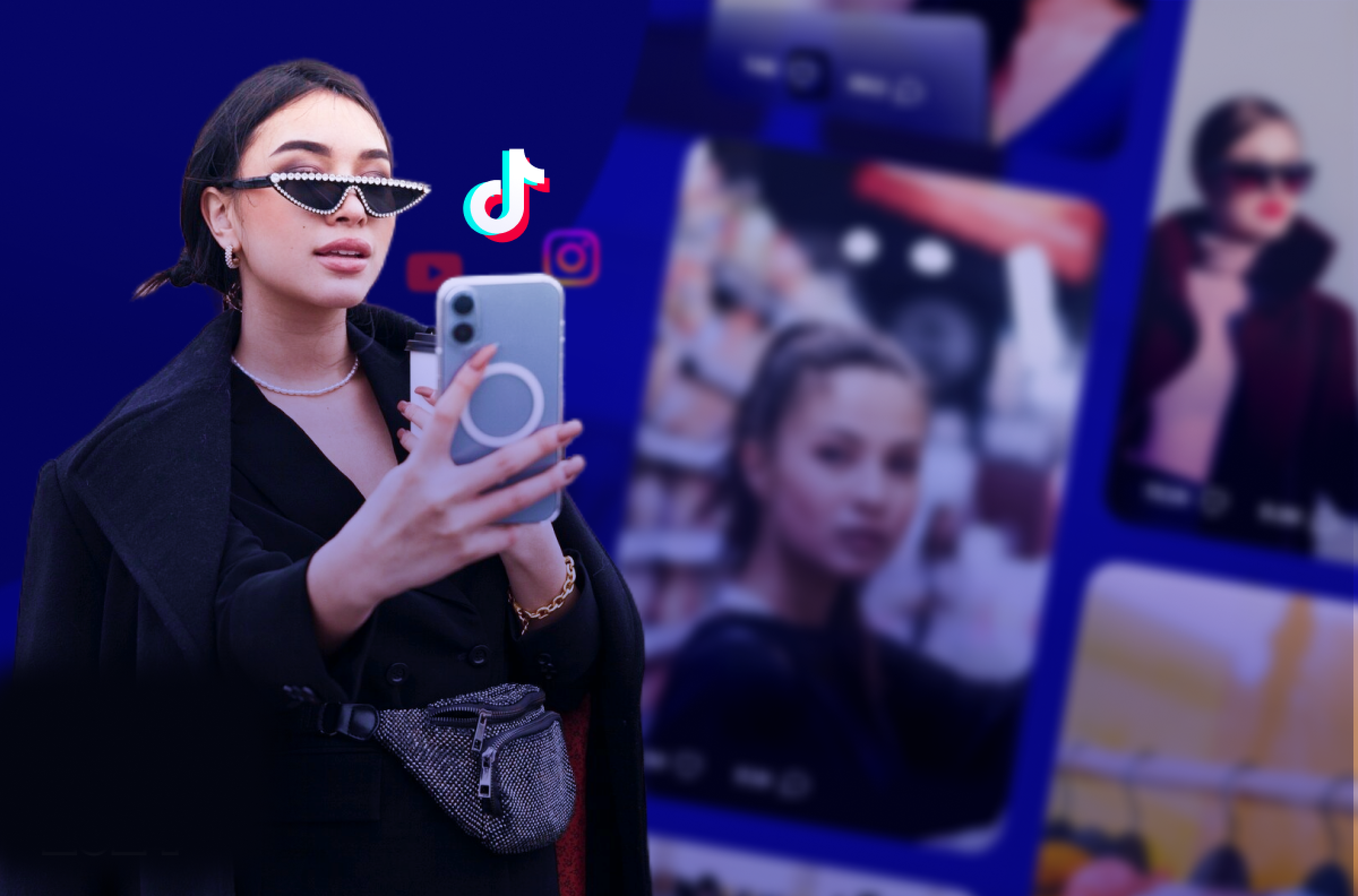
The annual retail corridor spanning from Black Friday to Cyber Monday, commonly referred to as BFCM, has evolved into the most critical financial period for the global e-commerce sector, with recent industry data indicating that these four days can account for more than 20% of a brand’s total annual revenue. As the retail landscape shifts increasingly toward digital storefronts, the mechanism for consumer discovery has undergone a radical transformation. Recent market research suggests that nearly 90% of consumers acknowledge that social media platforms directly impact their holiday purchasing decisions. Central to this shift is the role of the digital creator; statistics show that 58% of Black Friday and Cyber Week shoppers actively seek out and purchase products recommended by influencers they follow. This reliance on peer-to-peer validation has forced brands to move beyond traditional advertising, favoring strategic influencer partnerships to drive both brand equity and measurable conversions.
The Economic Context of the Holiday Shopping Season
The significance of the late-November shopping period cannot be overstated in the context of global trade. Originally a brick-and-mortar phenomenon in the United States, Black Friday has expanded into a worldwide digital event, followed closely by Cyber Monday, which was established in 2005 to encourage online shopping. In the contemporary market, the distinction between the two has blurred into a week-long "Cyber Week" of high-intensity promotional activity. For e-commerce brands, the challenge is no longer just offering the deepest discount, but cutting through the immense "noise" of a saturated advertising market.
Data from the previous fiscal year indicates that influencer-led campaigns have a significantly higher Return on Ad Spend (ROAS) during this period compared to traditional display ads. This is largely attributed to the "trust economy," where consumers are more likely to engage with content that feels organic and curated rather than algorithmic. As brands prepare for the 2025 season, the integration of creator-led storytelling is being prioritized as a primary sales channel rather than a secondary marketing tactic.
Case Study 1: L’Occitane and the Power of Curated Discovery
L’Occitane en Provence, a global leader in the premium beauty and skincare sector, demonstrated a sophisticated approach to Black Friday by moving away from aggressive "flash sale" messaging. Instead, the brand utilized influencer-curated gift guides to drive engagement. By partnering with beauty and lifestyle creators, L’Occitane leveraged the visual storytelling capabilities of Instagram Reels and TikTok to showcase personalized product recommendations.
The strategy focused on "gift-worthy indulgence," positioning products as thoughtful solutions for holiday gifting rather than commodities on sale. This approach worked because it tapped into the psychological need for curation in an era of overchoice. Influencers did not merely post advertisements; they shared "favorites" and "must-haves," which acted as social proof for the brand’s quality. From a performance perspective, this lowered the barrier to entry for new customers who might have been hesitant to purchase high-end skincare without a trusted recommendation.
Case Study 2: MyProtein’s Performance-Driven Affiliate Model
In contrast to the brand-equity focus of luxury beauty, the sports nutrition giant MyProtein implemented a high-velocity, performance-driven campaign. The brand utilized a personalized discount code strategy, a staple of affiliate marketing that remains highly effective during peak sales windows. By issuing unique, creator-specific promo codes, MyProtein was able to create a "VIP" experience for the followers of various fitness influencers.
This campaign was strategically deployed across gym tutorials, product reviews, and TikTok "hauls." The use of personalized codes served two purposes: it provided the consumer with an exclusive incentive to buy immediately, and it allowed the brand to track the exact ROI of every individual creator. This data-centric approach enabled MyProtein to identify which niches—such as vegan fitness, powerlifting, or yoga—yielded the highest conversion rates, allowing for real-time budget reallocation during the shopping weekend. The sense of scarcity was amplified by the influencers themselves, who reminded their audiences that the codes were time-sensitive, driving a surge in last-minute conversions.
Case Study 3: Dior’s Luxury Scarcity and the Unboxing Phenomenon
Dior’s strategy for the 2024 Black Friday and Cyber Monday period offered a significant departure from industry norms. While most retailers were engaged in a "race to the bottom" with price cuts, Dior maintained its premium pricing, opting instead to highlight exclusivity through its high-end holiday offerings, such as the Le 30 Montaigne Advent Calendar and the Trunk of Dreams.
The brand activated a select tier of mega and macro-influencers to conduct "unboxing" videos. This format is particularly effective in the luxury sector, as it allows the consumer to experience the craftsmanship and aesthetic appeal of the product vicariously. By focusing on the "allure" of the brand rather than the "deal," Dior successfully protected its brand equity while still capturing a share of the holiday spend. This strategy proves that for luxury brands, Black Friday is an opportunity for storytelling and aspirational marketing rather than price-based competition.
Case Study 4: Gymshark and the Digital Viral Event
Gymshark has long been recognized as a pioneer in the creator economy, and its #BigDealEnergy campaign serves as a blueprint for high-impact social media marketing. For its Black Friday sale, the brand collaborated with high-profile creators like KSI and Behzinga to create a sense of cultural "eventhood."
The campaign relied heavily on trending audio and fast-paced video content designed to go viral on platforms like Instagram and TikTok. By using a unified hashtag (#BigDealEnergy), Gymshark created a digital community where consumers could share their own purchases, further amplifying the brand’s reach through user-generated content (UGC). The success of this campaign was rooted in its ability to generate "hype" weeks in advance, ensuring that when the sale finally went live, the brand experienced a massive, immediate influx of traffic.
Case Study 5: NA-KD’s Global Expansion via Influencer Gifting
The Swedish fashion retailer NA-KD utilized a large-scale gifting strategy to expand its global footprint during the Black Friday season. By sending massive "hauls" to influencers in multiple regions, including non-English speaking markets like France and Germany, NA-KD ensured a localized presence on a global scale.
The brand’s strategy was built on the "haul" format, which is highly popular in the fashion community. Influencers would showcase dozens of items, providing their followers with styling tips and direct links to the products. This method is particularly effective for driving high-volume sales, as it presents the consumer with a wide variety of options at different price points. Furthermore, by focusing on gifting rather than high-cost celebrity endorsements, NA-KD was able to maintain a lower Cost of Acquisition (CAC) and a higher overall Return on Investment (ROI).
Analysis of Technological Integration and ROI Tracking
The evolution of these campaigns highlights a broader trend: the necessity of technological infrastructure in managing influencer programs. As campaigns grow in complexity—involving hundreds of creators across multiple platforms—brands are increasingly turning to specialized software to manage the lifecycle of a partnership.
Modern influencer marketing platforms now allow brands to automate outreach, generate bulk promo codes, and track sales in real-time. This level of granularity is essential for BFCM, where every hour of the sale period counts. For example, if a specific creator’s content is driving an unexpected surge in traffic on Friday morning, a brand can quickly increase their spend or extend the partnership into Cyber Monday. This transition from "manual" to "automated" influencer management is a key differentiator for the most successful e-commerce brands in 2025.
Broader Implications for the Retail Industry
The success of influencer-led Black Friday campaigns signals a permanent shift in how retail operates. The traditional "push" marketing model—where brands blast messages at consumers—is being replaced by a "pull" model, where consumers seek out recommendations from individuals they trust.
This shift has several implications for the future of the industry:
- The Rise of Social Commerce: Platforms like TikTok Shop and Instagram Checkout are integrating the purchasing process directly into the social feed, reducing friction and increasing the conversion power of influencers.
- The Professionalization of Creators: Influencers are no longer just "content creators"; they are acting as media outlets, creative directors, and sales agents simultaneously.
- Data-Driven Creativity: Brands are using performance data to inform their creative briefs, ensuring that influencer content is not only aesthetically pleasing but also optimized for the specific psychological triggers that drive holiday spending.
Conclusion
As the 2025 holiday season approaches, the evidence suggests that influencer marketing is no longer an optional luxury but a core requirement for any brand looking to dominate the Black Friday and Cyber Monday window. From the curated trust of L’Occitane to the high-energy viral movements of Gymshark, the ability to leverage human connection in a digital space remains the most powerful tool in a marketer’s arsenal. By combining authentic storytelling with rigorous data tracking and technological automation, brands can turn the busiest shopping weekend of the year into their most profitable sales channel. The lesson for the modern retailer is clear: in the digital age, the most effective way to reach a customer is through the voice of someone they already follow.