The digital marketing landscape in 2024 is defined by a paradox of increasing connectivity and decreasing attention spans, making the landing page a critical battleground for consumer acquisition. According to the latest data compiled from over 57 million conversions, 41,000 landing pages, and 464 million pageviews, the median conversion rate for landing pages across all industries currently stands at 6.6%. However, this baseline figure masks a complex reality where performance is dictated by industry-specific intent, device-based behaviors, and the linguistic complexity of marketing copy. As businesses grapple with rising customer acquisition costs (CAC) and the phasing out of third-party cookies, understanding these benchmarks has shifted from a matter of curiosity to a strategic necessity for survival in the digital economy.

The Statistical Foundation: Median vs. Average in Conversion Data
To understand the 2024 benchmarks, one must first address the methodology of data interpretation. Traditional "averages" are frequently skewed by "unicorn" pages—outliers that achieve 80% or 90% conversion rates due to highly specific, incentivized offers or closed-loop audiences. To provide a realistic roadmap for the typical marketer, the 2024 Conversion Benchmark Report utilizes median values. This approach identifies the true "middle-of-the-pack" performance, ensuring that data is not distorted by extreme successes or total failures.
While the 6.6% median serves as a general reference point, the threshold for "high performance"—defined as the 75th percentile—starts at 11.4% and can soar above 40% in specific niches. This significant gap between the median and the top-tier performers suggests that most businesses are operating well below their potential ROI, often due to a failure to align their landing page strategy with industry-specific user intent.

Sector-Specific Performance: A Deep Dive into Industry Benchmarks
The 2024 data reveals that conversion rates are not a reflection of marketing effort alone, but of the psychological state of the visitor. Different industries demand different levels of trust, commitment, and urgency.
Ecommerce and SaaS: High Volume, Low Median
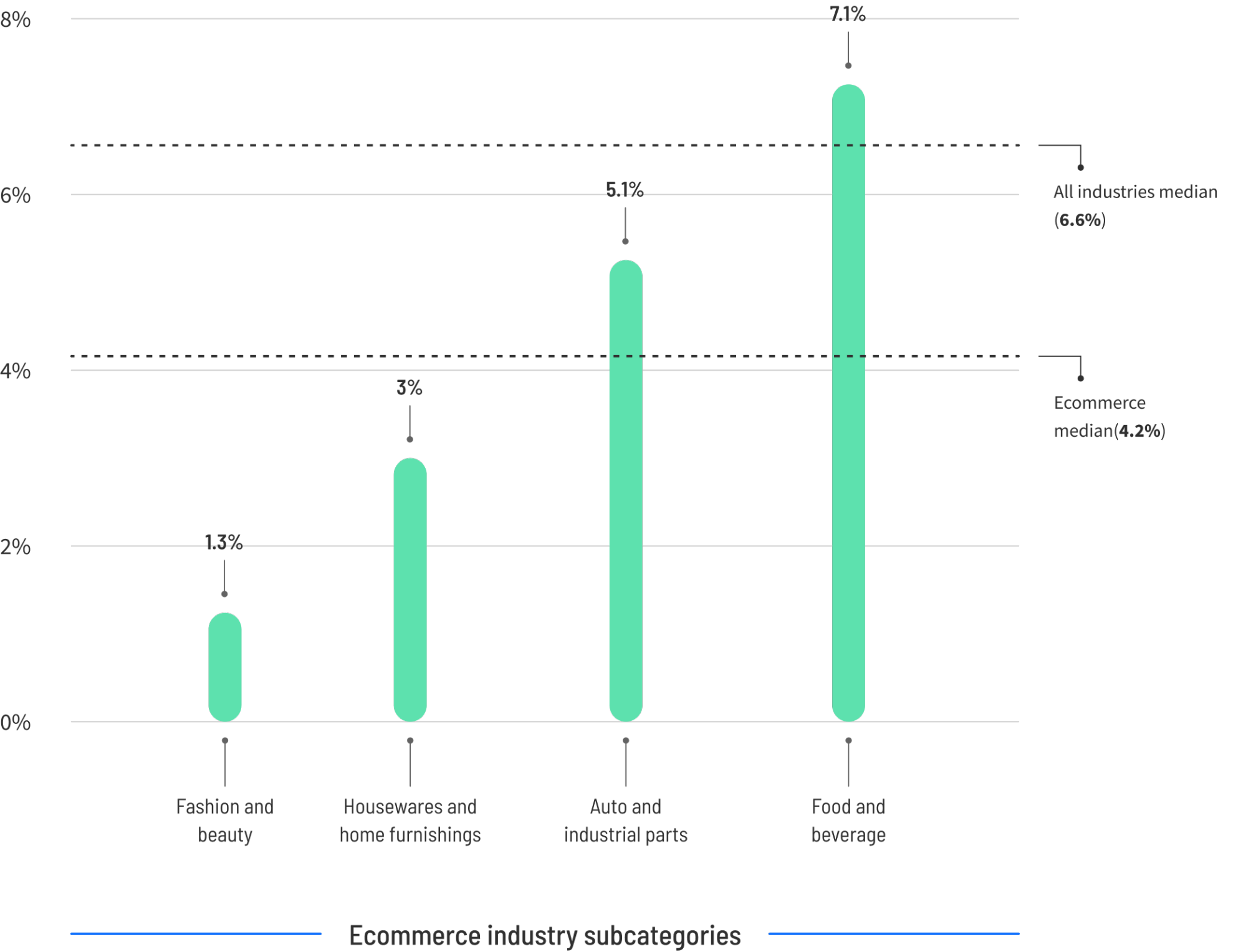
In the ecommerce sector, the median conversion rate is 4.2%. While this may appear low, it reflects a broad spectrum of consumer behavior, from casual window shopping to high-intent purchasing. Within this category, sub-sectors show dramatic variance: food and beverage pages lead with a 7.1% median, whereas fashion and beauty—industries characterized by high comparison shopping—see a lower median of 1.3%. For ecommerce brands, a "good" conversion rate is considered 11.4% or higher, a figure usually achieved through personalized offers and frictionless checkout experiences.
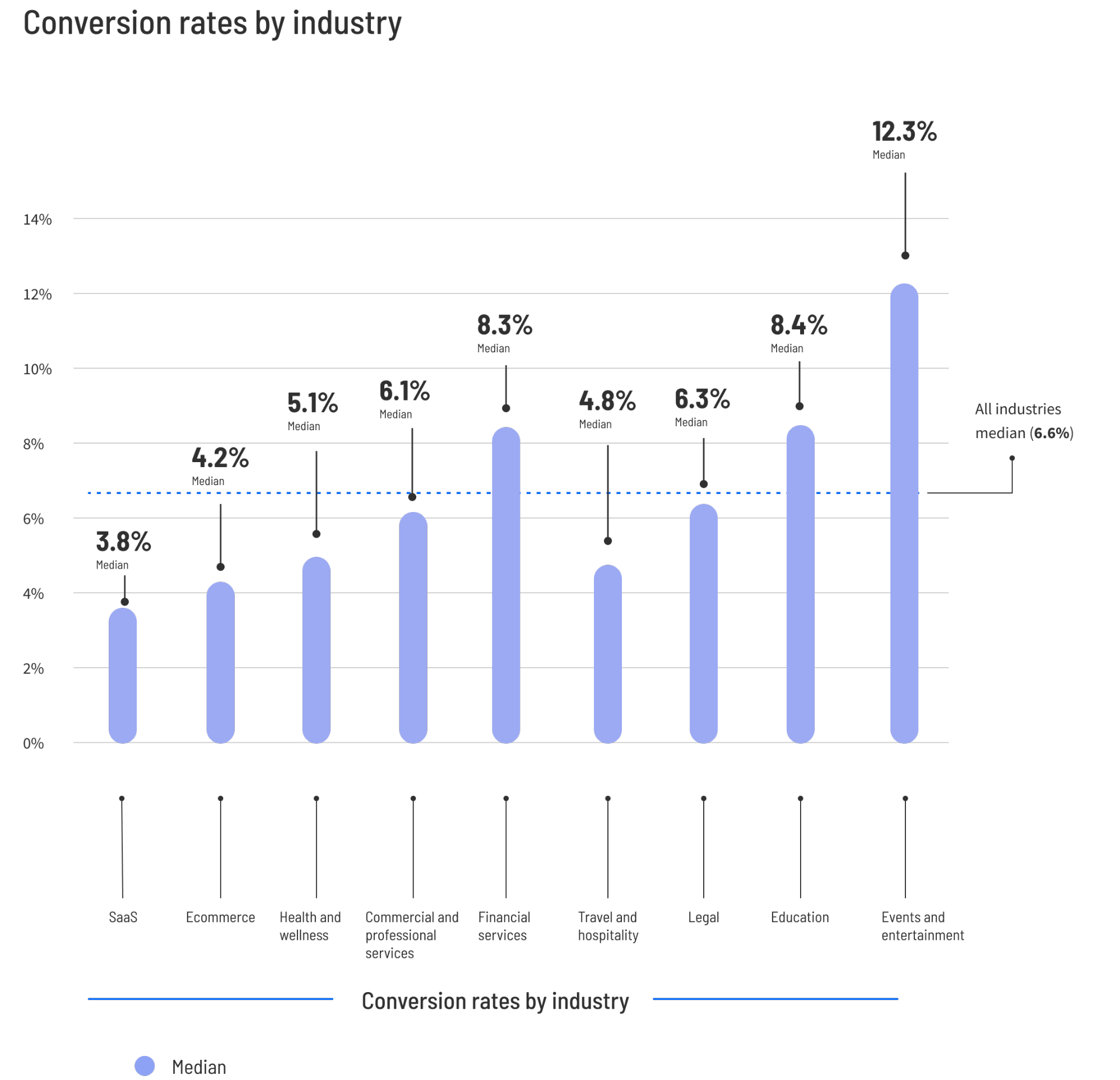
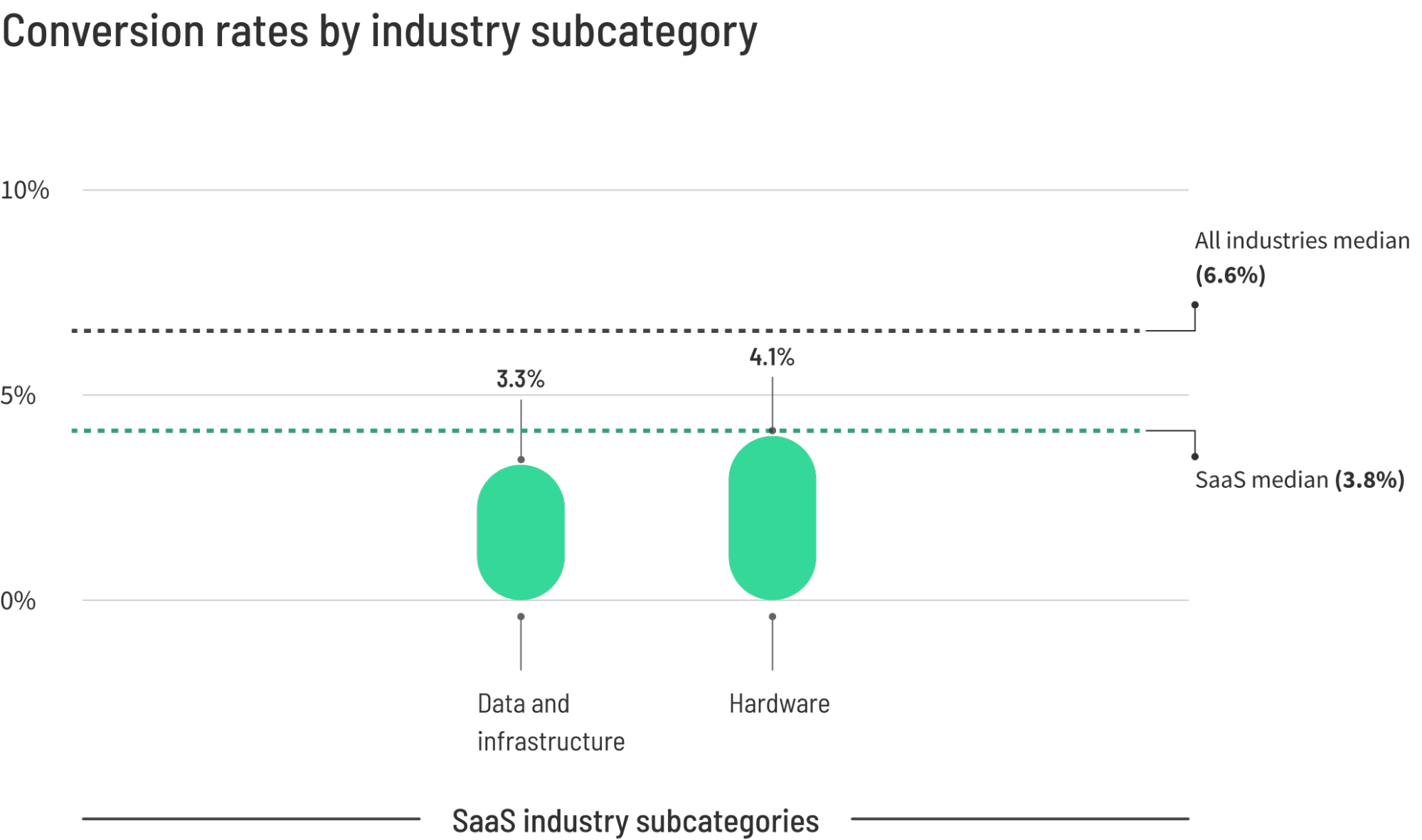
Software as a Service (SaaS) companies face even steeper challenges, with a median conversion rate of 3.8%. This is attributed to the complexity of the products and the length of the B2B sales cycle. SaaS visitors are often in the "research phase," looking for technical specifications or pricing rather than immediate sign-ups. However, top-performing SaaS pages reach an 11.6% conversion rate by utilizing "freemium" models, interactive demos, and removing credit card requirements for trials.
Finance and Professional Services: The Trust Premium
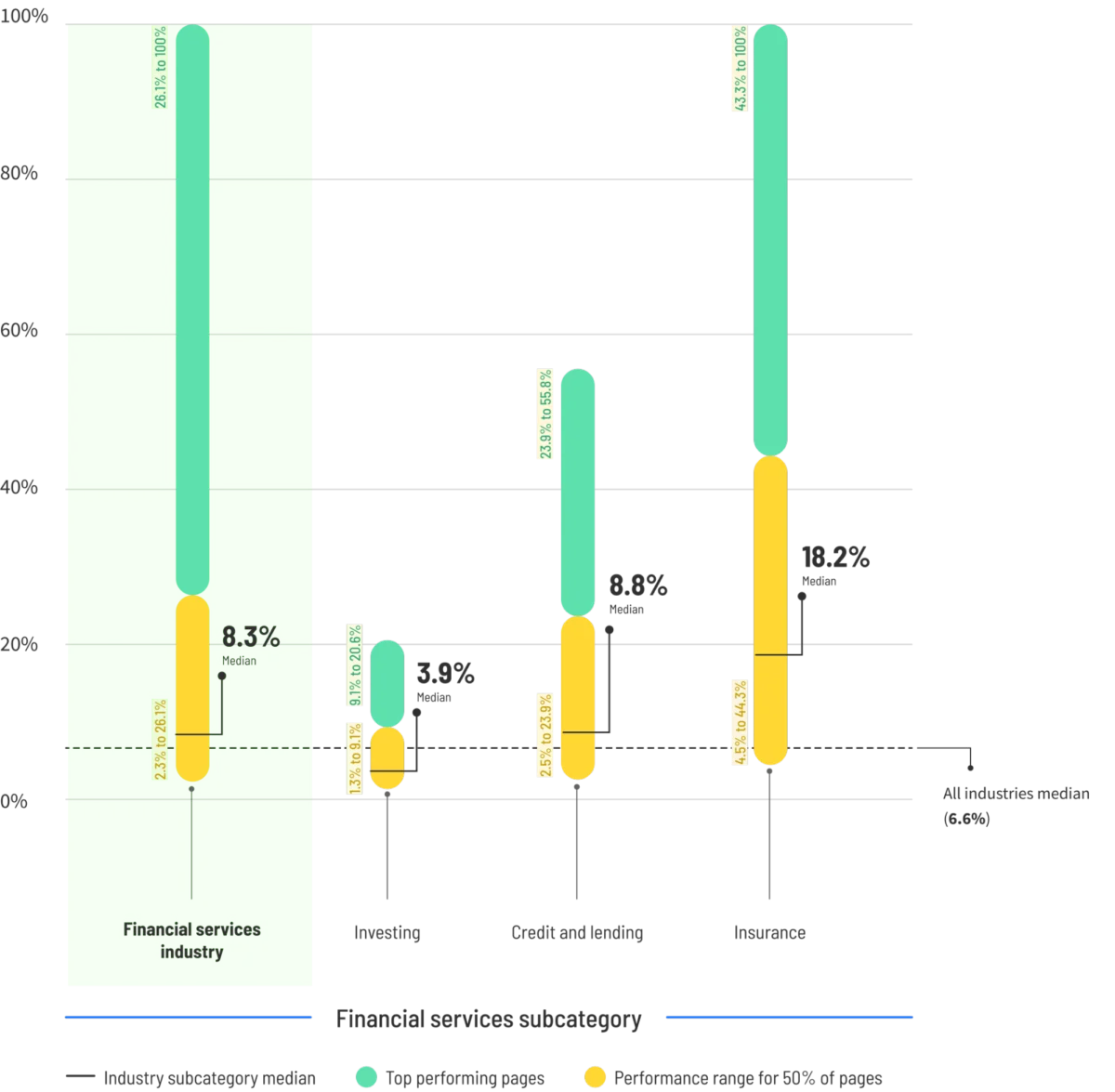
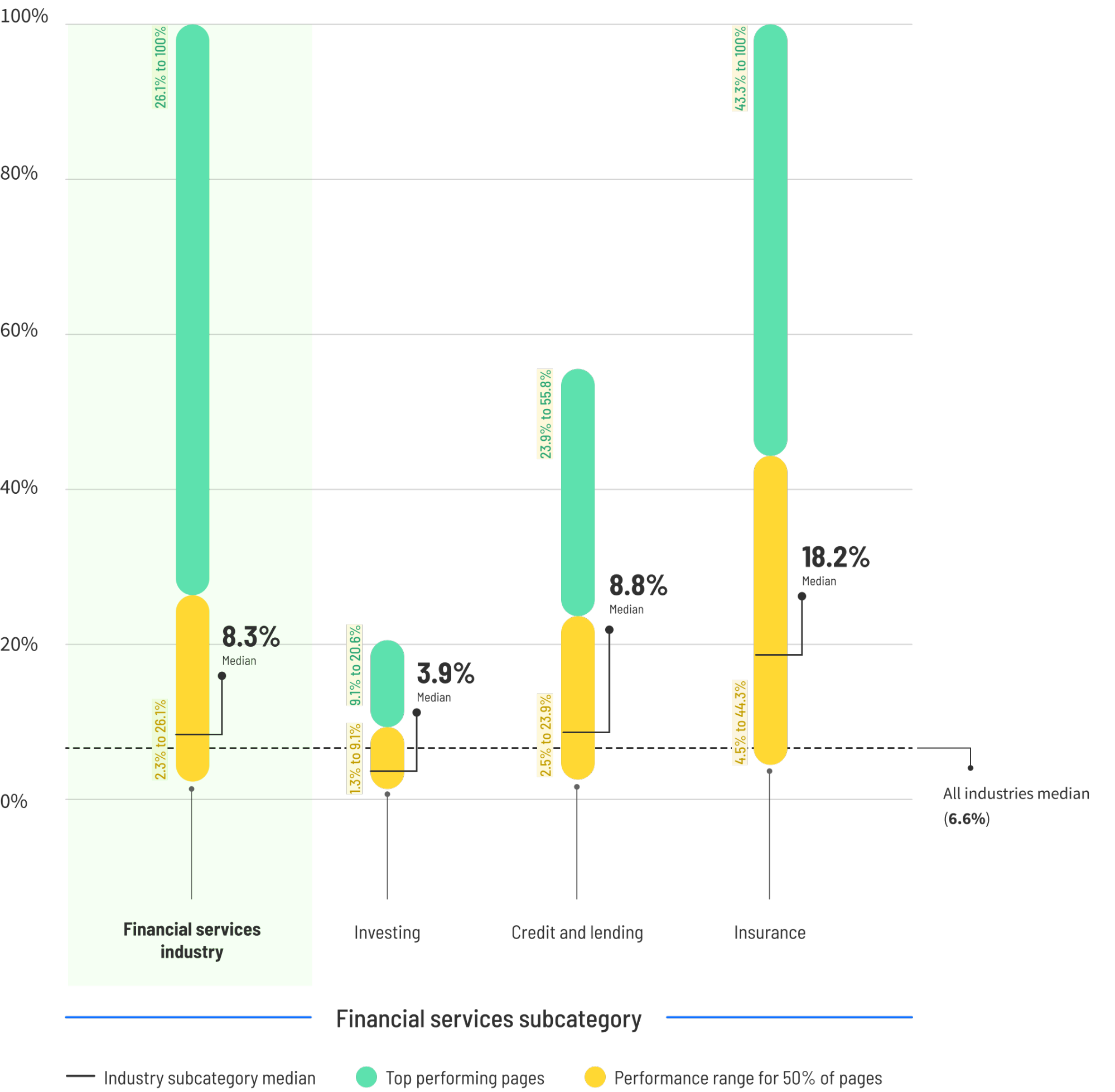
The financial services industry outperforms the general median with an 8.3% conversion rate. This is a high-intent sector; consumers do not typically browse for insurance or investment vehicles unless they have a specific need. Interestingly, insurance landing pages are among the highest performers in the entire study, boasting an 18.2% median.
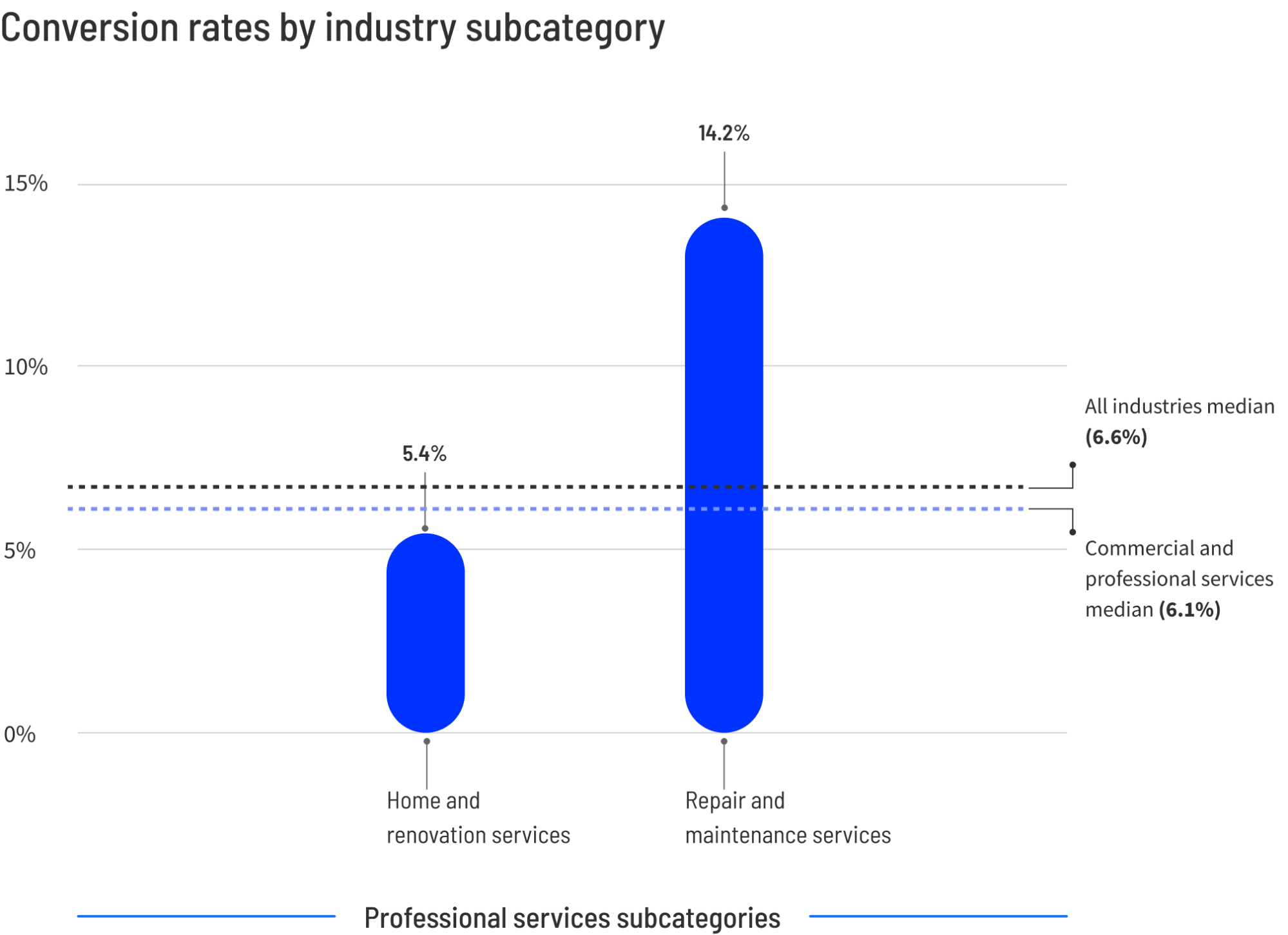
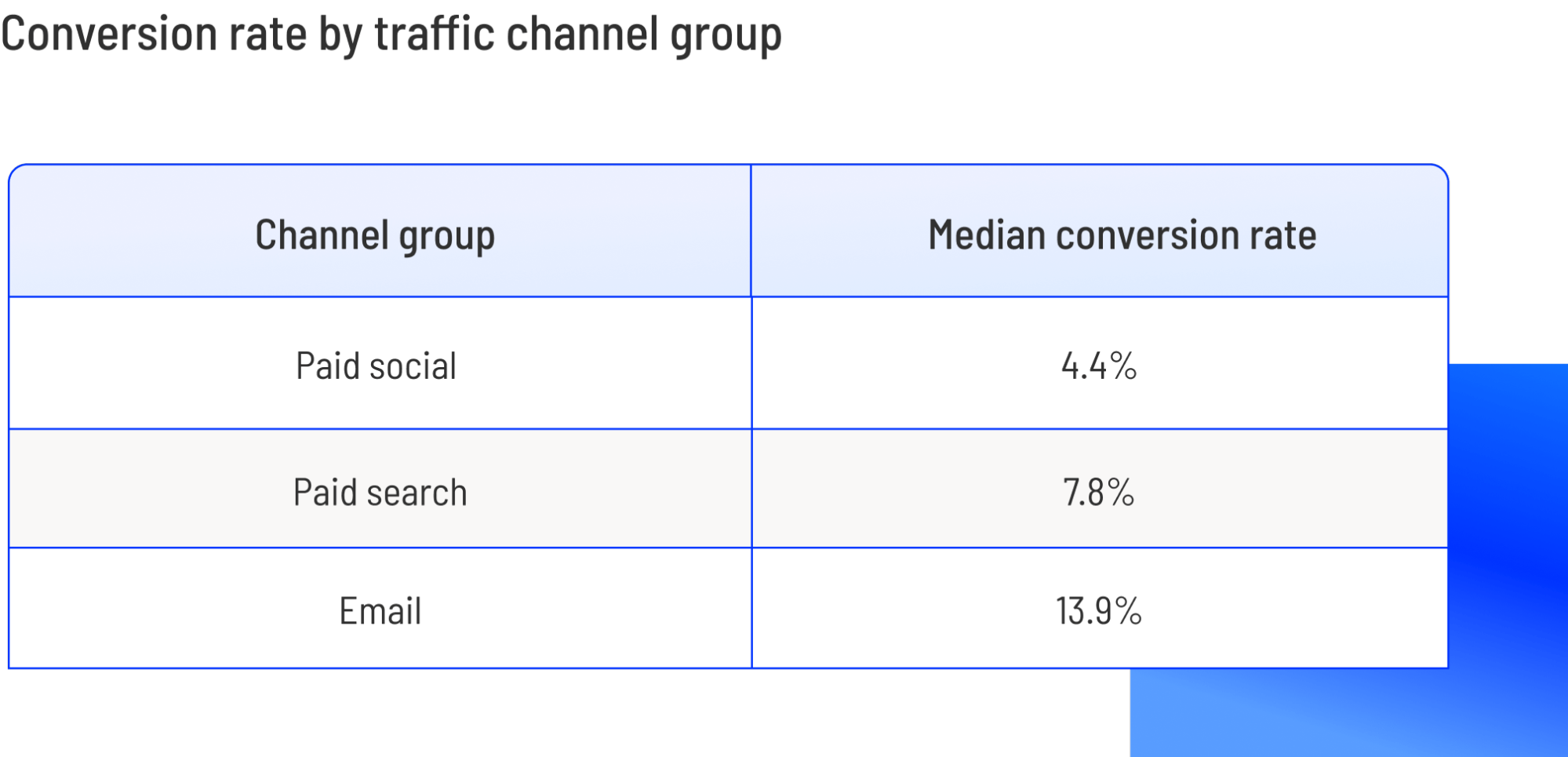
Professional services, including consulting and legal firms, maintain a 6.1% median. In this sector, the disparity between traffic sources is stark. Email marketing traffic to professional services pages converts at nearly 14%, while paid social traffic lags at 4.4%. This highlights the "trust premium"—users are far more likely to convert when they have a pre-existing relationship with the brand or have opted into their communication.
Legal, Education, and Entertainment: The Urgency Factors
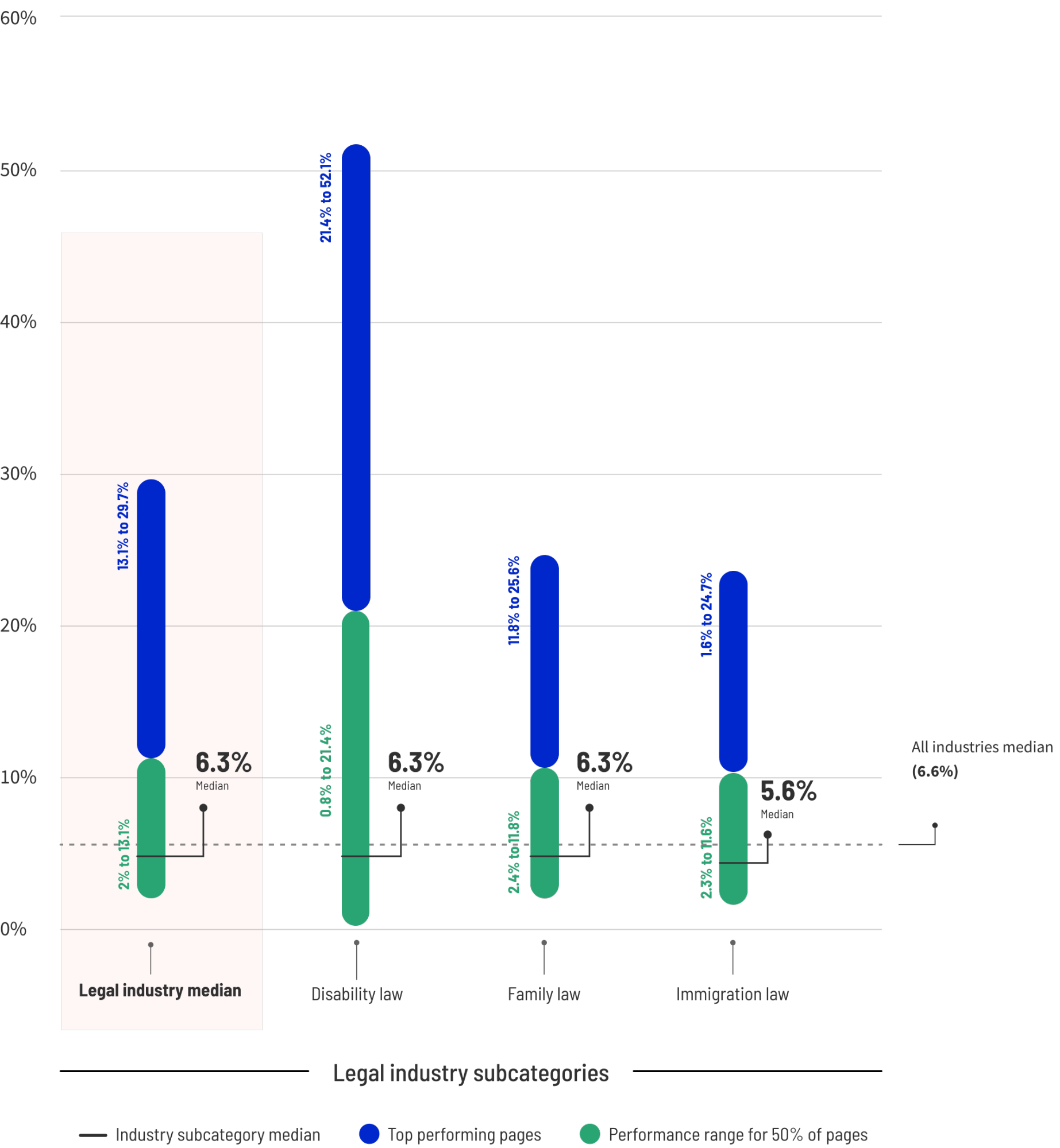
Legal services provide a unique case study in mobile-first urgency. While the industry median is 6.3%, legal landing pages convert significantly better on mobile (21%) than on desktop (15.9%). This is driven by "emergency" searches—individuals seeking legal counsel immediately after an accident or legal event.
Education has emerged as a powerhouse in 2024, with a median conversion rate of 11.4%. Online courses are the primary driver here, converting at an 18.3% median. These pages succeed by selling "transformation" and immediate problem-solving rather than long-term academic degrees.
The entertainment sector sees the highest theoretical numbers, with a median of 15.5%. However, this is heavily influenced by sweepstakes and contest pages, which can see conversion rates as high as 79.8%. Because the "cost" of conversion is often just an email address, the friction is minimal compared to a SaaS subscription or an ecommerce purchase.
The Device Divide: Mobile Urgency vs. Desktop Deliberation
A critical finding in the 2024 analysis is the divergence of conversion rates based on the hardware used by the visitor. Mobile devices now account for approximately 83% of all landing page visits, yet they do not always yield the highest conversion rates.
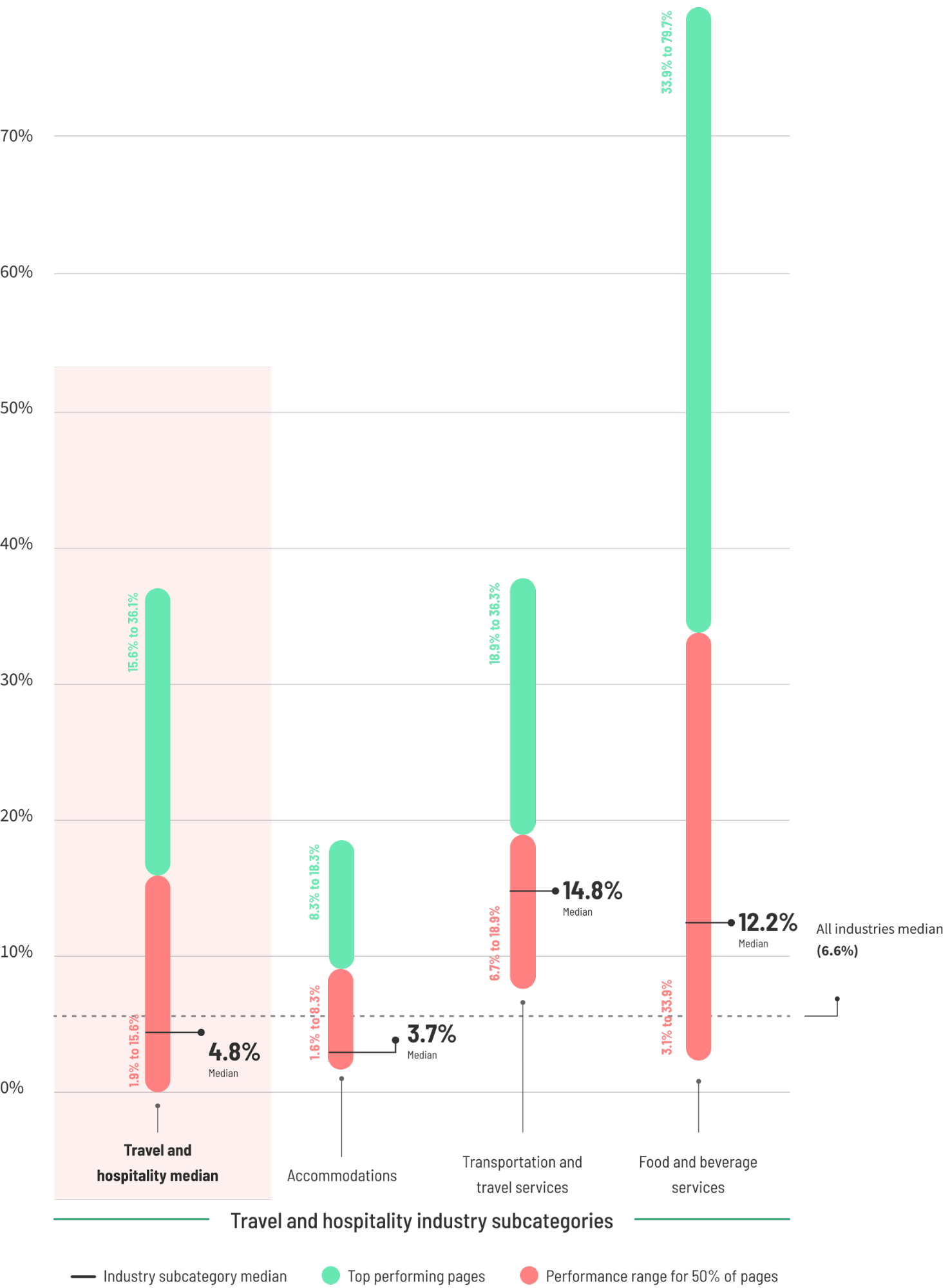
In the travel and hospitality industry, desktop traffic converts 10.4% better than mobile. Analysis suggests that while consumers use mobile devices for the "dreaming" and "researching" phases of a trip, the actual booking—which involves high costs and complex scheduling—is often reserved for the larger screen and perceived security of a desktop computer.
Conversely, in financial services, mobile traffic converts 27.8% better than desktop. This suggests a shift in how modern consumers manage their finances, favoring quick, app-like interactions for insurance quotes or banking tasks. For marketers, these figures prove that "mobile-responsive" design is no longer enough; pages must be "mobile-optimized" for the specific intent of the user on that device.
The Linguistic Impact: Why Simplicity Wins
One of the most actionable insights from the 2024 data involves the "Readability Factor." There is a direct, quantifiable correlation between the simplicity of a page’s copy and its ability to convert.
Data shows that landing pages written at a 5th-to-7th-grade reading level achieve an 11.1% conversion rate. This is more than double the conversion rate of pages written with "professional" or "academic" language (8th-to-9th-grade level or higher). In a digital environment where users scan rather than read, jargon and complex sentence structures act as friction. The top-performing pages in 2024 utilize short sentences, active verbs, and clear value propositions that require minimal cognitive load to process.
Strategic Optimization: Moving from Median to Elite
The gap between the 6.6% median and the 11.4%+ "good" threshold represents a massive opportunity for revenue growth. The 2024 report outlines five key areas where brands are successfully moving the needle:
- Linguistic Refinement: Auditing copy to ensure it sits within the 5th-to-7th-grade readability range.
- Social Proof Integration: Moving testimonials and trust badges from the footer to the "hero" section or near the primary Call to Action (CTA).
- Friction Reduction: SaaS and professional services are seeing success by reducing the number of form fields. Each additional field typically correlates with a drop in conversion.
- Contextual Continuity: Ensuring the "scent" of the ad matches the landing page. High-converting pages maintain the exact wording and imagery used in the referral source (Google Ads, Meta, etc.).
- AI-Driven Personalization: The emergence of "Smart Traffic" tools that automatically route visitors to different versions of a page based on their location, device, and past behavior.
Broader Implications for the 2025 Outlook
As we look toward 2025, the role of the landing page is evolving from a static destination to a dynamic experience. The 2024 benchmarks suggest that the "average" is a dangerous place to stay. With rising ad costs, a 6.6% conversion rate may no longer be enough to maintain a profitable return on ad spend (ROAS) in competitive sectors like Legal or Finance.
The most successful organizations are moving away from "best practices" and toward "continuous experimentation." The data indicates that those who run regular A/B tests and utilize AI for page optimization are 2.5 times more likely to reach the 75th percentile of conversion rates. In the current economy, the landing page is no longer just a part of the funnel—it is the most significant lever a business has for controlling its own growth.
Ultimately, the 2024 benchmarks reveal that while technology has changed, human psychology remains constant. Consumers reward clarity, urgency, and ease of use. Whether a business is selling a $5 tube of lipstick or a $50,000 enterprise software solution, the path to a "good" conversion rate remains the same: understand the industry benchmark, respect the user’s device, and speak to them in the simplest language possible.


 Asro
Asro
 Dwi Wanna