Artificial intelligence (AI) tools are rapidly reshaping the landscape of social media management and marketing, offering sophisticated solutions to automate, optimize, and scale content creation, scheduling, analytics, and engagement. These software products leverage AI algorithms to assist individuals and organizations in managing their digital presence more efficiently, moving beyond mere convenience to become a strategic imperative for marketers navigating an increasingly complex, multi-platform environment.

The AI Imperative in Social Media Marketing
The integration of AI into social media workflows marks a significant evolution from traditional manual processes. As social media teams are stretched across a proliferation of platforms, each with its unique audience and content demands, the ability to maintain consistent output, drive engagement, and derive actionable insights has become a formidable challenge. AI tools address this by supporting a wide spectrum of tasks, from brainstorming initial ideas and drafting compelling captions to analyzing real-time performance metrics and identifying optimal posting times.

The accelerating adoption of AI in marketing is underscored by industry projections. Gartner, for instance, predicts that AI automation in marketing work is set to double by 2028, reaching an impressive 36 percent. This shift is not merely about incremental improvements but about enabling marketers to scale operations and allocate more time to strategic thinking and creative endeavors, tasks where human ingenuity remains irreplaceable. Without AI, the growing output expectations often outpace available headcount, creating bottlenecks and limiting growth potential.
Categories of AI-Powered Social Media Tools
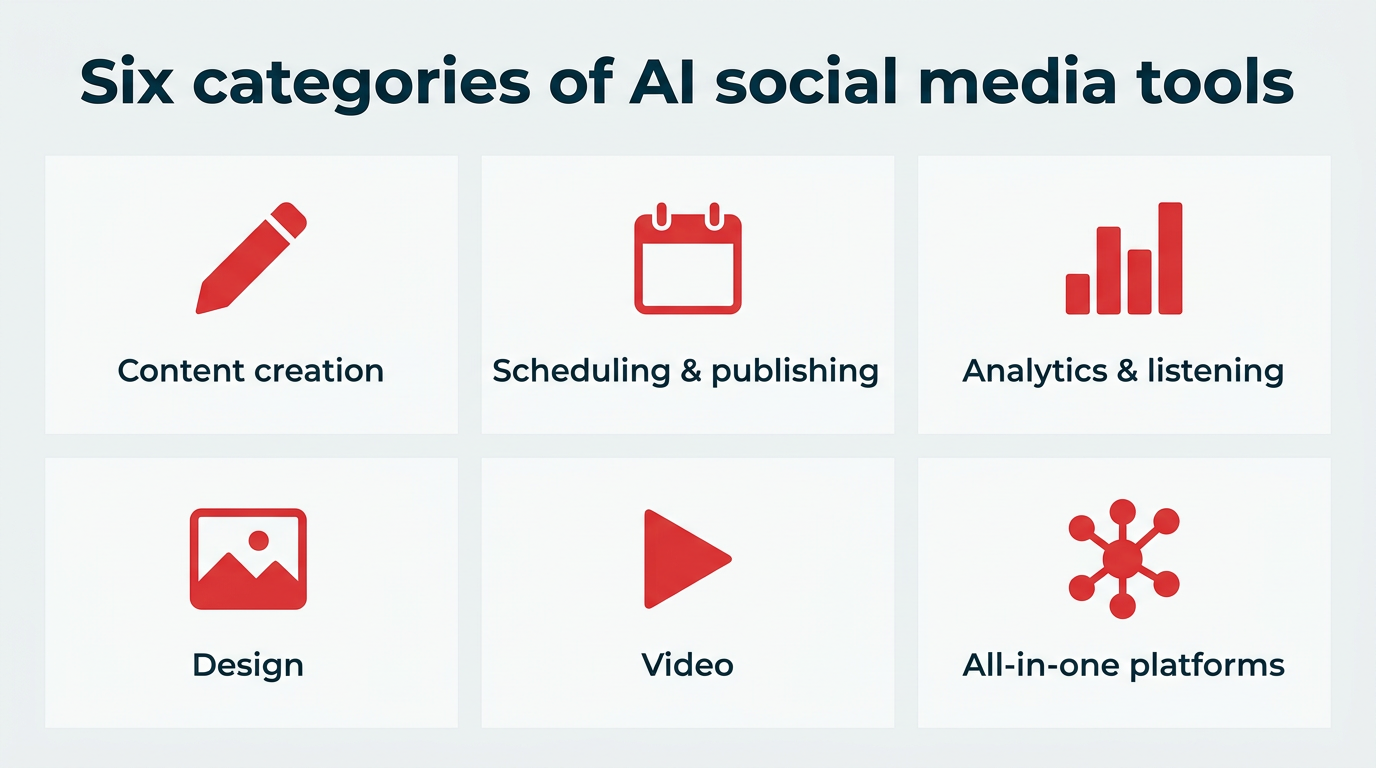
AI tools for social media typically fall into several key categories, each designed to address specific aspects of the marketing workflow:
- Content Creation: Tools that generate text, ideas, and even repurpose existing content into new formats.
- Scheduling and Publishing: Platforms that not only automate post delivery but also optimize timing and tailor content for different channels.
- Analytics and Listening: Solutions that track brand mentions, analyze sentiment, and provide real-time insights into audience behavior and market trends.
- Design and Image Editing: Tools that facilitate the creation and manipulation of visual content, including text-to-image generation and background removal.
- Video Production: Platforms that assist in generating, editing, and repurposing video content, from script-to-video capabilities to creating AI avatars.
- All-in-One Platforms: Comprehensive systems that integrate multiple AI functionalities into a unified social media operating system.
These diverse tools collectively enhance efficiency, improve content quality, and provide deeper insights, allowing marketers to move from reactive management to proactive, data-driven strategy.
Deep Dive into AI Functionalities and Key Players
The market for AI social media tools is dynamic, with various platforms offering specialized or integrated capabilities. Understanding their core functions and distinguishing features is crucial for businesses aiming to leverage AI effectively.
Revolutionizing Content Creation: From Ideation to Publication
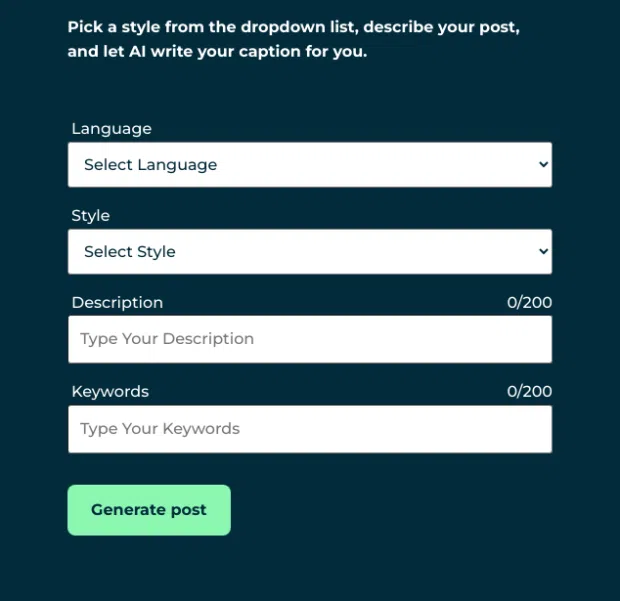
Content generation is arguably one of the most immediate and impactful applications of AI in social media. Tools in this category are designed to overcome writer’s block, ensure brand consistency, and produce high volumes of diverse content efficiently.
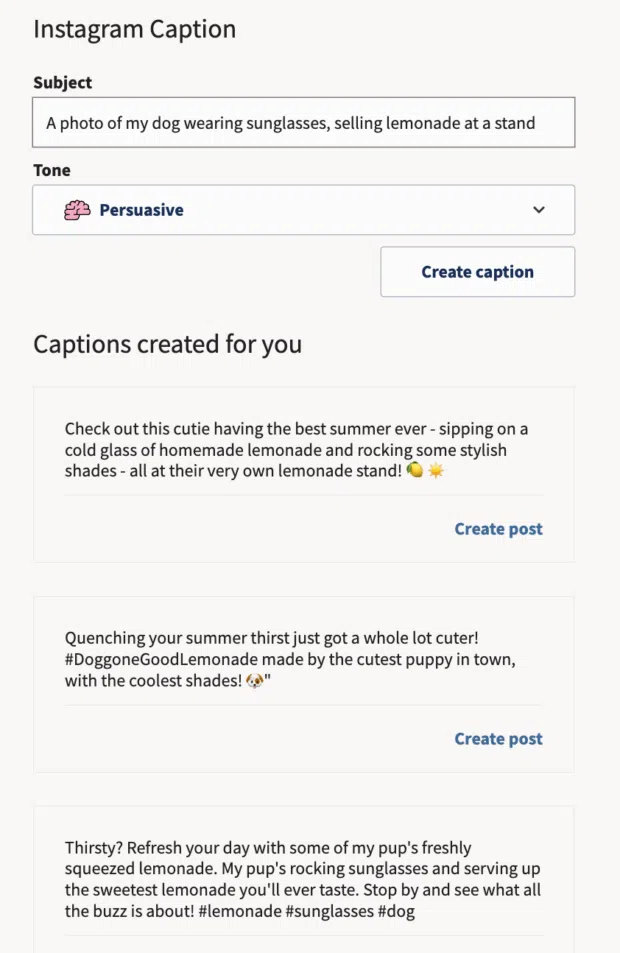
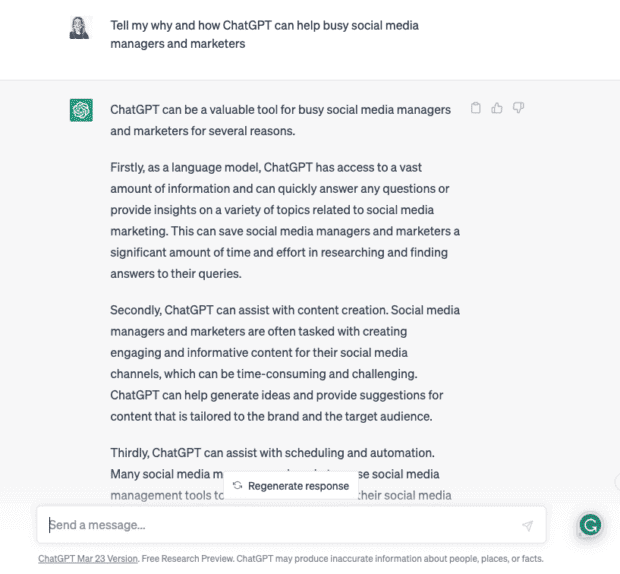
- ChatGPT: As a leading AI writing assistant, ChatGPT excels at brainstorming ideas, drafting short and long-form content, and repurposing existing materials. Its ability to generate content from simple prompts makes it invaluable for creating initial drafts or exploring different angles. However, achieving brand-specific tones often requires detailed prompting, and outputs typically need human refinement to sound authentic and factually accurate.
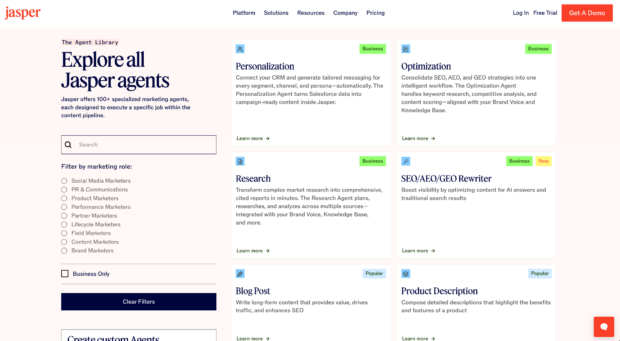
- Jasper: This AI copywriting tool focuses on maintaining brand voice at scale. Its standout feature is tone guardrails, allowing users to train the AI on existing content and style guides to ensure consistent messaging across all outputs. Jasper also offers a library of specialized AI agents for various content tasks, from landing pages to content translation, making it ideal for comprehensive campaign development.
- Copy.ai: Designed for high-volume marketing copy, Copy.ai excels at generating multiple caption variations from a single brief, facilitating A/B testing and performance optimization. Its workflow automation capabilities allow marketers to chain steps, producing batches of channel-ready posts from a single input, such as a product page or webinar transcript, without repetitive manual effort.
- Hootsuite Social OS (OwlyWriter AI): Integrated into a broader social media management platform, Hootsuite’s OwlyWriter AI assists in generating captions, suggesting post ideas, and repurposing top-performing content. It offers tone selection options to align with brand voice and provides unlimited caption variations, streamlining the content creation process within a unified workflow.
Optimizing Scheduling and Publishing: Beyond Basic Automation
While basic scheduling tools have been a staple of social media management for years, AI-powered schedulers introduce intelligence to optimize what gets published, when, and in what format.
- Hootsuite Social OS (Best Time to Publish): This feature analyzes audience behavior and historical data to recommend optimal posting times based on specific goals, such as increasing engagement, building awareness, or driving traffic. This predictive capability ensures content reaches the target audience when they are most active and receptive.
- Buffer: Known for its user-friendliness, Buffer now includes an AI assistant that helps adapt a single post for multiple channels. Marketers can draft content once and then use the AI to rewrite it for different tones and lengths, or to generate follow-up ideas based on past performance.
- FeedHive: This platform specializes in content recycling and conditional posting. It allows teams to set rules for automatically re-queuing high-performing evergreen content and to trigger follow-up actions, such as adding a comment with a link once a post reaches a certain engagement threshold. Its AI also provides performance predictions, helping prioritize content before publication.
Unlocking Insights: Analytics and Social Listening
AI tools are transforming social media analytics and listening by moving beyond raw data to provide actionable insights in real time, eliminating the need for laborious manual monitoring.
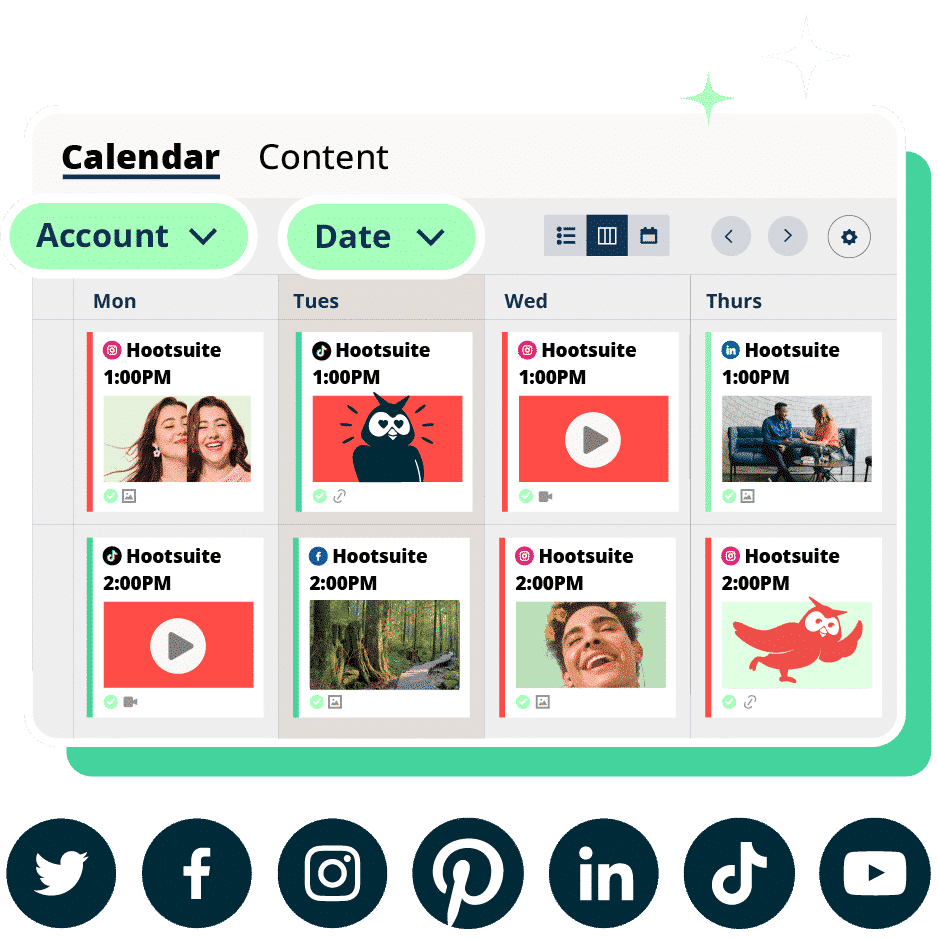
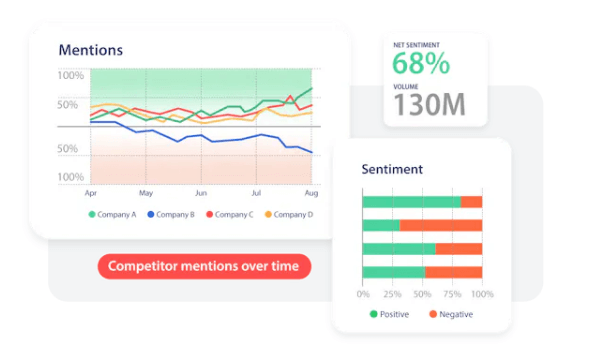
- Hootsuite Social OS (Lumen App): Lumen is an integrated insights and listening application within Hootsuite that provides real-time data from conversations across social media and the broader web. It enables teams to monitor brand mentions, analyze sentiment, and understand target audience dynamics as they happen, feeding these insights directly into publishing and listening workflows.
- Brand24: This social listening tool tracks brand mentions across various online sources, including social platforms, news sites, blogs, and forums. It applies AI sentiment analysis to gauge public perception and flags spikes in mention volume, serving as an early warning system for potential crises or opportunities. While offering robust listening capabilities, its reporting depth may be more limited compared to full social operating systems.
Democratizing Visual Design and Image Editing: Crafting Engaging Visuals
Engaging visuals are paramount on social media, and AI tools are making high-quality design accessible to marketers without extensive graphic design expertise.
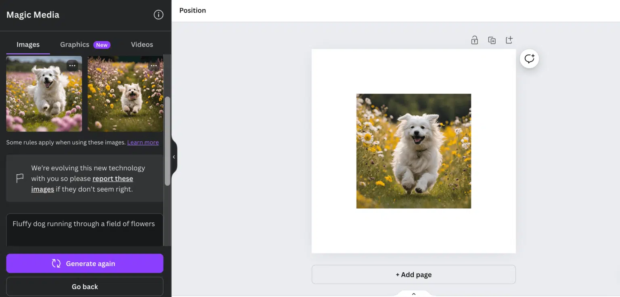
- Canva: A popular user-friendly design platform, Canva integrates AI features like text-to-image generation, allowing users to describe desired visuals and choose a style (e.g., watercolor, film) to produce images directly within their designs. It also offers tools for background removal and "magic edits," significantly streamlining visual content creation.
- Magic Studio: This AI tool specializes in creating professional-looking product photos with customizable backgrounds. It also features object removal capabilities, useful for refining real-world photographs, and can generate images from text prompts, offering flexibility in visual content production for e-commerce and lifestyle brands.
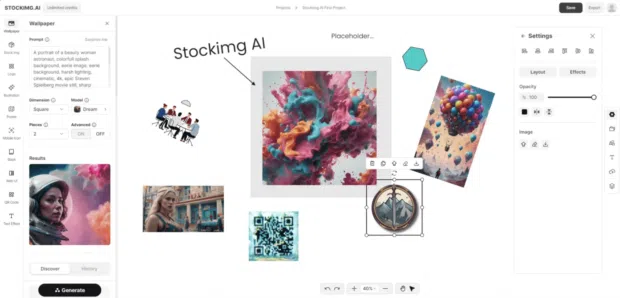
- Stockimg.ai: This tool generates custom stock visuals from text prompts, eliminating the need to search through vast libraries. Users can specify styles such as stock photos, illustrations, wallpapers, posters, or logos, ensuring visuals perfectly match content requirements.
Transforming Video Production and Repurposing: Dynamic Content at Scale
Video content continues to dominate social media engagement, and AI tools are making video creation and repurposing faster and more scalable.
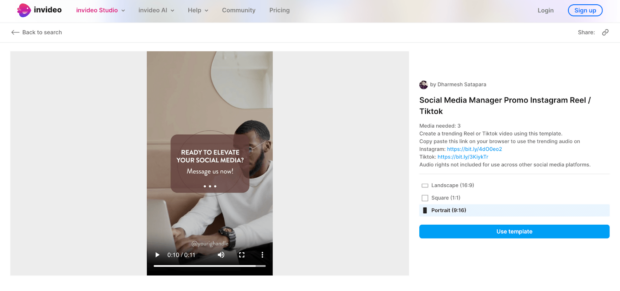
- Invideo: An AI text-to-video generator, Invideo transforms scripts or prompts into professional videos complete with stock footage, AI voiceovers, background music, and transitions. It offers numerous templates for various platforms like TikTok, YouTube, and Instagram Reels, significantly reducing the time and resources required for video production.
- Munch: This AI video repurposing platform identifies the most engaging segments of long-form videos and converts them into short, shareable clips suitable for social media. It also generates AI subtitles, which, according to Bianca Garcia, Social Media Specialist at Leadhub, are "a game-changer for improving video accessibility and engagement." This tool is invaluable for maximizing the utility of existing video assets.
- Synthesia: Synthesia allows users to create polished videos from text using AI avatars and multi-language voiceovers, eliminating the need for cameras, studios, or production teams. With customizable templates and branding options, it enables the rapid production of explainer videos, promotional content, and social media videos for global audiences.
The Strategic Advantage: Why AI is Indispensable
The benefits of integrating AI into social media strategy extend beyond mere task automation. AI empowers marketers to achieve unprecedented levels of efficiency, scalability, and data-driven decision-making.
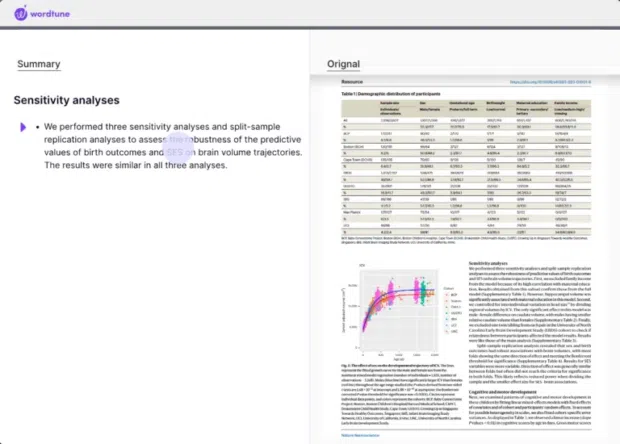
- Automating Repetitive Tasks: AI tools significantly reduce the manual effort involved in social media management. Shanté Gorman, Founder and CEO of Sugarpunch Marketing, notes that tools like Butter automate tasks such as recording and transcribing client calls, allowing her team to "extract content that we can turn into short-form videos, carousel graphics, and text posts," saving "at least 10 hours of time per client."
- Developing Content Pillars: AI can analyze existing content to identify common themes and help structure content pillars, providing a strategic framework for future creation. Cristy Stewart-Harfmann, a Content Creator and Professor of Digital Marketing, emphasizes the importance of saving effective prompts to streamline this process and ensure consistency.
- Training AI for Brand Consistency: To ensure AI-generated content aligns with brand voice, marketers must actively "train" their AI tools. This involves providing clear guidelines on tone, style, and persona, feeding it examples of successful brand content, and offering detailed feedback on initial outputs. This iterative process helps the AI learn and adapt, producing more on-brand results over time.
- Scalability without Increased Headcount: The most significant implication for businesses is the ability to scale social media operations without proportionally increasing team size. AI enables smaller teams to manage larger, more complex social presences, publish more frequently across more channels, and engage with audiences more effectively.
Navigating the AI Landscape: Choosing and Implementing Tools
Selecting the right AI tools requires a clear understanding of current bottlenecks and strategic objectives. Marketers should consider factors such as the tool’s core functionality, integration with existing platforms, brand voice compatibility, and governance features.
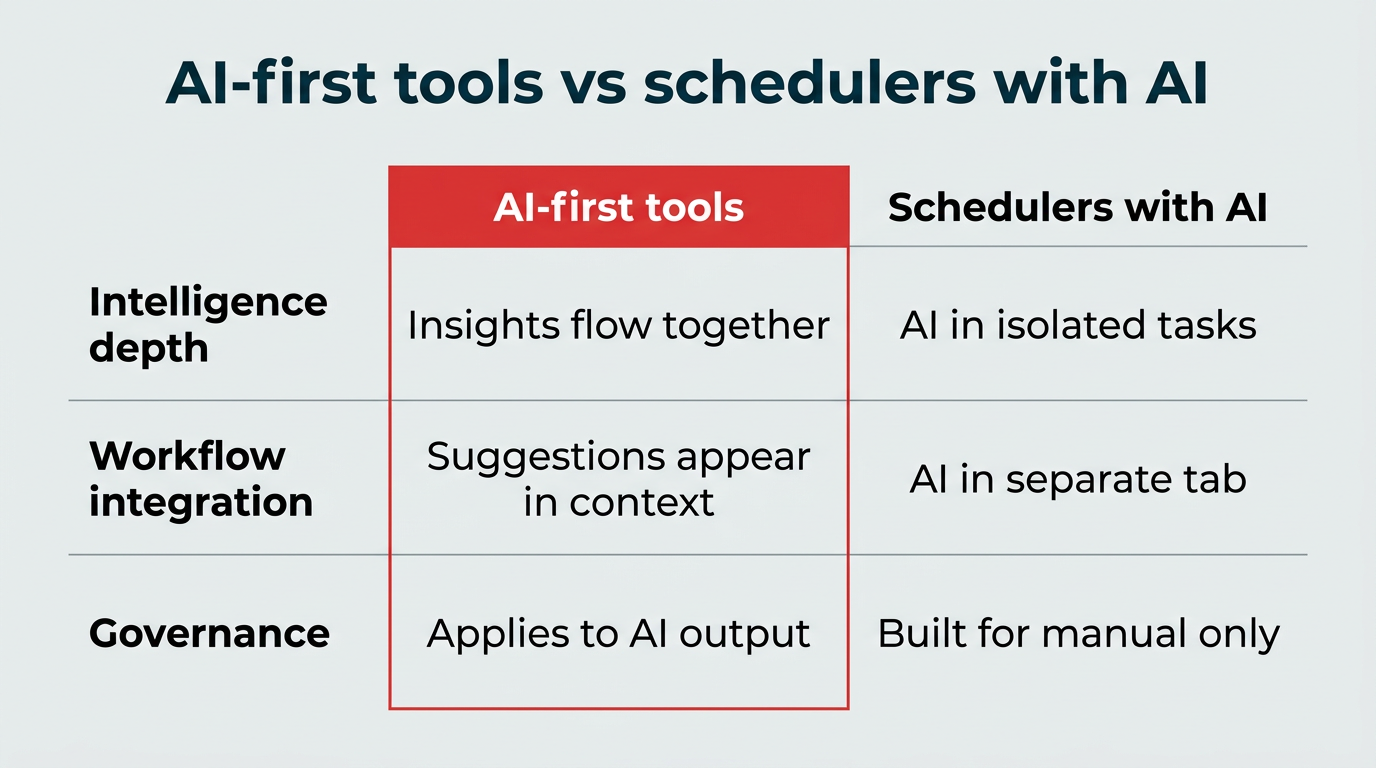
A critical distinction lies between "AI-first tools" and "schedulers with AI features." AI-first tools are built with artificial intelligence as their foundational architecture, meaning intelligence is deeply integrated into every workflow, providing comprehensive insights from listening and analytics into content creation. In contrast, schedulers with AI features are legacy products that have added AI capabilities as separate, often isolated functions. This difference impacts intelligence depth, workflow integration, and governance, with AI-first platforms generally offering a more scalable and integrated experience.
Ethical Considerations and Regulatory Landscape

While AI offers immense advantages, its use in social media also presents ethical considerations and necessitates adherence to evolving platform rules. Transparency regarding AI-generated content is becoming increasingly important. Megan Celestini, Social Media Specialist and Founder at Queen Bee Social, advises caution, stating, "As social media professionals, it’s our job to eliminate the risk to the companies we work for and represent. If AI-generated content is not disclosed on certain social media channels, you could be violating the Terms of Service, and your posts can be taken down."
Platforms like YouTube, for instance, now require users to disclose when they upload "altered or synthetic content" so it can be appropriately labeled. Marketers must stay current with each platform’s terms and conditions, as the regulatory landscape for AI-generated content is continuously evolving, with Forrester predicting that "AI missteps will demand a pragmatic reset" by 2026.
The Future of Social Media with AI
The trajectory of AI in social media points toward even deeper integration and sophistication. Future advancements are likely to bring hyper-personalization of content, more predictive analytics for trend identification, and increasingly autonomous campaign management. The role of the social media marketer will continue to evolve, shifting from hands-on execution to strategic oversight, prompt engineering, and ethical stewardship of AI tools.
Ultimately, AI tools are not designed to replace human marketers but to augment their capabilities, freeing them from mundane tasks to focus on creativity, strategy, and authentic human connection – elements that remain the bedrock of successful social media engagement. By embracing AI, businesses can not only optimize their current social media efforts but also position themselves for sustained growth and innovation in the rapidly changing digital landscape.