Kraft Heinz is significantly amplifying its turnaround strategy, injecting an additional $100 million into initiatives aimed at revitalizing its brand portfolio. The bulk of this substantial investment will be strategically allocated to marketing efforts, underscoring the company’s commitment to a more impactful and efficient media approach. This latest infusion of capital follows a period of overdelivery on initial expectations for the first half of the year, during which the packaged foods giant already deployed $600 million in incremental spend across product development, pricing strategies, marketing, sales, and research and development. The company now anticipates that marketing expenditure will constitute at least 6% of its net sales in 2026, a notable increase of half a percentage point, signaling a robust dedication to brand building and consumer engagement.
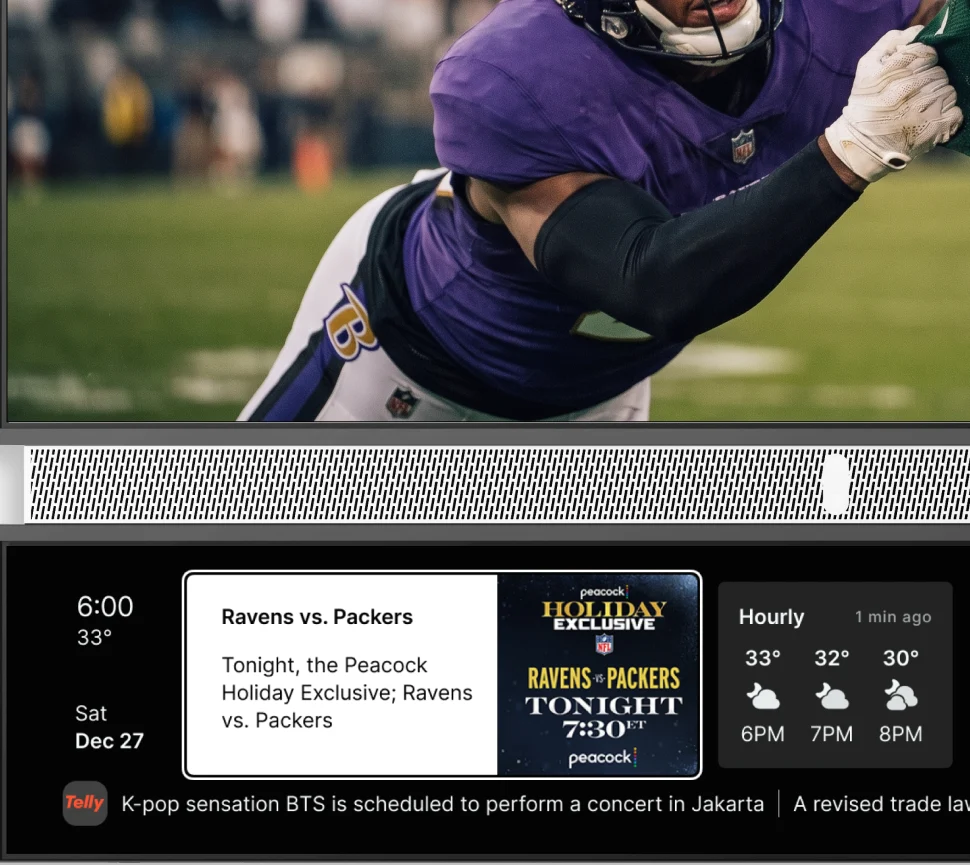
The strategic shift toward fewer, but higher-impact media partnerships has already begun to yield demonstrable results. Kraft Heinz has recently secured significant deals, including a comprehensive five-year pact with the National Football League (NFL) and a multifaceted strategic alliance with The Walt Disney Company. These partnerships are designed to leverage the immense reach and cultural relevance of these iconic entities to connect with consumers on a deeper level and drive brand affinity across Kraft Heinz’s diverse product lines, which include household names like Jell-O, Ore-Ida, Philadelphia Cream Cheese, and of course, Heinz condiments.
A Renewed Focus on Marketing Effectiveness
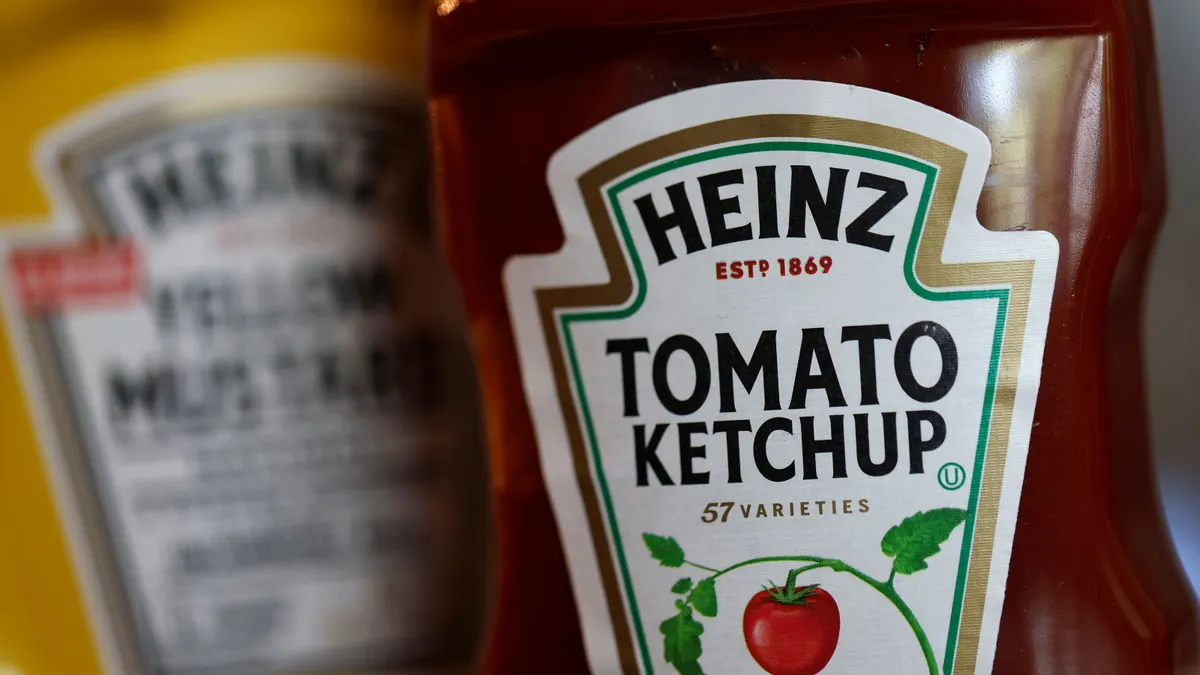
Kraft Heinz CEO Steven Cahillane articulated the company’s strategic direction during a recent earnings call, emphasizing the efficacy of the increased marketing investment. "I see it’s working virtually everywhere we’re putting it," Cahillane stated in response to an analyst’s query regarding the impact of the heightened spending. "And so condiments is probably the first area where we’ve seen really marked improvement. Heinz is back to growth as it should be, strong growth – strong consumption growth – which is terrific. So across the board in the U.S., we’re seeing better performance."
This sentiment was further elaborated upon by Cahillane, who highlighted the dual benefits of increased spending and enhanced efficiency. "Not only are we spending more to support our brands, but we are spending more efficiently," he explained during the earnings presentation. "We’ve reallocated dollars towards higher-return brand media, improved efficiency through fewer, more effective media partners, and launched stronger consumer-driven creative. Importantly, we’re measuring direct sales impact, and we are seeing clear improvements."
This recalibration of marketing spend represents a departure from previous approaches, signaling a more data-driven and results-oriented methodology. By consolidating resources and focusing on strategic alliances with established media powerhouses, Kraft Heinz aims to maximize return on investment and ensure that its marketing messages resonate with target audiences in an increasingly fragmented media landscape.
Strategic Partnerships: NFL and Disney Alliances
The recent major deals with the NFL and Disney are central to Kraft Heinz’s revitalized marketing strategy. The five-year agreement with the NFL, announced previously, positions Kraft Heinz as a key partner of America’s most popular professional sports league. This partnership allows for extensive brand visibility across NFL programming, digital platforms, and fan events, tapping into the passionate and widespread fanbase of the league. The association with the NFL is expected to generate significant brand awareness and affinity, particularly for brands that align with the active, family-oriented lifestyle often associated with football.
Complementing the NFL partnership, the strategic alliance with The Walt Disney Company offers a broad spectrum of engagement opportunities. This collaboration extends across Disney’s vast ecosystem, including its highly influential media networks, popular cruise lines, world-renowned theme parks, and diverse array of events. This integration allows Kraft Heinz brands to be woven into the fabric of family entertainment, reaching consumers at multiple touchpoints throughout their leisure activities. For instance, collaborations could involve co-branded content, in-park activations, or exclusive promotions tied to Disney movie releases or theme park experiences. The aim is to create memorable brand interactions that foster positive associations and drive purchase intent.
These high-profile partnerships are not merely about visibility; they are meticulously designed to foster deeper consumer connections and reinforce brand equity. By aligning with entities that evoke strong emotions and shared experiences, Kraft Heinz seeks to transcend transactional relationships and build lasting brand loyalty.
A Timeline of Transformation
The current strategic pivot is the culmination of a period of introspection and restructuring for Kraft Heinz. In February of the current year, the company made the significant decision to pause its plans to split into two distinct entities. This move signaled a newfound confidence in the company’s ability to address and rectify its existing challenges internally. The leadership team, under CEO Steven Cahillane, expressed a belief that the company’s issues were "fixable," and the subsequent investment strategy reflects this optimistic outlook.
Prior to this decision, Kraft Heinz had been grappling with declining net sales. In the second quarter of 2026, net sales experienced a 1.4% decrease, totaling $6.3 billion. The North American market, historically Kraft Heinz’s largest revenue generator, saw a 2.7% decline during the same period ending June 27. Despite these figures, the results surpassed both internal projections and analyst expectations, providing a crucial inflection point for the company to implement more aggressive turnaround measures.

This positive performance, even amidst a sales decline, allowed Kraft Heinz to raise its organic net sales outlook for the full year. The company now forecasts declines between 0.5% and 2%, an improvement from its previous estimates of declines between 1.5% and 3.5%. This revised outlook suggests a growing conviction within the company that its strategic adjustments are beginning to take hold and are poised to yield more favorable results in the coming quarters.
Supporting Data and Key Metrics
The commitment to marketing is quantified by several key metrics. The additional $100 million investment represents a significant allocation of capital towards brand building and consumer outreach. The projected increase in marketing spend to 6% of net sales in 2026 highlights a strategic prioritization of this function within the company’s overall financial framework.
The "By the numbers" data provided illustrates the scale of this renewed focus:
- $100 million: This is the additional incremental spend Kraft Heinz is injecting into its turnaround plan, with a substantial portion earmarked for marketing. This figure represents a direct investment in enhancing brand presence and consumer engagement.
- 6%: This is the anticipated percentage of Kraft Heinz’s net sales that marketing will command in 2026. This represents a strategic uplift and a commitment to sustained marketing investment.
- 1.4%: This figure denotes the percentage decline in net sales for Kraft Heinz in Q2 2026. While a decline, it’s important to note that this was an improvement compared to prior expectations and internal projections, signaling a stabilization and potential for future growth.
These figures underscore the company’s deliberate strategy to leverage marketing as a primary driver of its recovery and future growth.
Brand-Specific Initiatives and "Green Shoots" of Growth
Beyond the overarching corporate strategy, Kraft Heinz is also focusing on revitalizing individual brands through targeted campaigns. For example, the iconic Heinz ketchup brand has launched its "It Has to Be Heinz" campaign, aiming to reinforce its long-standing reputation for quality and taste. Similarly, Philadelphia Cream Cheese has introduced its "Really Philly Good" platform, which strategically positions the product as an indispensable kitchen staple, moving beyond its traditional association with desserts and appetizers. This campaign seeks to broaden the usage occasions for cream cheese and integrate it more seamlessly into everyday culinary practices.

These brand-specific initiatives are designed to not only boost sales but also to rebuild and strengthen brand equity, fostering what CEO Cahillane referred to as "green shoots" of growth within the U.S. market. The company has also seen fit to increase headcount in its marketing and sales departments, a clear indication of the importance placed on these customer-facing functions.
Broader Implications and Market Outlook
The substantial marketing investment and the strategic shift towards high-impact partnerships signal a determined effort by Kraft Heinz to regain its market leadership. The company’s willingness to pour significant capital into marketing, coupled with its ability to secure collaborations with entities like the NFL and Disney, suggests a robust belief in its brands and a clear vision for their future.
The implications of this strategy are multifaceted. For consumers, it suggests a period of more engaging and visible brand presence, with potential for innovative campaigns and promotions. For competitors, it signifies a more aggressive and strategically adept Kraft Heinz, which could lead to increased competition for market share and consumer attention.
The success of this intensified marketing approach will be closely watched by industry analysts and investors. The company’s ability to translate increased marketing spend into measurable sales growth and sustained brand equity will be the ultimate determinant of its turnaround success. The strategic partnerships, in particular, offer a unique opportunity to connect with consumers in culturally relevant and emotionally resonant ways, potentially setting a new benchmark for how established CPG brands can navigate the evolving media landscape and maintain their competitive edge. The coming quarters will reveal whether these ambitious investments and strategic realignments will indeed usher in a new era of robust growth for Kraft Heinz.