The landscape of artificial intelligence development has shifted from a focus on model size to the architecture of the systems that surround those models. As the industry moves past the initial excitement of autonomous agents, a more disciplined approach known as graph engineering has emerged. This methodology treats AI applications not as single, unpredictable entities, but as explicitly designed workflows where agents, tools, and human decision-makers coordinate within a structured framework. This transition represents a maturing of the field, moving from experimental prompt engineering to a rigorous software engineering discipline.
The Evolution of AI Development: A Chronology of Complexity
The path to graph engineering has been marked by several overlapping phases, each addressing specific limitations in how Large Language Models (LLMs) interact with data and users.
In the first phase, prompt engineering focused on optimizing the input to extract better outputs from a single model call. This soon evolved into context engineering, popularized by Retrieval-Augmented Generation (RAG), which provided models with external data to reduce hallucinations. By early 2024, the focus shifted to tool use and autonomous loops, where models were given the ability to call APIs and iterate on tasks.
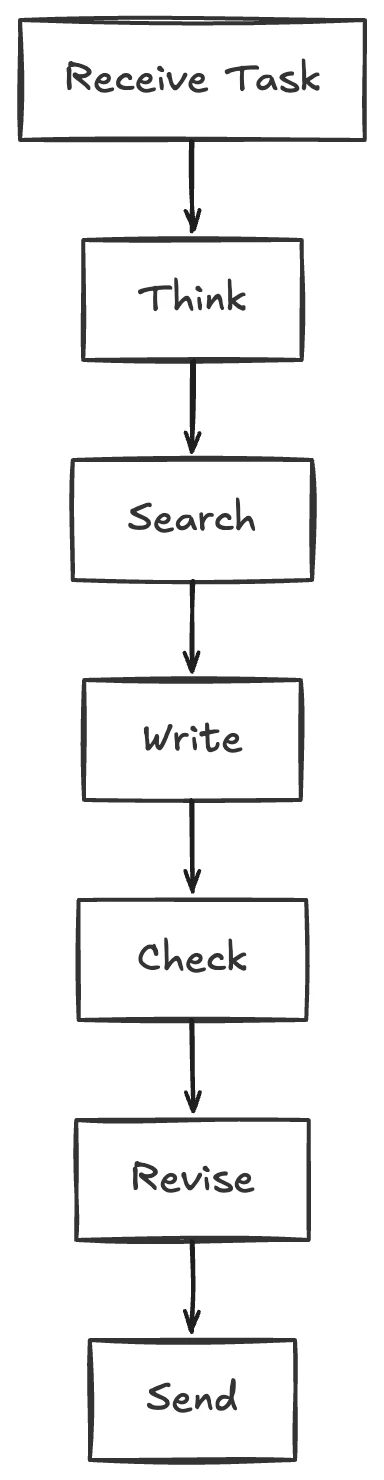
However, developers quickly discovered that fully autonomous agents—those that decide every step of a process—often suffered from "infinite loops" or unpredictable logic paths that were difficult to debug in production. This realization led to the current phase: graph engineering. This approach draws from traditional state-machine theory and directed acyclic graphs (DAGs) to provide a blueprint for AI behavior, ensuring that while an LLM can reason within a specific step, the overall flow of the application remains under the developer’s control.
Defining the Architecture of Graph Engineering
Graph engineering is the practice of representing an AI application as an executable graph. In this paradigm, the system is composed of nodes, which represent units of work, and edges, which define the paths between those units. Unlike a monolithic agent, a graph-engineered system makes every transition, validation gate, and recovery path explicit.
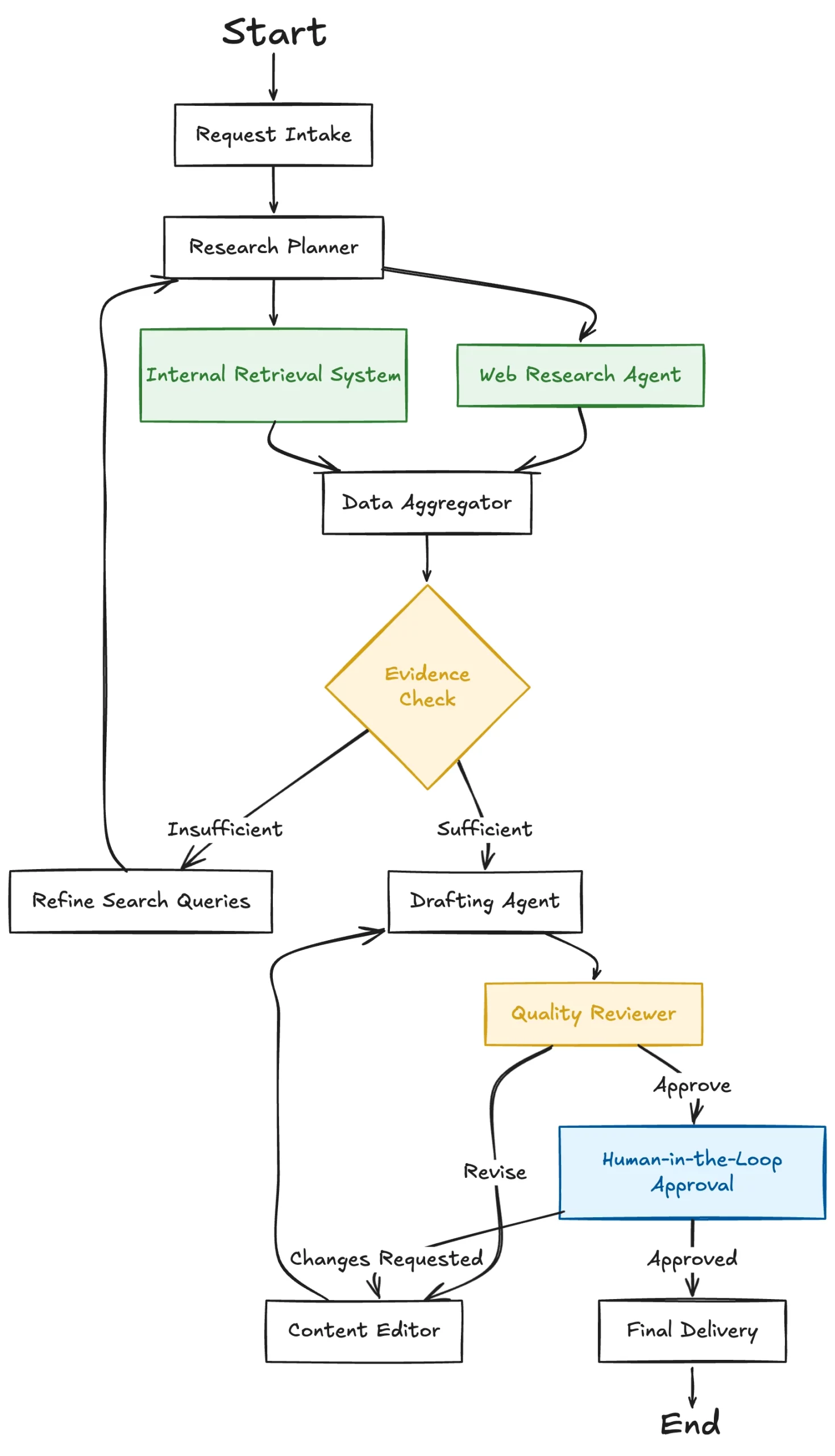
Industry experts define graph engineering as the design of nodes, dependencies, state transitions, execution routes, and control boundaries. This methodology is broader than any single framework, such as LangGraph or GraphRAG; it is an architectural philosophy that prioritizes reliability and observability.
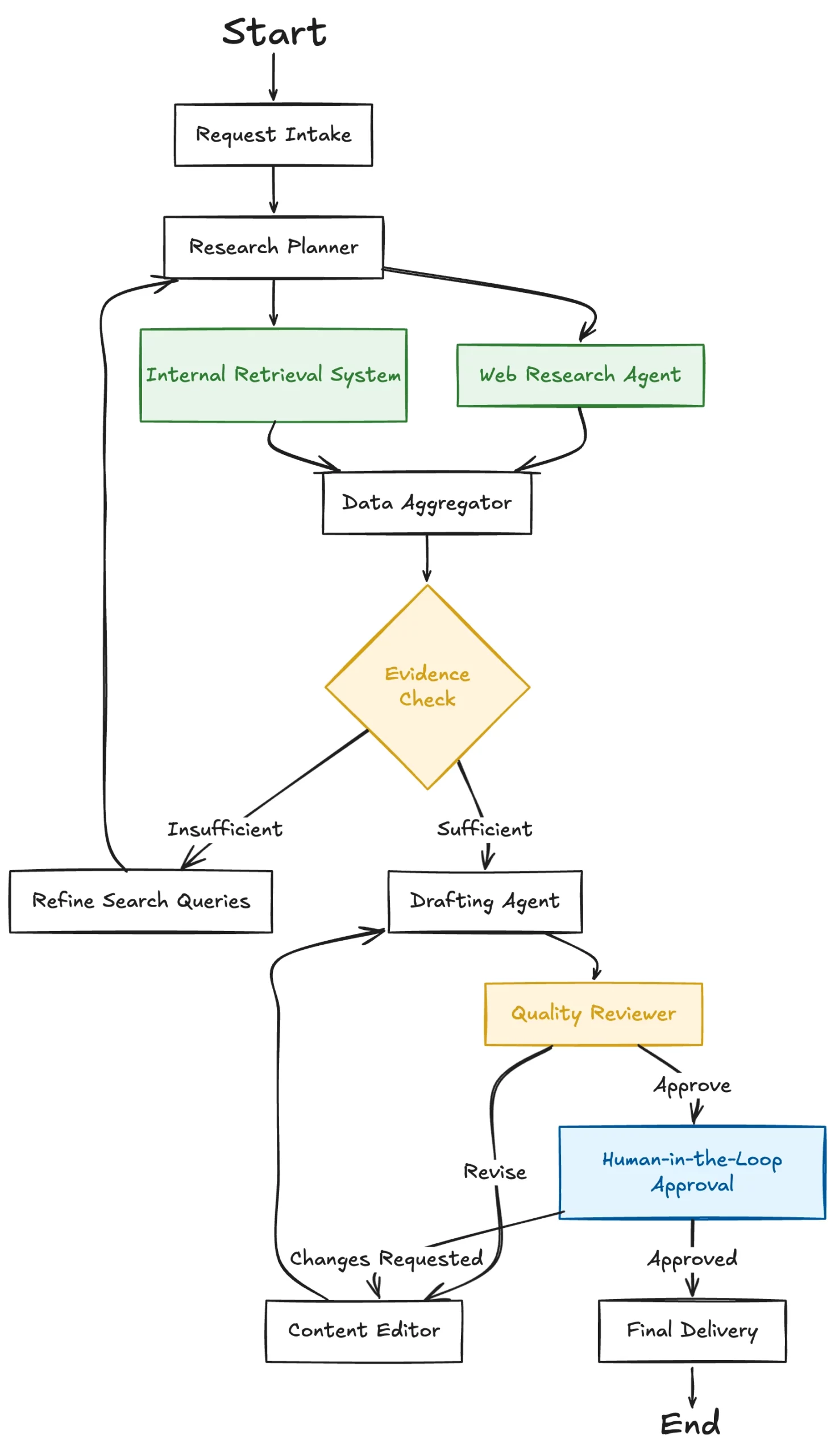
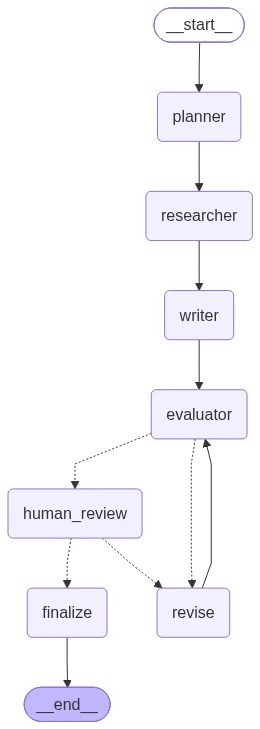
For example, in a technical research system, a single-agent implementation might rely on the model to search, verify, and write a report in one continuous loop. In a graph-engineered implementation, these responsibilities are decoupled. One node handles the search, a deterministic validator node checks the sources for credibility, a separate node writes the draft, and a human-in-the-loop node provides final approval. This structure prevents the model from "grading its own homework" and ensures that business rules are enforced by code rather than by suggestion.
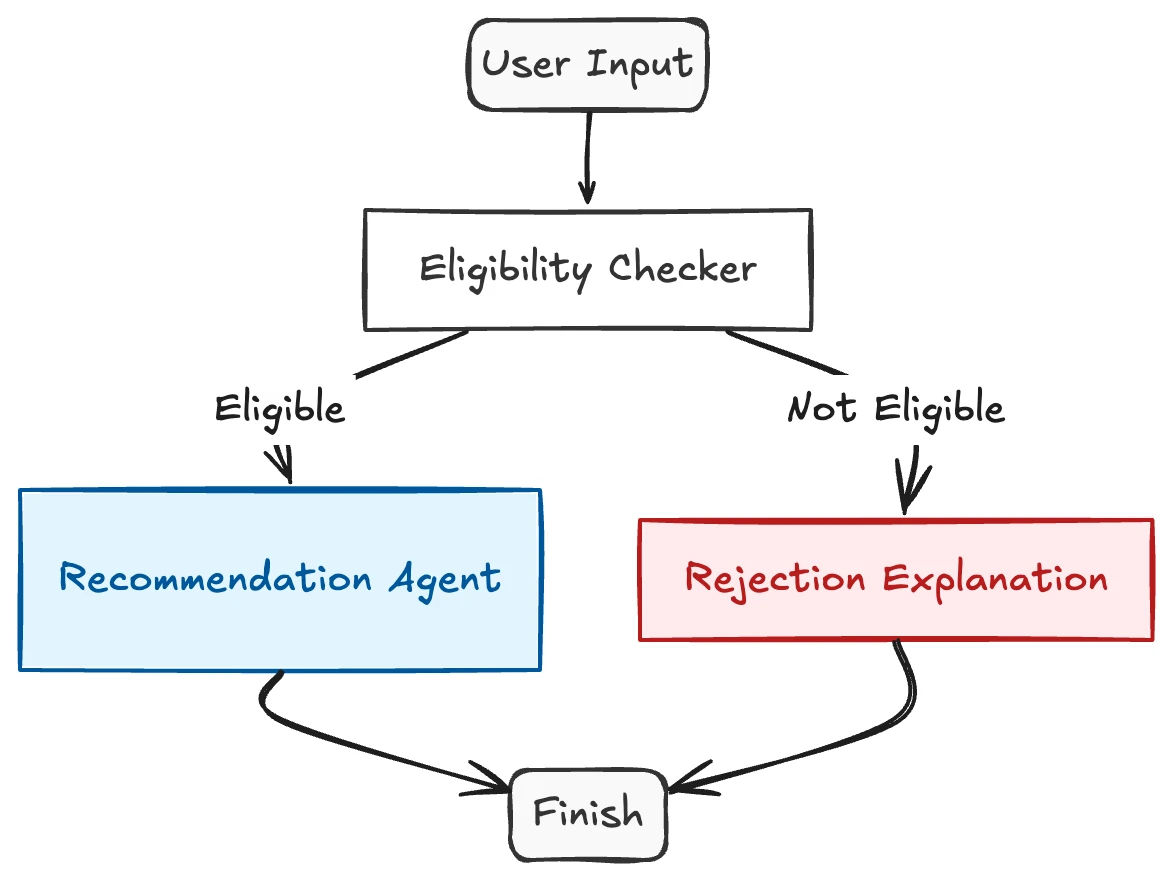
Core Components of a Graph-Based AI System
To build a reliable graph-engineered system, developers must master several core components that manage the flow of information and control.
1. Nodes and Functional Boundaries
A node is a bounded unit of execution. While some nodes are powered by LLMs for tasks requiring semantic interpretation, others are deterministic Python functions. A critical rule in graph engineering is that known business logic should remain deterministic. For instance, calculating a tax rate or checking a user’s subscription status should never be left to an LLM’s reasoning; these are "hard nodes" that provide stability to the graph.
2. State Management and Reducers
The "state" is the shared memory carried through the graph. In complex workflows where multiple agents might work in parallel, managing this state becomes a challenge. State reducers act as conflict-resolution policies, defining how the graph should merge updates from different nodes. Without clear reducers, parallel updates can overwrite critical data, leading to inconsistent outputs.
3. Edges and Conditional Routing
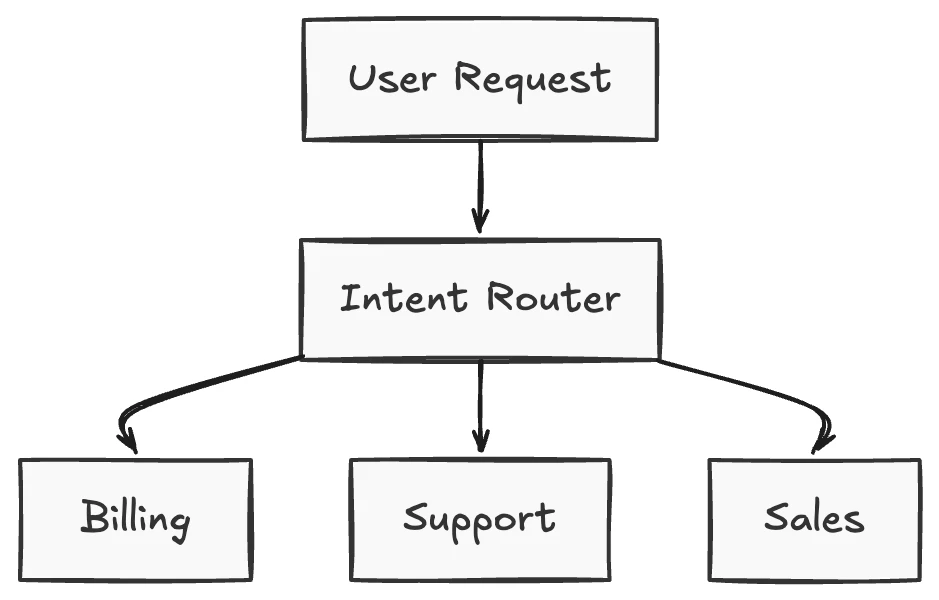
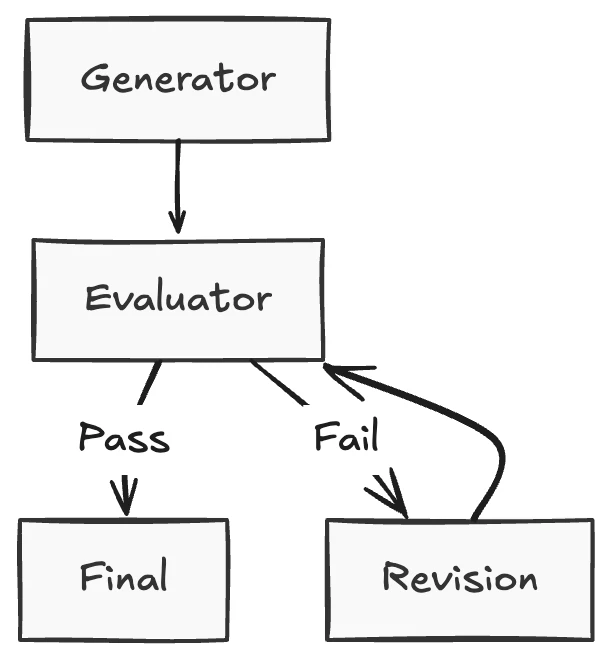
Edges define the permitted transitions between nodes. Conditional routing allows the system to choose a path based on the current state. For example, if an evaluator node assigns a low "grounding score" to a piece of text, the graph can automatically route the process back to a research node rather than proceeding to publication.
4. Persistence and Checkpoints
One of the primary advantages of graph engineering is the ability to save the state of a workflow at any given point. Checkpoints allow a system to resume after a crash, provide a full audit log of the agent’s "thought process," and support long-running tasks that may take hours or days to complete.
Strategic Design Patterns in Agentic Workflows
As organizations adopt graph engineering, several recurring orchestration patterns have emerged, each suited for different business needs.
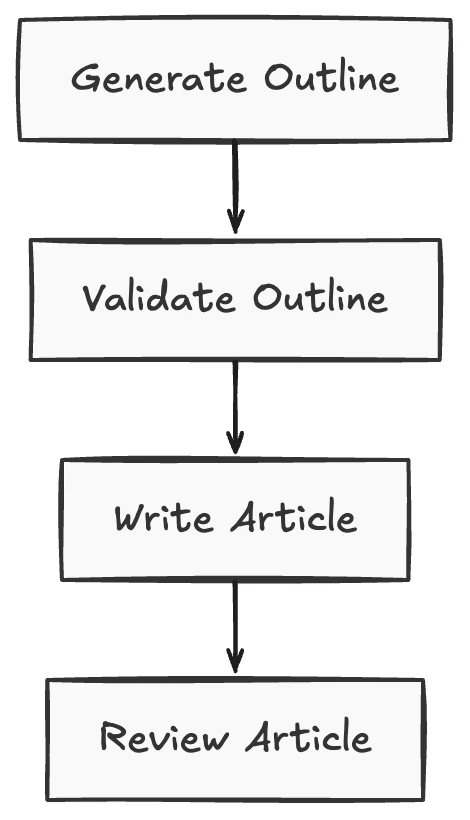
- Prompt Chaining: This is the simplest form of a graph, where each node processes the output of the previous one. It is ideal for tasks with fixed, verifiable stages.
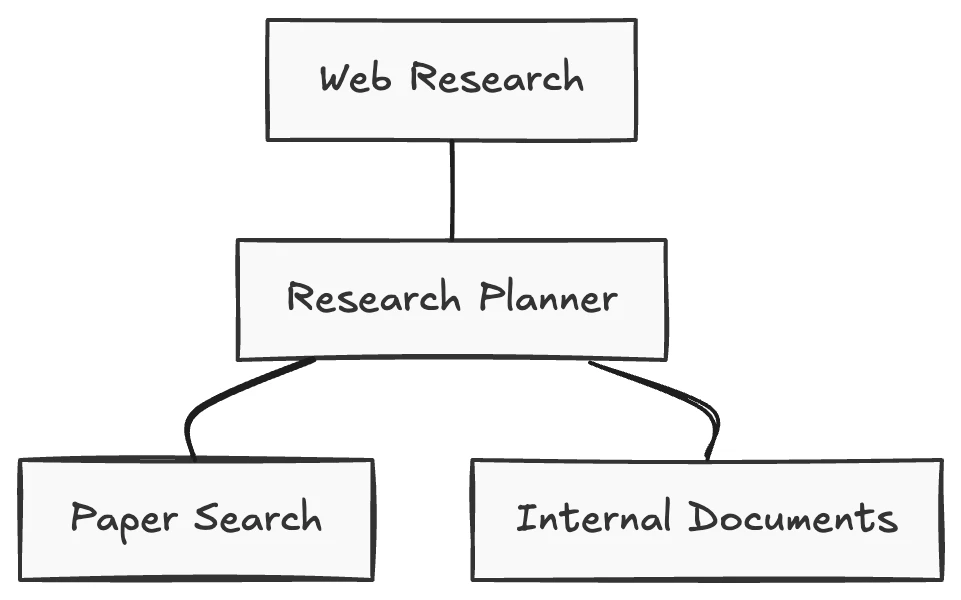
- Parallelization: Independent tasks, such as searching multiple databases simultaneously, execute concurrently to reduce latency.
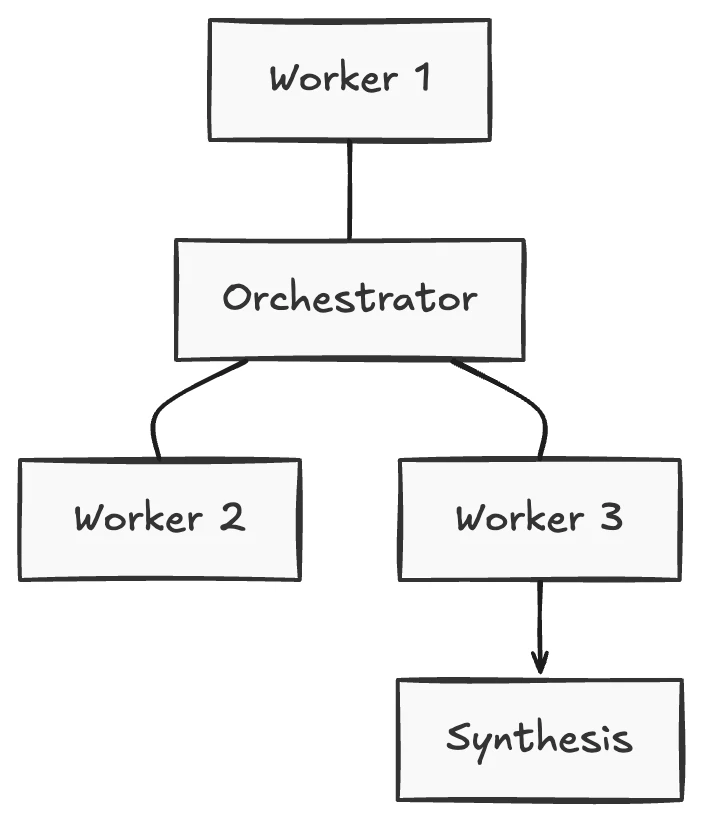
- Orchestrator-Worker: A central node decomposes a complex request into subtasks and delegates them to specialized workers. This pattern is essential when the scope of a task cannot be predicted in advance.
- Evaluator-Optimizer: This creates a feedback loop where one node generates an artifact and another critiques it. This pattern significantly raises the quality of creative or technical writing tasks.
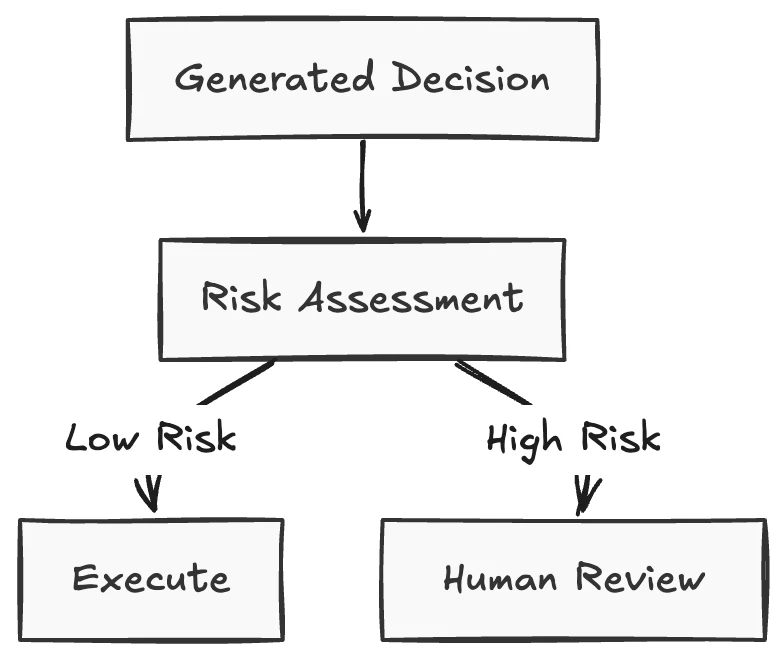
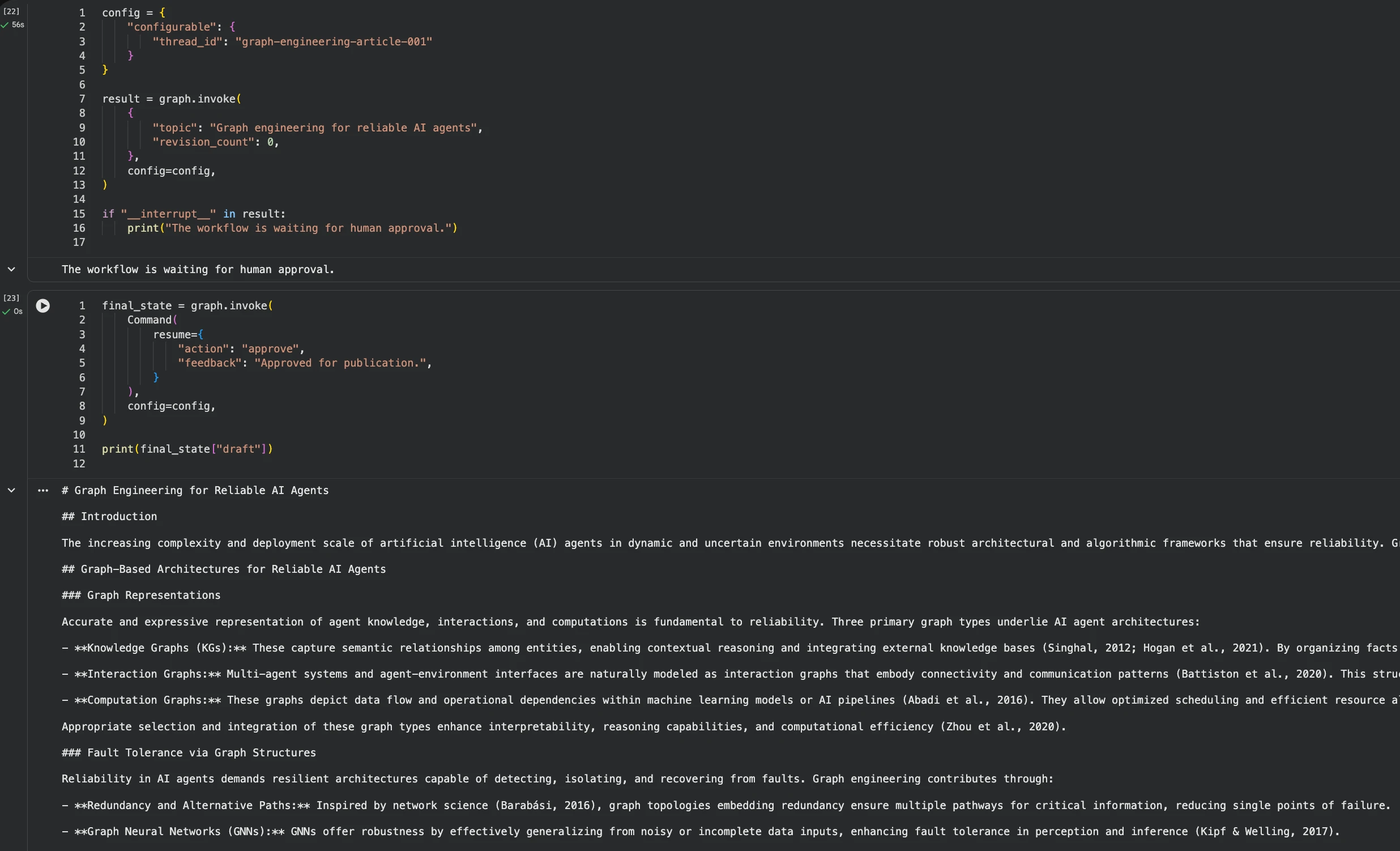
- Human-in-the-Loop: This pattern introduces "interrupts" that pause execution until a human provides feedback or approval, a requirement for high-stakes applications in legal, medical, or financial sectors.
Industry Response and Framework Adoption
The shift toward graph engineering has been supported by major players in the AI ecosystem. Microsoft, Google, and LangChain have all released frameworks designed to facilitate graph-based development.
Microsoft’s Agent Framework emphasizes typed workflows and integration with enterprise systems, targeting .NET and Python developers. Google’s ADK (Agent Development Kit) focuses on multi-agent workflows within the Google Cloud ecosystem. Meanwhile, LangGraph has become a popular choice for teams requiring low-level control over state and persistence.
Market data suggests that the demand for these structured frameworks is growing. According to recent developer surveys, nearly 60% of enterprise AI teams are moving away from "black box" agentic models toward "transparent workflows" to meet compliance and safety standards. The consensus among lead engineers is that "controllability is the new capability."
Moving Toward Production-Grade AI
While a graph can be easily visualized in a diagram, making it production-ready requires addressing several engineering challenges that are often overlooked in the prototyping phase.
Idempotency and Error Handling
In a production environment, nodes must be idempotent, meaning that retrying a node after a failure should not cause unintended side effects. For example, a node that processes a credit card payment must be designed so that a network retry does not result in a double charge. Furthermore, graph engineering requires sophisticated error classification. Instead of a generic retry loop, the system must distinguish between temporary network failures, which warrant a retry, and policy violations, which require an immediate halt.
Context Isolation
A common mistake in early agent development was passing the entire conversation history to every agent. Graph engineering encourages "context isolation," where each node receives only the specific data it needs to perform its task. This reduces token costs, prevents the model from being distracted by irrelevant information, and enhances security by limiting data exposure.
Observability and Tracing
Because a graph-engineered system is explicit, it is also highly observable. Developers can trace exactly which node failed, what the state was at the time of failure, and why a specific routing decision was made. This level of transparency is essential for the iterative improvement of AI systems.
The Broader Impact on Software Engineering
The rise of graph engineering signals a shift in the role of the AI engineer. The focus is moving away from "model whispering"—the art of finding the perfect prompt—and toward system architecture. AI development is increasingly looking like traditional software engineering, where the emphasis is on modularity, testing, and reliability.
The implications for businesses are significant. By adopting graph engineering, companies can deploy AI agents that are not just "smart" but also predictable and safe. This architectural rigor allows for the automation of complex, multi-step processes that were previously too risky for autonomous LLMs.
Conclusion
Graph engineering is not a replacement for the advancements made in prompt or context engineering; rather, it is the orchestration layer that allows these techniques to function at scale. By treating AI applications as explicitly designed workflows, developers can overcome the unpredictability of autonomous agents and build systems that meet the rigorous demands of the enterprise.
The lesson for the next generation of AI development is clear: the most successful agents will not be those with the most autonomy, but those with the most well-engineered boundaries. As the industry continues to evolve, the ability to design, implement, and maintain complex agentic graphs will become a defining skill for AI professionals worldwide.