Stanley, the venerable tool brand with a legacy stretching back over a century, is strategically preparing for a potential price adjustment across its product lines, with an eye on 2027 as a target timeframe. This proactive measure is being driven by the persistent and pervasive inflationary pressures that have continued to shape the global economic landscape. The company, a stalwart in the manufacturing and construction sectors, is navigating a complex economic environment that necessitates careful financial planning and strategic adjustments to maintain its operational viability and market position. This announcement comes as the tool manufacturer, owned by Stanley Black & Decker, actively seeks to distinguish itself from the popular drinkware brand that shares its name, a point of contention that has even led to legal disputes.
A Strategic Response to Economic Realities
The prospect of a price increase, slated for implementation by 2027, underscores the significant impact of rising costs on raw materials, manufacturing, labor, and logistics. Stanley Black & Decker, like many global enterprises, has absorbed considerable cost increases over the past few years. While the company has strived to mitigate these impacts through operational efficiencies and strategic sourcing, the cumulative effect of inflation has reached a point where a price adjustment is deemed increasingly probable. This decision reflects a sober assessment of the economic headwinds and a commitment to sustaining the quality and innovation that consumers have come to expect from the Stanley brand.
Chief Financial Officer Patrick Hallinan articulated this outlook during a recent investor call, stating, "It appears more likely than not a price increase will be necessary by 2027." He explicitly cited "inflationary pressure" as the primary driver behind this projected adjustment. This candid admission from a key financial executive signals the seriousness with which the company is approaching the current economic climate and its potential long-term implications. The company’s financial disclosures for the second quarter of 2026 reveal a robust performance in its core business segments, yet the underlying cost pressures remain a significant consideration for future profitability and strategic decision-making.
Navigating the Brand Identity Landscape
Adding another layer of complexity to Stanley Black & Decker’s current strategic landscape is the ongoing effort to clearly delineate its identity from the widely popular Stanley drinkware line, manufactured by Pacific Market International (PMI). This distinction has become a significant point of emphasis for the tool manufacturer. The shared brand name has, at times, led to consumer confusion and, more critically, has resulted in legal action.
In 2025, Stanley Black & Decker initiated a lawsuit against PMI, alleging copyright infringement and trademark violations. The tool manufacturer contended that PMI’s use of the Stanley name in broad contexts exceeded the scope of a longstanding agreement between the two entities and infringed upon its established trademark rights. PMI, however, has maintained a defense against these allegations, suggesting that Stanley Black & Decker is attempting to capitalize on the drinkware brand’s recent surge in popularity. This legal entanglement highlights the challenges of brand equity and the imperative for clear market segmentation, especially when shared nomenclature creates potential for dilution or misattribution of brand values and origins.
"All Build. No Bull." – A Campaign for the Modern Tradesperson
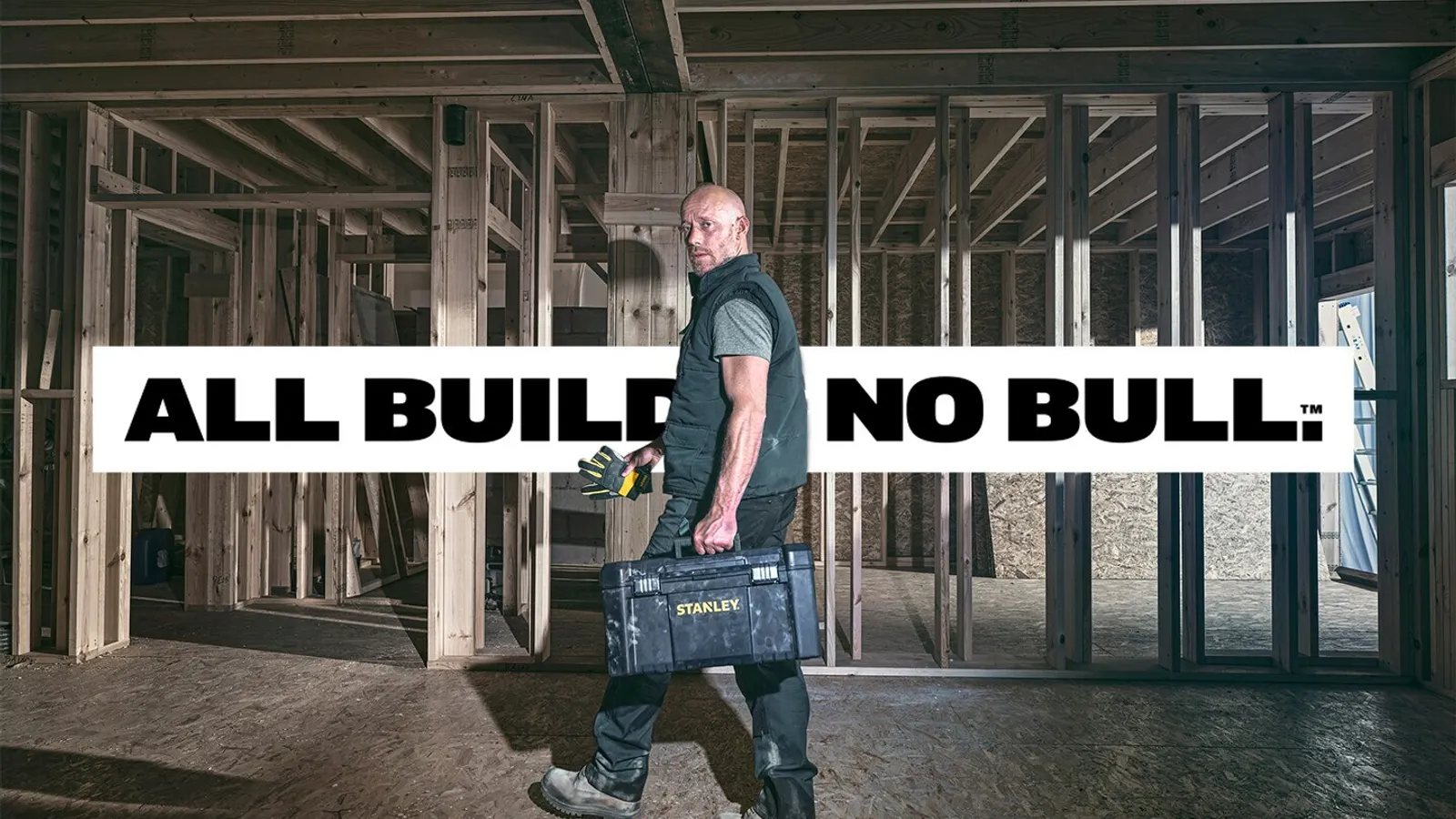
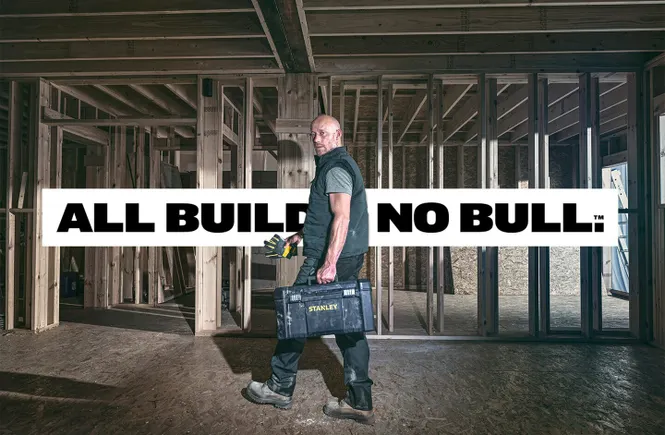
In parallel with its financial and brand identity strategies, Stanley has launched a new global campaign titled "All Build. No Bull." This initiative is designed to resonate with the core demographic of small business construction workers, injecting a blend of humor and straightforward messaging into its marketing efforts. The campaign aims to highlight the efficiency and quality inherent in Stanley’s product offerings, positioning the brand as a reliable partner for professionals on the job.
Central to the campaign is the introduction of "Stan," a sharp-witted, anthropomorphic toolbox character. Stan embodies the brand’s commitment to no-nonsense, practical solutions, often humorously juxtaposing the ideal of professional execution with the sometimes chaotic realities of the worksite. One illustrative 15-second spot features Stan observing a construction worker struggling with a tape measure, only for another contractor to arrive, effortlessly equipped with a Stanley level, ready to rectify the situation. This narrative approach cleverly taps into the relatable experiences of jobsite challenges and exaggerated claims, while simultaneously underscoring the value proposition of accurate and dependable tools.

The campaign’s tagline, "All Build. No Bull," directly addresses the need for substance and reliability in the construction industry. Guilhaume Bonafe, brand president of Stanley, emphasized this point in a press release: "The people who rely on Stanley every day know the difference between noise and substance. The new campaign sets the clear direction we are taking as a brand in everything we do: direct, confident and grounded in the realities of the job." This sentiment reflects a strategic effort to reinforce the brand’s heritage and its unwavering focus on the needs of its professional clientele.
A Broader Context of Industry Trends and Brand Strategies
The "All Build. No Bull." campaign also serves as a strategic response to broader industry trends, including a noticeable slowdown in the residential construction sector. By focusing on efficiency and quality, Stanley aims to provide tangible value to its customers during a period of economic recalcitrance. This approach aligns with a broader marketing trend where brands are leveraging characters and relatable scenarios to enhance engagement and memorability.
For instance, Liberty Mutual recently introduced "Liberty Biberty," a fuzzy yellow puppet, to inject personality into its insurance advertising. This character emerged from a viral mispronunciation of the brand’s name, demonstrating how unexpected moments can be harnessed to create distinctive brand assets. In Stanley’s case, Stan the toolbox offers a similar opportunity to humanize the brand and create a more engaging dialogue with its target audience, moving beyond purely functional product demonstrations.
Financial Performance and Future Outlook
Despite the challenges posed by inflation and the complexities of brand management, Stanley Black & Decker has demonstrated resilience in its financial performance. The company reported second-quarter sales of $4 billion, marking a 3% year-over-year increase. The tools and outdoors category, a core segment for the company, experienced a revenue increase of 3% year-over-year, totaling approximately $3.6 billion. This growth was primarily attributed to increased volume across both U.S. retail and commercial and industrial channels.

This positive sales trajectory, however, does not diminish the impact of rising costs. The continued need for strategic adjustments, including the potential price increase by 2027, reflects a prudent approach to long-term financial health. The company’s ability to maintain sales growth while anticipating future cost pressures is a testament to its operational adaptability and the enduring demand for its products.
The chronological progression of these events—from the sustained inflationary pressures and the brand name dispute to the launch of the "All Build. No Bull." campaign and the subsequent financial reporting—paints a comprehensive picture of Stanley Black & Decker’s current strategic posture. The potential price increase by 2027 is not an isolated event but rather a calculated component of a larger strategy to navigate economic volatility, reinforce brand identity, and continue serving the professional trades with dependable tools and innovative solutions. The company’s forward-looking approach, characterized by strategic planning and adaptive marketing, positions it to weather current economic challenges and maintain its leadership in the global tools market. The introduction of Stan and the "All Build. No Bull." ethos are designed to solidify customer loyalty and attract new professionals by emphasizing core values of integrity, efficiency, and unwavering quality, even as the company prepares for necessary price adjustments in the coming years.