

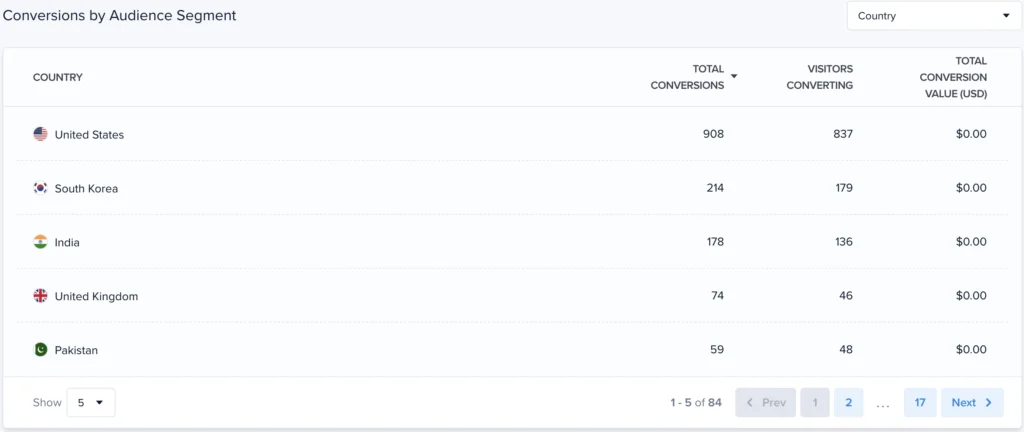
Crazy Egg, a pioneer in the field of web analytics and user behavior visualization, has announced a significant expansion of its conversion tracking capabilities by integrating detailed Audience Segment analysis. This update allows digital marketers, UX designers, and e-commerce managers to break down conversion data by specific visitor characteristics, providing a deeper layer of insight into how different user groups interact with specific calls to action. By offering this granular view, the platform enables businesses to identify their most profitable traffic sources and pinpoint specific areas where the user experience may be failing to convert potential customers.
The new feature is designed to bridge the gap between broad conversion metrics and actionable user behavior data. Previously, while users could track total conversions for specific events, understanding the "who" behind those conversions required manual cross-referencing or third-party integrations. With this rollout, Audience Segment data is automatically applied to both new and historical conversion data, allowing for immediate retrospective analysis without the need for additional code installation or configuration.
Technical Overview and Implementation
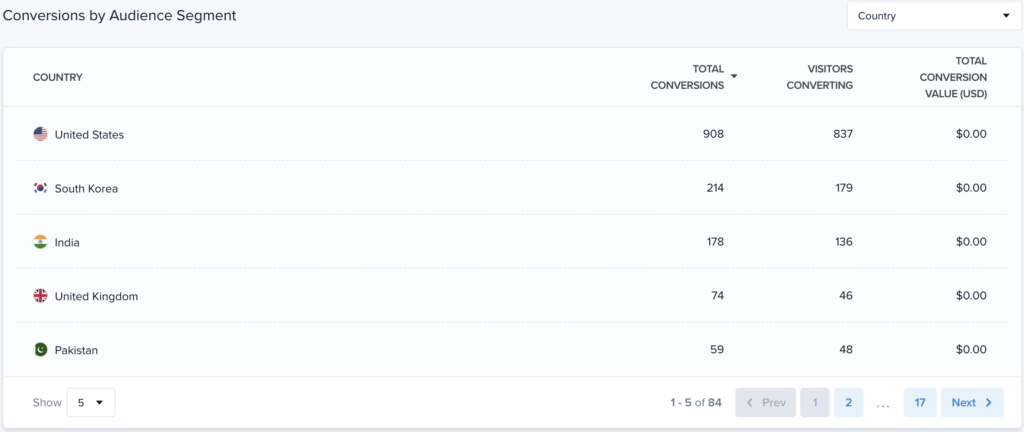
The integration of Audience Segments into the Conversions report represents a streamlined approach to data processing. According to the company’s technical documentation, the system now categorizes conversion events based on several key variables, including device type, browser, operating system, geographic location, and referral source. This categorization happens at the server level, meaning that the data is processed as it is collected, ensuring that the "Conversions by Audience Segment" report is updated in near real-time.
For existing Crazy Egg users, the implementation is seamless. The platform has confirmed that Audience Segment data is already viewable for any conversions that have been tracked previously. This retroactive capability is particularly valuable for businesses looking to analyze seasonal trends or long-term marketing campaign performance. To access the new data, users are directed to the "Conversions" tab within the Crazy Egg dashboard, where they can select a specific conversion name. The segmented data is located at the bottom of the individual report page, presented in a structured format that facilitates quick comparison between different user groups.
The Strategic Importance of Audience Segmentation
In the modern digital landscape, the "one-size-fits-all" approach to web design and marketing is increasingly ineffective. Audience segmentation is the process of dividing a broad visitor base into subgroups based on shared characteristics. By applying this logic to conversion tracking, Crazy Egg is addressing a critical need for precision in Conversion Rate Optimization (CRO).
Industry data suggests that personalized or segmented marketing efforts can lead to significantly higher engagement. According to recent marketing benchmarks, companies that utilize advanced segmentation see an average increase in conversion rates of 10% to 15%. By identifying which segments—such as mobile users from organic search or desktop users from a specific social media campaign—have the highest conversion rates, businesses can optimize their advertising spend. Conversely, seeing which segments are underperforming allows teams to investigate technical issues, such as slow load times on specific browsers or poor mobile responsiveness, which might be hindering the user journey.
Historical Context: The Evolution of Crazy Egg
Founded in 2006 by entrepreneurs Neil Patel and Hiten Shah, Crazy Egg was one of the first tools to popularize heatmapping technology. Over the past nearly two decades, the platform has evolved from a simple visualization tool into a comprehensive suite for website optimization.
The timeline of Crazy Egg’s development reflects the broader shifts in the digital marketing industry:
- 2006-2010: Focus on Heatmaps and Scrollmaps, helping designers understand where users click and how far they scroll.
- 2011-2015: Introduction of "Confetti" reports, which allowed users to see clicks segmented by referral source, a precursor to the current audience segmentation update.
- 2016-2020: Expansion into A/B testing and individual Session Recordings, providing a more qualitative look at user frustration and success.
- 2021-Present: Integration of multi-channel conversion tracking and advanced data analytics, moving toward a "business intelligence" model for small to medium-sized enterprises.
This latest update is a continuation of the platform’s mission to make complex data accessible to non-technical users. By embedding audience segments directly into the conversion reports, Crazy Egg is simplifying the workflow for marketers who might otherwise feel overwhelmed by the complexity of platforms like Google Analytics 4 (GA4).
Supporting Data and Market Trends
The move toward more integrated segmentation comes at a time when the digital advertising industry is facing significant headwinds. With the depreciation of third-party cookies and increasing privacy regulations like GDPR and CCPA, first-party data—the data collected directly by a website about its own visitors—has become the "gold standard" for marketers.
Tools like Crazy Egg operate primarily on first-party data, making them resilient to changes in browser privacy settings. Internal industry reports indicate that 73% of consumers expect companies to understand their unique needs and expectations. Segmentation is the primary mechanism through which companies can meet these expectations. For example, if the data shows that users in a specific geographic region are converting at twice the rate of others, a business might choose to localize its content or offer region-specific promotions to capitalize on that momentum.
Furthermore, the rise of mobile commerce (m-commerce) has made device-based segmentation essential. As of 2024, mobile devices account for over 58% of global website traffic. However, mobile conversion rates often lag behind desktop rates due to friction in the checkout process. Crazy Egg’s new feature allows developers to see exactly how much lower (or higher) the mobile conversion rate is compared to desktop, providing a clear financial justification for mobile UX improvements.
Inferred Industry Reactions and Expert Analysis
While Crazy Egg has not released formal third-party testimonials with this announcement, digital strategy experts suggest that the update will be well-received by the "lean" marketing community. "For small to medium-sized businesses, the biggest hurdle to optimization isn’t a lack of data; it’s the difficulty of interpreting that data," says one senior CRO consultant. "By putting audience segments directly under the conversion goals, Crazy Egg is essentially doing the heavy lifting of data correlation for the user."
Analysts also point out that this update puts pressure on competitors in the heatmapping and session recording space, such as Hotjar and Microsoft Clarity. While many of these tools offer segmentation, the ease of access—specifically the retroactive application of segments to conversion events—is a competitive advantage for Crazy Egg.
From a product management perspective, the decision to avoid "new tracking" requirements is a strategic win. Reducing the "time to value" is a key metric for SaaS (Software as a Service) platforms. By ensuring that users can log in and immediately see new insights on old data, Crazy Egg increases user retention and platform stickiness.
Broader Impact and Implications for Digital Strategy
The implications of granular conversion analysis extend beyond simple website tweaks. This data can inform entire business strategies:
- Budget Allocation: Marketing departments can move budget away from referral sources that drive high traffic but zero conversions, and toward sources that attract "high-value" segments.
- Product-Market Fit: If a specific operating system or browser segment (e.g., Linux users or developers using specific tools) is converting at an unusually high rate, it may indicate a niche market that the company hasn’t fully explored.
- Technical Debt Prioritization: If the data reveals that conversion rates are 0% for users on older versions of Internet Explorer or specific Android devices, the engineering team can decide whether to fix the bugs or officially sunset support for those platforms based on the potential ROI.
- UX Personalization: Insights from these reports can serve as the hypothesis for future A/B tests. If "Direct" traffic converts better than "Social" traffic, a designer might create a more streamlined landing page for social visitors to reduce the bounce rate.
As digital landscapes become more competitive and the cost per click (CPC) on major advertising platforms continues to rise, the ability to squeeze more value out of existing traffic is paramount. Crazy Egg’s update to its Conversions report is a direct response to this economic reality, providing the tools necessary for businesses to transition from "guessing" to "knowing" why their customers behave the way they do.
In conclusion, the addition of Audience Segments to Crazy Egg’s conversion tracking suite marks a significant step forward for the platform. By making it easier to see which visitors have the best conversion rates, the tool empowers users to drive traffic more effectively and refine their conversion strategies with surgical precision. As the digital marketing industry continues to prioritize first-party data and user experience, such features will likely become the standard for any data-driven organization.







