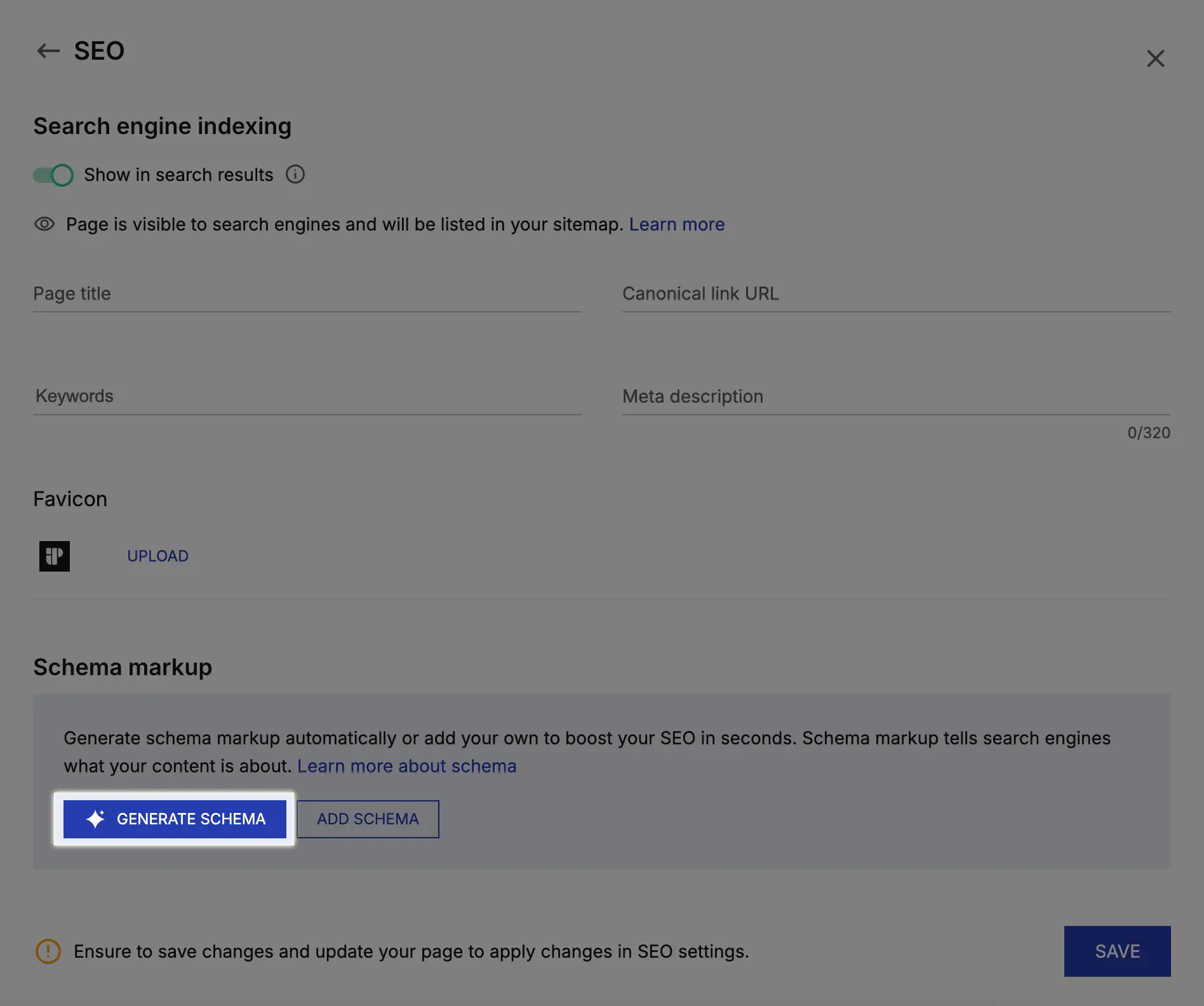
The digital marketing landscape is currently undergoing a seismic shift, driven by the dual pressures of tightening corporate budgets and the rapid ascent of generative artificial intelligence. As traditional advertising costs climb and organic reach becomes more contested, the ability for brands to ensure their content is "machine-readable" has moved from a technical niche to a core strategic necessity. In response to these evolving market dynamics, Instapage, a leading landing page platform, has announced the integration of an AI-powered Schema Markup tool designed to bridge the gap between human-centric design and machine-centric data indexing.
This new feature arrives at a critical juncture for Search Engine Optimization (SEO). With the introduction of AI-driven search experiences—such as Google’s Search Generative Experience (SGE) and Perplexity AI—search engines are no longer merely indexing keywords; they are attempting to synthesize answers. For a brand to be featured in these high-value AI responses, its data must be structured in a way that provides clear, unambiguous signals to crawlers. Instapage’s new functionality allows marketers to generate, validate, and deploy this structured data without the traditional reliance on specialized web development teams.
The Evolution of Organic Search and the Rise of Structured Data
For over a decade, SEO was largely a game of content relevance and backlink authority. However, the modern web requires a third pillar: semantic clarity. Schema markup, a standardized vocabulary of tags added to HTML, was created through a collaboration between Google, Bing, Yahoo, and Yandex to help search engines understand the intent and context of a page.
Despite its proven benefits—including increased click-through rates (CTR) and the acquisition of "rich snippets"—the adoption of schema markup has historically been hindered by technical complexity. Writing JSON-LD (JavaScript Object Notation for Linked Data) code requires precision; a single misplaced comma can invalidate the entire script, rendering it useless. By automating this process through artificial intelligence, Instapage aims to democratize technical SEO for small to medium-sized enterprises (SMEs) and large-scale marketing departments alike.
Technical Capabilities of the Instapage Schema Tool
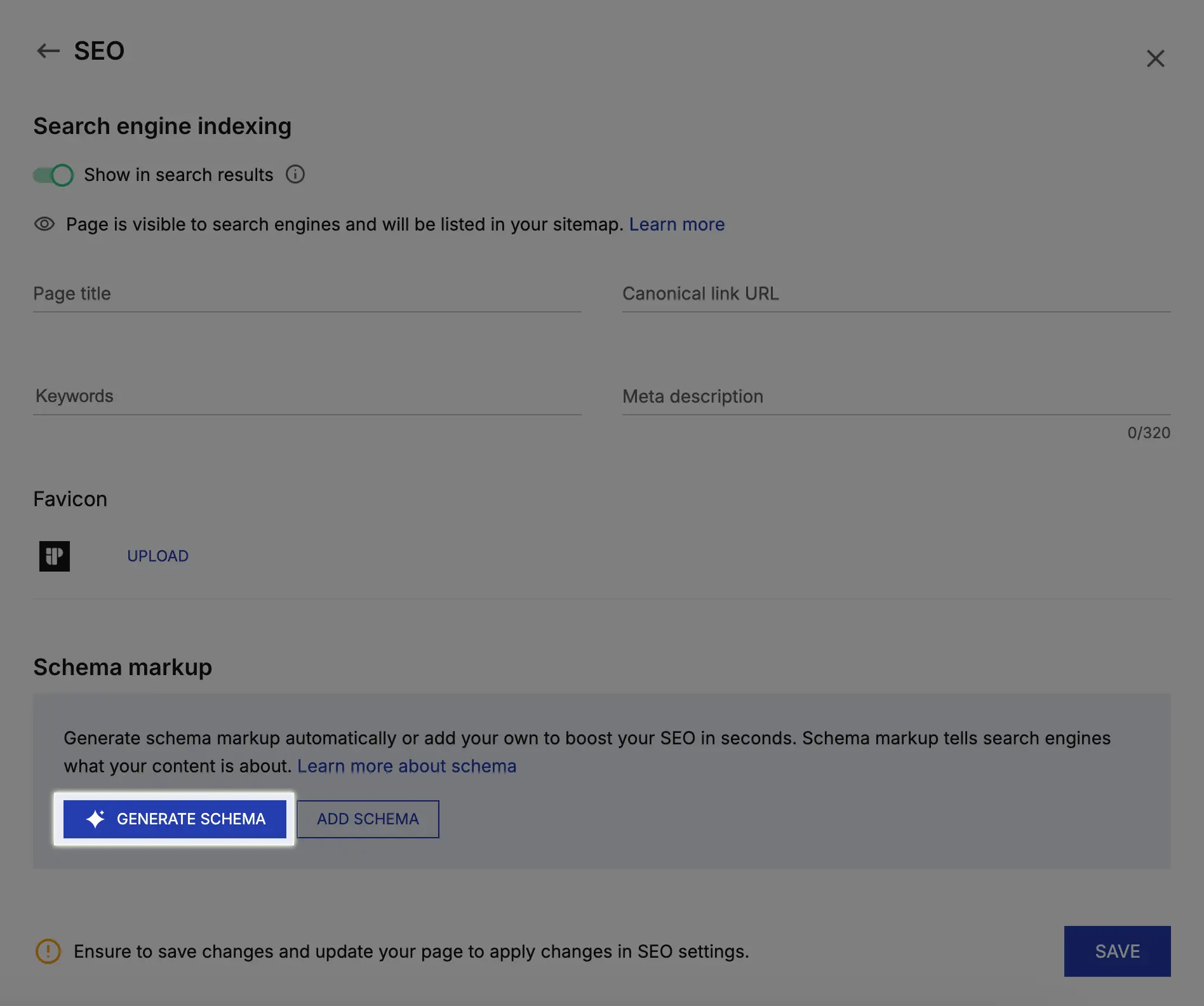
The new Schema Markup feature is integrated directly into the Instapage SEO settings panel. The platform’s AI analyzes the existing content of a landing page to suggest the most appropriate schema types. This "Auto-detect" functionality is particularly significant for marketers who may not be familiar with the hundreds of different schema categories available at Schema.org.
Users can select from a variety of common schema types, each serving a specific business goal:

- Organization and Person: Establishes brand identity and authority, crucial for E-E-A-T (Experience, Expertise, Authoritativeness, and Trustworthiness) guidelines.
- Product: Feeds essential data like price, availability, and review ratings directly into search results.
- LocalBusiness: Enhances visibility for physical locations, including hours of operation and geographic coordinates.
- Event: Provides structured dates, times, and ticket links for webinars or in-person gatherings.
- FAQPage: Allows common questions and answers to appear directly on the Search Engine Results Page (SERP), capturing more visual real estate.
Once a type is selected, the AI generates the corresponding JSON-LD code. The tool includes a built-in validation step, ensuring the code meets the rigorous standards of major search engines before the page is published. For advanced users, the platform maintains a manual edit mode, allowing for custom code injection while still benefiting from the platform’s hosting and deployment infrastructure.
The Economic Context: Marketing in an Era of Efficiency
The launch of this feature comes as Chief Marketing Officers (CMOs) face increasing pressure to deliver higher Return on Investment (ROI) with fewer resources. According to recent industry surveys, nearly 60% of marketing leaders reported budget stagnations or cuts in 2024. This fiscal environment has led to a renewed focus on "owned media" and organic growth strategies.
"The brands winning the current search landscape aren’t necessarily those with the largest media spend," noted one industry analyst following the announcement. "They are the ones whose digital assets are most legible to the algorithms. If an AI agent cannot determine your product’s price or your company’s location in milliseconds, you effectively do not exist in the next generation of search."
By reducing the "time-to-market" for technical SEO improvements from days of developer back-and-forth to under five minutes, Instapage is positioning itself as a tool for operational efficiency. This is particularly vital for performance marketers who frequently launch and test dozens of landing pages simultaneously.
A Chronology of Instapage’s AI Integration
The introduction of Schema Markup is the latest step in Instapage’s broader roadmap toward an AI-first landing page ecosystem.
- Early 2023: Instapage introduced AI Content Generation, allowing users to write headlines and body copy based on specific prompts and target audiences.
- Late 2023: The platform launched AI-driven experimentation tools, helping marketers conduct A/B tests with automated insights.
- Mid-2024: The company focused on performance optimization, ensuring that AI-generated pages maintained high Core Web Vitals scores.
- Late 2024: The rollout of the Schema Markup tool marks the transition from content creation to content "discoverability."
This timeline reflects a broader trend in the MarTech (Marketing Technology) industry, where the focus is shifting from generative tools that create "more" content to intelligent tools that create "smarter," more functional content.
Supporting Data: Why Structured Data Matters in 2025
The impact of structured data on digital performance is supported by extensive empirical evidence. Data from search engine journals and SEO audits indicate that:
- Rich Snippet Advantage: Pages with schema markup that trigger rich snippets (such as star ratings or images in search results) see an average increase in CTR of 20% to 30%.
- AI Training Sets: Large Language Models (LLMs) utilize structured data to categorize information. Pages with valid schema are more likely to be cited as sources in AI-generated answers.
- Voice Search Compatibility: As voice-activated assistants (Alexa, Siri, Google Assistant) rely on structured data to provide concise answers, schema-heavy pages are 40% more likely to be the source of a voice search result.
- Mobile Visibility: On mobile devices, where screen real estate is limited, rich snippets take up significantly more space, pushing competitors further down the fold.
Industry Reactions and Implications
The reaction from the digital marketing community has been largely positive, though it highlights a growing divide in the industry. Technical SEO specialists have long advocated for better tools to manage schema at scale.
"For years, schema was the ‘secret sauce’ that only technical teams could implement," says Sarah Jenkins, a senior SEO strategist. "By moving this into the landing page builder itself, it forces a shift in how we think about page creation. It’s no longer just about how the page looks to a human; it’s about how it looks to a bot."
However, some analysts warn that as these tools become more accessible, the competitive advantage of having schema will diminish, making it a "baseline requirement" rather than a "bonus." This "arms race" for search visibility means that brands failing to adopt these tools may see a precipitous drop in organic traffic as search engines prioritize more "helpful" and "structured" pages.
Broad Impact on Business Verticals
The implications of AI-generated schema extend across various sectors:
- E-commerce: Retailers can now sync their landing pages more effectively with Google Shopping, ensuring that promotional landing pages reflect real-time product data.
- B2B Lead Generation: Professional services can use the "Person" and "Organization" schema to build the authority of their thought leaders, a key factor in converting high-value B2B leads.
- Education and Non-Profits: Organizations hosting webinars or fundraising events can ensure their schedules are indexed correctly, appearing in "Events Near Me" or "Upcoming Webinars" search modules.
Conclusion: The Future of Semantic Web Design
As Instapage rolls out this feature to all users, the broader message to the marketing world is clear: the era of "invisible" web pages is ending. The integration of AI to handle the complexities of JSON-LD and Schema.org standards suggests a future where the technical barriers to entry for high-level SEO continue to fall.
For businesses, the challenge now lies in the strategic selection of data. With the ability to generate any schema type in minutes, the focus shifts from how to implement code to what information is most vital to share with the AI systems that now mediate the relationship between brands and consumers. As search engines evolve into "answer engines," the structured signals provided by tools like Instapage’s Schema Markup will likely become the primary currency of digital discoverability.
Instapage has made the feature available across all its plans, offering a 14-day trial to allow users to quantify the impact on their own search rankings. As the digital economy continues to prioritize efficiency and AI-compatibility, this move represents a significant step in the evolution of landing page technology.