

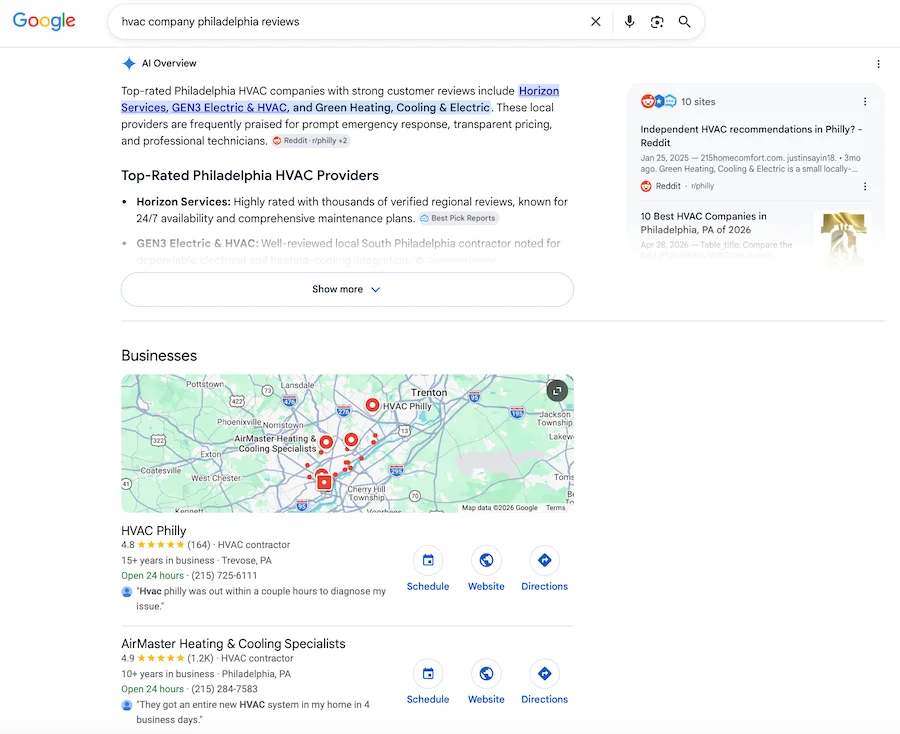
The digital marketing world is in constant flux, but recent advancements in artificial intelligence are precipitating a seismic shift in how small businesses approach their search engine optimization (SEO) strategies. What was once a reliable pathway to customer acquisition—ranking highly for relevant keywords—is now being fundamentally redefined. For local businesses, particularly those in service industries, the rise of AI-generated answers directly within search results is creating a significant disconnect between website traffic and tangible business outcomes. This evolving scenario demands a critical re-evaluation of keyword targeting, moving beyond vanity metrics to focus on queries that still necessitate human interaction and business engagement.
The core of this challenge lies in how AI, particularly through features like Google’s AI Overviews, is beginning to "absorb" entire categories of informational keywords. These are queries where users historically sought knowledge or guidance, often finding it on business websites. Now, AI can synthesize this information, presenting comprehensive answers, step-by-step guides, and even recommendations directly on the search engine results page (SERP). This phenomenon is not theoretical; it’s demonstrably impacting organic click-through rates, with some studies indicating drops exceeding 60% for top-ranking pages that now appear alongside AI-generated summaries. Furthermore, a substantial portion of searches—over 80%—now conclude without any click at all, as users find their answers without leaving the SERP. For AI-summarized queries, approximately one in four searches now ends without further user action.

This shift necessitates a strategic pivot for small businesses that have invested considerable time and resources into optimizing for these now-vulnerable informational keywords. The problem isn’t necessarily a decline in search engine rankings, but rather a fundamental change in the searcher’s journey and the intent behind their queries.
Understanding the New Keyword Tiers in the AI Era
To navigate this complex landscape, a new framework for categorizing keywords is essential. Search queries can now be broadly understood within three distinct tiers, each reflecting a different level of AI impact and corresponding value for small businesses:
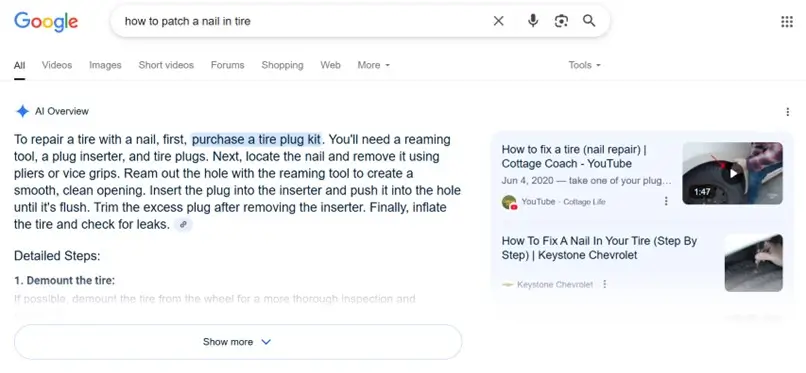
Tier 1: Fully Resolved by AI (Informational/Definitional Keywords)
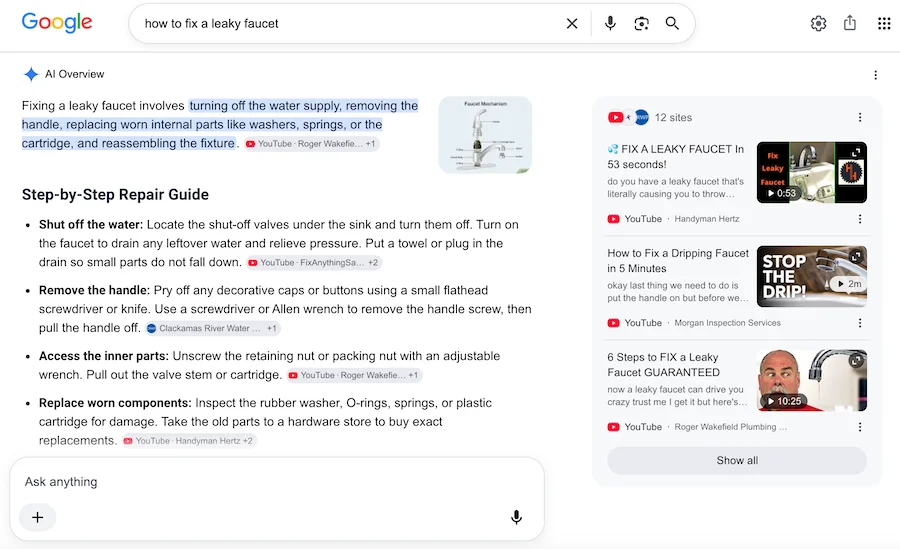
These keywords, often beginning with "what is," "how to," or "why does," represent queries where AI can provide a complete and satisfactory answer directly on the search results page. For example, a search for "how to fix a leaky faucet" might now yield a detailed, AI-generated guide including tool recommendations, video tutorials, and troubleshooting tips. While a plumbing company might still rank highly for such a query, the user’s problem is often solved before they even consider contacting a professional. The value of these keywords for direct lead generation has significantly diminished, as they no longer serve as a reliable funnel into a business’s services.
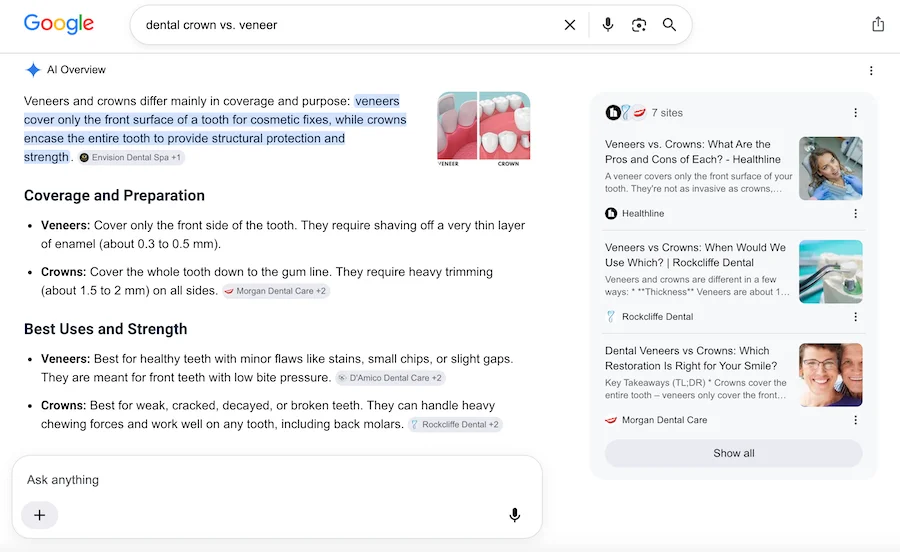
Tier 2: Partially Affected (Research/Comparison Keywords)
Queries like "best CRM for small business" or "dental crown vs. veneer" fall into this category. AI can provide a summary of options, pros, and cons, but it typically cannot make a definitive recommendation for the individual user’s specific needs, budget, or context. While AI Overviews may reduce click-through rates, users often still click through to websites to validate information, explore specific examples, or compare offerings in greater detail. These keywords still hold medium value, as they can attract users who are further along in their decision-making process, but the path to conversion is now more nuanced.
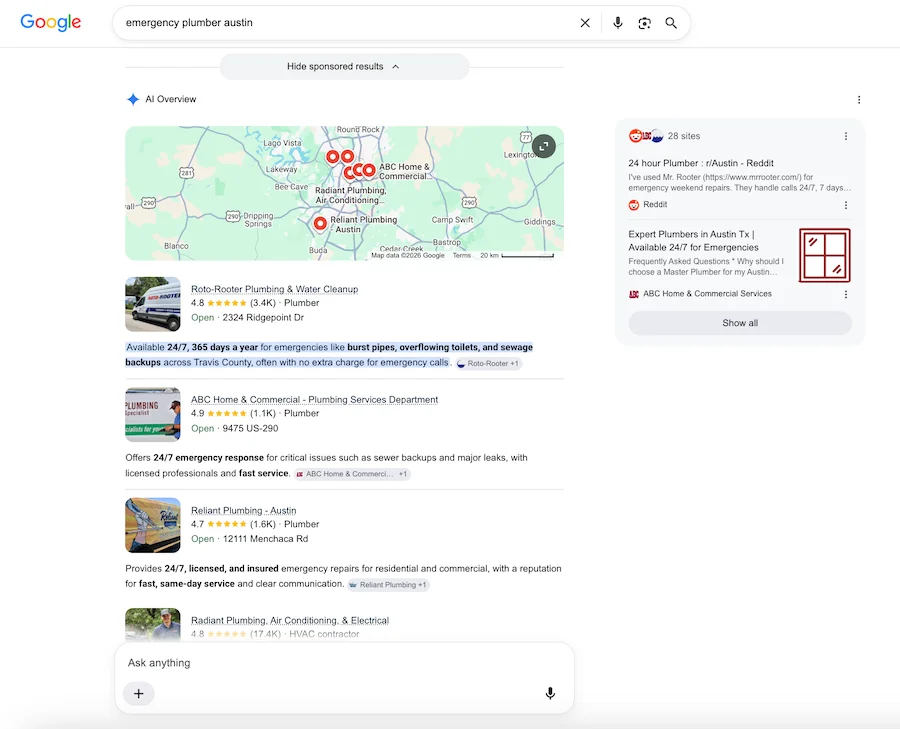
Tier 3: Requiring a Business (Local/Transactional/Action Keywords)
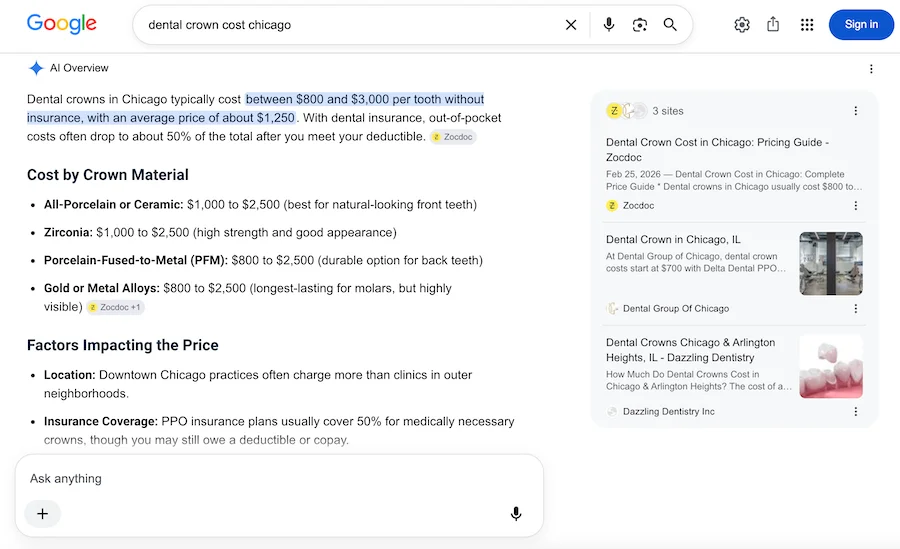
This tier represents the most valuable keywords for small businesses in the current search environment. Queries such as "emergency plumber Austin" or "dental crown cost Chicago" clearly indicate a user’s intent to solve a problem or make a transaction. AI can offer context, explain what to expect, or outline typical costs, but it cannot perform the service or complete the transaction itself. These keywords continue to behave much like they did before the widespread adoption of AI summaries, with direct ranking correlating to tangible business outcomes like calls, bookings, and sales. The user’s need is immediate and requires direct engagement with a service provider.
The Strategic Misstep: Ignoring AI’s Impact on Informational Keywords
Many small businesses are currently operating under the assumption that their SEO performance has faltered due to algorithmic changes or competitive pressures. While these factors can play a role, the more pervasive issue is the silent erosion of value from informational keywords. For years, content strategies heavily relied on targeting these queries to build website traffic, establish authority, and nurture leads early in the customer journey. However, the advent of AI-generated answers means that businesses are now often contributing content to the very AI summaries that are preventing users from clicking through to their sites. This can lead to a scenario where a website ranks number one for a valuable keyword, sees substantial traffic, yet experiences no corresponding increase in phone calls or bookings, creating a misleading impression of success.
The statistics underscore this challenge. Google Search Console might show high rankings and significant monthly visits for pages optimized for "how-to" queries. Yet, if an AI Overview provides a complete solution, the user has no incentive to click through. This disconnect is a critical blind spot for businesses that continue to invest in content and SEO efforts for these types of keywords as if nothing has changed.
A New Audit Process: Identifying Growth-Driving Keywords
To adapt, businesses must conduct a thorough audit of their existing keyword portfolio, shifting the focus from mere ranking and traffic volume to the actual business value each keyword generates. This process involves several key steps:
Step 1: Leverage Google Search Console for Existing Traffic Data
Begin by examining Google Search Console to identify which keywords are currently driving traffic to your website. This data provides a realistic snapshot of what’s working, or at least what’s being seen. It’s crucial to analyze this data through the lens of actual business outcomes, not just traffic numbers. Often, a high-traffic, low-conversion keyword indicates a misalignment with current search intent.
Step 2: Manual SERP Analysis – Seeing What the Customer Sees
Once a list of keywords is compiled, perform manual searches on Google, simulating the experience of a potential customer. Crucially, do not rely solely on SEO tools for this analysis. Observe the search results page directly. Pay close attention to whether an AI Overview appears at the top, providing a comprehensive answer. Ask yourself: "If I were trying to solve this problem, would I need to click on any of the links presented?" If the answer is no, that keyword has likely been "claimed" by AI.
Step 3: Categorize Keywords Based on AI Impact
Based on the manual SERP analysis, classify each keyword into one of the three tiers: Tier 1 (fully resolved by AI), Tier 2 (partially affected), or Tier 3 (requiring a business). This classification is the cornerstone of the audit, highlighting which keywords are still viable for driving growth and which have lost their direct business-generating potential.
Step 4: Pressure-Test Keyword Nuances
It’s important to recognize that not all keywords within a topic behave identically. For instance, "dental crown cost" might still prompt a user to seek an appointment, especially if the AI overview is vague or location-dependent. However, "average dental crown cost" is far more likely to be fully satisfied by an AI-provided range. Carefully consider the precise wording and the implied user intent behind each keyword to avoid misclassification.
Step 5: Quantify the Traffic-to-Value Gap
Compare the traffic generated by each keyword against the actual business value (leads, appointments, sales) it produces. A keyword that brings in 1,200 visits but generates zero leads, while another with only 90 visits generates 14 leads, clearly illustrates a keyword strategy problem, not a conversion rate problem. This quantifies the ROI of different keyword types.
Step 6: Assess Content’s Role and Relevance
Evaluate your existing website content in light of the keyword classifications. Historically, many sites were built around informational content to capture early-stage searchers. Now, the role of this content needs to be re-evaluated. While it may still contribute to expertise or be cited in AI responses, it is unlikely to be a primary driver of new business.
Step 7: Strategize Page-Level Actions
Based on the keyword classification and content assessment, determine the appropriate action for each page. This might involve:
- De-emphasizing: Reducing investment in content and SEO for Tier 1 keywords where AI now dominates.
- Refocusing: Adapting content for Tier 2 keywords to be more comprehensive, comparative, and to specifically address the limitations of AI summaries, aiming to capture users further down the funnel.
- Prioritizing: Intensifying efforts on Tier 3 keywords, ensuring content is highly localized, action-oriented, and directly addresses the user’s immediate need for a service or product.
Real-World Implications Across Industries
The impact of AI on keyword strategy is not uniform but manifests predictably across various small business sectors:
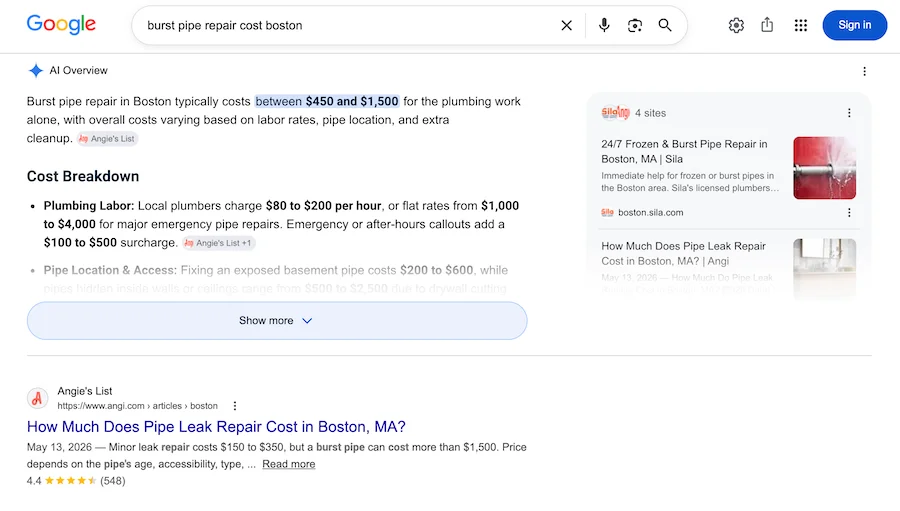
- Plumbing Companies: While "how to fix a leaky faucet" might still rank, it rarely leads to a service call. Instead, focusing on "emergency plumber [city]," "burst pipe repair cost [city]," or "clogged drain service near me" directly addresses urgent needs that AI cannot fulfill.
- Real Estate: Informational content like "how to get a mortgage" or "what is a home appraisal" is now effectively handled by AI. The real value lies in transactional queries such as "homes for sale [city]," "[neighborhood] real estate agent," or "sell my house fast [city]," which require direct engagement with agents and brokers.
- HVAC Businesses: Explanations of "how an HVAC system works" or "types of air conditioners" are now summarized by AI. The critical keywords remain those indicating a problem or a need for immediate service, like "emergency AC repair [city]," "furnace maintenance cost," or "HVAC company reviews [city]."
- Dental Practices: While AI can explain "what is a dental crown" or "dental veneer vs. bonding," it cannot replace the need for a patient to find a local dentist. Keywords like "best dentist for veneers [city]," "emergency dentist [city]," or "dental implant consultation [city]" are far more valuable for driving appointments.
- Car Dealerships: Content explaining "how car financing works" or "car insurance basics" is readily available via AI. The true growth drivers are queries that indicate purchase intent, such as "used cars for sale [city]," "[make/model] dealership near me," or "car trade-in value [city]."
Moving Beyond Traffic: A New Paradigm for SEO Success
The challenge for small businesses is not simply finding the "right" keywords, but strategically leveraging them in a way that adds unique value and compels users to click. When AI handles the initial informational layer, content must provide what AI cannot: personalization, local context, unique expertise, and a clear pathway to action.
This means:
- Focusing on Local and Transactional Intent: Prioritize keywords that signal an immediate need for a service or product.
- Enhancing User Experience: Ensure websites are fast, mobile-friendly, and provide clear calls to action.
- Creating Unique Value: Develop content that goes beyond basic information, offering in-depth analysis, case studies, customer testimonials, or specific local insights that AI cannot replicate.
- Building Trust and Authority: For Tier 2 keywords, content should aim to build trust and demonstrate expertise, positioning the business as the logical next step after AI provides a summary.
Ultimately, the effectiveness of any keyword hinges on a simple filter: if the query can be fully answered without the intervention of a business, it is unlikely to be a sustainable driver of growth. This doesn’t render informational keywords useless; they can still serve to build brand awareness and contribute to expertise. However, they should no longer be the central pillar of a strategy focused on immediate business results.
The current evolution of search is not a temporary trend but a fundamental restructuring of how information is delivered and consumed. Small businesses that embrace this shift, by strategically prioritizing keywords that require human interaction and business engagement, will be best positioned to not only survive but thrive in the evolving digital landscape. The focus must transition from simply appearing in search results to actively driving tangible business outcomes.









