

The pricing page has emerged as the most critical digital asset for Software-as-a-Service (SaaS) enterprises, serving as the final gatekeeper in the modern buyer’s journey. As the industry shifts toward Product-Led Growth (PLG) and AI-augmented research, the optimization of these pages has transitioned from a creative design task to a rigorous data science discipline. Recent industry studies and expert consensus suggest that while pricing pages often represent a small fraction of a website’s total page count, they command a disproportionate share of high-intent traffic and AI citation frequency.
The Strategic Importance of the Modern Pricing Page
In the current B2B landscape, the pricing page is no longer just a list of costs; it is a primary tool for buyer qualification and feature discovery. Data from Hockeystack, which conducted a comprehensive study of B2B SaaS performance, reveals that pricing pages account for approximately 16.5% of all website visits. More significantly, these pages boast a bounce rate of just 39%, compared to a sitewide average of 59%. This high engagement level underscores the page’s role as a late-stage destination where users perform rigorous evaluation before committing to a trial or purchase.
Furthermore, research from TrustRadius indicates that "value for price" is a decisive factor for 66% of buyers when narrowing down their vendor shortlists. For many visitors, the pricing page serves as a summary of the entire product’s value proposition, offering a condensed view of features that would otherwise require navigating dozens of individual product pages.

The Rise of the AI Agent and Generative Engine Optimization
A transformative shift in how pricing pages are consumed has occurred with the advent of Large Language Models (LLMs). As buyer research increasingly migrates to chatbot interfaces like ChatGPT, Claude, and Perplexity, pricing pages have become the most cited sources for product information.

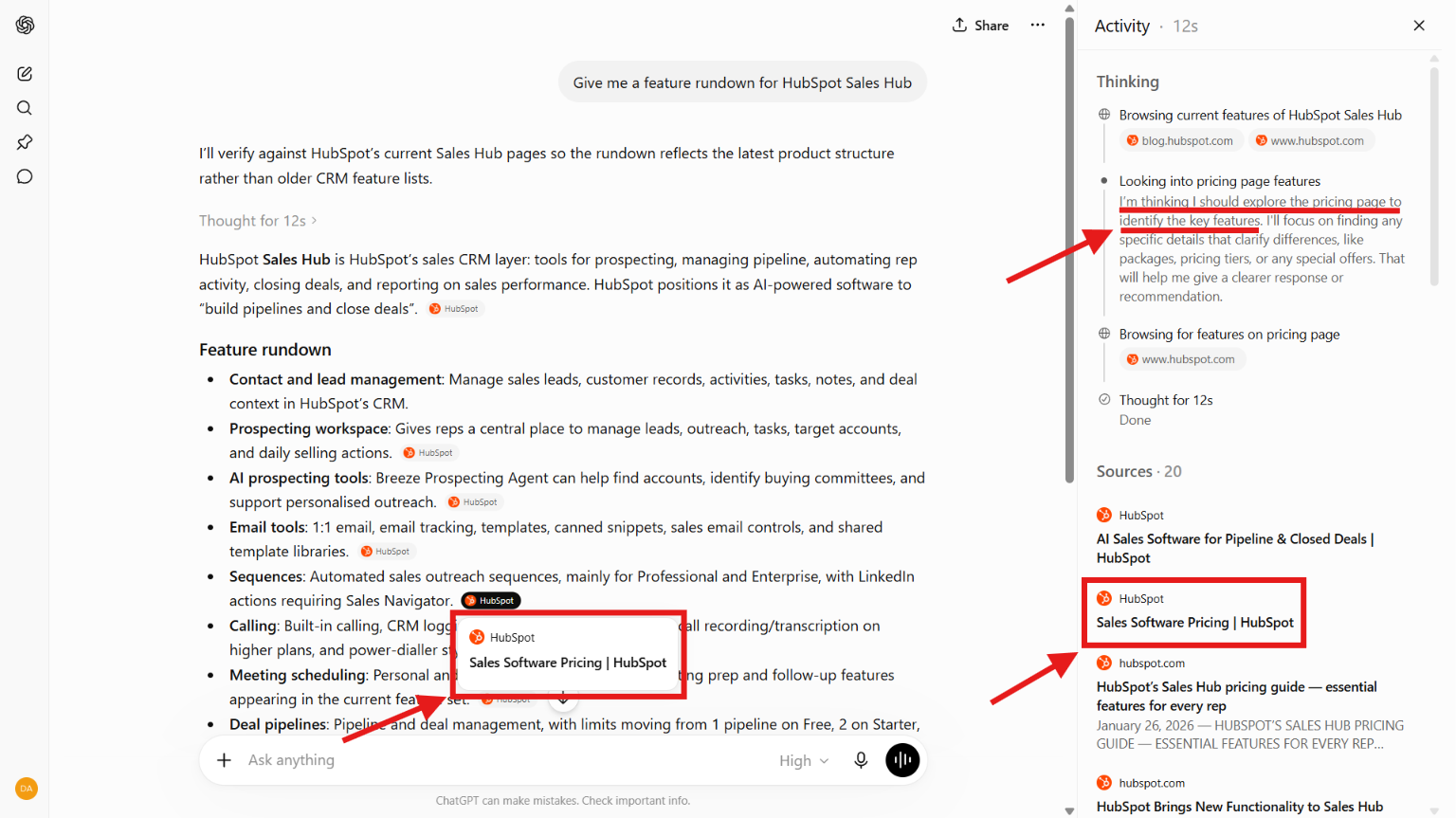
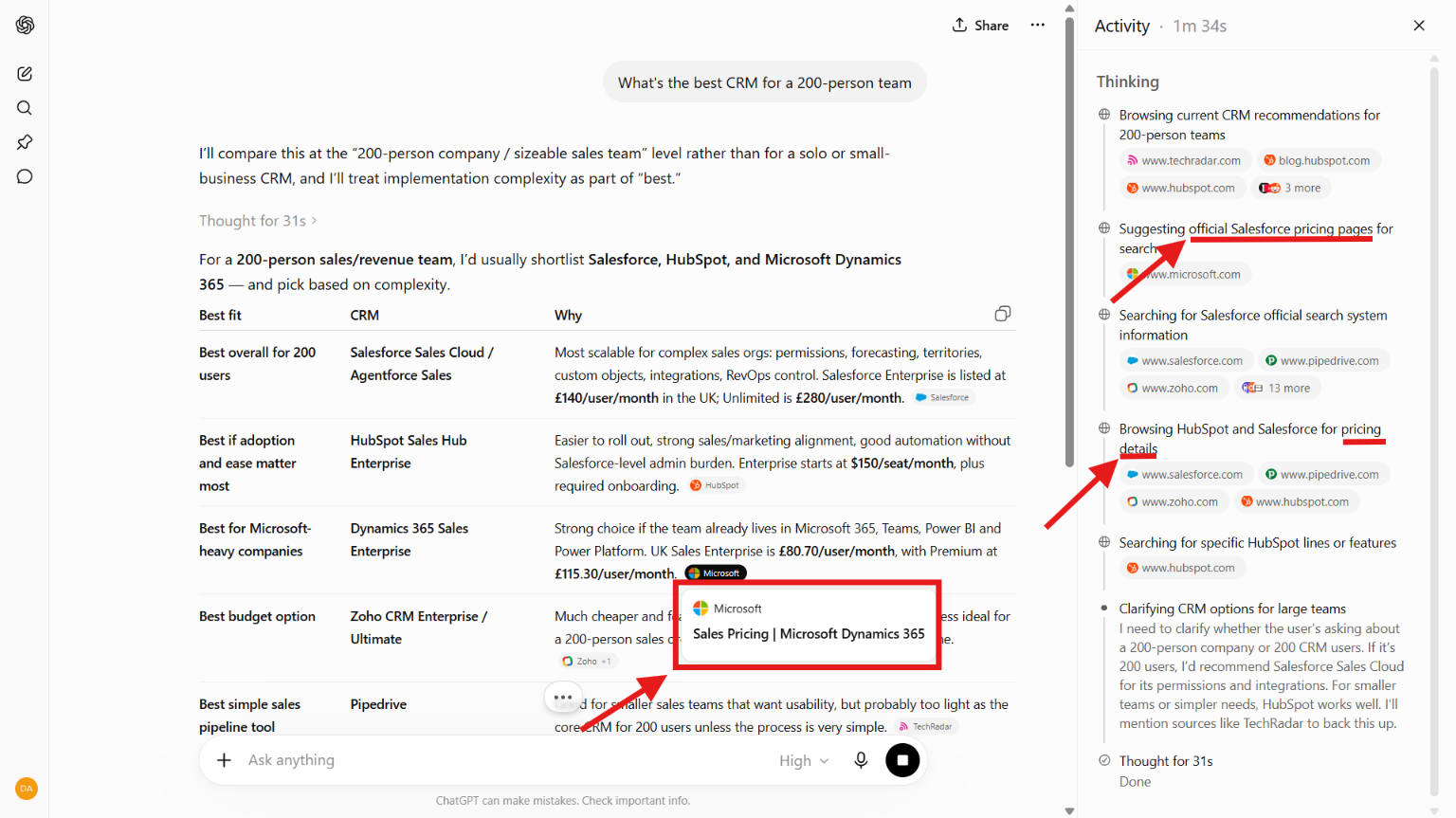
A B2B-focused study by Writesonic found that pricing pages represent 8.8% of GPT-5.5’s citations, despite making up a negligible percentage of a brand’s total content footprint. This suggests that LLMs prioritize pricing tables to extract structured data regarding feature availability and tiering. When a user asks an AI for a "feature rundown" or a "CRM comparison for a 200-person team," the AI frequently bypasses marketing blogs and landing pages to pull data directly from the pricing matrix. Consequently, the clarity and technical structure of a pricing page now directly influence a brand’s visibility in the burgeoning field of Generative Engine Optimization (GEO).

A Chronology of SaaS Pricing Design
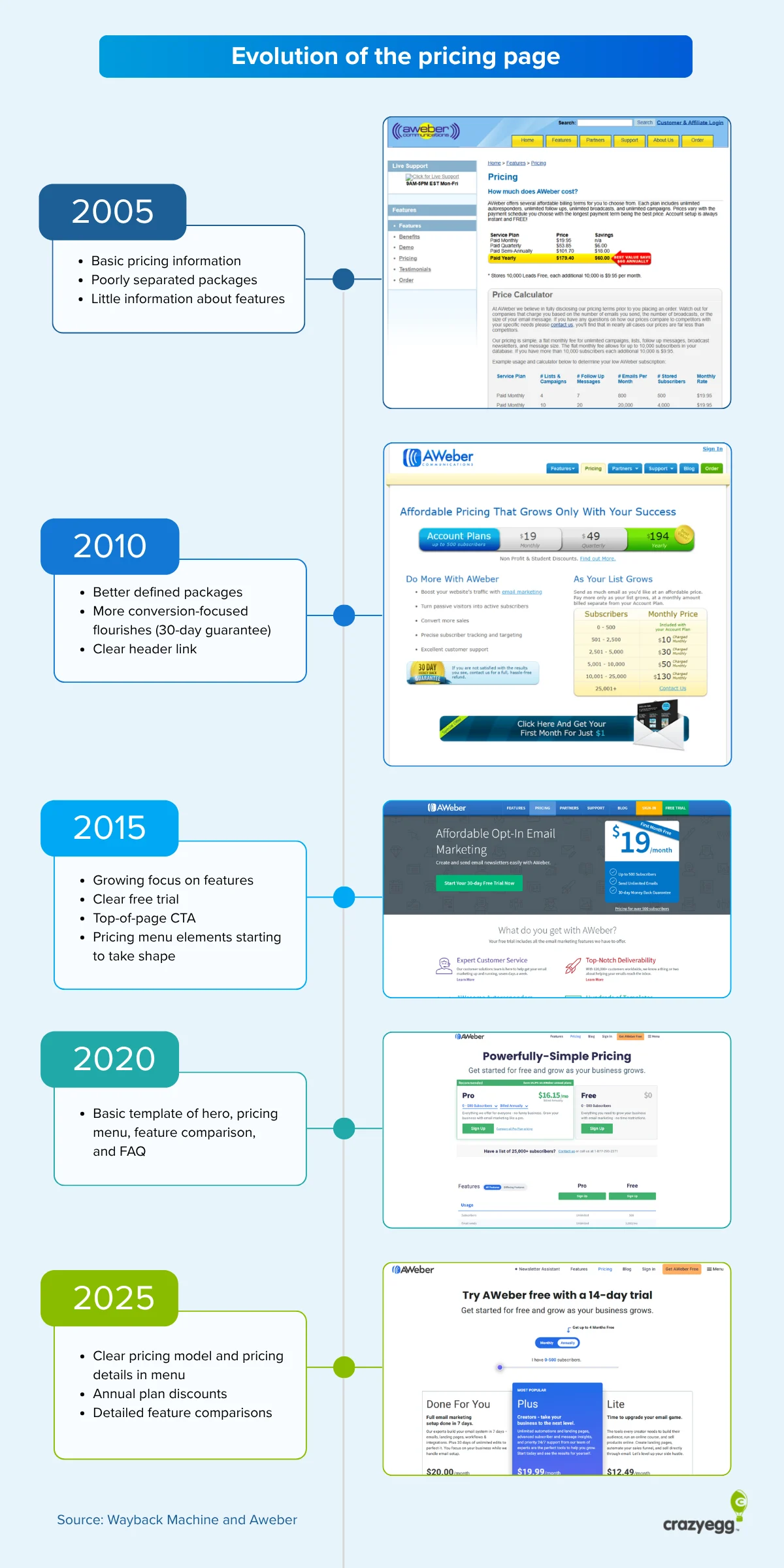
To understand current best practices, it is necessary to view the evolution of the pricing page over the last two decades:
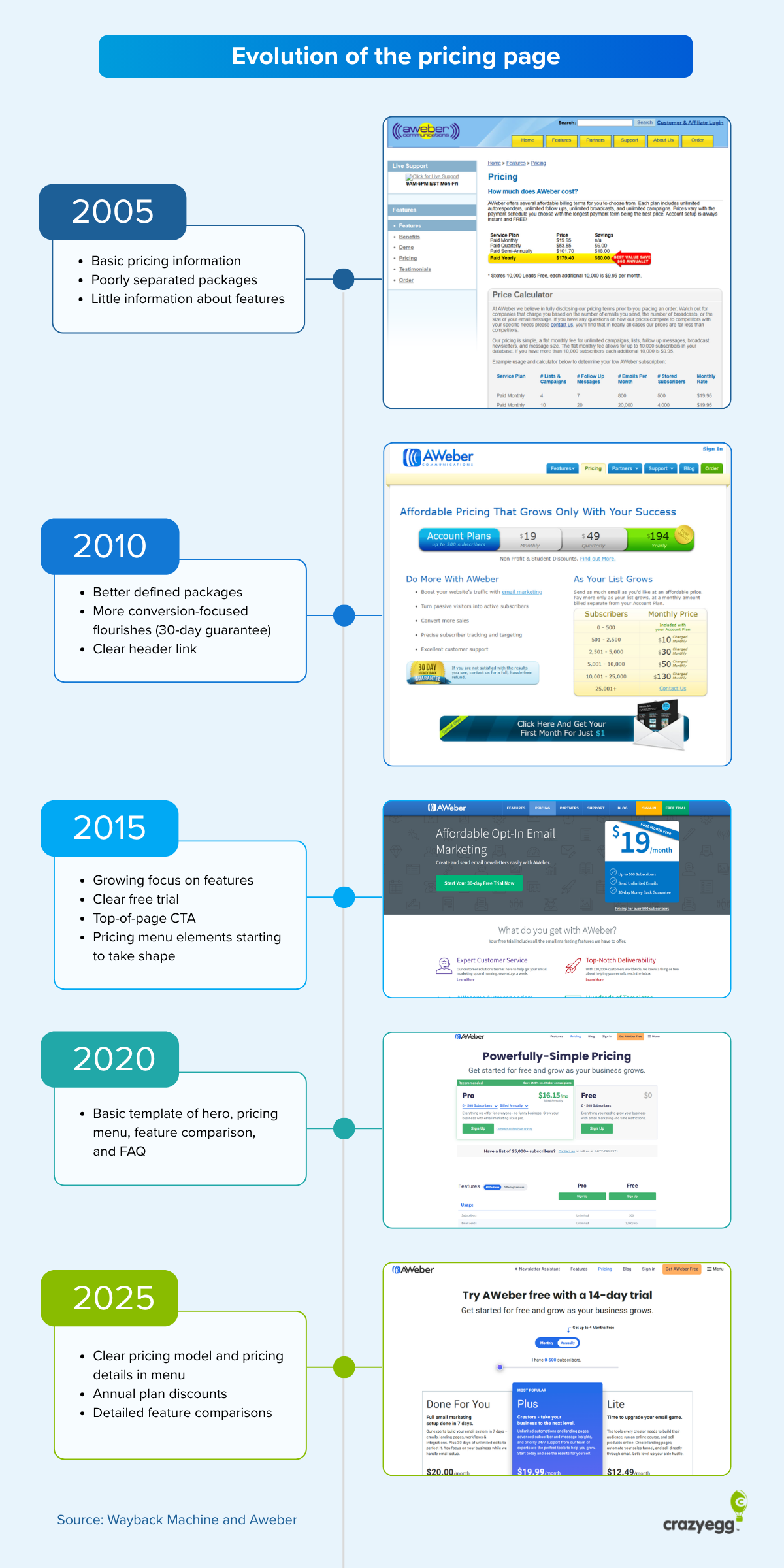
- The "Contact Sales" Era (2000-2010): Early SaaS companies often hid pricing behind lead-capture forms, treating cost as a guarded secret to be revealed only during a sales call.
- The Rise of Transparency (2010-2018): Led by companies like Slack, HubSpot, and Dropbox, the industry moved toward the "three-tier" model (Basic, Pro, Enterprise). Transparency became a competitive advantage.
- The Interactive and Usage-Based Era (2018-2023): Pricing pages began incorporating calculators, toggles for monthly vs. annual billing, and complex usage-based sliders as companies adopted "Pay-As-You-Go" models.
- The Agentic Era (2024-Present): The focus has shifted toward making pricing data machine-readable for AI agents while maintaining a "20-second" clarity rule for human visitors.
The Five-Step Framework for High-Converting Pricing Pages
To navigate this complexity, industry experts Serge Herkül, Casey Hill, and Krzysztof Szyszkiewicz have identified a structured framework for optimization that balances historical standards with future-facing AI requirements.
1. Adherence to Established Design Standards
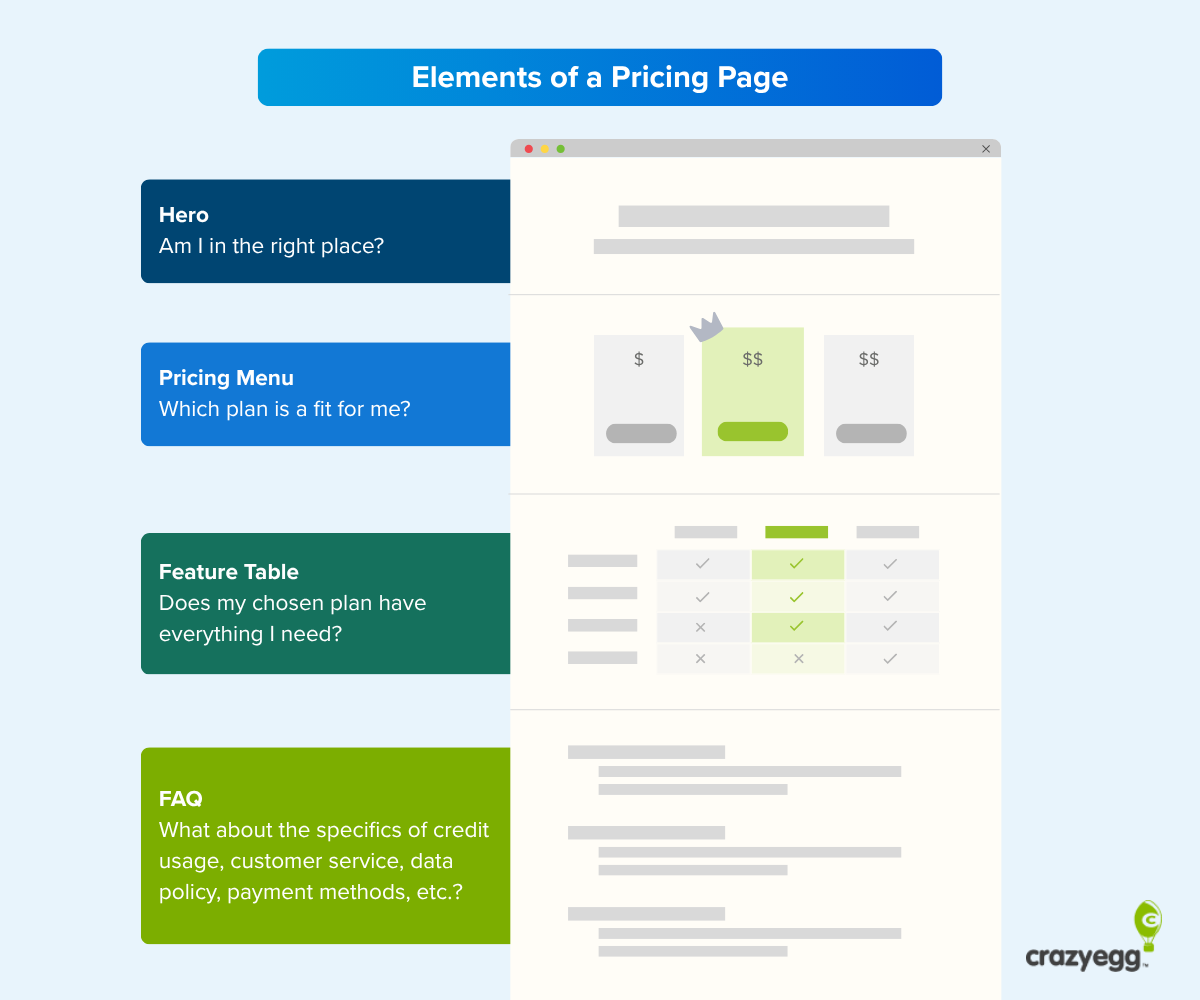
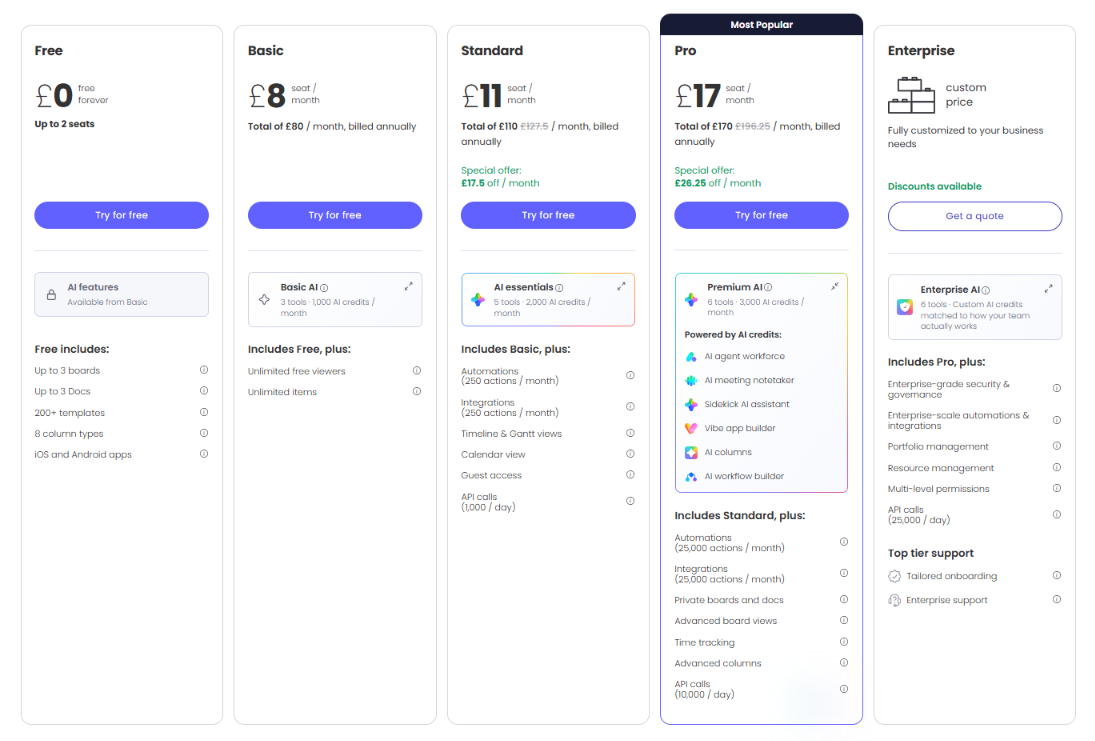
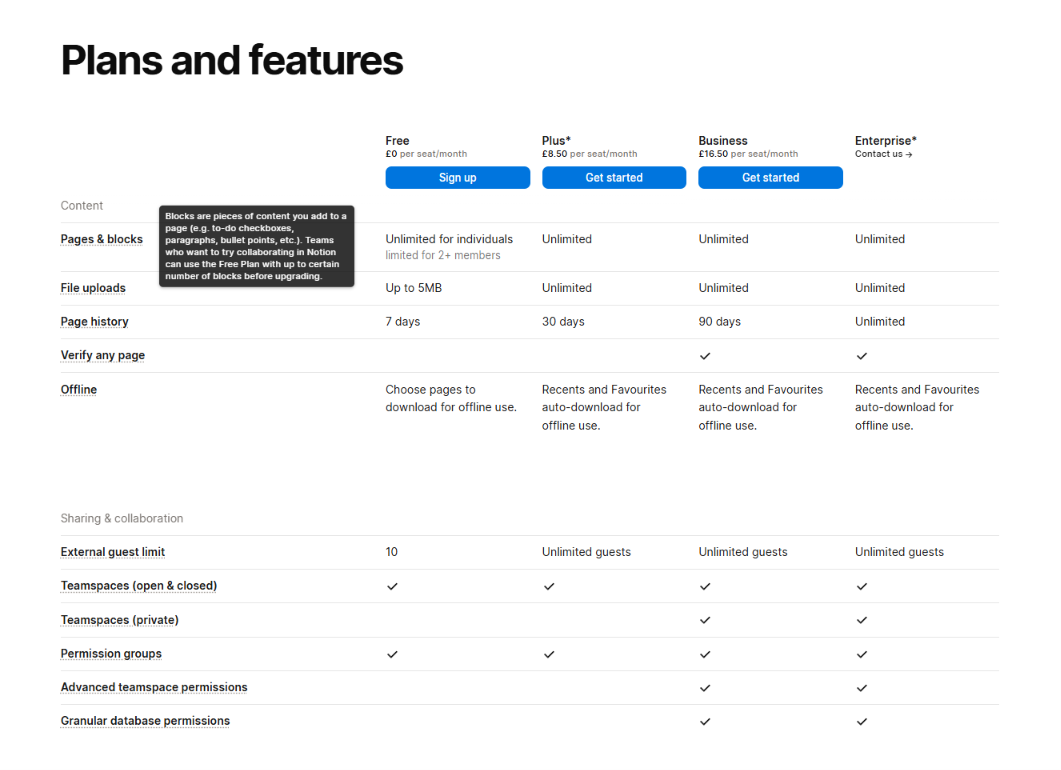
Expert Serge Herkül, a veteran of hundreds of pricing page audits, advocates for the "80/20 rule": follow industry standards 80% of the time and innovate only 20% of the time. "You’re not trying to outperform the industry; you’re trying to avoid underperforming," Herkül notes. Standard layouts—consisting of a Hero Section, Pricing Menu, Feature Matrix, and FAQs—are what buyers expect. Deviating too far from this mental model introduces cognitive friction that can double bounce rates overnight.
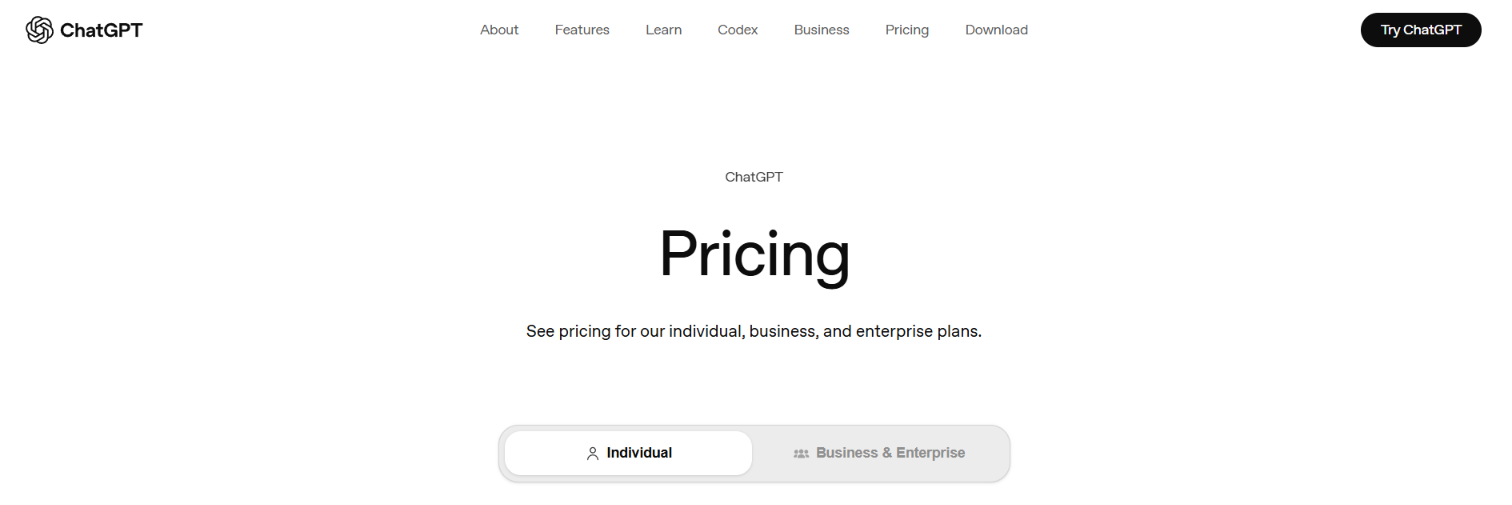
A standard structure includes:
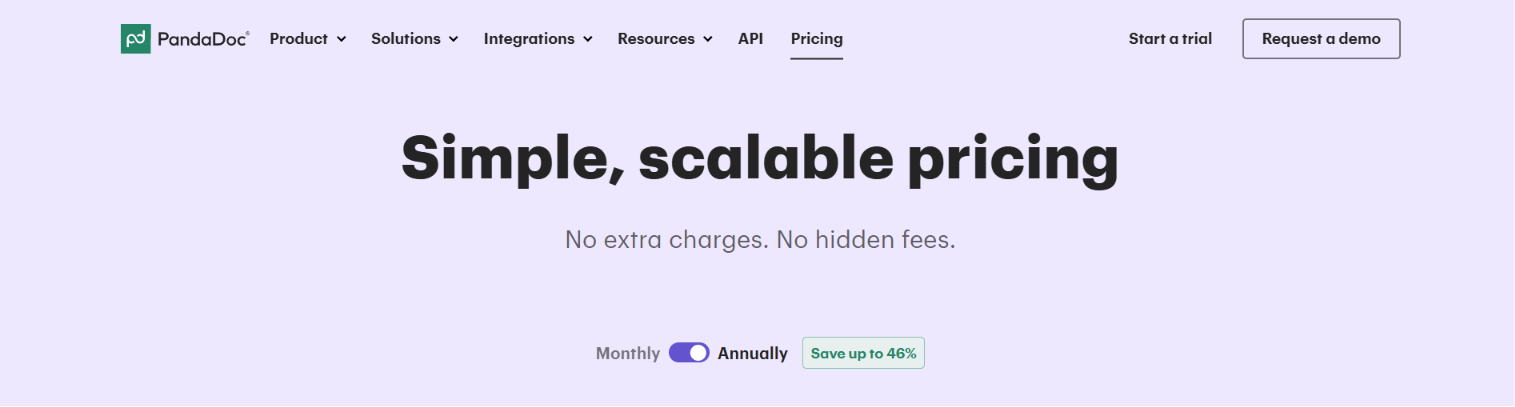
- Hero Section: A clear H1, often simply titled "Pricing," followed by a subheading that confirms the target audience (e.g., "Plans for every team size").
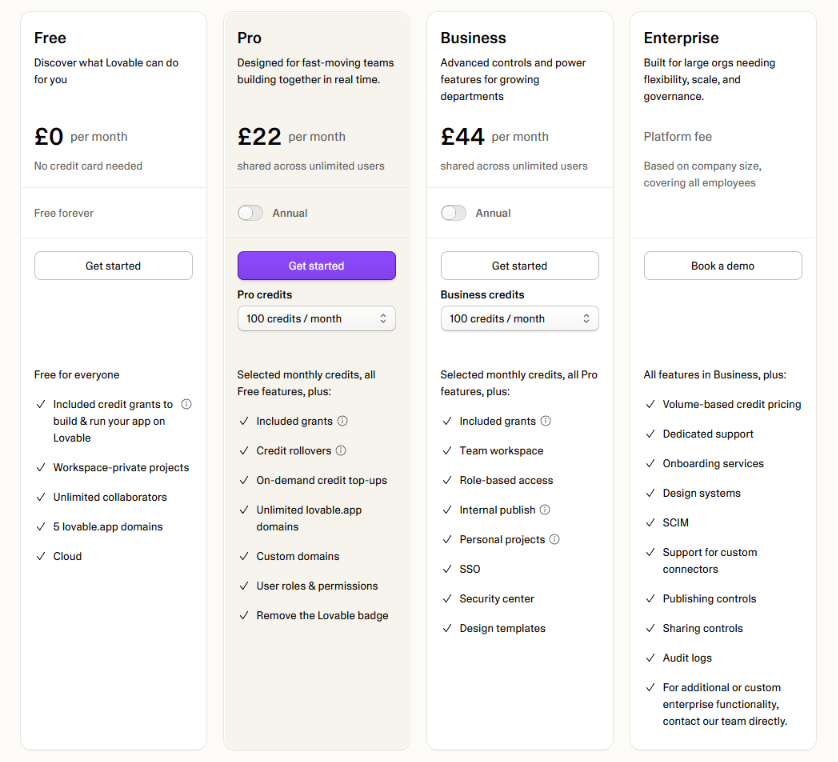
- Pricing Menu: Descriptive tier names and subtitles that identify the intended user for each package.
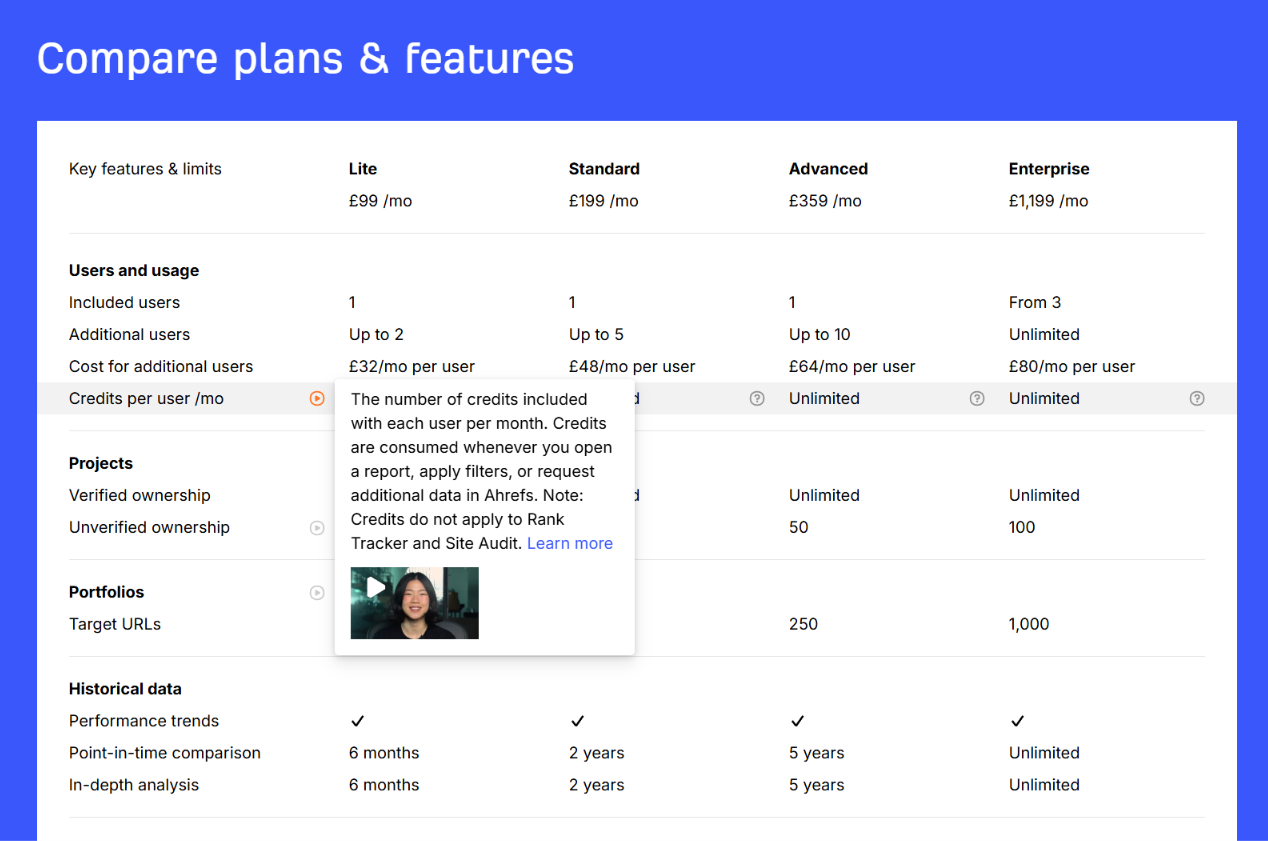
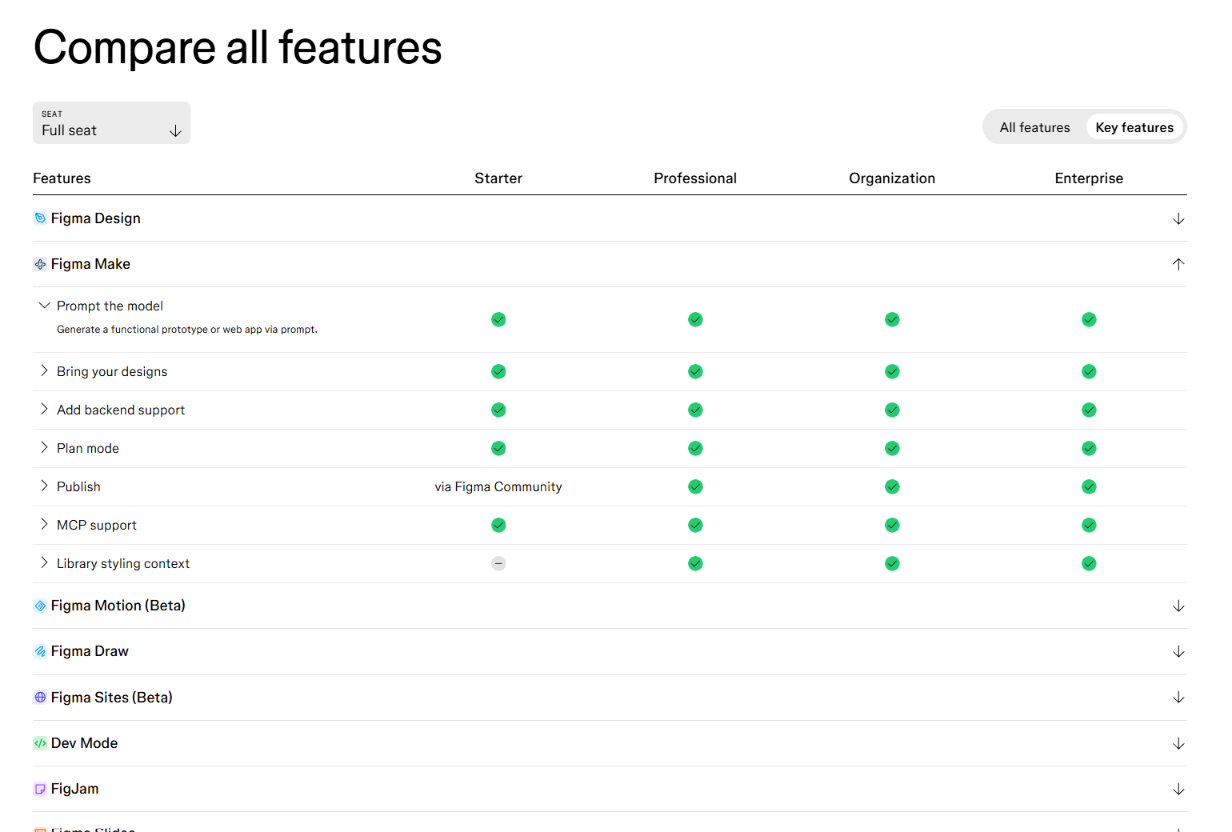
- Feature Matrix: A detailed comparison table using categories, checkboxes, and tooltips to explain nuanced differences.
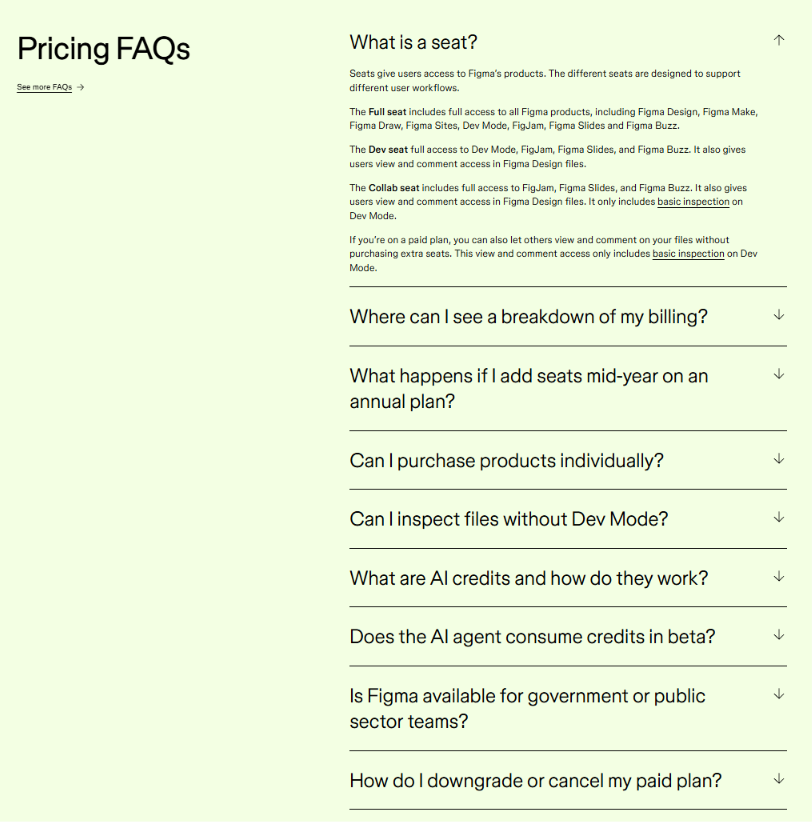
- FAQs: A section dedicated to handling pricing objections and technical queries about billing.
2. The 20-Second Rule for Human Clarity
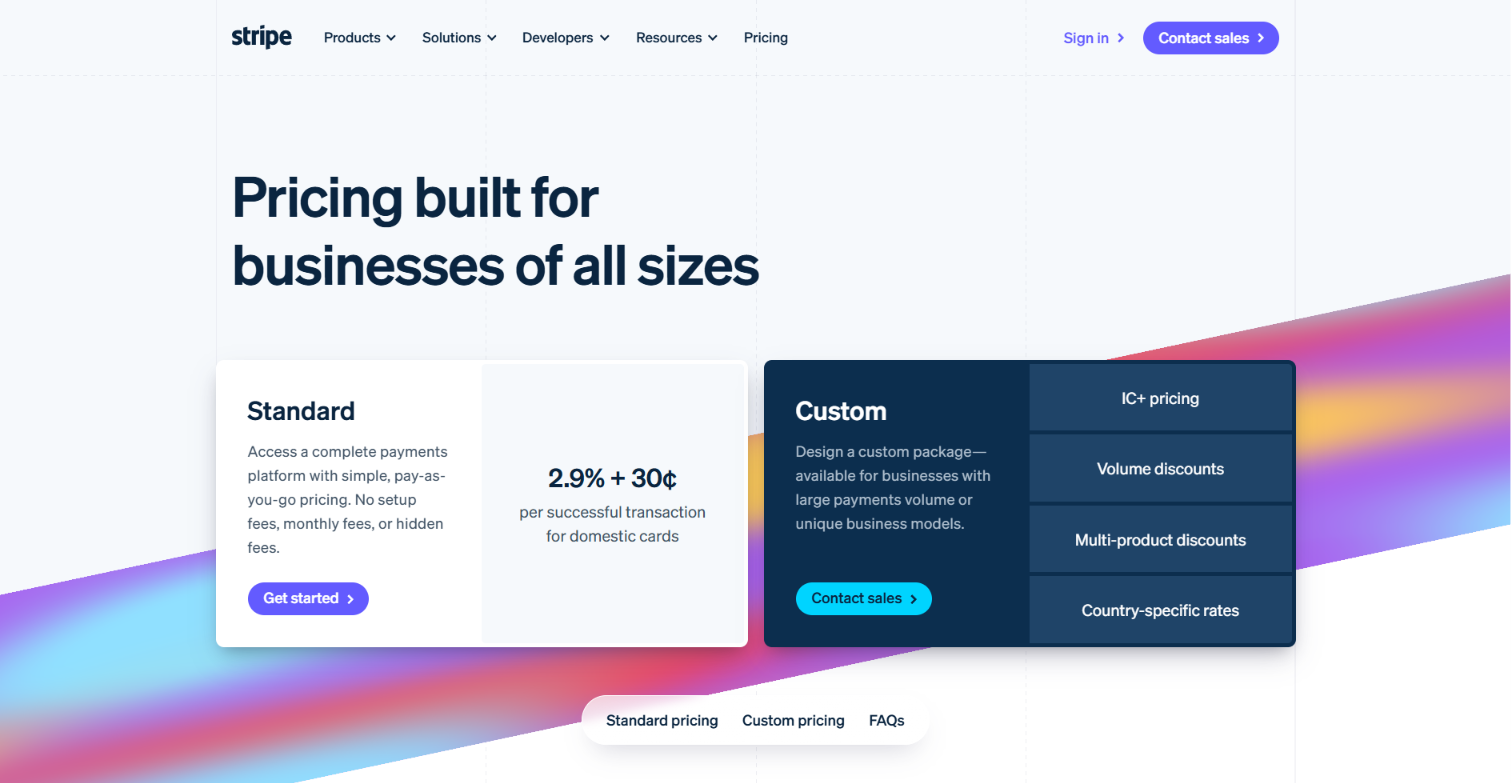
Clarity is the primary driver of conversion. The 20-second rule stipulates that a qualified visitor should be able to identify the correct plan for their needs within 20 seconds of landing on the page. While a product’s backend pricing may be complex, the frontend presentation must simplify that complexity.
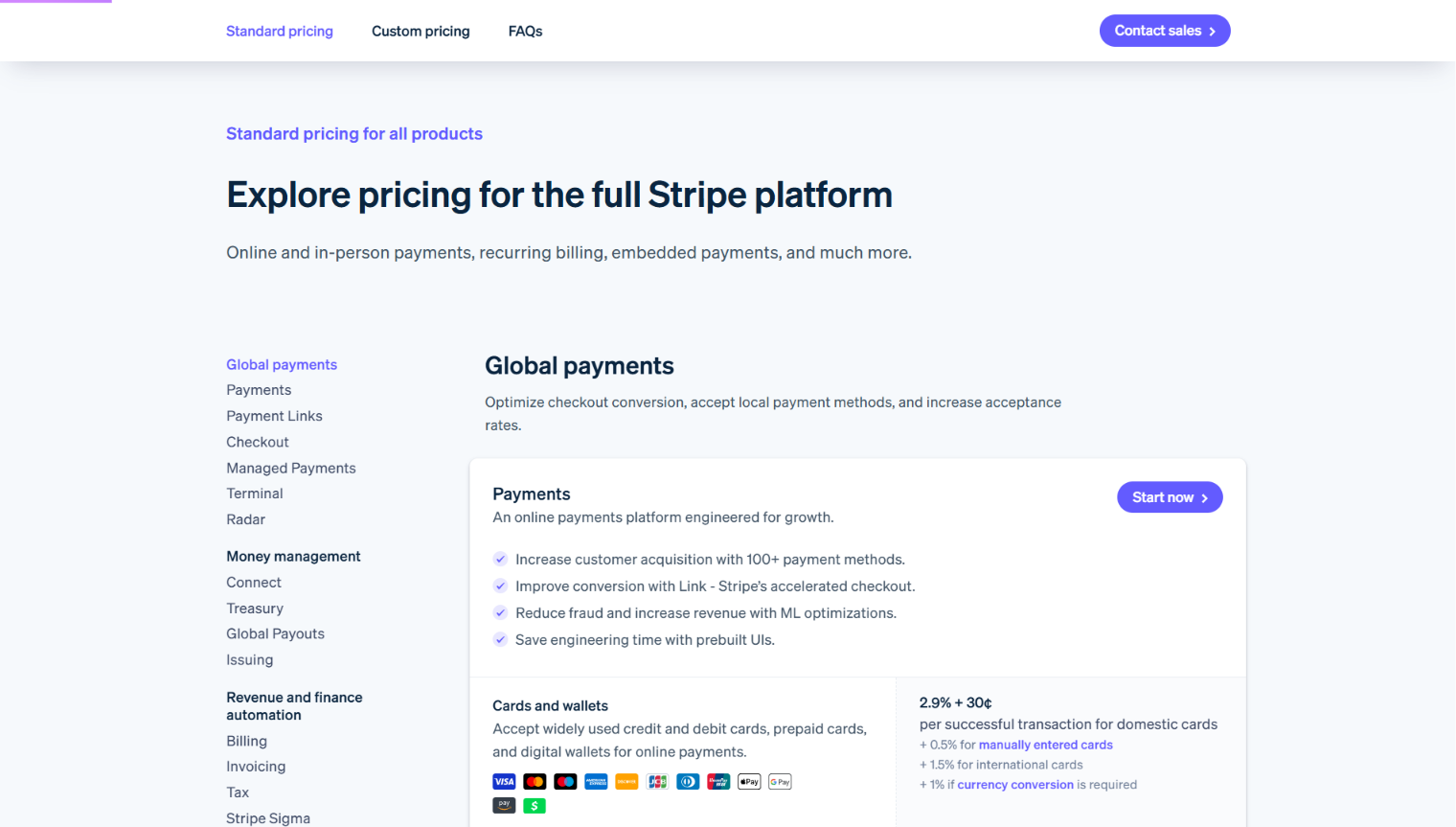
Companies like Stripe and Slack are often cited as benchmarks. Despite having hundreds of add-ons and various international fee structures, their primary pricing pages remain uncluttered, using a "Jobs-to-be-Done" framework to guide users toward the most common entry points.
3. The Paradox of Subtraction
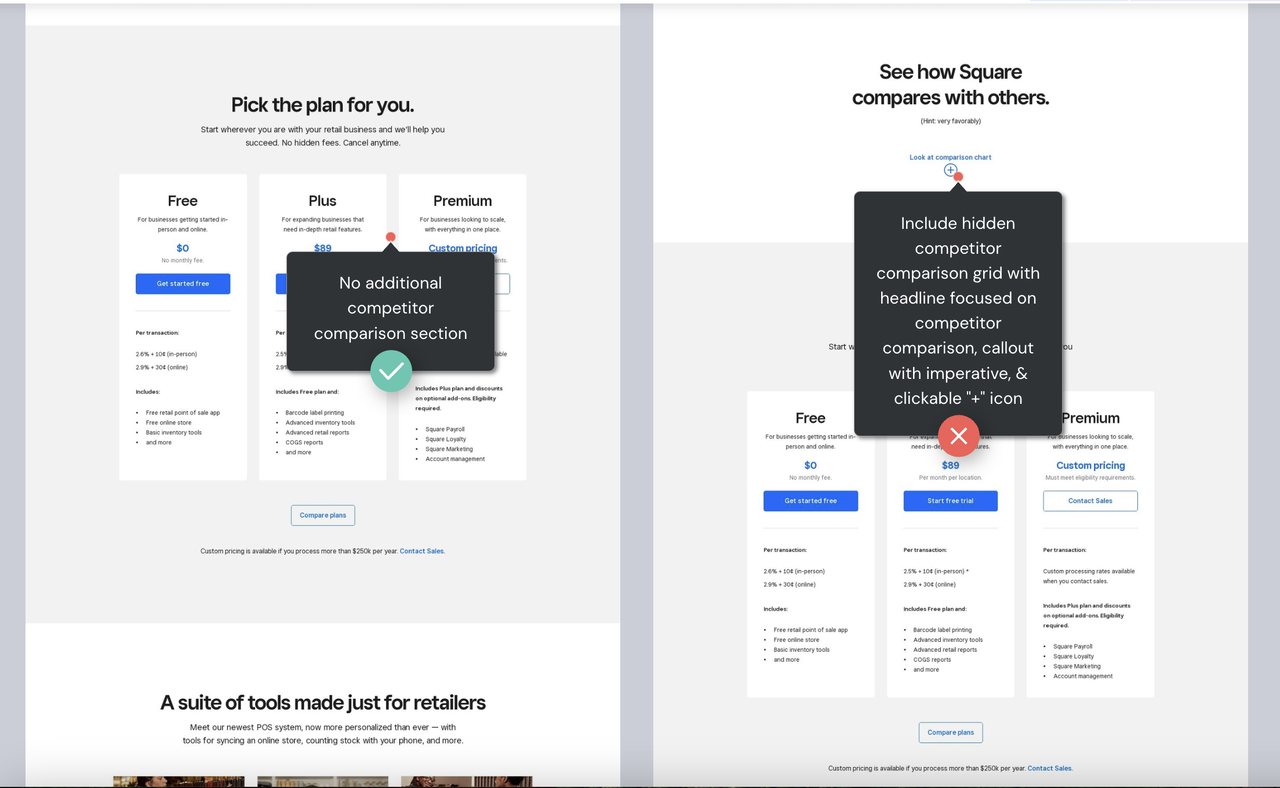
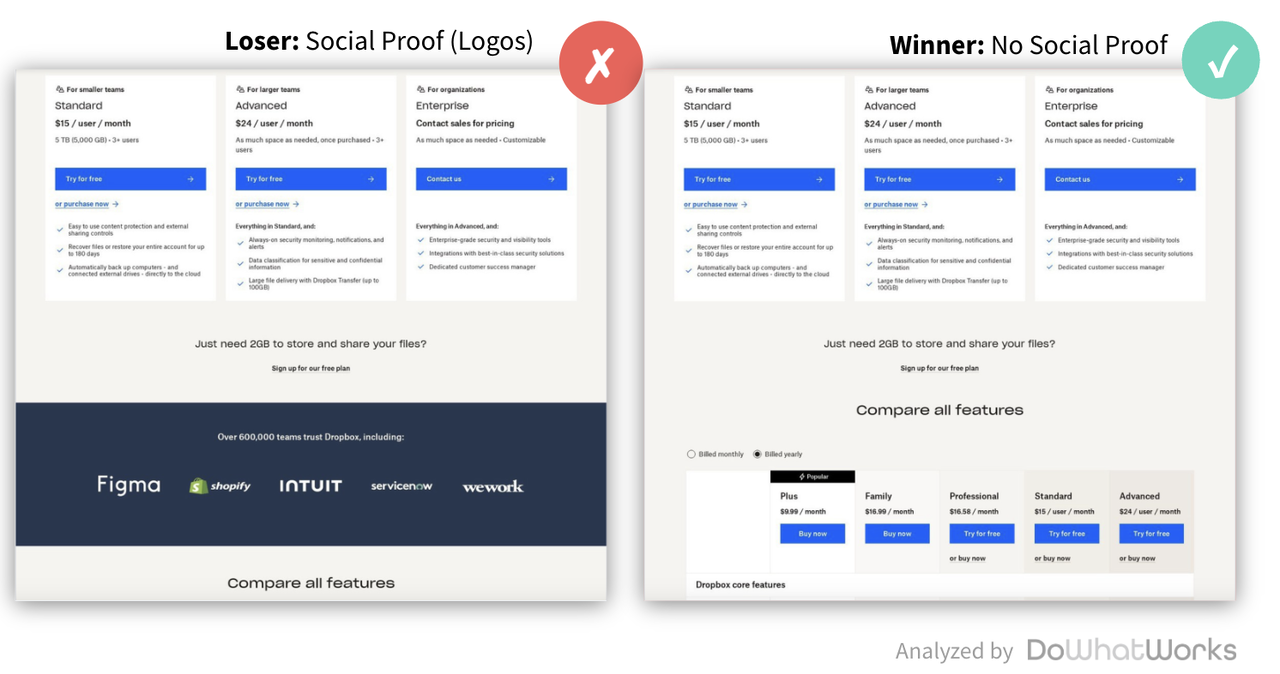
In the pursuit of optimization, many companies fall into the trap of adding "social proof" or "competitive comparisons" that actually detract from the user experience. Casey Hill, CMO at DoWhatWorks, notes that many successful A/B tests result from removing elements.
Data from over 14,000 tests suggests that:
- Competitor grids often increase the likelihood of a user leaving the site to research the mentioned competitor.
- Excessive social proof (logos and testimonials) can clutter the path to the "Sign Up" button. In some tests, removing a logo cloud from the top of the pricing page significantly increased the click-through rate to the checkout.
- Simplified CTAs (Call to Actions) usually outperform multiple competing buttons.
4. Scientific Split-Testing Protocols
A common error in SaaS management is testing the pricing model (e.g., changing the price point) via A/B testing on the website. Experts warn against this due to the long-term impact on Lifetime Value (LTV) and potential ethical concerns regarding price discrimination.
Instead, optimization should focus on the presentation layer. Testing should be restricted to design elements such as button colors, headline phrasing, and the order of features in the matrix. The goal of a pricing page optimization program should be to increase total sign-ups, while the pricing model itself should be determined through broader market research and financial analysis.
5. Technical Optimization for AI Agents
As "Agentic Commerce" gains traction, pricing pages must be built to be "agent-friendly." This involves technical SEO practices that allow LLMs to crawl and interpret pricing data accurately.
Google’s technical guidelines suggest using semantic HTML, clear table headers, and descriptive button text. Furthermore, the emerging WebMCP (Model Context Protocol) is being monitored by developers as a potential standard for making websites truly "agent-ready." Krzysztof Szyszkiewicz, a partner at Valueships, emphasizes that failing to make pricing LLM-readable is "handing over the battleground to your competition." If an AI cannot find clear pricing thresholds on your site, it may hallucinate data or pull outdated information from third-party review sites.
Broader Impact and Industry Implications
The implications of pricing page optimization extend far beyond immediate revenue. In an era where 50% of SaaS companies still lack a public-facing pricing page—according to research by Valueships—those that offer transparent, well-structured, and AI-optimized pricing have a significant market advantage.
The shift toward transparent, machine-readable pricing is also driving a change in sales team structures. With more buyers self-qualifying via the pricing page, sales teams are spending less time on basic inquiries and more time on high-value, enterprise-level negotiations. This transition supports a more efficient "bottom-up" growth model where individual users can adopt a tool via a "Free" or "Pro" tier before the organization scales to an "Enterprise" contract.
Conclusion
The SaaS pricing page is currently undergoing its most significant transformation since the move to cloud computing. By balancing the psychological needs of human buyers for clarity and the technical needs of AI agents for structured data, companies can ensure their most important page remains a high-performing revenue engine. The move toward "following the standard 80% of the time" provides the stability necessary for the 20% of innovation that will define the next generation of digital commerce. As AI continues to mediate the relationship between vendor and buyer, the pricing page will remain the definitive source of truth in the software economy.







