The digital search landscape experienced a week of significant developments, marked by intensified debate over artificial intelligence’s impact on content creators, substantial regulatory action against Google, robust financial performance from the tech giant, and a series of technical and advertising platform updates. These events underscore the dynamic interplay between technological innovation, economic pressures, and regulatory oversight shaping the future of online information discovery and monetization.
The Shifting Landscape of AI Search and Publisher Relations
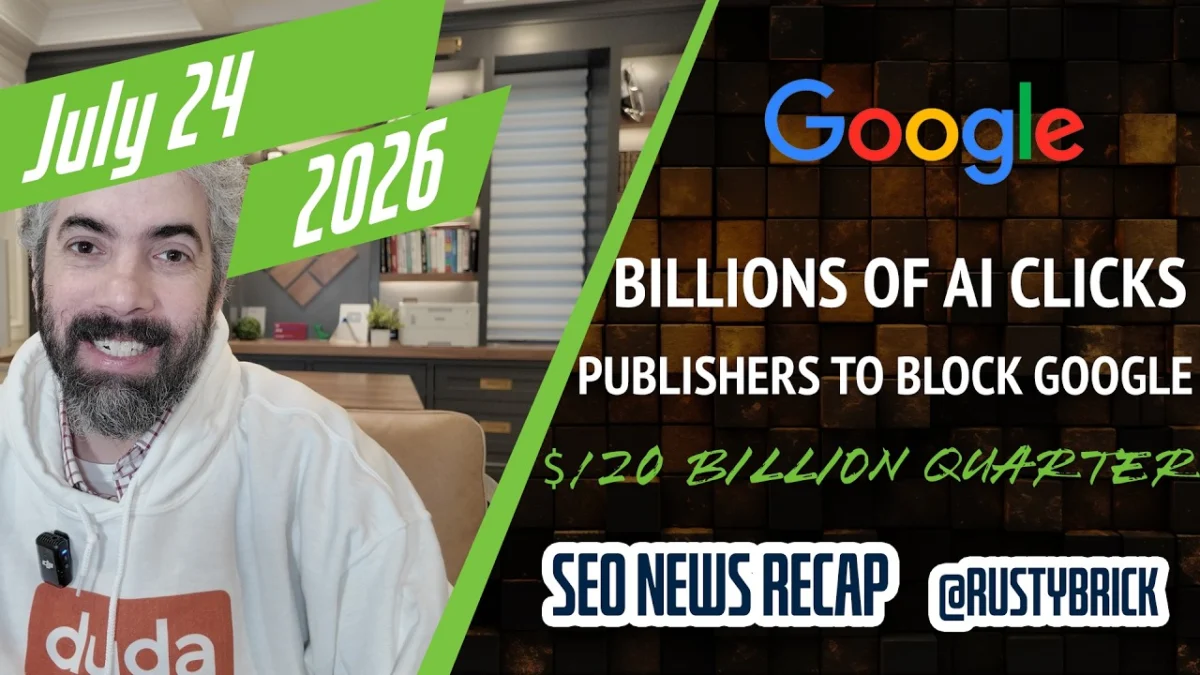
The burgeoning integration of artificial intelligence into search engines has emerged as a central point of contention, particularly concerning content attribution and referral traffic. Google, a dominant force in the search market, announced that its AI-powered search features are now sending billions of clicks to websites weekly, a statistic intended to reassure publishers amidst widespread industry apprehension. This claim comes as Google Search officially integrates its latest large language model, Gemini 3.5 Flash-Lite, promising more nuanced and efficient AI-driven search experiences.
Google’s AI Search: Billions of Clicks and Growing Tensions
Google’s Search Generative Experience (SGE), currently in its experimental phase, aims to provide users with comprehensive AI-generated summaries directly within search results, often answering queries without the need to click through to external websites. The company’s assertion of sending "billions of clicks" from these AI search interactions seeks to address a primary concern among content publishers: the potential for SGE to cannibalize organic traffic, thereby undermining advertising revenue and subscription models that rely on direct user engagement with their sites.
Historically, Google has served as a primary conduit for referral traffic to publishers, a relationship that has always been fraught with discussions about fair value exchange. The advent of generative AI exacerbates these tensions. Publishers invest significant resources in creating high-quality, authoritative content, which AI models then synthesize and present. While Google maintains that SGE often includes direct links to source material, especially for complex queries or when users seek deeper engagement, many publishers fear that the immediate gratification offered by AI summaries will drastically reduce the incentive for users to visit original content sources. This concern is not new; debates over featured snippets, Knowledge Panels, and "zero-click" searches have simmered for years, but the scale and sophistication of AI responses introduce an entirely new dimension to the challenge.
Publishers Push Back: A Standoff Over Content and Revenue
In response to these developments, a growing number of large publishers are reportedly exploring drastic measures, including the complete blocking of Google Search from crawling and indexing their content. This represents a significant escalation in the ongoing dialogue between content creators and platform providers. The potential implications of such a block are far-reaching, threatening to fragment the open web and fundamentally alter how information is discovered.
This strategic consideration by publishers stems from a confluence of factors: the perceived threat to their business models from AI summarization, the desire to assert greater control over their intellectual property, and a demand for fairer compensation for their content. While specific publishers were not named in the initial report, prominent media organizations globally have long expressed grievances with tech platforms over content usage and revenue sharing. News Corp, for instance, has previously negotiated licensing deals with Google and Meta, highlighting the financial value they place on their content. Axel Springer, another major European publisher, has also been vocal about the need for platforms to adequately remunerate content creators. The notion of blocking Google altogether, however, signifies a potential breaking point, indicating that existing mechanisms for negotiation and value exchange may no longer be deemed sufficient by some in the publishing industry. Such a move would force users to navigate directly to publisher sites or rely on alternative search methods, potentially reshaping user habits and the competitive landscape of search.
Regulatory Pressures and Financial Performance
Beyond the evolving dynamics of AI and content, Google faced significant regulatory scrutiny and simultaneously reported robust financial results, underscoring its dual existence as a market powerhouse under intense governmental examination.
European Commission’s Billion-Dollar Penalty
The European Commission levied a substantial fine of $1 billion against Google for alleged anti-competitive practices related to Google Search and Google Play. This penalty is the latest in a series of major antitrust actions taken by the EU against the tech giant, reflecting Europe’s aggressive stance on regulating digital markets and ensuring fair competition. Previous fines have targeted Google’s Android operating system dominance, its shopping comparison service, and its AdSense advertising platform, amounting to billions of euros over the past decade.
The specific details of this latest fine likely relate to ongoing investigations or findings where Google is accused of leveraging its dominant position in search to favor its own services or impose unfair terms on app developers and other market participants. The EU’s Digital Markets Act (DMA), which recently came into effect, is designed to curb the power of "gatekeepers" like Google, mandating greater interoperability, preventing self-preferencing, and ensuring fairer access for third-party businesses. This fine serves as a stark reminder of the continuous regulatory pressure Google faces, particularly in Europe, and signifies the Commission’s unwavering commitment to enforcing antitrust laws to foster a more level playing field in the digital economy. The implications extend beyond the financial penalty, potentially influencing Google’s future product development, market strategies, and its interactions with competitors and partners within the EU.
Google’s Robust Financial Quarter Amidst Challenges
Despite the regulatory headwinds, Google’s parent company, Alphabet, reported a remarkably strong financial quarter, with earnings reaching approximately $120 billion. This impressive figure was underpinned by significant growth in its core advertising segments, with overall ad revenue climbing by 14.5% year-over-year, and search advertising revenue specifically surging by 17%. These figures demonstrate the enduring strength and resilience of Google’s advertising business, which remains the primary engine of its profitability.
The robust performance can be attributed to several factors, including a recovering digital advertising market, continuous innovation in its ad products (including AI-driven optimization tools), and its unparalleled reach across billions of users globally. The growth in search advertising, in particular, highlights the continued effectiveness of paid search campaigns for businesses seeking to connect with consumers actively expressing intent. These financial results typically reassure investors and analysts about Google’s fundamental business model, even as the company navigates complex challenges related to AI integration, regulatory compliance, and evolving publisher relationships. The quarter’s strong performance provides Google with substantial resources to continue investing in AI research and development, cloud computing infrastructure, and other strategic initiatives, reinforcing its position at the forefront of the technology industry.
Legal Precedents: The SerpApi Lawsuit Dismissal
In a notable legal development, Google’s lawsuit against SerpApi was dismissed. The court ruled that Google could not copyright its search results, setting a significant precedent regarding data access and the nature of intellectual property in the digital age. Google had accused SerpApi, a company that provides real-time search results via an API, of unauthorized scraping and copyright infringement.
The dismissal hinges on the principle that factual information, which constitutes the bulk of search results, is generally not subject to copyright protection. While the specific presentation or selection of search results might involve some degree of creativity, the underlying data — links, snippets, and basic information — is often considered factual and therefore public domain or not protectable under copyright law in the same way as original creative works. This ruling has broad implications for data aggregators, competitive analysis tools, and the wider ecosystem of businesses that rely on accessing and processing publicly available information from search engines. It suggests that companies may have more leeway to scrape and repurpose search results, challenging Google’s efforts to control access to the data it presents. The decision could foster greater competition in areas related to search data analysis and potentially influence future legal battles concerning data ownership and usage on the internet.
Core Search and Advertising Platform Evolutions
Beyond the high-profile financial and legal news, Google continued to roll out numerous updates and changes across its core search and advertising platforms, impacting SEO professionals, advertisers, and content creators.
Google Search Algorithm and Technical Updates
The week saw further reports of Google Search ranking volatility, a recurring phenomenon that keeps SEO practitioners on their toes. These fluctuations often signal ongoing algorithm adjustments aimed at improving search quality, combating spam, or incorporating new ranking signals. Google’s continuous refinement of its algorithms is a standard practice, but periods of heightened volatility can significantly impact website visibility and traffic.
In a move to enhance transparency and provide better guidance, Google updated its crawl budget documentation. Crawl budget refers to the number of URLs Googlebot can and wants to crawl on a site within a given timeframe. Understanding and optimizing crawl budget is crucial for large websites to ensure their content is efficiently discovered and indexed by Google. The updated documentation likely offers clearer guidelines or new best practices for webmasters to manage how Google interacts with their sites, especially for dynamically generated content or very large sites.
Further addressing content quality and user experience, Google is reportedly sending email notices when review content is not posted. This initiative aims to improve the feedback loop for users contributing reviews and ensure that platform policies are being adhered to. Simultaneously, Google acknowledged another bug related to reviews, specifically concerning review replies, indicating ongoing efforts to stabilize and enhance the review ecosystem for local businesses and consumers.
In compliance with the Digital Markets Act (DMA) requirements in the European Union, Google is making changes to its hotel search results. The DMA mandates that gatekeepers provide fairer access to their platforms and avoid self-preferencing. These changes in hotel search likely aim to ensure that third-party travel agencies and booking sites have a more prominent and equitable presence alongside Google’s own travel offerings, fostering greater competition in the online travel sector within the EU.
Enhancements and Changes in Google Ads
The advertising arm of Google also witnessed several significant updates. Google Local Service Ads (LSAs) are transitioning more closely to the broader Google Ads platform. LSAs, designed for local businesses offering services like plumbing or electrical work, directly connect consumers with qualified local providers. This transition suggests a consolidation of advertising tools and potentially more integrated management for businesses utilizing both LSAs and traditional Google Ads campaigns, streamlining their digital marketing efforts.
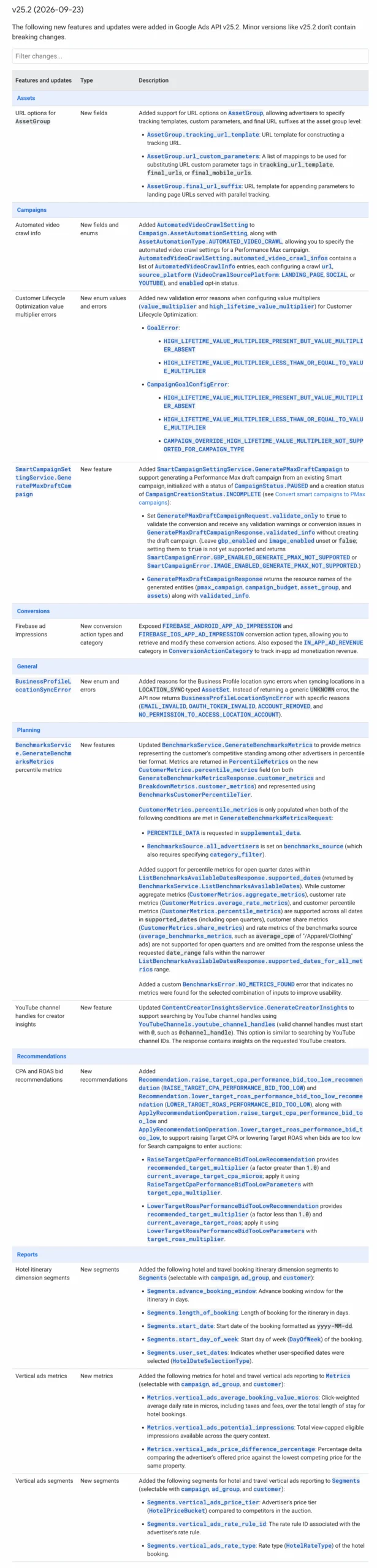
Google Ads introduced new appeal limits, now set at six months, for advertisers appealing policy violations or account suspensions. This change provides a clearer timeframe for advertisers to contest decisions, offering a defined window for resolution. While it sets a boundary, it also emphasizes the importance of timely action and adherence to Google’s advertising policies.
For shopping campaigns, Google Ads rolled out "AI Max," an artificial intelligence-powered optimization feature. AI Max aims to leverage advanced machine learning to maximize performance for shopping campaigns, potentially by optimizing bids, targeting, and product visibility across Google’s network. This reflects Google’s continuous push to integrate AI deeply into its advertising products, offering advertisers more sophisticated tools to achieve their marketing objectives with less manual intervention.
A cautionary note was issued regarding the Google & YouTube Shopify sync app, with Google warning users not to uninstall and reinstall the application. Such a warning typically indicates potential data loss, synchronization issues, or other technical problems that could arise from improper handling of the integration between the two platforms, underscoring the complexities of managing e-commerce integrations.
Finally, Google comparison listing ads are undergoing a rebranding and functional shift to "CSS product listing ads." This change is likely tied to continued compliance with EU antitrust rulings that required Google to allow competing Comparison Shopping Services (CSS) to bid on product listing ads on an equal footing. This evolution aims to promote a more competitive advertising environment for product retailers in Europe.
Broader Industry Developments: Bing and ChatGPT
The competitive landscape also saw notable movements from other players. Bing, Microsoft’s search engine, is reportedly testing an "open sitelinks button" in search results. Sitelinks provide direct links to specific pages within a website, enhancing navigation and user experience. An "open sitelinks button" could offer users more control or visibility over these direct links, potentially making Bing’s search results more interactive and user-friendly.
Bing is also testing an image section for its shopping panel, indicating a focus on enhancing the visual discovery experience for e-commerce. Visual search and image-rich shopping interfaces are becoming increasingly important for consumers, and this move positions Bing to better compete in the online retail search segment.
In the realm of conversational AI, ChatGPT, developed by OpenAI, was observed showing two ads from two different advertisers within its results. This marks a significant step in the monetization strategy for leading generative AI platforms. As AI models become more integrated into daily information retrieval, the methods for injecting advertisements and generating revenue are rapidly evolving. The display of multiple ads from different advertisers suggests a sophisticated ad delivery mechanism, potentially based on user intent, query context, and ad relevance, akin to traditional search advertising but within a conversational interface. This development underscores the commercial imperative driving the advancement and deployment of AI technologies.
Broader Implications for the Digital Ecosystem
The week’s developments paint a comprehensive picture of a digital ecosystem in flux, where technological innovation, regulatory mandates, and economic realities are constantly reshaping the rules of engagement for all stakeholders.
The Future of Content Monetization
The tension between AI search and content publishers highlights a critical juncture for the future of online content monetization. As AI models become more adept at synthesizing information, the traditional model of driving traffic to websites through search engines faces unprecedented disruption. Publishers will need to innovate their business models, potentially exploring more direct subscription offerings, premium content experiences, or new forms of licensing agreements with AI developers. The outcome of this standoff will profoundly influence the economic viability of quality journalism and independent content creation in the AI era.
Navigating an Evolving Regulatory Environment
The European Commission’s continued enforcement actions against Google underscore a global trend towards increased regulatory scrutiny of dominant tech platforms. Governments worldwide are grappling with how to balance innovation with fair competition, data privacy, and consumer protection. Google, and other tech giants, must increasingly factor regulatory compliance into their product development and market strategies, particularly in regions like the EU where antitrust and digital market regulations are stringent and proactively enforced. The DMA, in particular, signals a new era of prescriptive regulation that will directly impact how platforms operate.
Strategic Shifts for Advertisers and SEO Professionals
For advertisers and SEO professionals, the constant stream of updates from Google Ads and Search necessitates continuous adaptation. The integration of AI into advertising platforms, the evolving rules for local service ads, and the changes in comparison shopping ads require advertisers to stay agile, experiment with new tools, and refine their strategies to maximize return on investment. Similarly, SEOs must remain vigilant regarding algorithm volatility, crawl budget management, and the implications of AI-driven search experiences for content visibility and organic traffic. The competitive moves by Bing and the advertising experiments by ChatGPT further indicate that the battle for user attention and advertising dollars is intensifying across multiple digital fronts.
In conclusion, the past week offered a microcosm of the profound shifts occurring across the search and digital advertising industries. From the ethical and economic quandaries posed by AI-driven search to the steadfast resolve of regulators and the impressive financial performance of market leaders, the landscape is complex and continually evolving, demanding adaptability and strategic foresight from all participants.