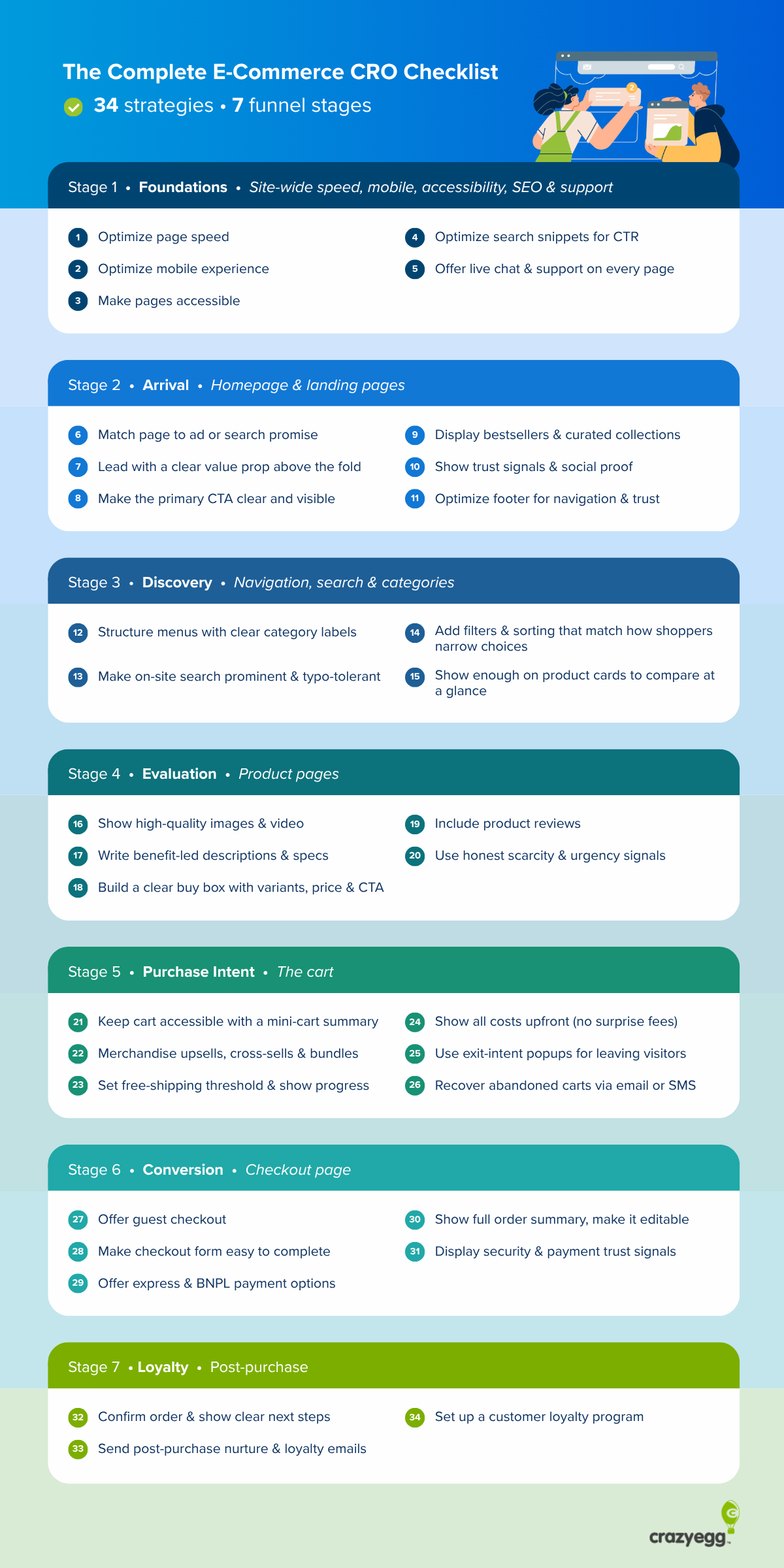
The global e-commerce landscape has reached a critical inflection point where the cost of acquiring new customers often outstrips the initial profit margin of a sale. In this high-stakes environment, Conversion Rate Optimization (CRO) has transitioned from a secondary marketing tactic to a primary pillar of business sustainability. Recent industry benchmarks indicate that while the average global e-commerce conversion rate hovers around 2.5% to 3%, top-tier retailers achieving rates above 5% are significantly more likely to maintain long-term profitability amidst rising advertising costs on platforms like Meta and Google.
The Economic Context of Conversion Rate Optimization
The necessity for a robust CRO framework is driven by the escalating Customer Acquisition Cost (CAC). According to recent market analysis, CAC has increased by over 200% in the last decade, forcing brands to maximize the value of every visitor. Conversion Rate Optimization is defined as the systematic process of increasing the percentage of website visitors who take a desired action—be it making a purchase, signing up for a newsletter, or adding an item to a wishlist.
Industry analysts suggest that a mere 0.1% increase in conversion rate can result in a 4% to 5% lift in total revenue for a mid-sized enterprise. This mathematical reality has led to a surge in demand for evidence-backed strategies that address friction points across the entire customer journey, from initial landing to post-purchase retention.
Stage 1: Establishing the Technical Foundation
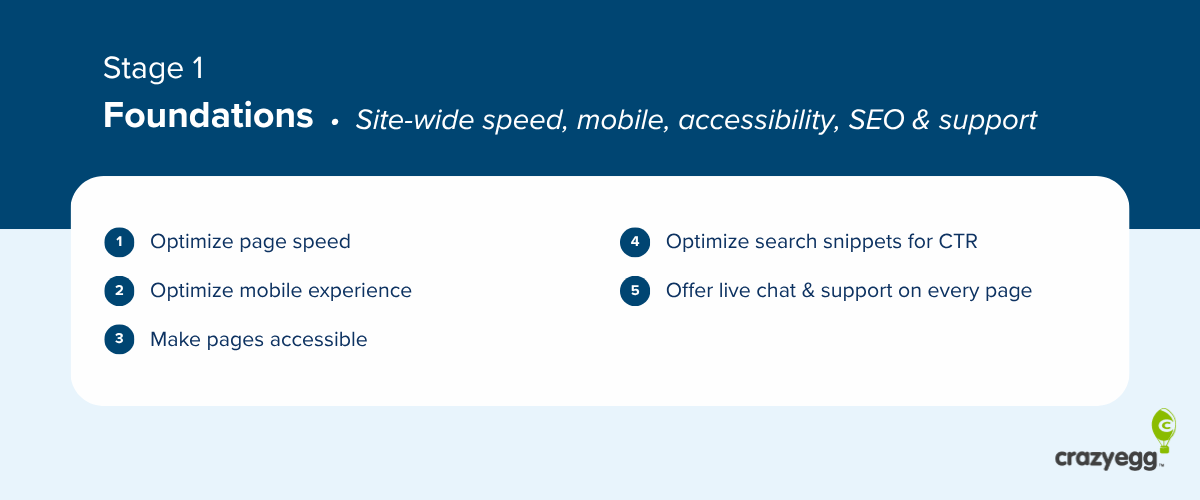
Before a merchant can optimize for persuasion, they must optimize for performance. The technical foundation of an e-commerce site acts as the "health" of the store. If the foundation is weak, even the most compelling marketing copy will fail to convert.
Page Speed and Core Web Vitals
Site speed remains the single most influential technical factor in conversion. Research by Google and Deloitte indicates that a 0.1-second improvement in mobile site speed can increase conversion rates by 8.4% for retail sites. Merchants are now prioritized to keep load times under 2.5 seconds. Key technical maneuvers include:
- Implementing Next-Gen image formats (WebP/AVIF).
- Utilizing Content Delivery Networks (CDNs) to reduce latency.
- Minifying JavaScript and CSS to streamline browser processing.
The Mobile-First Mandate
With mobile devices now accounting for over 70% of e-commerce traffic, the "mobile-first" approach is no longer optional. This involves more than responsive design; it requires "thumb-friendly" navigation, where buttons are easily reachable, and the elimination of intrusive interstitials that disrupt the browsing flow.
Accessibility and Inclusivity
Web accessibility is increasingly becoming a legal and ethical requirement. Ensuring high color contrast, screen-reader compatibility, and keyboard-navigable menus not only protects a brand from litigation but also opens the market to the millions of shoppers with disabilities.
Stage 2: The Arrival Experience and First Impressions
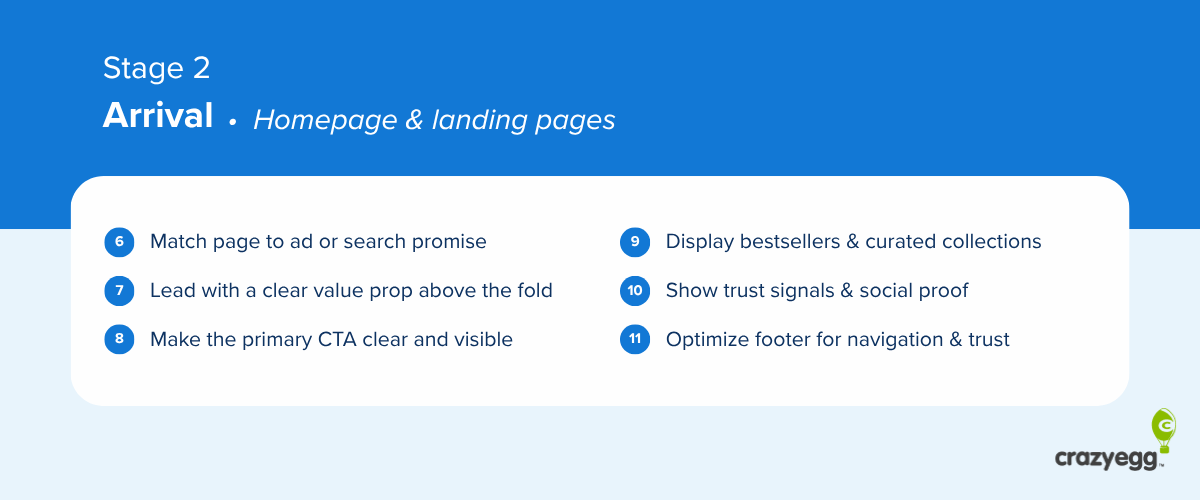
The "Arrival" stage is where the bounce rate is won or lost. When a user clicks an ad or a search result, they form an impression within 50 milliseconds.
The Promise-Delivery Alignment
High bounce rates often stem from a "scent mismatch"—where the ad promises one thing (e.g., a 20% discount on shoes) and the landing page shows another (e.g., a generic homepage). Journalists and UX researchers emphasize that the landing page must immediately mirror the intent of the referral source.
Value Proposition and the Hero Section
The "Above the Fold" area must answer three questions instantly: What is this? Who is it for? Why should I care? A clear value proposition avoids corporate jargon in favor of benefit-driven language. For instance, instead of "Global Logistics Leaders," a successful brand might use "Guaranteed 2-Day Shipping on All Sustainable Footwear."
Stage 3: Discovery and the Search for Relevance
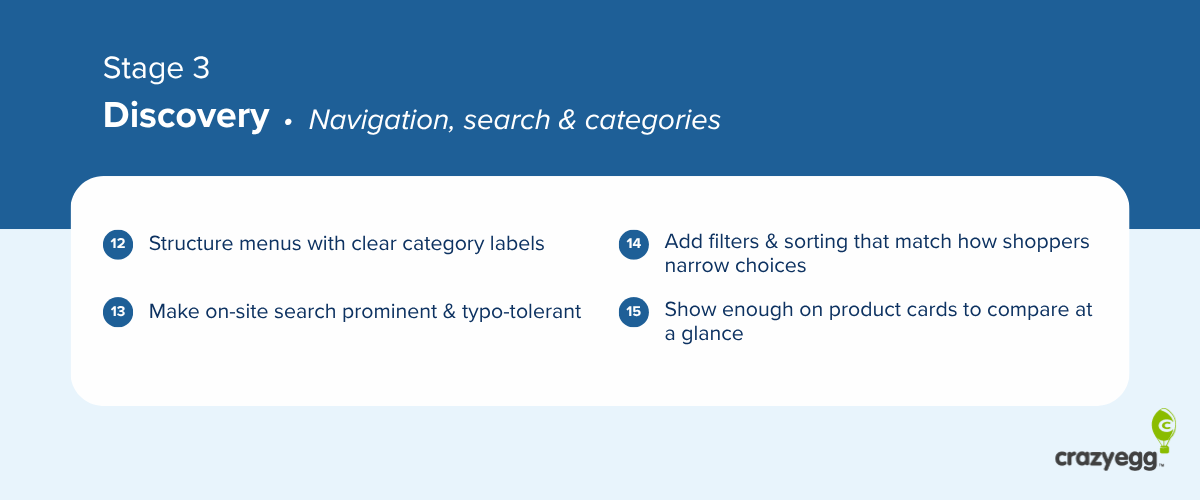
Once a visitor decides to stay, the goal shifts to "Discovery." The ease with which a user can find a specific product is directly correlated to the likelihood of a purchase.
The Power of On-Site Search
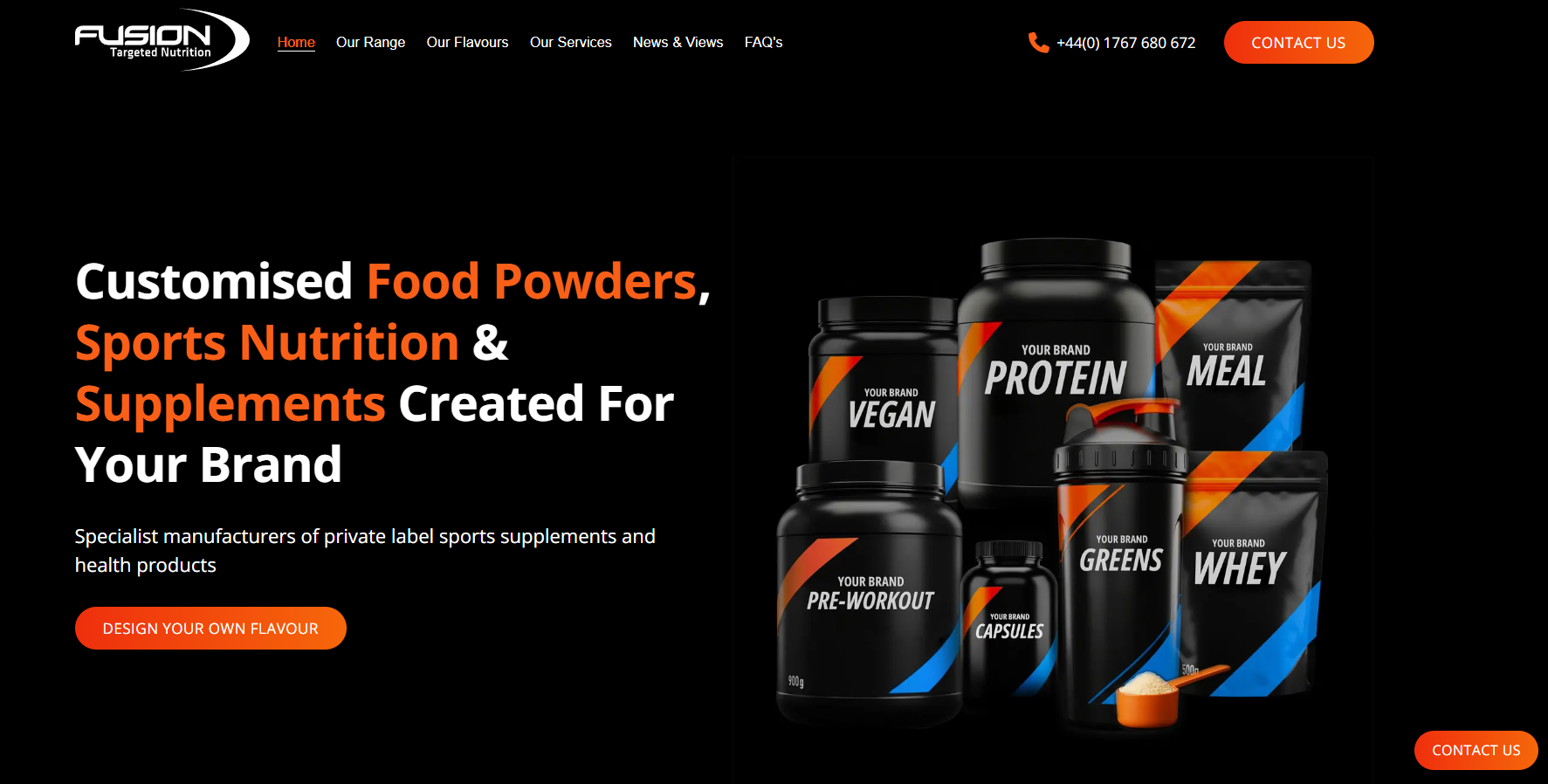
A 2024 study by Constructor found that although searchers represent only about 24% of site visitors, they contribute to nearly 44% of total revenue. This is because search indicates high intent. Advanced retailers are now moving toward AI-driven search that handles typos and understands natural language (e.g., "blue dress for a summer wedding").
Faceted Navigation and Comparison
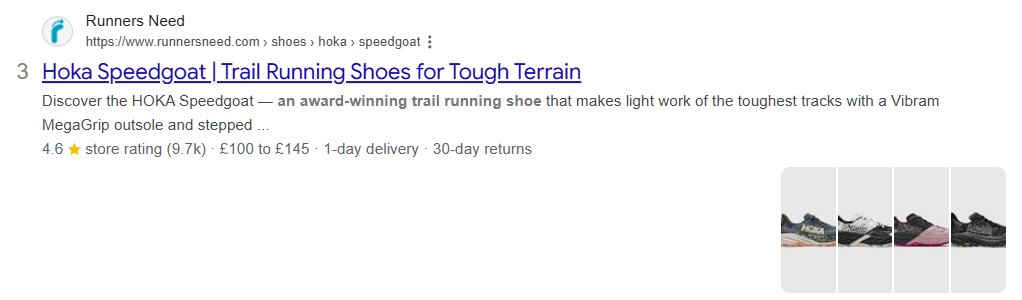
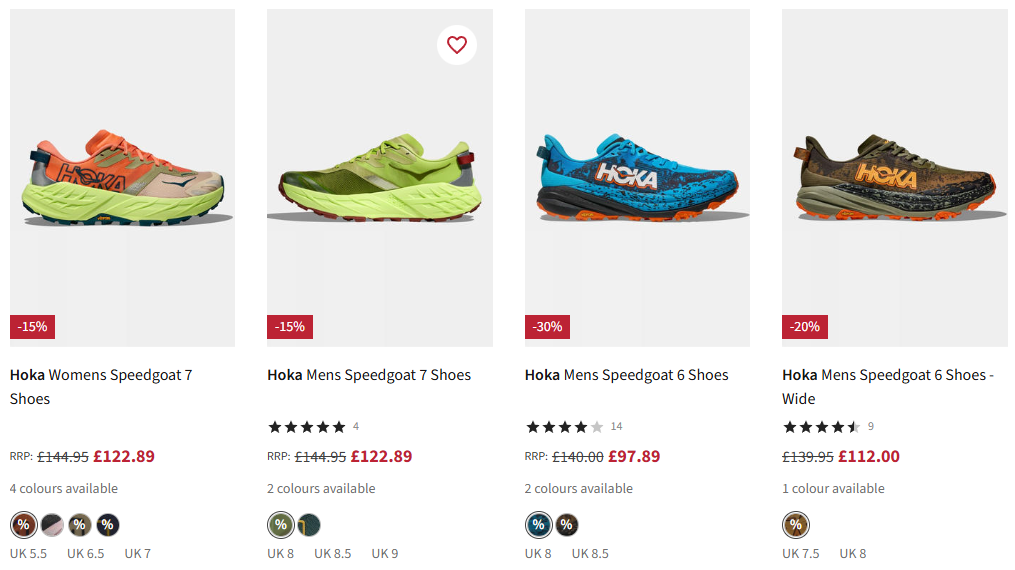
Filtering systems must be intuitive. Standard filters like price and size are baseline requirements; high-converting stores implement category-specific filters, such as "battery life" for electronics or "fabric type" for apparel. Product cards should also allow for "at-a-glance" comparisons, displaying ratings, color swatches, and price without requiring a click-through.

Stage 4: Product Evaluation and Social Validation
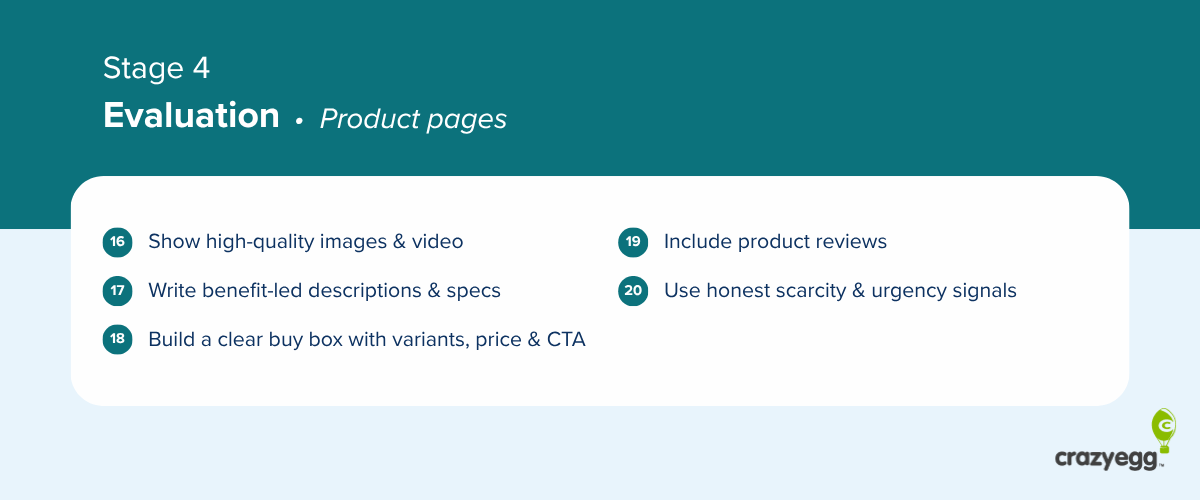
The Product Detail Page (PDP) is the virtual equivalent of a customer holding an item in a physical store. Since they cannot touch the product, the digital experience must compensate through high-fidelity media and social proof.
Visual Fidelity and Scale
Static images are often insufficient. Conversion rates typically see a lift when brands include:
- Videos of the product in motion.
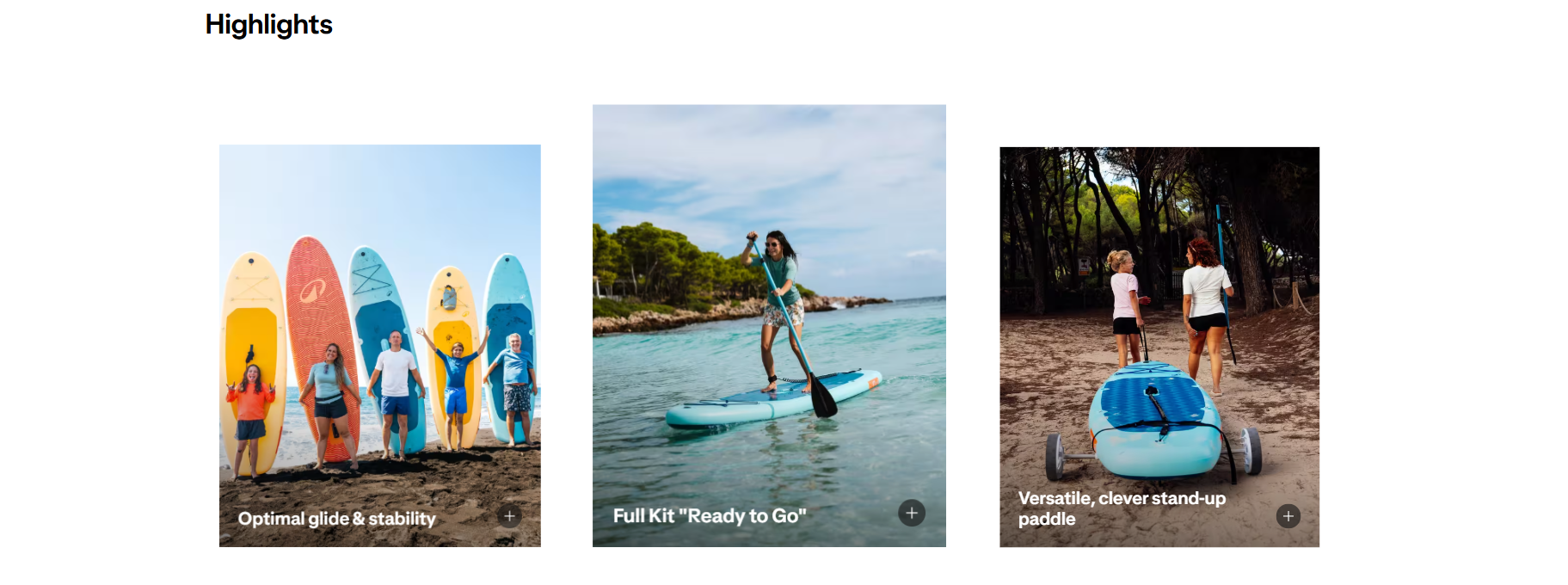
- Lifestyle imagery showing the product in a real-world context.
- Size-reference photos (e.g., a handbag next to a standard smartphone).
Social Proof as a Trust Catalyst
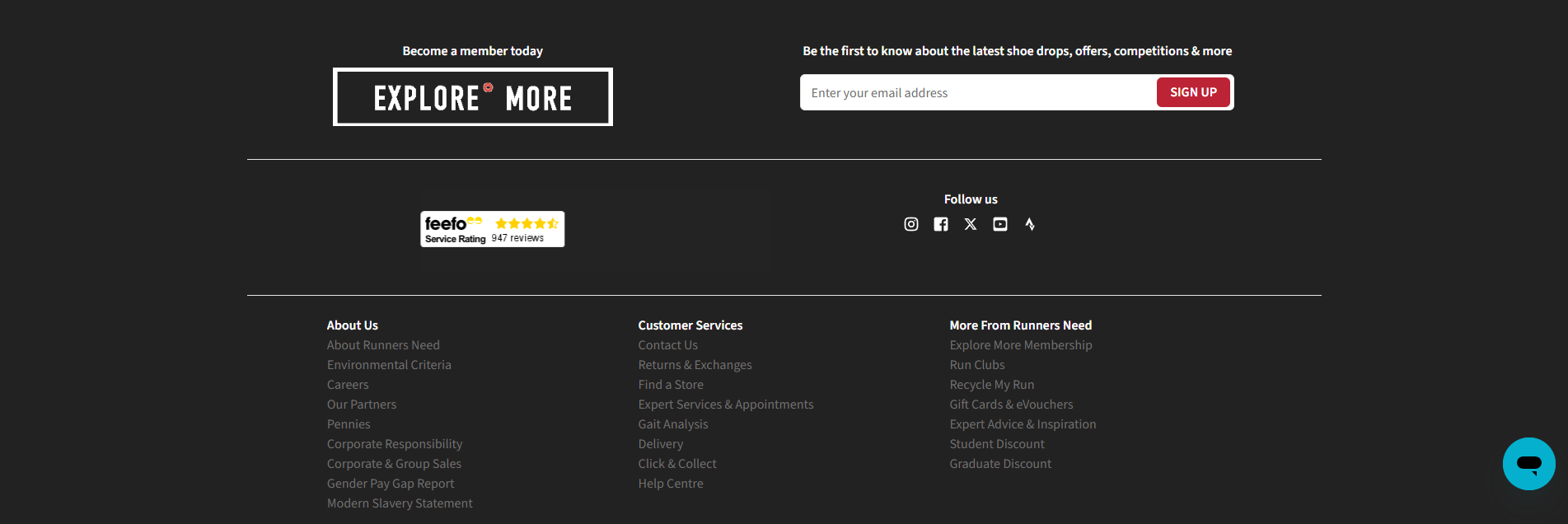
Reviews are the bedrock of digital trust. However, the quality of reviews matters more than the quantity. High-converting PDPs feature reviews that are searchable and filterable, allowing prospective buyers to find feedback from people with similar profiles (e.g., "Verified Buyer, Height 5’10, Size Large").
Stage 5: Managing Purchase Intent and the Cart
The transition from "browsing" to "buying" happens in the cart. This is also where the highest percentage of drop-offs occur, often due to "sticker shock" regarding shipping costs or taxes.
Transparency in Pricing
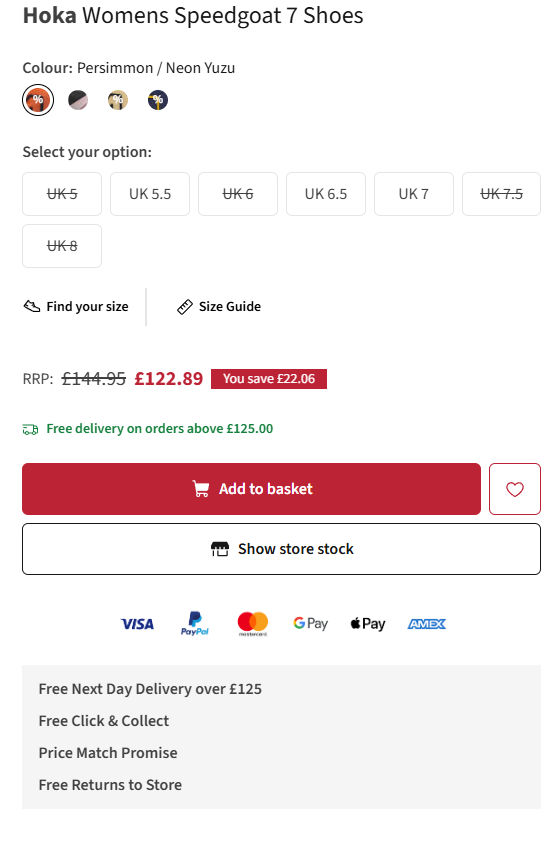
Surprise fees are the leading cause of cart abandonment, cited by 48% of users in recent surveys. Leading e-commerce entities now display shipping costs and estimated taxes as early as the product page or mini-cart to ensure the final total is expected.
Threshold Psychology
The "Free Shipping Threshold" is a powerful tool for increasing Average Order Value (AOV). By setting a threshold slightly above the current AOV and displaying a progress bar (e.g., "You are $15 away from free shipping"), merchants can nudge customers to add "filler" items, which simultaneously improves the conversion-to-revenue ratio.

Stage 6: The Frictionless Checkout
The checkout process is the final hurdle. Any unnecessary field or forced registration acts as a barrier to the sale.
The Case for Guest Checkout
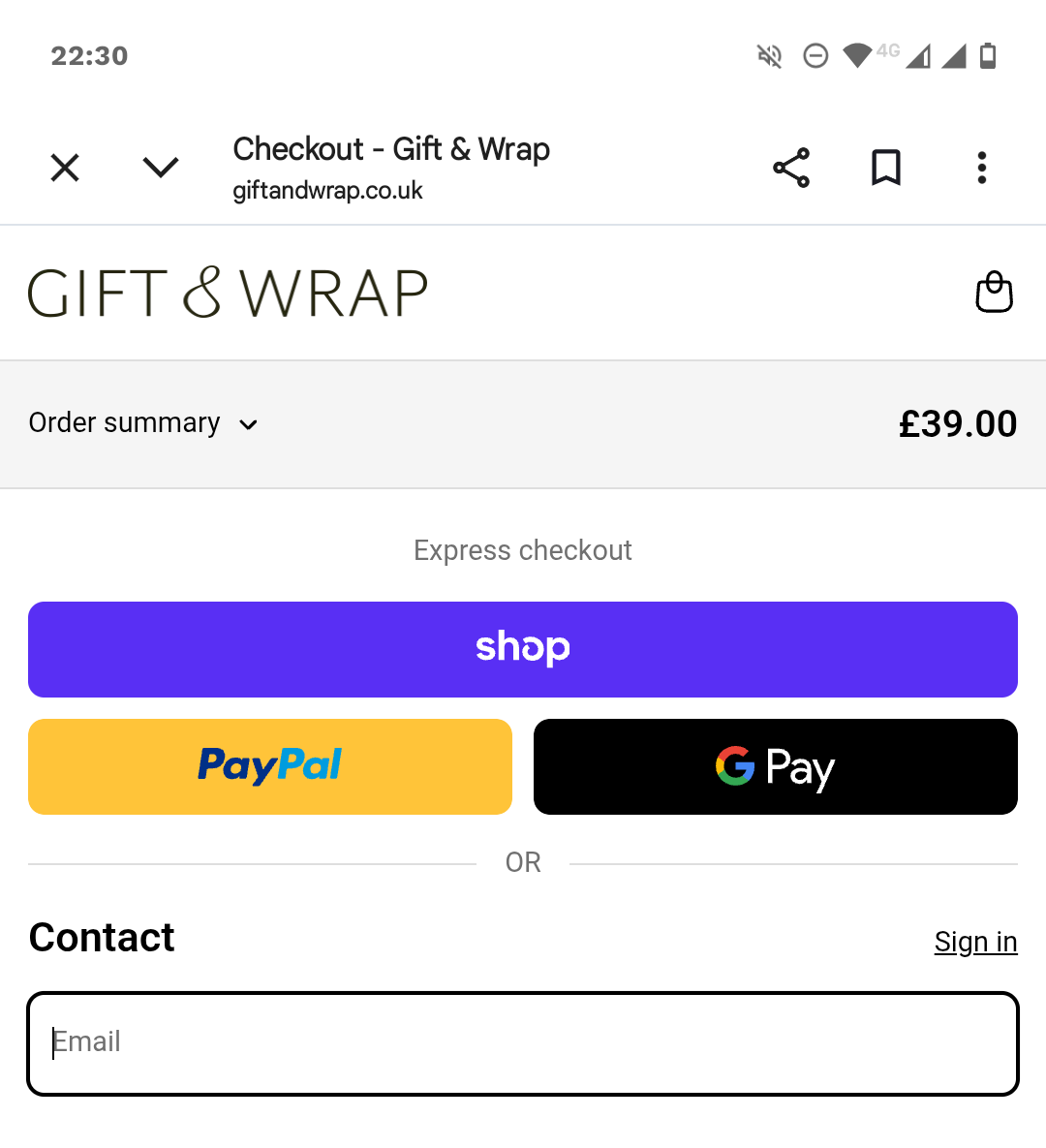
Research from Baymard Institute suggests that 18% of shoppers abandon carts because they were forced to create an account. Providing a "Guest Checkout" option as the primary choice reduces friction. Account creation should be a secondary offer presented on the "Thank You" page after the transaction is secure.
The Diversification of Payment Methods
The modern consumer expects a variety of payment options. Stripe’s 2025 data indicates that adding even one additional relevant payment method—such as Apple Pay, Google Pay, or a Buy-Now-Pay-Later (BNPL) service like Klarna—can increase revenue by up to 14%. BNPL is particularly effective for high-ticket items, as it lowers the psychological barrier of a large one-time payment.
Stage 7: Post-Purchase Loyalty and Lifetime Value
CRO does not end with a "Successful Transaction" message. True optimization looks at the Lifetime Value (LTV) of a customer.
Engagement and Nurturing
Post-purchase emails should lead with utility rather than sales. Shipping updates, "How-To" guides, and assembly videos build brand affinity. Once the product has been delivered and tested, the brand can then transition to review requests and personalized recommendations based on the previous purchase.
Loyalty Programs
A structured loyalty program provides a reason for the customer to bypass competitors. Rewarding repeat purchases with points, exclusive access, or early-bird discounts creates a "moat" around the customer base.
Implementation Chronology: A Strategic Roadmap
Experts suggest that a CRO program should follow a logical sequence to ensure the most significant issues are addressed first:
- Technical Audit: Fix site speed, mobile responsiveness, and broken links.
- The "Walk-Through": The merchant should attempt to buy their own products on multiple devices to identify obvious friction points.
- Data Analysis: Use tools like heatmaps and session recordings to see where users are clicking and where they are getting stuck.
- A/B Testing: Once the "low-hanging fruit" (obvious bugs) are fixed, begin testing variables like button colors, headline copy, and image placement.
Broader Market Implications and Analysis
The shift toward a "conversion-first" mindset reflects a broader maturation of the e-commerce industry. In the early 2010s, growth was driven by cheap traffic and venture capital. In the mid-2020s, growth is driven by efficiency and user experience.
Furthermore, the rise of Artificial Intelligence is beginning to automate parts of the CRO process. AI can now generate personalized product recommendations in real-time and even adjust website layouts based on individual user behavior. However, the fundamental principles of human psychology—trust, clarity, and ease of use—remain the core drivers of conversion.
Conclusion
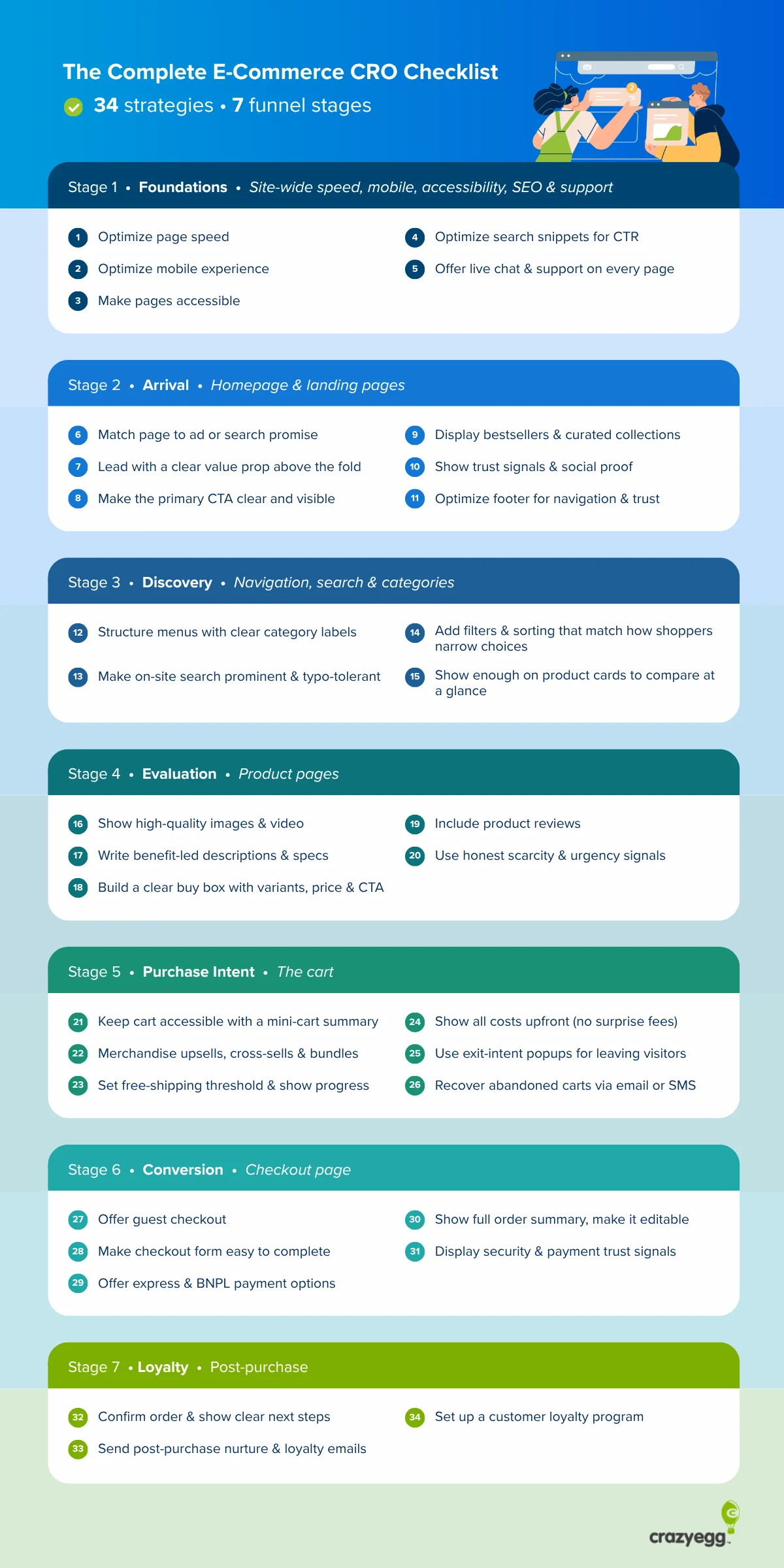
E-commerce Conversion Rate Optimization is not a one-time project but a continuous cycle of measurement and refinement. By following a structured checklist—optimizing foundations, simplifying discovery, and removing checkout friction—brands can insulate themselves from the volatility of advertising markets. As competition continues to intensify, the retailers who prioritize the user experience and data-driven optimization will be the ones that survive and thrive in the digital marketplace.