

The architecture of digital retail is undergoing a significant transformation as e-commerce platforms move away from static product listings toward dynamic, intent-driven category pages. Industry data indicates that category pages, often referred to as Product Listing Pages (PLPs), frequently serve as the primary entry point for organic search traffic and paid advertising campaigns. However, recent analysis from conversion rate optimization (CRO) specialists suggests that many brands fail to optimize these critical junctions, leading to high exit rates and lost revenue. By aligning page design with specific user intent—whether browsing, deciding, or buying—retailers can significantly reduce friction and improve the path to purchase.
The fundamental challenge in designing an effective category page lies in identifying its primary objective. Experts categorize these pages into three distinct roles based on the visitor’s psychological state. Browsing-focused pages cater to users who are still exploring the breadth of a catalog, asking themselves what options exist. In contrast, decision-focused pages help users compare specific attributes, while buying-focused pages streamline the transaction for returning customers or those with high purchase intent. Misaligning the interface with the user’s current stage in the funnel often results in "decision conflict," a state where the interface demands a higher-commitment decision than the user is prepared to make, ultimately leading to site abandonment.
The Evolution of E-commerce Navigation: A Chronology
The methodology behind category page design has evolved through several distinct eras of digital commerce. In the early 2000s, category pages were little more than digital versions of mail-order catalogs—simple, alphabetical lists of products with minimal filtering capabilities. By 2010, the rise of faceted search allowed users to filter by basic attributes like price and size, marking the beginning of the "utility era."
Between 2015 and 2020, the focus shifted toward "mobile-first" design, forcing retailers to condense massive taxonomies into "hamburger" menus and scrollable grids. Today, the industry has entered the "intent-based era," where data analytics and AI-driven personalization dictate the layout. Modern category pages are no longer static; they are responsive environments that change based on whether a user arrived via a broad search term like "electronics" or a specific long-tail query like "4K gaming monitors under $500." This chronological shift reflects a deeper understanding of user psychology and the technical necessity of managing increasingly vast product inventories.
Analyzing the Impact of Decision Friction and Exit Rates
Data from various e-commerce benchmarks suggests that category pages typically maintain exit rates close to the site-wide average. However, when these rates spike, it often indicates a failure in the page’s structural logic. A high exit rate on a category page suggests that visitors are not finding the necessary "scent of information" to proceed to a specific product detail page (PDP).
UX researchers note that the introduction of "Add to Cart" buttons on browsing-heavy pages can actually be counterproductive. While it seems like a shortcut to conversion, it often interrupts the cognitive process of a user who is still trying to understand the range of products available. When an interface pushes a "buy" action too early, users often backtrack or exit entirely rather than comply with the high-commitment demand. The goal of a browsing-focused page should be to facilitate further discovery, prioritizing visual hierarchy and clear sub-navigation over immediate transaction triggers.
Structural Requirements and the "Three-Level" Rule
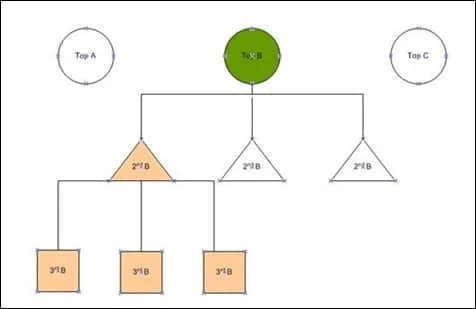
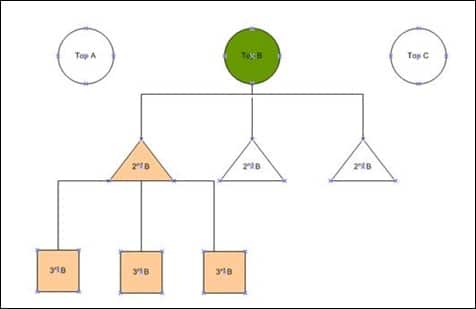
To maintain a manageable user experience, information architects recommend a disciplined approach to category hierarchy. A common pitfall for expanding retailers is the creation of overly broad top-level categories. For instance, a category labeled "Electronics" is too expansive for effective navigation. Industry best practices suggest breaking these down into at least one or two further levels of sub-categories.
The "Three-Level Rule" has emerged as a standard guideline: retailers should generally avoid having more than three levels of sub-categories beneath a top-level header. Deeply nested taxonomies can lead to "click fatigue," where users lose their sense of place within the site’s architecture. To mitigate this, successful platforms utilize "child category" highlights, showcasing popular sub-sectors within a parent category to give users a visual preview of what lies deeper in the site.
Feature-Based and Need-Based Filtering Systems
Modern consumers expect sophisticated filtering mechanisms that reflect how they actually shop. This has led to the rise of two distinct filtering philosophies: feature-based and need-based.
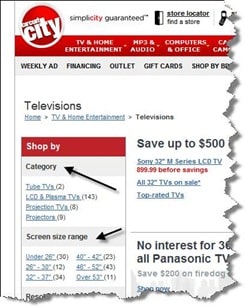
Feature-based filtering focuses on the technical specifications of a product. In the television market, for example, this includes screen size, resolution (4K vs. 8K), and refresh rates. This appeals to the "informed shopper" who knows exactly which technical parameters meet their requirements. Historical examples from retailers like Circuit City demonstrated the efficacy of using these technical features as primary navigation anchors.
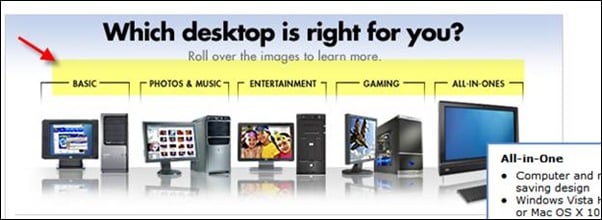
Need-based filtering, conversely, targets the "solution seeker." Best Buy’s approach to the desktop computer category serves as a prime example, where users can filter by intended use—such as "gaming," "entertainment," or "basic home office." By categorizing products based on the "why" rather than just the "what," retailers can assist less-technical users in making confident decisions. This dual approach ensures that both expert and novice shoppers can navigate the catalog with equal efficiency.
Supporting Data on Guided Selling and UX Tools
Recent studies in consumer behavior highlight the growing importance of "guided selling" tools on category pages. For complex product categories—such as high-end photography equipment or specialized home appliances—buying guides and interactive wizards have become essential. These tools function as digital sales associates, asking the user a series of questions to narrow down the sub-categories most appropriate for their situation.
Statistics indicate that category pages equipped with educational content or buying guides see a higher dwell time and a more significant "click-through rate" to product pages. By providing a decision-making framework, the retailer reduces the "paradox of choice," where an abundance of options leads to consumer paralysis.
Industry Perspectives and the Role of Iterative Testing
Conversion rate optimization experts emphasize that no single category page layout is universally perfect. The most successful e-commerce brands employ a rigorous cycle of testing and iteration. Utilizing tools such as heatmaps and session recordings, brands can observe how users interact with specific filters and navigation blocks.
"We often see a disconnect between what a brand thinks is important and what the user actually uses," says one senior CRO analyst. "A team might spend weeks developing a ‘need-based’ filter, only to find through analytics that users are ignoring it in favor of a simple price filter. The data must dictate the design."
The consensus among industry leaders is that category pages must remain flexible. If analytics show that a specific categorization is not being utilized, it should be removed or relocated within two to four weeks. This agile approach to web design allows retailers to stay aligned with shifting consumer preferences and seasonal shopping trends.
Broader Implications for the Future of E-commerce
The optimization of category pages carries implications beyond immediate conversion metrics. As search engines like Google place more emphasis on "User Experience Signals" and "Core Web Vitals," the structural integrity and speed of category pages directly impact a site’s search engine optimization (SEO) performance. A well-structured category page with clear headings, internal linking, and relevant content is more likely to rank for high-value head terms.
Furthermore, the rise of voice search and AI-driven shopping assistants will require even cleaner data structures. AI models rely on the logical categorization of products to provide accurate recommendations. Retailers who invest in refining their category pages today are essentially "future-proofing" their data for the next generation of commerce technology.
In summary, the e-commerce category page is far more than a placeholder between the homepage and the product page. It is a sophisticated tool for managing user intent, reducing cognitive load, and guiding the customer toward a confident purchase. By balancing technical features with user needs, maintaining a strict hierarchy, and relying on data-driven testing, brands can transform these digital aisles into high-performing engines of growth. The transition from a simple list to a strategic navigation hub is no longer an option for retailers—it is a necessity in an increasingly competitive digital marketplace.







