
 rifanmuazin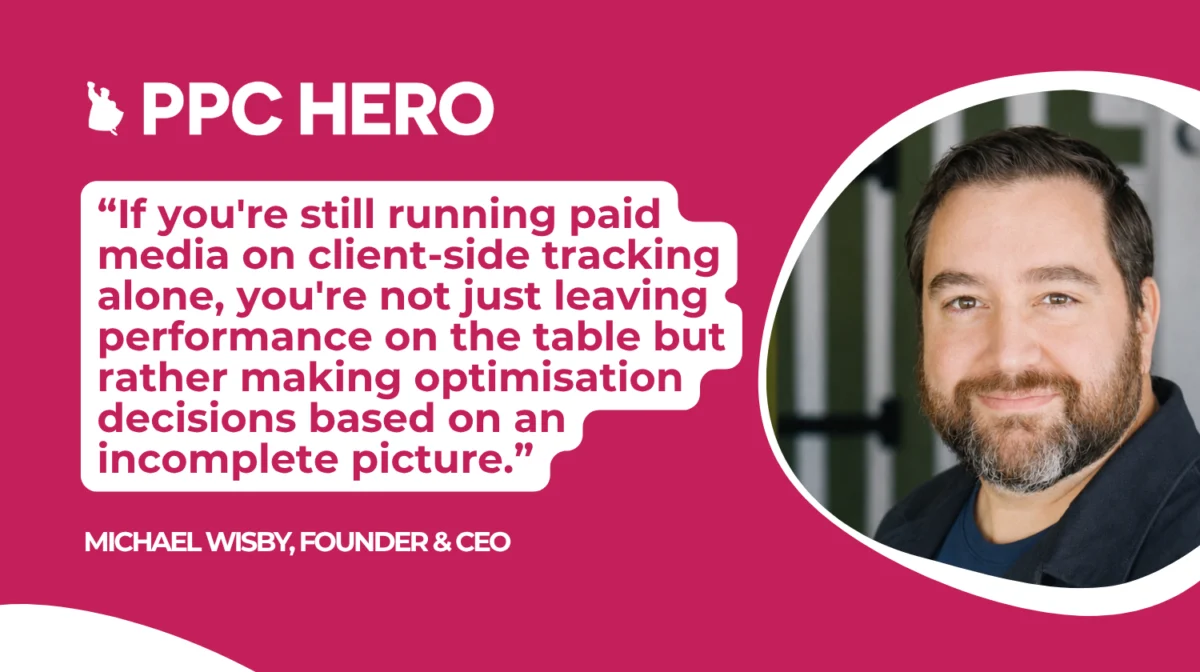
The landscape of digital advertising is undergoing a seismic shift, leaving many performance marketers adrift in a sea of uncertainty. The core issue: campaigns are being judged by data that is increasingly unreliable, creating a “silent crisis” where the true performance of marketing efforts remains largely unknown. This erosion of data integrity stems from a fundamental breakdown in the traditional browser-based tracking methods that have underpinned digital advertising since its inception.
For years, the humble tracking pixel, embedded in a website’s code, has served as the backbone of conversion measurement. However, this architecture is now under siege from multiple fronts. Browsers are actively blocking cookies, a trend accelerated by stringent privacy regulations worldwide. Ad blockers, once a niche tool, are now prevalent, stripping tracking pixels before they can even fire. Furthermore, sophisticated technologies like Apple’s Intelligent Tracking Prevention (ITP) are silently and systematically diminishing the data available to advertisers, particularly impacting conversion attribution.
The consequence for businesses that continue to rely solely on client-side tracking is stark. They are not merely leaving performance on the table; they are making critical optimization and bidding decisions based on an incomplete, often distorted, picture of reality. In essence, they are “bidding on shadows,” attempting to navigate a complex digital ecosystem with a faulty compass. In this environment, server-side tracking has emerged not as an optional upgrade, but as a critical infrastructure investment, offering the single highest return on investment for businesses managing significant ad spend.
The Mechanics of Server-Side Tracking: A Fundamental Shift
To grasp the significance of server-side tracking, it is essential to understand its departure from the traditional client-side approach. Client-side tracking operates on a model where a user’s browser acts as the intermediary for all conversion signals. When a user visits a website, their browser downloads and executes JavaScript code from various ad platforms (such as Google, Meta, or LinkedIn). This code then fires data back to the respective ad platform, reporting on user actions like page views or purchases. The browser is, therefore, a critical, and increasingly vulnerable, link in the data chain.
Server-side tracking fundamentally alters this dynamic by removing the browser from the direct tracking equation. Instead of relying on JavaScript pixels fired within the user’s browser, the advertiser’s own server transmits conversion data directly to the ad platform’s Application Programming Interface (API). This means that a conversion can be recorded and attributed without the user’s browser ever needing to execute tracking code.
In practice, this often involves deploying a server-side Google Tag Manager (sGTM) container. This container acts as a cloud-hosted endpoint, receiving data from the website’s server and then relaying it to ad platforms on a server-to-server basis. For platforms like Meta, this translates to implementing the Conversions API (CAPI), which facilitates direct, server-to-server communication of event data. The crucial architectural distinction lies in where the tracking computation occurs: client-side in the browser, or server-side on the advertiser’s infrastructure. This single shift has profound implications for data quality, reliability, and the signals ultimately received by advertising platforms.
The Five Forces Undermining Client-Side Data
The imperative for server-side tracking is amplified by a convergence of five potent forces that are actively dismantling traditional client-side tracking mechanisms. This is not an isolated problem but a multi-front battle where client-side tracking is demonstrably losing ground.
1. Browser Privacy Restrictions
The privacy-centric evolution of web browsers poses a significant threat to client-side tracking. Safari’s Intelligent Tracking Prevention (ITP), for instance, now imposes strict limits on cookie lifespans, often capping first-party cookies at seven days and, in some instances, as little as 24 hours for cookies set via JavaScript. Firefox has similarly enabled Enhanced Tracking Protection by default. Even Google Chrome, which has historically been more accommodating, is progressively phasing out third-party cookie functionality and introducing privacy-preserving APIs like the Topics API.
These restrictions have a disproportionate impact in regions like the UK, where Apple’s Safari holds a substantial market share, particularly among iPhone users. When a significant portion of a website’s traffic originates from Safari, ITP can silently and at scale erase valuable conversion data. For example, a user might click on an ad on a Monday, return to the website to convert on a Thursday, but by then, Safari will have purged the cookie that linked their visit to the initial ad click. This conversion would then go un-attributed, leading to an underestimation of campaign performance, deflated Return on Ad Spend (ROAS) figures, and starved bidding algorithms that lack crucial performance signals.
2. Ad Blockers and Privacy Tools
The widespread adoption of ad blockers and other privacy-enhancing tools represents another significant hurdle for client-side tracking. Estimates suggest that 30-40% of desktop users employ ad blockers, with this figure rising considerably among more tech-savvy audiences and in business-to-business (B2B) sectors. In countries like the UK, ad blocker adoption rates have consistently exceeded global averages. Crucially, modern ad blockers are not limited to preventing ad displays; they actively intercept and disable tracking pixels. When a Meta pixel, Google tag, or LinkedIn Insight Tag is stripped from a webpage, the entire user journey becomes invisible to the advertising platforms, rendering campaign performance data incomplete.
This issue is particularly acute for B2B advertisers targeting technically proficient decision-makers, as this demographic is precisely the group most likely to use ad blockers, making them invisible to tracking efforts.
3. iOS and App Tracking Transparency (ATT)
Apple’s introduction of the App Tracking Transparency (ATT) framework with iOS 14.5 marked a watershed moment for mobile advertising. ATT mandates that apps must obtain explicit user consent before tracking their activity across other apps and websites. With opt-in rates generally hovering between 25-35% across most industries, Meta, in particular, has experienced a dramatic loss of visibility into conversion events occurring on iOS devices. This degradation in signal has significantly impaired the platform’s ability to optimize ad campaigns effectively.
While ATT is primarily a mobile-specific issue, its repercussions extend to web campaigns. Meta’s predictive modeling has become less accurate across its entire user base, and the platform’s Conversions API has become an essential mechanism for attempting to bridge this signal gap.
4. Cross-Device and Cross-Browser Journeys
The modern consumer journey is rarely a linear, single-device experience. A prospect might interact with an ad on their mobile phone during their commute, conduct further research on their work laptop, and ultimately convert on their personal computer at home. Traditional client-side tracking, heavily reliant on browser cookies, often perceives these as three distinct, anonymous users. Server-side tracking, when integrated with first-party data such as email addresses, phone numbers, or user IDs, has the capability to stitch these disparate touchpoints together, providing a unified and comprehensive signal to advertising platforms.
5. Page Speed and Tag Bloat
The proliferation of client-side tracking tags has a tangible impact on website performance. Each tag represents a piece of JavaScript that must be downloaded, parsed, and executed by the user’s browser. A typical enterprise-level website can easily host 15 to 30 marketing tags that fire upon page load. This accumulation of code slows down website loading times, increases bounce rates, and critically, can lead to some tracking pixels failing to fire altogether as users navigate away before the tags have fully loaded. Server-side tracking alleviates this burden by offloading computation from the browser, resulting in faster page loads, an improved user experience, and more reliable conversion signal transmission, irrespective of subsequent browser activity.
The Tangible Solutions Offered by Server-Side Tracking
Implementing server-side tracking addresses these challenges directly, yielding concrete improvements in how advertising campaigns are measured and optimized.
More Accurate Conversion Counts
The most significant benefit of server-side tracking is the recapture of previously invisible conversions. By circumventing browser restrictions, ad blockers, and cookie expiration limitations, advertisers can gain a more accurate view of their campaign performance. Many businesses report a 15-30% increase in attributed conversions post-implementation. This increase is not due to a sudden surge in actual conversions, but rather to the accurate measurement of conversions that were already occurring but were previously unrecorded. This granular accuracy is vital for optimization, as algorithms like Google’s Smart Bidding rely on comprehensive data to make informed decisions regarding bidding strategies and budget allocation.
Enhanced Signal for Algorithmic Optimization
Major advertising platforms are increasingly leaning into AI-driven campaign optimization, exemplified by Google’s Performance Max, Meta’s Advantage+ campaigns, and LinkedIn’s predictive audiences. The effectiveness of these intelligent systems is directly proportional to the quality of the data they receive. Server-side tracking provides richer event data, including hashed user identifiers, transaction values, and custom parameters, alongside more reliable conversion data. This improved signal translates to faster campaign learning phases, more efficient bidding, and more accurate audience modeling, enabling algorithms to allocate ad spend more effectively.
Extended Attribution Windows
Unlike client-side cookies, which are subject to browser-imposed limitations, server-side cookies can be configured as true first-party cookies with extended expiration windows. This allows for the attribution of conversions that occur days or even weeks after the initial ad click, a crucial advantage for B2B and high-consideration purchases with longer sales cycles.
First-Party Data Activation
Server-side tracking establishes a robust infrastructure for leveraging first-party data. When a known user converts (e.g., a logged-in customer or form submitter), hashed Personally Identifiable Information (PII) such as email addresses and phone numbers can be transmitted alongside conversion events. This powers features like Google’s Enhanced Conversions and Meta’s Advanced Matching, facilitating more precise audience targeting, lookalike modeling, and cross-device attribution in an era where third-party data is rapidly diminishing.

Improved Data Governance and Compliance
A significant advantage of server-side tracking is the enhanced control it offers over the data pipeline. Advertisers can inspect, filter, and redact data before it is sent to any ad platform, ensuring compliance with privacy regulations. This is particularly critical in regions with stringent data protection laws.
In the UK and EU, regulations such as the UK GDPR, PECR, and the upcoming Data (Use and Access) Act 2025 mandate explicit opt-in consent before non-essential cookies can be deployed. Server-side tracking provides a centralized mechanism for enforcing these consent decisions at the server level. The Information Commissioner’s Office (ICO) has been actively auditing UK websites for cookie compliance, and PECR fines, now aligned with UK GDPR penalties, can reach up to £17.5 million or 4% of global turnover, making compliance a significant business imperative.
In the United States, while the regulatory landscape is more fragmented, a growing number of state-specific privacy laws, including California’s CCPA/CPRA, Virginia’s CDPA, and Colorado’s CPA, are tightening requirements around data collection and user consent. For healthcare advertisers, HIPAA adds another layer of complexity. In both markets, client-side tracking presents a compliance liability, as once a pixel fires in the browser, control over the data collected and transmitted is significantly diminished. Server-side tracking, conversely, places advertisers back in control, offering a single point for enforcing consent, stripping sensitive parameters, and auditing outgoing data.
The Implementation: A Strategic Necessity
Implementing server-side tracking is a strategic undertaking that requires careful planning and execution. The core architecture typically revolves around a server-side Google Tag Manager (sGTM) container. Historically, this involved significant DevOps expertise to provision and manage Google Cloud instances. However, the advent of managed hosting platforms has dramatically lowered the barrier to entry.
Platforms like Stape.io, Addingwell, and TAGGRS now offer managed sGTM container hosting, simplifying server infrastructure management. These platforms provide a cloud-hosted endpoint that receives data from the advertiser’s website and forwards it to ad platforms. The sGTM container is typically deployed on a first-party subdomain (e.g., data.yourdomain.com), ensuring that the cookies it sets are treated as true first-party cookies by browsers, rendering them immune to ITP and ad blockers.
For Meta, server-side tracking necessitates the implementation of the Conversions API (CAPI). CAPI enables the server to send web events directly to Meta’s servers, accompanied by user parameters such as hashed email addresses, phone numbers, IP addresses, and click IDs. Meta recommends a “redundant setup,” where CAPI operates alongside the browser pixel, leveraging an event_id parameter for deduplication to avoid double-counting events and maximize signal.
On the Google platform, server-side GTM facilitates Enhanced Conversions, where hashed first-party data is sent with conversion events to improve attribution accuracy and match conversions to ad clicks even when cookies are unavailable.
Managed Hosting: Democratizing Server-Side Tracking
The most significant development in server-side tracking implementation over the past two years has been the rise of managed hosting platforms. These services abstract away the complexities of server provisioning, scaling, uptime monitoring, and SSL certificate management. Companies like Stape.io offer competitive pricing plans, starting at very accessible rates for businesses of all sizes, drastically reducing the financial and technical hurdles that previously deterred many advertisers. Platforms such as Addingwell and TAGGRS provide EU-based hosting options, which can be advantageous for businesses prioritizing data residency and GDPR compliance. For specific platforms like Meta, gateway solutions offer even faster deployment for CAPI.
While these platforms handle the infrastructure, the crucial task of configuring tracking logic, mapping events, and integrating first-party data remains with the advertiser or their implementation partner.
What a Proper Implementation Entails
A comprehensive server-side tracking implementation involves several key components:
- Server-Side GTM Container: A dedicated, cloud-hosted environment managed by a third-party platform.
- First-Party Subdomain: Crucial for setting true first-party cookies.
- Data Layer Implementation: Ensuring website events are accurately captured and sent to the sGTM container.
- Tag Configuration: Setting up and testing tags for relevant ad platforms within the sGTM environment.
- Deduplication Logic: Implementing robust
event_idstrategies to prevent duplicate conversion reporting. - Consent Mode Integration: Ensuring server-side tracking respects user consent choices, especially critical for GDPR and CCPA compliance.
- First-Party Data Hashing: Securely hashing PII before sending it to ad platforms for features like Enhanced Conversions.
Implementation Timeline and Effort
While setting up a managed sGTM container can take minutes, the full configuration and testing of tracking logic is a more involved process. A single-platform implementation (e.g., Google Ads with sGTM) might take 1-2 weeks for an experienced team. A multi-platform setup (Google, Meta CAPI, LinkedIn, TikTok) with comprehensive deduplication and consent integration can require 3-6 weeks. The complexity now lies in the measurement strategy and accurate configuration, rather than infrastructure management.
Common Pitfalls to Avoid
Several common mistakes can undermine server-side tracking implementations:
- Running Server-Side Exclusively for Meta: Meta recommends a redundant setup of CAPI and the browser pixel to maximize signal.
- Ignoring Deduplication: Inaccurate
event_idlogic can lead to double-counting conversions, distorting ROAS. - Skipping the First-Party Subdomain: This negates the benefit of first-party cookie setting.
- Omitting Consent Mode Integration: This is a critical compliance failure, particularly in the UK and EU, and can lead to significant fines.
- Treating It as a “Set and Forget” Solution: Ongoing monitoring and adaptation to platform API changes are essential.
The Business Case for Leadership
For CFOs and senior leadership, the business case for server-side tracking is compelling. It is not a cost center but a force multiplier that enhances the value extracted from existing ad spend. The relatively low cost of managed hosting, often a few hundred dollars per month, typically yields a rapid return on investment, frequently within the first billing cycle, by improving algorithmic optimization and increasing attributed conversions.
Furthermore, platforms are increasingly prioritizing advertisers with robust data infrastructure. Investing in server-side tracking now positions businesses for preferential treatment in ad auctions and algorithmic optimization, creating a competitive advantage. For companies operating in the UK and EU, server-side tracking is becoming a critical component of regulatory compliance, offering an auditable control point for consent and data processing that aligns with the expectations of data protection authorities. In the US, the evolving patchwork of state privacy laws is creating similar pressures.
The Iceberg Analogy: Beneath the Surface
Performance marketing can be understood through the analogy of an iceberg. The visible 20% above the waterline represents the ad creative, targeting, and bid strategies – the elements that most advertisers and agencies focus on. However, the crucial 80% below the waterline comprises the data infrastructure: tracking implementation, server-side setup, conversion data pipelines, and first-party data integration.
This unseen foundation is what determines the actual performance of the visible elements. Without accurate and reliable data, even the most sophisticated ad creative will struggle to achieve its full potential. Server-side tracking is not a glamorous add-on; it is the fundamental bedrock upon which all successful digital advertising campaigns are built.
Navigating the Path Forward
For businesses ready to embrace server-side tracking, a practical starting point involves auditing current data gaps by comparing ad platform reported conversions against backend data. A significant discrepancy (e.g., over 20%) highlights the immediate need for a more robust tracking solution.
The next step is to select a managed hosting platform and deploy an sGTM container, leveraging free tiers or introductory offers for testing. Prioritizing Google and Meta implementations is advisable, as these platforms typically account for the largest share of ad spend and benefit most from server-side signals. Ensuring the use of a first-party subdomain from the outset is critical for maximizing the benefits of server-side cookies.
Thorough testing of event firing, deduplication, and data hashing is paramount before going live. While managed hosting platforms have democratized infrastructure access, expertise in event mapping, deduplication logic, and consent mode configuration remains essential for a successful implementation. For UK and EU advertisers, prioritizing consent mode integration from day one is non-negotiable, as it is a cornerstone of compliance and regulatory adherence.
The tracking landscape is permanently shifting, with privacy restrictions and regulatory scrutiny only set to intensify globally. Advertisers who invest in building their measurement infrastructure to meet these evolving realities, rather than clinging to outdated methods, will be best positioned for sustained performance and competitive advantage. Server-side tracking is no longer a peripheral consideration; it is the indispensable foundation for the future of performance marketing.










