rifanmuazin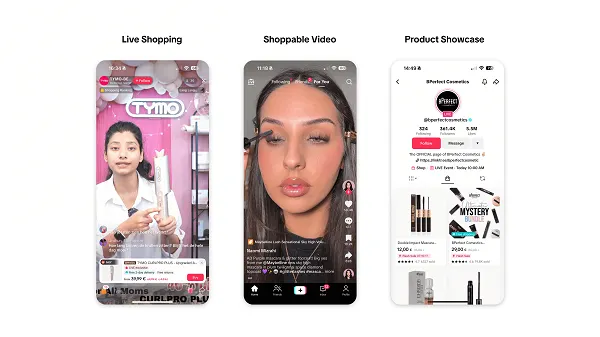
TikTok, the wildly popular short-form video platform, has announced a significant expansion of its integrated e-commerce feature, TikTok Shop, to four new European markets: Austria, Belgium, the Netherlands, and Poland. This strategic move, effective June 15, will enable shoppers and retailers within these countries to seamlessly buy and sell products directly within the app, marking another crucial step in the platform’s ambitious plan to establish itself as a dominant force in the global e-commerce landscape. The expansion underscores TikTok’s commitment to leveraging its vast user base and entertainment-centric model to cultivate a unique and highly engaging shopping experience, positioning e-commerce as a major pillar of its future revenue streams.
Background and TikTok’s Ambitious E-commerce Vision
TikTok’s foray into e-commerce is not a nascent endeavor but rather a carefully orchestrated strategy that draws heavily from the immense success of its Chinese counterpart, Douyin. In China, Douyin has revolutionized the online shopping experience, integrating live streaming, short videos, and influencer marketing into a potent commercial engine. This model, often referred to as “entertainment commerce” or “content commerce,” diverges sharply from traditional, search-first e-commerce platforms like Amazon or eBay. Instead, it prioritizes discovery and impulse buying driven by engaging content, creator recommendations, and interactive live sessions.
The company’s overarching vision for TikTok Shop is to replicate and adapt this success globally, transforming its platform from merely a hub for viral content into a comprehensive ecosystem where users can discover, interact with, and purchase products without ever leaving the app. This integrated approach aims to reduce friction in the purchasing journey, capitalizing on the inherent virality and engagement that characterize TikTok’s user experience. By bringing together entertainment and commerce, TikTok seeks to create a “seamless shopping experience,” as articulated by the company, that is fundamentally different and, they argue, more compelling than existing e-commerce paradigms.
A Phased European Rollout and Lessons Learned
TikTok’s journey to solidify its e-commerce presence in Europe has been marked by a phased approach, punctuated by both challenges and significant successes. The platform initially ventured into live-stream commerce in the United Kingdom in 2022, an early pilot that encountered considerable operational hurdles and a perceived lack of immediate consumer interest. Reports at the time suggested that the company had imposed demanding conditions on its U.K. commerce staff, including expectations of regular 12-hour workdays and ambitious, often improbable, sales targets. These internal pressures, combined with a slower-than-anticipated uptake from consumers, led TikTok to scale back its initial live-stream commerce ambitions in the U.K. and undertake a comprehensive reassessment of its European strategy.
This period of re-evaluation proved to be instrumental. TikTok utilized the insights gained from its early U.K. experience to refine its approach, focusing on better integration, improved seller support, and a more nuanced understanding of European consumer behavior. The results of this strategic pivot became evident with the subsequent, more successful launches in other key European markets.
According to TikTok’s official statements, the platform initiated its broader European expansion by launching TikTok Shop in France, Germany, Italy, Spain, and Ireland in late 2024 and early 2025. This wave of expansion saw considerable traction, with over 100,000 European businesses joining TikTok Shop across these five markets. The company reported impressive triple-digit growth in daily Gross Merchandise Value (GMV) between August 2025 and February 2026 in these established markets, signaling a strong resurgence and validation of its revised strategy. The current expansion into Austria, Belgium, the Netherlands, and Poland on June 15 builds directly upon this momentum, further solidifying TikTok’s footprint in the highly competitive European e-commerce landscape.
The “Sell Across Europe” Initiative: Empowering Cross-Border Commerce
A cornerstone of TikTok’s European strategy is its “Sell Across Europe” initiative, designed to facilitate seamless cross-border trading for businesses operating on the platform. This program is a crucial enabler for sellers looking to scale their operations beyond their domestic markets within the European Union. Shortly after their initial market launch, businesses will gain the ability to expand their reach to other EU markets where TikTok Shop is available.
The “Sell Across Europe” feature simplifies what can often be a complex logistical and linguistic challenge for businesses. It provides tools for sellers to easily localize product descriptions, ensuring that listings are tailored to the cultural and linguistic nuances of each target market. Furthermore, it integrates with TikTok Shop-partnered logistics providers and approved carriers, streamlining the shipping process directly to other EU markets. This comprehensive support system aims to lower the barriers to entry for small and medium-sized enterprises (SMEs) looking to tap into a wider European customer base, fostering a more interconnected and dynamic commercial ecosystem within the app.
In addition to logistical and localization support, the program significantly expands the TikTok Shop creator affiliate network. This initiative allows approved creators across the EU to promote products from various sellers and earn commissions on sales generated through their content. This not only incentivizes creators to produce engaging, shoppable content but also provides businesses with an extended network of authentic voices to market their products, leveraging the power of influencer marketing that is central to TikTok’s appeal.
The Immense Potential: Learning from Douyin’s Success
The driving force behind TikTok’s aggressive push into e-commerce is the undeniable and staggering success of its Chinese sibling, Douyin. According to KrAsia, Douyin generated more than $500 billion in gross merchandise volume (GMV) in 2025, an astronomical figure that highlights the immense revenue potential of an integrated content-to-commerce model. This figure dwarfs TikTok’s reported GMV of $26.2 billion in the first half of 2025, although it’s crucial to note the difference in market maturity and penetration between the two platforms.
The vast disparity in these numbers underscores why TikTok views shopping as a paramount priority. The company recognizes that replicating even a fraction of Douyin’s success on a global scale could transform its financial outlook, diversifying its revenue streams beyond traditional advertising. By rapidly expanding its shopping tools and features to more regions, TikTok aims to bridge this GMV gap, solidifying its position as a major player in the global retail sector. The aspiration is clear: to evolve from a platform where users discover trends into one where they also habitually purchase the products that define those trends.
European E-commerce Landscape and Competitive Dynamics
Europe represents a vast and diverse e-commerce market, characterized by varying consumer behaviors, regulatory frameworks, and competitive landscapes across its member states. The overall European e-commerce market continues to grow steadily, driven by increasing internet penetration, mobile shopping, and the ongoing shift in consumer preferences towards online channels. In 2023, the European e-commerce market was estimated to be worth over €700 billion, with projections indicating continued robust growth. Countries like Germany, the UK, and France traditionally lead in market size, but emerging markets in Central and Eastern Europe are also showing significant dynamism.
TikTok’s expansion into Austria, Belgium, the Netherlands, and Poland targets markets with strong digital adoption and growing e-commerce penetration.
- The Netherlands boasts one of the highest e-commerce penetration rates in Europe, with consumers accustomed to online shopping and efficient logistics.
- Belgium shares similar characteristics, albeit with a slightly smaller market.
- Austria is also a mature market with high purchasing power.
- Poland stands out as a rapidly growing e-commerce market in Central Europe, with a large population and increasing consumer spending online, making it a particularly attractive target for expansion.
In these markets, TikTok Shop will contend with established e-commerce giants such as Amazon, local powerhouses like Bol.com in the Netherlands and Belgium, Allegro in Poland, and traditional retailers that have successfully transitioned online. However, TikTok’s unique selling proposition lies in its entertainment-first approach, which fosters impulsive discovery and authentic recommendations from creators, a model that traditional platforms struggle to emulate. This content-driven commerce model is particularly appealing to younger demographics who are increasingly looking for engaging and personalized shopping experiences.
The successful turnaround in the U.K. serves as a powerful testament to TikTok’s refined strategy. Last year, TikTok Shops in the U.K. reported an impressive 60% year-over-year growth for the beauty category alone, a segment where product discovery and visual appeal are paramount. This surge propelled TikTok to become the fourth-largest beauty retailer in the nation, demonstrating its capacity to disrupt established retail hierarchies by effectively combining personalized video engagement with direct product recommendations. This success story provides a compelling blueprint for the platform’s ambitions across other European territories.
Implications for Consumers, Businesses, and the Broader Market
The expansion of TikTok Shop carries significant implications for various stakeholders:
-
For Consumers: Users in the new markets will gain access to a novel and highly interactive shopping experience. The integration of shoppable videos and interactive livestreams means they can discover and purchase products from within their content feed, enhancing convenience and potentially introducing them to products they might not have found through traditional search methods. This could lead to more habitual shopping behaviors within the app, fundamentally altering how a segment of the population engages with retail.
-
For Businesses (Sellers): The expansion opens up new and lucrative sales channels for businesses, particularly SMEs and direct-to-consumer (DTC) brands. With TikTok’s massive and engaged user base, sellers gain unparalleled access to a younger, digitally native demographic. The “Sell Across Europe” initiative further empowers these businesses to scale their operations efficiently across borders, simplifying logistics and market entry. This presents a significant opportunity for growth and market diversification, especially for brands that can leverage compelling visual content and influencer collaborations.
-
For TikTok: This move is critical for TikTok’s long-term financial health and market positioning. By diversifying its revenue streams beyond advertising, TikTok aims to build a more resilient business model. A successful e-commerce arm will not only generate direct sales commissions but also increase user engagement and time spent on the app, further boosting its advertising potential. It solidifies TikTok’s ambition to be a multifaceted digital platform, challenging the dominance of traditional social media and e-commerce giants simultaneously.
-
For the Competitive Landscape: TikTok Shop’s aggressive expansion will intensify competition in the European e-commerce market. Traditional players will need to innovate further to counter TikTok’s unique content-driven model. Other social media platforms, many of which have also experimented with shopping features (e.g., Instagram Shopping, Facebook Marketplace), will likely face renewed pressure to enhance their own offerings or risk losing market share to TikTok’s rapidly growing commerce ecosystem.
Regulatory Considerations and Future Outlook
As TikTok expands its commercial footprint across Europe, it will inevitably face increased scrutiny from regulatory bodies within the European Union. Concerns surrounding data privacy, consumer protection, and potential market dominance are perennial issues for large digital platforms operating in the region. The EU’s Digital Services Act (DSA) and Digital Markets Act (DMA) aim to create a safer and fairer digital space, and TikTok’s e-commerce operations will need to rigorously comply with these regulations. Issues such as transparent pricing, product safety standards, and dispute resolution mechanisms for consumers will be paramount.
Looking ahead, TikTok’s strategy appears to be one of continuous, aggressive expansion and refinement. The success in the U.K. and the initial growth in other EU markets provide a strong foundation. Further integrations, personalized shopping experiences driven by AI, and enhanced tools for creators and sellers are likely to be on the roadmap. The company will also likely continue to invest heavily in logistics and payment infrastructure to ensure a smooth and reliable end-to-end shopping experience.
The integration of entertainment and commerce, pioneered by Douyin and now aggressively pursued by TikTok Shop, represents a significant evolution in the e-commerce landscape. By prioritizing discovery, engagement, and authentic connections through content, TikTok is not just selling products; it is selling an experience. The latest expansion into Austria, Belgium, the Netherlands, and Poland is a clear signal that TikTok is serious about establishing itself as a global e-commerce powerhouse, transforming how millions across Europe discover and purchase goods in the digital age.