rifanmuazin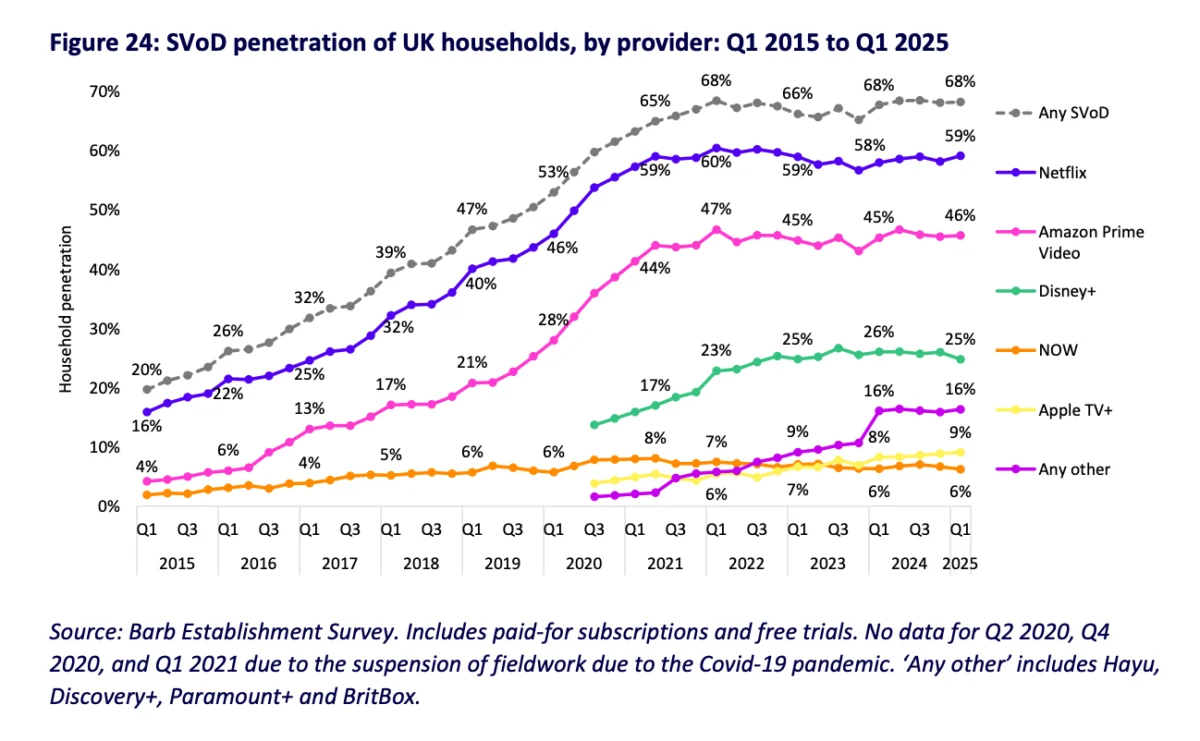
The landscape of television advertising is undergoing a seismic shift, moving from a fragmented and complex environment to one of unified opportunity. This latest development marks a significant milestone, representing the culmination of a multi-year strategic roadmap aimed at redefining the “Big Screen” experience for advertisers and consumers alike. By bridging the gap between innovation and intentionality, this new approach promises to deliver unprecedented scale and precision in reaching audiences.
The Missing Pillar: Integrating Broadcast Content into Digital Ecosystems
For years, the advertising industry has grappled with the increasing fragmentation of video consumption. While subscription video-on-demand (SVOD) services like Netflix and Disney+, and advertising-supported video-on-demand (AVOD) platforms like YouTube, have become deeply integrated into digital advertising strategies, a crucial component remained largely siloed: Broadcast Video on Demand (BVOD), primarily associated with traditional broadcasters such as Sky and Channel 4.
Recognizing this gap, one agency pioneered a significant breakthrough by technically facilitating and testing the integration of Sky’s inventory into the DV360 ecosystem. This foundational achievement paved the way for an industry-first “Unified CTV buy.” This innovative approach consolidates various video content pillars into a single, high-performance buying engine. It seamlessly integrates BVOD (Sky, Channel 4), SVOD (Netflix, Disney+), and AVOD (YouTube) within a singular advertising platform, offering a holistic view of the connected TV landscape.
The Evidence: Unified CTV Proves Its Superiority
The efficacy of this unified approach has been demonstrably proven through a landmark partnership with Simply Business, a leading provider of small business insurance in the UK. In a strategic move to overcome the inefficiencies of siloed media buys, the campaign established a single digital entry point for advertising efforts. The results have been definitive and compelling, showcasing the power of integration.
The campaign’s success was built on a clear hypothesis: by consolidating multiple disconnected digital buys into a single, Unified CTV campaign, the overall performance of the media mix would be fundamentally improved. The objective was to prove that a unified campaign, encompassing BVOD, SVOD, and AVOD, could deliver three key outcomes: increased reach, enhanced effectiveness, and greater efficiency.
To achieve this ambitious goal, a significant scale of operation was required, necessitating a partner with a robust brand strategy and a willingness to push the boundaries of modern television advertising. Simply Business, with its strong brand presence, history of successful linear TV campaigns, and a forward-thinking marketing team, emerged as the ideal collaborator for this full-scale execution of Unified CTV.
The approach involved securing individual deals with Sky, Channel 4, Netflix, and Disney+ directly within DV360. These placements were meticulously aligned with Simply Business’s existing brand strategy and linear TV activity to ensure a cohesive and integrated presence. This unified ecosystem was then further integrated with YouTube inventory, all restricted to big-screen CTV inventory. This created an unprecedented unified footprint, a scale that had not been attempted before. This strategy dramatically transformed the operational workflow, reducing what would typically be managed as six separate, siloed campaigns into just two: Linear and Unified CTV. This consolidation allowed for real-time oversight and management of the digital media spend.
The results of this unified approach were nothing short of remarkable. In terms of total reach, the campaign achieved an impressive scale, connecting with 5.1 million individuals within the target audience. Crucially, the campaign demonstrated significant incremental reach beyond the existing Linear TV baseline, with an overlap of only 6% between the two media types – a figure lower than anticipated.
The Unified CTV test delivered far more than just scale. It successfully captured audiences missed by the Linear campaign, particularly lighter TV viewers, Gen Z, and Millennials. This demographic, which has shown the most significant migration towards on-demand and streaming services, was reached at twice the rate compared to the Linear campaign for the 25-34 year old age bracket. While Linear TV naturally drove higher reach among older demographics like 55-64 year olds, the Unified CTV approach effectively scaled reach for Simply Business’s target audience on top of their existing linear baseline by tapping into the audience reach of each partner and maximizing effectiveness through unified buying.
The Implications: Setting a New Industry Standard
The success of the Simply Business campaign signals a fundamental shift for the advertising industry. For advertisers, this initiative proves that the complexity inherent in the digital migration is not an insurmountable challenge, but rather a problem that can be effectively solved through strategic integration.
By unifying the world’s most premium content into a single, data-driven view, the industry has moved beyond treating “digital video” as an optional add-on. This achievement establishes a new benchmark for “Total TV.” It empowers brands to dominate the modern living room by combining the expansive reach of broadcast with the surgical precision of digital targeting. This is not merely a new method of media buying; it represents a superior pathway to sustained business growth.
The Shifting Balance of Total TV: From Linear Dominance to Digital Growth
Historically, linear television has served as a reliable, scalable, and cost-effective medium for mass audience reach. It was often considered a fail-safe option for impactful advertising. While linear TV continues to offer significant reach, its dominance has been steadily declining, coinciding with the exponential growth of Connected TV (CTV).
As viewers seamlessly navigate between various streaming services and platforms, their attention has increasingly gravitated towards digital environments. However, this attention is highly fragmented, with content – whether live TV, sports, video streaming, on-demand services, or premium YouTube channels – being the primary driver of viewer focus. This diverse content landscape means consumption patterns vary significantly from person to person and day to day.
Concurrently, as audiences migrate towards CTV and advertising opportunities on these platforms expand, the ability to identify and reach them within the digital realm has become increasingly scalable but also increasingly complex. Advertisers and agencies have long acknowledged this reality, and cutting through this fragmentation is essential to fully capitalize on the opportunities presented by CTV.
The Fragmentation Barrier: Transforming Challenge into Opportunity
Throughout this series of analyses, it has been demonstrated that advertisers and agencies can transform the challenge of fragmentation into a high-performance opportunity through the strategic implementation of Unified Buying.
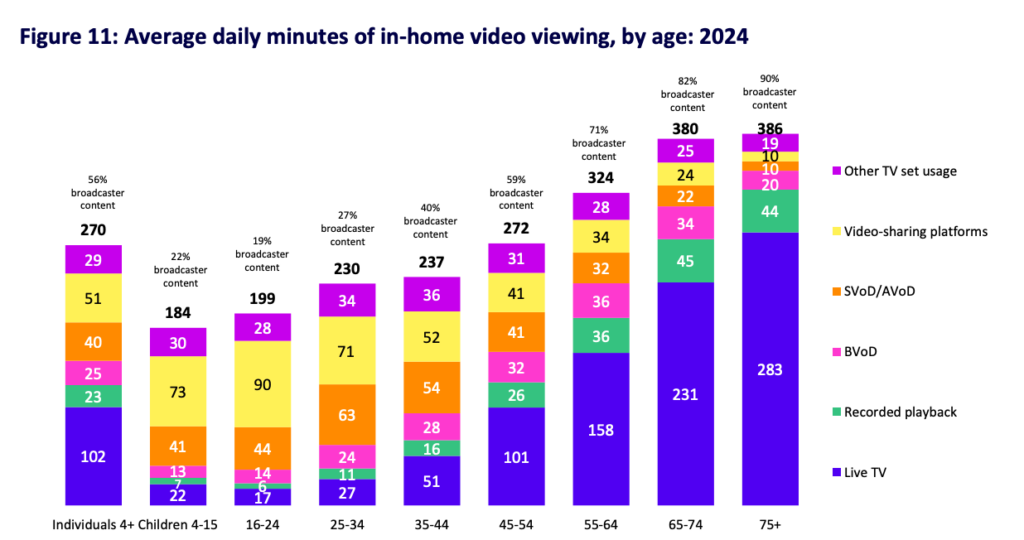
The evolution of Total TV viewing habits highlights a significant trend: the average digital share of total weekly TV viewing has increased by 16% over the last two years, with this growth primarily at the expense of linear viewership. Across all demographic groups, less traditional digital avenues are expanding their footprint, creating a diverse array of viewing experiences that are fragmented for both viewers and marketers.
As an agency keenly aware of this shifting balance, significant value and performance have been realized through Unified Buying in CTV. Viewers are dedicating more time to digital television, and with the increasing advertising opportunities on these platforms, relying solely on CTV to reach target audiences has become a viable strategy.
However, a critical pillar of the UK viewing experience, BVOD, has remained somewhat siloed and elusive – until now. BVOD represents a significant portion of reach for many demographics, and its integration into the programmatic ecosystem is a direct response to a “perfect storm” of audience migration and unprecedented advertiser demand. From DSP integrations to the announcement of unified marketplaces, the current landscape presents a tipping point, making it a crucial time to test the scale and impact of consolidating CTV into a single, Unified Buy. This was precisely the objective of a pilot test conducted with partner Which?.
The Pilot Program: A DV360 First
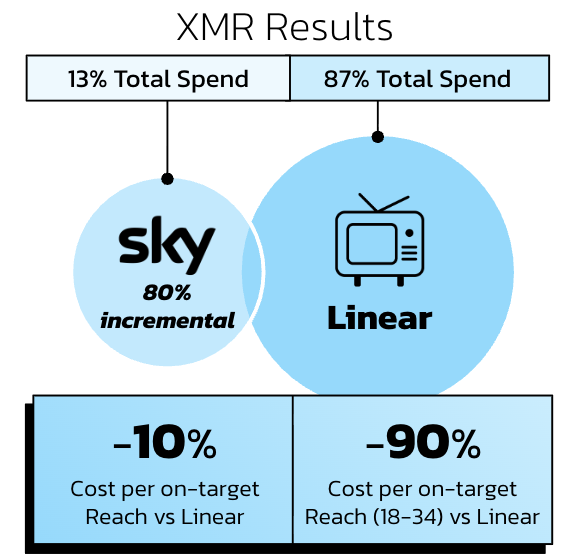
The initiative to integrate BVOD into the DV360 ecosystem was driven by a proactive approach to testing emerging capabilities. A pilot program was initiated with a clear objective: to assess the feasibility and effectiveness of buying Sky Digital Linear and BVOD through DV360. The results were highly encouraging, demonstrating that 80% of the reach achieved through DV360 for Sky’s activity was completely incremental to their Linear TV campaign. This meant that new customers, previously unreached, could now be engaged.
This pilot not only validated the technical integration but also opened up new possibilities for programmatic teams. It marked the first instance of buying TV content in this manner, enabling the serving of ads across a range of inventory, including Live Sports for the first time. The campaign successfully served across Live TV, encompassing Sky Go, Sky Glass, and NOW inventory on CTV devices, reaching users watching live content. The campaign split was approximately 25% Digital Linear and 75% BVOD. Within this live TV inventory, the campaign also featured prominent live sports, including the Women’s Super League and the EFL. Furthermore, it capitalized on the demand and viewership of highly popular content, such as episodes of “Knight of the Seven Kingdoms,” which drove significant reach.
Programmatic buying of live TV in the UK represents a long-held aspiration for many in the industry. The ability to transact on the best content programmatically combines the scale, trust, and cultural relevance of broadcast with the precision, flexibility, and accountability that digital advertising has always promised.
Crucially, the learnings from this pilot were substantial. The test revealed that the BVOD pillar could indeed be integrated into a programmatic ecosystem, offering a clear, holistic view of how modern viewers interact with premium TV content. The advantage of this integration extends beyond a simplified reporting structure; it represents a more effective means of reaching audiences. By proving that BVOD could be unified into a digital environment, the fundamental approach to managing the “Big Screen” experience at home could be transformed.
Testing the New Balance of Total TV
The successful pilot with Which? transitioned the conversation from theoretical possibility to tangible reality. By exploring the “missing pillar” of BVOD within DV360, it was definitively shown that advertisers no longer need to choose between the broad reach of traditional TV and the precision of digital. The campaign demonstrated that broadcaster content could thrive within a programmatic ecosystem, providing a clear and holistic understanding of viewer engagement with premium TV content.
The advantage of this approach is not merely a streamlined spreadsheet; it is a more effective strategy for audience engagement. By proving that BVOD can be integrated into a digital environment, the management of the home’s “Big Screen” experience can be fundamentally altered. This paper delves into the practical application and scalability of this model.
Building upon the foundational insights from previous research and the technical breakthrough of the Which? pilot, the objective was to ascertain if this model could deliver at true scale. The aim was to prove that bringing BVOD, SVOD, and AVOD together for the first time within a single DV360 ecosystem could lead to increased reach, enhanced effectiveness, and greater efficiency.
To achieve this, a significant scale was necessary, requiring a partner with a sophisticated brand strategy and a team bold enough to stress-test the boundaries of modern television advertising. This partner was found in Simply Business, one of the UK’s largest providers of small business insurance. With a strong television asset, a history of successful linear TV campaigns, and a formidable marketing team unafraid to test their way to success, Simply Business was the ideal collaborator for the first full-scale execution of Unified CTV.
Moving beyond previous achievements, the campaign sought to integrate the entire on-demand landscape – BVOD, SVOD, and AVOD – within a single DV360 ecosystem. The goal was to elevate the balancing act of media planning. The objective was not solely to achieve reach, but to effectively scale incremental impressions. The aim was to complement Simply Business’s established Linear TV plan while maintaining the efficiency often sacrificed in fragmented approaches. In essence, the campaign pursued the “Holy Grail” of Unified Buying: proving that consolidation not only simplifies the media plan but amplifies its performance. Notably, this initiative also incorporated Channel 4 BVOD into the mix, further expanding the unified offering.
The Hypothesis and Approach
The hypothesis was clear: by transitioning away from multiple disconnected digital buys and consolidating them into a single, Unified CTV campaign, the performance of the overall media mix would be fundamentally improved. The campaign set out to prove that a BVOD, SVOD, and AVOD Unified campaign could deliver increased reach, enhanced effectiveness, and greater efficiency.
The approach involved securing individual deals with Sky, Channel 4, Netflix, and Disney+ directly within DV360. These placements were aligned with the existing brand strategy and linear activity to ensure a cohesive presence. Subsequently, these were integrated into a single campaign alongside YouTube inventory, all restricted to big-screen CTV inventory. This created a unified footprint at a scale previously unattained. This methodology revolutionized the workflow, transforming what would typically be managed as six separate, siloed campaigns into just two: Linear and Unified CTV. With all components in one place, the balance of the digital media spend could be overseen and managed in real-time.
“Simply The Best” Way of Reaching Audiences
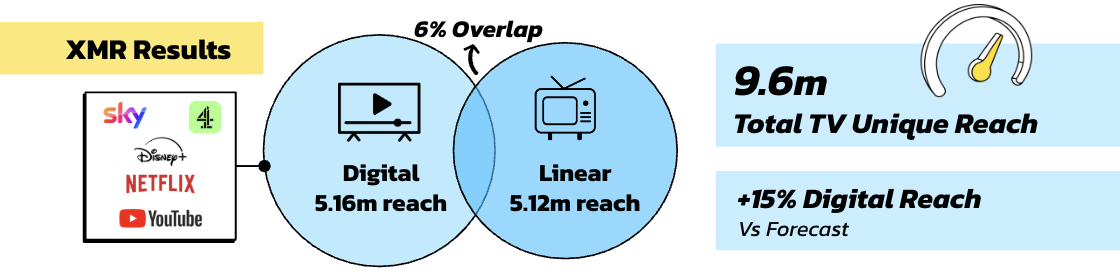
The results concerning total reach were exceptionally impressive. The campaign achieved massive scale, reaching 5.1 million individuals within the target audience. Furthermore, it appeared to have reached highly incremental audiences relative to the Linear TV baseline, with only a 6% overlap between the two – a figure that exceeded expectations.
The Unified CTV test did more than just scale effectively; it successfully captured missing audiences from the Linear campaign, particularly lighter TV viewers, Gen Z, and Millennials. This demographic, which has shown the most significant migration to on-demand and streaming, was reached at twice the rate of the Linear campaign for the 25-34 year old age bracket. While Linear TV naturally drove higher reach among older demographics like 55-64 year olds, this Unified Linear test effectively scaled reach against Simply Business’s target audience (on top of their existing linear baseline) by tapping into the audience reach of each partner and maximizing effectiveness through unified buying.
The Effectiveness of the Unified Methodology
The collaborative power of the partners coming together in a unified buy was evident in the staggering 4.5 million incremental reach delivered by the campaign. Understanding the effectiveness of this new unified buy as a whole was a primary objective. BVOD (through Sky and Channel 4) was integrated into the campaign as the “missing piece of the Unified puzzle,” enabling the exploitation of the opportunity BVOD provides to reach the target audience across some of the biggest and best content. This integration proved highly successful.
In fact, every element of the plan, from the unified partners to Linear TV, performed exceptionally well. Each component not only provided significant scale against the target audience but also offered unique opportunities to reach and engage with them that the others did not. This suggests that this integrated approach may indeed be the future of digital TV buying.
This data was derived from DV360’s upgraded Cross Media Reach (XMR) reporting, marking the first time such a granular and sophisticated analysis of a TV plan’s results, and the interplay between partners, has been available. Regardless of the buying route or platform used for Unified CTV buys, it is crucial to leverage the data for informed decision-making and campaign improvement, not just as a transactional avenue.
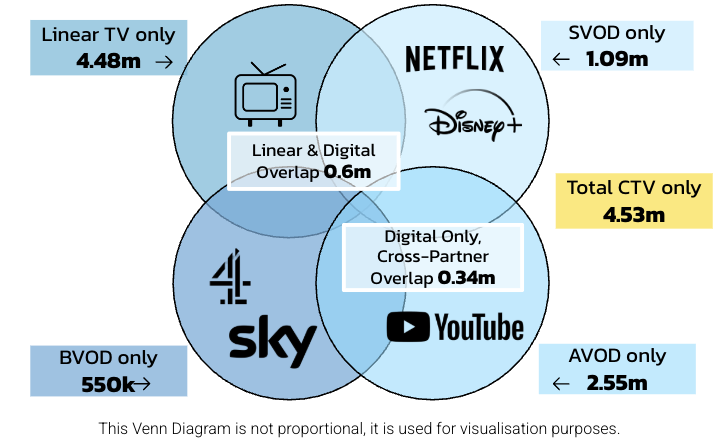
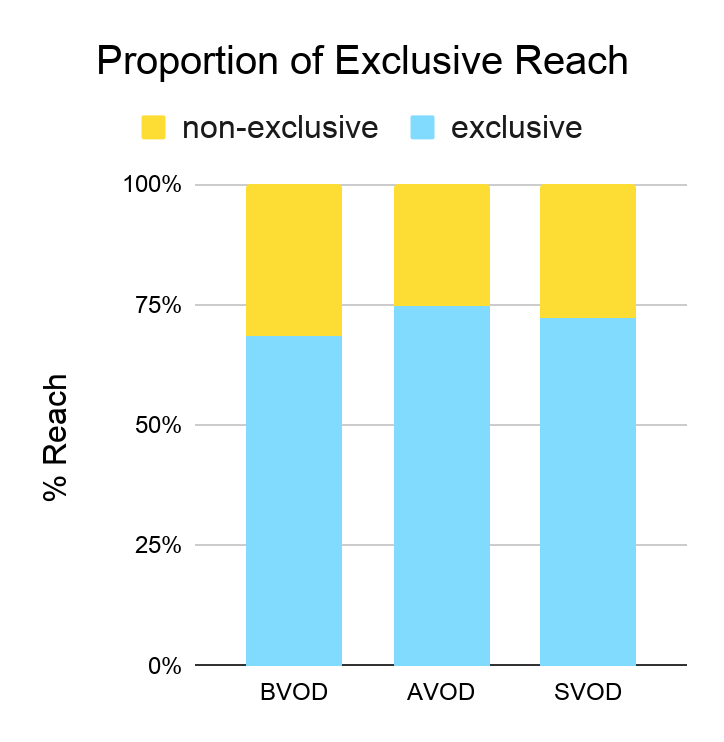
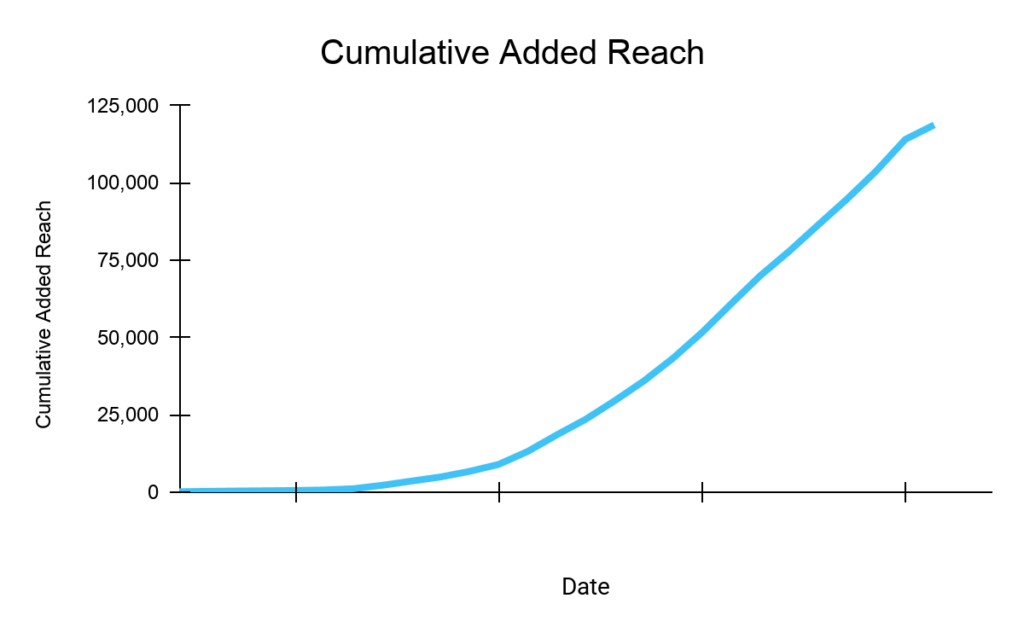
The observed low overlaps between partners, while initially counterintuitive, were deliberate and actively managed by the programmatic team. The campaign’s objective was to leverage partners to drive maximum incremental reach. Through live data from XMR reporting and in-platform frequency controls, partner overlap was minimized, forcing the platform to focus on incremental users with exclusive reach opportunities. Managing reach across partners not only minimized unwanted overlap but also redirected budget from potential overlaps to find new users, resulting in over 120,000 additional users reached for the same media budget.
The critical factor here is the ability to optimize and make effective decisions. While various platforms and tools can be used for Unified CTV campaigns, DV360’s focus on campaign data accessibility mid-flight facilitates better decision-making. Advertisers are not constrained by the limitations of five disparate buys attempting to move in the same direction. Visibility fuels optimization, and optimization drives outcomes. Beyond cross-partner frequency management, several key optimizations can be implemented.
Finding the Right Total Frequency
An initial optimization focused on frequency. Simply Business’s advertisement was highly impactful and drove strong recall among the target audience at a lower-than-usual frequency. This insight was used to tighten frequency, with the theory that the freed-up budget could be reallocated to find more users at an effective frequency, thereby increasing total ad recall. This strategy proved successful.
Maximizing Campaign Outcomes Beyond Reach
Furthermore, it was observed that a specific demographic responded particularly well to the advertisement. This audience was also comparatively under-exposed by the Linear campaign. Consequently, campaign levers were adjusted to focus the Unified Engine on reaching as many of these users as possible. This contributed to a significant impact on intent, with a search lift for the campaign concluding at an impressive 18%.
The Impact of Unified Reach
Overall, the campaign’s results were exceptionally positive. The initiative not only worked in synergy with the rest of the Simply Business media plan but also met its performance objectives. Most importantly, the learning process was invaluable, reinforcing the confidence that Unified CTV represents a significant and powerful component of the future of Total TV.
Michael Garvey, Director of Brand and Communications at Simply Business UK, commented on the campaign’s success: “At Simply Business, we know our creative is working hard to set us apart, so the task for us is to expose more of our target audience to our ‘Simply The Best’ ad – ensuring that when SMEs and landlords need tailored business insurance, ‘Simply Business’ is the first name they remember. Our CTV test with Brainlabs allowed us to do exactly that – making the most of an innovative new way of buying digital AV to drive efficient and incremental reach. While our linear TV plan continues to lay a strong foundation for the Simply Business brand, this industry-first test has helped us scale our campaign to new audiences, proving the power of a unified media strategy.”
What This Means for Advertisers: The Future is Now
The implications of this unified approach for advertisers are profound and multifaceted:
1. The Future of Total TV is Here: The total and incremental reach achieved through the Unified CTV test was immense, highlighting the complementary nature of each digital channel. This demonstrates the scalability and importance of Unified CTV in audience engagement. The mission to continue experimenting with scaling across more broadcasters, OEMs, and streaming services presents new opportunities for reaching target audiences. As the adage goes, “You don’t know what they add until you test.”
2. The Scales are Tipping: The digital migration in television viewing is a gradual but undeniable reality. While previous examples showcased a strong Linear foundation enhanced by previously unattainable digital reach, this is not the only application. Digital scale is substantial and, while not yet universal, presents the widest opportunity to target most demographics. Reaching these audiences within an environment enriched with digital controls, visibility, and targeting is an undeniable improvement. Consequently, a digital-first or digital-only TV campaign may be the optimal strategy, depending on brand objectives, budget, and, most importantly, the target audience. The widespread adoption of this approach is surprisingly absent.
3. The Power of Unified is Real: The successful scale and impact demonstrated by these case studies can be largely attributed to the conditions created by the Unified Buy. It facilitates the leveraging of each partner’s effectiveness collectively by providing a single view of the target audience. Utilizing partners as vehicles for quality engagement and reach, followed by optimization towards the best outcomes, is fundamental programmatic trading. In essence, if an advertiser is not currently engaging in Unified CTV buying in some form, they should be.
4. Performance Can Be Enhanced: Advanced targeting and measurement solutions in CTV not only enable more precise audience reach and transparent, granular live reporting but also unlock dynamic campaign management. During a Unified CTV campaign, it is crucial to extract all available data and establish feeds from platforms into dashboards. This live and rich data provides game-changing insights that inform better decision-making and drive improved campaign results. The ability to optimize in-flight based on user response to ads, consumption habits, and reach enhancement, all within the same budget, is a capability unattainable in Linear TV.
What’s Next in CTV?
While this series has explored significant advancements, the dynamic nature of CTV suggests ongoing evolution. Continuous publisher launches and integrations, platform updates, data integrations, format changes, and new measurement opportunities emerge daily.
Current Excitements in CTV:
- The World Cup: Major sporting tournaments like the World Cup create dynamic consumption environments where digital campaigns excel. The extended viewing windows due to time differences will likely make this a pivotal CTV World Cup.
- Shoppable CTV: The integration of shoppable experiences within CTV is becoming increasingly prevalent and has demonstrated its ability to drive sales. Whether through QR codes or remote-based purchasing, shoppable CTV demands attention.
- Sponsorships: Streaming giants like Netflix and Disney are effectively leveraging sponsorships for movies, TV series, genres, seasonal packages, and live sporting events, reintroducing the impactful statement piece of traditional TV into the CTV world.
The continuous innovation in the CTV landscape promises further opportunities for advertisers to connect with audiences in more engaging and effective ways.