The length of social media posts profoundly influences their visibility and user engagement across major digital platforms, a crucial factor for marketers and content creators aiming to cut through the noise of an increasingly saturated online environment. As algorithms prioritize content that sparks interaction, understanding and adhering to platform-specific length benchmarks has become a cornerstone of effective digital strategy. Most social media platforms employ a "See More" button or similar truncation mechanism for longer posts, a design choice that industry experts agree can significantly reduce audience reach by adding an extra tap for users. This additional step often deters readers, leading to lower rates of likes, comments, and shares—precisely the engagement signals algorithms use to determine broader content distribution.

The Evolving Landscape of Digital Attention
The foundational principle underpinning these length guidelines is the dwindling user attention span in the fast-paced digital realm. In an era where users scroll through feeds at rapid rates, content that is concise, impactful, and immediately digestible tends to outperform lengthy narratives. This trend has been consistently observed across various platforms, prompting social media strategists to emphasize brevity and front-loaded messaging. The imperative to optimize character counts extends beyond text to video content, where retention rates are a primary metric of success. Longer videos, while offering deeper engagement for highly interested audiences, risk lower completion rates if they fail to capture and sustain attention from the outset.

The dynamic nature of social media algorithms means that benchmarks are not static; they evolve with user behavior, platform updates, and technological advancements. What constituted an ideal post length five years ago might be suboptimal today. For instance, the proliferation of short-form video formats like TikTok, Instagram Reels, and YouTube Shorts has fundamentally reshaped expectations for video content, emphasizing quick hooks and rapid pacing. Similarly, platforms like X (formerly Twitter) have experimented with significantly expanded character limits, yet analysis often reveals that traditional, succinct messaging still garners superior engagement for daily updates.
Platform-Specific Benchmarks and Strategic Implications
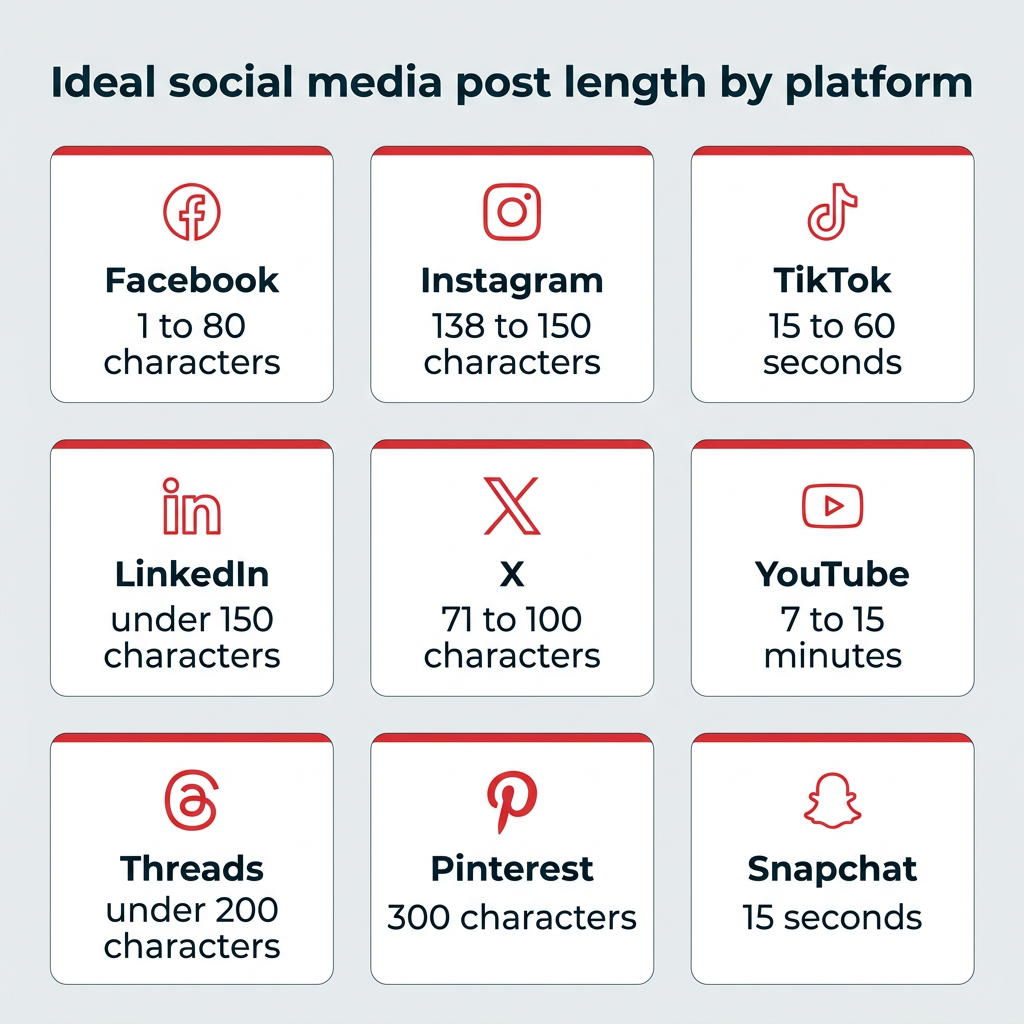
A detailed examination of major social media platforms reveals distinct optimal lengths for various content types, reflecting their unique user interfaces and consumption patterns.
Facebook: The Power of Brevity on the Social Giant
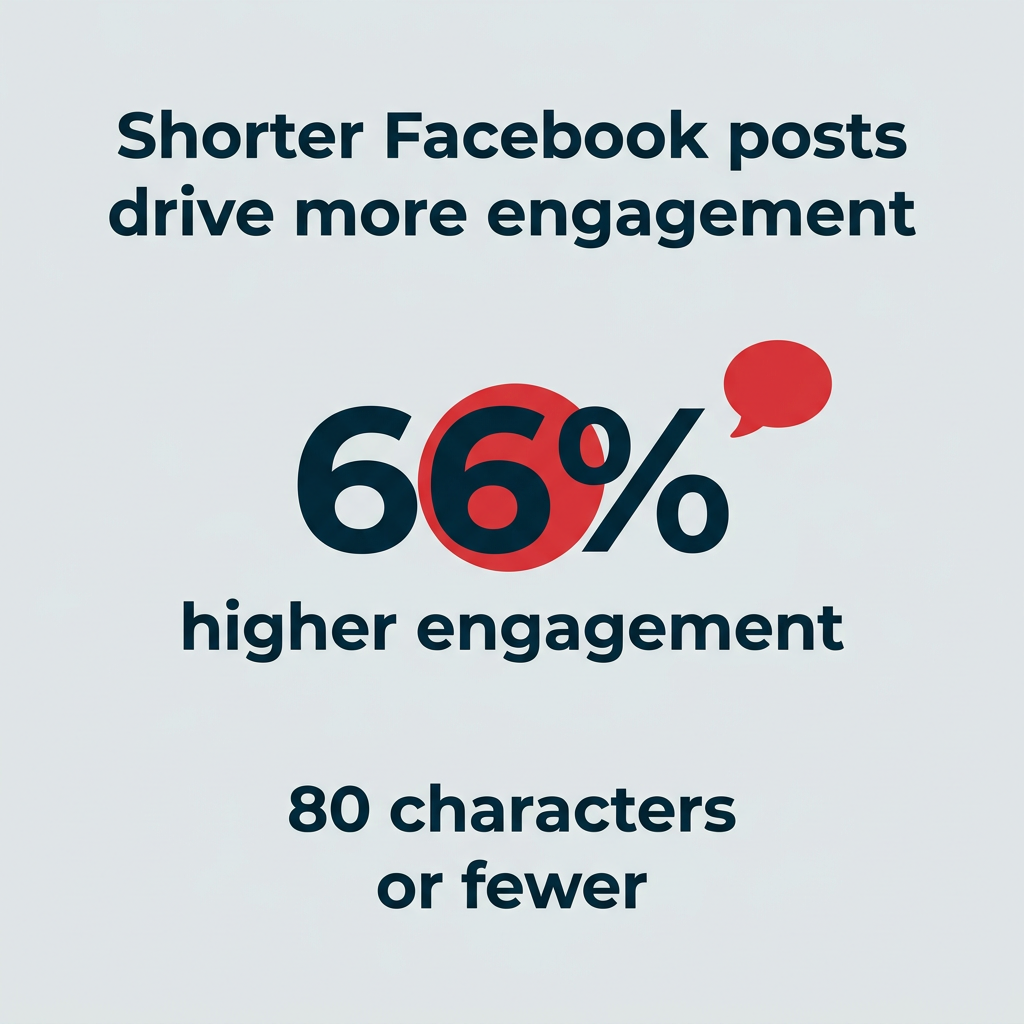
Despite Facebook’s capacity for extensive text—allowing up to 63,206 characters in organic posts—research consistently points to the efficacy of shorter messages. Historically, posts with fewer than 80 characters have shown significantly higher engagement rates, sometimes as much as 66% more, compared to longer alternatives. This phenomenon is largely attributed to Facebook’s truncation of longer posts, requiring users to click "See More" to view the full text. Each additional click acts as a barrier, reducing the likelihood of engagement. For Facebook ad copy, even greater conciseness is recommended: primary text ideally ranges from 5 to 19 words, headlines are most effective under 5 words, and descriptions are best kept under 19 words. This aggressive brevity ensures that the core message of paid content is delivered instantly, maximizing impact in a competitive advertising space. Video content on Facebook also benefits from a sweet spot, with 30 to 60-second clips generally performing best for viral reach. While longer videos (over three minutes) are required for in-stream ads and can support episodic series, the initial hook and sustained engagement remain paramount.
Instagram: Visual First, Concise Captions
Instagram, built upon visual content, still relies on optimized captions to drive engagement. While the platform permits captions up to 2,200 characters, optimal organic captions typically fall between 138 and 150 characters. This length provides sufficient context without being truncated by the "See More" button, which usually appears around the 125-character mark. For sponsored Instagram posts, the recommendation is even stricter: captions should ideally be under 125 characters to ensure maximum visibility and impact within the user’s feed. The platform’s emphasis on mobile-first consumption means rapid scrolling, making concise and impactful text essential.
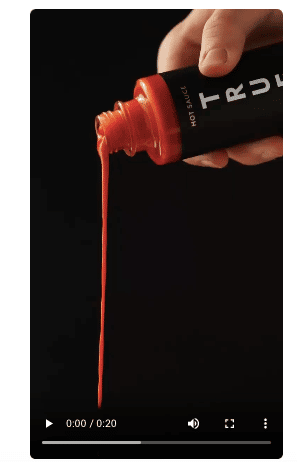
Instagram Reels and Stories, crucial for ephemeral and dynamic content, have their own length considerations. Stories are designed for quick consumption, with each frame lasting up to 15 seconds. Reels, while now supporting up to 3 minutes for most accounts (and even longer for some creators), tend to achieve the strongest engagement when kept between 15 and 60 seconds. Shorter Reels (under 15 seconds) are particularly effective as attention-grabbing hooks.
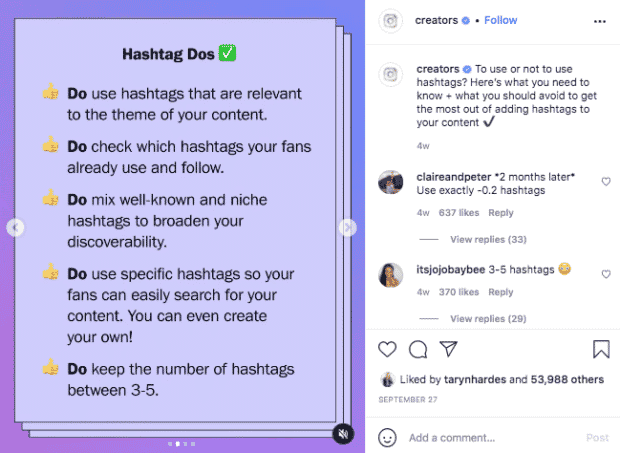
Hashtag strategy on Instagram also adheres to specific guidelines. Despite a limit of 30 hashtags per post, Instagram’s own guidance and independent experiments suggest that using 3 to 5 highly relevant hashtags yields the best results. Each hashtag should ideally be under 24 characters for optimal readability and searchability. Over-stuffing captions with numerous, lengthy hashtags can dilute their effectiveness and appear spammy.
TikTok: The Algorithm’s Demand for Watch Time
TikTok, a dominant force in short-form video, has seen its maximum video length expand to 10 minutes for most users, with some creators testing even longer formats. However, the platform’s algorithm heavily rewards watch time and completion rates. While ultra-short videos (e.g., the 7-second challenge) can still go viral due to high replayability, the current ideal for organic TikTok videos is between 15 and 60 seconds. This range allows for compelling storytelling without sacrificing the rapid pacing characteristic of the platform. A strong hook within the first second is non-negotiable for capturing attention on the "For You Page." For TikTok ads, specific recommendations suggest a length of 21 to 34 seconds, balancing brand message delivery with user retention in an advertising context.

LinkedIn: Professionalism and Depth with Strategic Brevity
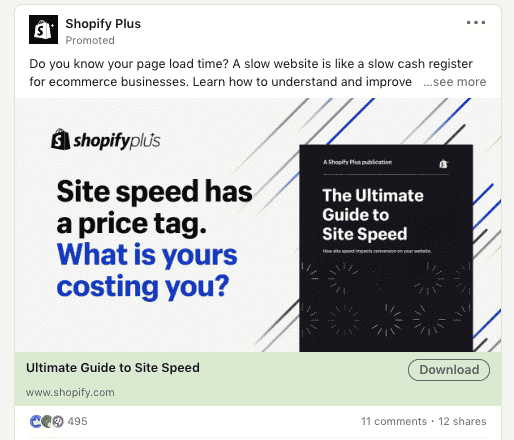
LinkedIn, the professional networking platform, balances the need for in-depth content with the demands of a busy professional audience. For standard posts, the platform’s 3,000-character limit is rarely utilized to its fullest for initial visibility. Posts are typically truncated after around 140-150 characters, making it crucial for the primary message to be delivered "above the fold." Marketing strategists advise keeping the most critical information within the first 150 characters to maximize engagement.
However, LinkedIn also supports longer-form content through articles and newsletters. Analysis of highly successful LinkedIn articles reveals an optimal length between 1,900 and 2,000 words, which correlates with the highest number of views, likes, comments, and shares. This suggests that for thought leadership and in-depth professional insights, a comprehensive approach is rewarded. Titles for these articles also have an optimal range, with 40 to 49 characters performing best in terms of overall views.
LinkedIn video content generally performs well between 30 and 90 seconds. For brand awareness and consideration, videos under 30 seconds achieve significantly higher completion rates (up to 200% more than longer formats). Videos addressing upper-funnel marketing goals, such as explaining complex services, can extend to 90 seconds, provided they maintain engagement throughout.
X (formerly Twitter): The Art of Conciseness, Even with Expansion
X’s character limit has evolved significantly, from its original 140 to 280 characters, and now up to 25,000 for Premium subscribers. Despite these expansions, the principle of brevity remains paramount for everyday updates. Studies indicate that posts between 71 and 100 characters receive approximately 17% higher engagement than longer ones. The platform’s fast-paced, real-time nature favors quick reads. Longer formats are best reserved for threads or deep dives, where a series of concise posts can convey a more complex message. Hashtags on X are most effective when kept short, ideally under 6 characters, due to their lack of spaces and role in rapid trend identification.
YouTube: Balancing Engagement with Search Optimization
As the world’s second-largest search engine, YouTube requires a dual approach: optimizing video length for viewer retention and text elements for search engine optimization (SEO). For long-form videos, industry data suggests an ideal length of 7 to 15 minutes, balancing detailed content with sustained viewer interest. The average YouTube video length is around 11.7 minutes, indicating this range is conducive to high retention rates.
YouTube Shorts, the platform’s answer to short-form video, align with trends seen on TikTok and Instagram Reels. While Shorts can be up to 3 minutes long, videos in the 30 to 60-second range tend to generate more replays, which is a strong signal for the Shorts feed algorithm.
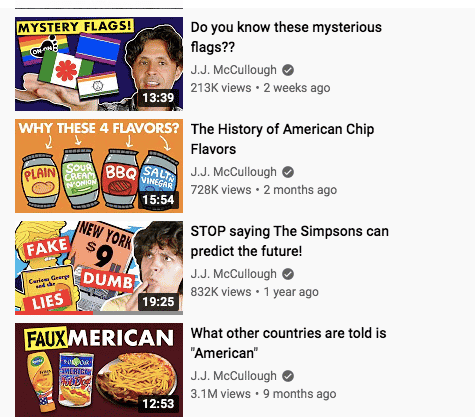
Text optimization is critical for discoverability. Video titles are a key SEO factor and should be kept to a maximum of 70 characters to avoid truncation in search results, while still incorporating relevant keywords. Descriptions, with a limit of 5,000 characters, should front-load important information and keywords within the first 100 to 150 characters, as this is the portion visible without clicking "See More."
Threads: Conversational and Concise
Meta’s text-first platform, Threads, has rapidly gained traction, boasting over 500 million monthly active users. While posts can be up to 500 characters, early engagement patterns suggest that posts under 200 characters perform best. Threads fosters quick, conversational exchanges, making concise messages more inviting for replies and interactions. The platform eschews traditional hashtags in favor of single "topic tags," further emphasizing the need for focused, direct communication.
Pinterest: Visuals with Informative Descriptions
On Pinterest, the visual element is paramount, with images ideally sized at a 2:3 aspect ratio (e.g., 1000 x 1500 pixels) for optimal display. However, description length also plays a vital role in discoverability and user action. Descriptions of approximately 300 characters tend to receive the most repins, allowing creators to add context, tell a story, and incorporate relevant keywords for Pinterest SEO without overwhelming the user.
Snapchat: Ephemeral and Immediate
Snapchat’s design prioritizes immediacy and ephemeral content. Story videos, while capable of running up to 60 seconds, achieve higher engagement when kept to around 15 seconds. This short duration aligns with the rapid-fire consumption typical of the platform. Captions for Snaps are secondary to the visual content and are best kept concise, typically around 50 characters, though the limit is 80. The focus remains on impactful, brief visual storytelling.
Implications for Marketers and Content Strategy
The adherence to optimal post lengths is not merely a technicality but a strategic imperative for modern digital marketing. For brands, this translates into several key implications:
- Enhanced Algorithmic Favorability: Content that respects platform guidelines and generates strong initial engagement is more likely to be amplified by algorithms, leading to increased organic reach and impressions.
- Improved User Experience: Concise and digestible content respects user attention, making for a more enjoyable and efficient scrolling experience, which in turn fosters positive brand perception.
- Efficiency in Content Creation: While seemingly counterintuitive, focusing on brevity can streamline content creation processes, forcing creators to distill their message to its core, essential components. Tools like AI caption and hashtag generators are increasingly utilized to help maintain these strict character counts.
- Strategic Resource Allocation: Understanding which lengths perform best helps marketers allocate resources effectively, prioritizing the creation of content formats and lengths that yield the highest return on investment.
- Continuous Adaptation: The dynamic nature of social media platforms means that benchmarks are not static. Marketers must commit to continuous monitoring, A/B testing different lengths, and analyzing their specific audience’s engagement patterns to refine their strategies.
Optimizing for Enduring Success
While these benchmarks provide a robust starting point, the ultimate measure of success lies in audience response. The journey to optimal social media performance involves several steps:
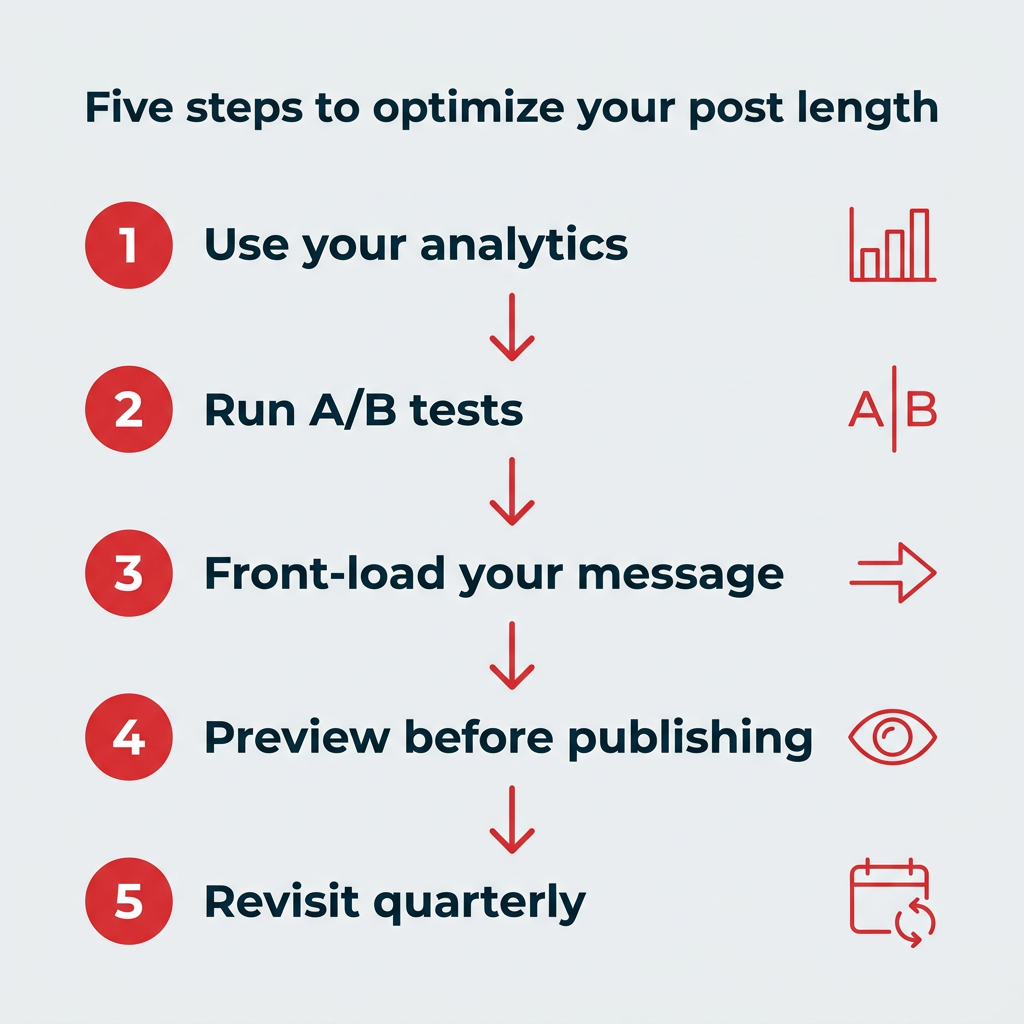
- Analyze Existing Performance: Review analytics to understand how current post lengths are performing across different platforms and content types. Identify patterns in engagement, reach, and conversion rates.
- Segment Audiences: Different segments of an audience may react differently to content lengths. Tailor strategies based on demographic data, past behavior, and platform-specific usage habits.
- A/B Test Variations: Experiment with slightly different lengths for similar content to empirically determine what resonates most effectively with a specific audience.
- Stay Informed on Platform Updates: Social media platforms frequently update their algorithms and introduce new features or change existing limits. Staying abreast of these changes is critical for maintaining an optimized strategy.
- Leverage AI and Analytics Tools: Utilize social media management platforms that offer character counters, content generators, and advanced analytics to streamline the optimization process and provide data-driven insights.
In conclusion, the ideal social media post length is a nuanced concept, varying significantly by platform and content type. However, a consistent theme emerges: brevity and immediate impact are key drivers of engagement and algorithmic visibility in the competitive digital landscape. By strategically adhering to these benchmarks and continuously adapting to evolving platform dynamics and user behaviors, marketers and content creators can significantly enhance their online presence and achieve their communication objectives.