
 rifanmuazin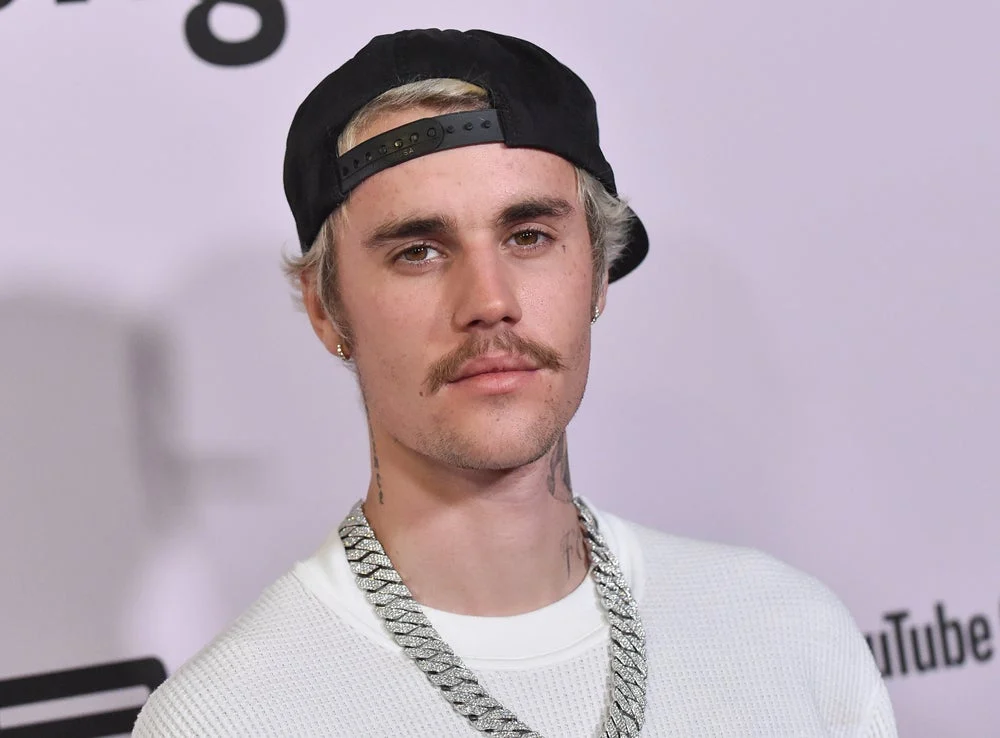
The landscape of public relations and strategic communications is undergoing a period of rapid institutionalization, characterized by a drive toward professional certification in the creator economy, the weaponization of nostalgia in event marketing, and a defensive shift in the philanthropic sector. As digital influence matures into a $37 billion industry, the introduction of the Responsible Influence Certification Program marks a pivotal attempt to standardize a once-unregulated marketplace. Simultaneously, real-time data from the Coachella Valley Music and Arts Festival highlights the disproportionate power of individual celebrity narratives over organized brand spectacles, while new reputational indices suggest that global philanthropy is facing an unprecedented crisis of confidence driven by political polarization and the rise of generative artificial intelligence.
The Institutionalization of the Creator Economy
The Institute for Responsible Influence (IRI) has officially launched the Responsible Influence Certification Program, a strategic initiative designed to bring a standardized framework of accountability to the influencer marketing sector. This program arrives at a critical juncture; while influencer marketing has become a cornerstone of modern advertising, it has historically operated with significant variance in ethical standards and legal compliance. The certification is backed by a powerful coalition, including major social media platforms like TikTok, various advertising agencies, and trade groups operating under the umbrella of the Center for Industry Self-Regulation.
The core of the program is a 90-minute, video-based curriculum that educates creators on the Federal Trade Commission (FTC) Endorsement Guides. These guides, which were significantly updated in 2023 to address modern social media nuances, require clear and conspicuous disclosure of brand relationships. By completing the training and passing a formal assessment, creators earn a "Certification Seal," which serves as a signal to brands that the individual is trained in truthful and transparent digital influence.
Francis Stones, Global Head of Brand Safety at TikTok, emphasized that the initiative is about more than just legal compliance; it is about building a sustainable ecosystem. According to Stones, creators who understand advertising standards provide brands with the confidence necessary to invest more deeply in long-term partnerships. For platforms like TikTok, where the "lifeblood" of the app is its creator base, self-regulation is seen as a way to preempt more restrictive government oversight while fostering a healthier environment for consumers.
Market Dynamics and the Trust Gap
The push for certification is a direct response to the "trust gap" currently plaguing the industry. Despite the fact that the majority of U.S. marketers now utilize paid creators, consumer skepticism remains high. Data indicates that while influencers successfully drive purchasing decisions, a significant portion of the audience feels misled by unclear disclosures. The IRI program seeks to rectify this by creating a searchable database of certified creators, effectively vetting talent for brands before a contract is ever signed.
However, industry experts remain divided on the program’s adoption rate among high-tier influencers. Priscila Martinez, Founder of The Brand Agency, suggests that while the certification is a boon for micro-influencers and those specializing in User-Generated Content (UGC), established "mega-influencers" may see little incentive to participate. Creators with millions of followers typically have robust management teams and legal counsel who already handle compliance. Martinez notes that larger brands are unlikely to sever ties with a high-performing celebrity creator simply because they lack a voluntary certification. Consequently, the program’s immediate impact may be most visible in the "long tail" of the creator economy, helping emerging talent prove their professionalism to cautious brands.
Sentiment Analysis: The "Bieber Effect" at Coachella
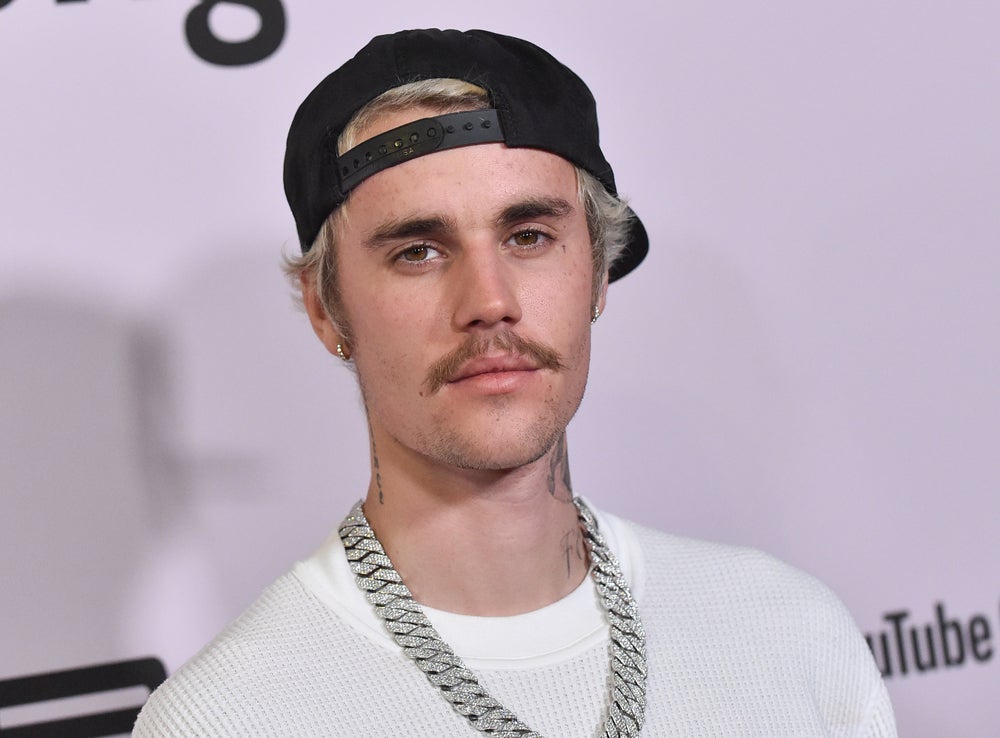
While the influencer industry seeks structure, the recent Coachella Valley Music and Arts Festival demonstrated the enduring power of raw, emotional celebrity narratives. According to data compiled by Meltwater, Justin Bieber dominated the cultural conversation during the festival’s first weekend, despite not being a primary headliner. The "Bieb-chella" phenomenon generated 486,000 total posts and a staggering 340 million engagements, accounting for nearly one-third of the entire social media chatter surrounding the event.
The primary driver of this engagement was not a polished, high-production performance, but rather a deep sense of nostalgia. Fans reacted to Bieber’s appearance as a "comeback story," connecting his presence to the early-2010s "Belieber" era. This emotional resonance outperformed the more manufactured elements of the festival. Meltwater’s analysis revealed that Bieber’s presence was more polarizing than the general Coachella conversation, sparking intense debate and high-emotion responses that surpassed the engagement levels of official headliners.
Comparative Performance and Diversity Milestones
While Bieber captured the volume of the conversation, other artists achieved significant milestones in sentiment and reach:
- Karol G: The Colombian singer made history as the first Latina woman to headline the festival. Her performance earned the highest positive social sentiment of the weekend, reflecting a successful expansion of Coachella’s demographic appeal and a strong connection with the global Latin music audience.
- Sabrina Carpenter: Carpenter leveraged traditional news coverage and social buzz to solidify her status as a rising pop powerhouse, showing how "new era" stars can effectively bridge the gap between niche internet fame and mainstream recognition.
Alexandra Bjertnæs, Chief Strategy Officer at Meltwater, noted that the success of the Bieber narrative offers a lesson for brand communicators: authenticity often outweighs spectacle. In a landscape saturated with "polished Hollywood production," the audience gravitated toward a moment that felt "raw and real." For PR professionals, this suggests that tapping into "emotional memory" is a more effective strategy for capturing attention in a crowded media environment than simply increasing production budgets.
Philanthropy Under Pressure: The Reputation Risk Index
Contrasting the success of celebrity branding is a troubling trend in the philanthropic sector. The Global Situation Room’s latest Reputation Risk Index has identified significant vulnerabilities for non-profit organizations and foundations. The report indicates that philanthropy is struggling to maintain its credibility as it becomes a target in broader political and cultural wars.
More than 50% of global public affairs leaders surveyed believe that philanthropic organizations have made too many concessions in the face of political pressure. This perceived "backing down" has led to concerns that the sector is losing its focus on mission-driven work in favor of reputational self-preservation. This is a marked shift from the historical "low-profile" approach of major foundations, which are now finding themselves forced into the spotlight without the necessary communication infrastructure to defend their values.
The Impact of AI and "Poverty Porn"
A significant new risk factor identified in the report is the role of Artificial Intelligence in fundraising and storytelling. The rise of AI-generated content has led to the emergence of "poverty porn"—highly emotional, AI-generated images of suffering designed to trigger donations. While effective in the short term, critics argue these images cross ethical lines and erode long-term trust by dehumanizing the subjects and creating a "fake" reality. Furthermore, the report highlighted the rise of fraudulent charity websites using AI to siphon funds during natural disasters, further complicating the trust landscape for legitimate organizations.
Key findings from the Reputation Risk Index include:
- Weaponization of Mission: Core philanthropic goals, such as Diversity, Equity, and Inclusion (DEI) and climate change initiatives, are being increasingly politicized and used as leverage in legal and legislative battles.
- Communication Gaps: Many organizations lack "active narrative defense" strategies, leaving them vulnerable to negative viral stories.
- The Silence Risk: In the current environment, silence or a slow response to criticism is no longer viewed as neutrality; it is interpreted as a lack of conviction or an admission of guilt.
Isabel Guzman, former Administrator of the U.S. Small Business Administration, warned that foundations must bridge the gap between their stated values and the realities of a "highly politicized, AI-driven world." As federal funding for social safety nets faces potential cuts, the role of philanthropy becomes more vital, yet its ability to function is being hampered by these reputational threats.
Analysis of Broader Implications for Strategic Communications
The convergence of these three trends—professionalization of creators, the power of nostalgia-driven sentiment, and the reputational crisis in philanthropy—points toward a new era of "Active PR."
In the creator economy, the move toward certification suggests that the "Wild West" era of social media is ending. Brands are no longer satisfied with mere "reach"; they require "verified compliance." This will likely lead to a tiered system where certified creators command higher premiums for their perceived lower risk.
At the same time, the Coachella data proves that the public is increasingly resistant to "manufactured" moments. The dominance of Justin Bieber’s narrative suggests that audiences crave human vulnerability and historical connection. For brands, the takeaway is clear: don’t just sponsor an event; find the "origin story" or the "emotional hook" that makes the event relevant to the audience’s personal history.
Finally, the crisis in philanthropy serves as a warning for all corporate and non-profit entities. Reputational risk is no longer a peripheral concern handled by a small crisis team; it is a constant state of being. The transition from "passive storytelling" to "active narrative defense" is now a requirement for survival. Organizations that fail to articulate their missions clearly—and defend them vigorously against political and AI-driven attacks—risk a permanent loss of trust from the donors and communities they serve.
As the industry moves through 2024 and into 2025, the successful communicators will be those who can balance the rigid requirements of new professional standards with the fluid, emotional demands of the digital public. Whether through earning a certification seal or defending a foundation’s core values, the theme of the year is clear: accountability is the new currency of influence.










