Neng Nana
In the increasingly competitive landscape of digital commerce, the ability to transform passive web traffic into actionable business opportunities has become the primary differentiator between market leaders and their struggling counterparts. As of August 2024, the methodology behind lead generation—the process of attracting and converting strangers into prospects—has undergone a significant evolution, shifting away from aggressive "spray and pray" tactics toward highly personalized, value-driven interactions. Marketing experts, including Josh Gallant, founder of Backstage SEO, emphasize that while the goal remains consistent—revenue growth through customer acquisition—the pathways to achieving it are now more diverse and data-dependent than ever before.
The Strategic Foundation of Modern Lead Generation
Before deploying specific tactics, industry analysts stress the necessity of a rigorous preparatory phase. The modern lead generation engine is built upon two pillars: the definition of the target market and the identification of the target buyer. This granular approach prevents the common pitfall of "targeting everyone," a strategy that often results in high acquisition costs and low-quality leads.

Market identification requires a deep dive into firmographic and demographic data, including industry verticals, company size, geographic location, and annual revenue. Simultaneously, defining the buyer persona involves understanding the specific pain points, professional goals, and decision-making authority of the individuals within those organizations. Experts suggest that lead generation efforts fail most frequently not due to poor technical execution, but because the underlying offer does not resonate with the specific needs of the intended audience.
The Inbound vs. Outbound Paradigm
A critical component of any lead generation framework is the balance between inbound and outbound methodologies. According to recent industry benchmarks, inbound marketing—which focuses on attracting customers through valuable content—often yields a lower cost-per-lead (CPL) over time compared to outbound methods. However, outbound marketing—direct outreach such as cold emailing or paid advertising—remains essential for businesses seeking immediate market entry or those operating within niche B2B sectors.
Inbound Marketing Characteristics:

- Advantages: Higher ROI over the long term, builds brand authority, and fosters trust before the first point of contact.
- Disadvantages: Requires significant time to gain momentum and necessitates a continuous stream of high-quality content.
Outbound Marketing Characteristics:
- Advantages: Provides immediate results, allows for precise targeting, and is easily scalable based on budget.
- Disadvantages: Higher initial costs, potential for brand fatigue, and increasing difficulty in bypassing digital gatekeepers (e.g., spam filters).
13 Core Strategies for Conversion Optimization
To navigate this complex environment, marketers are coalescing around 13 proven strategies designed to maximize conversion rates across the sales funnel.
1. Conversion-Optimized Landing Pages
The landing page serves as the "ground zero" for conversion. Unlike a general homepage, a landing page is designed with a single goal: to capture lead information. Industry data suggests that companies with 10 to 15 landing pages see a 55% increase in leads. Effective pages utilize clear headlines, social proof, and a single, compelling Call to Action (CTA).

2. Inbound Content Marketing Systems
Content marketing is no longer just about blogging; it is about building an educational ecosystem. By providing whitepapers, case studies, and infographics, businesses position themselves as thought leaders. Data from the Content Marketing Institute indicates that 67% of B2B marketers say content marketing generates demand and leads.
3. Search Engine Optimization (SEO)
SEO remains the most sustainable driver of high-intent traffic. By optimizing content for specific search queries, businesses capture users at the exact moment they are seeking solutions. Modern SEO focuses on "Search Intent," ensuring that the content provided aligns with whether a user is looking for information, a specific website, or is ready to make a purchase.
4. Targeted Cold Email Outreach
Despite the rise of social media, email remains a cornerstone of B2B lead generation. The shift in 2024 is toward "intent-based" outreach. Rather than emailing a broad list, savvy marketers use signals—such as a company posting a new job opening—to trigger a personalized outreach campaign that addresses a current, visible need.

5. Popups and Sticky Bars
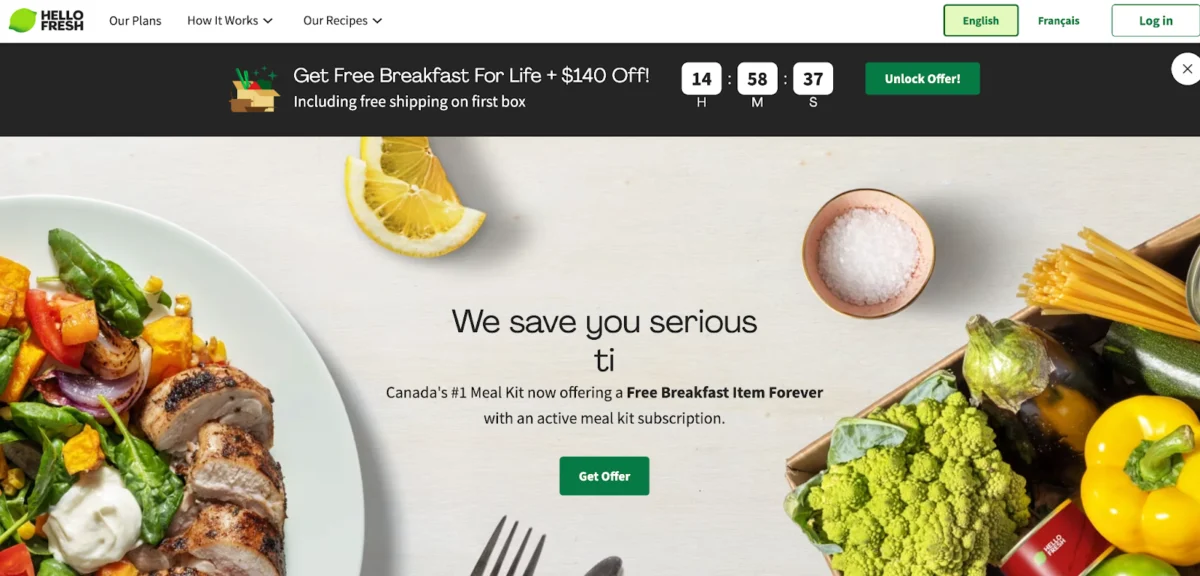
While often maligned, popups and sticky bars remain highly effective when deployed with nuance. "Exit-intent" popups, which appear when a user is about to leave a site, can recover up to 15% of abandoning visitors. The key is providing immediate value, such as a discount code or a high-value lead magnet.
6. Social Media Marketing
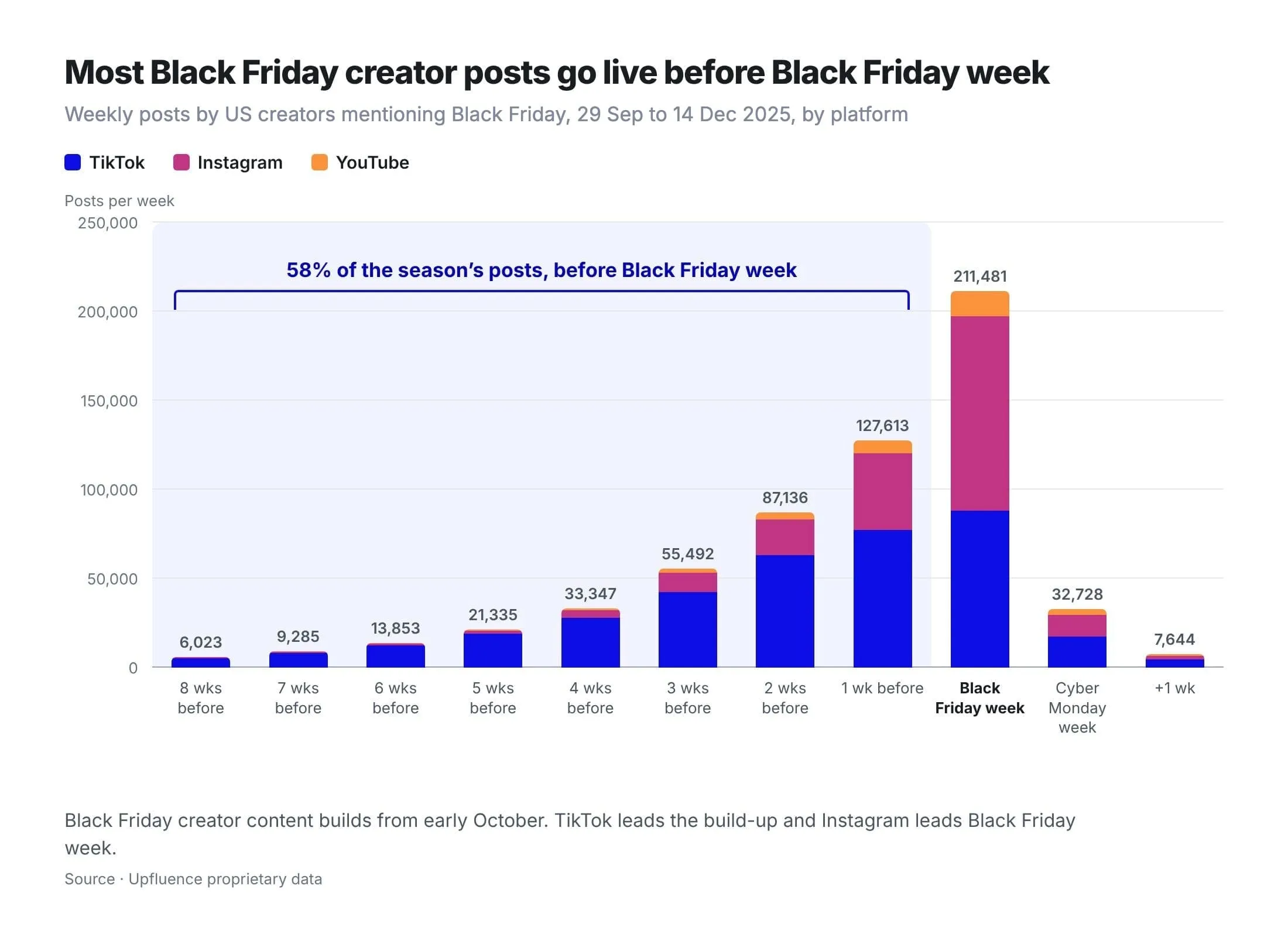
Platforms like LinkedIn, TikTok, and Instagram have transitioned from purely social spaces to discovery engines. Organic social builds community, while paid social allows for hyper-targeted demographic reaching. The trend toward "Discovery Feeds" means that high-quality content can reach potential leads even if they do not follow the brand.
7. Pay-Per-Click (PPC) Advertising
PPC offers the fastest route to the top of search engine results pages (SERPs). While expensive, the ability to bid on high-intent keywords allows businesses to bypass the time-intensive nature of SEO. Success in PPC is increasingly tied to the "Quality Score," which measures the relevance of the ad to the landing page.

8. Webinars and Live Events
Live sessions offer a unique opportunity for real-time engagement. While they may attract lower volumes than a PDF download, the lead quality is significantly higher. A prospect willing to commit 45 minutes to a webinar is demonstrably deeper in the consideration phase of the buyer’s journey.
9. Referral Programs
Word-of-mouth remains the most trusted form of marketing. Formalizing this through referral programs—offering incentives for existing customers to bring in new leads—leverages existing social capital. Studies show that referred customers have a 16% higher lifetime value than those acquired through other channels.
10. Influencer Partnerships
Influencer marketing has expanded beyond consumer goods into B2B and niche technical fields. Partnering with "micro-influencers"—those with smaller but highly engaged and specialized audiences—often yields better conversion rates than broad celebrity endorsements.

11. Retargeting Campaigns
Most visitors do not convert on their first visit. Retargeting uses cookies or first-party data to serve ads to users who have previously interacted with a brand. This "reminder" mechanism keeps the brand top-of-mind during the decision-making process.
12. Free Trials and Demos
For software and service-based businesses, the "Costco strategy" of offering a free sample is peerless. Demos and trials reduce the perceived risk of a purchase and allow the product to prove its own value, significantly shortening the sales cycle.
13. Interactive Tools and Quizzes
Gamification has become a powerful lead capture tool. Quizzes, calculators, and assessments offer immediate, personalized value to the user in exchange for their contact information. This interactive approach often sees higher completion rates than traditional static forms.

Chronology of a Successful Lead Generation Campaign
The implementation of these strategies typically follows a logical progression:
- Month 1: Identification & Infrastructure. Defining personas and building optimized landing pages.
- Month 2: Content & SEO Launch. Deploying initial "pillar" content and setting up tracking pixels for retargeting.
- Month 3: Multi-Channel Expansion. Launching PPC and social media ads to drive traffic to the infrastructure built in Month 1.
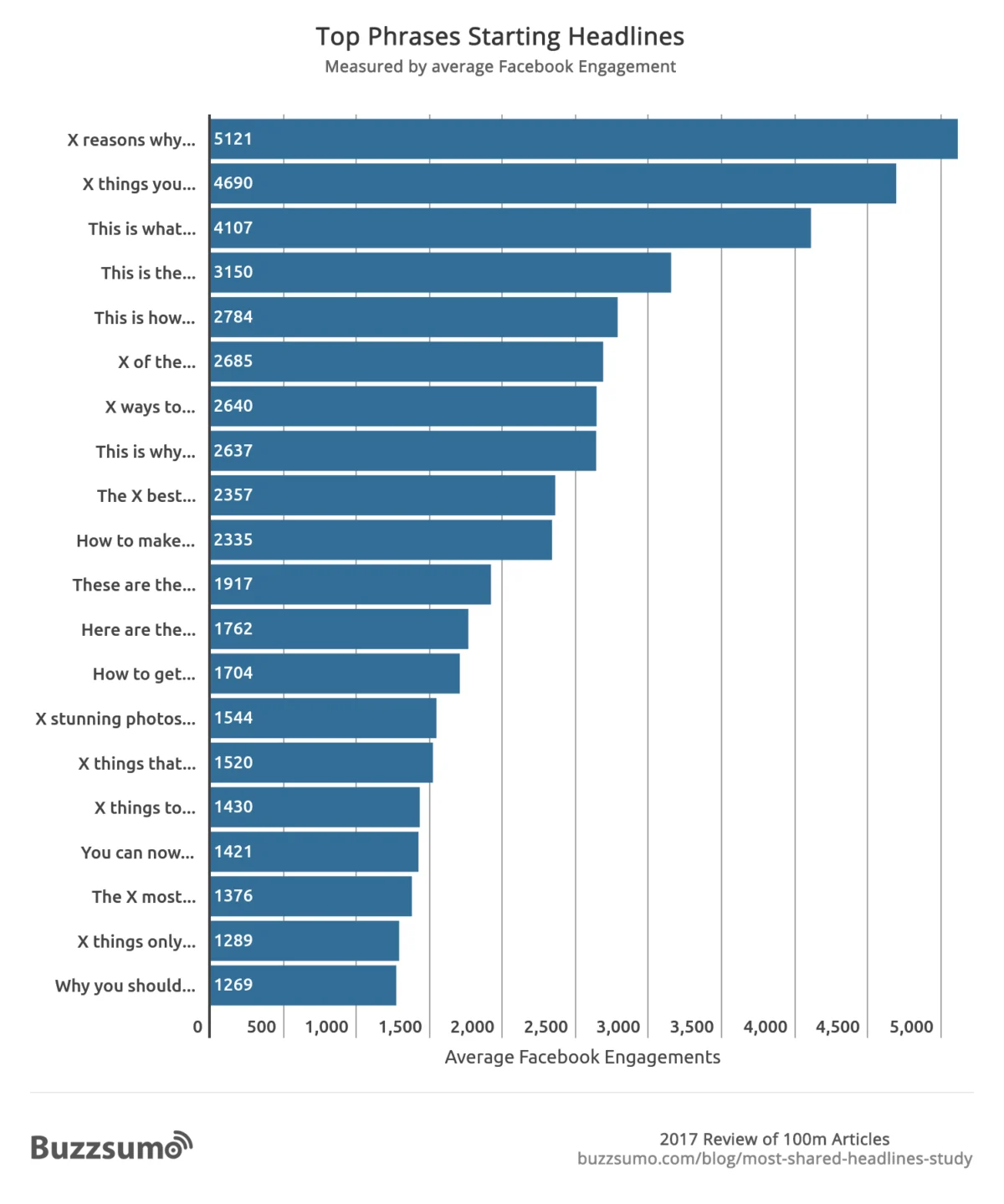
- Month 4 and Beyond: Optimization. Using A/B testing to refine headlines, CTA buttons, and email copy based on real-world performance data.
Broader Implications and Industry Analysis
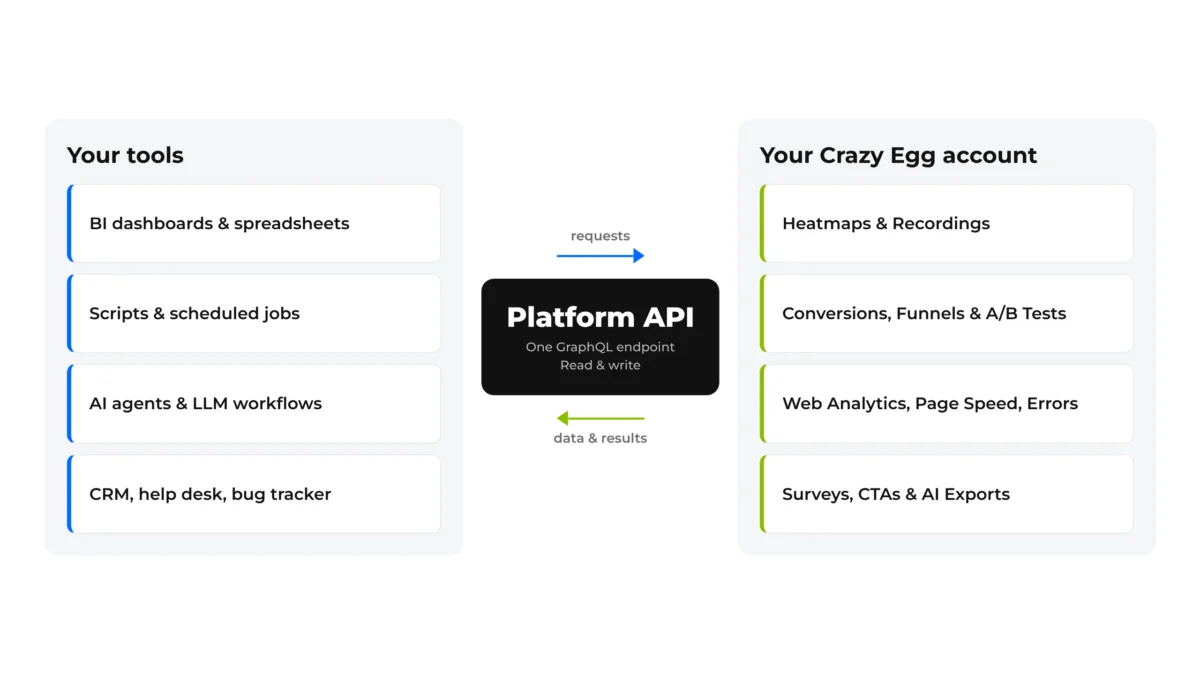
The shift toward these 13 strategies reflects a broader change in the digital privacy landscape. With the phasing out of third-party cookies and the implementation of stricter data privacy laws like GDPR and CCPA, businesses are being forced to prioritize "first-party data." This means that capturing a lead’s email address or phone number is no longer just a sales tactic—it is a critical business asset.
Furthermore, the integration of Artificial Intelligence (AI) into these strategies is beginning to reshape the industry. AI is now used to predict which leads are most likely to convert (lead scoring), to personalize email outreach at scale, and to optimize ad spend in real-time.

In conclusion, lead generation in the current era is characterized by a move toward authenticity and utility. As Josh Gallant and other industry leaders suggest, the most successful businesses will be those that view lead generation not as a series of isolated tricks, but as a holistic system designed to provide genuine value to a clearly defined audience. By tracking results and remaining agile, companies can ensure a steady flow of high-quality prospects that drive sustainable revenue growth.

 Lina Hope

 Azzam Bilal Chamdy