rifanmuazin
The Defining Characteristics of Agentic Systems
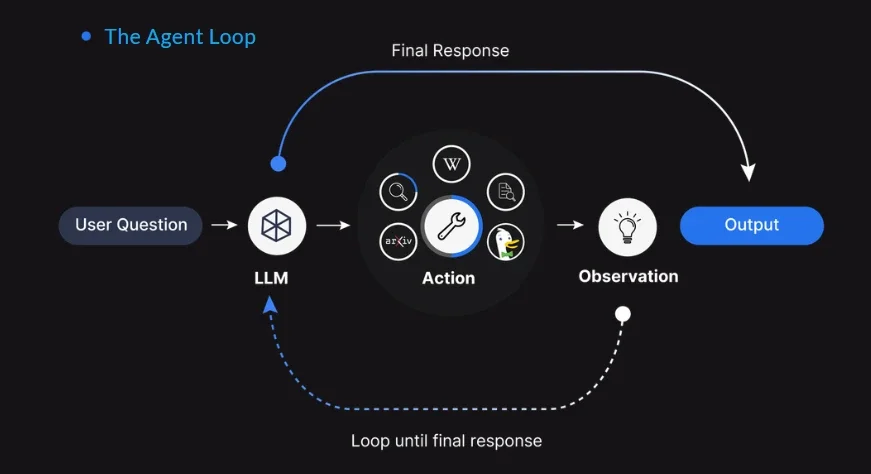
At its core, agentic AI refers to a class of autonomous systems designed to accomplish specific objectives by planning, adapting, and executing a series of actions. Unlike traditional AI, which typically operates in a "one-shot" manner—receiving a prompt and providing a single response—agentic systems are iterative. They possess the capacity to break down a complex goal into smaller, manageable sub-tasks, select the appropriate tools to complete those tasks, and monitor their own progress toward the final objective.
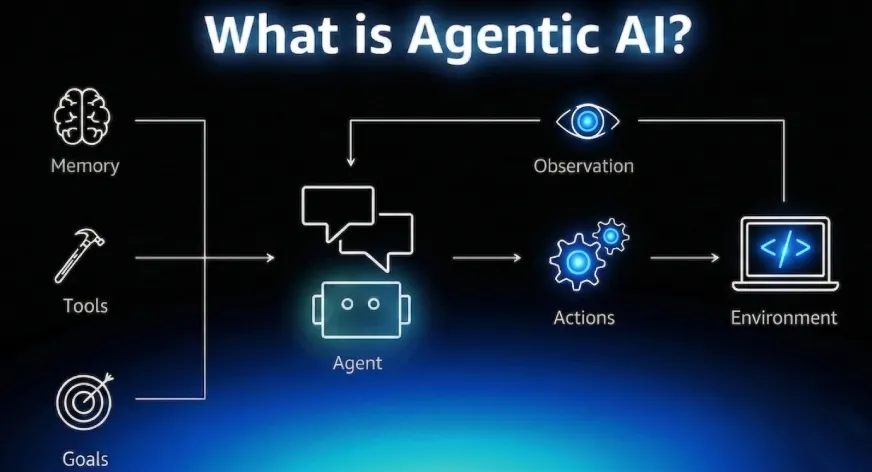
Industry experts distinguish agentic AI through three primary behavioral traits: autonomy, reasoning, and tool use. Autonomy allows the system to operate without a human "babysitting" every step of the process. Reasoning enables the system to evaluate different paths to a goal and choose the most efficient one. Tool use involves the AI interacting with external software, such as web browsers, databases, or code executors, to gather information or perform physical-world digital actions like booking a flight or updating a CRM system.
A Chronological Evolution of AI Capabilities
The path to agentic AI has been paved by several decades of computational advancement, but the pace has accelerated dramatically since the early 2020s. To understand the current state of agentic systems, it is necessary to view them through a historical lens of AI development.

- Symbolic AI and Rule-Based Systems (1950s–1990s): Early AI relied on "if-then" logic. These systems were rigid and could only handle tasks for which they were explicitly programmed.
- Machine Learning and Deep Learning (2000s–2010s): The shift toward data-driven models allowed AI to recognize patterns and make predictions, powering everything from recommendation engines to image recognition.
- Generative AI and Large Language Models (2020–2023): The release of models like GPT-3 and GPT-4 introduced the world to AI that could understand and generate human-like text. However, these models remained largely reactive and bound by the quality of the user’s prompt.
- The Rise of Agentic AI (2024–Present): Building on the reasoning capabilities of LLMs, developers began creating "wrappers" and frameworks that allowed these models to function as the "brain" of an autonomous agent. This period saw the birth of experimental projects like AutoGPT and BabyAGI, which demonstrated that an LLM could be put in a loop to perform tasks independently.
The Architecture of Agentic Workflows: How Autonomy is Achieved
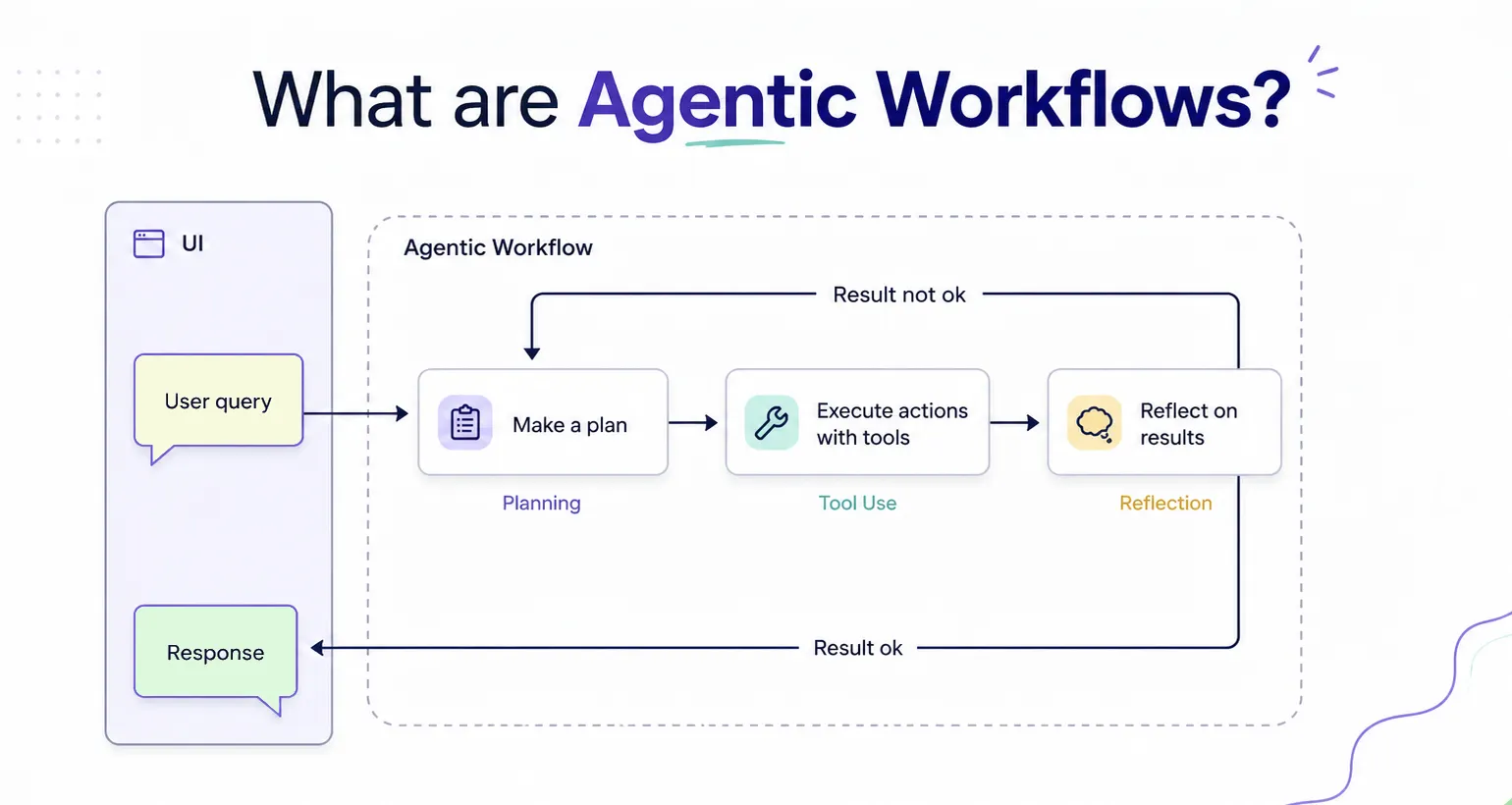
The functionality of agentic AI is derived from a sophisticated internal loop often referred to as the "Agentic Workflow." This process typically follows a five-stage cycle that allows the system to move from a high-level instruction to a finished outcome.
The first stage is Perception and Goal Setting, where the agent receives a prompt and interprets the user’s underlying intent. For example, if a user asks the AI to "organize a business trip," the agent identifies the necessary components: flights, hotels, ground transportation, and schedule alignment.
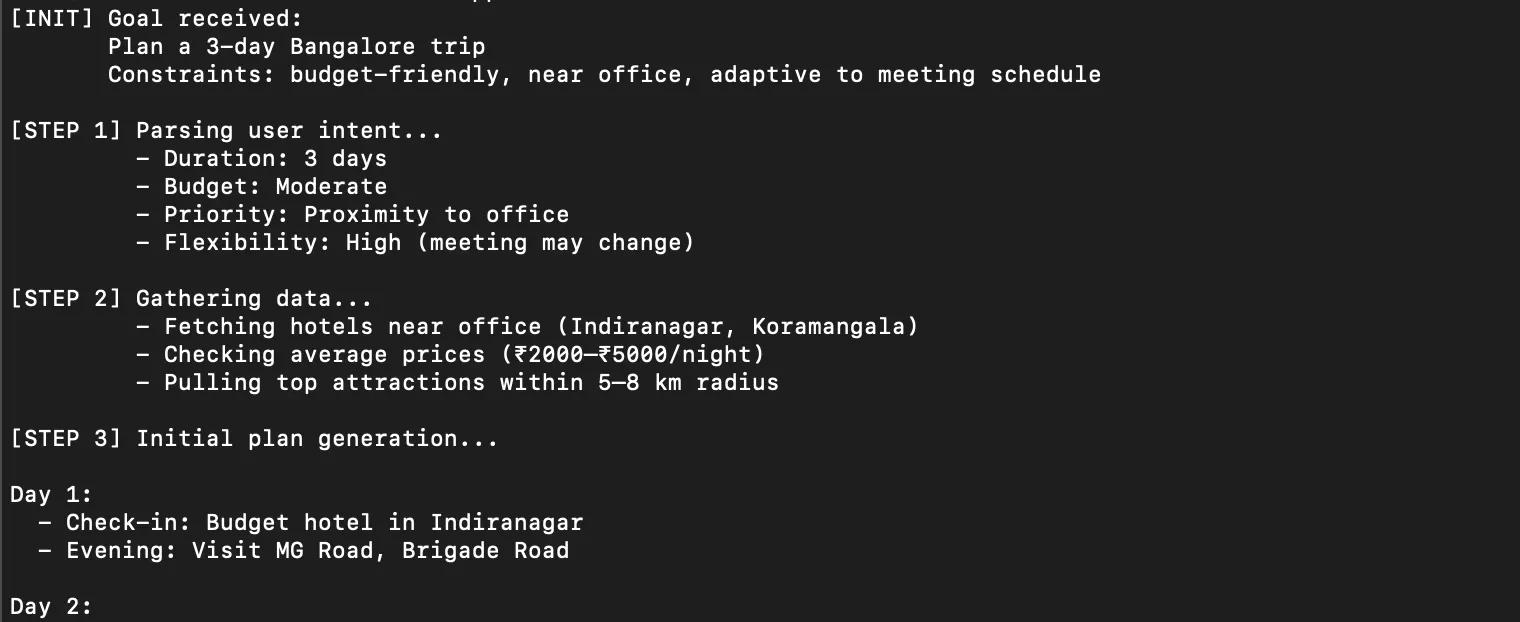
The second stage is Planning. The agent decomposes the goal into a sequence of steps. It creates a roadmap, deciding which tasks need to be completed first and what information is required to proceed.
The third stage is Tool Selection and Execution. This is where the agent interacts with the world. It may use a search engine to find flight prices, access a calendar to check for conflicts, and use a payment API to finalize a booking.
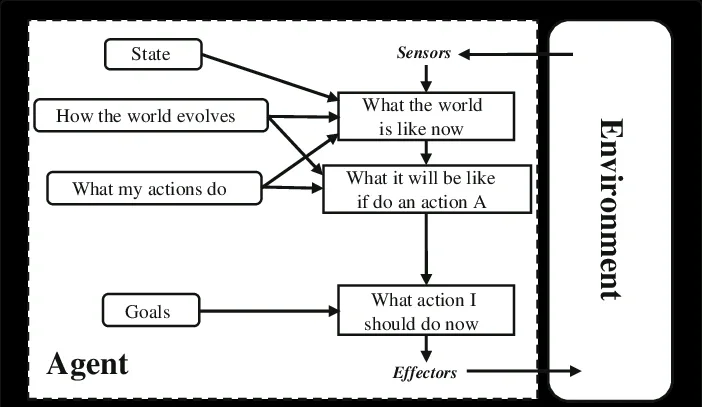
The fourth stage is Observation and Adaptation. Agentic AI is unique because it monitors the results of its actions. If a selected hotel is fully booked, the agent does not stop and ask for help; instead, it observes the failure, adapts its plan, and searches for an alternative.
The final stage is Output Generation and Goal Achievement. Once all sub-tasks are completed, the agent presents the final result to the user, having handled the intermediate complexities autonomously.
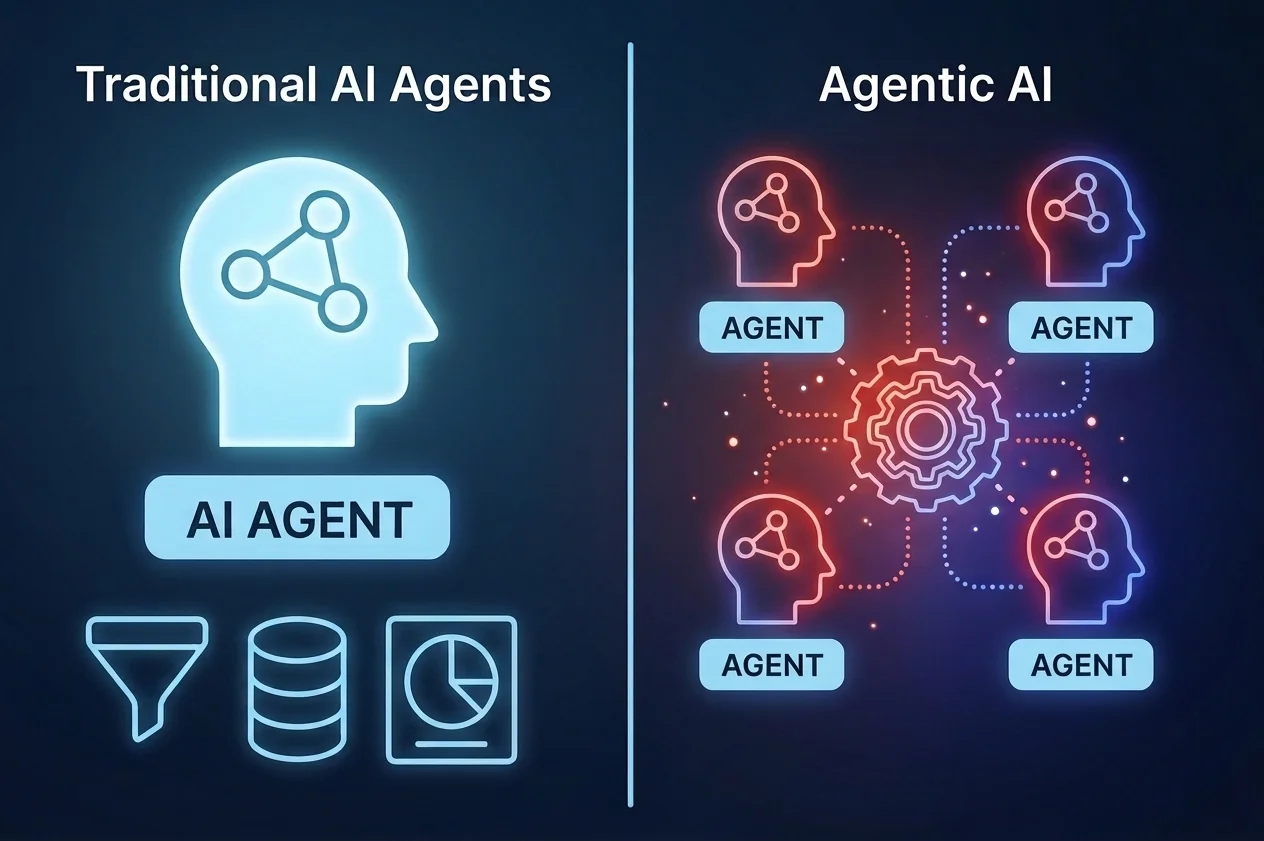
Frameworks Powering the Agentic Revolution
The rapid deployment of agentic AI has been facilitated by several open-source and proprietary frameworks that provide the "scaffolding" for autonomous agents. These frameworks allow developers to define how agents communicate, what tools they can access, and how they should handle errors.
- LangGraph and LangChain: These tools are widely used to build stateful, multi-actor applications. LangGraph, in particular, focuses on creating cyclical graphs, which are essential for agents that need to iterate on a task until it is solved.
- Microsoft AutoGen: This framework enables the creation of "Multi-Agent Systems" (MAS). In this setup, different agents—each with a specific persona, such as a "Coder," a "Reviewer," or a "Manager"—work together to solve a problem. This mimics human organizational structures and has proven highly effective for complex software development.
- CrewAI: Designed with a focus on role-based collaboration, CrewAI allows developers to assign specific "jobs" to different agents, ensuring that a project moves from research to execution in a structured manner.
Industry Applications and Economic Projections
The economic implications of agentic AI are profound. According to recent reports from Gartner, agentic AI is expected to be one of the top strategic technology trends for 2025. Market analysts suggest that by 2028, at least 15% of daily work decisions will be made or supported by autonomous agents.
In the realm of Software Engineering, agents like Devin (marketed as the world’s first AI software engineer) are already capable of taking a bug report, locating the relevant code, writing a fix, and testing it autonomously. This shift could significantly reduce the "technical debt" currently hampering many global corporations.
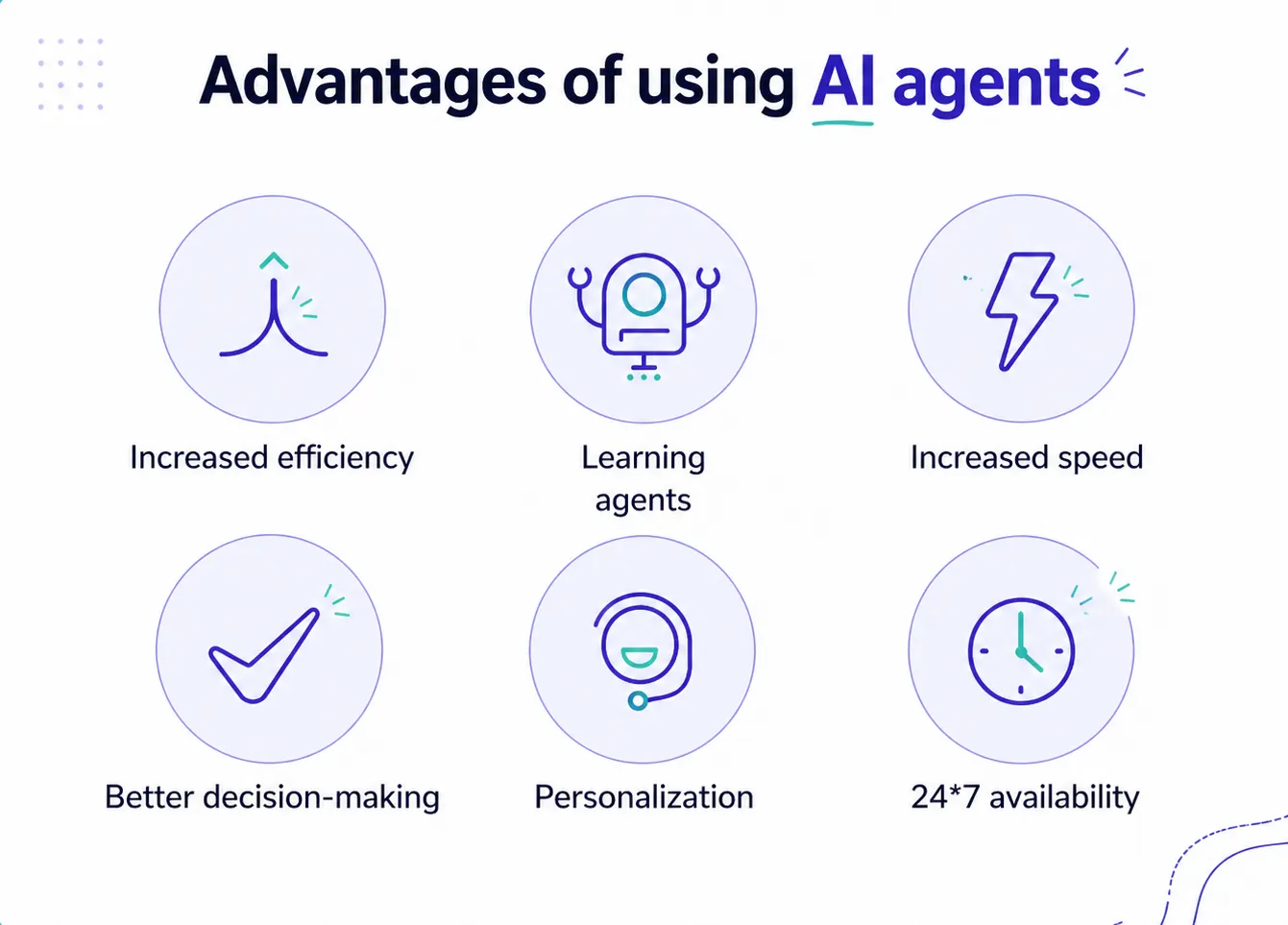
In Customer Experience, agentic AI is moving beyond the simple chatbot. Modern agents can now handle complex returns, negotiate refunds within set parameters, and update logistics databases without human intervention, leading to faster resolution times and lower operational costs.
In Research and Development, agentic systems are being used to scour thousands of scientific papers, synthesize findings, and even propose new hypotheses for drug discovery or materials science. By automating the "grunt work" of data gathering and initial analysis, these agents are accelerating the pace of innovation.
Challenges, Risks, and Ethical Considerations
Despite the optimism surrounding agentic AI, the technology introduces a new set of risks that differ from those of traditional generative models. The most significant concern is the "Feedback Loop Trap," where an autonomous agent may get stuck in an infinite loop of incorrect actions, potentially consuming vast amounts of computational resources or causing digital damage before it is stopped.
Security also remains a paramount concern. If an agent is given the authority to execute code or make financial transactions, it becomes a high-value target for "Prompt Injection" attacks. Hackers could potentially trick an agent into bypassing its safety protocols and performing unauthorized actions, such as transferring funds or leaking sensitive data.
Furthermore, the "Black Box" nature of AI reasoning makes it difficult to audit why an agent made a specific decision. As these systems take on more responsibility in sectors like healthcare or legal services, the need for "Explainable AI" (XAI) becomes critical. Ensuring that agents remain aligned with human values and organizational policies is an ongoing area of research for ethics boards and regulatory bodies worldwide.
Conclusion: Navigating the Future of Autonomy
The rise of agentic AI marks the beginning of a new chapter in the relationship between humans and machines. As these systems evolve from passive assistants to proactive collaborators, the role of the human user will shift from "doer" to "orchestrator." The success of this transition will depend on the development of robust frameworks that prioritize safety, transparency, and reliability.
While the journey toward fully autonomous intelligence is still in its early stages, the foundational components are now in place. For businesses and individuals alike, understanding the mechanics and potential of agentic AI is no longer an optional endeavor but a necessity for navigating the future of the digital economy. The shift from answering to acting is not merely a technical upgrade; it is a fundamental reimagining of what artificial intelligence can achieve in the service of human goals.