

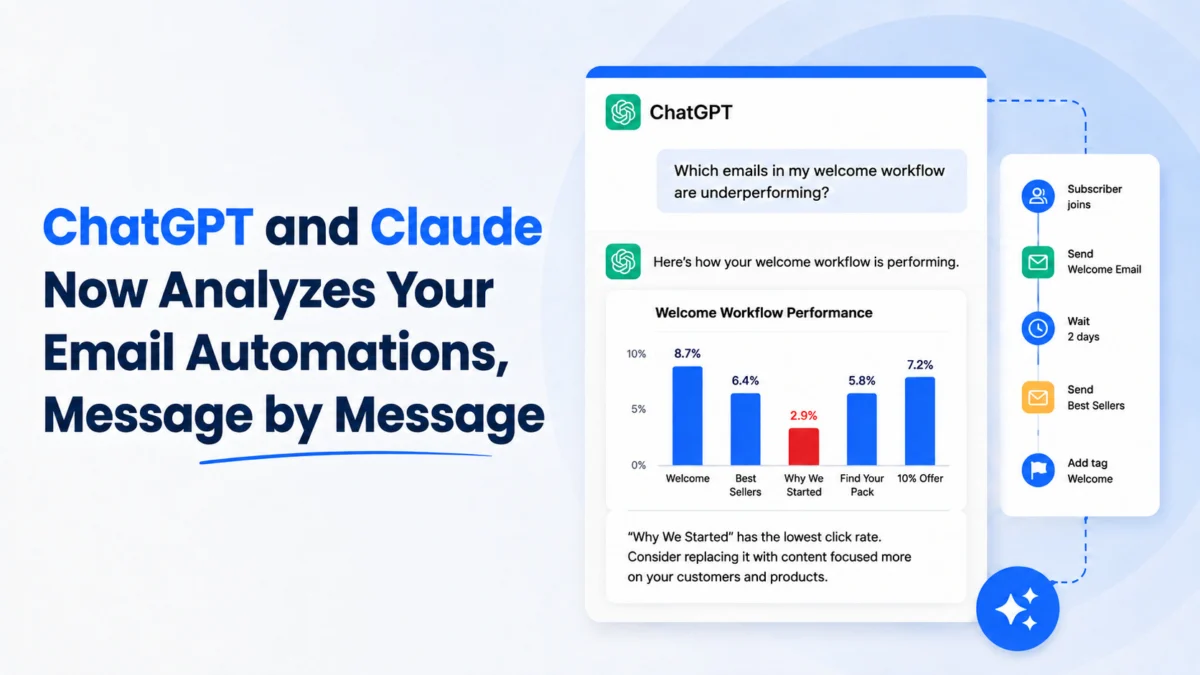
In a significant leap forward for digital marketing, AWeber, a pioneer in email marketing solutions, announced on August 25, 2026, the full integration of advanced analytical capabilities into its ChatGPT and Claude plugins. This groundbreaking update empowers marketers to gain unprecedented, real-time insights into the performance of their automated email workflows, moving beyond the traditional "set it and forget it" paradigm. The new functionality allows users to interrogate their automations directly through conversational AI interfaces, receiving detailed analyses, identifying bottlenecks, and pinpointing exact areas for improvement without ever needing to log into the AWeber platform itself. This development marks a pivotal moment in the evolution of marketing automation, democratizing sophisticated data analysis and making optimization accessible to businesses of all sizes.
The Evolution of Email Automation and the Need for Deeper Insights
For decades, email marketing has remained a cornerstone of digital strategy, renowned for its high return on investment (ROI). Automated email workflows, such as welcome series, abandoned cart reminders, and re-engagement campaigns, have become indispensable tools for nurturing leads and driving conversions. The very essence of automation lies in its ability to execute predefined sequences efficiently and continuously, freeing up marketers’ time. However, this efficiency often comes with a hidden drawback: once an automation is live, it frequently operates without rigorous ongoing scrutiny. Marketers, juggling multiple tasks, often lack the time or specialized tools to continuously monitor each workflow’s granular performance, leading to missed opportunities for optimization.
Before the advent of advanced AI integrations, dissecting the performance of complex email automations typically involved navigating through various dashboards, exporting data, and performing manual analyses. This process was not only time-consuming but often required a certain level of data literacy that many small business owners or busy marketers might not possess. Consequently, many workflows, despite their initial strategic design, would eventually underperform due silently, diminishing their effectiveness over time. Industry reports from 2024 indicated that while 80% of businesses used email automation, less than 30% regularly optimized their sequences beyond initial setup, highlighting a significant gap in proactive management. The market was ripe for a solution that could bridge this gap, offering actionable insights with minimal effort.
AWeber’s Journey Towards AI-Driven Marketing
AWeber has long been at the forefront of providing intuitive email marketing tools, particularly for small businesses and entrepreneurs. Recognizing the transformative potential of artificial intelligence, the company embarked on a strategic initiative to integrate AI capabilities into its platform. This journey began with earlier versions of its ChatGPT and Claude plugins, which initially focused on streamlining content creation, subject line generation, and basic campaign setup. These initial integrations allowed marketers to draft emails, generate campaign ideas, and even translate content, demonstrating AWeber’s commitment to leveraging generative AI to enhance productivity.
The latest update, however, represents a significant expansion of this vision. It moves beyond content generation to encompass intelligent data analysis, transforming AI from a creative assistant into a strategic advisor. The development process involved intricate engineering to securely connect AWeber’s vast dataset of email performance metrics with the analytical power of large language models like ChatGPT and Claude. This required robust data privacy protocols and sophisticated API integrations to ensure accuracy, security, and real-time data retrieval. The goal was to create a seamless, conversational interface where complex data queries could be answered with simple natural language prompts, mirroring how a human analyst might respond. This iterative development, spanning over a year, involved extensive beta testing with a select group of AWeber users to refine the analytical models and user experience, culminating in this official launch.
Unlocking Granular Insights: Key Features and Their Impact
The newly enhanced AWeber plugins for ChatGPT and Claude introduce several powerful features designed to provide unparalleled clarity into email automation performance:
-
Pinpointing Underperforming Emails with Precision:
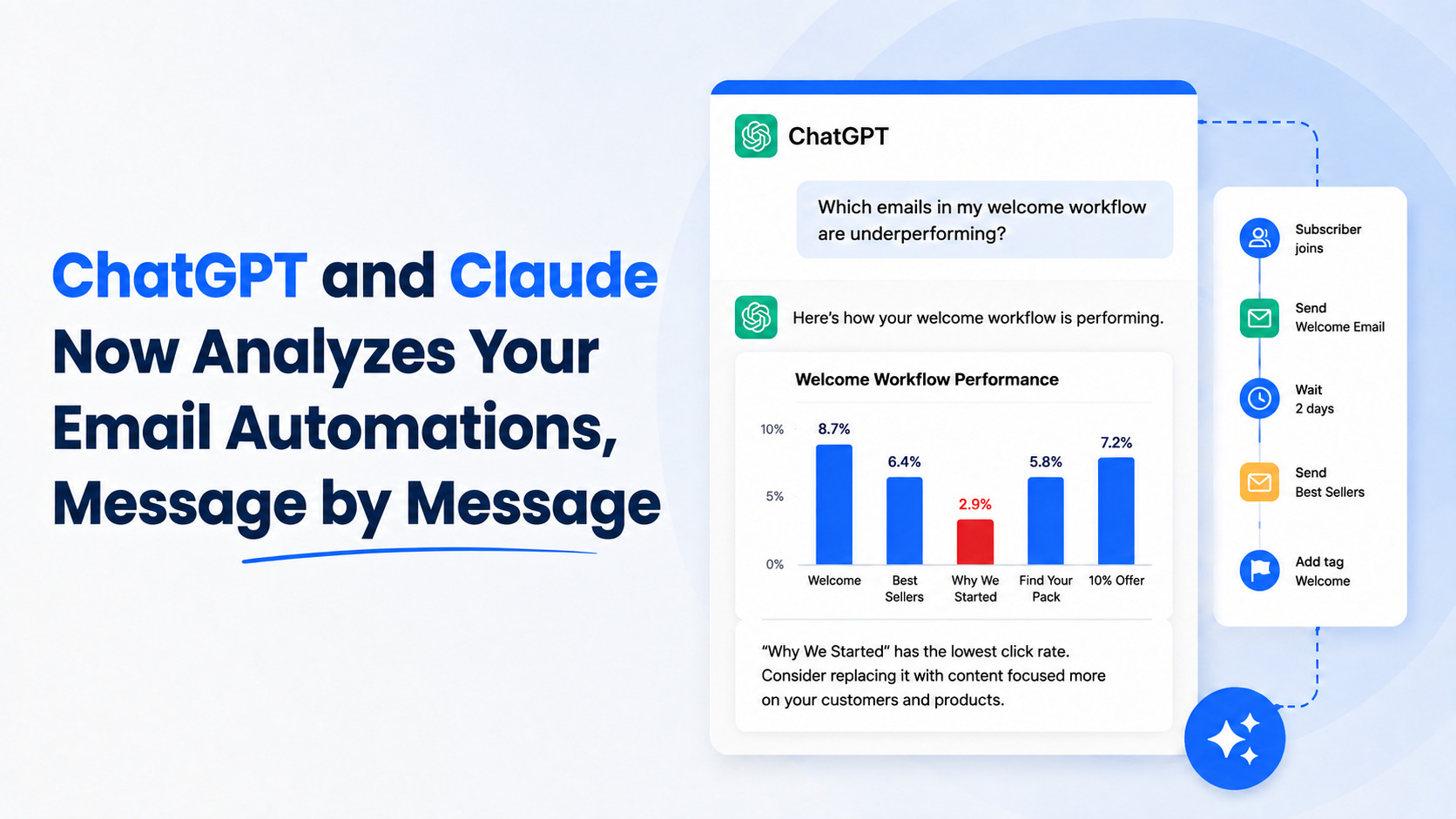
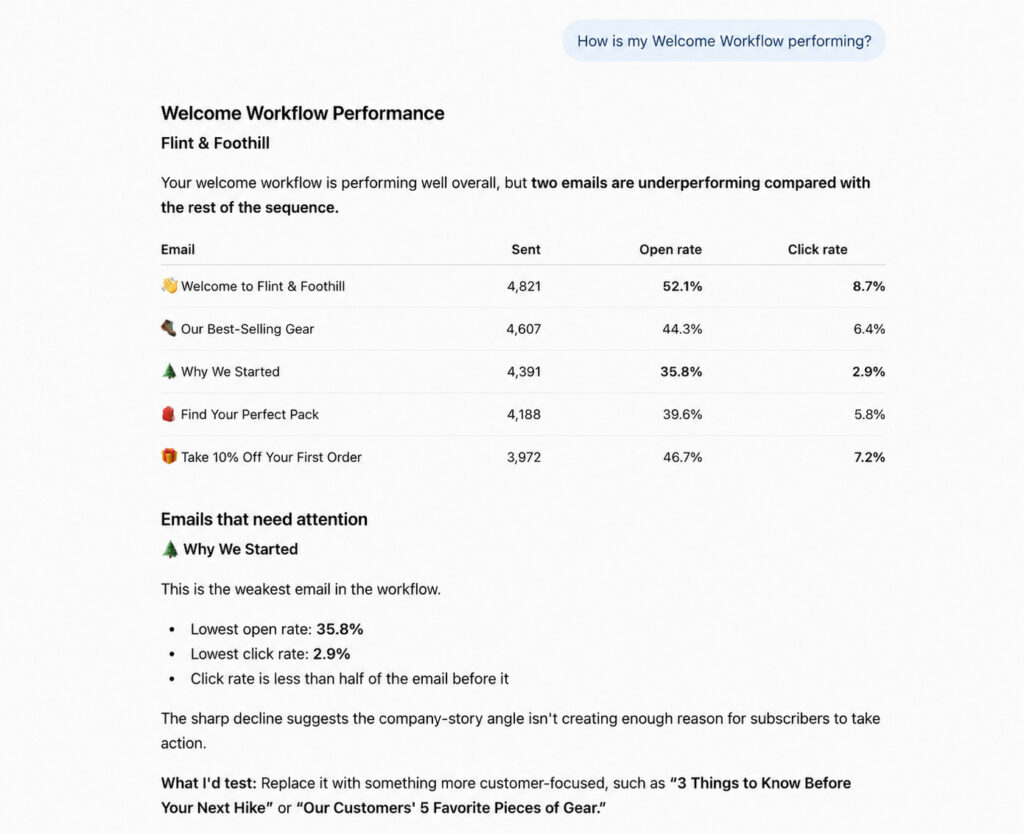
One of the most valuable aspects of the new integration is its ability to identify exactly which emails within an automation sequence are experiencing the most significant drop-offs in engagement. Instead of guessing, marketers can now simply ask, "Which email in my welcome series has the lowest click-through rate?" or "Where do subscribers typically disengage in my onboarding workflow?" The AI responds with a detailed analysis, often accompanied by visual charts that clearly illustrate performance trends across the entire workflow. For instance, if the third email in a five-part series shows a sharp decline in open rates or a sudden spike in unsubscribes, the system will highlight it. This precision is invaluable, as industry data from 2025 indicated that an average email automation sequence loses 15-20% of its audience at specific touchpoints, often due to irrelevant content or poor timing. By knowing the exact point of failure, marketers can focus their optimization efforts, rewriting copy, adjusting send times, or A/B testing elements of that specific email, leading to significant improvements in overall campaign effectiveness and conversion rates. -
Proactive List Health Monitoring:
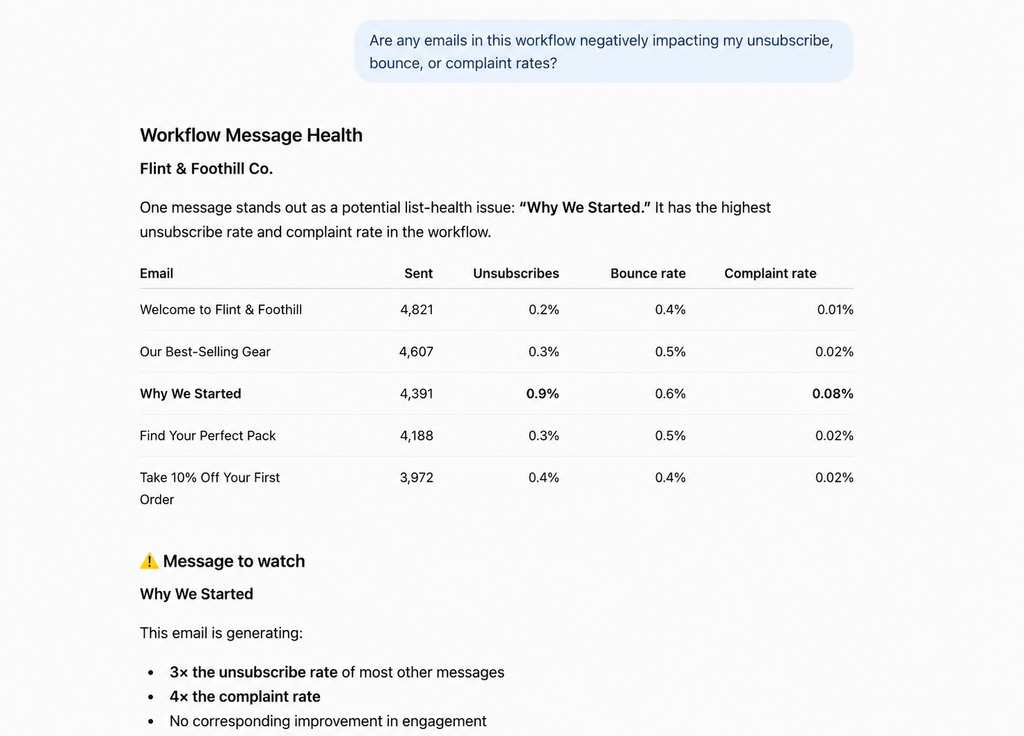
Maintaining a healthy email list is paramount for deliverability and sender reputation. Poor list hygiene, characterized by high unsubscribe rates, bounce rates, and spam complaints, can severely impact future email campaigns, leading to emails landing in spam folders rather than inboxes. The AWeber AI plugin now allows marketers to proactively monitor these critical metrics for any message within an automation. A simple query like, "Are there any messages in my promotional workflow with high bounce rates or spam complaints?" can instantly flag problematic emails. This capability is a game-changer, enabling marketers to catch issues before they escalate and affect their entire sending reputation. Studies have shown that a 1% increase in bounce rates can lead to a 5% drop in overall deliverability, costing businesses hundreds or thousands in lost revenue. By identifying and rectifying these issues swiftly—perhaps by removing unengaged subscribers or refining content to reduce complaints—marketers can safeguard their list health and ensure sustained campaign success.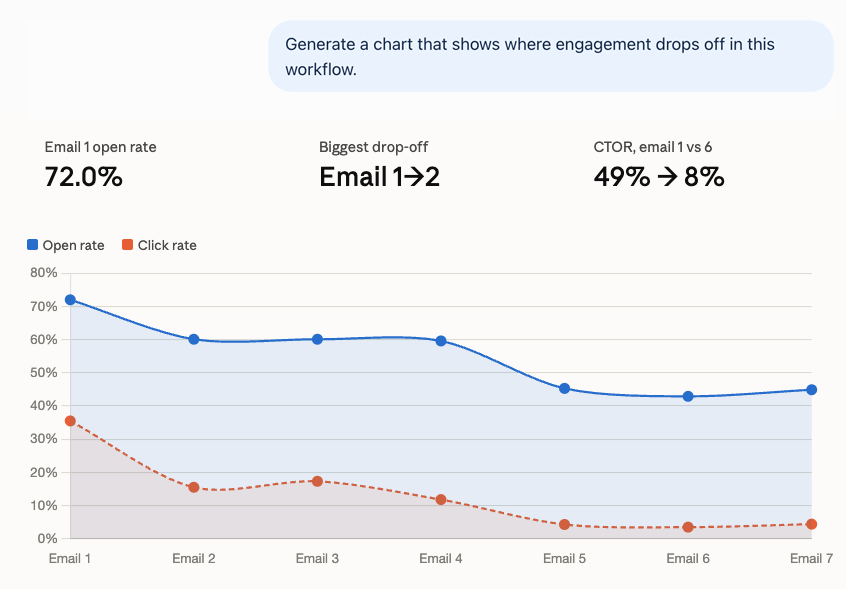
-
Understanding Subscriber Preferences Through Click Analytics:
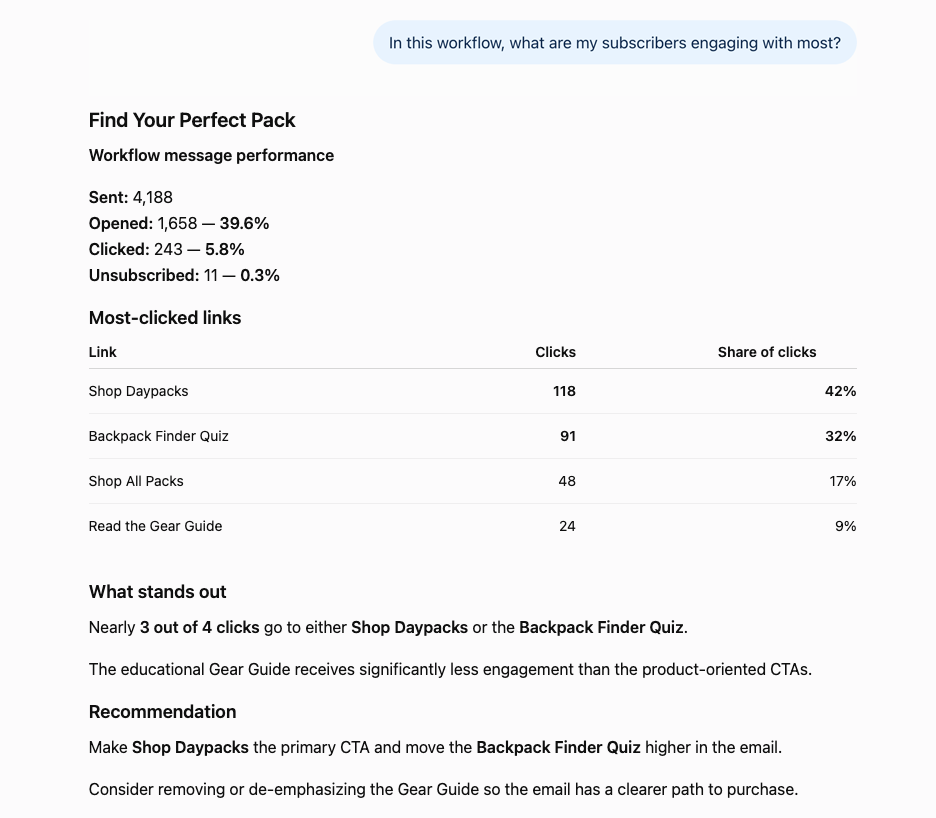
For automations that feature multiple products, offers, or content pages, understanding what subscribers are actually clicking on is crucial for future strategy. The AI plugin provides detailed click-through data, allowing marketers to ask questions such as, "Which product link in my abandoned cart email receives the most clicks?" or "What type of content do subscribers engage with most in my newsletter automation?" This insight goes beyond mere engagement; it reveals genuine subscriber interest and intent. Knowing what resonates most with an audience enables marketers to tailor future content, create more targeted offers, and even inform product development strategies. For example, if a particular product category consistently garners higher clicks, marketers can prioritize featuring similar items or creating more content around that theme, thereby increasing the relevance and conversion potential of their communications. -
Comprehensive Workflow Overview at a Glance:
Managing multiple email lists, each with its own set of automations, can become complex. The AI plugin simplifies this by providing a holistic view of all active workflows on a given list. A command like, "List all active automations for my ‘New Leads’ list" generates a comprehensive summary, outlining each workflow, its purpose, and its current status. This bird’s-eye view eliminates the need to manually navigate through various sections of the AWeber dashboard to ascertain what’s live. It empowers marketers with immediate strategic oversight, allowing them to identify potential overlaps, gaps, or opportunities for streamlining their automated communications. This is especially beneficial for agencies or businesses managing multiple brands or product lines, where a quick inventory of active campaigns is essential for strategic planning. -
Visualizing Subscriber Journeys with Workflow Mapping:
Complex automations often involve multiple triggers, conditional branches, and diverse message sequences. Understanding the complete journey a subscriber takes through such a workflow can be challenging. The AWeber AI plugin can now generate a visual representation of any workflow, displaying every trigger, branch, and message in chronological order. This visual map clarifies the logic of the automation, making it easier to identify potential dead ends, inefficient paths, or areas where the subscriber experience could be improved. For instance, a visual representation might reveal that a significant portion of subscribers is exiting a workflow prematurely due to an unexpected branching condition, prompting the marketer to reassess that segment of the journey. This feature transforms abstract workflow logic into an easily digestible visual format, enhancing comprehension and facilitating more intelligent design decisions.
Industry Reactions and Broader Implications
The announcement has been met with considerable enthusiasm within the digital marketing community. Sean Tinney, a prominent voice at AWeber and author of the original announcement, stated in a press release, "Our vision has always been to empower marketers, and this latest AI integration is a testament to that commitment. We’re moving beyond simply automating emails to intelligently optimizing the entire customer journey. Marketers can now interact with their data in a truly intuitive way, extracting actionable insights that were once only available to data scientists. This isn’t just an update; it’s a fundamental shift in how email marketing can be managed and improved."
Industry analysts are quick to highlight the significance of this move. Dr. Evelyn Reed, a leading MarTech analyst at Quantum Insights, commented, "AWeber’s new AI capabilities represent a crucial step in democratizing advanced analytics. For years, small and medium-sized businesses have struggled to compete with larger enterprises that have dedicated data teams. By embedding sophisticated analysis directly into conversational AI interfaces, AWeber is leveling the playing field. This will undoubtedly drive higher engagement rates, improved conversion funnels, and ultimately, greater ROI for countless businesses."
Early adopters of the beta program have also shared positive feedback. Maria Sanchez, owner of a boutique e-commerce store, noted, "Before this, I knew my welcome series was important, but I had no idea how to make it better without a lot of trial and error. Now, I just ask Claude, and it tells me exactly which email to tweak and why. It’s like having a marketing analyst available 24/7."
The implications of this development extend beyond AWeber and its user base. It signals a broader industry trend towards "conversational intelligence" in marketing technology. As AI models become more powerful and accessible, we can expect to see more platforms integrating similar capabilities, shifting the paradigm from dashboard-driven analysis to interactive, natural language querying. This transition will empower marketers to become more strategic and less bogged down by manual data interpretation. It also underscores the increasing importance of responsible AI development, ensuring data privacy and ethical usage as these powerful tools become more deeply embedded in business operations. The future of email marketing will likely involve even more sophisticated AI features, including predictive analytics that can forecast campaign performance, autonomous A/B testing, and AI-driven content generation that adapts in real-time based on individual subscriber behavior.
Getting Started with Enhanced AI Analysis
For current AWeber users already leveraging the ChatGPT or Claude plugins, the new analytical features are immediately available. There is no additional setup required; users can simply open their preferred AI interface and begin asking questions about their existing email automations. For those new to AWeber’s AI integrations, connecting the platforms is a straightforward process. Users can search for "AWeber" in ChatGPT’s plugin directory or connect AWeber directly within Claude’s directory. Comprehensive documentation, titled "Connecting Your AWeber Account to ChatGPT and Claude," provides a detailed guide on the end-to-end integration process. This ease of access ensures that the power of AI-driven automation analysis is readily available to a wide audience, fostering a new era of data-informed email marketing strategies.
In conclusion, AWeber’s latest integration of advanced analytical capabilities into its ChatGPT and Claude plugins represents a significant milestone in marketing technology. By transforming complex data analysis into intuitive, conversational interactions, AWeber is not only enhancing the efficiency of email automation but also empowering marketers to achieve unprecedented levels of optimization. This move solidifies AWeber’s position as an innovator in the email marketing space and sets a new standard for how businesses will approach and refine their automated customer journeys in the years to come.








