In today’s hyper-connected world, establishing a robust online presence is no longer a luxury but a fundamental necessity for businesses aiming to thrive. At the heart of this digital imperative lies Search Engine Optimization (SEO), a multifaceted discipline crucial for attracting organic traffic and building brand authority. Far from a mere technical chore, SEO has evolved into a strategic cornerstone of modern marketing, adapting continuously to the dynamic shifts in search engine algorithms and user behavior, including the burgeoning influence of artificial intelligence.
The Foundation of Digital Discovery: Defining Search Engine Optimization
Search Engine Optimization, or SEO, is both an art and a science dedicated to enhancing a website’s visibility within search engine results pages (SERPs). Its primary goal is to improve how discoverable, understandable, and trustworthy a website and its content appear when users actively seek relevant information, products, or services. While traditionally associated with giants like Google and Bing, the scope of SEO has broadened significantly to encompass optimization for AI-powered search experiences, conversational chatbots, social media platforms, and other emerging discovery interfaces. As Alex Moss, Principal SEO at Yoast, aptly states, "SEO covers many areas from technical aspects including optimizing a site’s performance and structure, to enhancing brand authority by providing great content and matching it with that person’s search intent." This comprehensive approach integrates technical improvements, strategic content optimization, and sustained brand-building efforts to drive targeted visibility and support overarching business objectives.
The Engine Beneath the Surface: How Search Engines Operate
To understand SEO, one must first grasp the intricate mechanisms by which search engines function. The process typically involves three core stages: crawling, indexing, and ranking. Specialized automated programs, known as crawlers or spiders, systematically scour the vast expanse of the internet, discovering new web pages and updates to existing ones. This collected data is then stored in a massive, constantly updated database called the index. When a user submits a search query, the search engine rapidly consults its index, employing sophisticated algorithms to determine which pages are most relevant and authoritative to display. These algorithms, which consider hundreds of factors, then arrange the results in a specific order, known as ranking, presenting what they deem the "best" answers to the user’s query. For instance, a search for "sustainable phone case" will prompt Google to retrieve and rank pages from its index that best match the query’s intent, often displaying product listings, reviews, or informational articles.
Navigating the Search Landscape: Organic vs. Paid & Emerging Paradigms

A critical distinction in the digital marketing realm is between organic and paid search results. SEO focuses exclusively on attracting organic traffic—visitors who arrive at a website through unpaid search results. These are the listings that appear naturally based on their relevance and authority, without direct monetary cost per click. In contrast, search engine results pages often feature advertisements or sponsored content, typically appearing at the top or bottom of the page. These are paid results, commonly managed through Pay-Per-Click (PPC) campaigns, where advertisers bid on keywords and pay a fee each time a user clicks their ad. While both SEO and PPC are powerful tools, they serve different strategic purposes and frequently complement each other. PPC offers immediate visibility and targeted traffic, while SEO provides sustainable, long-term brand building and cost-effective traffic acquisition.
The rapid evolution of AI has introduced new terminology, such as Generative Engine Optimization (GEO), which focuses on optimizing for AI-generated responses. However, industry experts, including those at Yoast, emphasize that this is not a replacement for traditional SEO but rather an expansion of its application. The fundamental principles of creating high-quality, relevant, and authoritative content, coupled with a strong technical foundation, remain paramount, regardless of whether the content is consumed via a traditional SERP or an AI-powered summary. The core acronym "SEO" still encapsulates this broader mission of multi-platform visibility.
Why SEO is Indispensable for Modern Businesses
The strategic importance of SEO for site owners cannot be overstated, driven by several compelling factors:
- Immense Search Volume: The sheer scale of global search activity underscores SEO’s potential impact. Google, the dominant search engine, processes an astounding 8.3 billion searches daily in 2024, a figure that has grown exponentially since its inception in 1998. This colossal volume represents an unparalleled opportunity for businesses to connect with a vast, actively searching audience.
- Intent-Driven Engagement: Unlike many other marketing channels, such as social media, where brands often interrupt a user’s experience to capture attention, search is inherently intent-driven. Users actively seek information, solutions, or products. When a business appears in their search results, it aligns directly with an existing demand, making these users significantly more likely to convert into customers. This positions SEO as a highly effective inbound marketing strategy, drawing customers directly to the business. Studies consistently show that organic search drives over 50% of website traffic and boasts higher conversion rates than many other channels.
- Sustainable Competitive Advantage: In an increasingly crowded digital marketplace, merely having a website is insufficient. SEO provides a crucial competitive edge by enhancing online visibility, cultivating a stronger brand presence, establishing authority within a niche, and increasing touchpoints with target audiences. This leads to higher quality traffic, improved customer loyalty, and ultimately, greater revenue. Businesses that neglect SEO risk being overshadowed by competitors who actively invest in it.
- Beyond the Click: Brand Awareness and Credibility: Modern SEO extends beyond simply generating website clicks. In an era of AI-generated answers and "zero-click" searches (where the answer is provided directly on the SERP), content may be cited, referenced in AI overviews, or discovered through various platforms without a direct website visit. Even in such scenarios, appearing as a trusted, authoritative source significantly boosts brand awareness, credibility, and can drive future demand for a business, solidifying its reputation in the digital ecosystem.
The Strategic Dimensions: Key Types of SEO
While the core principles of SEO remain consistent, its application can be tailored to specific business needs and goals, giving rise to various specialized types:
- Technical SEO: Focuses on the foundational health and usability of a website, ensuring search engines can effectively crawl, index, and understand its content.
- On-Page SEO: Involves optimizing individual web pages for specific keywords to improve their search engine rankings and attract relevant traffic.
- Off-Page SEO: Encompasses activities performed outside of a website to improve its search engine ranking, primarily through building authority and trustworthiness.
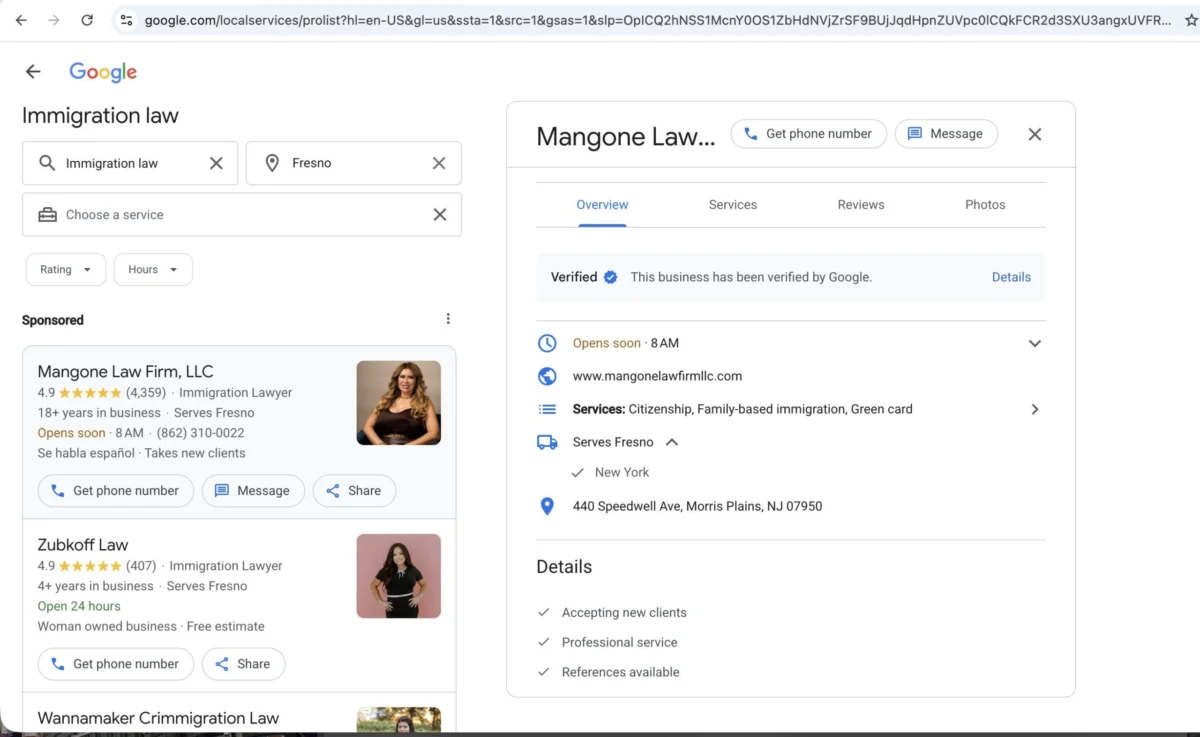
- Local SEO: Crucial for businesses with physical locations, aiming to improve visibility in local search results (e.g., "restaurants near me"). This involves optimizing Google Business Profiles, local citations, and geo-targeted content.
- E-commerce SEO: Tailored for online stores, focusing on product page optimization, category page optimization, schema markup for products, and managing large inventories.
- International SEO: For businesses targeting multiple countries or languages, involving hreflang tags, geo-targeting, and country-specific content.
- Video SEO: Optimizing video content for platforms like YouTube and Google Video search, including titles, descriptions, tags, and transcripts.
- Image SEO: Enhancing images for search engines through proper file names, alt text, compression, and sitemaps.
The Pillars of Optimization: A Holistic Approach

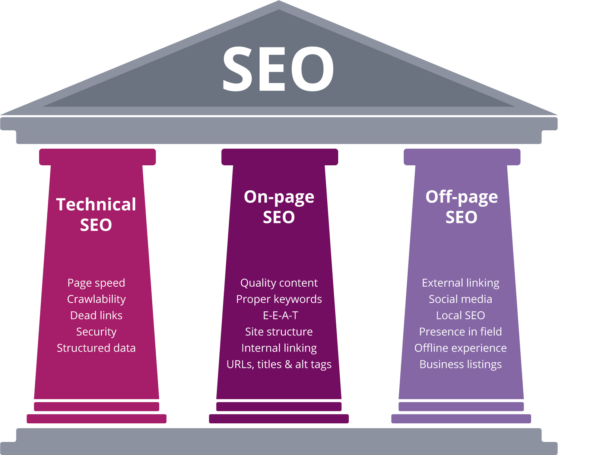
Effective SEO hinges on a holistic strategy, typically categorized into three fundamental pillars: Technical SEO, On-Page SEO, and Off-Page SEO.
Technical SEO: The Digital Infrastructure
Technical SEO is the bedrock of a successful online presence, focusing on the underlying technical aspects of a website that enhance user experience and facilitate search engine understanding. Key elements include:
- Site Speed (Page Load Time): Faster loading pages improve user satisfaction and are favored by search engines. Google’s Core Web Vitals, which measure loading performance, interactivity, and visual stability, are critical ranking signals. Studies indicate that a one-second delay in page response can result in a 7% reduction in conversions.
- Mobile-Friendliness: With over 60% of global website traffic originating from mobile devices, a responsive design that adapts seamlessly to various screen sizes is non-negotiable. Google’s mobile-first indexing prioritizes the mobile version of a site for crawling and indexing.
- Crawlability and Indexability: Ensuring search engine bots can access and understand all relevant pages is paramount. This involves optimizing robots.txt files, sitemaps, and preventing broken links.
- Website Architecture: A logical, intuitive site structure (e.g., clear navigation, internal linking) helps both users and search engines navigate and understand the relationship between different pages.
- Security (HTTPS): Encrypting website traffic via HTTPS is a ranking factor and a critical trust signal for users, protecting sensitive data.
- Structured Data (Schema Markup): Implementing schema markup helps search engines better understand the content on a page, potentially leading to rich snippets in SERPs (e.g., star ratings, recipes, event details), which can significantly boost click-through rates.
- Canonicalization: Managing duplicate content issues by indicating the preferred version of a page to search engines.
Search engines prioritize these technical aspects because they directly impact user experience. A slow, insecure, or poorly structured website frustrates users and diminishes the likelihood of high rankings.
On-Page SEO: Content and Context
While Technical SEO lays the groundwork, On-Page SEO focuses on optimizing the content and elements directly visible on a web page to improve its relevance for specific search queries. This pillar is heavily intertwined with content marketing and user intent. Key components include:
- Keyword Research and Intent Matching: Identifying the terms and phrases users employ when searching and understanding the underlying intent (informational, navigational, transactional) behind those queries. Content must then be crafted to directly address this intent.
- High-Quality, Engaging Content: Creating valuable, original, comprehensive, and well-researched content that truly serves the user. The emphasis here is on Experience, Expertise, Authoritativeness, and Trustworthiness (E-E-A-T), which Google increasingly prioritizes.
- Title Tags and Meta Descriptions: Crafting compelling, keyword-rich title tags and meta descriptions that entice users to click from the SERP. While not direct ranking factors, they influence click-through rates (CTR), which is an indirect signal.
- Header Tags (H1, H2, H3, etc.): Structuring content logically with hierarchical headings improves readability for users and signals key topics to search engines.
- Internal Linking: Strategically linking relevant pages within a website helps distribute "link equity," improves site navigation, and signals the importance of certain pages to search engines.
- Image Optimization: Using descriptive file names, alt text, and compressing images for faster load times.
- URL Structure: Creating clean, descriptive, and keyword-friendly URLs.
- Readability: Ensuring content is easy to read and understand for a broad audience.
On-page SEO ensures that once a user lands on a page, the content is not only discoverable but also provides an excellent experience, directly addressing their needs and queries.
Off-Page SEO: Building Authority and Trust
Off-Page SEO encompasses all optimization efforts undertaken outside the website itself, primarily aimed at building its authority, trustworthiness, and overall reputation in the digital sphere. This pillar often involves cultivating external signals that demonstrate a website’s value and relevance.
- Link Building (Backlinks): This is a cornerstone of off-page SEO. Acquiring high-quality backlinks from other reputable and relevant websites acts as a "vote of confidence" for a site. Search engines view these backlinks as indicators of authority and trust. The focus should be on earning natural, editorial links rather than engaging in manipulative tactics.
- Brand Mentions and Citations: References to a brand or website across the internet, even without a direct link, contribute to its overall authority and recognition.
- Social Media Engagement: While social media activity may not directly impact search rankings, it plays a vital role in content distribution, brand visibility, audience engagement, and driving indirect traffic. A strong social presence can amplify content and lead to more natural backlinks.
- Online Reviews and Reputation Management: For local businesses, positive online reviews on platforms like Google Business Profile, Yelp, and industry-specific sites are crucial for local SEO and building trust. Actively managing and responding to reviews is essential.
- Influencer Marketing and Public Relations: Collaborating with influencers or engaging in PR activities can generate valuable brand mentions, press coverage, and backlinks.
- Guest Blogging: Contributing high-quality content to other authoritative websites can establish expertise and earn valuable backlinks.
Off-page SEO extends a website’s reach and solidifies its credibility within its industry, signaling to search engines that it is a trusted and valuable resource.

Decoding Search Algorithms: Essential Ranking Factors
While the exact weighting and comprehensive list of Google’s ranking factors remain proprietary and constantly evolving, extensive research and analysis by SEO professionals have identified several key signals that significantly influence a page’s position in SERPs:
- Content Quality and Relevance: High-quality, original, comprehensive, and relevant content that genuinely satisfies user intent is paramount. E-E-A-T (Experience, Expertise, Authoritativeness, Trustworthiness) is a critical framework for assessing content quality, especially for YMYL (Your Money Your Life) topics.
- Backlinks (Link Authority): The quantity and quality of backlinks pointing to a website from other authoritative sites are strong indicators of its credibility and importance.
- Mobile-Friendliness: As discussed, a website’s performance and usability on mobile devices are crucial for ranking.
- Page Speed and Core Web Vitals: Fast loading times and a smooth user experience, as measured by Google’s Core Web Vitals, directly impact rankings.
- User Experience (UX): Factors like bounce rate, time on page, and overall site usability (easy navigation, clear calls to action) implicitly signal content quality and user satisfaction to search engines.
- Technical SEO Health: Crawlability, indexability, security (HTTPS), and a well-structured site are fundamental prerequisites for ranking.
- Search Intent Alignment: The degree to which a page’s content directly addresses the user’s underlying intent for a specific search query.
- Freshness of Content: For certain topics, recently updated or published content can receive a ranking boost.
- Brand Signals: Mentions of a brand, brand searches, and strong social media presence can contribute to overall brand authority and trust.
- Local Signals (for Local SEO): Proximity, relevance, and prominence of a business are key for local search rankings.
While focusing on these top factors provides a strong starting point, continuous monitoring and adaptation to algorithm updates are essential for sustained SEO success. Tools like Yoast’s SEO Checker can assist in identifying common issues and providing actionable recommendations.
A Journey Through Time: The Evolution of SEO
The history of SEO is a testament to the dynamic nature of the internet, mirroring the advancements in computing power and user sophistication.
SEO in the 1990s: The Early Wild West
The genesis of SEO can be traced back to the mid-1990s, shortly after the widespread adoption of the World Wide Web. In its infancy, search engine algorithms were relatively simplistic, often relying on basic metrics like keyword density—the frequency with which a particular keyword appeared on a page. The "trick" to ranking involved aggressively stuffing keywords into content, meta tags, and even hidden text. This era was characterized by rudimentary tactics, as website owners quickly discovered how to manipulate early search engines for visibility.
Search Engines Evolving: Combating Spam and Prioritizing Users
The inherent flaws of keyword stuffing quickly became apparent. Search engines realized that simply displaying pages with the highest keyword count often resulted in poor quality, irrelevant, and spammy results for users. This prompted a significant shift. Companies like Google began investing heavily in developing more sophisticated algorithms designed to better understand content, assess authority, and prioritize user experience.
This commitment led to a series of groundbreaking algorithm updates that reshaped the SEO landscape:
- PageRank (Late 1990s): Google’s revolutionary PageRank algorithm introduced the concept of evaluating the quality and quantity of backlinks as a measure of a page’s importance and authority, moving beyond simple keyword counts.
- Panda (2011): Targeted low-quality, thin, and duplicate content, penalizing "content farms" and rewarding sites with high-quality, original material.
- Penguin (2012): Focused on combating web spam, particularly manipulative link-building schemes, penalizing sites that acquired artificial or low-quality backlinks.
- Hummingbird (2013): A major rewrite of Google’s core algorithm, enabling it to better understand the semantic meaning and context of queries, moving beyond exact keyword matches to interpret conversational language.
- RankBrain (2015): An AI-powered system that helps Google process and understand complex, ambiguous, or novel search queries, further enhancing its ability to interpret user intent.
- Mobile-First Indexing (2018): Google began primarily using the mobile version of a website for indexing and ranking, reflecting the dominance of mobile search.
- Core Web Vitals (2021): Incorporated specific metrics related to page speed, interactivity, and visual stability into its ranking signals, emphasizing real user experience.
These ongoing updates underscore a continuous process where search engines adapt to evolving user behaviors and technological advancements, consistently striving to deliver the most relevant and high-quality results.
SEO in 2026: The AI Frontier and Beyond
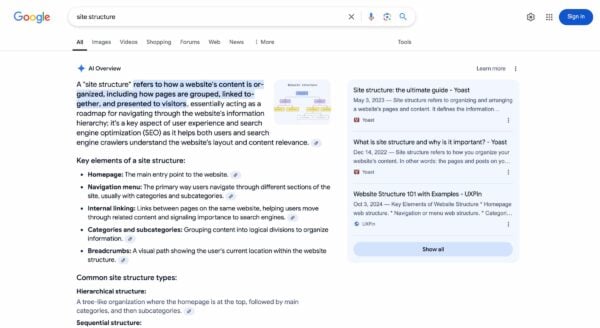
As we look towards 2026, SEO continues its expansion beyond traditional search engine results pages. While high-quality content, technical excellence (site speed, security, mobile parity), and strong E-E-A-T remain foundational, the emergence of AI-powered search experiences marks a significant evolution. Users are increasingly turning to AI assistants, AI-generated search summaries, and conversational interfaces for information. Search engines themselves are integrating generative AI, as exemplified by Google’s AI Overviews, which synthesize information from various sources to directly answer user queries.
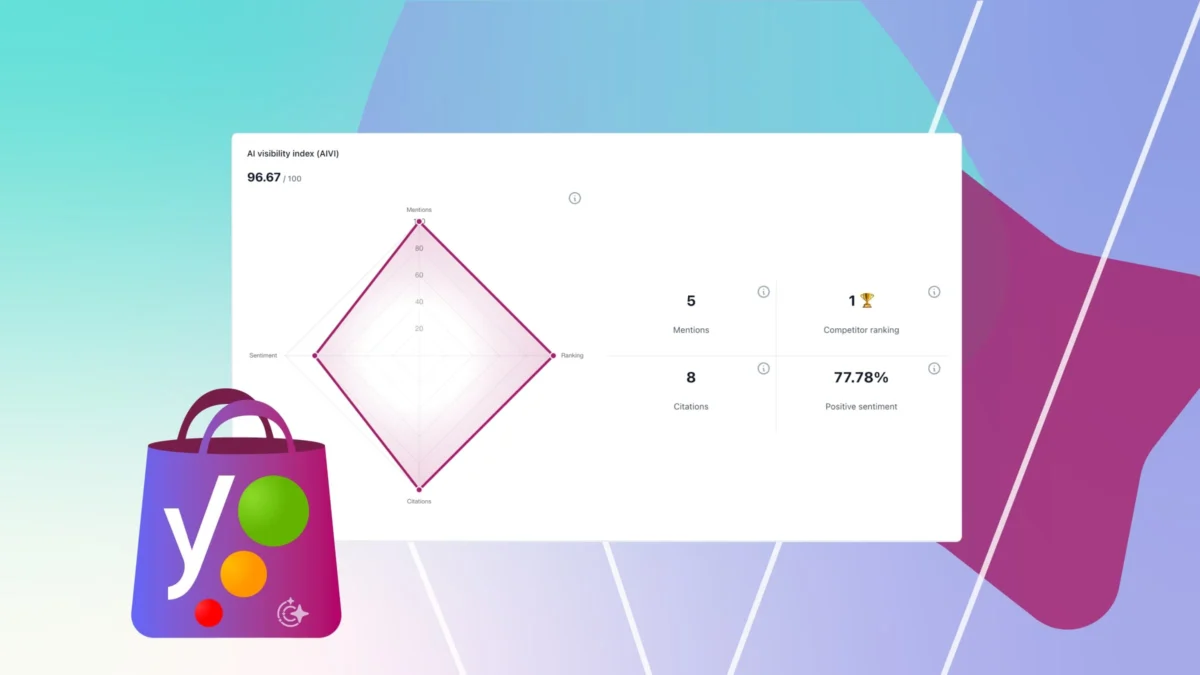
This shift introduces the concept of "zero-click searches," where users receive complete answers directly on the SERP or through an AI tool without needing to visit a website. While this might lead to fewer direct clicks, being the source cited in an AI overview or answer is a powerful validation of authority and significantly boosts brand awareness and credibility. As Carolyn Shelby, Principal SEO at Yoast, advises, "Rankings still matter, but they are no longer the end goal. They are a proxy for visibility, not a guarantee of impact. As search shifts from ranking pages to selecting sources, rankings should be interpreted alongside presence, citation, and narrative accuracy." The future of SEO demands a focus on building a robust, authoritative brand that is visible and trusted across a diverse range of discovery platforms, rather than solely fixating on a specific ranking position.
Charting a Course: Setting Effective SEO Goals
In light of these transformative changes, the approach to setting SEO goals must also evolve. While traditional metrics like ranking positions, organic clicks, and website traffic remain relevant for monitoring progress, the emphasis has broadened to encompass holistic brand perception and overall business impact.
Effective SEO goals in the modern landscape should include:
- Enhanced Brand Awareness: Measuring how often a brand is mentioned, cited in AI summaries, or appears across various platforms.
- Improved User Engagement: Tracking metrics like time on page, bounce rate, and user interaction to assess content quality and user satisfaction.
- Superior User Experience: Focusing on site speed, mobile-friendliness, and intuitive navigation to ensure a seamless experience.
- Conversion and Business Impact: Directly linking SEO efforts to tangible business outcomes, whether it’s sales, lead generation, newsletter sign-ups, or offline store visits.
- Authority and Trust Signals: Monitoring backlinks, online reviews, and brand sentiment to gauge perceived expertise and trustworthiness.
By shifting metrics from mere traffic volume to broader influence and user satisfaction, businesses gain a more accurate understanding of their SEO strategy’s success and their brand’s standing in the complex digital ecosystem.
Empowering Digital Growth: Getting Started with SEO
Embarking on an SEO journey, while seemingly daunting due to its many facets, is entirely achievable for businesses of all sizes. A structured approach, combined with the right resources, can yield significant long-term benefits.
Laying the Groundwork: Technical Foundations
The initial focus should always be on the technical health of a website. Before diving into content creation, ensure the foundational elements are optimized:
- Technical Audit: Identify and resolve issues related to crawlability, indexability, site speed, mobile-friendliness, HTTPS security, and broken links. For those without technical expertise, collaborating with a web developer or leveraging site builder support is advisable.
- Site Structure: Develop a logical, hierarchical site structure that facilitates easy navigation for users and clear understanding for search engines.
Crafting Compelling Content: On-Page Excellence
Once the technical foundation is solid, the spotlight shifts to content:
- Keyword Research: Conduct thorough keyword research to understand what your target audience is searching for. This provides invaluable insights for content topics and informs your overall content strategy.
- Content Creation: Produce high-quality, original, and insightful content that directly addresses user intent and demonstrates expertise. In an era of AI-generated content, human-centric, unique perspectives are more crucial than ever.
- On-Page Optimization: Optimize title tags, meta descriptions, header tags, images, and internal links for each page to maximize its relevance for target keywords.
Building Authority: Off-Page Strategies
Simultaneously, initiate efforts to build external authority:
- Link Building: Focus on earning natural, high-quality backlinks from reputable sources within your industry.
- Local SEO: For local businesses, optimize your Google Business Profile and ensure consistent business information across online directories.
- Brand Building: Engage on social media, seek opportunities for industry mentions, and encourage positive customer reviews.
SEO is an ongoing process, not a one-time task. Establishing a realistic, continuous SEO plan and consistently adhering to it is crucial for sustained growth. The effort invested not only drives more traffic but fundamentally strengthens brand loyalty and long-term revenue potential.

Accessible Tools and Education
For those looking to manage their SEO in-house, numerous resources are available:
- SEO Plugins and Apps: Tools like Yoast SEO for WordPress and Shopify simplify many technical and on-page optimization tasks, offering features such as SEO and readability analyses, redirect management, and structured data implementation. These tools democratize SEO, making it accessible even for beginners.
- SEO Academies and Courses: Platforms like the Yoast SEO Academy provide structured learning paths, from beginner-friendly courses on SEO fundamentals and WordPress basics to advanced modules on structured data and specific SEO aspects.
- Industry Blogs and Resources: Leading SEO blogs and educational platforms offer a wealth of up-to-date information, insights into algorithm changes, and practical guides to navigate the evolving digital landscape.
By leveraging these tools and educational resources, businesses and individuals can effectively tackle their SEO efforts, transforming their digital presence into a powerful engine for growth and visibility.