
 rifanmuazin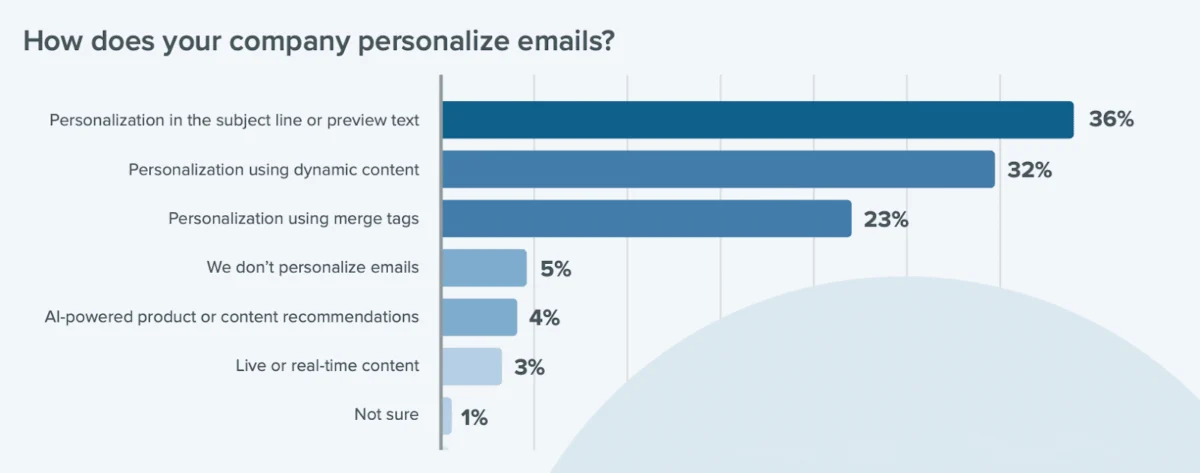
Email marketing, often perceived as a mere tactical execution, has evolved into a strategic cornerstone for businesses seeking to cultivate customer relationships and drive tangible results. In an increasingly complex digital landscape, email marketers find themselves managing a multifaceted array of responsibilities, frequently succumbing to a "doom loop" of request, production, and send, leaving little room for overarching strategic thought. Recent findings from the State of Email Workflows Report highlight this burden, revealing that nearly a quarter of email marketers routinely oversee eleven essential functions within their teams. This operational intensity underscores a critical need to move beyond ad-hoc campaigns and embrace a comprehensive email marketing strategy.
The Evolution and Enduring Power of Email Marketing
The journey of email marketing began with the first unsolicited email in 1978, a rudimentary but effective direct communication tool. Over decades, it matured from mass, undifferentiated blasts to a sophisticated channel capable of hyper-personalization and automated journeys. Despite the rise of social media and other digital channels, email has maintained its status as a consistently high-ROI marketing activity, often cited for its impressive 36:1 return on investment potential. This enduring relevance stems from its directness, cost-effectiveness, and the user’s explicit consent, fostering a more engaged audience than many other channels. However, maximizing this potential demands a deliberate, strategic framework that transcends simple message dispatch.

A true email marketing strategy is a comprehensive blueprint designed to achieve specific business objectives. It meticulously identifies target audiences, leverages segmentation for personalized messaging, crafts compelling content, orchestrates strategic scheduling, and employs robust performance measurement. Such a strategy sets clear, measurable goals—whether boosting brand awareness, driving sales, or nurturing customer loyalty—and meticulously outlines the precise tactics required to achieve them. It necessitates understanding the entire customer journey, from initial contact to conversion and retention, tailoring email campaigns to each distinct stage. Crucially, an optimal strategy integrates continuous testing, in-depth analysis, and iterative optimization to refine approaches, maximize engagement, and ensure a strong return on investment.
Avoiding Burnout and Boosting ROI: The Strategic Foundation
Without a defined strategy, email marketing teams risk falling into cycles of burnout, bottlenecks, and ultimately, suboptimal results. As Cynthia Price, SVP of Marketing at Validity, articulates, "In marketing, we define the word ‘campaign’ in 1,000 different ways. But I’d love email marketers to stop thinking about a campaign as a single email and more about how it fits into the broader marketing efforts. What is the larger initiative you’re taking on that’s going to reach your audience?" This perspective highlights the shift from singular sends to integrated, goal-oriented initiatives.
A well-articulated email strategy provides clarity on target audiences, defines explicit goals, and outlines the methodology for achievement. This not only aligns team efforts towards common objectives but also serves as a vital prioritization tool when resources are stretched. The absence of such a plan leads to reactive, "so-and-so wants an email" or "we send an email once a week" approaches, which are fundamentally not strategies and fail to unlock email’s full potential.

Core Components of a Robust Email Marketing Strategy
The foundation of any effective email marketing strategy lies in clearly defined goals. These primary objectives might include driving website sales, increasing product awareness, improving email deliverability, or enhancing subscriber engagement. Price emphasizes that strategy is fundamentally about assisting the audience within a specific timeframe, noting, "The end goal doesn’t have to be numbers-based, like a certain amount of pipeline, although that’s great if it is. It’s more about how you’re going to improve subscriber engagement and make a positive change with your audience in some way."
From these foundational goals, several critical components emerge:
-
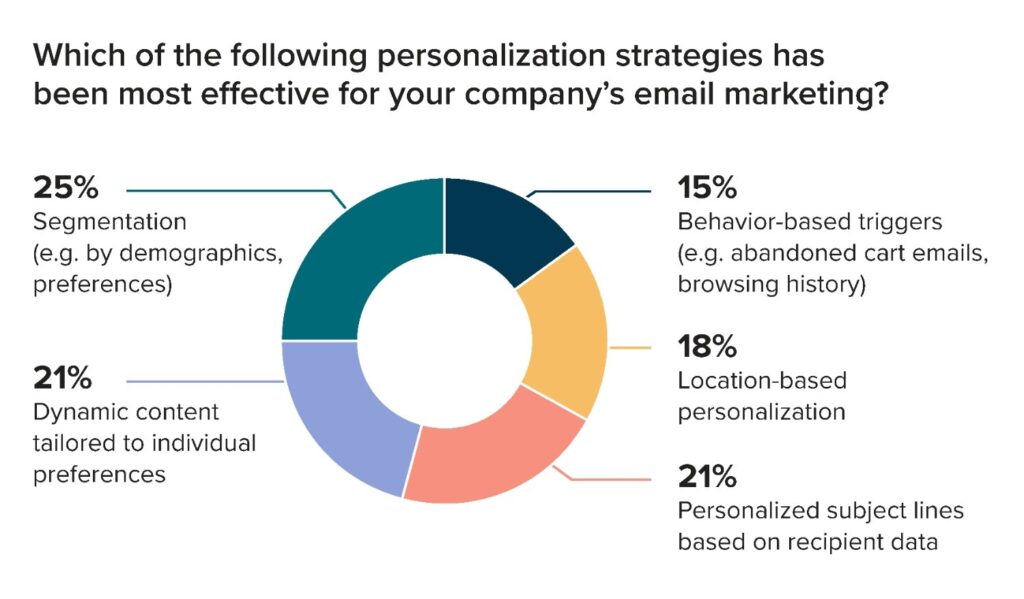
Audience Segmentation and Buyer Behavior: Segmenting the email list into specific groups is paramount for delivering personalized and highly relevant content. This process, when executed correctly, is identified as the most effective personalization strategy by marketers. Understanding customer segments based on demographics, interests, purchase history, or engagement levels enables marketers to tailor messages. For instance, sending a product review request only to purchasers, or specific product recommendations based on browsing behavior, significantly enhances relevance. Attempting to address an entire audience with a single message often leads to confusion and disengagement. Effective segmentation should inform every subsequent strategic decision.
-
Content Planning Across the Subscriber Lifecycle: A comprehensive strategy details how to build and maintain a quality email list, encompassing lead magnets, signup forms, opt-in policies (single or double), and regular list cleaning routines. Following list acquisition, mapping the entire buyer’s journey is crucial. This involves defining the sequence of interactions that move a subscriber from initial interest to loyal advocacy. It requires understanding that customer conversion and retention are often the result of consistent, multi-touchpoint communication, with email playing a pivotal role in delivering timely nudges and valuable information. Content should be strategically aligned with each stage, from welcome sequences and onboarding flows to transactional updates and promotional campaigns.
-
Testing, Experimentation, and Optimization: Given the significant investment in email marketing, every message must perform optimally and reach the intended inbox. A robust strategy includes a dedicated plan for rigorous email testing, deliverability optimization, and continuous improvement based on performance analytics. This encompasses A/B testing elements like subject lines to boost open rates, pre-send testing across various email clients and devices to ensure flawless rendering, and post-send analysis of metrics. Without testing, marketers operate on assumptions, potentially missing critical insights into audience preferences (e.g., a dominant segment of Outlook users requiring specific design considerations). Data-driven iteration is key to maximizing engagement and ROI.
Strategy as a Nexus of Goals and Measurement
The symbiotic relationship between strategic goals and measurable outcomes is undeniable. As Price explains, "You can run an effective email strategy that never makes a single ask of the customer, if you’re able to measure on the back end how the customer responds. That could be engagement, visits, or conversions as you work your way down the funnel."
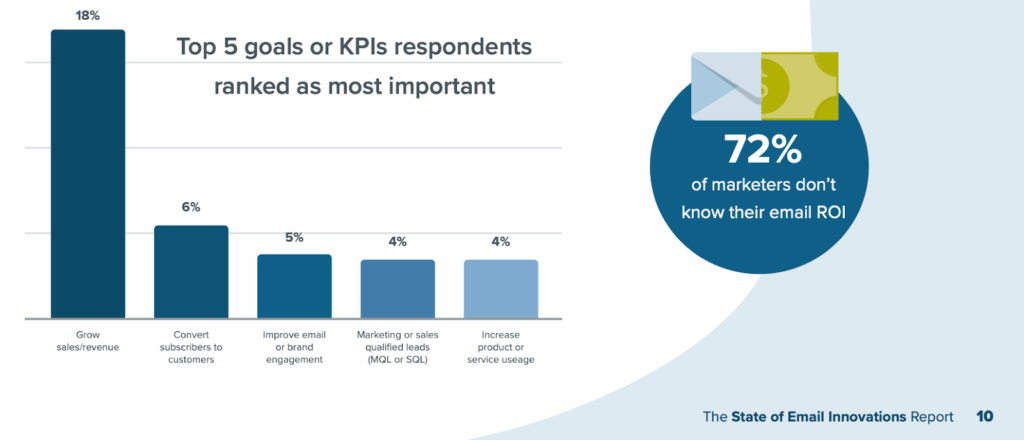
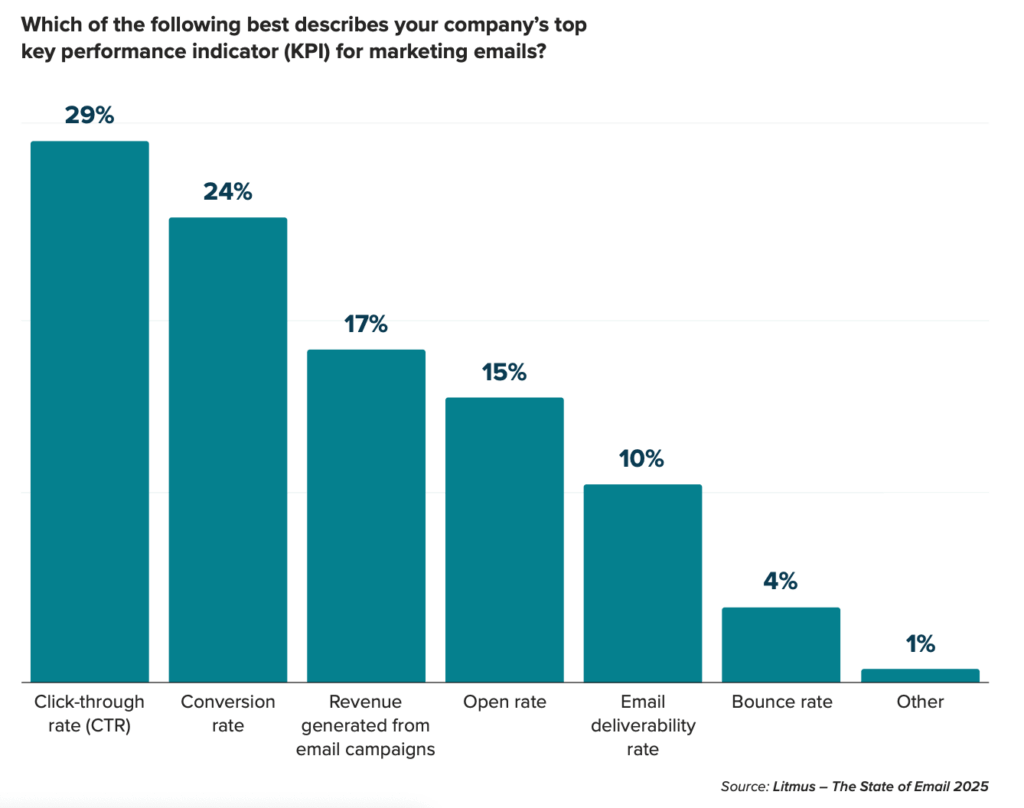
Top goals for most email marketers include growing sales and revenue, converting subscribers to customers, improving brand engagement, and generating marketing qualified leads (MQLs). Every email campaign should align with one or two of these core priorities. Key Performance Indicators (KPIs) must then be carefully selected to measure progress against these goals. While bottom-of-funnel metrics like click-through rate (CTR), conversion rate (CR), and revenue per email (RPE) are frequently tracked, a holistic view also includes open rate, bounce rate, unsubscribe rate, deliverability, and list growth. The choice of KPIs must directly reflect the strategic objective; for instance, focusing on revenue makes little sense if the primary goal is to improve a struggling deliverability infrastructure. Price emphasizes that value delivery to the subscriber is paramount: "If you’re not delivering some level of value to the person on the recipient end of that email, then you’re not going to meet your goals… You have to connect with the customer, whether it’s with a discount, smart content, or emails that help them do what they want to do faster, better, and easier."
The Modern Email Marketer’s Cross-Functional Strategy
Email marketing operates within a broader organizational ecosystem, necessitating strong cross-functional collaboration. Integrating email campaigns with other departments can significantly amplify their impact and streamline workflows.
-
Email Marketing + Product: New product features or launches demand a cohesive email strategy. Marketers must work with product teams to understand the "why" behind new developments, focusing on how they solve customer problems rather than merely announcing "newness." This collaboration informs segmentation based on product interest or usage, ensuring relevant communication. Price advises, "Before you put together multiple emails, you have to know what the value is for your audience, and whether or not your whole audience needs to know or not. It’s okay to push back based on what’s going to perform well."
-
Email Marketing + Support: For existing customers, collaboration with the support team can preemptively address common inquiries and foster stronger relationships. Informing support teams about major email sends (e.g., new pricing, promotions) allows them to prepare for potential questions. Furthermore, support teams offer invaluable insights into customer pain points and information gaps, which can be leveraged to create effective onboarding sequences and retention nurture flows, deepening product engagement.
-
Email Marketing + Sales: Aligning sales outreach with marketing email strategy is crucial to prevent prospect fatigue. Sales teams often prioritize immediate asks, but a coordinated approach ensures prospects receive valuable, educational content that builds trust before a direct pitch. Teaching sales representatives to construct sequences that deliver information gradually can improve conversion rates and foster more personalized account-based marketing (ABM) efforts without requiring extensive CRM management. As Price notes, "Building sales emails into your overall strategy allows you to get the full scope of that equation so you’re building trust and eventually getting that yes to the demo."
Emerging and Evolving Trends in Email Marketing Strategy
While the core principle of delivering valuable emails remains constant, the methods for achieving this are continuously evolving, driven by technological advancements and shifting consumer expectations. The increasing volume of emails sent globally presents both a challenge and an opportunity for marketers to stand out in crowded inboxes.
-
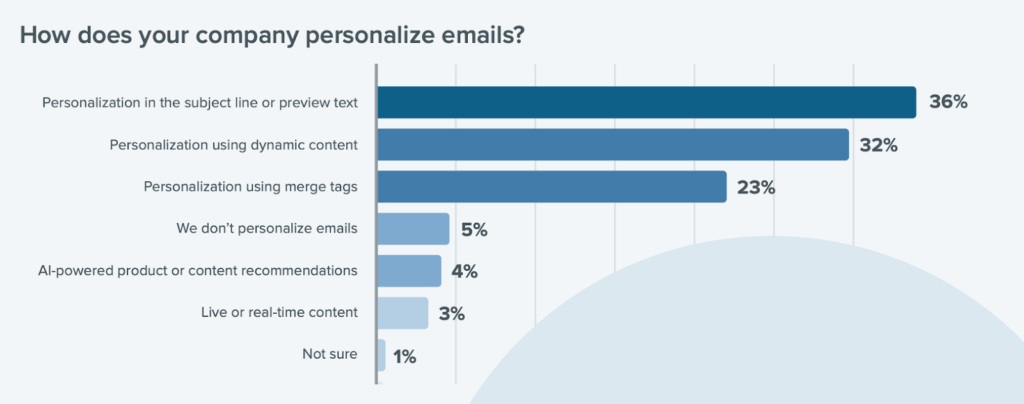
Personalization Beyond the First Name: True personalization extends far beyond simply inserting a recipient’s first name. While 25% of marketers identify personalization as their most effective tactic, many still rely on basic merge tags. The real opportunity lies in dynamic content, interactive elements (polls, countdown timers), and product recommendation engines driven by deep audience segmentation and behavioral data. This requires understanding nuanced audience preferences based on industry, persona, or tech stack, delivering truly valuable and relevant content that resonates individually.
-
Triggered Nurture Flows Over One-Off Blasts: The effectiveness of email automation, particularly behavioral-based triggered emails, is increasingly recognized. These automated sequences—such as welcome series, abandoned cart reminders, re-engagement campaigns, or post-purchase flows—deliver the right message at the opportune moment, often without direct manual intervention for each send. This strategic use of technology allows marketers to scale personalization, guiding subscribers through the funnel with a series of timely, relevant nudges that respond to their actions.
-
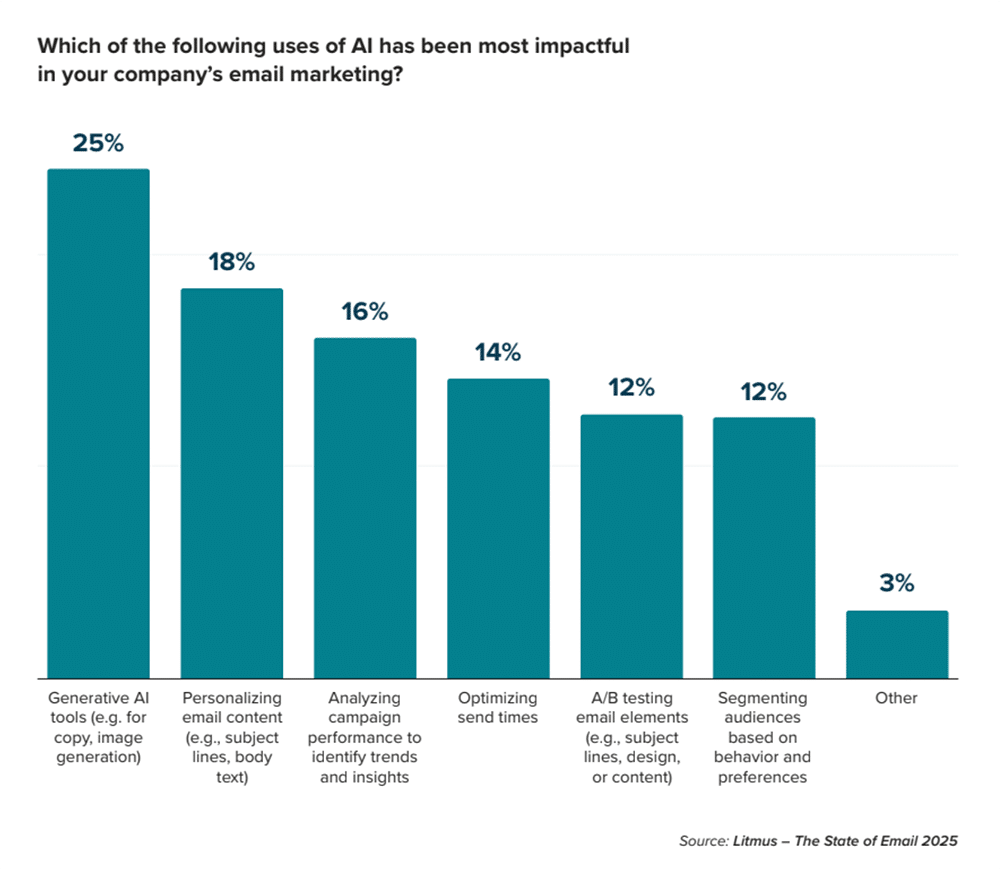
The Explosion of AI-Powered Automation: Artificial intelligence is rapidly transforming email marketing operations. A significant majority of marketers (70%) anticipate that up to half of their email operations will be AI-driven by the end of 2026, with another 18% expecting 50-75% automation. While AI offers immense potential for augmenting human work—assisting with content generation, subject line optimization, segmentation, and A/B testing—it is not a replacement for human strategy. Effective AI integration requires human oversight to ensure relevance, ethical considerations, and alignment with unique brand positioning and audience preferences. AI should serve as an extension of existing automation, enhancing productivity and data-driven decision-making, rather than being used to simply "send more emails."
-
A More Efficient Modular Email Production Process: To execute sophisticated strategies efficiently, email production workflows are undergoing significant transformation. The adoption of modular email designs, where emails are constructed from reusable code snippets and templates, dramatically reduces production time. Reports indicate that 80% of teams using modular designs can create an email in two weeks or less. This approach, supported by a centralized design template system and a comprehensive email style guide (detailing brand voice, visual hierarchy, imagery guidelines, and accessibility standards), ensures brand consistency and accelerates campaign deployment. Optimizing the entire email production workflow is crucial for teams to move faster and effectively bring their strategies to life.
Successful Campaigns Across the Funnel: Illustrative Examples
A well-executed email marketing strategy manifests in campaigns that resonate at every stage of the customer journey:
-
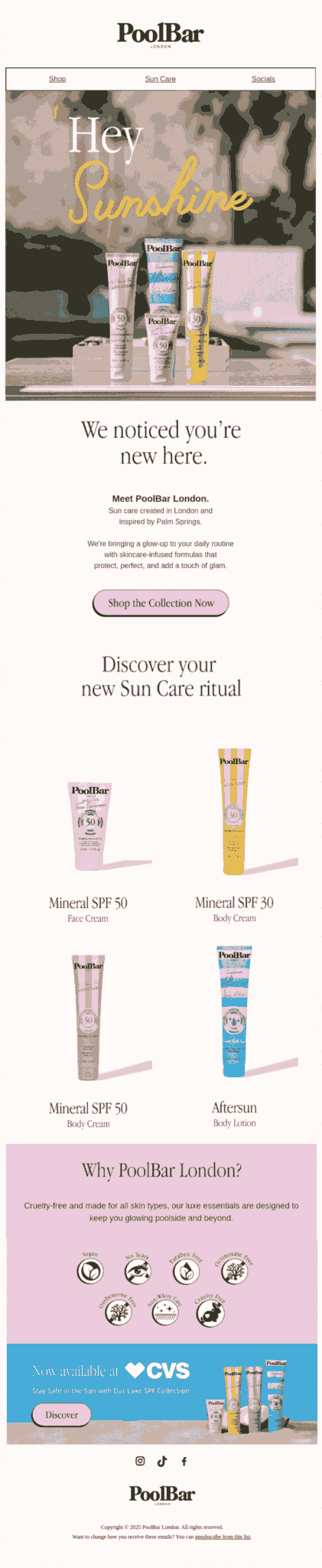
Top of Funnel: Welcome and Newsletters: These campaigns focus on introduction and value. Examples include a warm, inviting welcome email (like PoolBar’s approach), or newsletters that lead with engaging content and personality, rather than direct sales (e.g., Patagonia’s focus on audio content for outdoor enthusiasts, or Miro’s newsletter showcasing new features in an informative format).
-
Middle of Funnel: Educational Content and Engagement: At this stage, the goal is to deepen engagement and build interest. Emails might offer "lighter sells" wrapped in appealing design (e.g., new arrivals presented creatively), provide educational content on "how to do your job more effectively" (even for a product drop), or simply make it easy for prospects to engage with calls to action that offer value (e.g., resources, tools).
-
Bottom of Funnel: Conversion and Appreciation: When it’s time to drive conversion, campaigns can be direct, utilizing social proof, product launches, or special offers. Examples include emails that leverage customer testimonials for a "humble-brag" effect, classic product launches with fresh designs, or customer appreciation messages that use creative language to build loyalty.
Bringing Strategy to Life with Advanced Tools
The journey from strategic conceptualization to impactful execution requires robust tools. Platforms like Litmus, for instance, offer capabilities for efficient email building, pre-send previews across various clients, and comprehensive testing (rendering, links, spam scores) to ensure flawless delivery. Integrated analytics then provide critical insights into subscriber behavior, allowing marketers to measure performance against strategic goals and continually refine their approach. The convergence of strategic planning, advanced technology, and data-driven optimization is the hallmark of successful email marketing in the modern era.
By embracing a holistic, strategic approach, email marketers can transcend the daily grind of production, mitigate burnout, and unlock the full potential of email as a powerful driver of business growth and customer loyalty. The future of email marketing is not just about sending emails, but about strategically orchestrating highly personalized, valuable, and measurable conversations.









