Tuesday, August 18th, 2026 – 10:56 am
The programmatic advertising ecosystem, a cornerstone of digital media’s economic engine, is grappling with a pervasive "trust gap," a chasm widened by opaque practices, technical complexities, and a perceived adversarial relationship between buyers and sellers. In this tense landscape, a new demand-side platform (DSP) named Tuple has launched, aiming to fundamentally rearchitect the relationship between advertisers and their supply partners by prioritizing transparency, curation, and a streamlined integration model. Founded by industry veteran Doug Lauretano, Tuple’s emergence signals a potential shift in how digital ad transactions are conducted, directly confronting long-standing issues that have plagued the industry.
Lauretano’s journey into the heart of programmatic advertising’s challenges began not as a buyer, but as a keen observer from within the supply side. His early career, spanning prominent publisher platforms like Fortune, The Wall Street Journal, and CNN Money, provided a foundational understanding of content monetization. This was followed by a decade at leading supply-side programmatic players, OpenX and Media.net, where he gained intimate knowledge of the mechanics that govern ad inventory. His tenure at CivicScience, starting in 2021, proved pivotal. While developing a deal ID and curation product, Lauretano gained an unprecedented, "pretty ugly" insight into the inner workings of Demand-Side Platforms (DSPs). This firsthand exposure to the complexities and perceived inefficiencies of existing DSP models was the catalyst for Tuple’s inception.
The Programmatic Trust Deficit: A Legacy of Adversarial Dynamics
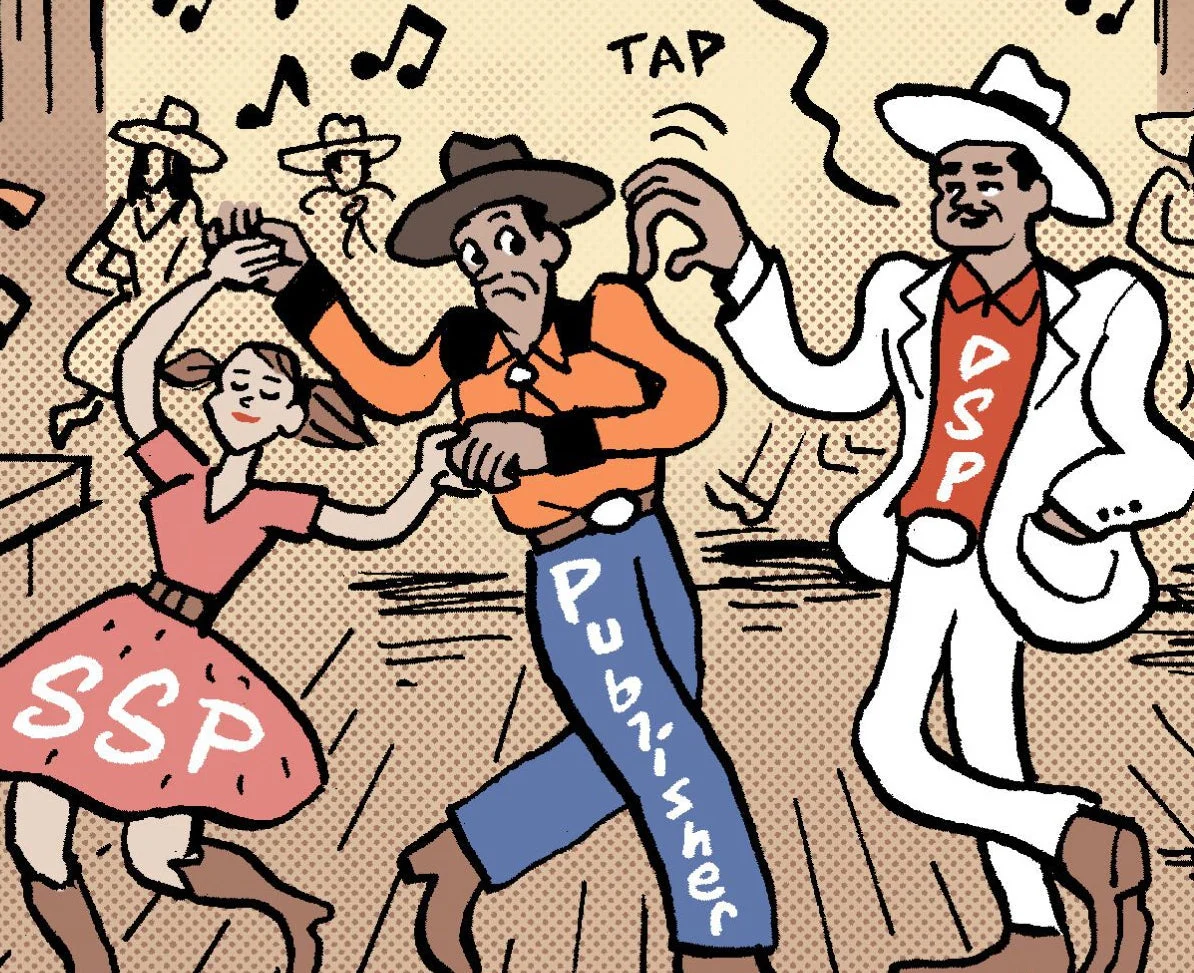
The programmatic advertising industry has long been characterized by a high degree of animosity between the buy side (advertisers and their agencies) and the sell side (publishers and their platforms). This friction is not new, but recent developments have exacerbated the tensions. Lauretano points to a pattern of nomenclature shifts and strategic maneuvers that underscore this divide. For instance, The Trade Desk, a dominant DSP, has been observed to reframe Supply-Side Platforms (SSPs) as "resellers," a linguistic adjustment that can subtly alter perceptions of their role and value. Conversely, SSPs have been accused of engaging in practices such as illicitly inflating bids and circumventing frequency capping rules through techniques like ID bridging, further eroding buyer confidence.
"It’s almost like one is constantly trying to trick the other," Lauretano stated, encapsulating the sentiment of perpetual suspicion that pervades many transactional relationships within the digital ad ecosystem. This inherent distrust has been further complicated by the rapid evolution of ad tech infrastructure. The advent of AI-driven optimization and the increasing adoption of cloud-based, "containerized" ad tech models are introducing new layers of complexity. These advancements allow DSPs, custom algorithm providers, and even media buyers themselves to embed their bidding logic directly within SSPs, bypassing traditional DSP account seats.
This shift towards containerization is intrinsically linked to the trust deficit, according to Lauretano. A core issue for buyers has been their reliance on opaque throttling and curation mechanisms employed by SSPs. While these mechanisms are often necessary for SSPs to manage the sheer volume of live impressions at a global scale, they can result in DSPs only seeing a fraction of the available inventory that an advertiser might desire. This limited visibility restricts an advertiser’s ability to bid effectively on all potentially relevant opportunities. Containerized bidding, however, promises to provide buyers with a more comprehensive view of every impression as it becomes available within an SSP, bypassing the traditional query-per-second (QPS) limitations imposed by the DSP-SSP integration.
"Being able to establish trust between a buyer and an SSP is almost as important as the technical advancements themselves," Lauretano emphasized. This sentiment highlights a critical paradox: while technological innovation is advancing rapidly, the foundational element of trust required for these technologies to function optimally remains fragile.
Tuple’s Differentiated Approach: Curation, Transparency, and Focused Partnerships
Tuple is positioning itself as a solution to these entrenched problems, offering a DSP that operates on a fundamentally different model. Unlike legacy DSPs that often integrate with hundreds of SSPs in a seemingly indiscriminate manner, Tuple is adopting a curated approach to supply. Currently, Tuple has integrated with a select few SSPs, beginning with Media.net, a platform with which Lauretano has established a high degree of familiarity and trust, particularly regarding their deal ID setups.
Lauretano envisions a future where Tuple works with a maximum of three SSPs. This focused partnership model is designed to grant Tuple unparalleled visibility into the programmatic inventory available through these select partners. The rationale behind this limited integration is rooted in the belief that a concentrated selection of SSPs can indeed provide access to the vast majority of valuable programmatic inventory. "There are so few with exclusive supply," Lauretano explained, suggesting that a broad reach across numerous SSPs often leads to duplicated inventory and diminishing returns for advertisers.
By limiting its SSP integrations, Tuple aims to ensure that it sees each impression only once, thereby avoiding the inefficiencies of bidding on redundant inventory. This contrasts sharply with the common industry practice where DSPs boast of extensive integrations, which can often translate into a fragmented and duplicated view of the market for the advertiser.
Rethinking AI and Optimization: Transparency Over Black Boxes
Furthermore, Tuple is challenging the prevailing trend of "walled-garden-esque" AI features that characterize many modern DSPs. Lauretano argues that these often operate as black boxes, where advertisers input desired outcomes and bid parameters, and the platform autonomously manages the campaign. While such systems aim to simplify the optimization process, they frequently sacrifice transparency, a critical element that Lauretano believes is essential for true performance and advertiser control.
The inherent advantage of a well-defined ecosystem, Lauretano posits, is not just the ability to automate, but to provide clarity. Advertisers should not have to grapple with parsing dozens of duplicate impressions or deciphering the complex interplay of SSP responses to their bids. Instead, a platform with "as little noise as possible has the best chance of being the best performer."
This lack of transparency extends to AI-based optimization products, even within third-party DSPs, and is not exclusive to major players like Google’s Performance Max. Lauretano illustrates this with an example: an advertiser might set a campaign goal to expand into new markets, yet a black-box AI model within a traditional DSP might inadvertently prioritize conversions in established regions due to perceived ease or lower cost, without the advertiser’s explicit awareness. Similarly, an AI might favor cheaper display ads over higher-quality inventory, even if the advertiser’s expectations lean towards premium placements.
"AI products will follow what they view as performance, even when the buyer can’t see that the system is disregarding their preferences," Lauretano cautioned. When a DSP removes this visibility and access from its buyers, it perpetuates what he terms "the original sin" of legacy technology, thereby creating the very demand for innovative solutions like Tuple.
The Enterprise Mobile Brand’s Perspective: Seeking an Alternative in a Crowded Market
The early adoption of Tuple by a select group of eight customers, including a prominent enterprise mobile brand that requested anonymity, underscores the market’s appetite for alternatives. This mobile brand’s rationale for choosing a startup DSP over established incumbents provides a tangible testament to the perceived shortcomings of current offerings. While specific details remain confidential, the brand’s willingness to partner with a nascent player suggests a significant dissatisfaction with the status quo.
Industry analysts infer that such a decision would likely stem from a desire for greater control over their programmatic spend, a clearer understanding of where their advertising budgets are being allocated, and a more direct relationship with their supply partners. The complexities of navigating the fragmented programmatic landscape, coupled with concerns about data privacy and the effectiveness of AI-driven optimizations without clear visibility, are likely driving these advertisers towards platforms that promise a more transparent and curated experience.
Broader Implications for the Programmatic Ecosystem
Tuple’s emergence, while nascent, carries significant implications for the broader programmatic advertising ecosystem. By challenging the conventional DSP-SSP integration model and prioritizing transparency, the company is forcing a conversation about the fundamental principles of digital ad transactions.
- Increased Scrutiny on SSP Practices: Tuple’s focus on a limited, trusted set of SSP partners may encourage other buyers to demand greater transparency from their supply partners. This could lead to a broader industry push for standardized reporting and auditing of SSP operations.
- Potential for New Integration Standards: The success of Tuple’s curated integration model could pave the way for new industry standards that emphasize quality over quantity of SSP partnerships. This might involve stricter vetting processes and more defined service-level agreements.
- Re-evaluation of AI in Ad Tech: Tuple’s critique of opaque AI optimization could prompt a re-evaluation of how AI is implemented and communicated within DSPs. Advertisers may begin to demand more explainable AI models that provide insights into their decision-making processes.
- A More Curated Inventory Landscape: If Tuple’s model proves successful, it could contribute to a shift towards a more curated programmatic inventory landscape, where buyers are more deliberate in their selection of supply sources. This could potentially lead to a more efficient and less wasteful digital advertising market.
The programmatic advertising world is in a constant state of flux, driven by technological innovation and evolving market demands. Tuple’s entrance, spearheaded by Lauretano’s direct observations of industry inefficiencies, represents a bold attempt to address the pervasive "trust gap." Its success will hinge on its ability to deliver on its promises of transparency and curated access, potentially reshaping buyer-seller dynamics and ushering in a new era of accountability in programmatic advertising. The coming months will be crucial in determining whether Tuple can truly offer a compelling alternative to the deeply entrenched complexities of the current ad tech ecosystem.