rifanmuazin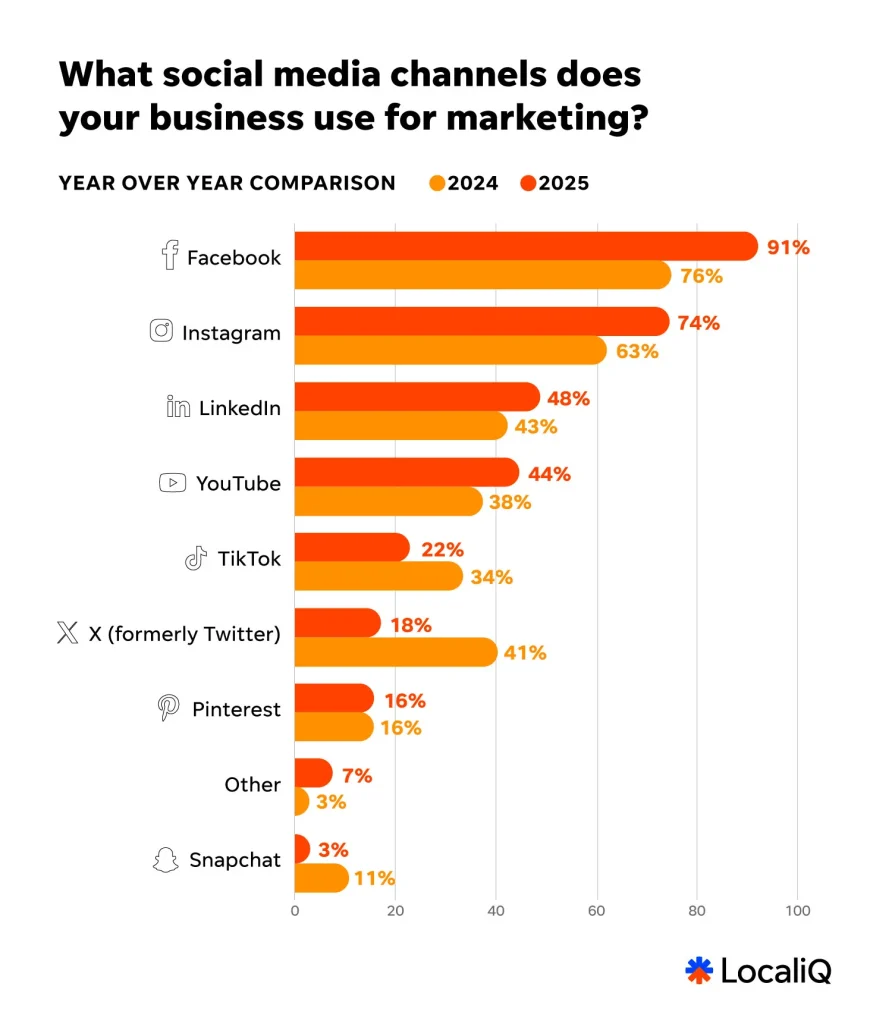
In the ever-evolving landscape of digital media, YouTube has transcended its origins as a mere video-sharing platform to become an indispensable force shaping consumer behavior, marketing strategies, and business operations worldwide. With a user base that now eclipses billions, its influence permeates nearly every facet of online interaction, from learning and entertainment to commerce and brand building. This comprehensive analysis delves into the profound impact of YouTube, supported by extensive statistics, to illuminate its critical role in today’s digital ecosystem.
The Ascendancy of a Digital Giant: A Historical Perspective
![46 Must-Know YouTube Statistics [Infographic] | WordStream](https://www.wordstream.com/wp-content/uploads/2026/03/youtube-stats-feature.jpg)
Launched in February 2005, YouTube was initially conceived as a platform for individuals to easily upload and share videos. Its early days were marked by viral clips and user-generated content, quickly capturing the public’s imagination. The acquisition by Google in October 2006 for $1.65 billion was a pivotal moment, injecting significant resources and infrastructure that fueled its exponential growth. Over the subsequent years, YouTube has consistently innovated, introducing features like live streaming, monetization options for creators, and sophisticated recommendation algorithms. This continuous development has cemented its position not just as a social media platform, but as a comprehensive search engine, a powerful advertising medium, and a global cultural phenomenon.
YouTube’s Staggering Reach: A Look at the Numbers
The sheer scale of YouTube’s user base is a testament to its ubiquitous presence. As of early 2024, the platform boasts an astounding 2.58 billion monthly active users, a figure that represents a significant portion of the global population. This massive audience translates into immense engagement, with 122 million daily active users worldwide. In the United States, YouTube has outpaced competitors like TikTok, solidifying its status as the premier video streaming application. The platform’s financial performance mirrors its user growth, with an impressive 14.6% year-over-year annual revenue growth rate.
![46 Must-Know YouTube Statistics [Infographic] | WordStream](https://www.wordstream.com/wp-content/uploads/2026/03/youtube-statistics-infographic-724x1024.webp)
| Year | YouTube Monthly Users |
|---|---|
| 2025 (Projected) | 2.58 billion |
| 2024 (Projected) | 2.50 billion |
| 2023 | 2.70 billion |
| 2022 | 2.68 billion |
| 2021 | 2.5 billion |
This consistent growth highlights YouTube’s resilience and its ability to adapt to changing user preferences. The platform is not only a hub for passive consumption but a dynamic environment where 20 million videos are uploaded daily. This constant influx of fresh content ensures a dynamic and engaging experience for its vast user base.
YouTube as a Search Engine: Redefining Information Discovery
Beyond its social media attributes, YouTube has emerged as a formidable search engine, second only to Google itself. This shift in user behavior is particularly significant for businesses. Individuals increasingly turn to YouTube to find answers to their questions, learn new skills, and research products. The optimization of content for YouTube’s search algorithm, known as YouTube SEO, has become a critical component of digital marketing strategies. Videos optimized for YouTube search can also achieve higher rankings in Google’s video search results, amplifying their reach and visibility across both platforms.
![46 Must-Know YouTube Statistics [Infographic] | WordStream](https://www.wordstream.com/wp-content/uploads/2026/03/youtube-statistics-youtube-mau-chart.webp)
Demographics and User Behavior: A Diverse and Engaged Audience
YouTube’s appeal spans across all age groups and demographics, making it a potent channel for reaching a wide array of consumer segments. Globally, 54% of YouTube users are male, and 46% are female, with a slightly more even distribution in the United States (49% male, 51% female). The 25-34 age group constitutes the largest audience segment at 22%, followed closely by the 35-44 demographic at 19%.
| Age Group | Share of YouTube Users |
|---|---|
| 18 to 24 | 16% |
| 25 to 34 | 22% |
| 35 to 44 | 19% |
| 45 to 54 | 14% |
| 55 to 64 | 10% |
| 65+ | 10% |
This broad demographic reach is complemented by a highly engaged user base. YouTube viewers spend an average of nearly an hour per day on the platform, significantly more than the 35 minutes spent on Facebook. Furthermore, 60% of people prefer online videos on platforms like YouTube to live television, signaling a decisive shift in media consumption habits. This preference for on-demand content is particularly pronounced among younger audiences, with mobile YouTube videos reaching more 18- to 19-year-olds than any traditional TV network. Millennials, in particular, demonstrate a strong reliance on YouTube, with 67% of their online video consumption occurring on the platform. Notably, YouTube’s reach extends to older demographics as well, with 95% of internet users over 55 engaging with the platform monthly.
![46 Must-Know YouTube Statistics [Infographic] | WordStream](https://www.wordstream.com/wp-content/uploads/2026/03/youtube-stats-google-video-results.webp)
The Power of Video: Transforming Consumer Choices
YouTube’s impact on purchasing decisions is undeniable. 70% of people report buying a product after seeing it advertised on YouTube, underscoring the platform’s effectiveness as a direct response channel. This is further amplified by the fact that two-thirds of shoppers cite video as a source of purchase inspiration, with 90% of these discovering something new through YouTube. The platform is also a primary destination for product research, with 61% of consumers indicating they use YouTube or Google feeds over other social media to research products or brands. This makes YouTube an indispensable touchpoint for businesses looking to influence consumer journeys.
YouTube for Business: A Strategic Imperative
![46 Must-Know YouTube Statistics [Infographic] | WordStream](https://www.wordstream.com/wp-content/uploads/2025/10/2026-small-business-marketing-trends-report-social-media-channels-892x1024.webp)
The data overwhelmingly supports YouTube’s critical role for businesses. 44% of small businesses are currently utilizing YouTube for marketing, a figure that has seen a steady increase year over year. This adoption is driven by the platform’s effectiveness, with 80% of small businesses reporting satisfaction with their video marketing and advertising results.
The cost-effectiveness of YouTube advertising further enhances its appeal. While average YouTube ad CPMs can range from $2 to $10, they are considerably more affordable than the cost per click or cost per lead associated with search ads. This allows businesses of all sizes to implement targeted video advertising campaigns.
Furthermore, YouTube has become a significant driver of brand loyalty, particularly among younger demographics. 43% of YouTube users aged 14-24 state they feel more loyal to brands recommended by YouTube creators, positioning influencer marketing as a powerful strategy on the platform.
![46 Must-Know YouTube Statistics [Infographic] | WordStream](https://www.wordstream.com/wp-content/uploads/2026/03/what-happens-online-every-minute-localiq-infographic.webp)
Geographic Dominance: A Global Footprint
YouTube’s influence is truly global, with India leading the pack in terms of user numbers, boasting 500 million users. The United States follows with 254 million users, and Indonesia ranks third with 151 million users. This widespread adoption across diverse markets underscores the universal appeal of video content and YouTube’s ability to cater to varied cultural preferences.
| Country | Number of YouTube Users |
|---|---|
| India | 500 million |
| United States | 254 million |
| Indonesia | 151 million |
| Brazil | 150 million |
| Mexico | 85 million |
| Japan | 78.5 million |
| Germany | 64.7 million |
| Vietnam | 62.1 million |
| Philippines | 59.6 million |
| Turkey | 57.9 million |
| United Kingdom | 55.5 million |
The Future of Content: Implications for Businesses and Creators
![46 Must-Know YouTube Statistics [Infographic] | WordStream](https://www.wordstream.com/wp-content/uploads/2025/10/2026-small-business-marketing-trends-report-results-satisfaction-1024x954.webp)
The statistics presented paint a clear picture: YouTube is no longer an optional marketing channel; it is a fundamental component of any robust digital strategy. Its continuous evolution, driven by AI-powered recommendations and the increasing demand for video content, suggests that its dominance will only continue to grow.
For businesses, this means a strategic imperative to invest in high-quality video content, optimize for search, and explore the diverse advertising and influencer marketing opportunities available. The ability to connect with audiences through engaging narratives, educational tutorials, and authentic brand storytelling on a platform with such an immense and engaged user base presents an unparalleled opportunity for growth and market penetration. As user habits continue to shift towards on-demand, video-first consumption, businesses that fail to establish a strong presence on YouTube risk falling behind in an increasingly competitive digital landscape. The platform’s capacity to drive discovery, influence purchasing decisions, and foster brand loyalty makes it an indispensable tool for success in the modern era.