The digital landscape has undergone a profound transformation, positioning blogging not merely as an optional adjunct but as an indispensable cornerstone for any website aiming to cultivate audience trust and secure search visibility. In an era where AI-powered search engines are increasingly answering user questions directly, the emphasis has shifted from simply ranking to truly standing out with valuable, original content. This guide explores the multifaceted role of blogging, from its foundational principles to its advanced application in a rapidly evolving technological environment, ensuring sustained relevance and growth.
The Evolving Landscape of Digital Content: A Historical Perspective
Blogging emerged in the late 1990s and early 2000s as a personal journaling platform, quickly evolving into a powerful tool for businesses, journalists, and thought leaders to share information, build communities, and establish authority. Its democratizing effect on publishing allowed niche voices to reach global audiences, fostering direct engagement that traditional media often couldn’t replicate. The rise of search engines like Google further amplified blogging’s importance, turning well-optimized articles into vital conduits for organic traffic. Early SEO strategies often focused on keyword density and link building, driving a wave of content production.
However, the digital ecosystem continues to evolve at an unprecedented pace. The advent of sophisticated AI models and large language models (LLMs) like OpenAI’s ChatGPT, Google’s Gemini, and Anthropic’s Claude has ushered in a new era for search. Google’s introduction of AI Overviews and AI Mode fundamentally alters how users consume information, providing synthesized answers directly within search results. This shift mandates that content not only be discoverable but also exceptionally comprehensive, authoritative, and trustworthy to be cited and featured by AI systems. The focus is now firmly on content that demonstrates genuine Experience, Expertise, Authoritativeness, and Trustworthiness (E-E-A-T), a principle increasingly highlighted by Google’s “helpful content” updates.
Blogging as a Cornerstone of Sustainable SEO Strategy
For any website, regardless of its purpose—be it an e-commerce store, a professional portfolio, or a personal platform—consistent blogging is paramount for a sustainable SEO strategy. Regular content updates signal to search engines that a site is active, alive, and relevant. This continuous influx of fresh, high-quality content significantly improves a site’s chances of ranking higher in both traditional search results and AI-generated snapshots.

In the AI era, keyword research extends beyond simple search volume; it delves into understanding the nuanced questions and conversational queries users pose to AI search tools. Content creators must identify these specific phrases and integrate them naturally, signaling relevance to both traditional algorithms and advanced AI models. A well-executed blog allows a site to rank for a broader spectrum of keywords, continually attracting new audiences while reinforcing its authority for existing ones. Moreover, blogging becomes an essential mechanism for targeting diverse search intents—whether users are seeking information, comparisons, or transactional opportunities. For instance, an online shop primarily targets commercial intent with product pages, but informational blog posts can attract a significantly larger audience in the earlier stages of their research journey, drawing them into the brand’s ecosystem. Studies consistently show that content marketing, with blogging at its core, generates approximately three times as many leads as traditional outbound marketing, often at a 62% lower cost. This robust ROI underscores its strategic value.
Building Brand Authority and Trust Through Content Marketing
Beyond its technical SEO advantages, a blog serves as one of the most powerful marketing tools available. It offers a unique platform to humanize a brand, allowing readers to connect with its values, mission, and personality beyond mere product descriptions or service offerings. People resonate with stories, not just advertisements. By sharing behind-the-scenes glimpses, real customer experiences, industry insights, or thought leadership, a blog builds an authentic narrative that fosters trust and loyalty.
In today’s competitive landscape, where AI search increasingly prioritizes brands that users already know and trust, this authentic engagement is more critical than ever. A high-quality blog post that offers genuinely useful information establishes the site as an authoritative and reliable resource. This positive association makes readers more likely to remember the brand, return for future needs, and ultimately convert into customers. As Carolyn Shelby, Principal SEO at Yoast, aptly states, “A blog isn’t valuable just because it exists. It becomes valuable when it helps your audience solve problems, understand something better, or see your expertise in action. In today’s search landscape, the goal isn’t simply to publish, or even to publish more. It’s to create content worth being found, cited, and remembered.” This sentiment encapsulates the core philosophy for successful blogging in the modern digital age.
Crafting High-Quality Content in the AI Age: Originality and Readability
The cornerstone of an effective blog is high-quality content, characterized by two non-negotiable attributes: originality and readability.
Originality: In a world saturated with information, and increasingly, AI-generated content, unique and fresh perspectives are paramount. Generic, repetitive, or “commodity content” that merely rehashes existing information without adding value is actively deprioritized by Google’s AI search tools. Content must offer a distinctive angle, a fresh take, or a deeper insight that sets it apart. This means leveraging human expertise, personal experiences, and unique research—elements that AI cannot replicate. Before publishing, content creators must critically ask: “Does this post teach or solve a problem in a way others don’t?” This commitment to originality is crucial for gaining visibility and citation in AI-driven summaries.

Readability: Even the most original content loses its impact if it’s not easily digestible. Readability is vital for audience engagement and, increasingly, for SEO. AI search tools favor content that is well-structured, clear, and easy to scan. This involves employing a logical hierarchy of headings and subheadings, using concise paragraphs (typically seven to eight sentences maximum), and structuring sentences to convey information clearly. Starting each paragraph with its most important sentence allows readers and AI systems to grasp key points quickly. Avoiding jargon and opting for simpler language enhances comprehension. A clear, well-structured text with good readability not only improves user experience but also signals to search engines that the content is valuable and organized, contributing to higher rankings.
Practical Tips for Content Creation: Effective content creation begins with meticulous planning. Before writing, define the target audience, the core message, and the desired outcome for the reader. Outline the topics to be covered and their logical sequence. Tools like Yoast AI Content Planner, available to Yoast SEO Premium users, can assist by analyzing existing content, identifying gaps, and generating tailored post ideas with ready-to-use draft frameworks, including titles, outlines, focus keyphrases, meta descriptions, and section notes. This significantly streamlines the brainstorming and initial drafting process. Furthermore, leveraging feedback from proofreaders is indispensable; a fresh pair of eyes can spot typos, clarify ambiguous phrasing, and ensure the message resonates effectively.
Optimizing for AI and Traditional Search Engines
Once a blog post is crafted with originality and readability, the final crucial step is optimization for search engines. This process, often termed “Yoasting your post,” involves making strategic adjustments to maximize visibility without compromising the content’s integrity or readability. SEO should always enhance, not dictate, the quality of the writing.
Modern SEO extends beyond simply sprinkling keywords. It involves understanding semantic relationships, optimizing for conversational queries, and potentially utilizing schema markup to help AI better understand the content’s context. Tools like Yoast SEO provide real-time feedback on various optimization factors, including keyword usage, readability, internal linking opportunities, and meta descriptions. This data-driven approach allows content creators to fine-tune their posts, ensuring they are technically sound and discoverable by both traditional algorithms and AI systems. Regularly reviewing the SEO performance of posts and making iterative improvements based on analytics is essential, as search engine algorithms, particularly those powered by AI, are constantly evolving.
Fostering Engagement and Expanding Reach
Engagement is a powerful signal of content value, both for human readers and search engines. When readers leave comments, share posts on social media, or reference the content, it demonstrates vitality and relevance. Google’s algorithms, and increasingly AI systems, recognize these interactions as indicators of authority and trustworthiness.

Actively responding to comments is critical for building a loyal community. Engaging in discussions, answering questions, and acknowledging feedback (even negative comments, handled professionally) shows readers that their input is valued, encouraging further interaction. Social media platforms—from Facebook and X (formerly Twitter) to Instagram and TikTok—serve as vital distribution channels. Tailoring content for these platforms, such as creating short-form video summaries (e.g., Instagram Reels, TikTok videos), can significantly expand reach and drive traffic back to the blog. Furthermore, building an email newsletter list provides a direct communication channel, allowing bloggers to bypass algorithmic changes and regularly deliver new posts, exclusive insights, and special offers directly to their most engaged audience members. Citations and mentions, even without direct links, further amplify a blog’s authority and trust signals within the broader digital ecosystem.
Monetization Avenues for Bloggers
While many bloggers are driven by passion or community building, monetization remains a significant goal for others. A well-strategized blog can generate substantial income through various avenues:
- Affiliate Marketing: Promoting products or services from other companies and earning a commission on sales made through unique affiliate links.
- Advertising: Displaying ads on the blog, often through platforms like Google AdSense, earning revenue based on impressions or clicks.
- Sponsored Content: Collaborating with brands to create sponsored posts or reviews, where the blogger is paid to feature a product or service.
- Selling Digital Products: Creating and selling e-books, online courses, templates, or other digital assets directly to the audience.
- Offering Services: Using the blog to showcase expertise and attract clients for consulting, coaching, writing, or other professional services.
- E-commerce Integration: For online shops, a blog can significantly boost organic traffic and, by strategically linking to product pages, drive direct sales.
The key to successful monetization lies in maintaining audience trust. Overly aggressive advertising or irrelevant sponsored content can erode credibility. A balance must be struck, ensuring that monetization efforts align with the blog’s core value proposition and audience expectations.
Sustaining a Blog: Challenges and Strategic Solutions
Starting a blog is often less challenging than maintaining one consistently over time. Regularity builds audience expectation and trust, but it demands discipline and strategic planning.
Consistency and Content Planning: While daily blogging isn’t necessary, establishing and adhering to a consistent publishing schedule is crucial. This helps audiences know when to expect new content and signals ongoing activity to search engines. As a blog grows, spontaneous posting must evolve into strategic content planning. Implementing an editorial calendar to map out topics, deadlines, and assigned authors in advance prevents duplicated efforts, ensures consistent tone, and aligns content with broader business goals. Topic clusters, which group related articles around a central “pillar page,” enhance SEO and user navigation. Regularly auditing existing content helps identify gaps, opportunities, and allows for adaptation to trending topics.
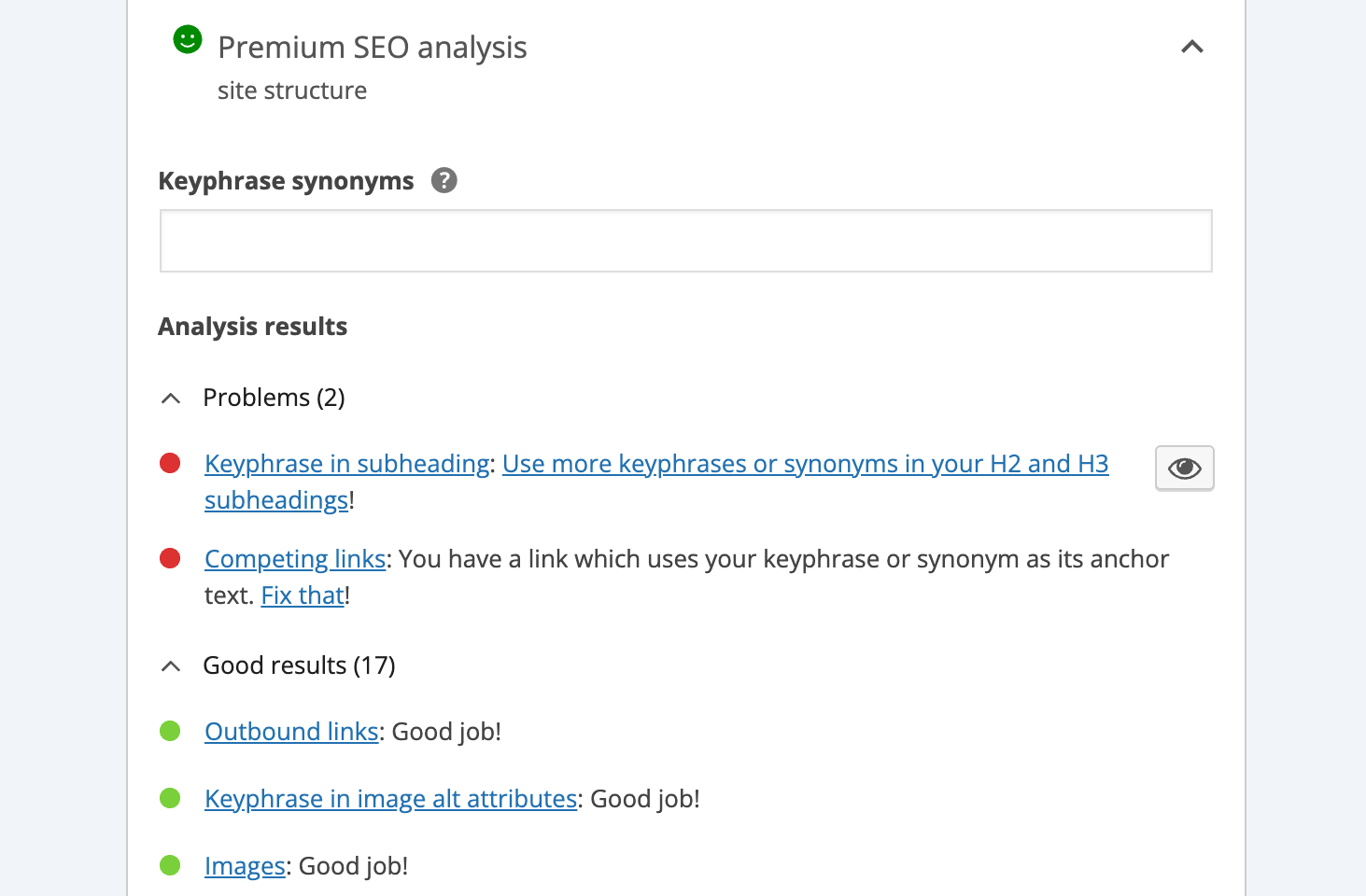
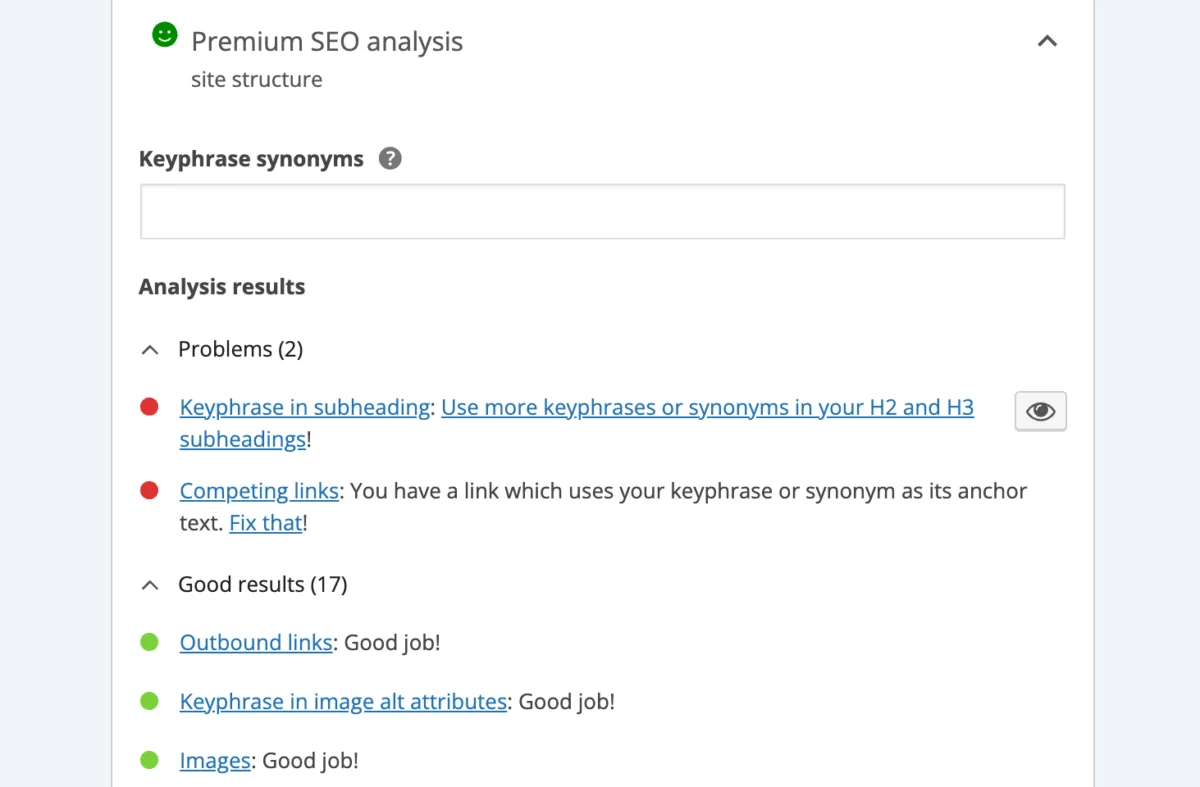
Site Structure: A growing blog necessitates ongoing attention to its site structure. A logical organization of categories, subcategories, and tags is vital for both user experience and search engine crawlability. Regularly reviewing and refining the internal linking strategy—linking new posts to relevant older ones and vice-versa—reinforces topical authority. For large, mature blogs, content pruning (identifying and removing or redirecting low-value, outdated, or underperforming content) is essential to maintain a lean, SEO-friendly structure.
Avoiding Keyword Cannibalization: A common challenge for established blogs is keyword cannibalization, where multiple articles inadvertently target the same or very similar keyphrases. This confuses search engines about which page should rank highest, potentially leading to lower rankings for all competing pages. Regular SEO audits are critical for identifying and resolving such issues, often by consolidating content, refining focus keyphrases, or using canonical tags.
Conclusion: The Enduring Power of Strategic Blogging
Blogging, when approached strategically and with a clear understanding of the evolving digital landscape, remains one of the most powerful tools for website growth. It transcends mere content creation, serving as a dynamic engine for enhancing search visibility, building profound audience trust, and driving conversions.
In the age of AI search, success hinges on a commitment to original, high-quality content that directly addresses user intent, is impeccably readable, and demonstrates genuine expertise. By integrating robust keyword research, meticulous content planning, continuous optimization with tools like Yoast SEO, and proactive audience engagement, bloggers can ensure their content not only ranks but stands out. The journey of maintaining a blog is one of continuous adaptation, requiring vigilance over site structure, content consistency, and the agility to respond to new technological advancements. Embrace these principles, and your blog will not just survive, but thrive, delivering enduring value to both your audience and your digital footprint.