
In an era defined by hyper-connectivity and fragmenting consumer attention, the adoption of holistic marketing has transitioned from a theoretical preference to a corporate necessity for businesses seeking sustainable growth and robust affiliate program expansion. Unlike traditional marketing frameworks that manage communication channels in isolation, the holistic approach mandates the synchronization of every business department—from product development and human resources to sales and customer support—to project a singular, cohesive brand identity. This strategic alignment ensures that every customer touchpoint, whether an automated email, a social media advertisement, or an affiliate-generated review, contributes to a unified narrative that fosters consumer trust and long-term brand equity.
The Structural Foundations of the Holistic Framework
The shift toward holistic marketing represents a fundamental departure from the 20th-century "silo" model, where marketing departments operated independently of operations or finance. Industry analysts note that in the modern digital landscape, a brand is no longer defined solely by its advertisements but by the collective experience of its stakeholders. To achieve this, the holistic model relies on four primary dimensions that must function in equilibrium.
Internal Marketing and Employee Advocacy
Internal marketing posits that employees are a company’s first and most important customers. For a holistic strategy to succeed, the internal workforce must be fully aligned with the corporate vision, values, and product offerings. When employees in non-marketing roles—such as software engineering or logistics—understand the brand’s promise, they become organic brand ambassadors. This internal synergy directly impacts external performance; according to recent human capital studies, companies with high employee engagement see a 20% increase in sales and a significant improvement in customer satisfaction metrics.
Relationship Marketing Beyond the Transaction
Traditional marketing often prioritizes the individual sale, but relationship marketing shifts the focus toward the lifetime value of the customer. This dimension involves nurturing deep, long-term connections with customers, suppliers, and distributors. In the context of affiliate marketing, this means treating affiliates not as third-party vendors, but as essential business partners. By providing affiliates with the same level of support and brand education as internal sales teams, companies ensure that the traffic being referred is of higher quality and more likely to convert into loyal, repeat buyers.
Integrated Marketing Communications (IMC)
Integrated marketing ensures that all communication platforms—SEO, PPC, social media, public relations, and affiliate content—speak with one voice. This consistency is vital for brand recognition. When a consumer encounters a brand on Instagram, they should experience the same visual language and tone of voice when they eventually click an affiliate link or visit the official website. Discrepancies in messaging, such as a product being marketed as "luxury" on one channel and "budget-friendly" on another, create cognitive dissonance that can irreparably damage brand credibility.

Societal and Performance Marketing
Societal marketing introduces ethics and social responsibility into the business core. Modern consumers, particularly Millennials and Gen Z, increasingly make purchasing decisions based on a company’s impact on the environment and society. By integrating corporate social responsibility (CSR) into the marketing mix, businesses can build a "moral" brand equity that transcends product features. This dimension also includes performance marketing, which utilizes data-driven metrics to ensure that marketing spend is yielding measurable results while adhering to legal and ethical standards.
A Chronology of Marketing Evolution
To understand the current dominance of holistic strategies, it is necessary to examine the historical trajectory of marketing philosophies over the last century.
- 1950s–1960s: The Product Era. Marketing focused on mass production and the "4 Ps" (Product, Price, Place, Promotion). The goal was to inform the public of a product’s existence.
- 1970s–1980s: The Sales Era. As competition increased, marketing became more aggressive, focusing on persuasion and high-volume sales tactics.
- 1990s: The Relationship Era. The advent of CRM (Customer Relationship Management) software allowed businesses to begin tracking individual customer preferences, leading to the birth of loyalty programs.
- 2000s–2010s: The Social Era. The rise of social media forced brands to engage in two-way conversations, making transparency a requirement rather than an option.
- 2020–Present: The Holistic Era. In a post-pandemic world, the digital and physical realms have merged. Businesses must now operate as integrated ecosystems where data, ethics, and technology intersect to provide seamless experiences.
Supporting Data: The Impact of Brand Consistency
Empirical evidence highlights the financial benefits of the holistic approach. Research from various marketing intelligence firms suggests that consistent brand presentation across all platforms can increase revenue by up to 23%. Furthermore, a study by Lucidpress indicated that 68% of businesses attribute at least 10% of their revenue growth to brand consistency.
In the affiliate marketing sector, the data is equally compelling. Brands that provide affiliates with comprehensive brand guidelines and integrated creative assets see a 15-20% higher conversion rate compared to those that allow affiliates to create fragmented, off-brand content. This underscores the reality that affiliates are more successful when they are empowered to act as a seamless extension of the brand’s internal marketing team.
Institutional Case Study: Apple Inc. as a Holistic Leader
Apple Inc. serves as the global gold standard for holistic marketing implementation. The company’s success is not merely the result of high-quality hardware, but of a meticulously coordinated ecosystem.
Unified Brand Values
Apple’s core values—privacy, accessibility, and environmental responsibility—are not just PR slogans; they are embedded in the product design, the retail experience, and the supply chain. When Apple announces a new privacy feature, it is supported by a global advertising campaign, reinforced by retail staff training, and integrated into the software architecture. This is holistic marketing in its most potent form.
The Apple Services Performance Partners Program
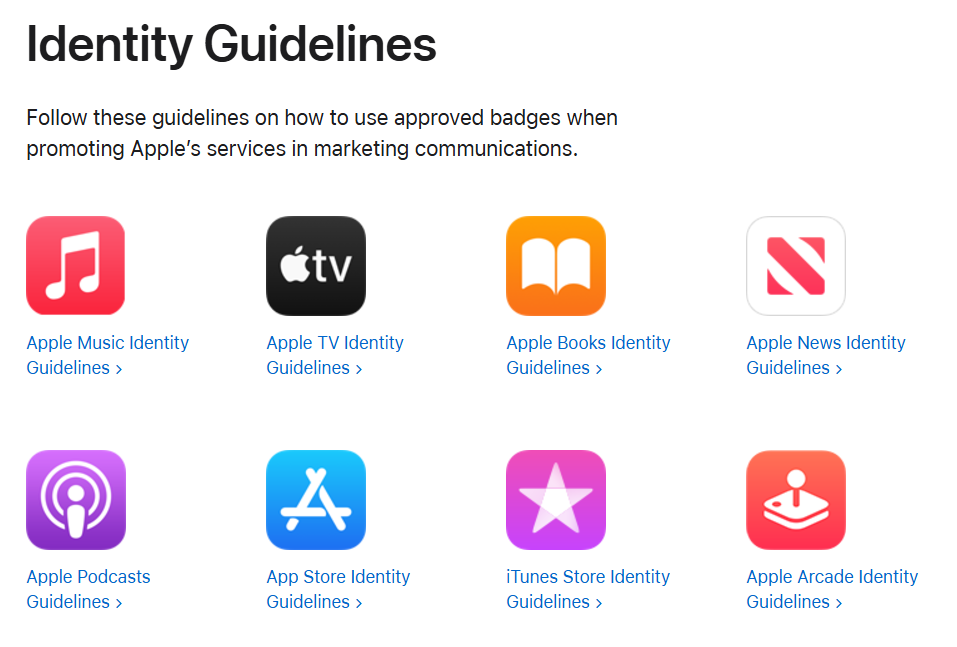
Apple’s approach to affiliate marketing, known as the Services Performance Partners Program, reflects this same commitment to consistency. Unlike many companies that allow a "wild west" approach to affiliate promotion, Apple provides strict guidelines and high-quality creative assets to its partners. This ensures that when an affiliate promotes Apple Music or Apple TV+, the user experience remains premium and aligned with the brand’s high-end identity.
Societal Integration
Apple’s "Apple 2030" goal to be carbon neutral across its entire footprint is a key component of its societal marketing. By publicizing these goals on its homepage and integrating environmental data into its product launches, Apple connects with the values of its global audience, turning customers into advocates who feel they are contributing to a better world by choosing the brand.
Strategic Implementation: Building a Holistic Roadmap
Transitioning to a holistic marketing strategy requires a phased approach that prioritizes data and internal communication.
- SMART Goal Setting: Objectives must be Specific, Measurable, Achievable, Relevant, and Time-bound. For instance, a goal might be to increase customer retention by 15% through a unified email and affiliate loyalty campaign.
- Audience Intelligence: Holistic marketing relies on a 360-degree view of the customer. This involves synthesizing data from website analytics, social media sentiment, and affiliate referral patterns to create detailed buyer personas.
- Cross-Departmental Synergy: Companies should establish "brand councils" where representatives from marketing, sales, product development, and customer service meet regularly to ensure all initiatives are aligned with the core brand message.
- Technological Integration: Utilizing an integrated tech stack—where CRM, Affiliate Management, and ERP systems communicate with one another—is essential for maintaining data-driven decision-making.
Broader Implications and the Future of the Industry
The future of holistic marketing will be shaped by the rapid advancement of Artificial Intelligence (AI) and Machine Learning. These technologies will allow for "hyper-personalization," where the holistic message is tailored to the individual user in real-time without losing brand consistency. However, industry experts warn that as AI becomes more prevalent, the "human" element of holistic marketing—empathy, ethics, and storytelling—will become even more critical for differentiation.
Furthermore, the rise of "De-influencing" and the demand for radical transparency suggest that the societal dimension of holistic marketing will soon become the most influential. Brands that fail to align their internal operations with their external ethical claims will face significant backlash in an era where information is decentralized.
Conclusion: The Path to Market Resilience
Holistic marketing is no longer a luxury reserved for multinational corporations like Apple; it is the baseline for survival in a competitive global economy. By fostering internal alignment, nurturing deep relationships, maintaining message consistency, and adhering to societal values, businesses can create a resilient brand that thrives across all channels. For the affiliate marketing sector, this approach transforms a simple referral mechanism into a powerful engine for growth, ensuring that every partner and every click contributes to a larger, more meaningful corporate legacy. In the final analysis, holistic marketing is about seeing the business not as a collection of parts, but as a living organism where every function is vital to the health and success of the whole.