rifanmuazin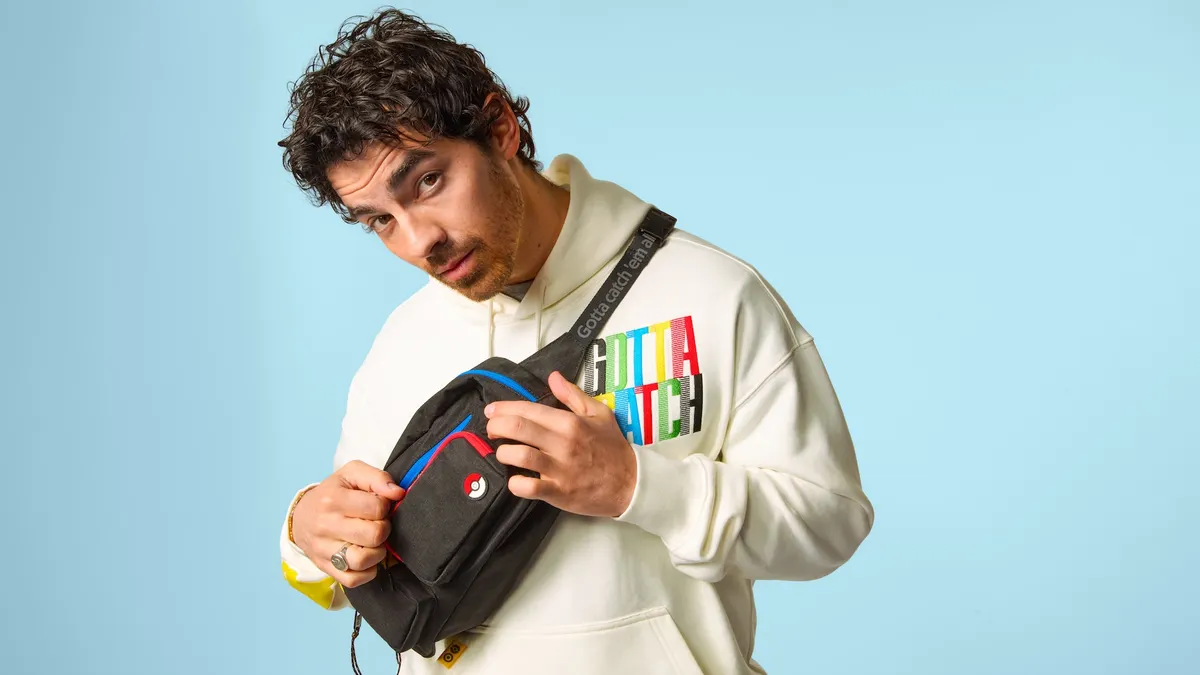
Target is leaning into the power of nostalgia and dedicated fandom to commemorate the 30th anniversary of the Pokémon franchise, launching a comprehensive social-first marketing campaign that highlights a new collection of exclusive merchandise. The retailer is collaborating with a diverse roster of content creators, transforming them into modern-day "trainers" to engage their audiences and drive excitement around the collaboration. This initiative underscores Target’s strategic approach to connecting with consumers by tapping into deeply ingrained cultural phenomena and leveraging the authentic voice of influencers.
The campaign, which began rolling out in anticipation of key anniversary moments, features a curated selection of products spanning apparel, home décor, food and beverages, and accessories. The collection is designed to evoke a sense of nostalgia for long-time fans while also introducing the beloved franchise to a new generation. Several established brands have partnered with Target for this special collection, including Mead for school supplies, Lip Smacker for themed lip balms, Caboodles for cosmetic organizers, and Starter for athletic apparel, further amplifying the retro appeal and breadth of the offering.
"It’s a clear expression of how Target leads with merchandising authority – bringing together our trend expertise and deep fan insights to create what guests are excited about right now, in a way that’s unmistakably and exclusively Target," said Gigi Guerra, vice president, creative curation, Target, in a press statement. This statement emphasizes Target’s commitment to curating unique and desirable product assortments that resonate with consumer passions, particularly those tied to pop culture.
The choice to center the campaign around content creators as "trainers" is a deliberate move to harness the trust and engagement these individuals have cultivated with their followers. By casting them in roles that mirror the core narrative of Pokémon – catching, training, and caring for these iconic creatures – Target aims to create relatable and aspirational content. These creators, who often have established personal connections to the Pokémon universe, are ideally positioned to convey the excitement and authenticity of the collaboration to their respective communities. Joe Jonas, a self-proclaimed longtime fan of the franchise, is among the notable figures featured in the campaign, lending his personal enthusiasm to the promotional efforts. His involvement, alongside other digital personalities, ensures a broad reach across various social media platforms.
The Evolution of Fandom Marketing
The current marketing push by Target is part of a broader industry trend that recognizes the significant influence of fandom in consumer purchasing decisions. In an increasingly saturated market, brands are seeking authentic touchpoints to connect with consumers, particularly younger demographics like Gen Z, who are highly attuned to cultural trends and often express strong allegiances to specific franchises.
This strategy is not unique to Target. Fast-food chain Popeyes recently capitalized on anime fandom by partnering with the immensely popular series "One Piece" for a limited-time menu. Similarly, Archer Meat Snacks launched a line of co-branded mini meat snacks in collaboration with "The Mandalorian and Grogu," leveraging the anticipation surrounding the upcoming film. These examples illustrate a growing recognition among major brands that aligning with established and passionate fan bases can be a highly effective method for generating buzz, fostering brand loyalty, and driving sales.
The Pokémon franchise itself has a rich history of cultural impact, dating back to its inception in 1996 with the release of the first video games for the Nintendo Game Boy. Over three decades, it has evolved into a global multimedia phenomenon, encompassing video games, trading cards, animated television shows, movies, and a vast array of merchandise. The enduring appeal of Pokémon lies in its core themes of adventure, friendship, and personal growth, which have resonated with multiple generations of players and fans. The 30th anniversary marks a significant milestone, providing an opportune moment for brands like Target to tap into this deep-seated affection.

Target’s Strategic Merchandising and Retail Media Prowess
Target’s involvement in this anniversary celebration is also reflective of its broader business strategy. The retailer has consistently demonstrated an ability to identify and capitalize on emerging consumer trends, often becoming a go-to destination for exclusive collaborations and sought-after merchandise. The company’s success in this area is partly attributed to its "merchandising authority," as described by Guerra, which involves a keen understanding of market dynamics and consumer desires.
Furthermore, Target’s financial performance in recent quarters provides context for its strategic investments in marketing and product development. While the company reported a slight year-over-year decrease in fourth-quarter revenue, reaching $30.45 billion, its executives have highlighted the significant contributions of Roundel, its in-house retail media company. This indicates a strong focus on leveraging its customer data and platform to drive advertising revenue and create more personalized shopping experiences. Campaigns like the Pokémon 30th anniversary collaboration serve not only to drive sales of physical products but also to gather valuable consumer insights and strengthen brand affinity, which can ultimately benefit Roundel’s offerings.
The campaign’s multi-platform approach, extending across social media, digital channels, and out-of-home advertising, ensures maximum visibility and engagement. This integrated strategy allows Target to reach a wide demographic of consumers, from dedicated Pokémon collectors to casual fans rediscovering their childhood favorites. The use of high-quality visuals, engaging video content, and interactive social media elements is crucial for capturing attention in today’s crowded digital landscape.
The Broader Implications for Retail and Fandom
The success of campaigns like Target’s Pokémon collaboration has significant implications for the retail industry. It validates the approach of prioritizing authentic connections with consumers through shared cultural interests. As the lines between entertainment, media, and commerce continue to blur, retailers that can effectively integrate themselves into these cultural conversations are likely to gain a competitive edge.

For brands that own popular intellectual property, such as The Pokémon Company, strategic partnerships with major retailers like Target offer a powerful avenue to celebrate anniversaries, introduce new products, and maintain relevance across generations. The ability to translate the emotional connection fans have with a franchise into tangible purchasing opportunities is a key driver of sustained success.
Looking ahead, it is anticipated that more brands will adopt similar fandom-centric strategies. The key will lie in executing these campaigns with authenticity and a genuine understanding of the communities they aim to engage. For Target, this Pokémon initiative represents a well-orchestrated effort to leverage nostalgia, influencer marketing, and exclusive merchandise to celebrate a beloved franchise while reinforcing its position as a retail destination that understands and caters to the passions of its guests. The campaign’s success will likely be measured not only in sales figures but also in its ability to foster long-term brand loyalty and strengthen Target’s reputation as a curator of cultural moments. The anniversary serves as a testament to Pokémon’s enduring legacy and Target’s adeptness at translating such legacies into impactful retail experiences.