
 rifanmuazin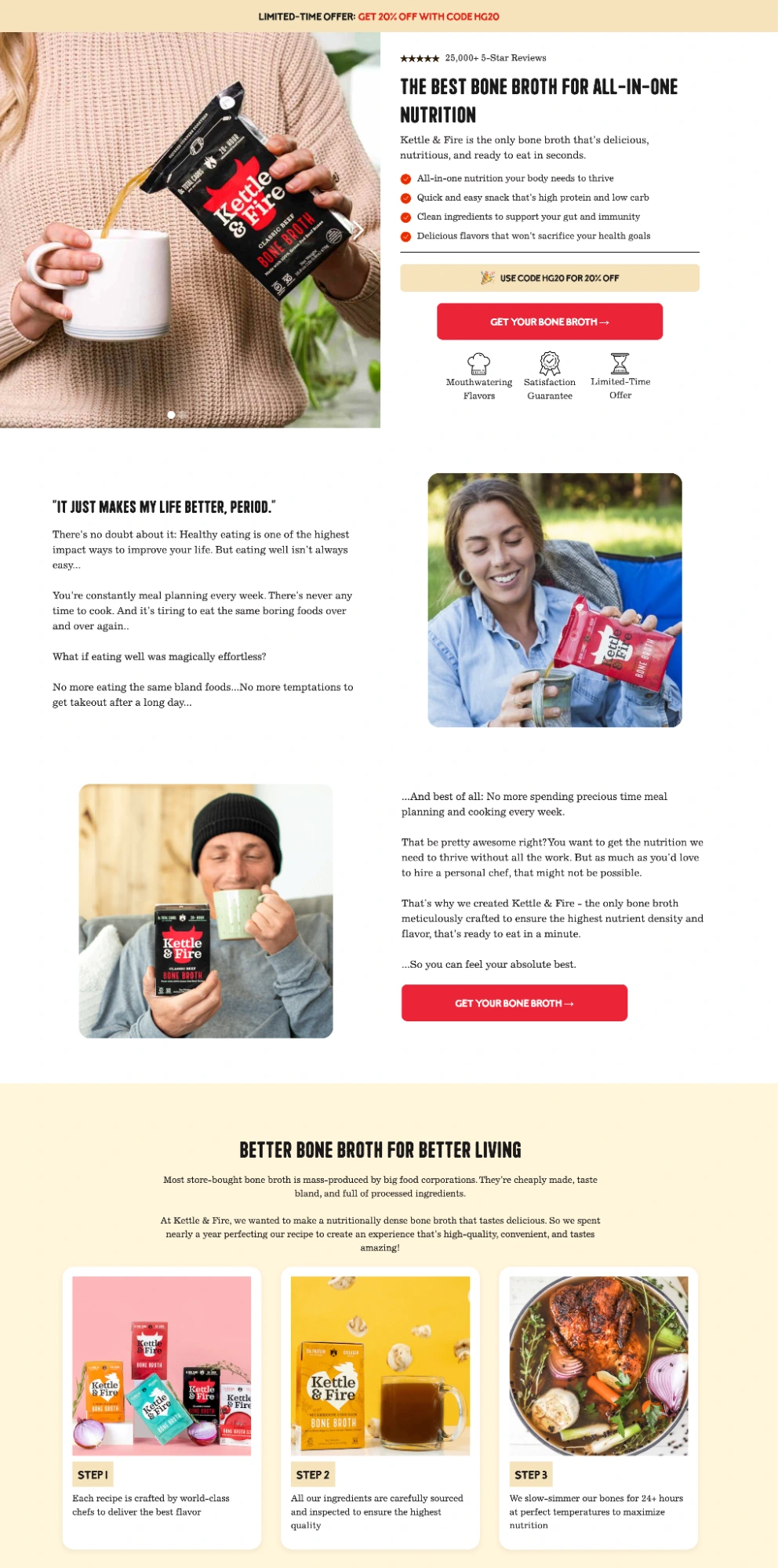
Every click on a paid advertisement represents a direct cost to a business, yet the ultimate fate of that investment—whether it transforms into sustainable revenue or simply evaporates—is decided in the seconds following the click. In the current digital landscape, marketing departments frequently allocate massive budgets toward sophisticated targeting and high-end creative assets, only to direct that hard-won traffic to a generic product page. These standard pages, often cluttered with navigation bars, related products, and corporate footers, are rarely engineered for the singular purpose of conversion. This fundamental disconnect between a compelling advertisement and a distraction-filled destination is the primary point of failure where paid budgets quietly leak, leading to rising Customer Acquisition Costs (CAC) and diminishing returns on ad spend.
To address this inefficiency, enterprise marketing teams are increasingly turning to specialized product landing pages. Unlike a standard product detail page (PDP) found on a main e-commerce site, a product landing page is a standalone asset designed for a specific campaign with one clear objective. It serves as a bridge, closing the gap between the promise made in an ad and the final purchase action. By adhering to a strict 1:1 conversion ratio—one page, one goal, one call to action (CTA)—these pages eliminate the friction that typically derails the buyer’s journey.
The Anatomy of Conversion: Landing Pages vs. Standard Product Pages
The distinction between a product landing page and a standard product page is often misunderstood, yet it is critical for performance optimization. A standard product page is designed for discovery and SEO; it is a permanent fixture of a website’s architecture. It includes full site navigation, links to various product categories, social media feeds, and comprehensive footers. While these elements are beneficial for a visitor browsing the site organically, they act as "exit ramps" for a visitor who has clicked a specific ad.

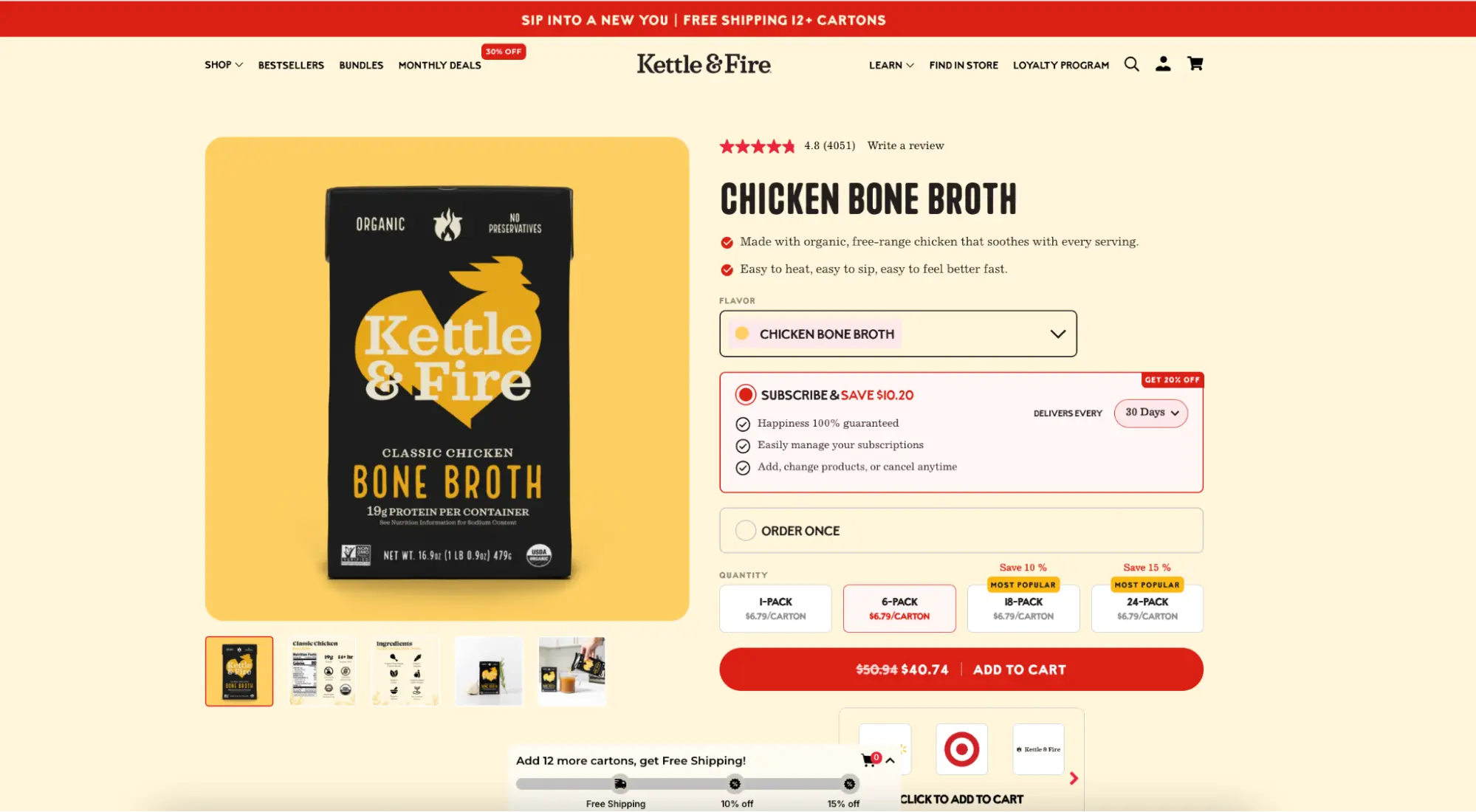
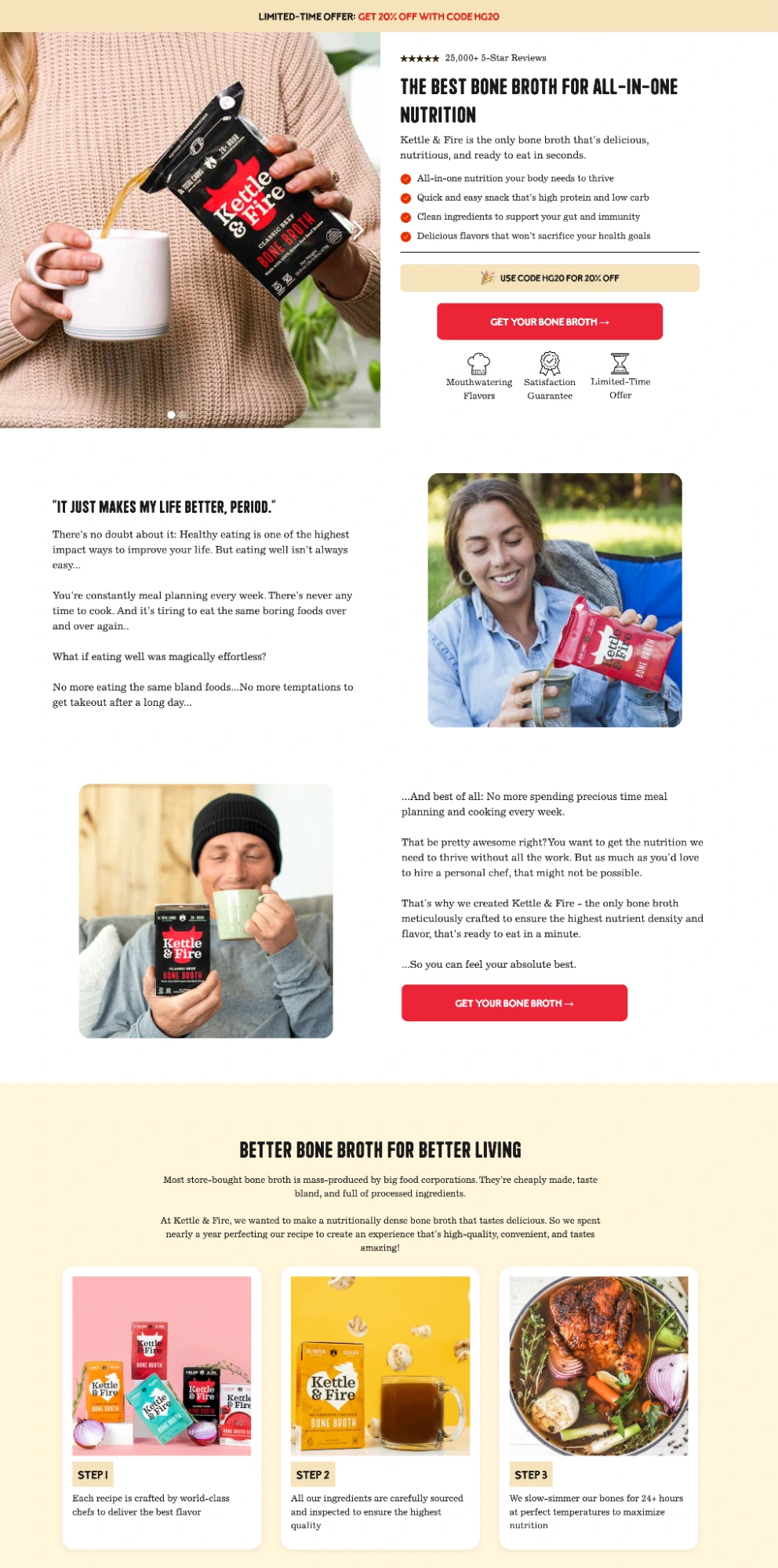
A case study in this contrast can be seen in the digital strategy of Kettle & Fire, a prominent bone broth brand. On their standard product page, visitors are greeted with a full navigation bar, a dropdown menu linking to a dozen product variants, and a "More Kettle & Fire" section that suggests additional bundles. This page offers over 30 different ways for a visitor to leave the page without making a purchase. Conversely, their dedicated landing page for the same product, hosted on a separate subdomain, removes all site navigation and external links. Every interactive element on the landing page either scrolls the user to more information or leads directly to the checkout. This "closed-loop" environment is designed to maximize the conversion of paid traffic by focusing the user’s attention entirely on the offer at hand.

The Evolution of Digital Advertising and the Rise of Personalization
The shift toward specialized landing pages is a response to the broader evolution of the digital advertising industry. In the early 2010s, "spray and pray" tactics were common, but as platforms like Google Ads and Meta (formerly Facebook) became more competitive, the cost of a click increased. Data from various marketing analytics firms suggests that the average cost-per-click (CPC) has risen significantly across industries over the last five years, making every visitor more valuable.
Simultaneously, consumer expectations for personalization have reached an all-time high. A 2023 report on digital trends indicated that over 70% of consumers expect a personalized experience when interacting with a brand. A generic product page cannot provide this. A product landing page, however, can be tailored to match the specific intent of a search query or the visual tone of a social media ad. This concept, known as "Message Match," is not only a psychological driver for the consumer but also a technical signal for ad platforms. Google, for instance, measures the relevance between an ad and its destination page to determine a "Quality Score." A higher score leads to lower ad costs and better ad placement, creating a direct financial incentive for marketers to use dedicated landing pages.
Core Design Principles Driving Modern Conversions
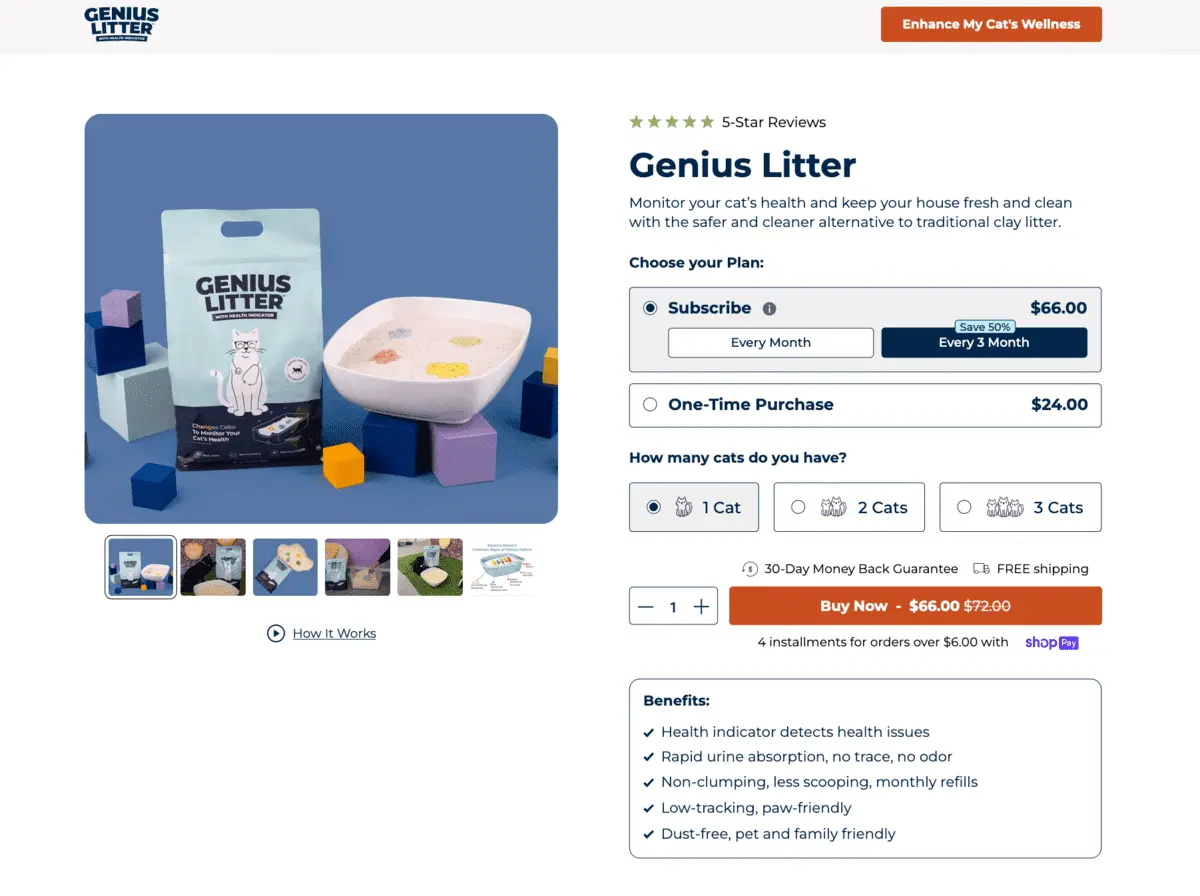
Research from organizations such as the Nielsen Norman Group and the Baymard Institute has provided a data-driven foundation for what makes a landing page successful. These principles are not merely aesthetic choices; they are functional requirements for high-performing digital storefronts.
Above-the-Fold Optimization
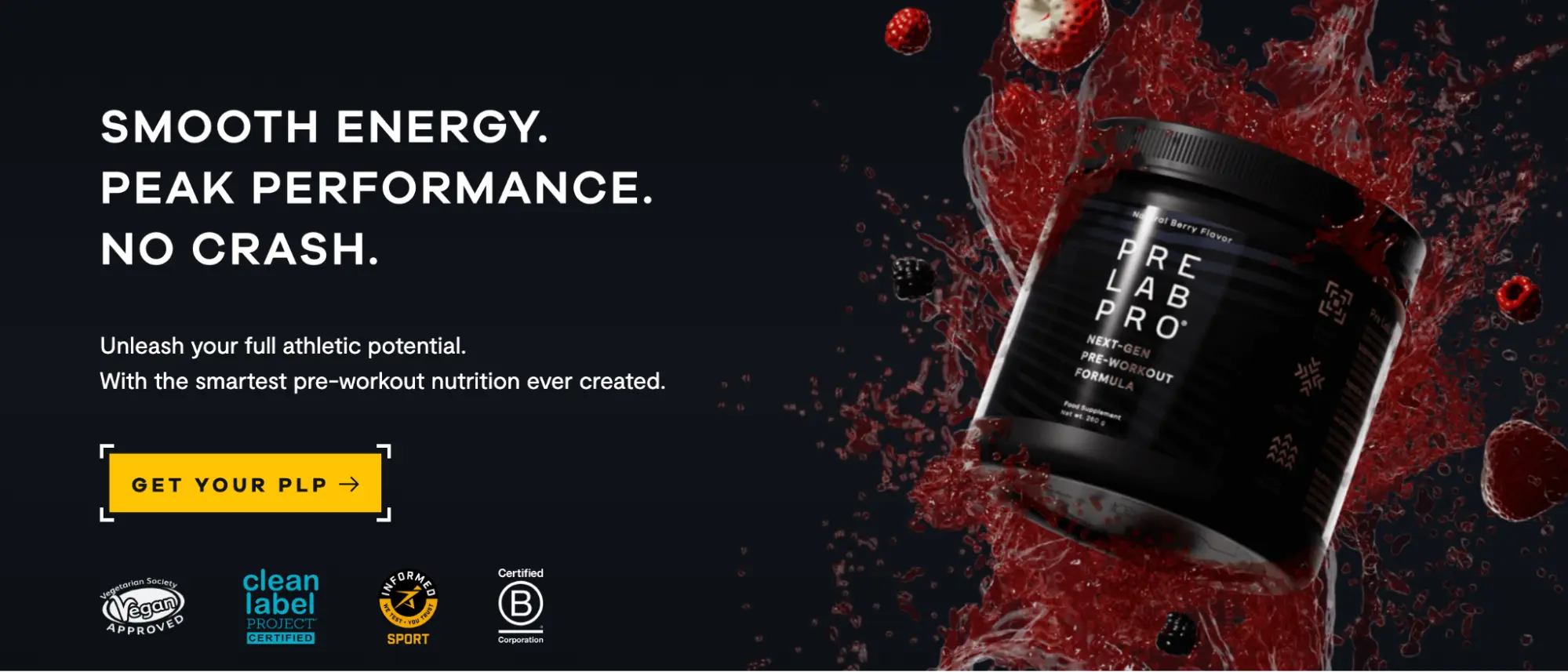
The "fold" refers to the portion of the webpage visible without scrolling. Eye-tracking studies consistently show that visitors spend the majority of their time looking at content above the fold. A successful product landing page must deliver its headline, primary benefit, and a clear CTA within this initial view. For visitors ready to purchase, this allows for immediate conversion; for those needing more information, it sets the stage for the content below.
The Impact of Page Speed and Mobile UX
In an era of instant gratification, slow loading times are a primary driver of bounce rates. Google’s performance data suggests that for every additional second a mobile page takes to load, conversion rates can drop by up to 20%. Modern landing page builders, such as Instapage, have introduced technologies like the Thor Render Engine® to handle page performance at the infrastructure level, ensuring that pages load almost instantaneously without manual optimization from developers.
Visual Hierarchy and Scannability
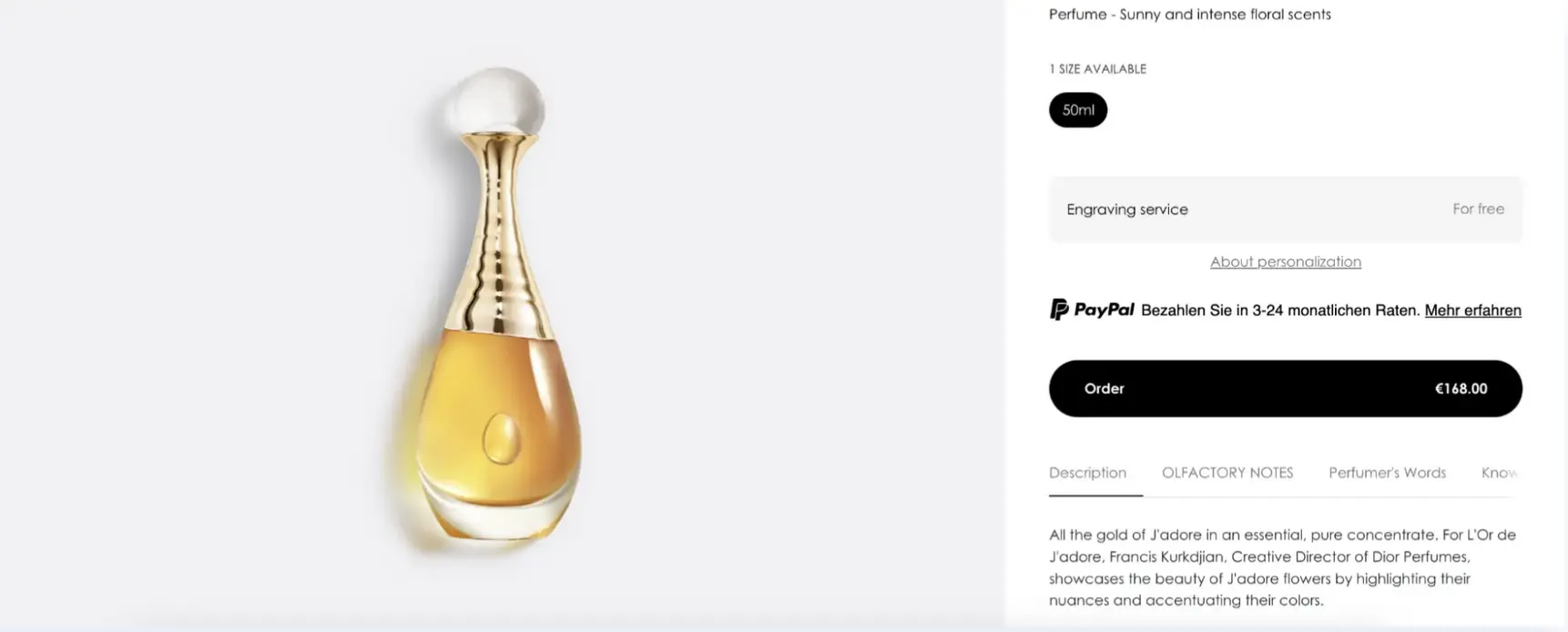
Digital visitors do not read pages in a linear fashion; they scan them in predictable "F" or "Z" patterns. Effective landing pages utilize a clear visual hierarchy—using large headlines, bulleted benefit lists, and contrasting colors for CTA buttons—to guide the eye through the conversion narrative. By reducing cognitive load, brands make it easier for the consumer to say "yes."

Strategic Social Proof
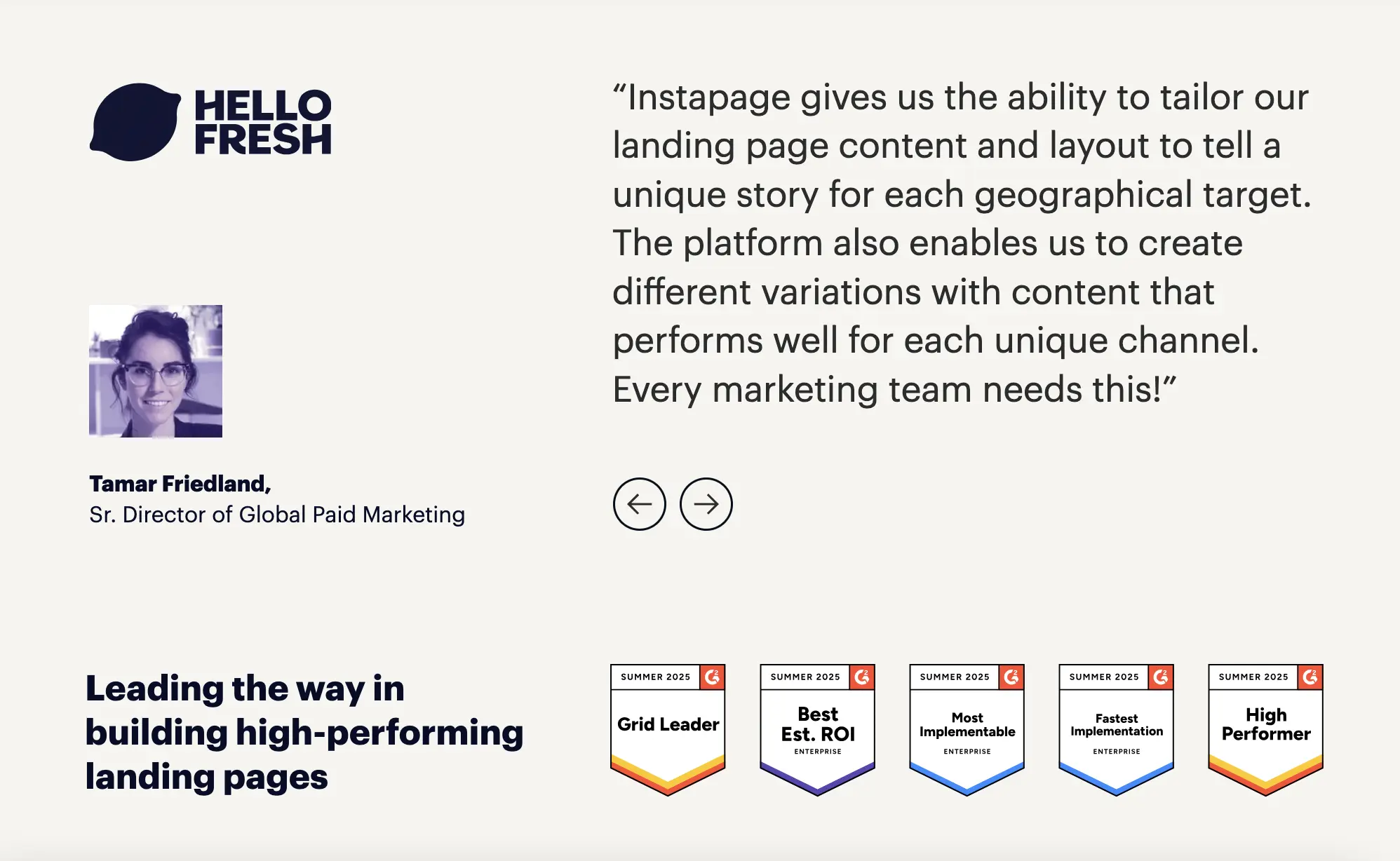
Trust is the currency of the internet. Placing testimonials, review counts, and industry awards near the CTA button helps resolve buyer hesitation at the moment of decision. Data indicates that user-generated content (UGC), such as customer photos or video reviews, is significantly more persuasive than polished corporate photography because it offers a "real-world" validation of the product’s claims.
Analyzing High-Performance Examples Across Industries
To understand the practical application of these principles, one must look at how leading brands across different sectors utilize product landing pages.

Single-Product Focus: Recess and Oura Ring
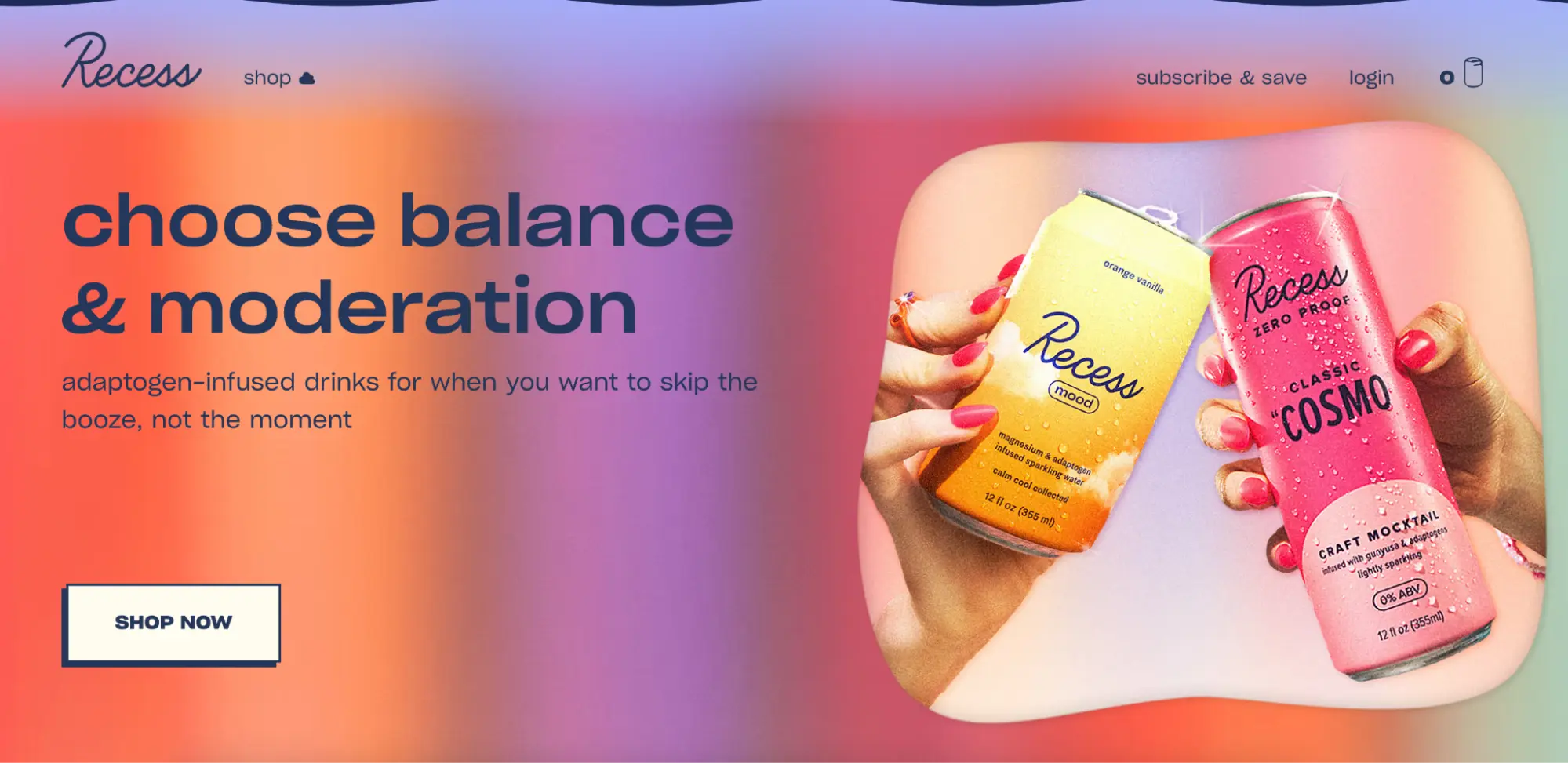
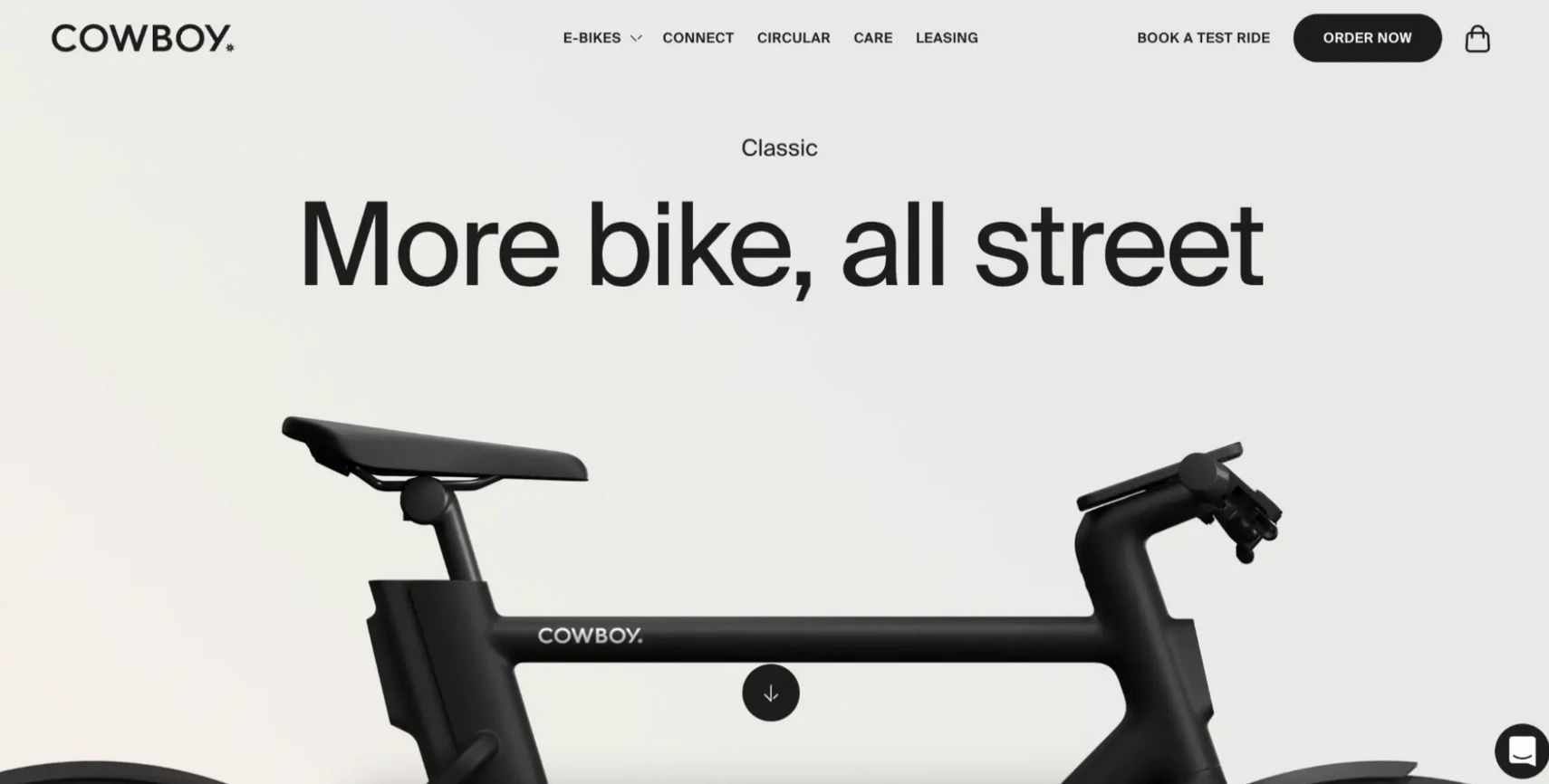
Recess, a functional beverage brand, uses a hero section that immediately identifies its target audience: those seeking relaxation without alcohol. The page is a masterclass in clarity, focusing on the "unwind" benefit and providing all necessary flavor and origin information in a single, cohesive narrative. Similarly, the Oura Ring landing page uses minimalist design to communicate a premium health tracker’s benefits. By using high-resolution imagery and brief, scannable lists, Oura avoids overwhelming the visitor, allowing the product’s design to carry the argument.
Multi-Product Strategy: Hims and AG1
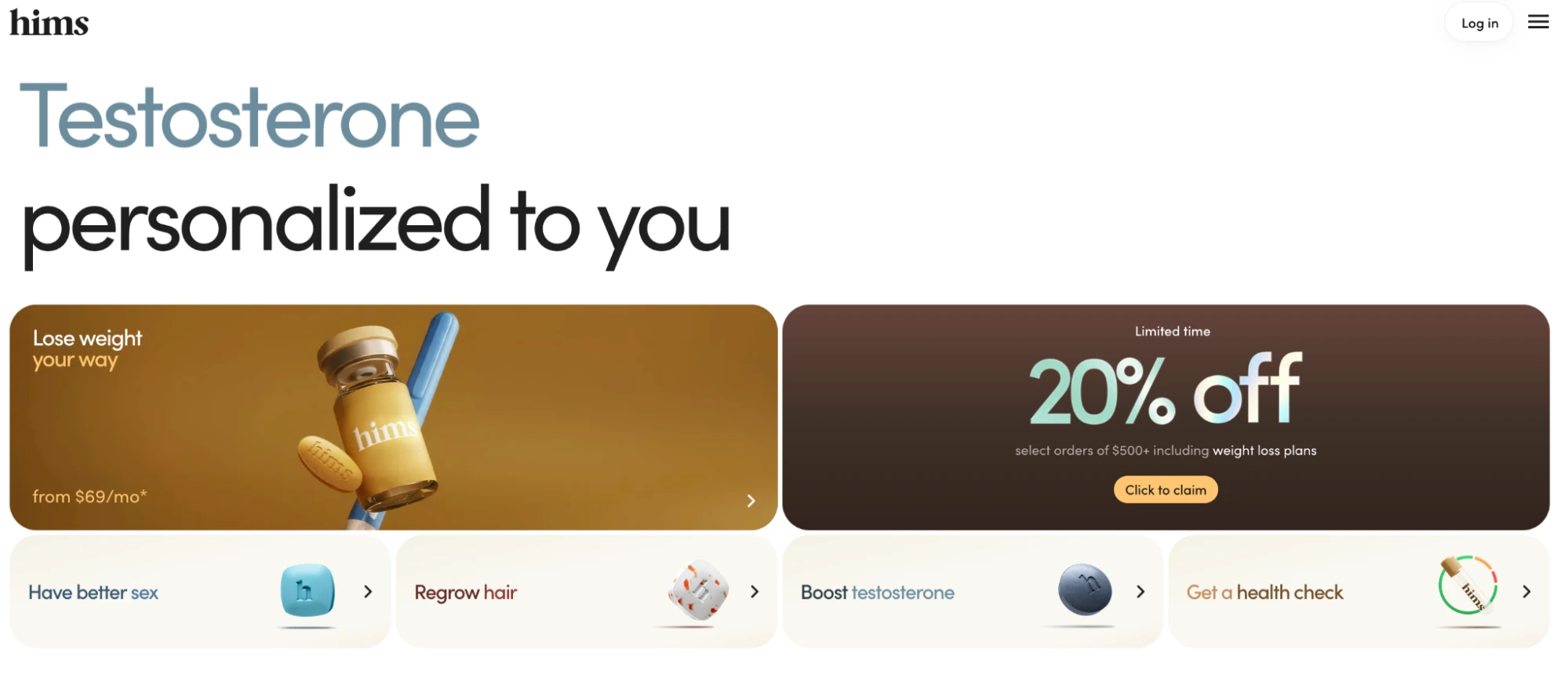
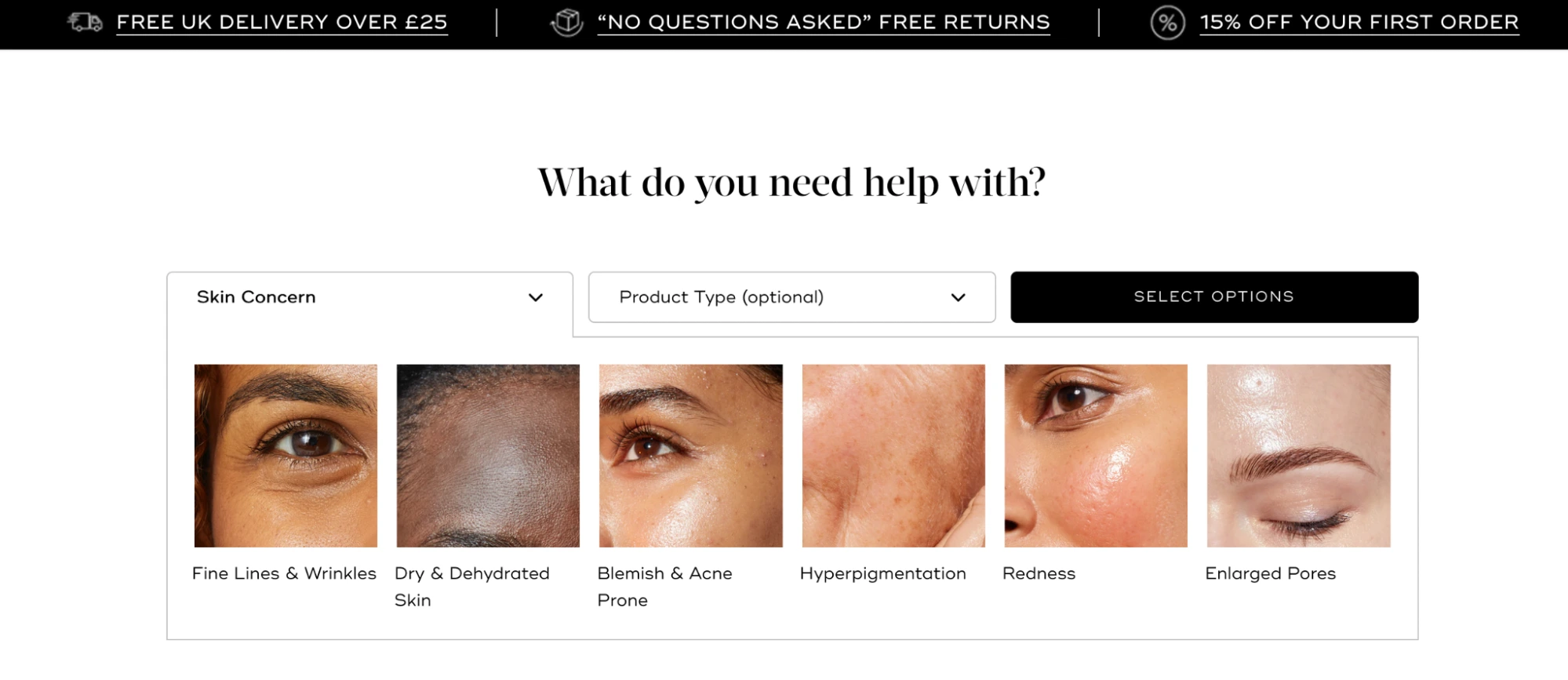
For brands with a range of solutions, a multi-product landing page acts as a sophisticated filtering tool. Hims utilizes a condition-targeted approach, where an ad for "hair regrowth" leads to a page that focuses on that specific concern while still allowing the user to self-select into other categories like sexual health or skincare.

AG1 (Athletic Greens) takes personalization a step further by creating unique landing pages for different traffic sources. A visitor arriving from a specific podcast endorsement will see the face of that influencer and a personalized quote above the fold. This maintains the "scent" of the referral, significantly increasing the likelihood of conversion by leveraging the trust established by the third-party endorser.

The High-Stakes Product Launch: Tierra and Nauto
Product launches require a sense of urgency and exclusivity. Tierra, a sustainable backpack brand, uses its landing page to highlight its core differentiator: recycled ocean plastic. With no site navigation and a single waitlist CTA offering a 30% discount, the page is designed to capture as many leads as possible before the official ship date. In the B2B sector, Nauto uses video demonstrations on its launch page to show its AI-powered driver safety technology in action. For complex products, "showing" is always more effective than "telling," as it reduces the cognitive gap between a new concept and its practical utility.

The Technical Workflow: Building and Measuring Success
Building a high-converting product landing page has historically required a team of developers and designers. However, the rise of no-code platforms has democratized this process. The standard workflow for modern marketing teams involves six key steps:
- Defining the Goal: Matching the campaign objective to a specific page type (e.g., a waitlist for a launch or a direct-buy for a single SKU).
- Template Selection: Utilizing conversion-tested templates that provide a pre-optimized structure.
- Structural Customization: Using drag-and-drop builders to ensure pixel-perfect brand alignment.
- AI-Assisted Copywriting: Leveraging AI to generate multiple headline and CTA variations to find the most resonant messaging.
- Collaboration and Review: Using built-in feedback tools to streamline stakeholder approval.
- Continuous Optimization: Employing server-side A/B testing to refine elements based on real-time data.
Performance Metrics That Matter
A landing page is a living asset that must be measured against specific Key Performance Indicators (KPIs). While conversion rate is the primary metric, sophisticated marketers also track:

- Cost Per Conversion: The total ad spend divided by the number of successful actions.
- Bounce Rate and Time on Page: Indicators of whether the traffic quality matches the offer.
- Heatmap Data: Visual representations of where users click and how far they scroll, identifying "friction points" where potential customers are dropping off.
- Core Web Vitals: Technical scores that impact both user experience and ad platform algorithms.
Broader Implications for the E-commerce Landscape
The shift toward specialized landing pages represents a broader movement toward "headless" and modular commerce. As the digital marketplace becomes more fragmented across social media, search, and influencer channels, the traditional, monolithic website is becoming less central to the initial conversion. Instead, the future of e-commerce lies in creating a "constellation" of high-performance, specialized experiences that meet the consumer exactly where they are in their journey.

Industry analysts suggest that companies investing in landing page optimization see an average conversion rate increase of over 30% within the first year. In a global economy where profit margins are increasingly thin, the ability to convert traffic more efficiently is not just a marketing advantage—it is a fundamental business necessity. By eliminating distraction and focusing on the singular path to purchase, brands can ensure that their digital advertising spend serves as a catalyst for growth rather than a drain on resources.

In conclusion, the discipline of the product landing page is rooted in a simple truth: the more choices a visitor has, the less likely they are to make one. By providing a clear, fast, and persuasive environment, businesses can turn the "click" they paid for into the "customer" they need. As AI and personalization technologies continue to advance, the gap between those who use generic pages and those who use optimized landing experiences will only widen, defining the winners and losers of the digital economy.








