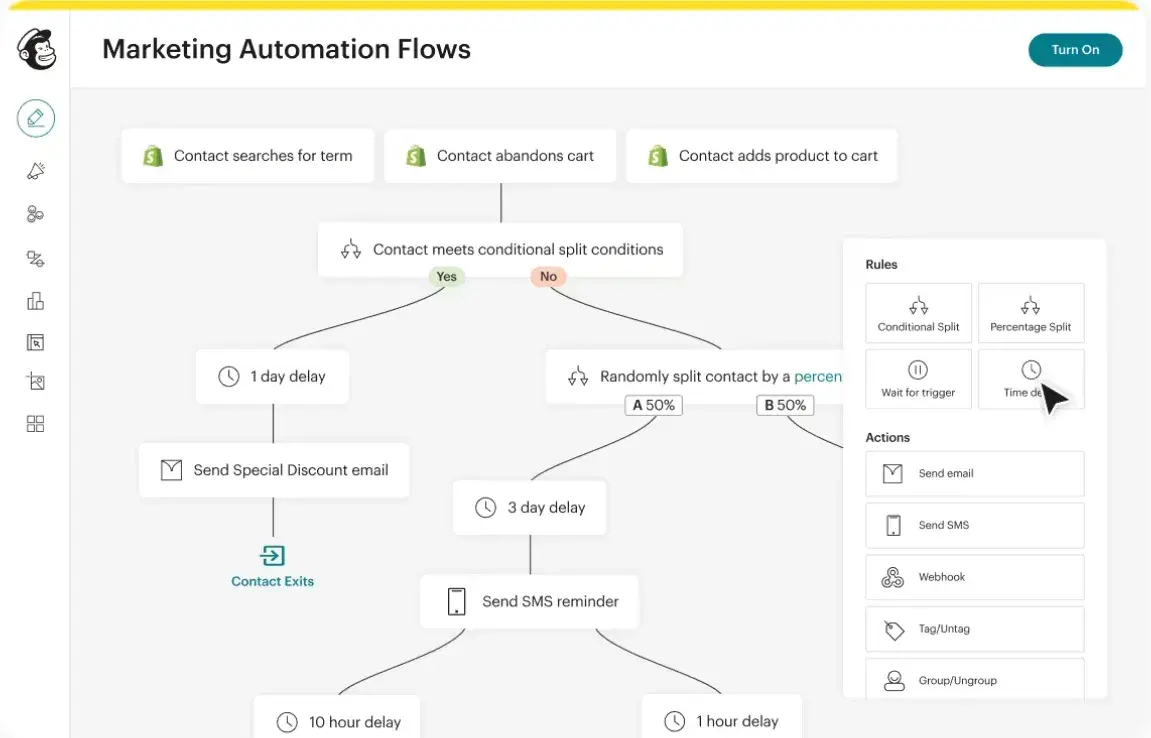
For over a decade, Adobe Marketo Engage has held a prominent position as the preferred marketing automation platform for enterprise-level demand generation teams. Its robust capabilities in lead nurturing, email marketing, account-based marketing (ABM), revenue attribution, and CRM integration made it a category standard. However, a noticeable trend has emerged in recent years, with a growing number of marketing operations leaders and B2B marketing executives initiating a critical re-evaluation: is Marketo still the optimal solution, or are there alternative platforms that better align with modern business demands and technological advancements? This inquiry is not merely a matter of curiosity but reflects a strategic shift in how organizations approach their marketing technology stacks, seeking greater efficiency, unified data, and a more streamlined operational experience.
The evolution of marketing automation has been rapid and transformative. As of 2026, nearly half of all marketers report actively leveraging automation to enhance the efficiency of their marketing processes, underscoring its indispensable role in contemporary business. This pervasive adoption has simultaneously intensified competition within the marketing technology market, leading to a proliferation of sophisticated platforms vying for market share. Businesses are no longer content with powerful but complex systems; they demand intelligent, integrated, and user-friendly solutions that deliver measurable value without prohibitive overheads.
This comprehensive guide delves into the primary drivers behind the current exodus from Marketo, examines the top alternative platforms available today – including HubSpot’s Marketing Hub and Smart CRM – outlines crucial considerations for the decision-making process, and provides a strategic roadmap for a seamless migration without compromising operational momentum.

The Catalysts for Change: Why Marketers Are Re-evaluating Marketo Now
While Adobe Marketo Engage remains a powerful tool, several factors have prompted enterprise teams to seek alternatives. These challenges often translate into significant operational friction and a less-than-optimal return on investment, particularly in a rapidly evolving digital landscape where agility and integrated data are paramount.
1. High Total Cost of Ownership (TCO): Marketo’s licensing fees, while substantial, represent only a fraction of its true cost. The total cost of ownership encompasses a broader spectrum of expenses, including ongoing service fees, significant administrative time dedicated to maintenance and configuration, the cost of integrating with other essential business systems, extensive training requirements for marketing teams, and often a reliance on numerous third-party add-ons to achieve desired functionalities. Furthermore, initial implementation services can add hundreds of thousands of dollars to the upfront investment, frequently leading to sticker shock for organizations upon realizing the full financial commitment.
2. Steep Learning Curves and Admin Dependency: Marketo is notorious for its complexity, often requiring specialized expertise to operate effectively. Many organizations find themselves heavily reliant on Marketo-certified administrators or external consulting firms to build, manage, and maintain even routine campaigns and workflows. This dependency not only inflates operational costs but also significantly slows down execution, hindering the marketing team’s ability to respond quickly to market changes or new opportunities. The lack of intuitive design can be a major barrier to adoption for general marketers.
3. Fragmented Data Between Marketing and Sales: While Marketo integrates with leading CRMs like Salesforce, this integration often functions as a separate synchronization layer rather than a truly unified system. This can lead to persistent challenges such as data sync delays, inconsistencies in lead records, and considerable friction during the critical handoff points between marketing and sales teams. In an era where a unified view of the customer is essential for effective revenue operations (RevOps), such data fragmentation is a significant impediment to achieving cohesive customer journeys and accurate performance measurement.

4. Slow Time to Value: The implementation timelines for Marketo are frequently protracted, often extending from three to six months before teams can become fully operational and begin realizing tangible value. For businesses operating in fast-paced markets, this extended ramp-up period is simply unacceptable. The need to generate pipeline and demonstrate immediate impact often clashes with the lengthy deployment and configuration cycles inherent in complex platforms.
These specific gaps are precisely what modern marketing technology platforms aim to address. Solutions like HubSpot’s Marketing Hub and Smart CRM, for instance, are built on a unified architecture that natively connects marketing automation and CRM functionalities within a single system. They feature intuitive visual workflow builders designed for marketers, eliminating the need for extensive technical expertise, and boast onboarding timelines measured in weeks rather than quarters.
The Emerging Landscape of Marketo Alternatives: A Comparative Analysis
The market for marketing automation is vibrant, with a diverse array of platforms offering varying levels of functionality, complexity, and cost. When evaluating alternatives to Marketo, buyers are increasingly looking for solutions that offer enterprise-grade capabilities without the historical baggage of high TCO, steep learning curves, and data silos. The integration of artificial intelligence (AI) has also become a critical differentiator, with leading platforms offering AI features such as predictive scoring, content generation, send-time optimization, summarization tools, and advanced analytics insights.
Siddharth Deswal, Founder of Enfra and a seasoned marketing leader with 14 years of experience across various marketing automation platforms, provides valuable firsthand insights into the practical delivery of these tools. His expert perspective helps cut through marketing rhetoric to highlight genuine capabilities.
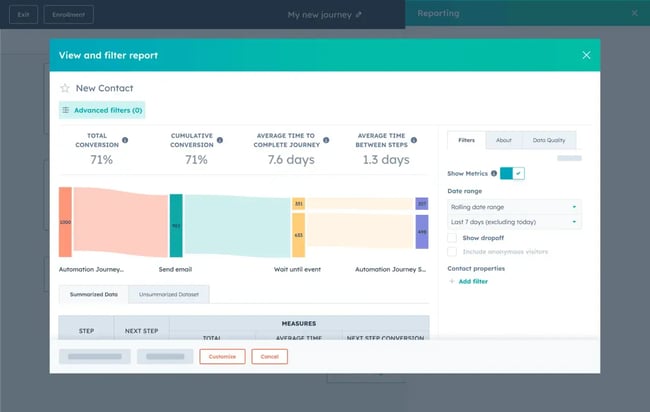
1. HubSpot Marketing Hub + Smart CRM:
HubSpot stands out as a leading alternative due to its foundational design as a unified system. Unlike Marketo, which often requires separate CRM and complex integration layers, HubSpot was built from the ground up to eliminate data silos across marketing, sales, and service.
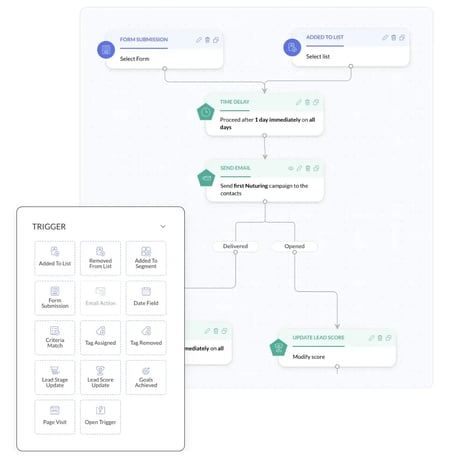
- Marketing Automation: HubSpot’s visual workflow builder empowers marketing teams to design sophisticated lead nurture sequences, trigger-based campaigns, and multi-step automation using a drag-and-drop interface, significantly reducing the reliance on developers or IT support. This contrasts sharply with Marketo’s steeper learning curve, which often necessitates administrative involvement for anything beyond basic sequences.
- Customer Journey Orchestration: This feature enables seamless, end-to-end automation across email, social, and messaging channels, with real-time CRM data dynamically triggering each step. The immediate adaptation of customer journeys based on CRM status changes ensures highly relevant and timely interactions.
- AI-Powered Lead Scoring: HubSpot leverages AI for assisted fit and engagement scoring, automatically prioritizing leads based on behavioral patterns and ideal customer profile (ICP) data. These scores are directly integrated into the CRM, ensuring alignment between marketing and sales efforts. Deswal notes the significant reduction in manual overhead compared to Marketo’s often complex and labor-intensive lead scoring configurations.
- Advanced Reporting and Revenue Attribution: The platform provides multi-touch revenue attribution and comprehensive customer journey analytics, allowing marketing teams to definitively link campaigns to closed revenue without requiring custom reporting infrastructure.
- Marketing Studio: This integrated workspace unifies campaign planning, content creation, and execution, streamlining operations for teams that typically juggle multiple tools alongside Marketo.
- AI-Powered Emails: HubSpot’s AI automates personalized 1:1 email content at scale, drawing directly from live CRM data, thereby eliminating the manual segmentation and tokenization often required in Marketo.
- Contact Management and Smart CRM: A unified contact record stores all interactions – emails, form fills, page visits, campaign responses – providing complete context for both marketing and sales teams. Real-time reporting dashboards offer immediate visibility into campaign performance and pipeline contribution, a capability that often requires expensive add-ons in Marketo.
- Expert Insight: Deswal hails HubSpot as his favorite alternative, praising its "simplicity, power, and great design all in one package." He emphasizes its value for modern brands running sophisticated, customer-action-based email campaigns.
- Pricing: HubSpot Marketing Hub offers a free edition, with Professional plans starting at $800/month, scaling with contact volume and features. The all-in cost, including CRM, is often considerably lower than Marketo’s TCO.
2. Salesforce Marketing Cloud Account Engagement (Pardot):
This platform is primarily designed for organizations deeply embedded in the Salesforce ecosystem. Its native integration with Salesforce CRM ensures seamless data flow between contact records, opportunity data, and engagement history, bypassing the need for a separate sync layer.
- Expert Insight: Deswal, while acknowledging its native Salesforce sync, noted a perceived lack of "intelligence" and capabilities for landing page creation compared to HubSpot during his year of use.
- Pricing: Starts at $25/month for the Starter tier, with Advanced and Premium tiers significantly higher.
- Tradeoff: Its value proposition diminishes considerably outside the Salesforce ecosystem.
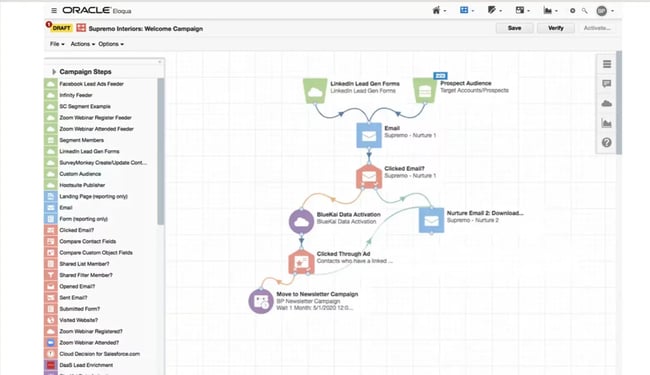
3. Oracle Eloqua:
Positioned as a direct competitor to Marketo in terms of enterprise scale and complexity, Eloqua supports highly sophisticated multi-touch programs, global deployments, and advanced ABM strategies.
- Expert Insight: Deswal characterizes Eloqua as "basically an expensive email marketing system with powerful lead management capabilities (de-dupe, etc.), but that’s it." He felt it was better suited for large B2C enterprises struggling with vast amounts of bad or duplicate data, rather than a platform for the "modern marketer."
- Pricing: Custom pricing, typically in the mid-to-high enterprise range.
- Tradeoff: Similar to Marketo, it carries significant implementation complexity and operational costs, raising questions about whether it truly solves the root problems driving a switch from Marketo.
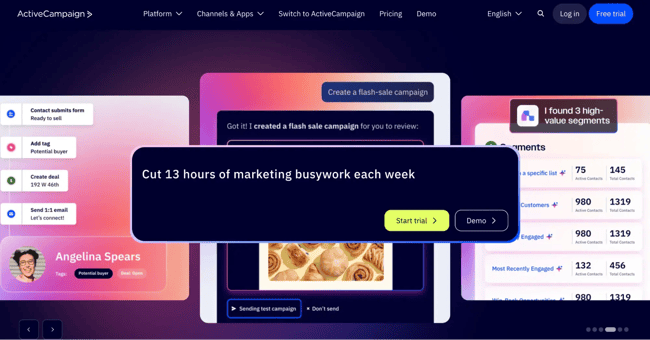
4. ActiveCampaign:
Targeting SMBs and mid-market teams, ActiveCampaign offers robust email automation without the enterprise pricing or implementation hurdles. Its accessible automation builder allows marketers to create sophisticated sequences independently.
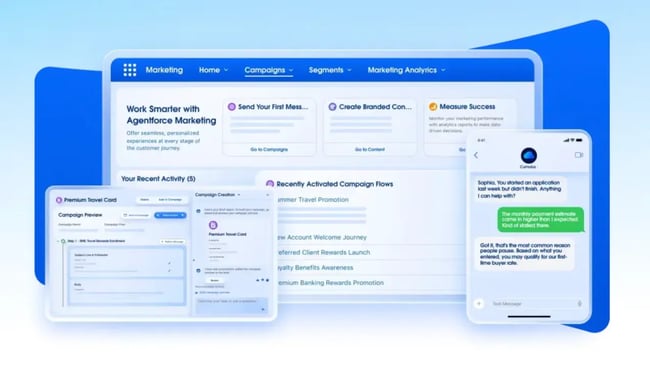
- Expert Insight: Deswal highlighted its automation builder as excellent for teams seeking to escape Marketo’s complexity, offering a "real breath of fresh air."
- Pricing: Starts at $15/month; enterprise plans scale with contact volume.
- Tradeoff: Reporting and attribution capabilities are generally lighter than those found in Marketo or HubSpot, which may be a limitation for teams heavily reliant on deep multi-touch attribution analysis.
5. Zoho Marketing Automation:
Best suited for teams already integrated into the Zoho ecosystem, particularly those utilizing Zoho CRM. The native integration between Zoho Marketing Automation and Zoho CRM is seamless and cost-effective within the broader Zoho suite.
- Pricing: Starts at $14/month.
- Tradeoff: Integration options are more limited outside the Zoho ecosystem, and its ABM and enterprise segmentation capabilities may feel less robust compared to Marketo.
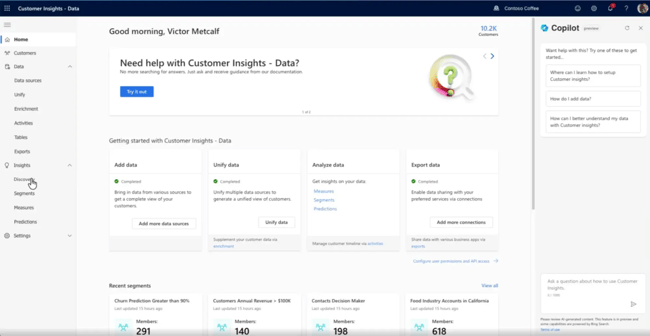
6. Microsoft Dynamics 365 Customer Insights:
For organizations operating within the Microsoft 365 and Dynamics CRM ecosystem, this platform offers native integration with tools like Teams, SharePoint, and Power BI.
- Expert Insight: The Copilot AI integration is noted as particularly useful for content generation and campaign optimization.
- Pricing: From $1,700.00/month for the marketing application; bundled pricing available.
- Tradeoff: The licensing structure can be complex, and implementation often requires significant IT involvement, making it less suitable for non-Microsoft environments.
7. Mailchimp:
While frequently appearing in early-stage comparisons, Mailchimp is not a like-for-like replacement for Marketo. It is primarily an email marketing service.
- Expert Insight: Deswal praised Mailchimp’s "very nice email and newsletter designs out of the box" but cautioned that it’s "not all that powerful for sophisticated marketing," recommending it for "Small Business with limited needs."
- Pricing: Free tier available; paid plans from $13/month.
- Tradeoff: Not designed for complex B2B nurture sequences, ABM requirements, or multi-touch attribution needs.
Strategic Considerations for Selecting a Marketo Alternative
The process of choosing a new marketing automation platform requires a thorough evaluation against specific organizational needs and future growth trajectories. To avoid merely trading one set of challenges for another, teams should meticulously assess several key features and operational aspects.
1. Marketing Automation and Workflow Complexity: A critical step is to map out your most vital existing Marketo programs, including nurture sequences, lead routing workflows, alert triggers, and scoring models. Each prospective vendor should be able to demonstrate how their platform can replicate these complex programs, highlighting ease of use and flexibility in their automation builder.
2. CRM Integration and Data Unification: Beyond basic integration, the goal should be true data unification. Platforms offering native CRM functionality or a deep, real-time integration model significantly reduce data silos, ensuring that marketing, sales, and service teams operate from a single, consistent view of the customer. This unification is crucial for efficient revenue processes and accurate performance measurement.
3. Lead Scoring and Segmentation: Evaluate how effectively each platform handles demographic fit, behavioral engagement scoring, and score decay. AI-assisted scoring capabilities can drastically reduce manual maintenance, making them a significant advantage for lean operations teams. Equally important is assessing the platform’s flexibility in managing complex segmentation based on ICP filters, firmographics, and persona-based criteria without requiring custom code.
4. Multi-Channel Campaign Execution: Modern B2B marketing demands cohesive strategies across email, paid advertising, social media, and direct channels. The chosen platform must support this full channel mix and, ideally, allow for their coordination within a single workflow rather than relying on disparate tools and manual handoffs.
5. Revenue Attribution and Reporting: Marketo’s reporting often necessitates extensive configuration and additional investments for multi-touch attribution. A superior alternative should natively provide insights into funnel conversion rates, campaign ROI, revenue influence, and sales handoff performance. Crucial questions to ask include: Can it measure ROI across all channels? Does it offer multi-touch attribution models? Can it accurately connect marketing activities to closed revenue? The long-term opportunity cost of poor attribution data is substantial, making this a non-negotiable feature.
6. Ease of Migration and Onboarding: A clear, well-defined migration and onboarding process is paramount. Inquire about the vendor’s standard migration methodology, including data export/import capabilities, content migration tools, and integration setup assistance. Understanding the level of onboarding support and training provided will directly impact the speed of adoption and time to value.
A Structured Approach to Migration: Ensuring a Smooth Transition
Migrating from a deeply embedded platform like Marketo can appear daunting, but a systematic, phased approach significantly mitigates risks and ensures continuity of operations.
Step 1: Comprehensive Marketo Audit: Before initiating any migration, conduct a thorough audit of your current Marketo instance. Identify actively performing programs, essential nurture sequences, critical scoring rules, smart lists, and indispensable reports. Focus on migrating only what demonstrably drives results, leaving behind dormant or underperforming assets. This is an opportunity to declutter and optimize.
Step 2: Data Export and Rigorous Cleaning: Export all relevant data, including contacts, lead scores, activity history, and campaign associations. Prioritize data cleaning before migration. Duplicate records and inconsistent data will only compound problems in a new environment, hindering performance and trust.
Step 3: Integration Mapping and Validation: Create an exhaustive list of all tools currently integrated with Marketo, such as CRMs, ad platforms, webinar tools, data enrichment services, and content management systems. Confirm the native integration capabilities of your target platform for each. Addressing integration gaps proactively is far more efficient than discovering them post-migration.
Step 4: Phased Program Reconstruction: Avoid attempting a simultaneous migration of all programs. Prioritize rebuilding the highest-impact programs first – those directly supporting active pipeline, such as top-of-funnel nurture sequences, lead routing workflows, and sales alert triggers. Get these critical functions operational in the new platform before moving to lower-priority content.
Step 5: Pre-Launch Data Sync Validation: If the new platform integrates with an external CRM, establish a parallel testing period, typically two to four weeks. This allows for rigorous validation of contact record synchronization, scoring data accuracy, and campaign association consistency before a full go-live. This step is crucial for catching errors before they impact live campaigns.
Step 6: Strategic Go-Live Window: Select a go-live date that avoids peak campaign periods or critical business cycles. A mid-quarter transition often provides the marketing team with sufficient time to stabilize the new platform and address any unforeseen issues without the pressure of high-volume operations.
Step 7: Proactive Team Training and Onboarding: Invest in structured training sessions for the entire team, rather than expecting self-directed learning. Dedicated onboarding in the first four to six weeks significantly accelerates platform adoption, minimizes reliance on old workarounds, and maximizes the return on the new technology investment.
Broader Implications for the Marketing Technology Landscape
The shift away from highly complex, standalone marketing automation platforms like Marketo reflects a broader industry trend towards integrated, user-centric, and intelligent marketing technology. The rise of unified platforms like HubSpot signals a demand for a single source of truth for customer data, enabling seamless collaboration between marketing, sales, and service. The increasing integration of AI capabilities, from predictive analytics to content generation, is transforming how marketers operate, emphasizing efficiency and personalization at scale. This evolution points towards a future where marketing technology is not just powerful but also intuitive, affordable, and deeply integrated into the entire revenue operation, allowing businesses to derive greater value from their investments and adapt more rapidly to dynamic market conditions.
Conclusion
The decision to move away from Adobe Marketo Engage is a strategic one, often driven by the desire to overcome challenges related to high total cost of ownership, operational complexity, data fragmentation, and slow time to value. The ideal Marketo alternative hinges on an organization’s most pressing pain points. Platforms like HubSpot Marketing Hub and Smart CRM offer a compelling solution by addressing these issues through a unified architecture, predictive analytics, multi-touch attribution, and AI-powered features, making enterprise-grade capabilities accessible without demanding an equally enterprise-level headcount for administration. Regardless of the chosen platform, success is predicated on a meticulous audit of current usage, thorough data cleansing, and a strategic, phased migration plan that prioritizes critical functions and invests in comprehensive team training. This disciplined approach ensures that the transition is not just a change of tools, but a significant step towards a more efficient, integrated, and impactful marketing operation.