The effectiveness of Google Ads campaigns for business-to-business (B2B) lead generation is often hampered by a disconnect between marketing efforts and the realities of the sales floor. A groundbreaking approach, dubbed the "Sales Feedback Loop," has emerged as a critical strategy to bridge this gap, transforming underperforming campaigns into powerful revenue drivers. This method, born out of a crisis for a B2B software company, emphasizes direct integration with sales teams to refine advertising strategies, leading to a significant increase in qualified leads and, ultimately, customer acquisition.
The Genesis of a Crisis-Driven Strategy
Several years ago, a B2B software firm found itself in a precarious situation. A sudden shift in regulatory landscapes had severely impacted its business, prompting an urgent need to rapidly fill its sales pipeline with qualified leads. The company’s CEO appointed a new fractional VP of Marketing with a mandate to prioritize lead generation above all else. Upon assessing the existing marketing efforts, it became evident that the company’s Google Ads campaigns were underperforming significantly.
Recognizing the immediate urgency, the new VP of Marketing proposed a swift pivot to Google Ads as the fastest route to generating a substantial influx of leads. Despite the CEO’s skepticism, stemming from previous campaign failures, permission was granted to implement a new strategy. The core of this strategy was a departure from traditional marketing assumptions and a direct immersion into the language and understanding of the sales team.
Unlocking the Power of Customer Voice
The pivotal moment came when the VP of Marketing approached the company’s most customer-facing employee: a seasoned sales representative. The critical question posed was simple yet profound: "How do our customers talk?" The sales representative shared anecdotal evidence, recounting specific phrases and expressions customers used to describe their challenges, the solutions they sought, and the product itself. These authentic, raw insights formed the bedrock of the new Google Ads campaign. Keywords, ad headlines, and descriptive content were meticulously crafted using the exact terminology and framing employed by potential clients.
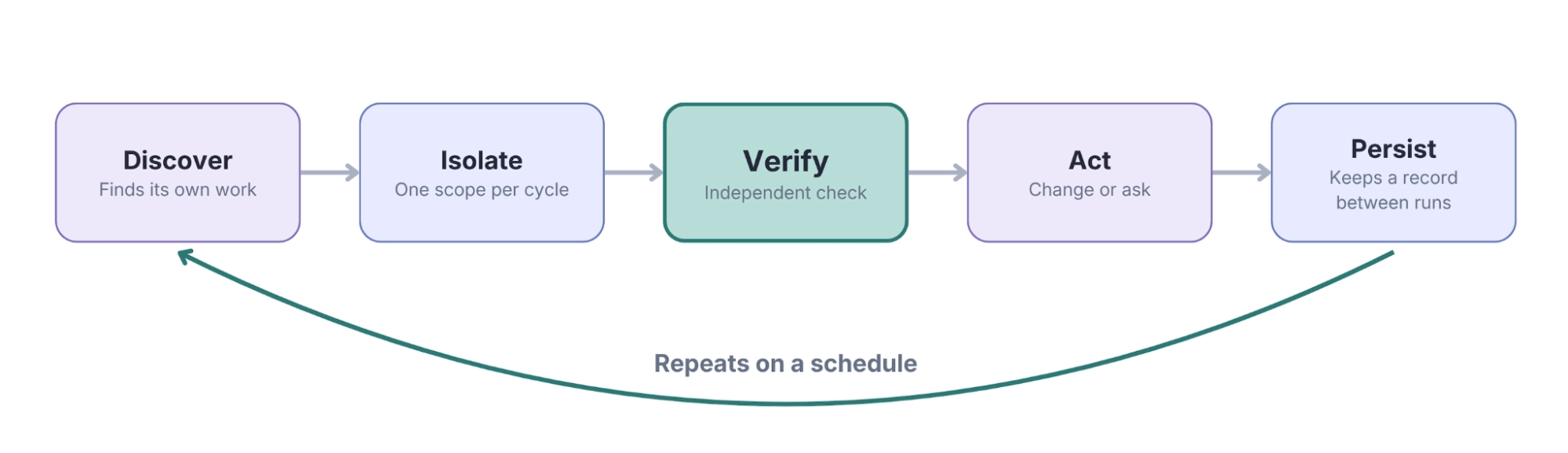
This customer-centric approach was not a one-time event. The campaign was launched, and the VP of Marketing established a weekly cadence of meetings with the sales team. The recurring question, "How are the leads?" facilitated continuous feedback, allowing for iterative adjustments to the campaign based on the sales team’s real-time assessment of lead quality and conversion potential.
The impact was immediate and transformative. Within the first month, the campaign began generating not just leads, but actual new customers. This momentum continued, with the company consistently surpassing its previous year’s monthly customer acquisition figures. This success was sustained and amplified over the subsequent year, with the company repeatedly breaking its own sales records on a month-over-month and year-over-year basis. The secret, it turned out, lay in the deliberate and systematic incorporation of sales feedback into the advertising strategy, a process now formalized as the "Sales Feedback Loop."
Deconstructing the Sales Feedback Loop
The Sales Feedback Loop is built upon a fundamental understanding: that the most accurate insights into customer needs and search behavior reside within the customer-facing teams, particularly sales. The core principle is to leverage this direct human intelligence to guide the algorithmic decision-making of Google Ads.
1. Understanding the Customer’s Language:
The initial and most crucial step involves a deep dive into how customers articulate their problems and needs. This moves beyond internal product jargon or marketing-centric messaging. Instead, it focuses on capturing the "voice of the customer" – the specific words, phrases, and pain points they use when describing their challenges. This requires humility, recognizing that customers may not perceive a product’s "brilliance" in the same way internal teams do. They search and click based on their understanding, not necessarily on a company’s internal nomenclature.
2. Identifying Reliable Sources of Insight:
The Sales Feedback Loop emphasizes two primary and highly reliable sources for these crucial insights:
- Direct Customer Conversations: Whenever possible, engaging directly with customers through interviews, surveys, or post-sale debriefs provides the most authentic data.
- Customer-Facing Teams: Sales representatives, customer support agents, implementation specialists, and account managers are invaluable repositories of customer sentiment and language. Their daily interactions offer a continuous stream of real-world feedback.
By combining these sources, marketers can build a comprehensive and nuanced understanding of their target audience, ensuring that advertising messages resonate deeply and accurately reflect customer needs.

The Algorithmic Challenge in B2B Google Ads
Google Ads, at its core, is an algorithm designed to optimize for volume and efficiency. However, the B2B landscape presents unique challenges to this model. B2B markets often have lower search volumes compared to B2C, meaning that a high volume of clicks can easily translate into a high volume of unqualified leads, or "junk."
The primary challenge for B2B marketers is to "feed" the algorithm with enough data to enable effective optimization without "poisoning the well" with low-quality signals. If campaigns are optimized solely for high-value deals, the algorithm may be starved of sufficient data. Conversely, tracking every single form submission as a valuable conversion can lead Google’s Smart Bidding to prioritize easily obtainable, low-value leads over potentially lucrative enterprise deals. Bridging this gap requires data that truly reflects business value.
The Peril of "Mis-training" the Algorithm
Google Ads operates as a machine-learning engine that responds directly to the data signals it receives. It does not inherently understand a company’s business objectives. In e-commerce, the conversion path from ad click to purchase is often relatively short and direct, providing a strong and clear conversion signal.
In B2B lead generation, however, the conversion path is typically much longer and more complex. If every form submission is designated as a primary conversion, the algorithm is inadvertently trained to equate a student’s inquiry, a competitor’s research, or a bot’s interaction with a potential $500,000 enterprise deal. This leads to an optimization for activity (form fills) rather than for profitable outcomes. While the Cost Per Lead (CPL) might appear favorable, actual revenue growth can stagnate because the focus shifts from acquiring valuable customers to generating sheer volume of inquiries.
Offline Conversion Imports: A Data-Driven Solution
A critical mechanism for overcoming this "mis-training" is the implementation of Offline Conversion Imports. In its simplest form, this involves tracking leads that originate from Google Ads. Once a lead submits a form, the sales team or marketing team reviews its quality. If the lead is deemed valuable, this positive outcome is then uploaded back into Google Ads as a conversion. This process is only effective if there is a clear and reliable method for distinguishing between a good lead and a mediocre one – a capability directly fostered by regular sales reviews.
Conducting Effective Sales Feedback Sessions
The implementation of the Sales Feedback Loop requires a structured yet adaptable approach to feedback sessions. These sessions are designed to be concise and actionable, ensuring that valuable time is used efficiently.
The recommended structure for a Sales Feedback Session includes:
- Frequency: Weekly meetings are ideal to maintain momentum and address emerging trends promptly.
- Attendees: Key participants should include the marketing lead responsible for Google Ads and representatives from the sales team, ideally those with direct customer interaction.
- Agenda:
- Reviewing Recent Leads: Discuss a selection of leads generated by Google Ads from the past week.
- Qualitative Assessment: For each lead, gather feedback on its quality, the prospect’s intent, and their fit with the ideal customer profile.
- Identifying Trends: Look for recurring patterns in feedback, such as common objections, specific customer language, or consistent reasons for disqualification.
- Actionable Insights: Translate the feedback into concrete adjustments for the Google Ads campaign, including keyword refinements, ad copy updates, or targeting modifications.
By consistently engaging in these feedback loops, sales teams will begin to notice an improvement in lead quality and a subsequent increase in lead volume. This not only helps them achieve their sales quotas but also positions the marketing team as an indispensable partner in their success, potentially leading to recognition within the organization.
Decoding Sales Feedback: What They Say vs. What They Mean
A crucial aspect of the Sales Feedback Loop is understanding the underlying meaning behind sales team feedback. Instead of taking comments at face value, it’s vital to analyze the "intent gap" and translate sales jargon into actionable marketing strategies.
| What Sales Says | What it Probably Means | What You Might Do About It


 Laily UPN

 Siti Muinah