Iffa Jayyana
The landscape of digital growth has undergone a radical transformation over the last four years, moving away from a period of generalist overreach toward a more segmented and technically rigorous era of specialization. In 2022, the "Head of Growth" title served as a corporate catch-all, often requiring a single individual to manage everything from high-level strategy and experimentation to the granular execution of half a dozen marketing channels. However, a comprehensive analysis of job specifications from 2022 compared to those in 2026 reveals that the role has not merely evolved; it has fractured into four distinct archetypes. This shift reflects broader changes in the global economy, the maturation of the software-as-a-service (SaaS) industry, and the rapid integration of artificial intelligence into daily operations.

The Shift from Generalist to Specialist: A Comparative Analysis
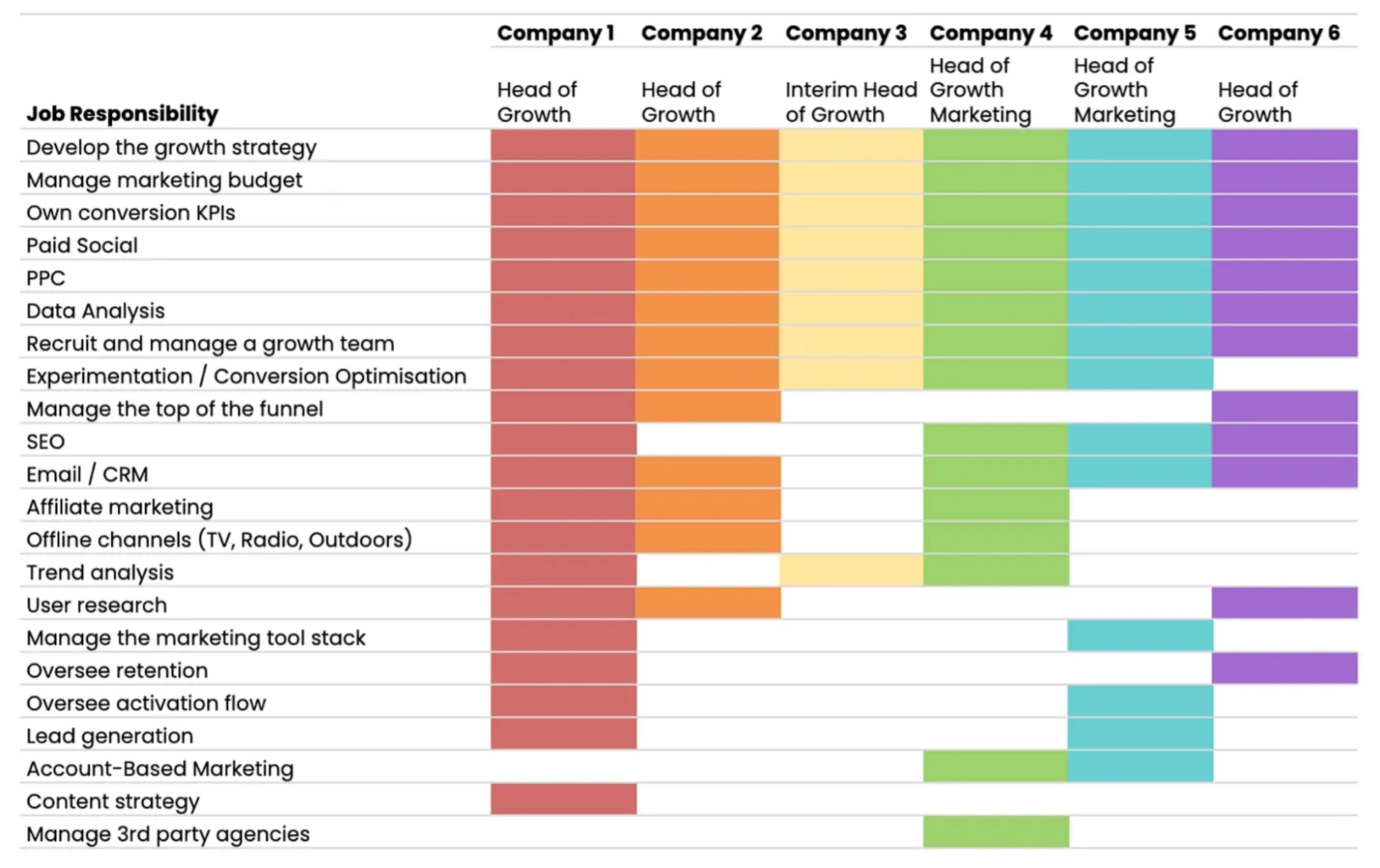
In 2022, a typical Head of Growth was expected to be a "H.O.R.S.E."—an acronym for Head of Random Sh*t Everyday. Data gathered from job specifications during that period showed that six out of six roles analyzed required the candidate to own growth strategy, manage a marketing budget, hit conversion KPIs, and personally oversee paid social, PPC, and data analysis. Many of these roles also demanded hands-on management of SEO, email marketing, and offline channels such as television and radio. The expectation was that one person could possess deep expertise across five to ten distinct channels while simultaneously driving long-term experimentation and team recruitment.
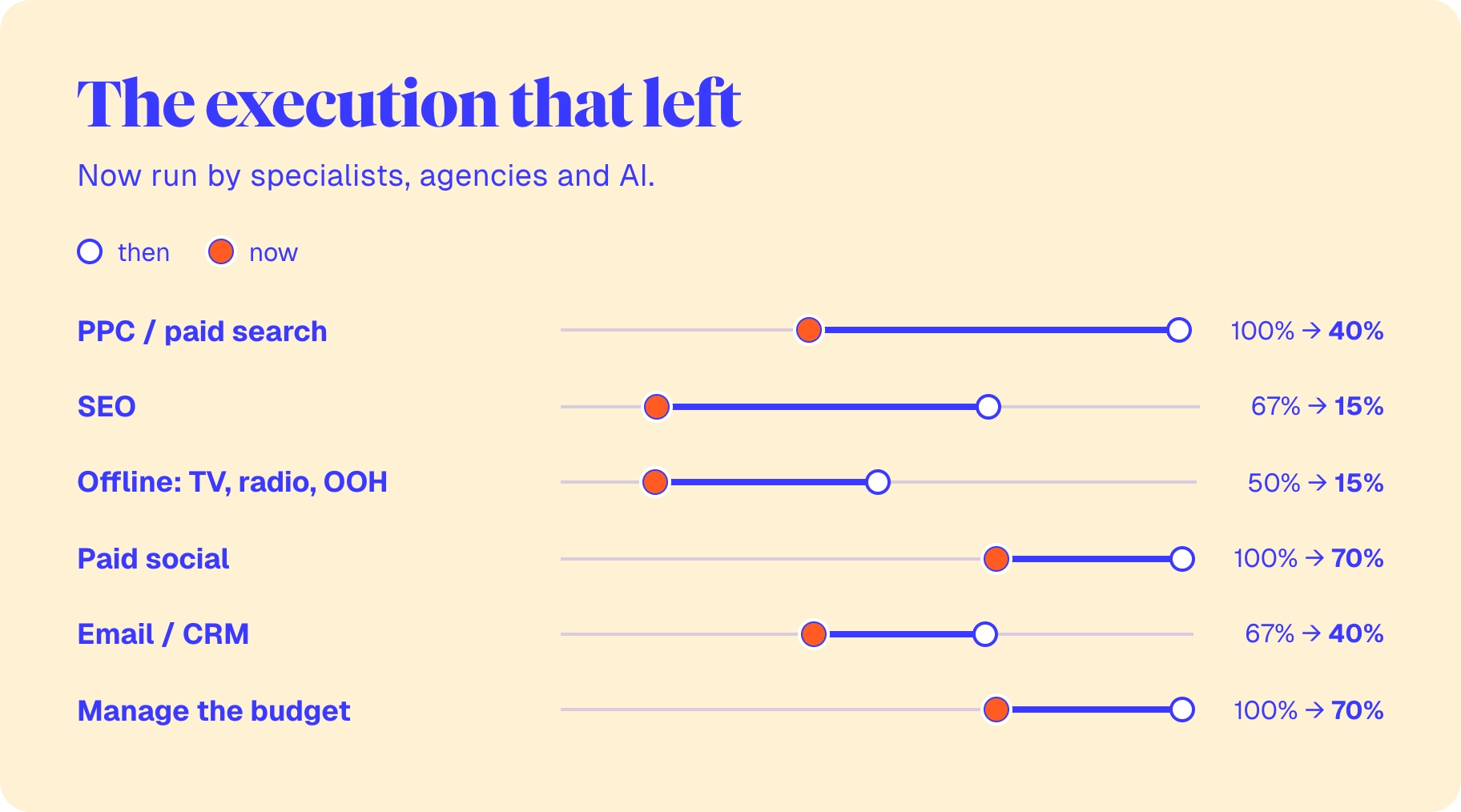
By 2026, the data paints a significantly different picture. An analysis of 20 high-level growth roles shows a marked decline in the requirement for a single individual to personally manage multiple marketing channels. For instance, the inclusion of Pay-Per-Click (PPC) management in Head of Growth job descriptions plummeted from 100% in 2022 to just 40% in 2026. Similarly, SEO requirements dropped from 67% to 15%, and offline channel management fell from 50% to 15%. This trend indicates that channel execution is increasingly being offloaded to specialized agencies, dedicated internal specialists, or automated AI agents.

The Emergence of the Bifurcated Salary Range
One of the most striking indicators of this role fragmentation is the widening gap in compensation. In 2022, advertised salaries for a Head of Growth typically fell within a relatively narrow band of £55,000 to £80,000. While inflation has impacted global markets, it does not account for the current disparity. In 2026, the same job title can command a salary of £70,000 at one organization and upwards of £250,000 at another.
This 250% variance is a direct result of the "split" in responsibilities. Roles at the lower end of the spectrum often remain focused on traditional acquisition and channel management, whereas high-end roles have transitioned into senior leadership positions requiring full Profit and Loss (P&L) ownership, deep technical proficiency, and the ability to design complex growth systems. The higher compensation levels reflect a shift toward growth being viewed as a business-critical leadership function rather than a subset of the marketing department.
Surviving Competencies: The Centrality of Experimentation and CRO
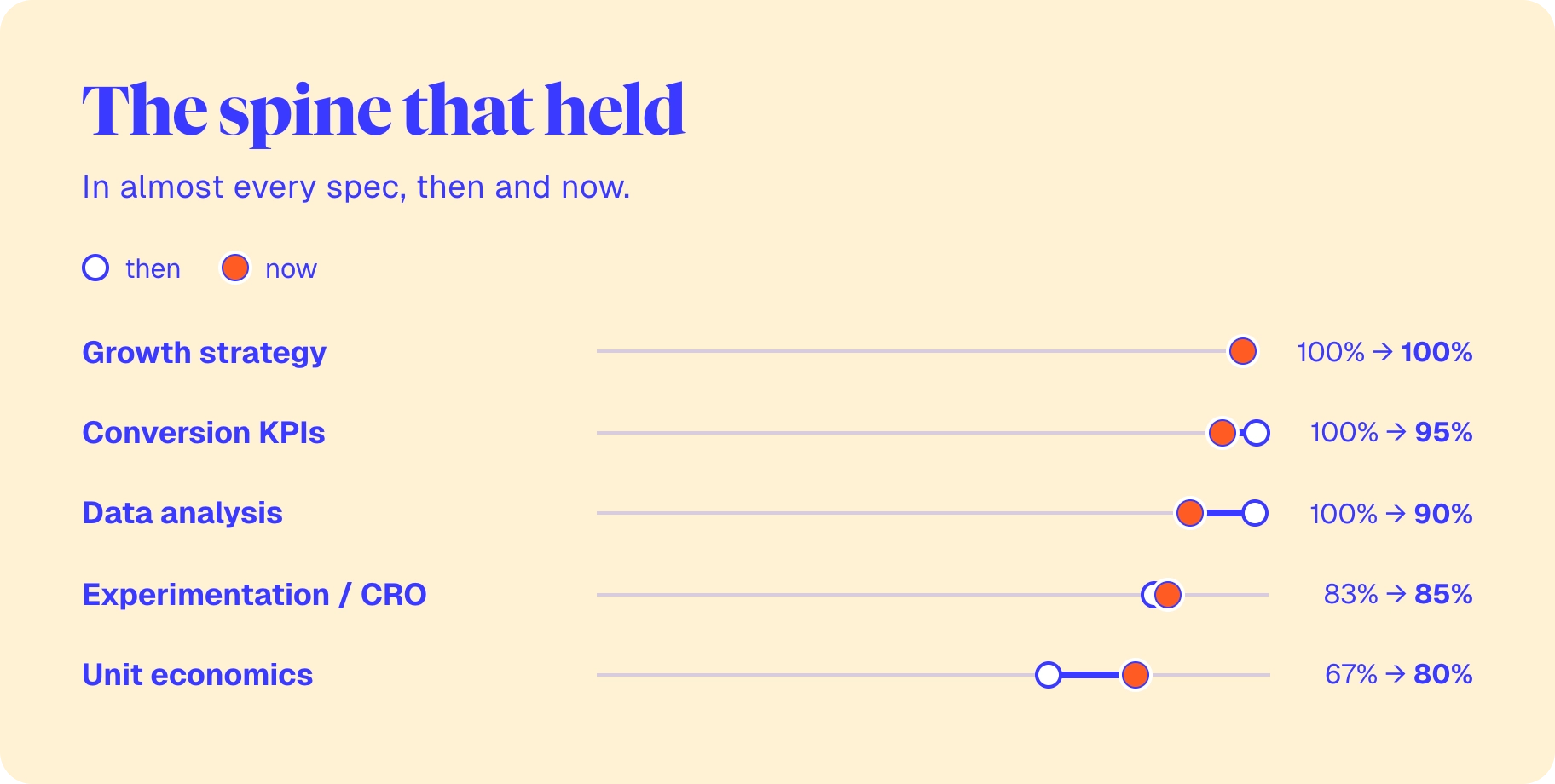
Despite the shedding of channel-specific tasks, one core competency has not only survived but become more entrenched: experimentation and Conversion Rate Optimization (CRO). In 2022, experimentation was mentioned in 83% of Head of Growth job specs. By 2026, that number rose to 85%. This consistency suggests that while the "how" of acquisition changes, the "process" of growth through scientific testing remains the primary value proposition of the role.
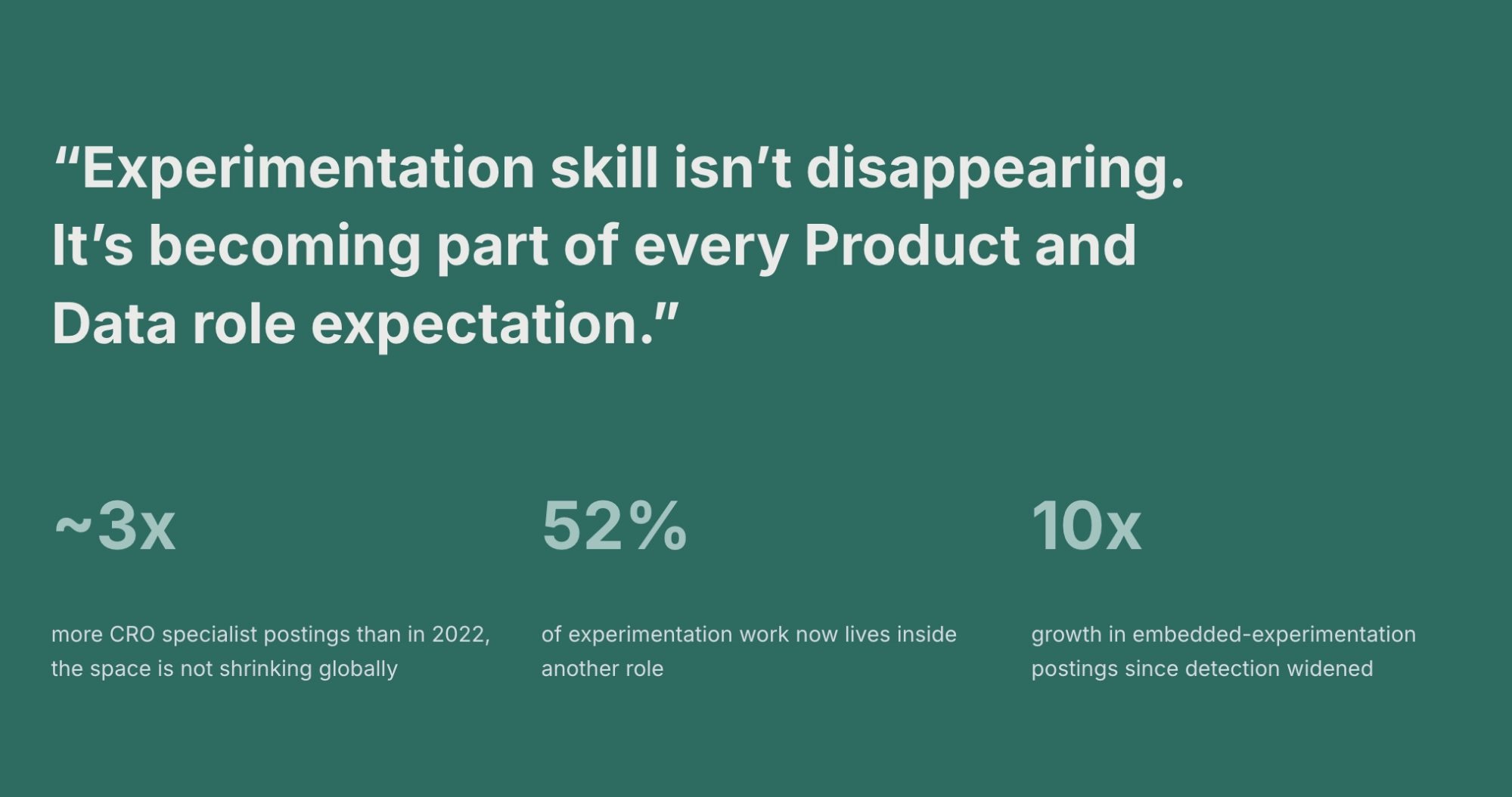
Industry experts, including fractional product leaders, note that experimentation skills are no longer siloed. They are increasingly becoming embedded expectations for every product and data role. Data from over 5,800 job postings tracked since 2022 indicates a threefold increase in specialized CRO postings, with more than half of all experimentation work now sitting inside other roles. For the Head of Growth, this means they are no longer just running A/B tests on landing pages; they are overseeing experimentation across the entire customer lifecycle, from initial awareness to long-term retention.
New Requirements: Profitability, Retention, and AI Native Fluency
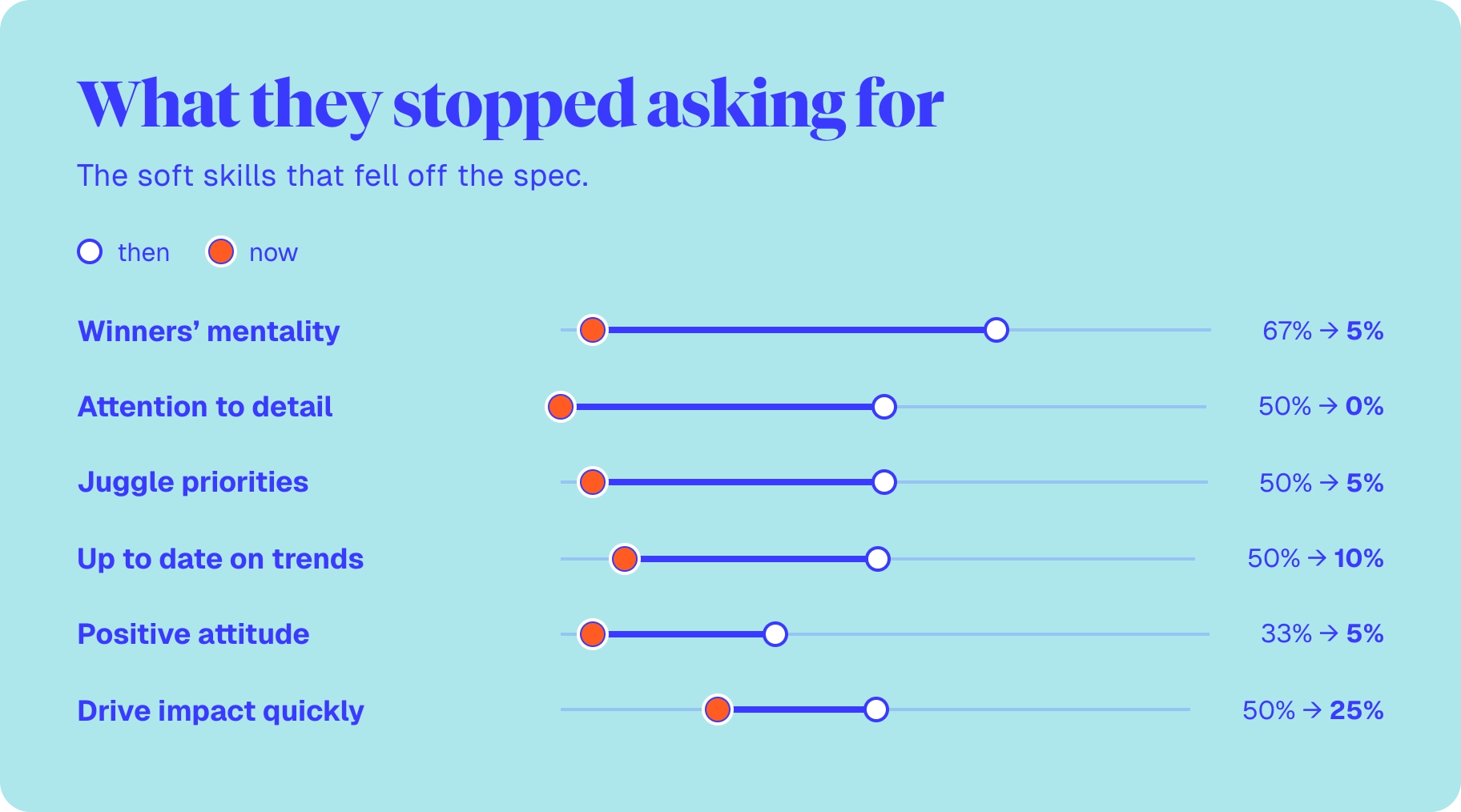
As the role narrowed in terms of channel execution, it expanded in terms of business impact. Between 2022 and 2026, several new responsibilities entered the standard job specification:
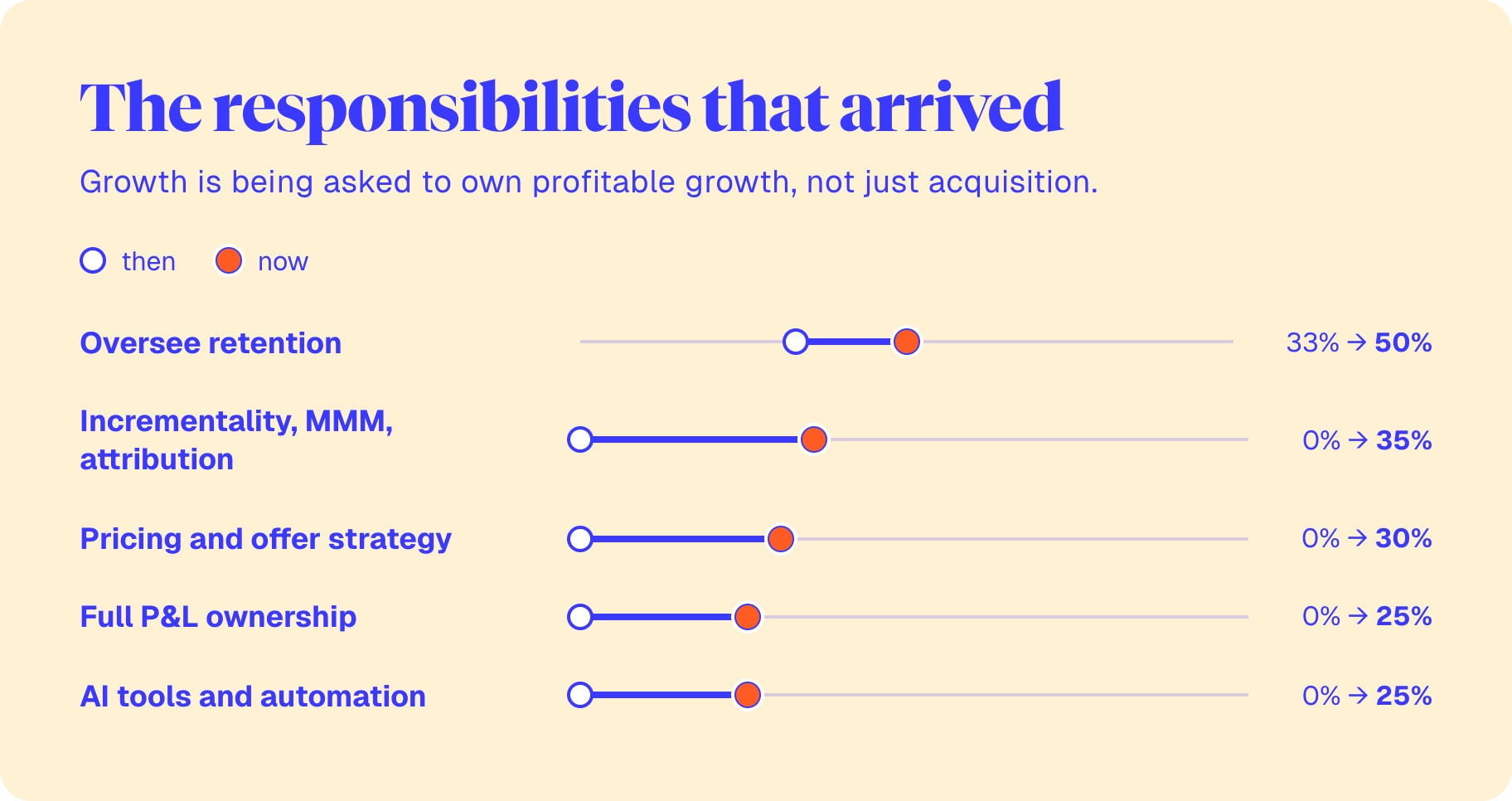
- Retention and Profitability: Overseeing retention rose from a 33% requirement to 50%. This reflects a shift in the venture capital landscape, moving away from "growth at all costs" toward sustainable, profitable growth.
- Advanced Measurement: Requirements for knowledge in incrementality, Marketing Mix Modeling (MMM), and complex attribution rose from 0% to 35%.
- Pricing and Offer Strategy: Now appearing in 30% of specs, this indicates that growth leads are now expected to influence the fundamental economics of the product.
- AI and Automation: AI-native skills are now a hard requirement in 25% of roles. This includes the ability to use AI agents to scale output or tools like Claude Code to ship site changes without waiting for a dedicated engineering sprint.
The Four Modern Archetypes of Growth Leadership
The fragmentation of the Head of Growth title has resulted in four distinct roles that organizations now hire for, depending on their stage of maturity and technical needs.
1. The Founding Growth Hire
This archetype is most common in early-stage startups. The Founding Growth Hire is responsible for building the initial growth playbook from scratch. They are often solo contributors who eventually transition into management as the company scales. Their defining skill is the ability to handle extreme ambiguity and move from "zero to one" by identifying the first viable acquisition and retention loops.
2. The Player/Coach
Common in scale-ups, the Player/Coach archetype balances high-level strategy with hands-on execution. They are expected to be "AI-fluent," using modern tools to amplify their own output while managing a small, lean team. This role requires a high degree of restraint; the Player/Coach must know when to delegate to specialists and when to step in to solve a technical bottleneck.
3. The Strategist or Fractional Lead
Found in later-stage organizations or enterprise environments, this role is less about managing people and more about providing commercial judgment. The Strategist often influences without direct authority, diagnosing growth stalls and disagreeing with established norms to find new efficiencies. They are technically credible enough to oversee complex data stacks but focus their time on P&L ownership and unit economics.
4. The Solo Builder or Growth Engineer
This is perhaps the most significant new archetype. The Solo Builder is a highly technical individual who ships to production directly. They use AI and automation to function with the headcount of a traditional ten-person growth team. Their value lies in their speed; they can ideate, build, and deploy experiments autonomously, drastically reducing the "cost per experiment" for the organization.
Broader Implications for the Industry
The shift toward these four archetypes has significant implications for how professionals approach their careers and how companies structure their departments. For the individual, the era of the "generalist" is ending. To command the top-tier salaries now available in the market, growth professionals must choose a path: either becoming a highly technical "builder" or a commercially-minded "strategist" with deep P&L expertise.
For organizations, the evolution of the Head of Growth role necessitates a rethink of the hiring process. Attempting to hire a 2022-style "H.O.R.S.E." in 2026 is likely to lead to burnout and inefficiency. Companies must instead identify which of the four archetypes they actually need. A startup needs a Founding Hire, while a mature company struggling with alignment may need a Strategist or a highly efficient Solo Builder to bypass internal bureaucracy.
Furthermore, the integration of AI is no longer optional. The expectation that a growth lead can function at "10x" capacity through the use of agents and automated ops is becoming a standard benchmark. This does not necessarily mean fewer jobs, but it does mean that the nature of "work" in growth is shifting from manual execution to system design and oversight.
Conclusion
The transformation of the Head of Growth title between 2022 and 2026 represents a maturation of the digital economy. By shedding the "random" responsibilities of the past and focusing on core skills like experimentation, retention, and AI-driven efficiency, the role has become more specialized and more valuable. As the title continues to diverge, the most successful practitioners will be those who recognize that "Growth" is no longer a synonym for "Marketing," but rather a rigorous, data-driven discipline centered on the sustainable health of the entire business.

 Neng Nana
 Azzam Bilal Chamdy