Raul Delapena Setiawan
Email marketers operate on the fundamental assumption that their meticulously crafted messages will consistently reach the intended inbox. When this critical communication pathway is disrupted, the consequences ripple across an organization, impacting brand reputation, eroding customer loyalty, and significantly diminishing return on investment (ROI). Yet, for many, the intricacies of email deliverability—distinct from mere email delivery—remain shrouded in an often-frustrating mystery. Understanding this vital distinction and the multifaceted factors influencing it is paramount for modern digital communication strategies.
Recent industry research underscores the increasing importance and evolving landscape of email deliverability. Validity’s comprehensive 2026 Email Deliverability Benchmark Report revealed an encouraging trend: 87.25% of emails successfully landed in the inbox, marking a notable 3.7% uplift from the previous year. This improvement is largely attributed to the introduction of more stringent bulk sender requirements by major mailbox providers, the global proliferation of new data privacy laws, and a growing emphasis on accessibility tactics within email design and content. While the path to optimizing email deliverability requires untangling complex technical and behavioral threads, actionable steps and sophisticated tools are readily available to provide a clearer, more predictable picture for senders. This guide aims to demystify the factors within a sender’s control versus those managed by Email Service Providers (ESPs) and mailbox providers, helping marketers navigate the dynamic currents of their email deliverability strategy.
Understanding the Core Challenge: What is Email Deliverability?
At its core, email deliverability assesses the ultimate destination of an email after it leaves the sender’s server. This includes whether it lands in the primary inbox, alternative tabs like ‘Promotions’ (often seen in Gmail), or, most critically, the dreaded spam folder. It is crucial to differentiate deliverability from email delivery. Email delivery merely confirms that the recipient server accepted the message. An email can be "delivered" in this technical sense but still never be seen by the subscriber, having been shunted to a secondary folder or, worse, spam.
Email deliverability, in contrast, delves deeper, reflecting how mailbox providers (MBPs) interpret a sender’s behavior, engagement metrics, and technical infrastructure signals to determine the precise inbox placement. This process often feels opaque because a significant portion of the decision-making happens behind the scenes, governed by proprietary algorithms that evolve constantly. This "black box" phenomenon stems from several factors: the sheer volume of email traffic, the sophisticated methods employed by spammers, and MBPs’ primary goal of protecting their users from unwanted or malicious content.

The Evolving Landscape: Why Deliverability is Getting Harder and More Crucial
While email deliverability has always been critical, its complexity has intensified. Pouring time and resources into campaigns that never reach their audience is not only financially wasteful but also deeply damaging to brand trust and marketing efficacy. As the digital communication ecosystem continually evolves, marketers must stay abreast of silent factors impacting their programs.
The Impact of New Bulk Sender Requirements
One of the most significant recent shifts impacting deliverability comes from major mailbox providers like Google and Yahoo. Starting in early 2024, these giants implemented new, stricter bulk sender requirements for senders sending over 5,000 emails per day. These mandates include:
- Email Authentication: Requiring senders to authenticate their emails using industry-standard protocols such as SPF (Sender Policy Framework), DKIM (DomainKeys Identified Mail), and DMARC (Domain-based Message Authentication, Reporting, and Conformance). These protocols verify the sender’s identity and ensure messages haven’t been tampered with, significantly reducing phishing and spoofing.
- Easy Unsubscribe: Mandating a one-click unsubscribe option in all marketing emails and processing unsubscribe requests within two days. This enhances user control and reduces the likelihood of recipients marking unwanted emails as spam.
- Low Spam Rate Thresholds: Enforcing a strict spam complaint rate threshold (e.g., below 0.1%). Exceeding this threshold can lead to direct throttling or blocking of emails.
These requirements have pushed overall inbox placement rates upward, as senders are compelled to adopt better practices. However, they also introduce a new layer of compliance and technical diligence that marketers must maintain.
AI’s Double-Edged Sword in the Inbox
The integration of Artificial Intelligence (AI) models by mailbox providers marks another substantial change. These AI systems are trained on vast datasets of spam, phishing attempts, and legitimate emails to discern what belongs in the inbox. While this helps in filtering out malicious content, it also means increased scrutiny for all emails. The rise of AI-generated content, including AI-generated spam, complicates matters further. Legitimate senders face the challenge of their emails potentially being flagged if AI models misinterpret content or detect patterns associated with spam, leading to lower engagement and higher complaint risks. The potential for AI-generated summaries to misrepresent content also poses a risk to sender reputation.
The Nuances of Mailbox Provider Behavior
Not all inboxes operate under the same rules or with the same level of strictness. The 2026 Validity report highlights these disparities: Microsoft’s inbox placement rate was 77.4%, significantly lower than Gmail’s 89.8%. Yahoo (87.3%) and Apple (82%) also present their unique filtering logic. These variations mean that a campaign performing well in one environment might struggle in another. While enforcement of bulk sender requirements has generally improved overall placement, the inherent challenge of understanding and adapting to each MBP’s evolving algorithms remains a constant task for marketers. Furthermore, regional differences, often influenced by local privacy laws like GDPR in Europe, can lead to varying inbox placement rates for the same provider across different geographies.
Faster Email Production and Volume Spikes
The drive for efficiency in email marketing, often spurred by advanced tools and automation, can inadvertently impact deliverability. The 2026 State of Email Report indicated that most email teams take between 1-3 days to create and deploy a single marketing email. While efficiency gains are valuable, a sudden and dramatic increase in sending volume due to newfound speed can send negative signals to mailbox providers. MBPs prefer consistent sending patterns; abrupt spikes can trigger filtering mechanisms, even if the content remains legitimate.
Mastering the Variables: What Senders Control Before Hitting Send
While the ultimate decision rests with mailbox providers, a significant portion of deliverability success lies squarely in the sender’s hands. Proactive management of these controllable factors is essential for building and maintaining a strong sender reputation.
Building a Pristine Email List
Email list hygiene is not a one-time task but an ongoing, multi-step process. Regularly maintaining an email list ensures that messages are sent only to real, engaged subscribers, avoiding outdated, invalid, or uninterested addresses that can severely erode trust and damage sender reputation. Key practices include:
- Regular list cleaning: Identifying and removing inactive subscribers (those who haven’t opened or clicked in a long time).
- Email validation: Using tools to verify email addresses at the point of entry or before large sends to catch typos, disposable emails, and risky domains.
- Bounce management: Promptly removing hard bounces (permanent delivery failures) and actively monitoring soft bounces (temporary failures).
- Suppression lists: Maintaining lists of unsubscribed users and those who have marked emails as spam to prevent accidental re-mailing.
Strategic Sending: Volume, Frequency, and Subscriber Expectations
Mailbox providers closely monitor sending volume and frequency. Sudden spikes, inconsistent cadences, or over-mailing can trigger filters, irrespective of content quality. A well-planned IP warm-up strategy is crucial when launching a new IP address or significantly increasing sending volume, gradually building reputation. Senders must also diligently manage subscriber expectations. If a subscriber opts in for a weekly newsletter, sending daily promotional emails will likely lead to frustration and spam complaints. Clear subject lines, message structure, and content value should align with initial signup promises. Implementing a preference center allows subscribers to tailor the type and frequency of emails they receive, empowering them and reducing the likelihood of them marking emails as unwanted.
The Power of Engagement and Design
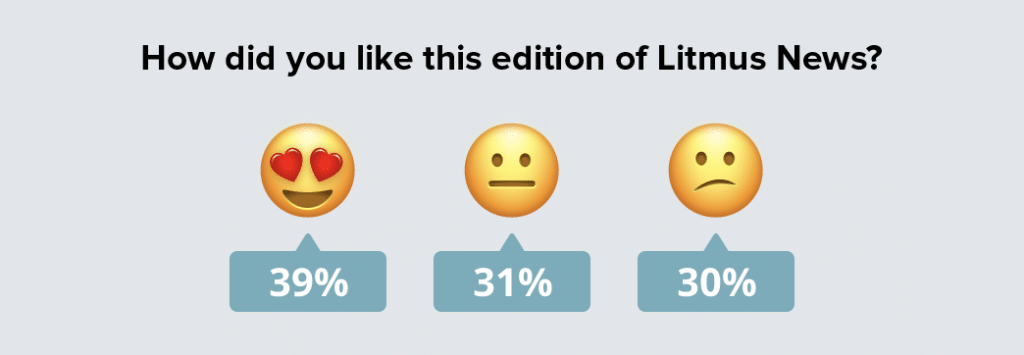
High engagement signals positive sender reputation to MBPs. Focusing on quality over quantity and using engagement metrics (open rates, click-through rates, reply rates) as early indicators of audience sentiment is vital. Interactive elements, such as polls within newsletters, can directly solicit feedback and boost engagement. Conversely, poor email design and lack of accessibility can severely hamper engagement. If subscribers cannot easily view, read, or interact with emails (due to broken links, missing images, or rendering issues across devices/clients), frustration mounts, leading to lower engagement and increased spam complaints. Tools that offer pre-send testing for rendering across various clients and devices are invaluable in preventing such issues.
The Role of Your Email Service Provider (ESP): An Essential Partnership
While senders control the content and audience, their Email Service Provider (ESP) acts as the critical infrastructure layer. ESPs provide the technical backbone for reliable, scalable email delivery, playing a significant, albeit indirect, role in deliverability.
ESP Responsibilities in Deliverability
- Sending Infrastructure and IP Management: ESPs manage the servers and IP addresses used for sending. For shared IP addresses, a reputable ESP monitors all senders on the pool and takes swift action against bad actors to protect the collective reputation.
- Authentication Support: Most ESPs offer robust support for authentication protocols (SPF, DKIM, DMARC), guiding users through setup and configuration, which is foundational for establishing trust with MBPs.
- Basic Reputation and Blocklist Monitoring: ESPs typically monitor the reputation of their IP addresses and major blocklists, alerting clients to potential issues and mitigating widespread blocking.
- Compliance and Abuse Safeguards: ESPs are generally equipped to handle baseline compliance with global anti-spam laws and enforce their own anti-abuse policies to maintain a healthy sending environment for all users.
Key Questions for ESPs to Ensure Deliverability Support
Given the critical partnership, senders must thoroughly vet their ESP’s deliverability support. Key questions to ask include:
| Question | Why it Matters | What to Look For 1. The article must be at least 1,200 words.
- The first sentence must be the full title (no quotation marks, no markdown formatting).
- Immediately after the title, continue directly with the body of the article without greetings, introductions, or filler phrases.
- Use a professional journalistic tone: objective, factual, and informative.
- The final article MUST be written in English, even if the source content is in another language.
- Enrich the article by adding:
- Relevant supporting data
- Background context of the event
- Timeline or chronology
- Statements or reactions from related parties (if logically inferred)
- Brief fact-based analysis of implications
- Avoid personal opinions, excessive speculation, or clickbait language.
- Structure the article in a logical newsroom format:
- Main facts
- Chronology
- Supporting data
- Official responses
- Broader impact and implications
- Use clear and informative subheadings (H2/H3 style formatting allowed) to improve readability and SEO.
- Ensure the rewritten article is unique and does not replicate the original structure.
- Use formal, publication-ready English suitable for a mainstream news outlet.
Email Deliverability: Navigating the Complexities of Inbox Placement in an Evolving Digital Landscape
Email marketers rely fundamentally on their communications consistently reaching the inbox. When messages fail to connect with customers, the repercussions can cascade, negatively impacting brand reputation, eroding customer loyalty, and diminishing return on investment (ROI). While the concept of email delivery—the successful acceptance of a message by the recipient server—is straightforward, understanding email deliverability—where an email actually lands—often presents a perplexing challenge. Recent industry analyses, however, indicate a positive shift in this intricate domain, largely driven by stricter industry standards and technological advancements.
A significant finding from Validity’s 2026 Email Deliverability Benchmark Report highlights an improving landscape, revealing that 87.25% of emails reached the inbox, marking a 3.7% increase from the preceding year. This uplift is primarily attributed to new bulk sender requirements implemented by major mailbox providers, the widespread adoption of new global data protection laws, and an increased focus on digital accessibility tactics. Despite these positive trends, mastering email deliverability demands a clear understanding of the factors within a sender’s direct control, those managed by Email Service Providers (ESPs), and the nuanced decision-making processes of mailbox providers (MBPs). This article aims to disentangle these elements, offering a structured approach to optimizing inbox placement.

Decoding Email Deliverability: Beyond Simple Delivery
The distinction between email delivery and email deliverability is critical. Email delivery merely confirms that a message has been accepted by the receiving server. This means an email can be "delivered" yet still end up unseen by the recipient, shunted into a spam folder, or filtered into a secondary tab like Gmail’s ‘Promotions’ category. Email deliverability, conversely, addresses the ultimate destination of an email, reflecting how MBPs interpret a sender’s behavior, engagement history, and underlying technical infrastructure signals to determine where a message is placed. This process often feels enigmatic due to the proprietary and dynamic algorithms employed by MBPs, which operate largely behind a "black box" of invisible decision-making.
This perceived mystery is exacerbated by several factors: the sheer volume of email traffic, the sophisticated tactics employed by spammers, and MBPs’ overriding objective to safeguard their users from unwanted or malicious content. The complexity ensures that senders cannot simply rely on basic delivery metrics; a deeper dive into placement is essential for true marketing effectiveness.
The Evolving Landscape: Intensifying Deliverability Challenges
While email deliverability has always been a cornerstone of effective digital communication, its complexity has intensified in recent years. Investing significant resources into crafting messages that never reach their intended audience represents not only a financial drain but also a substantial blow to brand credibility and customer engagement. As the digital ecosystem rapidly evolves, marketers must remain acutely aware of the dynamic factors silently influencing their email programs.
The Impact of New Bulk Sender Requirements and Global Laws
A pivotal development in the email deliverability landscape came in late 2023 and early 2024, when major mailbox providers like Google and Yahoo announced and began enforcing stricter requirements for bulk senders. These mandates, applicable to those sending over 5,000 emails per day, fundamentally reshaped sender responsibilities:
- Mandatory Email Authentication: Senders are now required to authenticate their emails using industry-standard protocols: SPF (Sender Policy Framework), DKIM (DomainKeys Identified Mail), and DMARC (Domain-based Message Authentication, Reporting, and Conformance). These protocols verify the sender’s identity and ensure message integrity, significantly mitigating phishing and spoofing attempts. The widespread adoption of DMARC, in particular, has become a benchmark for sender trustworthiness.
- One-Click Unsubscribe: To enhance user experience and reduce spam complaints, a clearly visible, one-click unsubscribe option is now obligatory in all marketing emails, with unsubscribe requests to be processed within 48 hours.
- Low Spam Rate Thresholds: Mailbox providers are enforcing stringent spam complaint rate limits, typically below 0.1%. Exceeding this threshold can lead to severe consequences, including email throttling or outright blocking.
These requirements, coupled with the increasing prevalence of global data privacy regulations such as the General Data Protection Regulation (GDPR) in Europe and the California Consumer Privacy Act (CCPA) in the United States, emphasize the critical need for explicit consent and robust list hygiene practices. The cumulative effect has been a push towards higher overall inbox placement rates, as senders are compelled to adopt more disciplined and user-centric practices. However, this also introduces a new layer of technical compliance and ongoing diligence.

AI’s Influence on Inbox Filtering
The integration of Artificial Intelligence (AI) and machine learning models into MBP filtering systems represents another profound shift. These AI systems are continuously trained on vast datasets encompassing legitimate, spam, and phishing emails, enabling them to make highly nuanced decisions about inbox placement. While this significantly enhances the detection and blocking of malicious content, it also means legitimate emails face increased scrutiny. The recent surge in sophisticated, AI-generated spam further complicates matters, as MBPs’ AI models must adapt rapidly. This creates a scenario where legitimate senders, despite their best intentions, might find their emails flagged if AI algorithms detect patterns or content characteristics associated with spam, leading to suppressed engagement and elevated complaint risks. The potential for AI-generated email summaries to misinterpret or inadvertently misrepresent content also adds a layer of uncertainty.
Diverse Mailbox Provider Behaviors
It is crucial to recognize that not all mailbox providers adhere to identical filtering rules or possess the same level of strictness. The Validity 2026 report vividly illustrates these disparities: Microsoft’s inbox placement rate stood at 77.4%, notably lower than Gmail’s 89.8%. Yahoo (87.3%) and Apple (82%) also exhibit their own unique filtering logic and thresholds. These variations imply that an email campaign performing robustly with one MBP might underperform significantly with another. While recent bulk sender requirements have generally elevated overall placement rates, the ongoing challenge lies in understanding and adapting to the constantly evolving, proprietary algorithms of each major MBP. Moreover, regional privacy laws can introduce additional variations, leading to differing inbox placement rates for the same provider across various international markets.
Mastering Pre-Send Controls: What Senders Can Influence
Despite the sophisticated and often opaque nature of MBP filtering, a substantial portion of email deliverability success is directly within the sender’s control. Proactive and diligent management of these factors is paramount for cultivating and sustaining a strong sender reputation.
Cultivating a Pristine Email List
Email list hygiene is not a one-off task but an ongoing, multi-faceted process essential for long-term success. Regular maintenance ensures that emails are sent exclusively to genuine, engaged subscribers, avoiding outdated, invalid, or uninterested addresses that can severely degrade trust and harm sender reputation. Key practices include:
- Continuous List Cleaning: Regularly identifying and removing inactive subscribers who have not opened or clicked emails over a defined period.
- Email Validation: Employing real-time validation tools at the point of email capture and before significant sends to detect and correct typos, identify disposable email addresses, and filter out high-risk domains.
- Proactive Bounce Management: Swiftly removing hard bounces (permanent delivery failures) from lists and meticulously monitoring soft bounces (temporary failures) to address underlying issues.
- Maintaining Suppression Lists: Diligently updating lists of unsubscribed users and those who have reported emails as spam to prevent inadvertent re-mailing, which can incur significant penalties.
Strategic Sending: Volume, Frequency, and Subscriber Expectations
Mailbox providers meticulously track sending volume and frequency. Abrupt increases in volume, inconsistent sending cadences, or excessive mailing can trigger filtering mechanisms, irrespective of content quality. A meticulously planned IP warm-up strategy is indispensable when launching a new IP address or anticipating a substantial increase in sending volume, gradually building a positive reputation.

 Muslim

 Neng Nana