rifanmuazin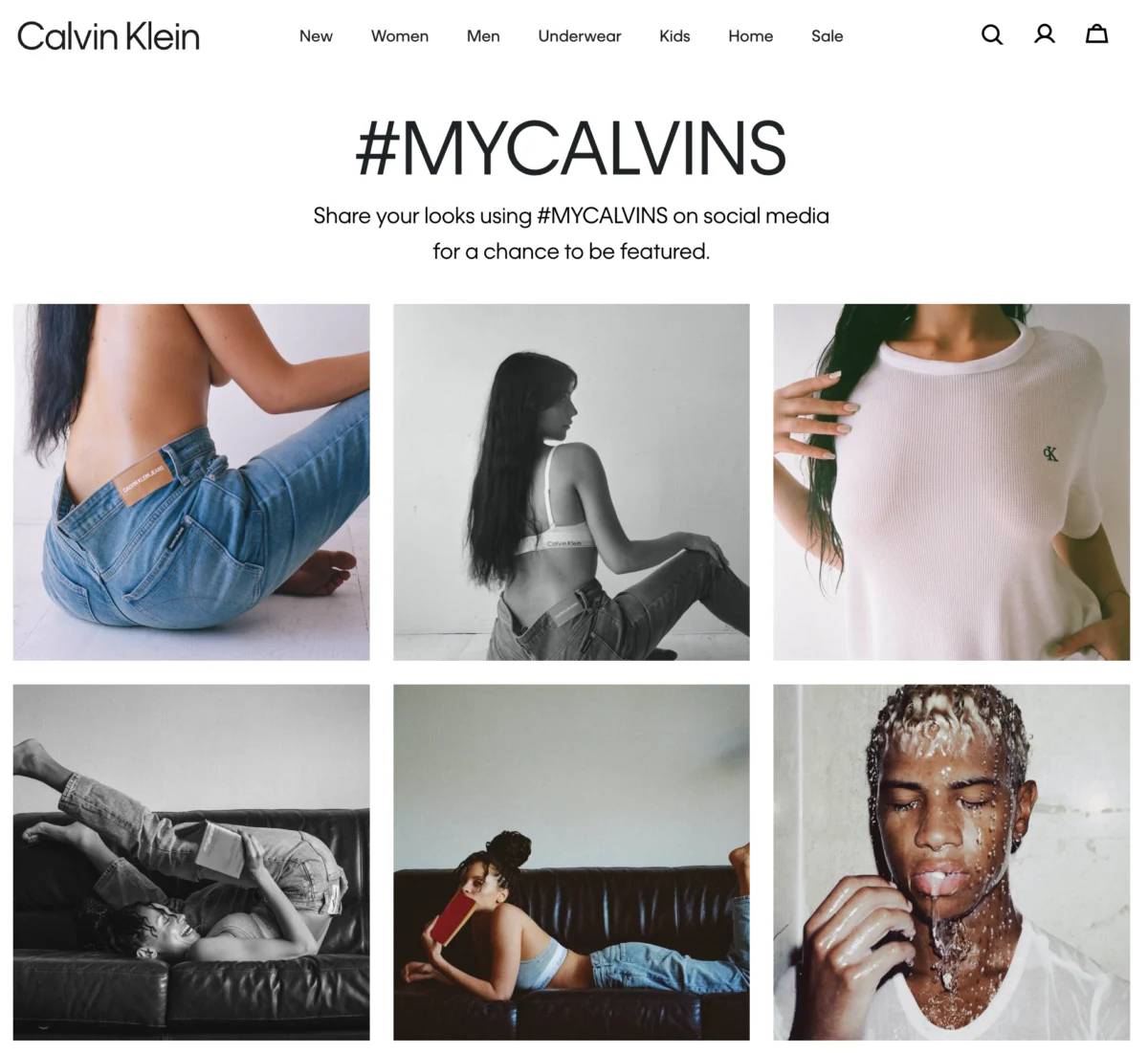
User-generated content (UGC), encompassing images, reviews, videos, and testimonials created by actual customers and fans, has emerged as a cornerstone of modern digital marketing strategy, providing invaluable social proof and authenticity crucial for cultivating trust with new audiences and deepening loyalty among existing ones. This dynamic form of content, ranging from a casual photo tagged on Instagram to a detailed product review on TikTok, stands out for its ease of creation by consumers, its cost-effectiveness for brands to amplify, and its proven efficacy in influencing purchasing decisions. This comprehensive guide delves into the essence of UGC, exploring its various forms, its profound importance in today’s competitive market, and best practices for leveraging it to build trust, significantly boost engagement, and ultimately drive higher conversion rates.

Understanding User-Generated Content: A Definitive Overview
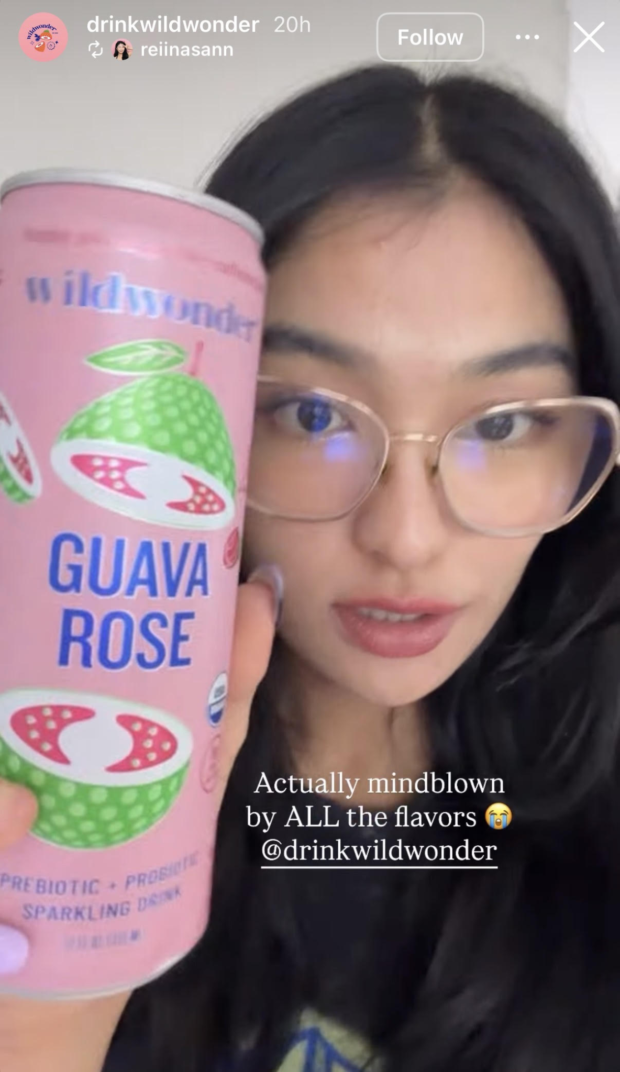
At its core, User-Generated Content (UGC) is original, brand-specific material crafted by genuine customers and enthusiasts rather than by the brand itself. This organic endorsement can manifest across a multitude of formats, including compelling videos, vibrant images, detailed product reviews, heartfelt testimonials, and even engaging podcasts. The versatility of UGC allows it to permeate various digital landscapes: a brand’s proprietary social media channels, independent third-party review platforms such as Google and G2, or directly on customers’ personal social profiles. A classic illustration of UGC in action involves a satisfied customer posting about a product, which the brand then strategically reshapes, effectively transforming an individual’s positive experience into a potent marketing asset. For instance, beverage brand Wildwonder regularly amplifies Instagram Stories from creators praising their unique flavors, seamlessly integrating genuine customer experiences into their promotional efforts.

The Evolution and Impact of User-Generated Content
The rise of user-generated content is intrinsically linked to the broader evolution of the digital landscape and shifts in consumer behavior over the past two decades. Initially, word-of-mouth marketing was limited to immediate social circles. With the advent of the internet and subsequently social media platforms in the early 2000s, the scope of personal recommendations expanded exponentially. Early forms of UGC included forum discussions and nascent online reviews. However, the proliferation of platforms like Facebook, YouTube, Instagram, and TikTok democratized content creation, empowering everyday users to share their experiences visually and instantaneously. This shift coincided with a growing skepticism towards traditional advertising, as consumers became more discerning and sought authenticity. Data from Nielsen consistently shows that consumers increasingly trust recommendations from people they know, and, notably, online reviews from other consumers, over traditional brand advertising. This erosion of trust in conventional marketing channels paved the way for UGC to become a powerful, credible alternative.
Types of User-Generated Content: Organic vs. Paid Approaches
User-generated content primarily falls into two distinct categories: organic and paid. While both can appear as customer reviews, photographs, videos, social media posts, or blog entries, the fundamental distinction lies in the exchange of monetary compensation.

Organic UGC: The Unfiltered Voice of the Consumer
Organic UGC represents content spontaneously shared by actual customers without any financial incentive or direct request from the brand. This is universally regarded as the most authentic form of UGC, and it is what every brand aspires to cultivate.
- Reviews and Testimonials: These are perennial forms of UGC, serving as robust social proof across websites and social channels. Many brands ingeniously transform glowing testimonials into branded graphics for social media, maximizing the value of a single positive review. Haircare brand Living Proof, for example, frequently creates Instagram carousels featuring real customer feedback, turning genuine praise into visually appealing marketing collateral.
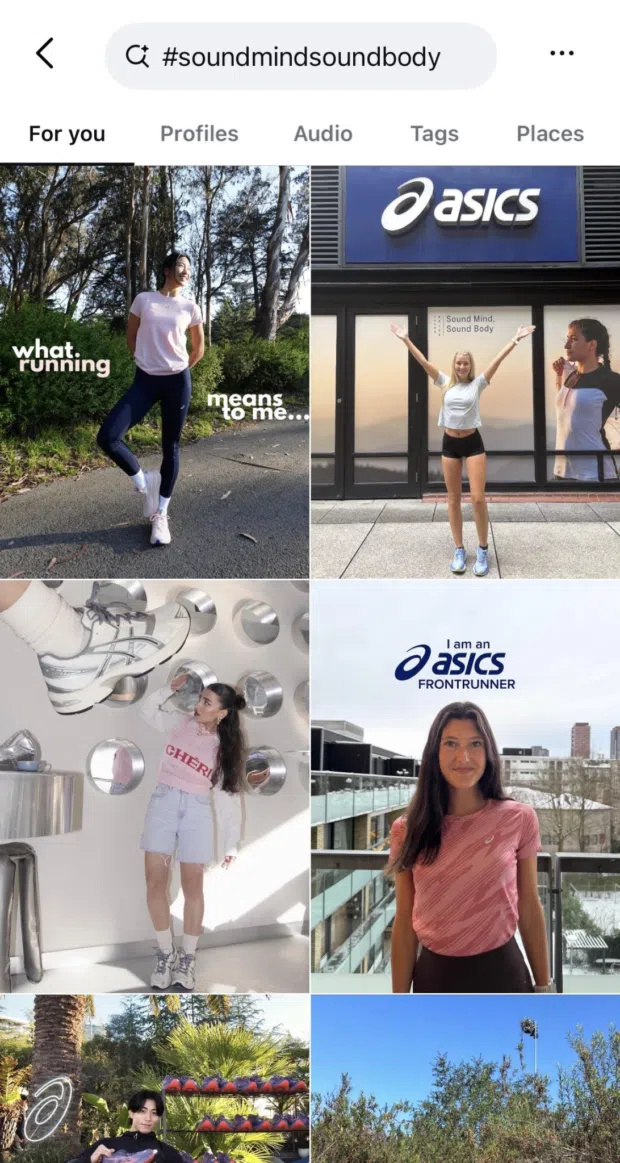
- Photos: Among the most prevalent types of UGC, photos capture customers interacting with or showcasing products in their everyday lives. Brands often encourage this by promoting niche or branded hashtags, simplifying the discovery and subsequent resharing of these posts. Footwear giant Asics effectively uses #soundmindsoundbody, amassing thousands of community-generated photos that serve both as content and a foundation for community building.
- Videos: Social media videos and YouTube content are invaluable sources of UGC. Unboxing videos, product hauls, and tutorials featuring multiple brands are common. Brands can, with explicit permission, extract relevant clips for use on their own channels.
- Social Media Posts: Even brief, positive mentions of a brand warrant resharing. This can involve direct reposts on platforms like X or TikTok, or converting screenshots into graphics for Instagram and LinkedIn.
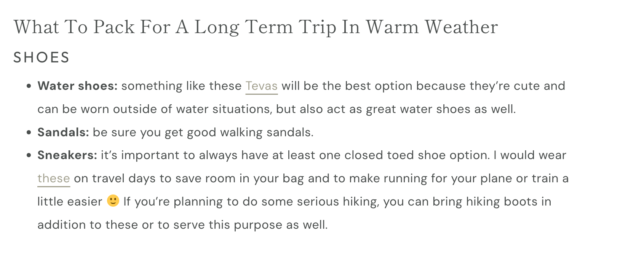
- Blog Posts: Bloggers frequently feature brands, whether through comprehensive reviews or brief mentions in larger roundups. A compelling quote can be extracted and shared on social media or a brand’s website to broaden its reach. Travel blogger Nikki on Her Way, for instance, provides an unprompted endorsement of Tevas as ideal water shoes in her packing guide—a prime example of content Teva could repurpose.
Paid UGC: Strategic Content Generation
Paid UGC involves content created by individuals specifically hired by a brand to discuss or feature its products. This approach is particularly favored by newer brands still building an organic customer base. It’s crucial to differentiate UGC creators from traditional influencers: UGC creators focus on producing content for the brand to use on its own channels, rather than primarily promoting to their personal audience. Brands can engage UGC creators through platforms like Fiverr or Upwork, or they may be approached directly by creators who are already fans. Following an agreement, brands acquire the rights to deploy this content across their website and social media platforms. A critical best practice for paid UGC is full transparency; platforms like Instagram mandate clear labeling of commercial content. Paid UGC effectively bridges content gaps while a brand’s organic UGC ecosystem matures.
The Unparalleled Importance of User-Generated Content
UGC is unequivocally one of the most potent marketing instruments available, primarily because it builds trust more rapidly and cost-effectively than conventional advertising. The authentic voice of real customers resonates far more powerfully than polished corporate campaigns.
- Showcasing Authenticity: UGC stands as the epitome of authentic marketing content. Modern consumers are increasingly sophisticated, readily identifying highly produced advertisements. Research consistently demonstrates the influence of user reviews; studies by Bazaarvoice reveal that nearly half (47%) of shoppers cite user reviews on retailer websites as the most influential content when researching products online, significantly outranking brand-generated social content (11%) and influencer posts (10%). Falsifying UGC is a perilous endeavor, as audiences quickly detect inauthenticity, leading to irreversible damage to brand reputation. UGC, in essence, is the modern iteration of word-of-mouth marketing, with consumers trusting peer recommendations over any advertisement.
- Fostering Brand Loyalty and Community: UGC cultivates brand loyalty by integrating customers into a narrative larger than a mere transaction. When individuals create content about a brand, they become active participants in its community. This engagement initiates a vital two-way dialogue between the brand and its customers, fostering deeper relationships and stimulating repeat business. Lego’s "Lego Ideas" community exemplifies this, with millions of fans submitting and voting on future product concepts. This ingenious strategy provides Lego with invaluable product research while empowering fans as co-creators.
- Providing Indispensable Social Proof: In an oversaturated online marketplace, establishing trust is paramount. Social proof can be the decisive factor for new customers. Data from Northwestern University’s Spiegel Research Center indicates that products with as few as five reviews are 270% more likely to be purchased than those with none. This validation is critical for converting potential customers in a noisy digital environment.
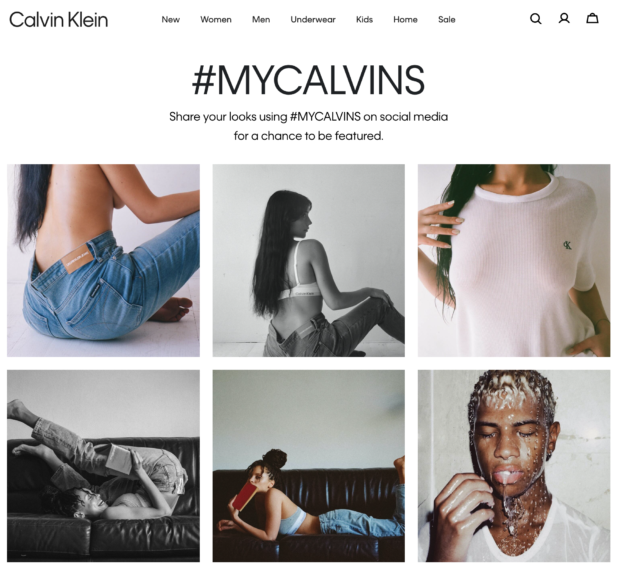
- Versatile Content Curation Across Channels: UGC transcends social media feeds, proving effective across nearly all marketing channels. It can populate product pages on e-commerce sites, enrich email marketing campaigns, strengthen paid social advertisements, and provide authentic visuals for landing pages. Calvin Klein’s #MyCalvins campaign, for instance, showcases real individuals styling their Calvin’s, offering a more genuine representation than purely editorial photography and significantly impacting purchasing confidence.
- Maintaining Cost Efficiency: UGC is among the most cost-effective marketing strategies. While influencer marketing can range from $20 to $50,000 per post, encouraging customers to share content about a product incurs minimal cost. This makes UGC particularly advantageous for smaller brands or teams operating with limited advertising budgets, offering authentic content, expanded reach, and enhanced audience connection without the expense of agency fees or large-scale production campaigns.
Illustrative Examples of Successful UGC Strategies
Examining successful UGC initiatives offers practical insights for implementation:

- GoPro: The action camera giant GoPro masterfully leverages UGC to fuel its YouTube channel. Its top three most popular videos, collectively amassing over 429 million views as of April 2026, were all originally filmed by customers. This content, costing GoPro nothing to produce, underscores the immense value of user submissions. GoPro actively encourages this by hosting awards shows and daily photo challenges, inspiring a continuous stream of creative content from its user base.
- Lululemon: The Canadian athleisure brand Lululemon effectively expanded its social media reach by inviting followers to share photos in Lululemon attire using #thesweatlife. This initiative not only generated a rich repository of UGC for repurposing but also organically amplified brand awareness through its network of brand ambassadors.
- LaCroix: Sparkling water brand LaCroix adopts a distinctive UGC strategy, regularly reposting content from everyday creators irrespective of their follower count. This approach cultivates a sense of accessibility, as audiences witness relatable individuals genuinely enjoying the product, thereby enhancing brand appeal and relatability.
- Well Traveled: As a community-driven travel brand, Well Traveled relies heavily on member-generated content to highlight its platform, property partners, and exclusive benefits. Laura DeGomez, Director of Partnerships & Brand Marketing, emphasizes that "No one tells our story better than our members," illustrating how member experiences are paramount for marketing and retention in a highly visual industry.
- Edloe Finch: The boutique furniture brand Edloe Finch intelligently integrates UGC through its #EdloeFinch hashtag and by allowing direct customer photo submissions on its website. These customer photos are displayed alongside professional shots on product pages, providing crucial social proof for online furniture purchases, which inherently carry a higher perceived risk due to the inability to physically inspect items.
Best Practices for Ethical and Effective UGC Implementation
While user-generated content offers substantial benefits, its deployment necessitates adherence to ethical guidelines and strategic best practices to maintain brand integrity and foster strong creator relationships.
- Always Request Permission: Obtaining explicit permission before republishing or reusing customer content is non-negotiable and forms the bedrock of ethical UGC practices. Many users may employ branded hashtags without realizing their content could be repurposed. Sharing their content without explicit consent can severely damage goodwill with brand advocates and lead to legal complications regarding copyright. Seeking permission not only demonstrates appreciation for their work but also genuinely excites creators about being featured.
- Credit the Original Creator: Providing clear attribution to the original content creator is essential. This involves directly tagging them in the post and specifying whether their visuals, text, or both are being utilized. For instance, fashion brand Reformation consistently tags content creators in its Instagram posts. When cross-posting across platforms, verify the creator’s preferred crediting method for each channel. Proper attribution reinforces the value placed on creators’ contributions and helps audiences recognize the content as authentic social proof.
- Specify Desired UGC Content: Brands should articulate precisely the type of content they wish to receive. UGC creators are often eager to be featured and can only deliver effectively if given clear guidelines. Specificity in requests ensures that generated content aligns with brand aesthetics and marketing objectives. Dove’s "Project #ShowUs" campaign, for example, explicitly sought images of women and non-binary individuals "as they are, not as others believe they should be," a clear directive that led to numerous accolades and significant brand goodwill.
- Align UGC with Marketing Goals: Before soliciting UGC, it is crucial to ensure that it directly supports broader marketing objectives. While aesthetically pleasing posts are welcome, their ultimate value lies in their ability to advance tangible business outcomes. Integrating UGC into an existing social media strategy requires defining how this content will contribute to key performance indicators (KPIs) such as brand awareness, engagement, lead generation, or conversions. Once the "ask" is defined, it should be prominently displayed across all relevant audience touchpoints: social media bios, website calls-to-action, product packaging, and email signatures. This strategic alignment ensures that UGC efforts are purposeful and measurable.
Matching UGC and Social Media Goals for Enhanced Business Outcomes
An effective UGC strategy extends beyond merely understanding content types; it demands a precise alignment of UGC campaigns with overarching social media objectives. Whether the goal is to amplify brand awareness, drive conversions, or both, strategic integration is key. Measuring the success of UGC initiatives requires robust analytical tools. Platforms like Hootsuite Analytics or Hootsuite Listening provide invaluable insights into how customer-created content influences brand sentiment, trust metrics, engagement rates (likes, shares, comments), and conversion rates on pages featuring UGC. This data-driven approach allows businesses to optimize their marketing efforts and directly link UGC performance to broader business goals such as increased traffic, sales, and enhanced brand perception.

The Future of UGC: Opportunities and Challenges
The relevance of user-generated content is set to grow further in an increasingly digital and AI-driven world. As consumers continue to prioritize authenticity, UGC will remain a vital tool for building genuine connections. However, brands must also navigate emerging challenges. The proliferation of deepfakes and AI-generated content necessitates heightened vigilance in verifying the authenticity of UGC. Ethical considerations around data privacy, content ownership, and fair compensation for creators will also become more prominent. Brands that proactively address these challenges while maintaining transparent and respectful relationships with their community of creators will be best positioned to harness the enduring power of UGC.

In conclusion, user-generated content is not merely a trend but a fundamental shift in marketing paradigms. By leveraging the authentic voices of their customers, brands can cultivate unparalleled trust, ignite vibrant communities, and drive substantial business growth in a landscape where genuine connection is the ultimate currency.