Neng Nana
Email marketing campaigns celebrating customer birthdays represent a significant, yet often underutilized, strategic touchpoint for brands worldwide. While the digital landscape is saturated with promotional content, a well-executed birthday email stands out, offering a unique opportunity to forge deeper customer connections, drive engagement, and generate substantial revenue. However, a recent analysis highlights a startling inefficiency: a vast majority of collected birth date data goes unused, revealing a critical gap in customer relationship management that could be costing companies billions in potential lifetime value.
The Dual Birthday Phenomenon: A Personal Case Study in Missed Opportunities
The concept of having two birthdays might seem peculiar, akin to the British monarch’s official and actual birth dates. For many consumers, this mirrors their digital existence: a genuine birth date and an "email birthday" — a date often provided when signing up for new email programs. A recent personal experiment conducted by a marketing expert revealed the stark reality of this phenomenon. Upon celebrating an "email birthday," the individual received over fifty distinct "happy birthday" emails from various global brands. While some messages genuinely resonated, others were clearly generic, prompting questions about the efficacy and intentionality behind such communications. This personal experience serves as a microcosm of the broader landscape, illustrating both the immense potential and the pervasive shortcomings of current birthday email strategies. It underscores the importance of this specific customer journey touchpoint, not merely as a courtesy, but as a critical element deserving a starring role in a brand’s engagement strategy.
The Mutual Benefits of Birthday Data: Driving Value for Brands and Consumers
The collection of a customer’s date of birth is more than just a data point; it’s a powerful piece of personal information that, when leveraged judiciously, creates a win-win scenario for both brands and consumers. For brands, this data is instrumental in enhancing life-stage segmentation and personalization efforts. Knowing a customer’s age allows for more relevant product recommendations, tailored content, and offers that align with their likely life stage, from student discounts to retirement planning services. Furthermore, birthday data aids in predictive analytics, helping marketers anticipate future purchasing behaviors and preferences. Statistically, birthday messages consistently outperform generic marketing campaigns in terms of open rates and click-through rates, demonstrating their inherent ability to capture attention and prompt action.
For consumers, the allure of birthday rewards is palpable. These can range from exclusive discounts and complimentary products to bonus loyalty points or even access to age-restricted benefits. Such offerings are genuinely anticipated and appreciated, transforming a routine email into a delightful surprise. Beyond the tangible benefits, there’s a profound psychological element: the simple pleasure of feeling acknowledged, known, and valued by a brand. Birthday marketing, when done correctly, is inherently personal, fostering an emotional connection that strengthens brand loyalty and advocacy over time. It transitions the customer-brand relationship from transactional to relational, cultivating a sense of belonging and appreciation.
The Alarming Gap: Data Collection Versus Activation
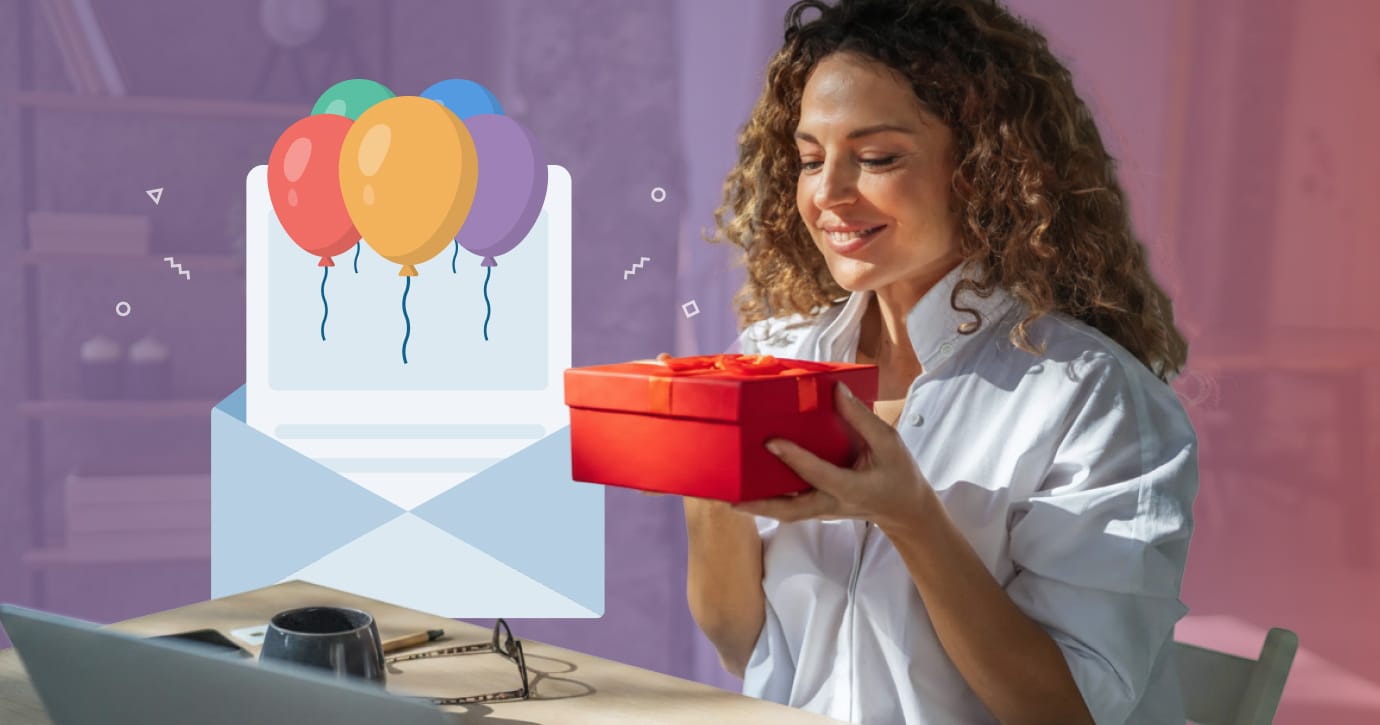
Despite the clear advantages, a significant disconnect exists between data collection and its effective utilization. Industry data from Validity reveals a concerning trend: "use it or lose it" aptly describes the current state of birthday marketing. The aforementioned marketing expert, who consistently provides their date of birth when prompted by new brands, should have triggered 124 birthday emails in the current year based on their sign-ups. Shockingly, only 43 of these emails arrived, representing a mere 35% activation rate. This statistic is alarming, highlighting a systemic failure among brands to capitalize on valuable, self-provided customer data. The implication is clear: collecting sensitive personal information like a date of birth without actively using it not only represents a missed marketing opportunity but can also erode customer trust. Consumers expect that if they share their data, it will be used to enhance their experience, not simply stored dormant in a database. This underutilization points to potential issues in data management, marketing automation setup, or a lack of strategic prioritization, all of which contribute to a suboptimal customer journey and tangible financial losses.
Anatomy of a Birthday Offer: Deconstructing Effective and Ineffective Tactics
Birthday email campaigns typically fall into several distinct categories, each with varying degrees of success and perceived value. Understanding these tactics is crucial for brands seeking to optimize their celebratory outreach.
-
Thoughtful Gestures vs. Tangible Rewards: Some premium brands, particularly those catering to high-net-worth clientele, often opt for more subtle "thoughtful gestures" rather than direct discounts or freebies. The underlying assumption is that these customers are not primarily motivated by discounts, and "it’s the thought that counts." These gestures might include exclusive content, early access to new collections, or personalized styling advice. However, a less effective variant of this tactic involves merely suggesting customers buy more products to celebrate their birthday, which can feel disingenuous and self-serving rather than celebratory. While the intent might be to inspire self-gifting, it often misses the mark of a genuine birthday treat. The key differentiator here is whether the gesture truly adds value or simply serves as a thinly veiled sales pitch.
-
The Power of the Discount: Generosity and Conditions: By far the most common birthday tactic is the discount offer. These typically come with a minimum spend requirement but often lack an upper limit, encouraging larger purchases. While a discount is generally appreciated, its effectiveness hinges on its generosity. A token 5% or 10% discount, especially with a high minimum spend, can feel like a meager offering that fails to convey genuine appreciation. Industry benchmarks suggest that discounts of 15% to 25% are often perceived as more substantial and are more likely to drive conversions. Brands must carefully balance their profit margins with the desire to make the offer feel genuinely valuable, ensuring the discount doesn’t feel like a mere formality but a meaningful incentive.
-
Beyond the Cake: Freebies and Perceived Value: Many restaurant brands skillfully employ the "free birthday dessert" tactic, often with the condition of purchasing an entrée. While seemingly a small gesture, its perceived value can be high. An analysis of average entrée and dessert prices reveals the effective discount consumers receive:
- Seasons 52: Avg. Entrée $28, Avg. Dessert $4-$9, Effective Discount 12%-24%
- Olive Garden: Avg. Entrée $18.50, Avg. Dessert $12, Effective Discount ~39%
- Yard House: Avg. Entrée $21, Avg. Dessert $10, Effective Discount ~32%
- Cheddar’s: Avg. Entrée $18, Avg. Dessert $7.50, Effective Discount ~29%
- LongHorn Steakhouse: Avg. Entrée $26, Avg. Dessert $11, Effective Discount ~30%
- Applebee’s: Avg. Entrée $17, Avg. Dessert $6, Effective Discount ~26%
Viewed through this lens, the average discount hovers around a healthy 30%, with Olive Garden standing out at nearly 39%, making it an attractive choice for a birthday celebration. This strategy effectively drives foot traffic and ensures a larger overall spend, making the "free" dessert a smart business move. Beyond restaurants, other sectors like beauty (free sample with purchase) or coffee shops (free drink) leverage similar models.
-
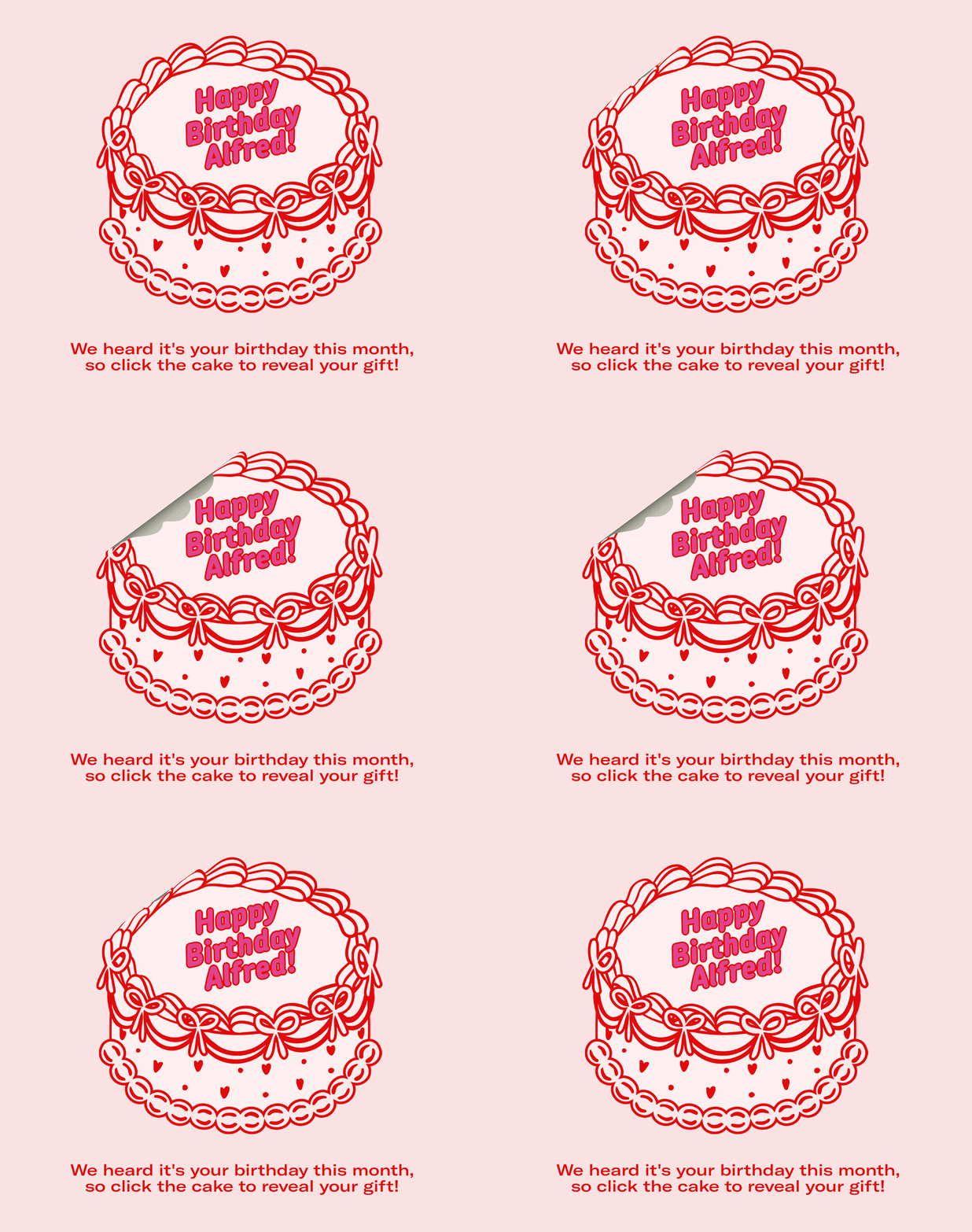
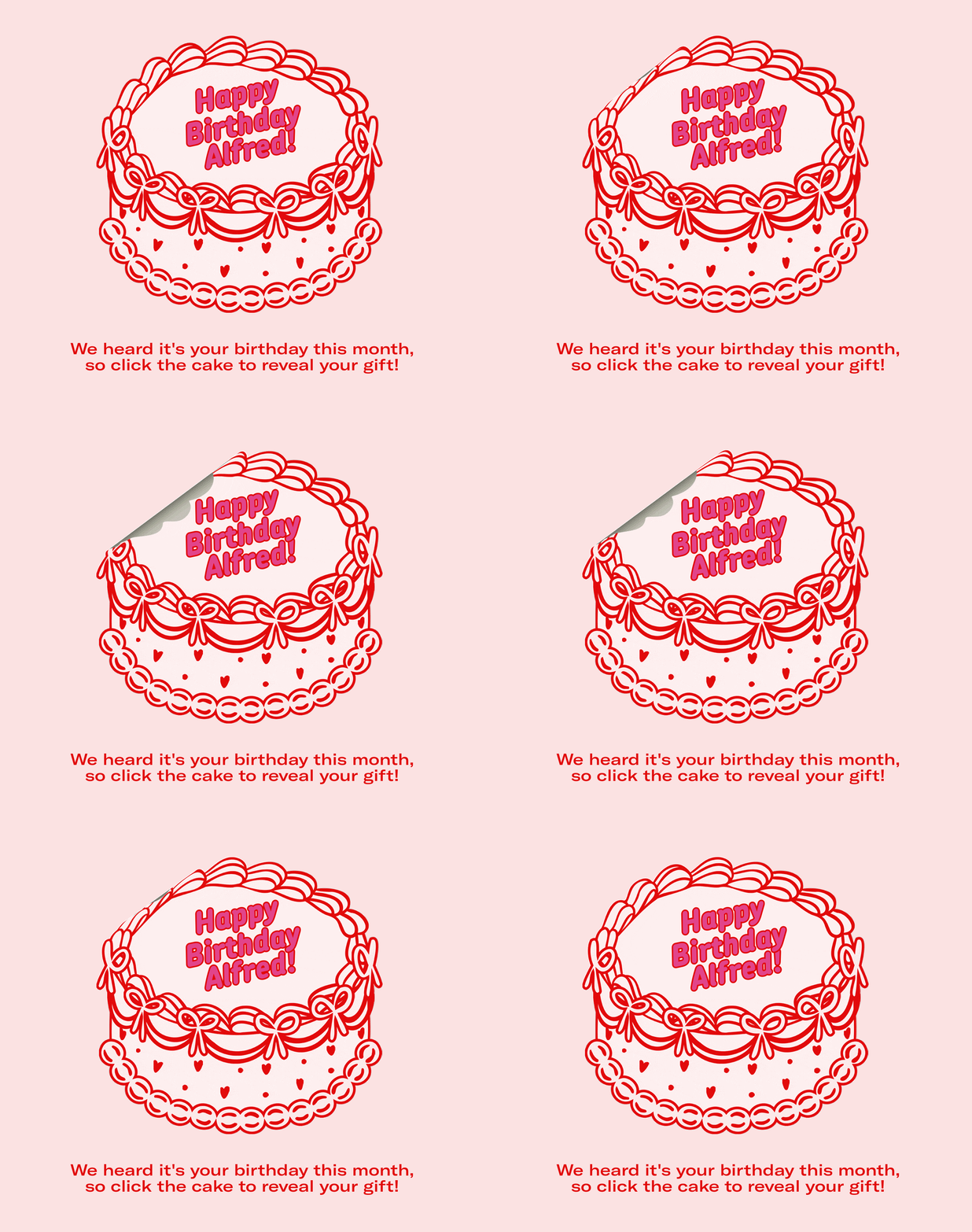
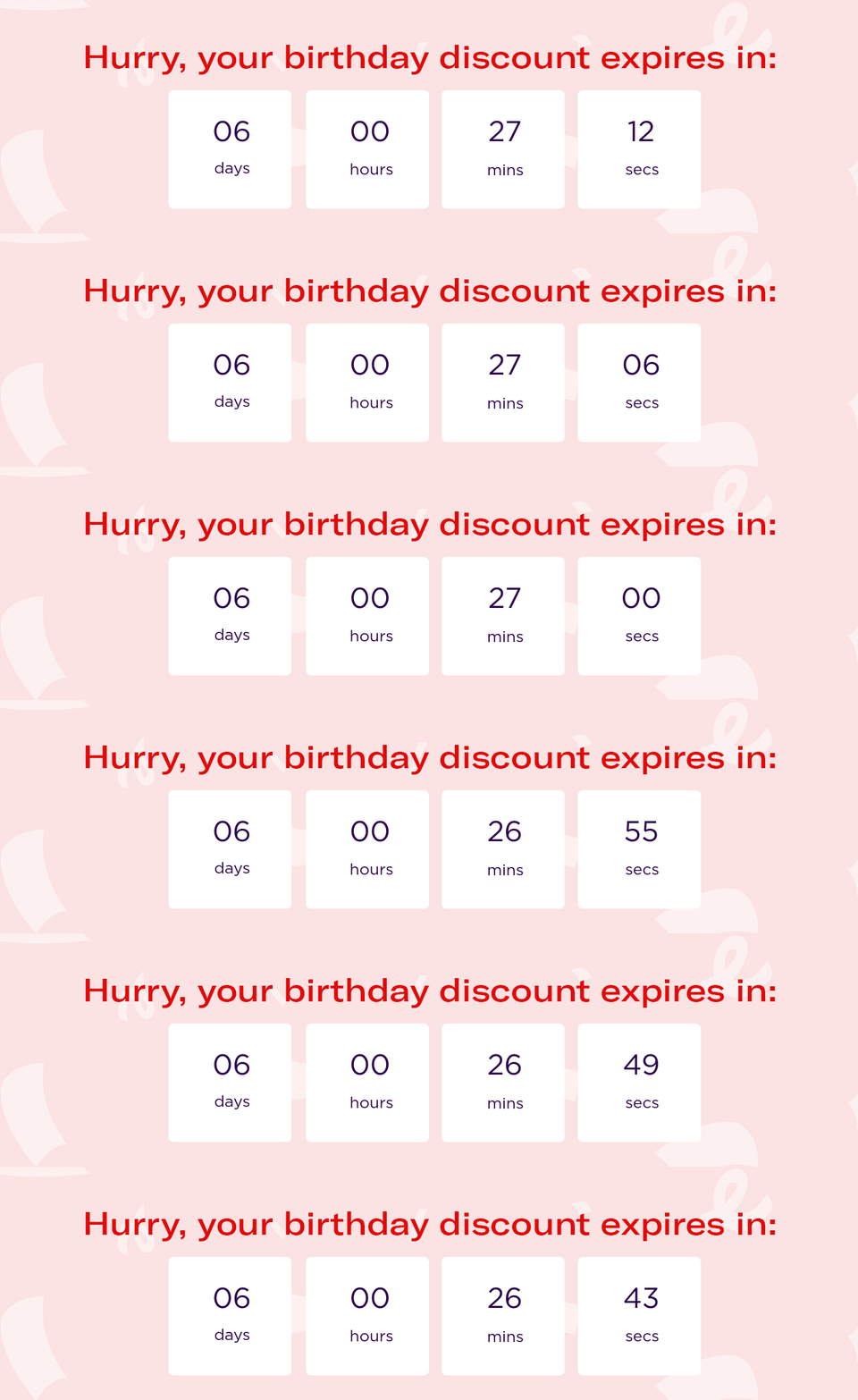
Strategic Sequencing and Interactive Engagement: The timing and presentation of birthday offers significantly impact their redemption rates. Most brands provide a redemption window, typically 30 days, recognizing that customers may not act immediately on their birthday. However, the most effective campaigns transform this into a multi-stage sequence. Brands like Calvin Klein exemplify this by sending an advance warning, an on-the-day message, and a follow-up reminder. This strategic cadence maximizes visibility and increases the likelihood of the gift being redeemed. Furthermore, integrating animation and dynamic content can dramatically boost engagement. Surprisingly, few senders utilize these features, despite birthdays being a perfect occasion for flickering candles, celebratory confetti, or "open your present" interactive elements. Virgin Australia masterfully employs this: their on-the-day email features an animated cake that reveals the discount, while a follow-up message uses a countdown timer to inject urgency, creating a sense of excitement and encouraging prompt action. Such interactive elements not only delight the customer but also drive higher conversion rates.
The gold standard in birthday generosity, according to the personal experiment, was Burger King, which simply offered "Enjoy a free bday Whopper." No minimum spend, no conditions – just a genuinely free burger on a special day. This direct, no-strings-attached approach stands out amid a sea of conditional offers, fostering true goodwill and making the customer feel genuinely valued.
Commercial Impact: Why Investing in Birthday Emails Pays Dividends
The average discount or discount equivalent across the 50+ birthday emails received was approximately 18%. While this might seem reasonable for businesses operating on thin margins, such as restaurants with a 4% net margin, the true value of birthday campaigns lies in their investment in customer relationships and long-term profitability.
The business case for investing in active customers is robust and well-documented. Harvard Business Review research indicates that acquiring a new customer can cost five times more than retaining an existing one. Further studies by Bain & Company demonstrate that even a modest 5% boost in customer retention can lead to a staggering increase in profits, ranging from 25% to 75%. Reactivating dormant customers, while cheaper than acquisition, is still significantly more expensive than simply nurturing an ongoing, strong relationship. This highlights the preventative power of proactive engagement.
Experian’s Birthday Emails report provides compelling data, revealing that birthday emails generate 481% more transactions and 342% more revenue per email than standard promotional campaigns. This positions birthday messages as one of the highest-performing touchpoints in the entire customer lifecycle. In stark contrast, Dotdigital research on win-back emails, even those including an enticing offer, show redemption rates of just over 2%. This disparity underscores a critical economic insight: brands often allocate substantial resources to reactivate disengaged customers with aggressive 25-40% discounts, frequently with limited success. It makes far greater economic sense to invest earlier, during the birthday celebration, when customer engagement is naturally higher, the emotional connection is stronger, and the cost of the incentive is a fraction of what might be needed for a future win-back campaign. The argument for prevention, in this context, is overwhelmingly clear. By delighting customers on their birthday, brands can significantly reduce churn and foster loyalty, ultimately leading to a healthier customer lifetime value.
Crafting a High-Impact Birthday Email Strategy: Ten Key Principles
To transform birthday emails from a mere formality into a powerful driver of engagement and revenue, brands must adopt a strategic, customer-centric approach. Here are ten key principles for effective birthday email marketing:
-
Accuracy and Timeliness of Data: The foundational step is ensuring the collected birth date data is accurate and up-to-date. Implement robust data validation processes and allow customers to easily update their information. The email must arrive precisely on the birthday, or as part of a well-timed sequence leading up to it, to maximize impact. Sending an email days or weeks late diminishes its relevance and emotional resonance.
-
Irresistible Value Proposition: The birthday offer must be genuinely valuable and appealing to the recipient. Whether it’s a discount, a free product, or exclusive access, the perceived benefit should outweigh any friction in redemption. Avoid overly conditional offers that feel like hoops to jump through. Simplicity and generosity resonate most effectively.
-
Clarity and Accessibility of Redemption: Make it incredibly easy for customers to redeem their birthday gift. Clear instructions, prominent call-to-action buttons, and straightforward redemption processes (e.g., unique codes, in-store QR codes) are essential. Any confusion or complexity will lead to abandoned redemptions.
-
Hyper-Personalization Beyond the Name: While addressing the customer by name is a basic form of personalization, true impact comes from tailoring the offer based on past purchase history, browsing behavior, or stated preferences. For example, a pet store could offer a discount on dog food for a dog owner, or a clothing brand could suggest items in a customer’s preferred style.
-
Multi-Channel Harmony: Consider extending the birthday celebration beyond email. For high-value customers, a personalized SMS message, an in-app notification, or even a direct mail piece can amplify the message and create a more memorable experience. Ensure consistency across all channels.
-
Engaging Visuals and Interactivity: Leverage the celebratory nature of birthdays with dynamic content. Incorporate animated GIFs of candles, confetti, or unboxing experiences. Interactive elements, such as scratch-and-reveal discounts or countdown timers, can significantly boost engagement and create a sense of urgency and fun.
-
Mobile-First Optimization: A significant portion of emails are opened on mobile devices. Ensure birthday emails are fully responsive, load quickly, and are easy to read and interact with on smaller screens. Clunky mobile experiences will deter engagement.
-
Strategic Email Sequencing: Don’t limit the celebration to a single email. Implement a sequence that includes a pre-birthday "heads-up" email, the main birthday message on the day, and a reminder email before the offer expires. This multi-touch approach increases visibility and redemption rates.
-
Continuous A/B Testing and Refinement: Like any marketing campaign, birthday emails should be continually optimized. A/B test different subject lines, offer types, creative designs, calls-to-action, and sending times to identify what resonates most with your audience segments. Data-driven insights are crucial for improvement.
-
Transparency and Data Privacy: Reassure customers that their personal data, including their birth date, is handled securely and used only to enhance their experience. A brief, subtle mention of your commitment to data privacy can build trust and reinforce a positive brand image.
The Future of Customer Engagement: Beyond the Birthday Wish
The landscape of personalized marketing is continuously evolving, with artificial intelligence and advanced analytics poised to further refine birthday campaigns. AI can help identify optimal sending times, predict the most appealing offer for individual customers, and even generate personalized content at scale. However, the core principle remains timeless: genuine appreciation and thoughtful engagement. As consumers become increasingly discerning about how their data is used, brands that demonstrate respect and deliver tangible value through personalized outreach will build stronger, more resilient customer relationships. The long-term impact extends beyond immediate sales, fostering brand loyalty, encouraging positive word-of-mouth, and cultivating a community of advocates.
Conclusion: Maximizing the Celebratory Touchpoint
The humble birthday email, often overlooked or poorly executed, holds immense potential as a strategic cornerstone of customer engagement. By embracing best practices in data management, creative execution, and strategic sequencing, brands can transform a routine date into a powerful opportunity for connection and conversion. The commercial benefits are undeniable: higher transaction rates, increased revenue, and more robust customer retention. In a competitive marketplace where customer loyalty is paramount, getting the birthday email right creates meaningful, positive interactions that strengthen the overall brand experience. Customers may not always purchase immediately, but a well-crafted birthday gesture significantly increases their likelihood of future engagement and cements their role as loyal brand advocates. It’s time for brands to fully embrace this celebratory touchpoint and unlock its vast, untapped potential.

 Dwi Wanna
 Nila Kartika Wati