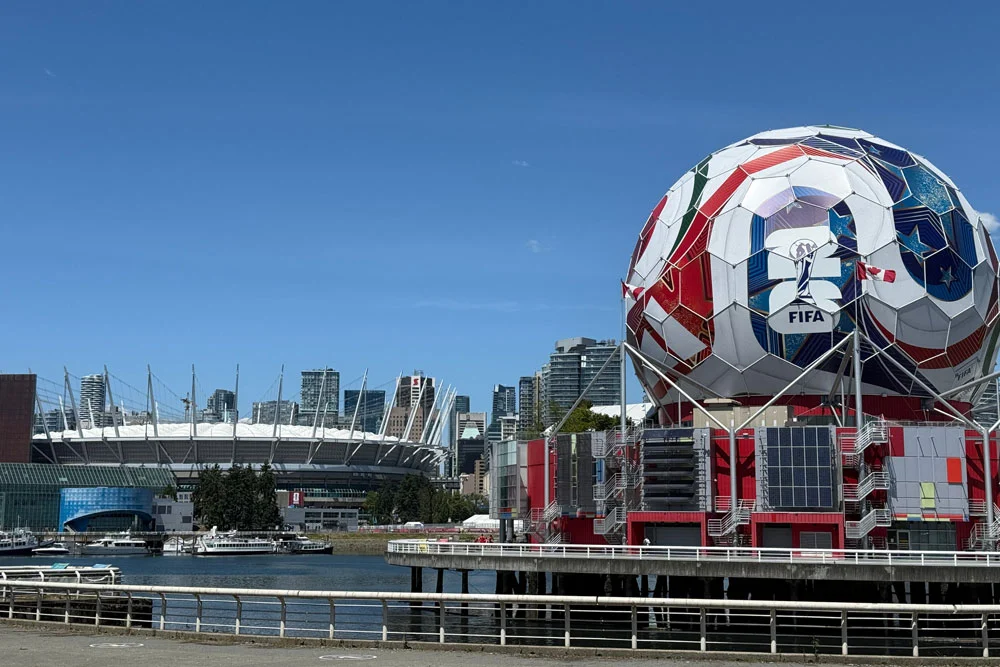
The FIFA World Cup 2026, a sprawling tournament hosted across Canada, Mexico, and the United States, has become more than a mere display of athletic prowess; it has evolved into a masterclass in strategic execution, resilience, and the power of collective effort. As the tournament progresses through its knockout stages, observers are noting a striking correlation between the dynamics of world-class soccer and the high-stakes environment of affiliate marketing. From the packed flights of the "Tartan Army" traveling from London to Boston to the tactical upsets on the pitch, the tournament provides a blueprint for professional success that extends far beyond the stadium walls. The lessons derived from this global event—specifically regarding teamwork, the potency of the underdog, and the necessity of constant evolution—are proving to be essential for digital marketers navigating an increasingly complex global economy.
The 2026 Expansion: A New Landscape for Competition
The 2026 iteration of the FIFA World Cup is historic, marking the first time the tournament has featured 48 teams, up from the traditional 32. This expansion has fundamentally altered the competitive landscape, introducing a broader range of playing styles and more opportunities for unexpected outcomes. The logistical scale of the event, with 104 matches played across 16 host cities, mirrors the expansion of the digital marketplace. Just as FIFA has opened the doors to more nations, the barrier to entry in affiliate marketing has lowered, leading to a more crowded and diverse ecosystem.
Industry analysts suggest that the sheer volume of the 2026 tournament has forced teams to adopt more sophisticated data analytics and recovery protocols. Similarly, in the affiliate marketing sector, the "expansion" of marketing channels—ranging from social commerce and "finfluencers" to traditional content sites—requires a more robust analytical approach to track attribution and ensure return on investment (ROI). The tournament has demonstrated that in a larger field, the margin for error narrows, and the value of a well-defined strategy increases exponentially.
The Fallacy of the Solo Star: Why Teamwork Dominates
One of the most significant takeaways from the 2026 World Cup has been the struggle of teams built around a single "superstar." Despite the individual brilliance of players like Croatia’s Luka Modrić or Portugal’s Cristiano Ronaldo, their respective teams faced significant hurdles when they relied too heavily on a single point of failure. Croatia’s inability to bypass Portugal, and Portugal’s subsequent exit at the hands of a disciplined Spanish side in the Round of 16, underscored a vital truth: individual talent cannot compensate for a lack of cohesive team structure.
In the realm of affiliate marketing, this principle translates directly to the management of affiliate programs. For over a quarter-century, industry leaders have observed that the most successful agencies are those that prioritize the strength of the collective over the brilliance of an individual account manager. A program’s longevity is rarely tied to a single "super-affiliate" who generates the lion’s share of revenue. Instead, sustainable growth is found in diversification.
To protect revenue streams and ensure the quality of referrals, modern affiliate programs must cultivate a "team" of diverse partners. This involves spreading risk across various marketing channels, including:
- Content Creators: Providing top-of-funnel awareness and educational value.
- Coupon and Deal Sites: Driving conversions at the bottom of the funnel.
- Loyalty and Cashback Portals: Encouraging repeat purchases and customer retention.
- Niche Influencers: Offering high-trust recommendations to specific demographics.
A diversified affiliate base acts as a resilient team; if one "player" or channel underperforms due to algorithm changes or market shifts, the others can maintain the program’s momentum.
Chronology of the Underdog: A Timeline of Disruption
The 2026 tournament will likely be remembered as the "Year of the Underdog." The group stages and early knockout rounds provided a series of results that defied historical precedents and betting odds.
- June 2026 (Group Stage): The debutant nation of Curaçao held Ecuador to a shocking 0-0 draw, showcasing a defensive discipline that frustrated a much more experienced South American side.
- July 2026 (Round of 16): Egypt, entering the match as a significant underdog against the defending champions, Argentina, maintained a 2-0 lead for the majority of the game. Their tactical execution and refusal to be intimidated by Argentina’s pedigree sent shockwaves through the sporting world.
- July 2026 (Quarterfinals): Norway, a team that had not qualified for a World Cup in nearly three decades, secured a spot in the Quarterfinals after knocking out Norway in a high-intensity Round of 16 match.
These sporting upsets find a parallel in the business world, specifically in the 2017 launch of the Nectar Sleep affiliate program. At the time, the "mattress-in-a-box" industry was dominated by established giants like Casper, Saatva, and Purple. Nectar Sleep entered the market as a definitive underdog. However, through aggressive affiliate management and a focus on high-converting partnerships, the program became the number one ranked program on the ShareASale network in just one year and five days. It surpassed over 5,000 other brands, including household names like Wayfair, Reebok, and the NFL.
The lesson for both athletes and marketers is clear: being an underdog is not a sentence to mediocrity. It is an opportunity to use agility and unconventional tactics to disrupt established hierarchies.
The Perils of Stagnation: Lessons from Historical Giants
The 2026 World Cup also served as a cautionary tale for those who "rest on their laurels." The absence of Italy, a four-time world champion, from the tournament altogether was a stark reminder that past success does not guarantee future participation. This trend continued into the tournament itself:
- The Netherlands: Once a powerhouse of "Total Football," the Dutch side was eliminated by Morocco in the Round of 32.
- Brazil: The perennial favorites were knocked out by a surging Norway in the Round of 16, proving that even the most prestigious "brands" in soccer are vulnerable if they fail to adapt to the evolving tactical landscape.
In affiliate marketing, the environment is equally dynamic. The "nature of the beast" is constant change, driven by technological advancements, regulatory shifts (such as GDPR and CCPA), and changes in consumer behavior. Strategies that were highly profitable five or ten years ago—such as heavy reliance on third-party cookies or aggressive search engine arbitrage—are no longer viable.
Industry experts emphasize that "online education is a journey, not a destination." The failure of major soccer nations to qualify or advance often stems from a refusal to modernize coaching philosophies or integrate new sports science data. Similarly, affiliate managers who fail to attend industry conferences, such as the Affiliate Summit in New York, or neglect to stay updated on the latest tracking technologies, risk seeing their programs decline into irrelevance.
Supporting Data: Viewership and Economic Impact
The scale of the 2026 World Cup provides a massive data set for understanding global consumer engagement. Preliminary reports indicate that the 2026 tournament is on track to break all previous viewership records, with an estimated 5 billion people tuning in across various platforms. This massive audience represents a goldmine for affiliate marketers who can successfully align their promotions with the "World Cup fever."
Data from previous tournaments suggests that during the World Cup month:
- Mobile Commerce Increases: There is a 15-20% uptick in mobile transactions as fans shop while watching games on secondary devices.
- Ad Spend Shifts: Digital ad spend traditionally pivots toward sports apparel, electronics (TVs and sound systems), and food delivery services.
- Regional Surges: In countries where the national team performs well (e.g., Norway or Egypt in 2026), there is a localized surge in consumer confidence and spending.
Marketing agencies that prepared for these shifts by diversifying their affiliate partners months in advance have seen significantly higher conversion rates compared to those who attempted to launch reactive campaigns.
Broader Implications and Future Outlook
The parallels between the FIFA World Cup 2026 and affiliate marketing suggest a broader shift in how success is measured in the 21st century. We are moving away from an era of "star power" and toward an era of "system power." Whether it is a soccer team’s tactical pressing system or an affiliate program’s multi-channel attribution model, the focus is now on how well the various components work together under pressure.
As the tournament concludes, the business community is left with several key takeaways. First, the importance of "scouting" cannot be overstated—finding the right affiliate partners is as crucial as finding the right wing-back. Second, the "underdog" mentality—characterized by hunger, agility, and data-driven risks—is often more effective than the complacency of an established leader. Finally, the "game" never truly ends. The moment the 2026 trophy is lifted, the cycle for 2030 begins. In affiliate marketing, the end of a successful Q4 or a major campaign is merely the starting line for the next phase of optimization.
For professionals in the affiliate space, the message is clear: stay curious, stay agile, and never underestimate the competition. The world of digital marketing is as unpredictable and thrilling as a World Cup knockout match, and only those who are prepared for the "full 90 minutes" (and potentially extra time) will emerge victorious.