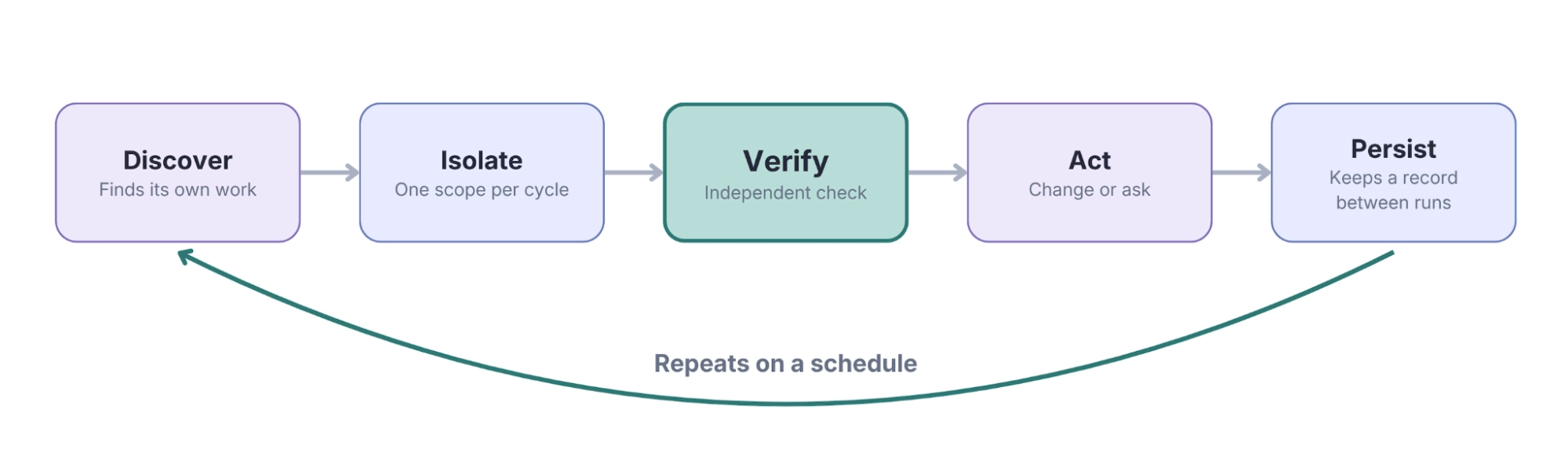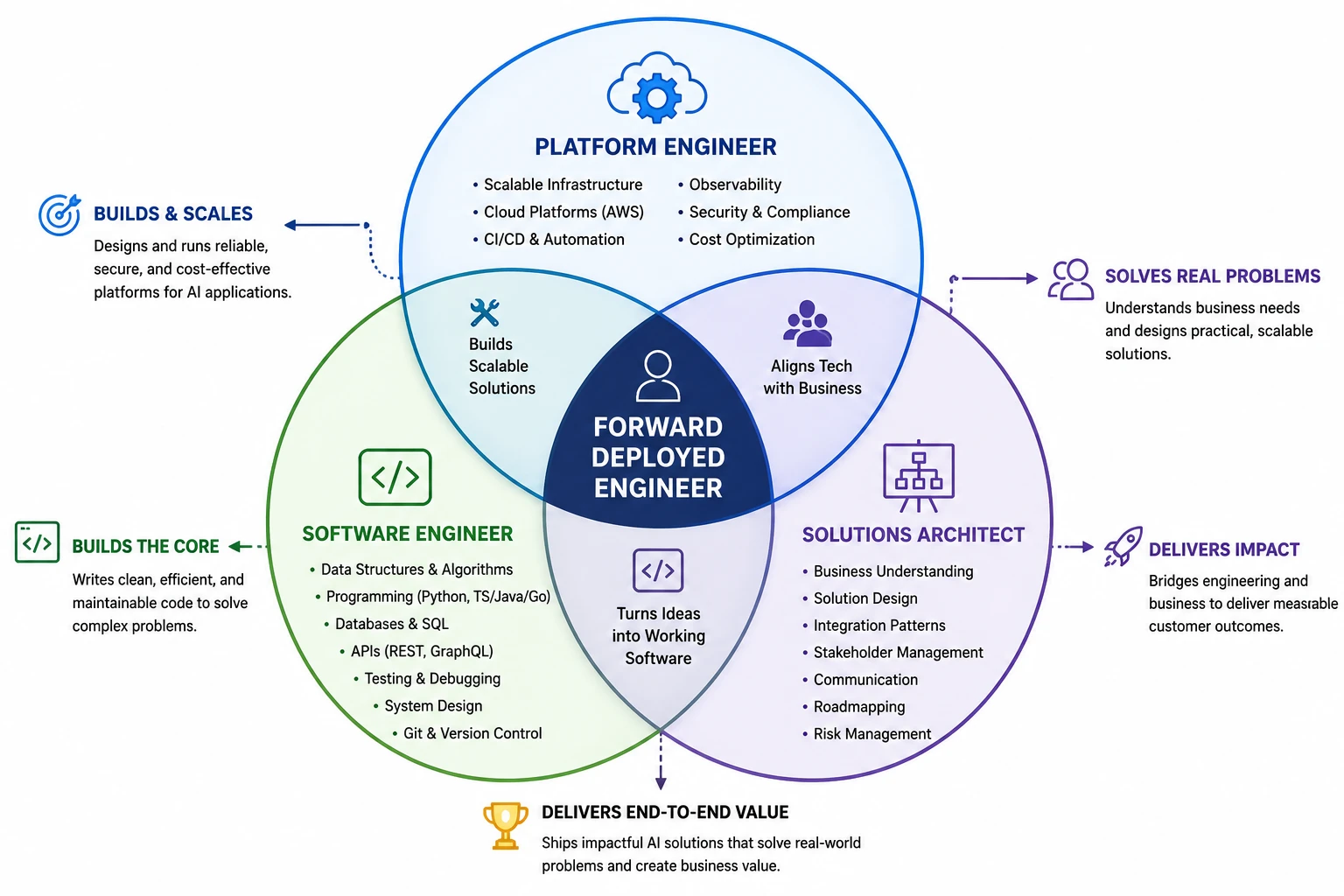
The software engineering landscape is undergoing a structural shift as the focus of the artificial intelligence industry moves from model development to enterprise implementation. While the preceding years were defined by the race to build larger and more capable large language models (LLMs), 2026 has emerged as the year of the "Forward Deployed Engineer" (FDE). This specialized role, once a niche designation popularized by firms like Palantir, has become the primary mechanism through which frontier AI labs and enterprise software companies bridge the gap between experimental pilots and stable production systems.
The emergence of the FDE is a direct response to a significant bottleneck in the corporate adoption of artificial intelligence. According to the MIT NANDA State of AI in Business 2025 report, approximately 95% of enterprise generative AI pilots failed to produce measurable business impact. The report highlighted that the primary obstacle was not the inherent capability of the models themselves, but rather the complexities of deployment within legacy environments. This "deployment gap" has transformed the FDE from an obscure job title into one of the most high-leverage and lucrative positions in the technology sector.
Defining the Forward Deployed Engineer
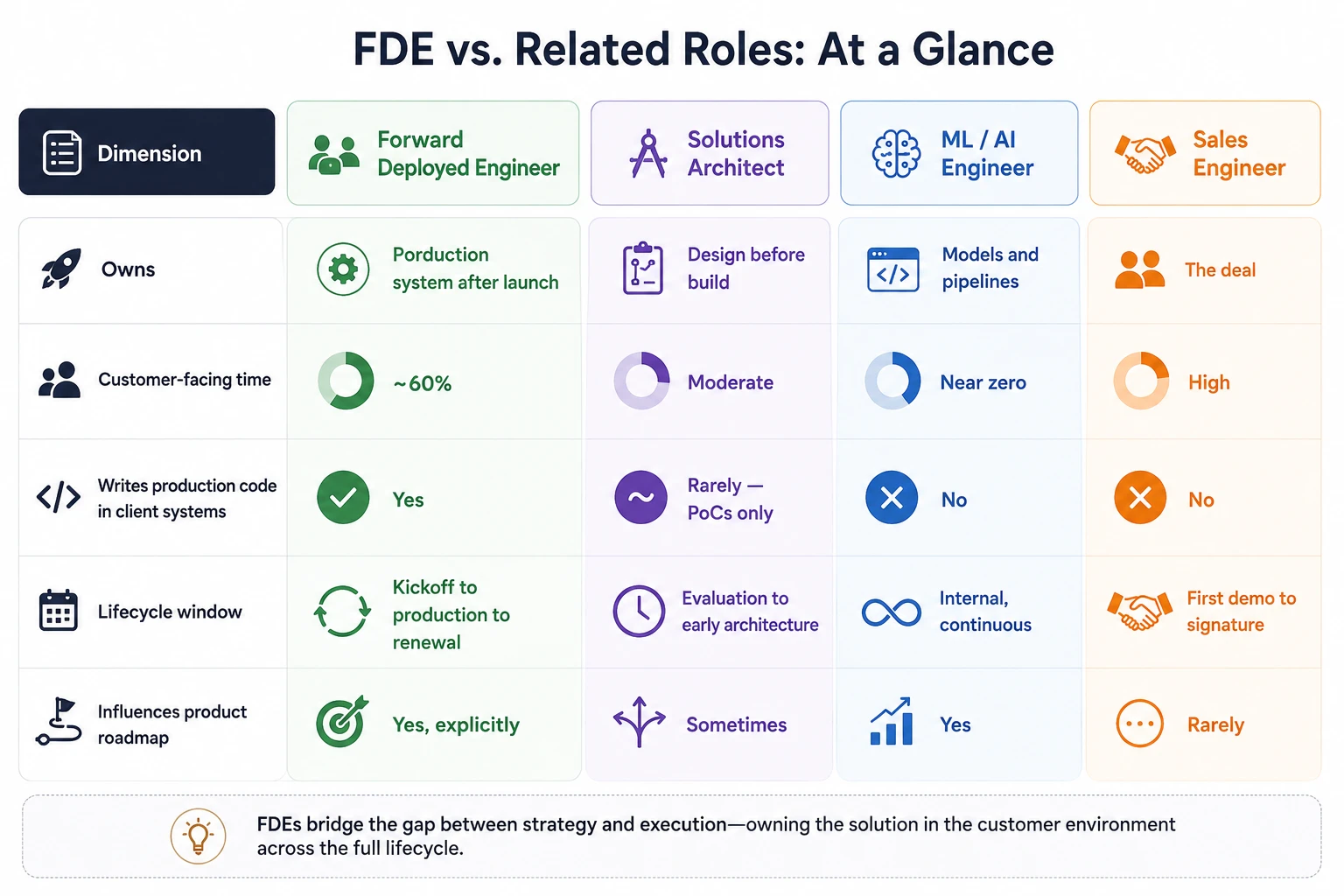
An FDE is a software engineer who embeds directly within a customer’s organization and infrastructure to build, integrate, and maintain production systems. Unlike traditional consultants who deliver strategies and recommendations, or solutions architects who often focus on high-level design and pre-sales demonstrations, an FDE is responsible for delivering working code that remains in production.
The role is frequently compared to that of a "startup CTO" for a specific client project. While a standard product engineer typically focuses on "one capability for many customers," the FDE focuses on "one customer and many capabilities." They are tasked with navigating the unique constraints of a client’s data schemas, compliance requirements, and legacy architectures to ensure that AI tools actually function at scale.
The Evolution of the FDE: A Chronology of Demand
The concept of forward deployment has its roots in military logistics and was first adapted for the tech industry by Palantir Technologies in the early 2000s. Palantir utilized Forward Deployed Software Engineers (FDSEs) to integrate their data analytics platforms into complex government and financial environments. For nearly two decades, this remained a specialized model used by only a handful of "high-touch" enterprise companies.
The timeline shifted dramatically in mid-2024 as generative AI moved from consumer curiosity to enterprise necessity. However, the true inflection point occurred in May 2026, when the industry’s two leading frontier labs, OpenAI and Anthropic, announced a fundamental pivot in their business strategies within days of each other. Both companies realized that providing API access was insufficient for deep enterprise integration. They began aggressively hiring FDEs to work on-site with Fortune 500 companies, signaling that the "boots on the ground" approach was now the standard for AI commercialization.
By the second half of 2026, this trend expanded beyond the labs. Enterprise platform giants like Salesforce and Databricks, along with AI-native startups like Scale AI, Glean, and Harvey, followed suit, creating a surge in demand for engineers who could handle both high-level AI orchestration and "gritty" infrastructure integration.
Bridging the Two-Sided Knowledge Gap
The demand for FDEs is driven by a fundamental asymmetry in expertise between AI providers and their corporate clients. This creates what industry analysts call a "two-sided knowledge gap."
On one side, the client’s internal engineers possess deep domain knowledge. They understand the intricacies of the business, the nuances of their specific data sets, and the regulatory constraints that govern their industry. However, they often lack experience in the emerging field of "evaluation engineering"—the ability to predict and mitigate how LLMs behave in production environments, including handling hallucinations, prompt injection, and retrieval latency.
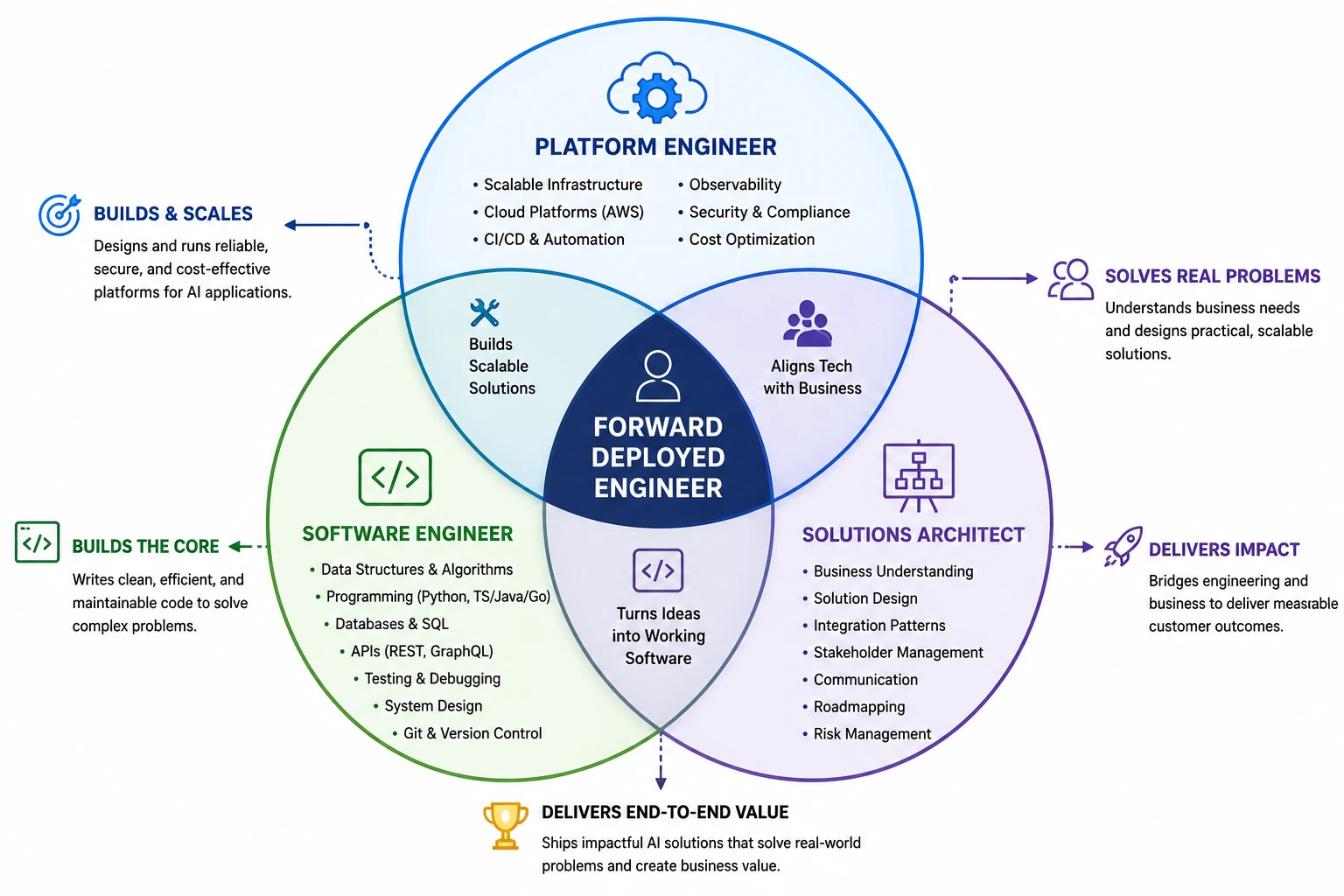
On the other side, the engineers at AI labs understand the models’ failure modes and optimization strategies perfectly but lack context regarding the client’s messy, real-world data. The FDE serves as the bridge. By embedding with the client, the FDE can translate business requirements into technical specifications that the models can actually fulfill, ensuring that the final product is not just a demo, but a reliable tool.
Compensation Trends and Economic Data
The specialized nature of the FDE role, combined with the high stakes of enterprise AI contracts, has led to a significant spike in compensation. Data from mid-2026 indicates that FDEs are often paid a premium over traditional software engineers and solutions architects.
In the United States, total compensation (TC) for FDEs at frontier labs has reached unprecedented levels. Entry-level or mid-level roles in San Francisco typically see base salaries ranging from $160,000 to $280,000. However, when including equity—which now accounts for 55% to 70% of total compensation at top-tier labs—the total package for a mid-level FDE often falls between $350,000 and $450,000. Senior or "Staff" level FDEs can command compensation packages exceeding $600,000.
In India, the growth has been equally aggressive, particularly in Bengaluru. Reported ranges for FDEs with 0–2 years of experience sit between ₹18–28 LPA (Lakhs Per Annum). For those with 3–6 years of experience, the range jumps to ₹28–55 LPA. Senior FDEs or those working for global firms in a remote capacity are seeing offers between ₹55–90+ LPA. Industry observers note that the higher end of these brackets is almost always reserved for engineers who demonstrate "end-to-end ownership," a trait that separates high-tier FDEs from standard implementation staff.
The Technical and Professional Roadmap
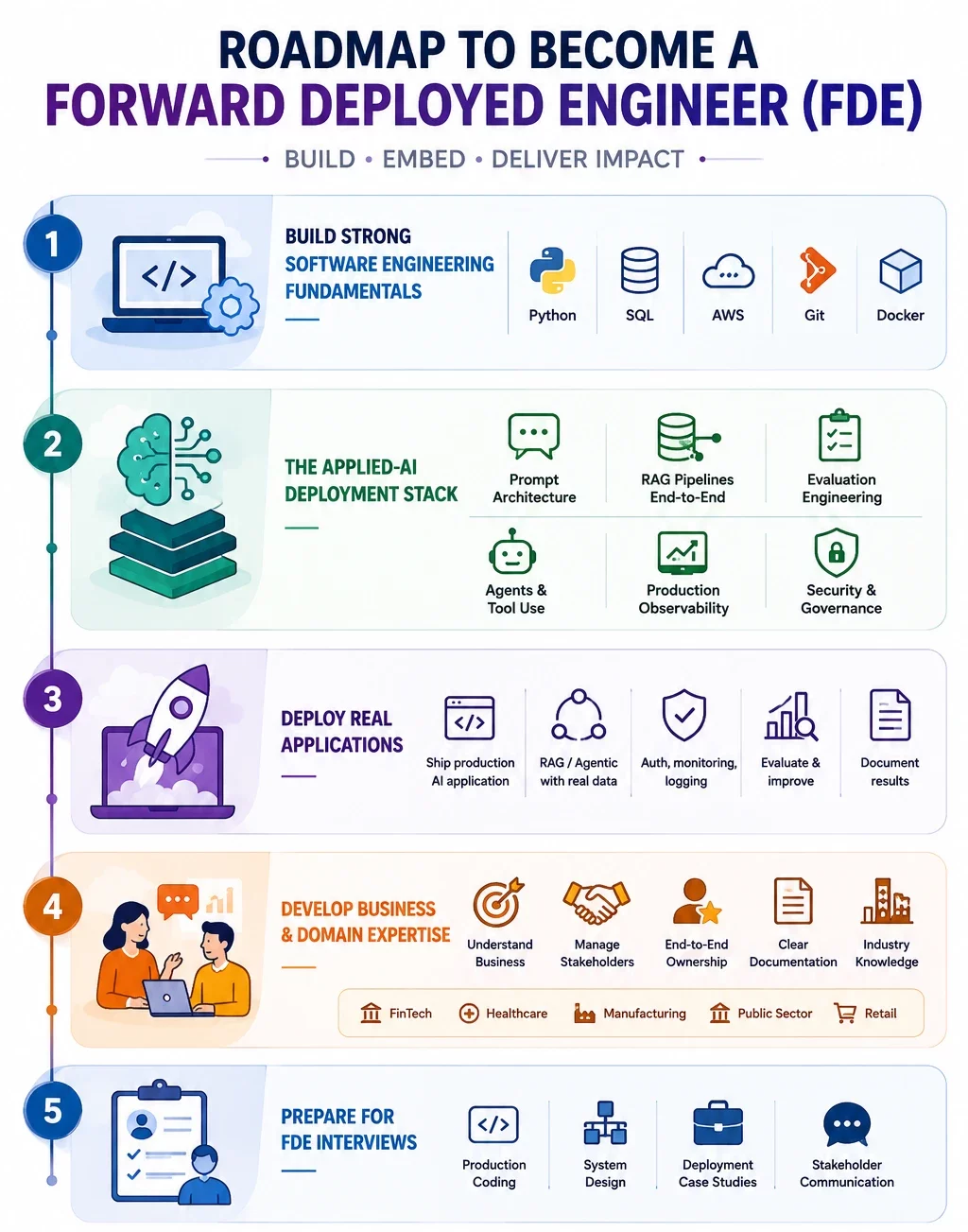
To meet the requirements of this role in 2026, engineers must master a hybrid stack that combines traditional DevOps with modern AI orchestration.
The Core Engineering Stack
Fundamental proficiency in Python remains non-negotiable, often supplemented by TypeScript or Go. Advanced SQL skills are required to navigate complex enterprise databases. On the infrastructure side, FDEs must be experts in Docker and at least one major cloud provider (AWS, Azure, or GCP), with a strong grasp of CI/CD pipelines to ensure that AI deployments do not break existing workflows.
The Applied AI Stack
The FDE must go beyond basic API calls. Current industry standards require expertise in:
- RAG (Retrieval-Augmented Generation): Implementing sophisticated retrieval systems that go beyond basic vector searches to include hybrid search and re-ranking.
- Evaluation Engineering: Building automated testing suites (using tools like G-Eval or custom LLM-as-a-judge frameworks) to measure the accuracy and safety of model outputs.
- Agentic Orchestration: Designing systems where AI "agents" can autonomously use tools and execute multi-step tasks.
- Observability: Setting up monitoring systems to track model drift, latency, and token costs in real-time.
Professional and Domain Expertise
The "Forward Deployed" aspect of the role requires a level of stakeholder management rarely seen in standard engineering positions. FDEs must be comfortable with ambiguity and have the ability to translate vague business goals into technical roadmaps. Furthermore, domain expertise in sectors such as FinTech, Healthcare, or the Public Sector is becoming a key differentiator, as these industries have specific compliance hurdles that generic AI solutions cannot easily clear.
Critical Trade-offs and Industry Implications
Despite the high compensation and prestige, the FDE role involves significant professional trade-offs. The most prominent is the requirement for travel; most FDE positions at companies like OpenAI or Palantir expect 20% to 50% of the engineer’s time to be spent on-site with customers. This "road warrior" lifestyle can lead to burnout and is a primary reason for the role’s high turnover rate.
There is also the risk of "career silo-ing." Some engineers fear that being an FDE is a form of "body shopping" or high-end professional services that may take them away from core product development. However, industry exits suggest otherwise. Former FDEs are increasingly being recruited for founding roles in startups and engineering leadership positions because they possess a rare combination of technical depth and customer-facing business acumen.
Broader Impact on the Tech Ecosystem
The rise of the FDE signifies a maturation of the AI industry. It is an admission that software is not just "bought" but "integrated." This shift is forcing a re-evaluation of how AI companies are valued. Success is no longer measured solely by the benchmarks of a model, but by the "stickiness" of the integration and the measurable ROI (Return on Investment) delivered to the enterprise.
As we move toward 2027, the FDE role is expected to evolve further. We may see the emergence of "Vertical FDEs" who specialize exclusively in one industry, such as legal or manufacturing. Regardless of the specific title, the underlying principle remains: in an era of abundant AI models, the most valuable engineers are those who can make the models work where they matter most—in the heart of the world’s most complex organizations.
The current boom in forward deployed engineering is not merely a hiring trend; it is the final piece of the puzzle in the enterprise AI revolution. For the engineer, it represents a path to high-impact, high-reward work. For the enterprise, it represents the difference between an expensive experiment and a transformative technological leap.

 Asep Darmawan
 Dwi Wanna